
One of the most nitrating things about our era of aquarium keeping is that we have access to an enormous amount of information about the wild habitats of our fishes. If you make the effort, you can find scientific research papers on just about any fish, locale, and habitat you can think of. With all of this information available, the sheer number of habitats which you can replicate in an aquarium is mind boggling!
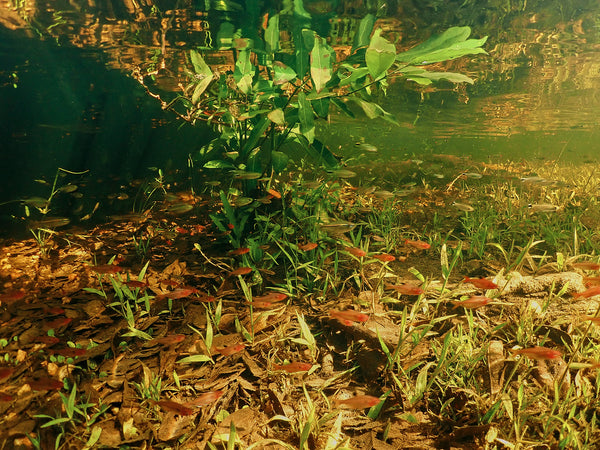
And it’s not just habitats, per se– it’s little ecological niches within the habitats- known to ecologists as “microhabitats” -defined as habitats which are small or limited in their extent, and which differ in character from some surrounding more extensive habitat.
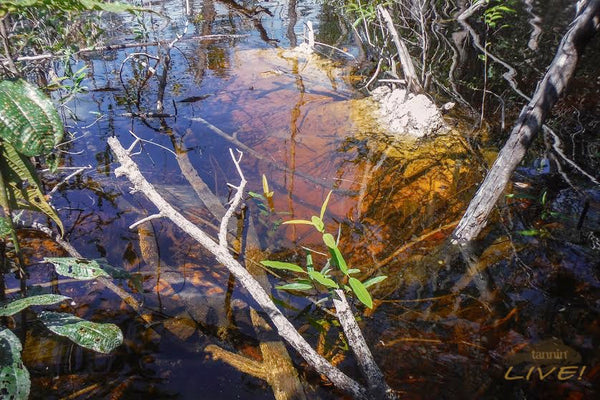
These can be both compelling and rewarding to use as an aquarium subject! And, not surprisingly, these may encompass simple materials which we as botanical-method aquarium enthusiasts are quite familiar with! In many natural aquatic habitats, fallen tree branches, twigs, and leaves, form a valuable and important part of the ecosystem.
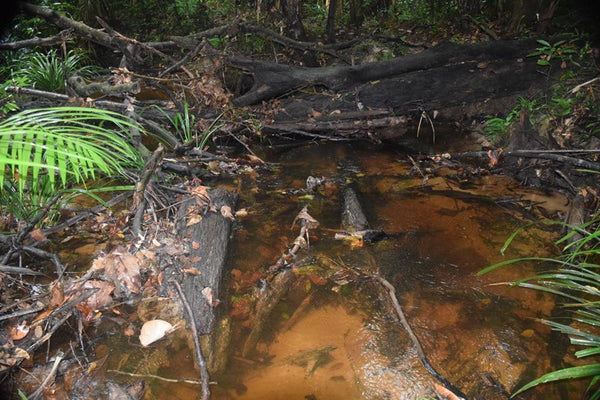
The complexity and additional “microhabitats” they create are very useful for protecting baby fishes, breeding Apistogramma, maintaining Poecilocharax, catfishes, Dicosssus, and other small, shy fishes which are common in these locales. They provide foraging areas, as well as locations to sequester detritus, sediments, and nutrients for the benefit of the surrounding ecosystems.
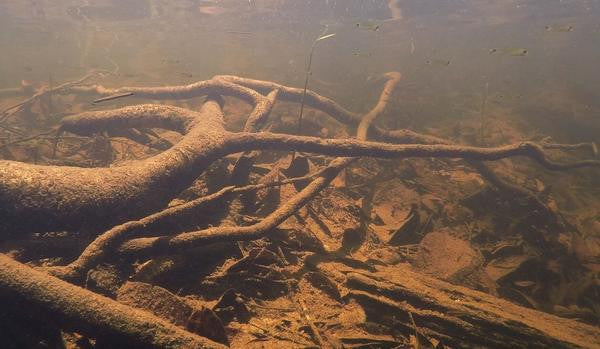
It would be remarkably easy- and interesting- to replicate these habitats within the confines of the aquarium. The mind-blowing diversity of Nature is comprised of millions of these little “scenes”, all of which are the result of various factors coming together.
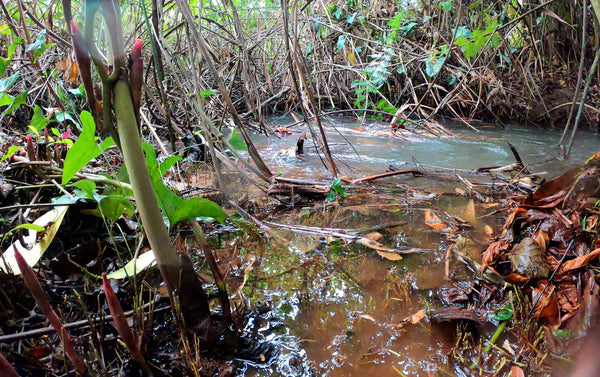
As aquarists, observing, studying, and understanding the specifics of microhabitats is a fascinating and compelling part of the hobby, because it can give us inspiration to replicate the form and more important- thefunction- of them in our tanks!
I’ve spend a lot of time discussing and considering the various components and interactions of water and terrestrial habitats, and I think that if I haven’t made a compelling case, our Nature will!
Consider the “karsts…”
A karst is an area of land made up of limestone. Limestone, also known as chalk or calcium carbonate, is a soft rock that dissolves in water. This process produces geological features like ridges, towers, fissures, sinkholes and other characteristic landforms. Many of the world’s largest caves and underground rivers are located in karstlands.
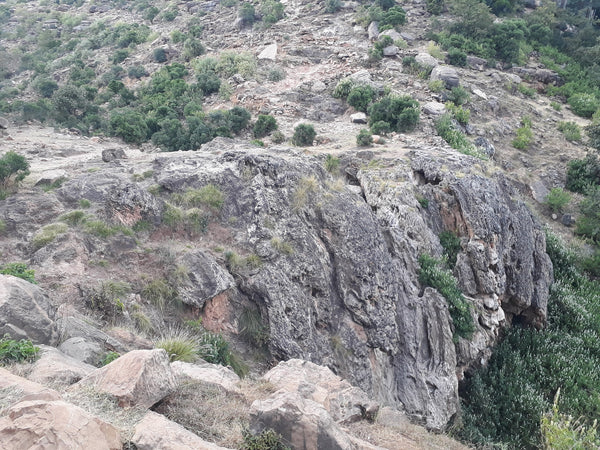
(Karstic terrain. Image by Jan Nyssen used under CC BY-SA 4.0)
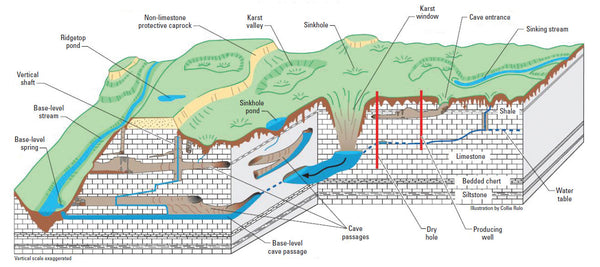
The porous limestone rock holds a lot of groundwater, ponds, and streams, sometimes located underground. And those cool structures known as cenotes (closed basins)! Yeah, we’ll revisit those some other time.
Karsts are characterised by the presence of caves, sink holes, dry valleys and “disappearing” streams. These landscapes are known for their groundwater flow and efficient drainage of surface water through a wide network of subterranean conduits, fractures and caves.
Karst are found throughout the world, including France, China, the Yucatán Peninsula; South America, and parts of the United States.
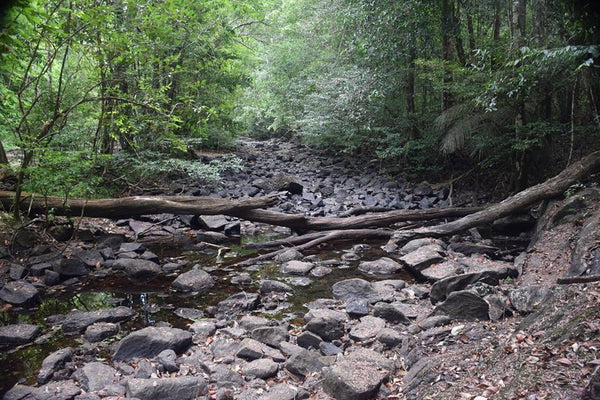
In typical karstic habitats, the water is very clear, becoming turbid after heavy rains. Flash floods occur several times during the rainy season. In this period the stream width increases, making available habitats to be colonized, called “temporary stretches”.
Are you thinking what I’m thinking? Yeah, these could be interesting aquarium subjects!
Yeah. And since a bunch of ’em occur in South America, where some of our fave fishes come from…this could be really interesting!
A fascinating neotropical karst landscape is located in the São Francisco River basin, Minas Gerais State, in Brazil. The fish diversity in these waters is significant. One study that I stumbled upon identified 28 species distributed in 3 orders and 9 families in this one locale alone!
The pH values in the South American karst habitats I found studies on range from 6.3 to 8.2, and averaged around 7.2 (slightly alkaline). Water temperatures average around 75 degrees F ( 23.8C), conductivity averages .30mS/cm, and the ORP averages 178 mv. (lower than one might expect, right? In reef keeping, we shoot for around 300 mv, so…) It’s thought that the low levels of ORP can be associated with environmental pollution and/or high concentrations of ions, which is consistent in waters with karstic origins.
From an aquarist’s perspective, karstic habitats should be pretty easy to replicate in the aquarium, right? Lots of smooth stone and sand, with a scattering of leaves and a few branches. This is one instance where I’d tell you to use plenty of activated carbon or other chemical media, to keep the water more or less clear. I mean, in some locales, as we mentioned previously, it’s crystal clear!
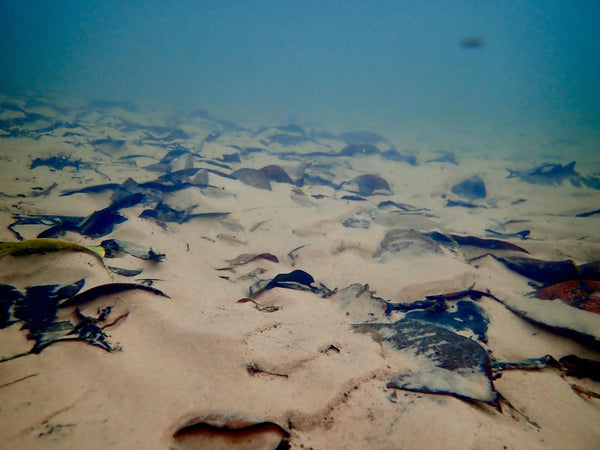
Lots of epiphytic algal growth, some broken up leaves, aggregations of rocks…sand…I mean, this is like aquarist paradise! You can pretty much use every trick in the book and still come up with a reasonably faithful biopic representation- functionally aesthetic, no less! And, for some of you, not to have to deal with super acidic water and dark tint could be a real win, huh?
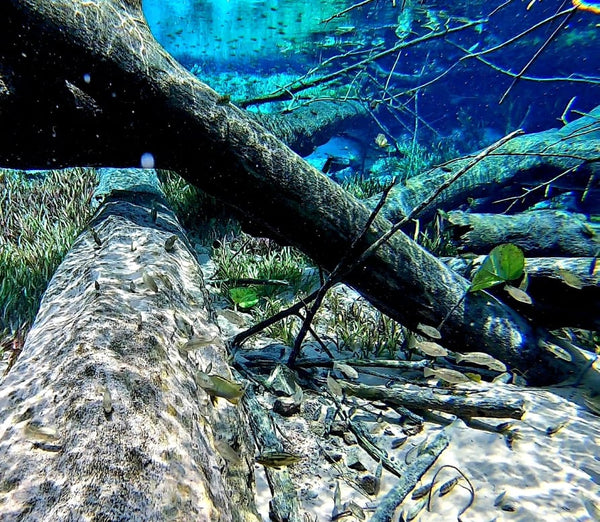
This is the most cursory description of karsts- but I hope it whets your appetite to learn more about them! Dig deeper, and you’ll find a remarkable amount of information about them. It’s an example of a unique ecological niche which is seldom replicated in the aquarium.
And of course, I can’t just discuss one interesting habitat without mentioning another, right?
Among the richest habitats for fishes in streams and rivers are so-called “drop-offs”, in which the bottom contour takes a significant plunge and increase in depth. These are often caused by current over time, or even the accumulation of rocks and fallen trees, which “dam up” the stream a bit. (extra- you see this in Rift Lakes in Africa, too…right? Yeah.)
Fishes are often found in drop offs in significant numbers, because these spots afford depth (which thwarts the hunting efforts those pesky birds), typically slower water movement, numerous “nooks and crannies” in which to forage, hide, or spawn, and a more restive “dining area” for fishes without strong currents. They are typically found near the base of tree roots…From an aquascaping perspective, replicating this aspect of the underwater habitat gives you a lot of cool opportunities.
And of course, these types of habitats are perfect subjects for aquarium representation, aren’t they?
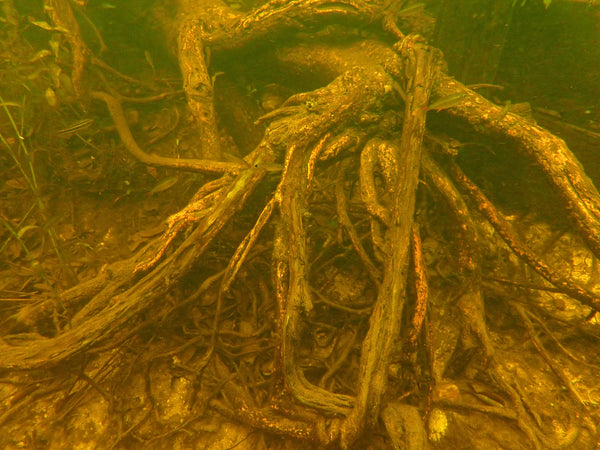
If you’re saddled with one of those seemingly ridiculously deep tanks, a drop-off could be a perfect subject to replicate. And there are even commercially-made “drop-off” tanks now! Consider how a drop-off style encompasses a couple of different possible niches in the aquarium as it does in Nature!
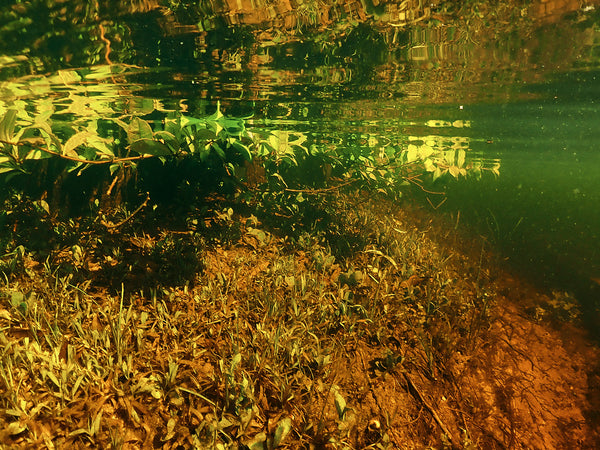
Overhanging trees and other forms of vegetation are common in jungle/forest areas, as we’ve discussed many times. Fishes will tend to congregate under these plants for the dimmer lighting, “thermal protection”, and food (insects and fruits/seeds) that fall off the trees and shrubs into the water. (allochthonous input– we’ve talked about that before a few times here!) And of course, if you’re talking about a “leaf litter” or botanically-influenced aquascape, a rather dimly-lit, shallow tank could work out well.
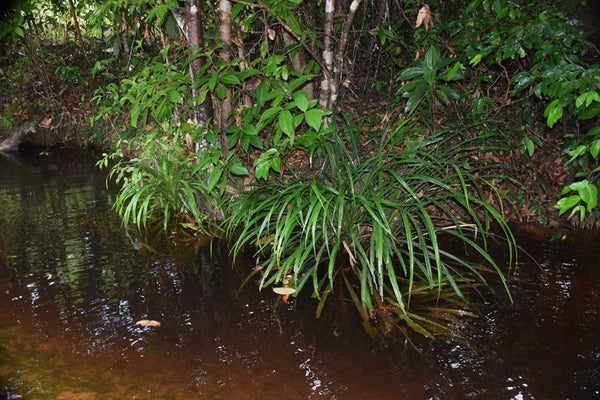
And of course, in the areas prone to seasonal inundation, you’ll often see trees and shrubs partially submerged, or with their branch or root structures projecting into the water. Imagine replicating THIS look in an aquarium. Contemplate the behavioral aspects in your fishes that such a feature will foster!
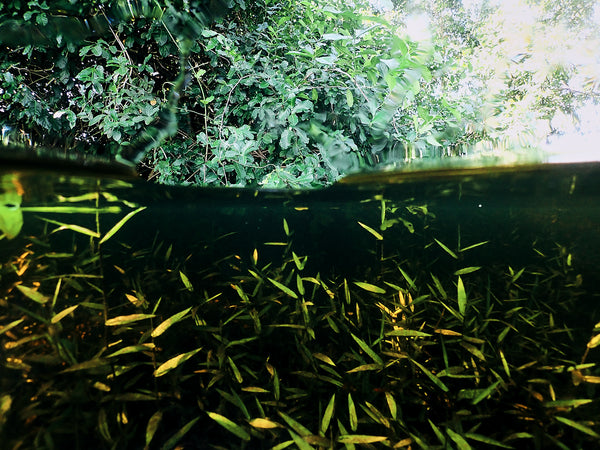
Lots of leaves, small pieces of wood, and seed pods on the substrate- doing what they do- breaking down-would complete a cool look. For a cool overall scene, you could introduce some riparian plants to simulate the bank as well. A rich habitat with a LOT of opportunities for the creative ‘scaper!
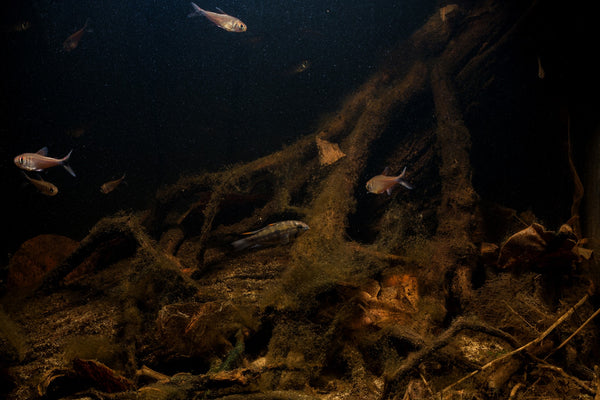
Why not create an analogous stream/river feature that is known as an “undercut?” Pretty much the perfect hiding spot for fishes in a stream or river, and undercuts occur where the currents have cut a little cave-like hole in the rock or substrate material near the shore.
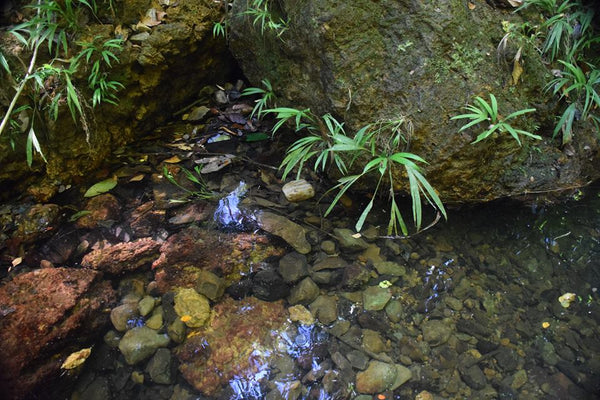
Not only does this feature provide protection from birds and other above-water predators, it gives fishes “express access” to deeper water for feeding and escaping in-water predators!
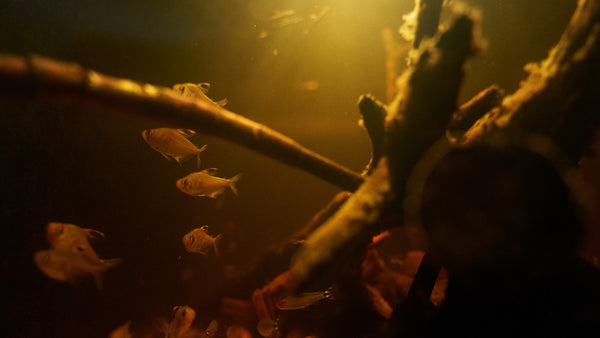
Trees growing nearby add to the attractiveness of an undercut for a fish (for reasons we just talked about), so subdued lighting would be cool here. You can build up a significant undercut with lots of substrate, rocks, and some wood. Sure, you’d have some reduced water capacity, but the effect could be really cool.
Here are just a few more of the many features of streams and rivers that fishes LOVE to congregate in…Think about how you might consciously incorporate some of them into your next aquascape!
First off, a few “sweeping generalities.”
Fishes tend to live in areas where the food and protection is, as we’ve talked about many times before. Places that provide protection from stronger current and above-and below-water predators. Places where they can create territories, interact, spawn and defend themselves.
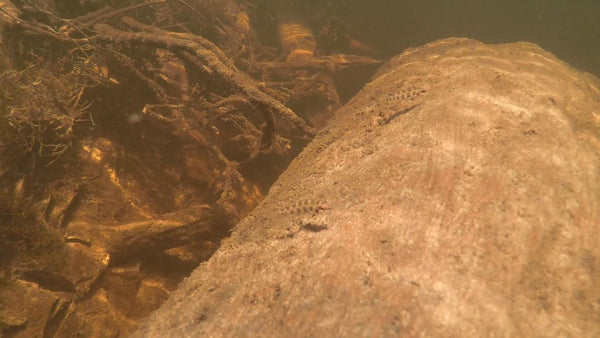
Bends in streams and rivers are particularly interesting places, because the swifter water movement will typically carry food, and the fishes seem to know this. And if theres a tree branch, trunk, or a big rock (or rocks) to break up the flow, there will be a larger congregation of fishes present. So, the conclusion here is that, at least in theory, if you design your scape to have a higher “open water” flow rate, and include some features like rocks and large branches, you’ll likely see the fishes hanging in those areas…
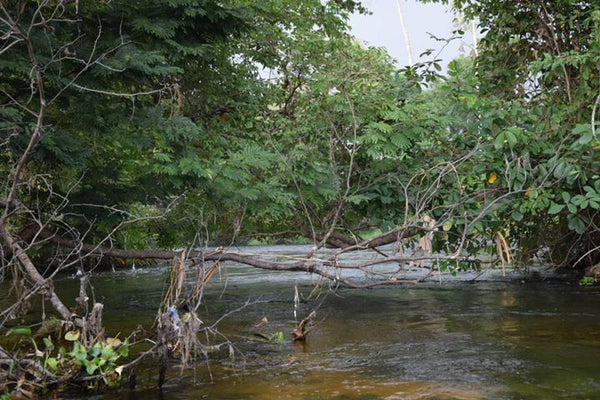
In situations where you’re replicating a faster-flowing stream environment, think about creating some little “rock pockets”, perhaps on one side of the aquarium, to create areas of calmer water movement. Your fishes will typically orient themselves facing “upstream” to catch any food articles that happen on by.
So, from a design perspective, if you want to create a cool rock feature that your fishes will likely gather in, orienting the flow towards it would be a good way to accomplish this in the aquarium.
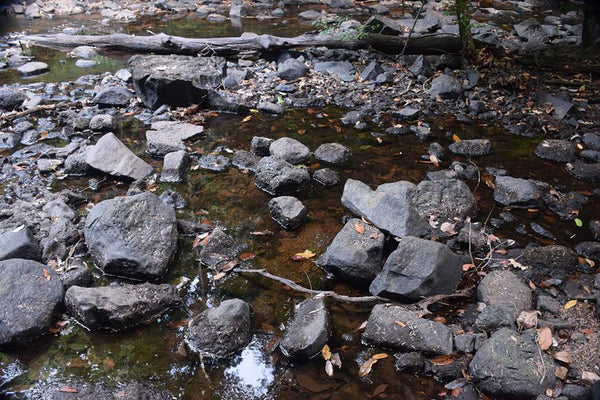
Yeah, I could go on and on with all sorts of ideas about how to recreate all sorts of unique microhabitats in the aquarium- because there are a seemingly limitless number of them to explore and replicate!
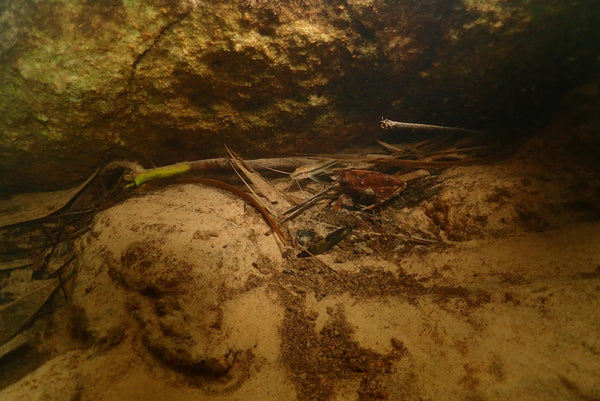
If you’re trying to create something just a bit different and perhaps a bit more true to Nature, you might want to take a little “field trip” to a nearby stream, river, creek, lake, etc., where fishes and other aquatic animals reside, and observe things from the perspective of how they interact with the features of the environment.
At the very least, it might open your eyes a bit and give you a different perspective on the way wild aquatic habitats evolve, function, and host fishes.
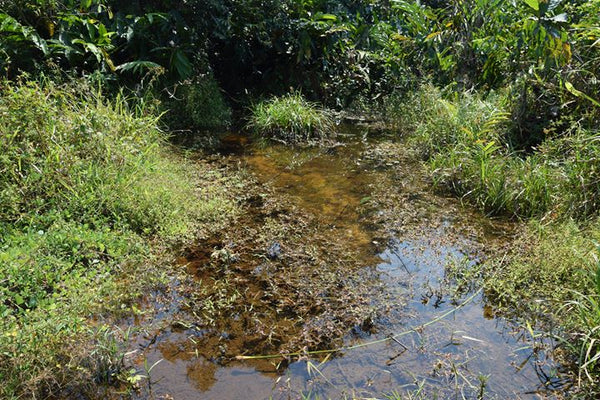
You should “get outside” and do this once in a while! You’ll definitely leave with some inspiration, ideas, and just maybe, a slightly different perspective on aquascaping than you’ve previously had! You’ll notice subtle details which, when applied to an aquarium, could provide an amazingly unique look and function for your fishes!
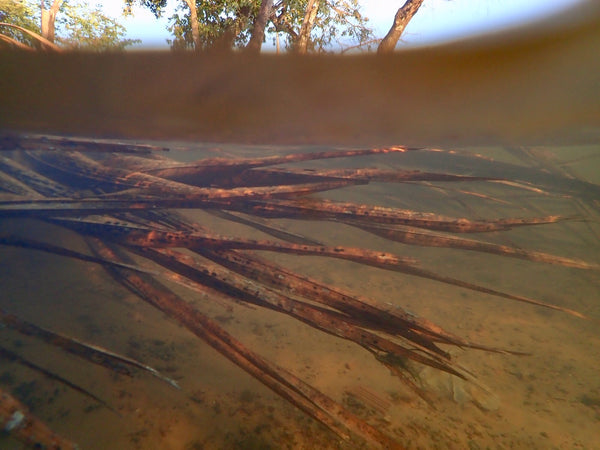
Embrace some of the randomness of these aquatic features. It’ll change the way you look at Nature-and aquariums.
The seemingly random, unusual, and almost “disorderly” appearance of many aquatic features is really inspiring. I mean, Nature takes all of these random elements, and combines them in amazing ways.
And when you consider that virtually all freshwater fishes come into contact with some botanical materials throughout their existence, it opens your mind to the possibilities. In virtually every body of water, you’ll find some sunken branches, tree trunks, leaves, roots, seed pods, etc.- stuff which can create really interesting features to support all sorts of fishes.
And this doesn’t require us to do tremendous amount of “aquascaping” in the traditional hobby sense. Rather, it’s more about seeing how Nature does it…
Huh?
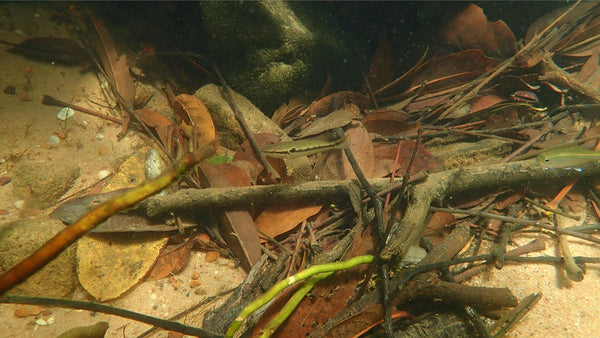
Think about this: We as hobbyists spend an enormous amount of energy and effort creating meticulous wood arrangements and rockwork in our aquariums, trying to achieve some sort of perfectly-radioed, artistic layout.
Why?
Personally, I’d like to see us apply the same level of dedication to really understanding and replicating the “function” of Nature in relation to its appearance, and embracing the random nature of its structure in our tanks.
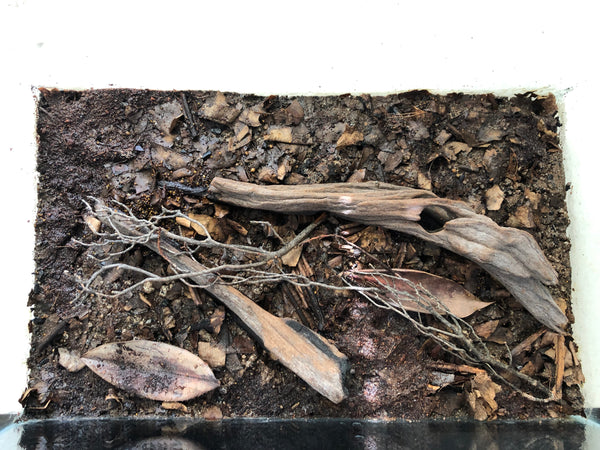
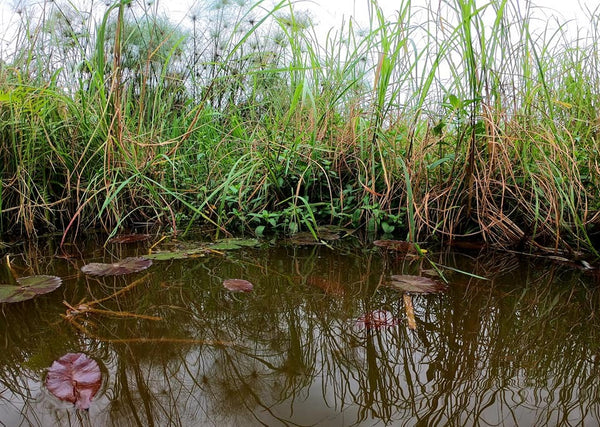
When you look at those amazing pictures of the natural aquatic habitats we love so much, you’re literally bombarded with the “imperfection” and randomness that is nature. Yet, in all of the “clutter” of an igarapeflooded forest, for example, there is a quiet “elegance” to it.
There is a sense that everything is there for a reason- and not simply because it looks good. It IS perfect. Can’t we bring this sense to our aquariums? I think we can…simply by meeting nature halfway.
Is there not also beauty in “randomness”, despite our near-obsessive pursuit of rules, such as “golden ratio”, color aggregating, etc? Just because last year’s big ‘scaping contest winner had the “perfect” orientation, ratios, and alignment of the (insert this year’s trendiest wood here) branch within the tank, doesn’t mean it’s a real representation of Nature, let alone, the natural functionality of “randomness.”
In other words, just because it looks good, it doesn’t mean it’s what Nature looks like. That’s perfectly okay, of course, except when you’re blabbing on and on about how your tank is a “beautiful recreation of Nature”, as hobbyists tend to do online!
I think it’s perfectly okay for hobbyists to simply say that they have created a beautiful, artistic, nature-inspired arrangement in their tanks! A beautiful tank is a beautiful tank- regardless of how you label it.
It’s that misappropriation of the term “Nature” or “Natural” that drives me crazy.
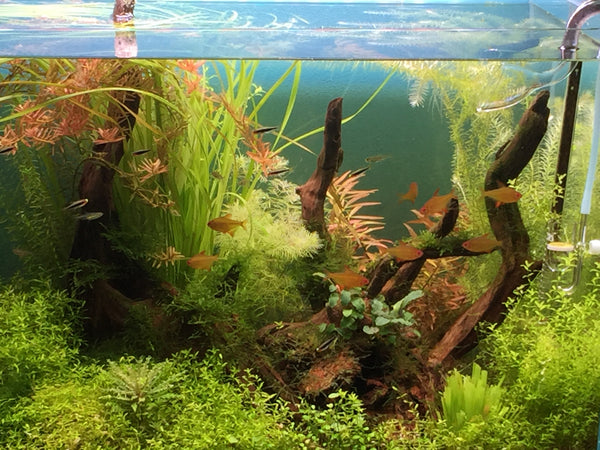
There’s a disconnect, of sorts- and I think it starts with our collective failure as hobbyists to take into account how materials like branches, leaves, twigs, and seed pods arrive in their positions within an aquatic habitat. These factors have a huge influence on the way these habitats form and function.
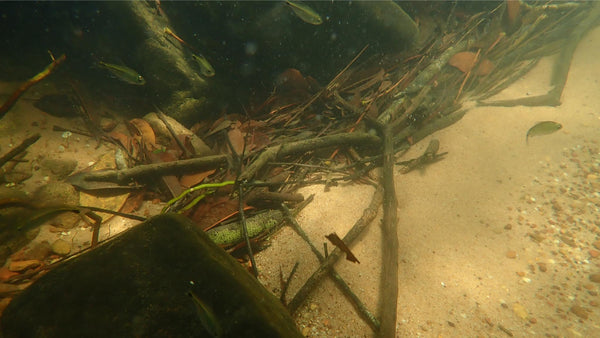
When you think about how materials “get around” in the wild aquatic habitats, there are a few factors which influence both the accumulation and distribution of them. In many topical streams, the water depth and intensity of the flow changes during periods of rain and runoff, creating significant re-distribution of the materials which accumulate on the bottom, such as branches, leaves, seed pods, and the like.
Larger, more “hefty” materials, such as submerged logs, etc., will tend to move less frequently, and in many instances, they’ll remain stationary, providing a physical diversion for water as substrate materials accumulate around them.
Most of the smaller materials, like branches, seed pods, and leaves may tend to move around quite a bit before ultimately settling and accumulating in a specific area-perhaps one with less flow, natural barriers like branches or fallen trees, a different bottom “topography”, and other structural aspects, like bends and riffles.
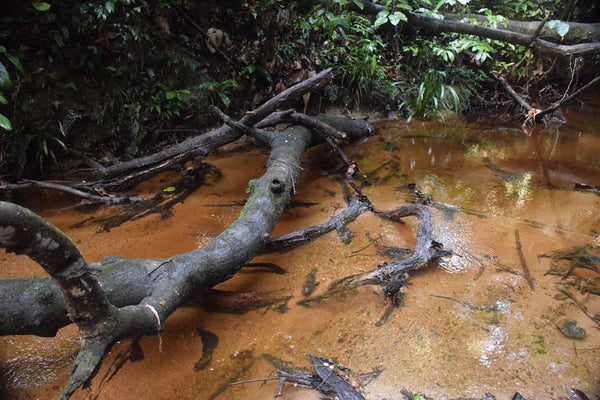
Sometimes, seasonal flooding or overflowing streams run through previously terrestrial habitats, with the water moving materials around considerably. One might say that the “material changes” to the environments created by this movement of materials can have significant implications for fishes. In the wild, they follow the food, often existing in, and subsisting off of what they can find in these areas.
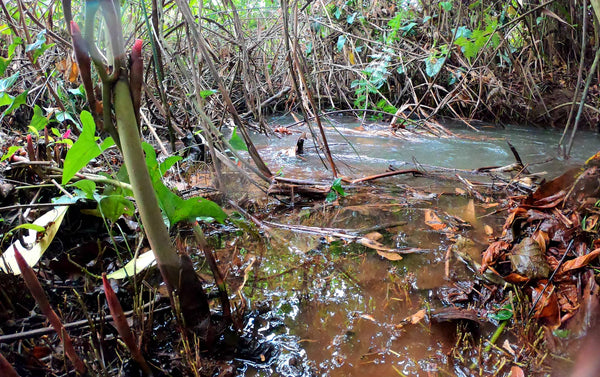
Yeah…They tend to be attracted to areas where food supplies are relatively abundant, requiring little expenditure of energy in order to satisfy their nutritional needs. Insects, crustaceans, and yeah- tiny fishes- tend to congregate and live around floating plants, masses of algae, and fallen botanical items (seed pods, leaves, etc.), so it’s only natural that our subject fishes would be attracted to these areas…
I mean, who wouldn’t want to have easy access to the “buffet line”, right?
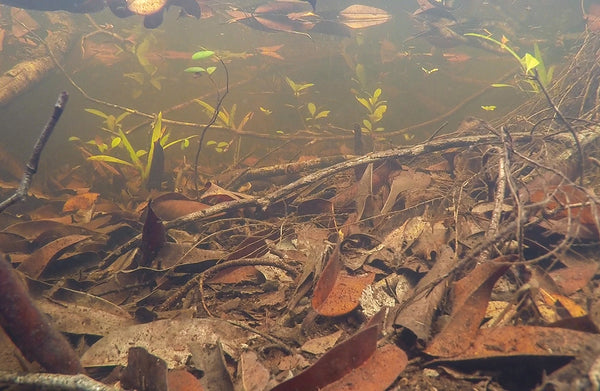
Right there, you can see that there is some predictability and utility in the “random” nature of aquatic habitats. They provide enormous support for life forms at many levels.
Any random stream in Nature contains inspiration and ideas which we can apply to our aquascapes, without having to overthink it. Sure, even the simple act of placing a piece of wood in our tanks requires someconsideration…
However, it think a lot of it boils down to what we are placing the emphasis on as aquarists. Perhaps it’s less about perfect placement of materials for artistic purposes, and more about placing materials to facilitate more natural function and interactions between fishes and their environment.
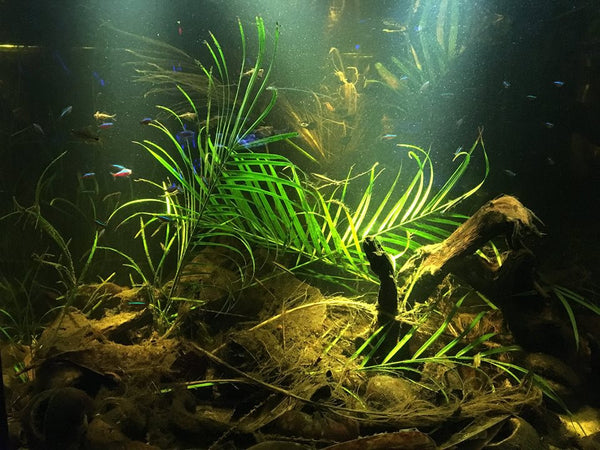
We make those “mental shifts” and accept the dark water, the accumulation of leaves and botanicals, the apparent “randomness” of their presence. We study the natural habitats from which they come, not just for the way they look- but for WHY they look that way, and for how the impacts of the surrounding environments influence them in multiple ways.
It goes beyond just finding that perfect-looking branch or bunch of leaves to capture a “look.” We’ve already got that down.
We can go further…
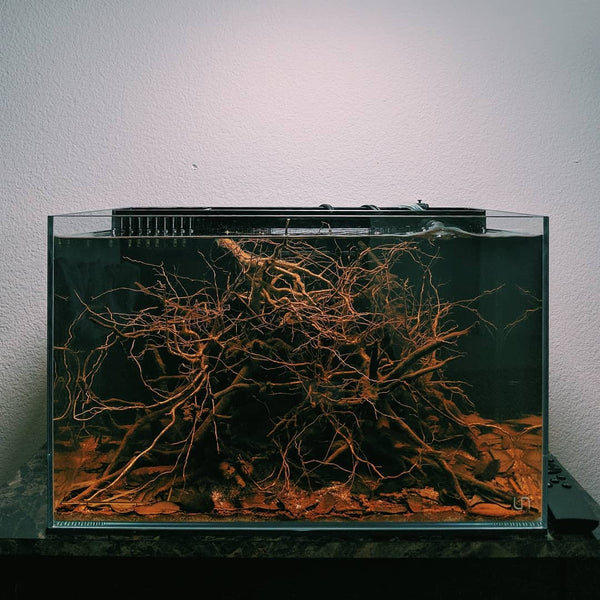
Sure, embracing some different aesthetics can seem a bit- well, intimidating at first, but if you force yourself beyond just the basic hobby-oriented mindset out there on these topics, there is a whole world of stuff you can experience and learn about!
And the information you can gain from this process just might have an amazing impact on your aquarium practice; that might just lead to some remarkable breakthroughs that will forever change the hobby!
There is a tremendous amount of academic material out there for those willing to “deep dive” into this. And a tremendous amount to unravel and apply to our aquarium practices! We’re literally just scratching the surface. We’re making the shifts to accept the true randomness of Nature as it is. We are establishing and nurturing the art of “functional aesthetics.”
I suppose that there are occasional smirks and giggles from some corners of the hobby when they initially see our tanks, with some thinking, “Really? They toss in a few leaves and they think that the resulting sloppiness is “natural”, or some evolved aquascaping technique or something?”
Funny thing is that, in reality, it IS a sort of evolution, isn’t it?
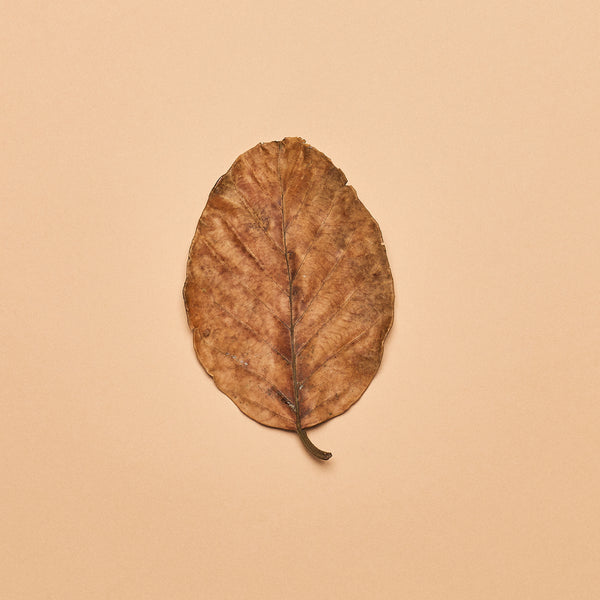
I mean, sure, on the surface, this doesn’t seem like much: “Toss botanical materials in aquariums. See what happens.” It’s not like no one ever did this before. And to make it seem more complicated than it is- to develop or quantify “technique” for it (a true act of human nature, I suppose) is probably a bit humorous.
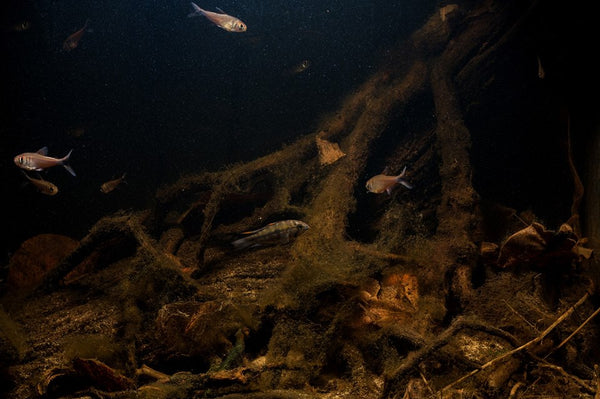
On the other hand, most of us already know that it’s not just to create a cool-looking tank. It’s not purely about aesthetics. The aesthetics are a “by-product” of the function we push for. And, another thing We don’t embrace the dark, often turbid water, substrates covered in decomposing leaves and twigs, and the appearance of biofilms and fungal growths on driftwood because it allows us to be more “relaxed” in the care of our tanks, or because we think we’re so much smarter than the underwater-diorama-loving, hype-mongering competition aquascaping crowd.
Well, maybe we are? 😆
Look, we are doing this for a reason: To create more authentic-looking, natural-functioning aquatic displays for our fishes. To understand and acknowledge that our fishes and their very existence is influenced by the habitats in which they have evolved.
Wild tropical aquatic habitats are influenced greatly by the surrounding geography, flora, and weather of their region, which in turn, have considerable influence upon the population of fishes which inhabit them, and their life cycle. It may appear to be a completely random process, but the reality is that it’s surprisingly predictable, often tied into seasonal flood pulses and meteorological cycles.
It’s something that we can recreate, to a certain extent- in our aquariums.
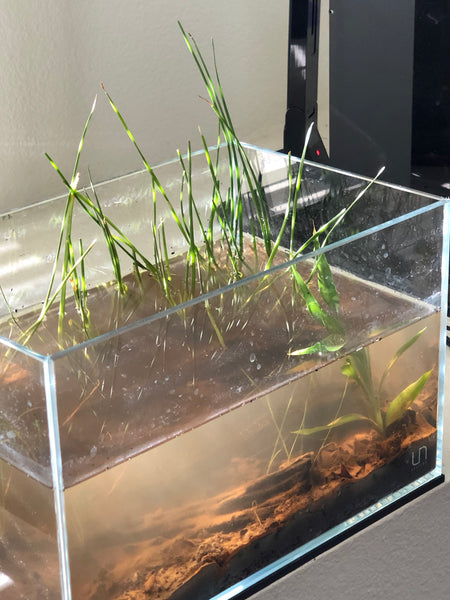
And, think about this: When we add botanical materials to an aquarium and accept what occurs as a result-regardless of wether our intent is just to create a different aesthetic, or perhaps something more- we are to a very real extent replicating the processes and influences that occur in wild aquatic habitats in Nature.
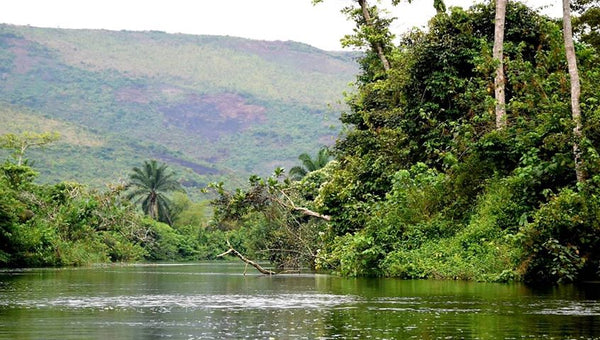
The presence of terrestrial botanical materials such as leaves, seed pods, and twigs in these aquatic habitats is fundamental to both these wild aquatic habitats, and to the aquariums we create to replicate them.
Random?
Maybe.
An aquarium is not just a glass or plastic box filled with water, sand, plants, wood, leaves, seed pods, and fishes.
It’s not just a disconnected, clinical, static display containing a collection of aquatic materials.
It’s a microcosm.
A vibrant, dynamic, interconnected ecosystem, influenced by the materials and life forms-seen and unseen- within it, as well as the external influences which surround it.
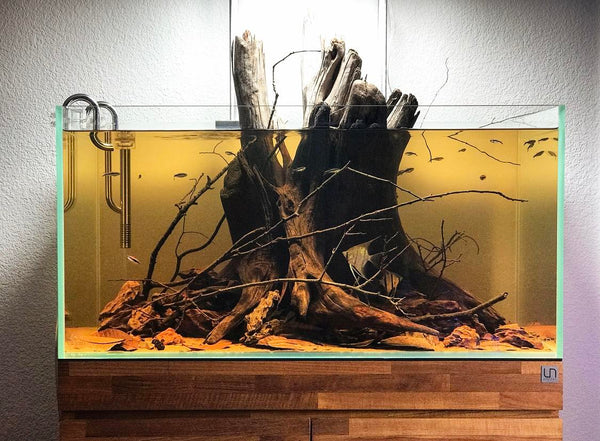
An aquarium features, life, death, and everything in between.
It pulses with the cycle of life, beholden only to the rules of Nature, and perhaps, to us- the human caretakers who created it.
But mainly, to Nature.
The processes of life which occur within the microcosm we create are indifferent to our desires, our plans, or our aspirations for it. Sure, as humans, we can influence the processes which occur within the aquarium- but the outcome- the result- is based solely upon Nature’s response.
In the botanical-method aquarium, we embrace the randomness and unusual aesthetic which submerged terrestrial materials impart to the aquatic environment. We often do our best to establish a sense of order, proportion, and design, but the reality is that Nature, in Her infinite wisdom borne of eons of existence, takes control.
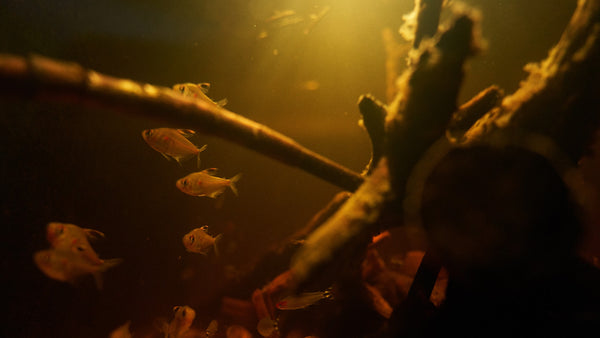
We have two choices: We can resist Nature’s advances, attempt to circumvent or thwart her processes, such as decomposition, growth, or evolution.
Or, we can scrape away “unsightly” fungal growth and biocover on rocks and wood, remove detritus, algae, replace our leaves, and trim our plants to look neat and orderly.
Or, we can embrace Her seemingly random, relentless march, and reap the benefits of Her wisdom.
And in the end, gaining a fresh perspective and new inspiration for your hobby is never a bad thing!
There is a reason why all of these unique environments are successful, and why life exists- and indeed- thrives- in them. And there are reasons why we’re starting to see incredible results when replicating some of the functional aspects of these environments in a more faithful manner than may have been attempted before.
And we have all of the “tools” that we need to do this:
Patience. A long-term view. Information. Observation. Understanding.
You’ve got this.
Stay creative. Stay enthusiastic. Stay observant. Stay patient. Stay excited…
And Stay Wet.
Scott Fellman
 The Tint
Leave a comment