
We all have to start somewhere, right?
In the hobby, it usually involves some simple steps- a small aquarium, basic equipment…and big dreams, right?
Yeah.
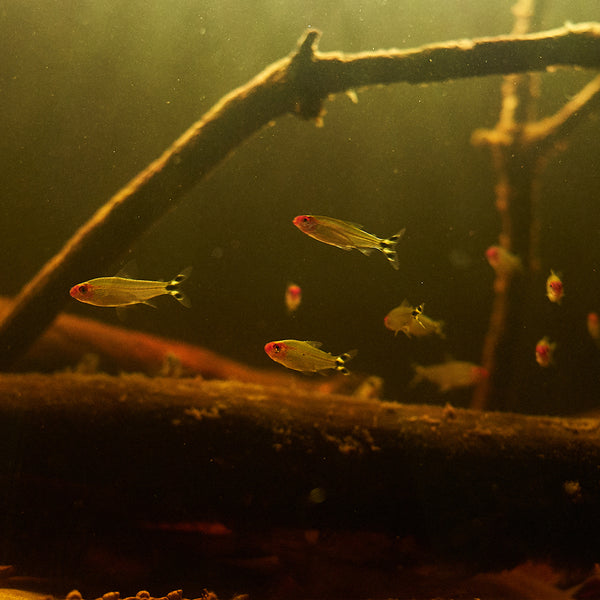
We all dream of having that elusive “slice of the bottom” in our living room..That “thing” everyone seems to aspire to in the hobby. And some of us do actually get that.
Eventually.
Is it a good idea for a full-on beginner to the aquarium hobby to start with a botanical method aquarium?
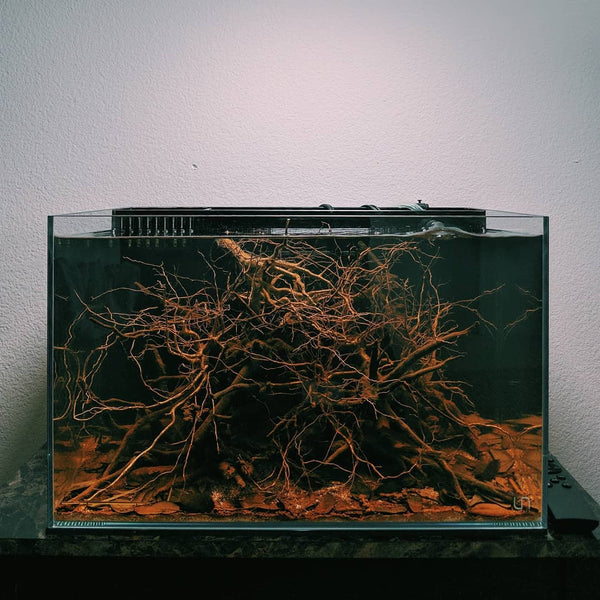
It’s a good question.
I mean, I’ve often touted how I feel that, once these systems are established, they are remarkably stable, relatively easy-to-maintain aquariums. Of course, there are some real qualifiers here.
The first being, “After the system is established.”
Establishing a botanical method aquarium, blackwater, brackish, or otherwise- certainly requires some basic understanding of the principles of aquarium management. Specifically, the nitrogen cycle, an understanding of water quality assessment and management, and stocking.
Some things you can’t really “teach”- like patience. You need, well- a shitload of it…in the aquarium hobby in general, yet especially in the natural, botanical-style aquarium sector. And the patience part? We feel that it’s seminal. Foundational.
Essential.
I don’t think you can “teach” it.
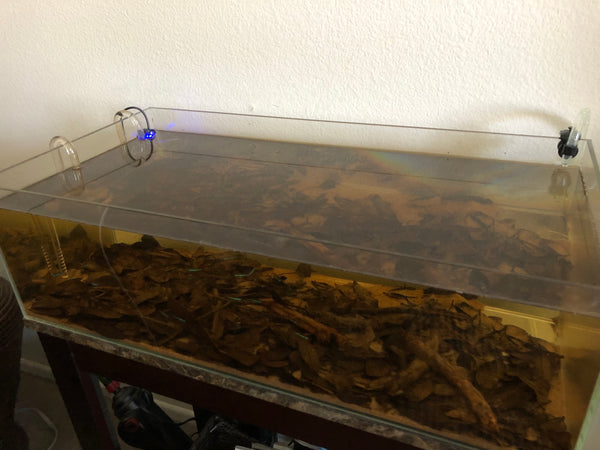
I mean, perhaps you can be taught about why patience is so important. We can provide some expectations and explanations of how these systems establish, appear, and operate over time. We can offer guidelines about “best practices” and procedures.
However, the best teacher, as with so many things- is experience. You have to dive in and do it.
Perhaps some things might be easier to an outright beginner; someone who has no preconceived notions about how an aquarium is “supposed to look”, or what is considered “natural”, “beautiful”, etc. There is a beautiful, almost innocent objectivity that we bring to the game when we are flat-out beginners, right? We have little basis for comparison, other than our own observations and personal tastes.
And that’s actually an advantage, in some respects, IMHO.
In my opinion, the hobby has been- for better or worse- influenced by schools of thought which seem too dogmatically dictate what is “good”, “bad”, and “correct.” And, in a strange sort of way, hobbyists who stray off of the generally accepted, well-trodden paths established by our hobby forefathers are often greeted with skepticism, cynicism, and sometimes, outright disdain!
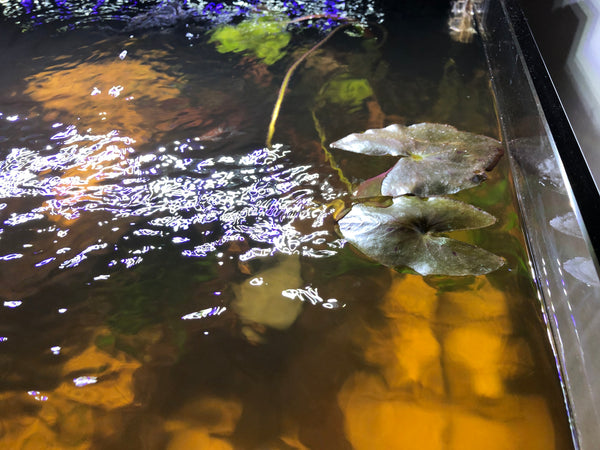
Yet, there is also something rather disconcerting to this salty old hobbyist; a trend in recent years, fueled by social media, showing the “finished product” of gorgeous aquascaped tanks, with maybe just a little sampling of “construction” pics, but little mention of the actual process; the challenges, the “ugly” parts- the work- of establishing one of these aquariums. The result of this superficial (“dumbed down”) presentation of aquariums conveys the message that it’s just all about artfully arranging some materials and POW! Finished awesome tank.
Sure, the fundamentals of aquarium keeping and the mindset behind establishing successful systems isn’t as “sexy” or ‘gram-ready as pics of the finished product, but to operate from the position that everyone who sees these tanks has that underlying knowledge already is at best “glossing over” the realities, and at worst, downright irresponsible.
To jump into any aquarium- botanical method or otherwise- without having basic knowledge about stuff like the nitrogen cycle, fish stocking protocols, and husbandry techniques- is flat-out stupid, IMHO.
I challenge all of my fellow hobbyists who are influential in this social-media-powered world to commit to touching on some of these underlying themes, challenges, and expectations on occasion when featuring your amazing work. Just taking even a few seconds to explain this stuff; sharing just one pic in your feed showing a tank cycling, or one image of the plants not looking perfect, or the water not crystal clear- can go a long, long way to gently give a dose of reality and expectation management in the splashy world of aquascaped aquariums.
So, here I am in “The Tint”, throwing out sexy images of exotic tropical blackwater locales, deeply tinted aquariums filled with spawning fishes, etc.
You know, kind of “selling the dream”, right?
Perhaps- but also sharing the concepts.
Lots of hobbyists are finding this compelling, interesting, and want to give it a go in their own tanks, for which I am grateful.
And, more and more often, I’m contacted by people who are at the very beginnings of their aquarium hobby journey…That’s a nice way of saying outright beginners…
Now, “beginner” doesn’t mean “stupid, easily-manipulated person with more money than common sense” or something similar. However, a “beginner” is defined as “a person just starting to learn a skill or take part in an activity.”
Just starting to learn.
As we always say, the learning part of the aquarium hobby never stops. I’ve been in it literally since I could walk, and I’m still learning stuff every single day. There are tons of things I’ll never even begin to understand in the hobby. I make mistakes all the time. Part of the game. You can’t know everything and do it perfectly from the start. Or, ever. It’s almost impossible for any single person to know everything that there is about tropical fishes and aquarium keeping.
However, you can specialize in something early on that catches your fancy, and become a serious, ultra-experienced speciality hobbyist…you know, like a cichlid breeder, Betta keeper, aquatic plant enthusiast, etc.
The key is learning some fundamentals, first, right? You have to walk before you can run…all of that cliche shit.
So, where was I going with this?
Oh, yeah.
So, when I’m approached by outright beginners in the aquarium hobby- people maybe keeping their first ever aquarium, or even some who are even “pre-aquairum”, I have mix of emotions. On one hand, I’m stoked that they are open-minded and fascinated by our approach, and about Nature. A lot of times, the discussion begins with the hobbyist writing that noble line, “I want to give my (insert popular fish here) the best possible environment…”
That’s a really great sign.
It’s also a sort of “red flag” for me. I mean, stoked as I am- I’m equal parts scared shitless that someone is so enamored by the look and vibe of botanical-method aquariums that they may not understand the very “counter-culture” sort of way they operate…you know, the idea of creating a very different set of environmental conditions for fishes than the “plug-and-play” sort of habitats we tend to push beginners into.
So, yeah, I get a little freaked.
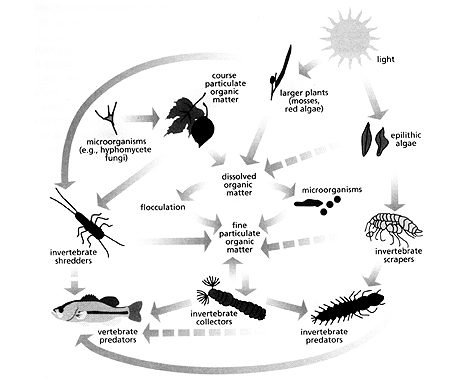
I mean, on the surface, our community is telling people to add all sorts of botanical materials to their aquarium, which, in simplest terms, are definitely a form of “bioload”- material which adds to the “burden” placed on the beneficial bacteria which break down biological waste and organics. You know- the nitrogen cycle thing. You HAVE to have a grasp on this stuff… And it wouldn’t hurt to learn about the idea of “food webs” in aquatic systems, either… a real “unlock” if you make the effort to study them.
And of course, we all strive to educate beginners about the nitrogen cycle in the hobby right? RIGHT?
DO we?
I hope so.
It’s so fundamental that it would be insane if we didn’t. It’s like the key to everything. I know we teach them a little about slowly stocking a tank, about water changes, filtration, etc.
However, when I see some of the questions asked by outright beginners on various Facebook groups or wherever, I sometimes wonder. Are we so good at presenting “Parts C, D, and F” that we forget to really reinforce the lessons of “A and B” to newbies? Like, they just want “Instant Orinoco” without having a really good grasp on how to do a water exchange or feed fishes.
Or more important- WHY it’s important to perform these basic tasks.
Like, understanding the basics of aquarium management is probably not nearly as exciting as finding the right piece of rock or driftwood for you tank, but ignorance of it will pretty much fuck your entire adventure up from the start if you don’t grasp these less “sexy” topics. We all know this.
I hope that we all tell beginners this cold, hard truth. It’s for the best.
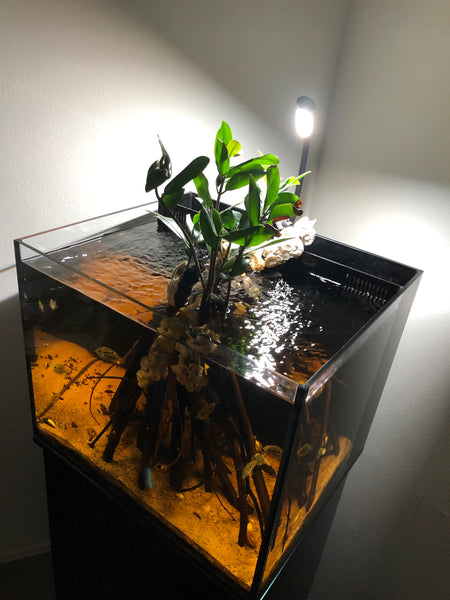
And so, beginners will approach me about creating “great natural conditions” for “Ralph” the Betta, and I sort of gulp a bit. I mean, one assumes that when people want to create a botanical method or other type of natural aquarium system that they have at least been exposed to other types of more simplistic, straightforward approaches to aquarium keeping.
Yet, it’s dangerous to assume. And in this “Instagram-fueled” age of superficial imagery over substance, it’s easy to see what a truly “green” hobbyist could be enamored by this stuff and just want to zero in on it. It looks cool, sounds like “the right approach”, and generally seems good, especially if the aesthetics and the look of wild habitats call to them.
So, what to do?
Well, I’m fairly proud of the enormous volume of information- unruly though it may be these days- that I have created here for hobbyists on virtually every aspect of our approach. It’s all there. Maybe not the best-organized at the moment…but it’s there! You have to dig. Just like you have to google “How the nitrogen cycle works..” or whatever.
Seeing a theme here?
Yeah. It makes me feel good that I have a lot of very non-sugar-coated information in my “library” about our approach, the good and the bad. If anyone ever calls B.S. on us about this stuff, they haven’t read deep enough.
I’m proud of the work I did back in the Tannin Aquatics days, spreading the word about this unorthodox approach, and helping to grow a hobby sector.

I suppose at some point, I may even do a series of articles aimed at less experienced hobbyists. Notice that I didn’t say “beginners”– because a beginner needs to learn the very basic hobby principles and practice them, real-world style- first.
If I suspect someone is a super beginner, I’ll at least give them the cursory advice to read as much as they can and go very, very slowly before playing with this stuff. I’ve actually gone so far as to suggest some people just wait until they have more experience with aquariums before even playing with botanicals. Each time, it was NOT received well, to be perfectly honest, as you might imagine.
I think it’s a cultural thing, right? What led the newcomer to us was the cool look that somehow resonated with them. I get it. I appreciate it. And of course, I understand the responsibility that goes with it, and the responsibility we have a s a company to tell new hobbyists that this stuff, while not difficult- has lots of variables, “best practices”, and responsibilities, all of which the hobbyist who “treads in our tinted waters” needs to at least have a basic familiarity with, if not, understanding of.
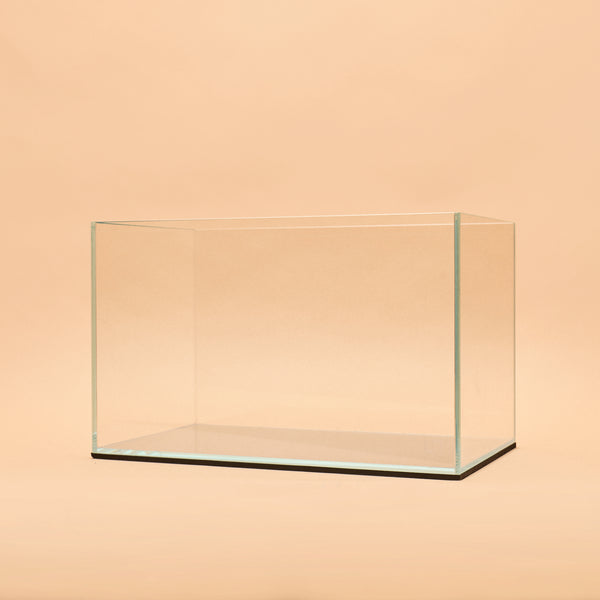
We seem, as society, to be more self-assured and emboldened about knowing how to do everything that we see online. As if there is always a “hack” or shortcut to success that allows you to get to the “desired” result by skipping all of the “boring” stuff. Gear. Additives. Monitors. Such “workarounds” are a foundation of our modern, “I-don’t-have-time-for-the-details-just-get-me-to-the-main-event” lifestyles. And that is not good in a hobby like ours, which is centered around taking care of animals in a closed ecosystem.
And it takes learning and grasping fundamentals.
We, as a hobby, need to really double down on educating beginners. Not in a condescending or “preachy” sort of way, but out of concern for their long-term success and well-being I the hobby..and for the well-being of our fishes! It’s about responsibility, education…patience.
So, can a beginner keep a botanical method aquarium for his/her first tank?
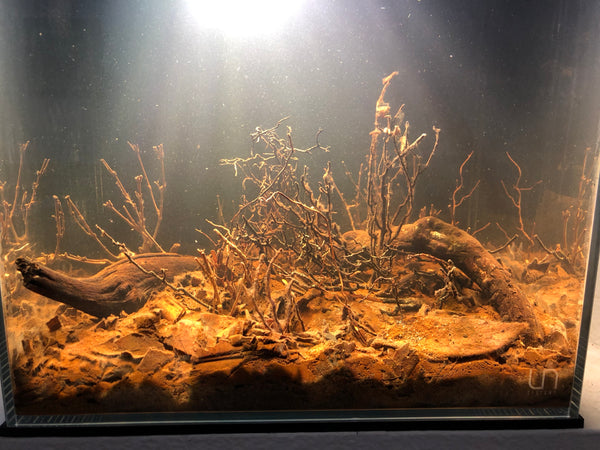
I suppose so, if he or she takes the time to understand these fundamentals. Of course, the dynamics of fostering decomposition, fungi, biofilms, lower pH, water quality management, etc all require a degree of dedication, skill, and above all...patience.
If you are just get started in the hobby and want to keep a botanical method aquarium, please make the effort to understand the dynamics of the nitrogen cycle. Learn about how metabolic wastes and dissolved organics are handled by the bacteria and other organisms that reside in your aquarium, and how the stocking levels, the speed at which we stock, and the way we manage our tank all are impacted by this dynamic.
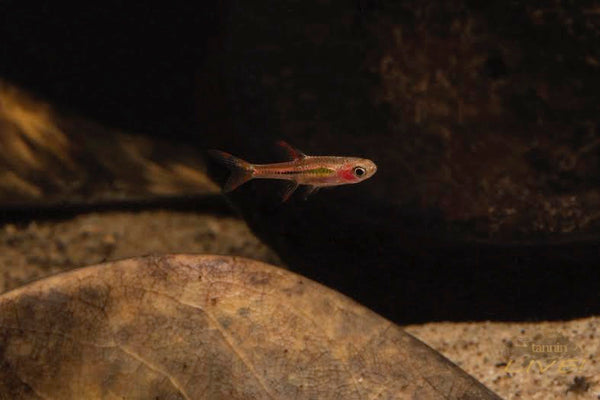
Make an effort to learn about the natural habitats which we seek to replicate in this speciality niche. They often have dark water, lots of leaves, and decomposing plant parts for a reason. You need to be aware of the topography, the weather, and the outside factors that influence the environment surrounding these aquatic habitats. And you need to understand why fishes are found in them. You need to almost take a more “holistic” approach and mindset than you do with many other types of aquariums, in order to really grasp this stuff and be successful.
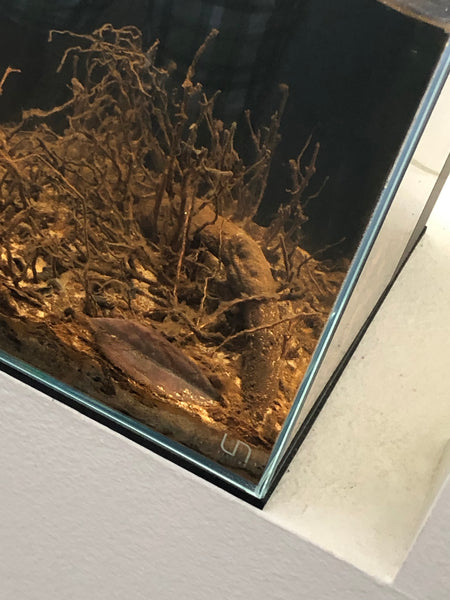
It’s really not as simple as “toss in a few leaves and you have a blackwater aquarium…” You need to understand pH, hardness, and TDS, as well. The misconception that tossing in leaves into your aquarium filled with hard, alkaline tap water will give you “Amazon” conditions is one of the absurd “myths” that has been perpetuated for decades by those who (let’s not sugar coat it) are completely clueless and have made no effort to understand these basic concepts.
You have to dig. You have to learn. You’ll have to be patient. You have to experiment. You have to prepare. And you have to move slowly, carefully, and thoughtfully.
If you don’t couple these principles and basic skills together with your use of botanicals, you’ll kill everything in your aquarium. Quickly. Full stop.
Still interested after that rosy picture?
Good!
The best news here? It’s not that difficult. It’s not onerous. None of this is rocket science, or some great mystery. It just involves coupling basic, long-perfected aquarium principles and practices with patience, observation, and these funny looking seed pods and leaves.
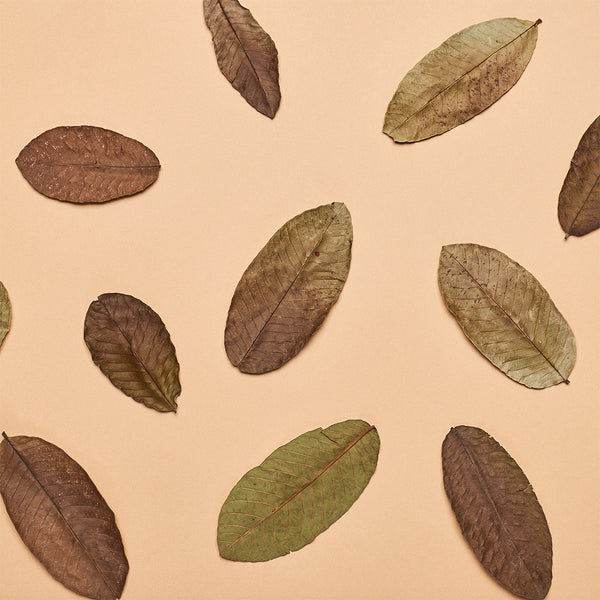
Put all of those things together, and you’re well on your way to a very satisfying, educating, and altogether different aquarium experience.
So, before you hit “add to cart” when you see that interesting-looking seed pod or leaf on our site, or elsewhere- just consider what’s involved. Think about the impacts of adding botanical materials to closed ecosystems, and how you have to mange them.
If you’re up for it…if it really speaks to you…if you like the learning, experimenting, and sharing. If you love this look, this concept…
Go for it. Dive right in.
After you’re certain you’ve got a grasp on the basics.
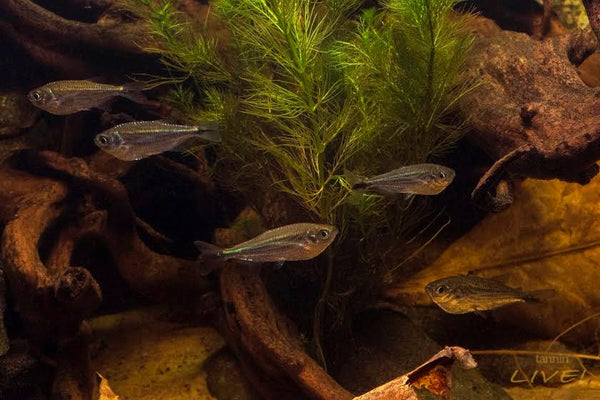
There is so much more.
Welcome to our tinted, earthy, uniquely natural world. I’m glad you’re here. We all hope you stay a while…
Stay curious. Stay inquisitive. Stay diligent. Stay open-minded. Stay excited. Stay patient…
And Stay Wet.
Scott Fellman
 The Tint
Leave a comment