
If you’ve been reading my blogs, you know that I’ve been throwing out a lot of crazy ideas. Some seem to come up more often than others.
Case in point:
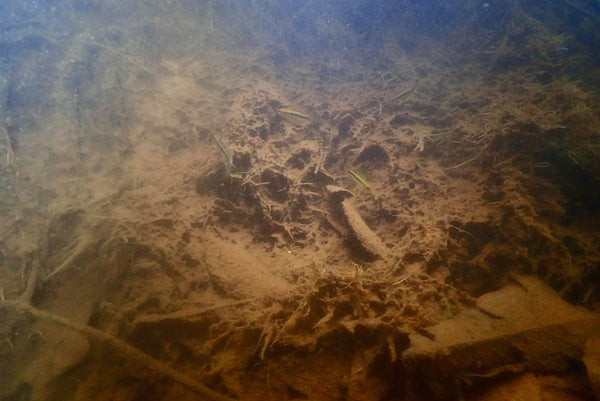
I periodically discuss the idea of creating a really deep litter bed in an aquarium, to more accurately replicate some of the litter beds found in South America and elsewhere. By “deep”, I’m talking 6″- 12″ (15.24cm-30.48cm). Yes, there are deeper litter beds in these areas (several feet in depth); however, for practical aquarium display purposes, I think the rational “upper limit” is more like the 12″ (30.48cm) range. And this is really governed by aesthetics more than anything else…I mean, if your tank is 24″ tall, do you want half of it’s height dominated by a leaf litter bed?
Well, maybe.
Likely 12″ is the “practical limit” for a leaf litter bed depth in the aquarium.
Or, is it?
Now, there is certainly a difference between the “theoretical” and the “practical”, but I can’t help but think that there is something beneficial about such a deep leaf litter bed…perhaps stuff we haven’t even imagined, because we’re too busy talking about tall of the possible “downsides” of the idea. And it’s intriguing for me to contemplate how to make such an idea work. I mean, it isn’t really all that much different than what many of us do now…the main difference being that we’d use MORE of the same materials.
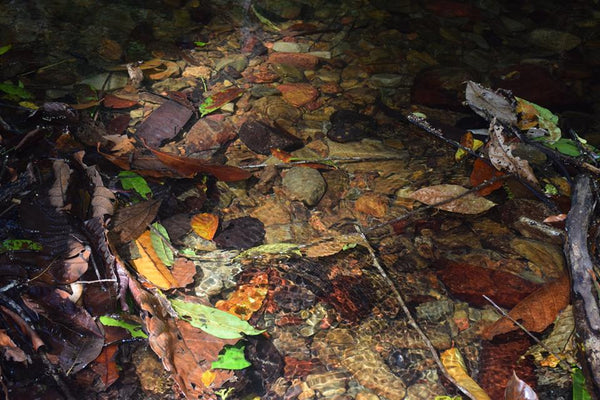
In researching the idea of executing such a deep litter bed, I thought about what would be the main considerations when attempting to create one in an aquarium. In no particular order, here are just a few of the main concerns I have:
The ratio of “leaves to water” in a given aquarium could be quite significant. I mean, what size aquarium do I go with? I’m also curious about the impact on the water quality and oxygen levels with that much decomposing materials “in play.” On the other hand, starting from scratch with a system and cycling it with “bacteria in a bottle” products and/or “seeded” substrate materials would no doubt at least “kick start” the biological filtration before fishes ever enter the equation.
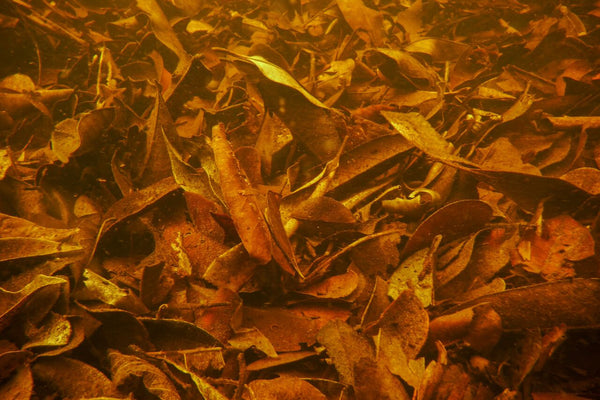
And, although the mass of leaves would be considered “bioload”, I can’t help but wonder if it would also function as a “nutrient processing” facility over time, much in the same way a sand bed does in a reef aquarium? I mean, with that much “media” surface area, could this be the case? Like, denitrification by “deep leaf litter bed!”
And what about the impact on pH?
There have been researchers of natural leaf-litter banks who contemplate that processes which produce the low pH levels associated with these beds (sometimes down to 2.8-3.5pH!) are not caused entirely by humic acids which are frequently assumed to be the major contributor -and are not strong enough acids to produce such a low pH.
A possibility suggested by researchers is that fermentation within the litter banks is releasing strong organic acids such as acetic acid…Could this happen in the confines of a closed aquarium?
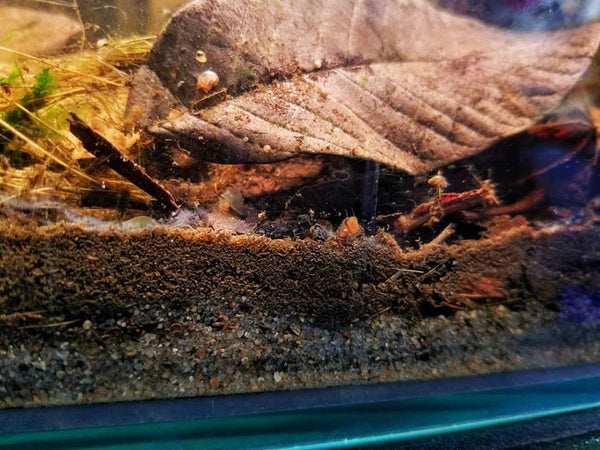
And, when assembling a deep bed of leaf litter, would you use a traditional substrate material in addition to the leaves? I’m thinking that it makes sense to use a typical sand material with a minor amount of buffering capability.
Using straight-up RO/DI water and having a huge compliment of tannin-and-humic-substance-producing leaveswould certainly have some influence on the pH, and some buffering would perhaps be wise to keep the pH in a manageable range, I’d think. So, perhaps a thin layer of sand at the bottom of it all makes some sense…
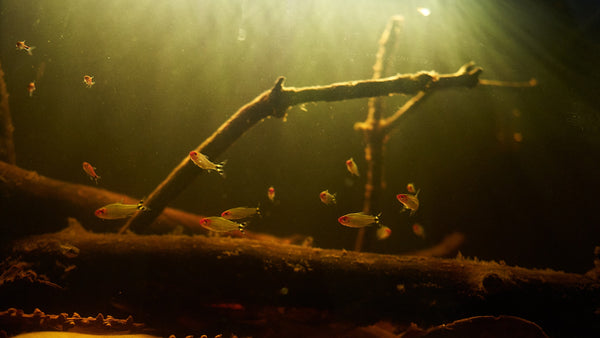
Water movement is something I don’t take for granted. As a reef aquarist, I came to understand that water movement is as important as components such as light and feeding, and I feel it’s vital to freshwater fishes as well. In this case, the movement of water is really important, as it will prevent areas of stagnation, low oxygen, and perhaps pH “striation”, with areas of less movement having extreme pH levels (on the low side).
This is, of course, a hypothesis, and only testing will determine if this is ultimately an issue. The oxygenation issues occurring deep down in the litter bed is something I haven’t thought too much about, but probably should. Oh, and it keeps those annoying bits of decomposing leaves in the water column to facilitate easy removal!
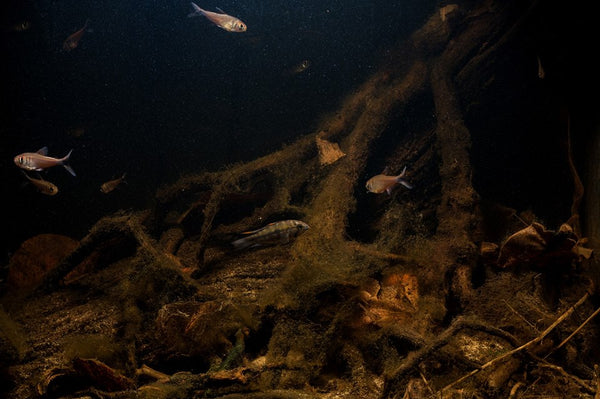
“Oxygenation issues?” Like, “Low oxygen levels in the litter bed?”
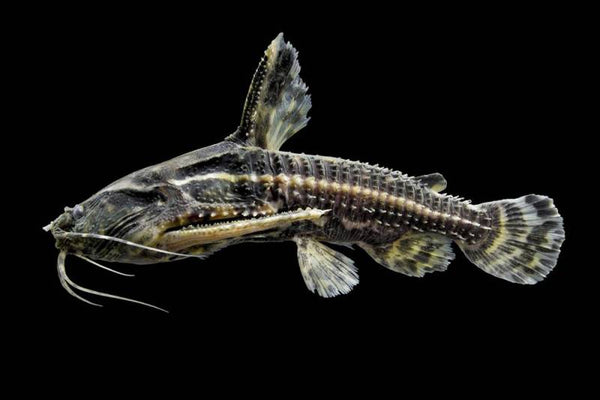
I would imagine that fishes not accustomed to such an environment should instinctively avoid it, and others might be simply able to adapt to it. Indeed, a study I read (Walker, et al) on deep leaf litter beds in the Amazon region found that, “Several…species show adaptations for living under low oxygen conditions, which possibly allow them to occupy confined spaces inside the banks.” (These species are in the families of Auchenipteridae, Doradidae, Cetopsidae, Heptapteridae, Trichomycteridae, and Pseudopimelodidae)
And of course, there is the practicality component for us:
Maintenance. Okay, we all understand the value of water changes, and I am a huge proponent of them. No issues here. On the other hand, with a lot of leaf material breaking down, and possibly trapping detritus and other organic materials (gross particulate matter, mainly), will siphoning out the decomposing leaf material be the best approach, or are the deeper layers best left undisturbed?
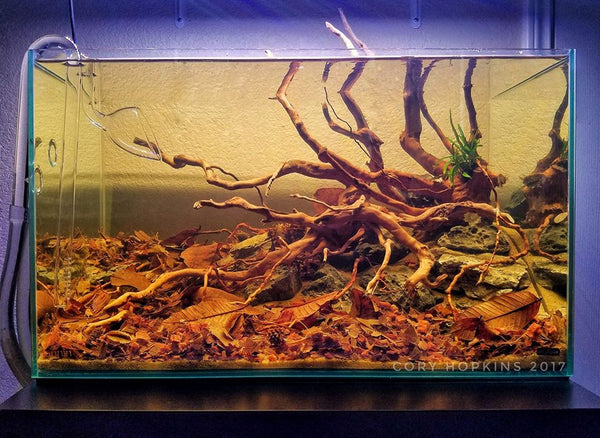
And, in such a deep layer of leaves, is it advisable to replace them on a more frequent basis to prevent maintenance liabilities? For that matter, are decomposing leaves on this scale a “maintenance liability?” NO, they are not., IMHO. My experience with decades of playing with leaves in aquariums tells me that they are not.
Leaves should be continuously replaced. View them as “consumables”, which they are. And, by adding new leaves as existing ones decompose, you are not only keeping some form of environmental stability, you’re replicating the processes which occur in Nature, where leaves drop continuously and find their way into waterways
I think that they may be considered a “carbon source”- to fuel beneficial bacterial growth within the system, creating excellent nutrient processing capacity… as opposed to being some sort of “destroyer” of water quality.
Could we be missing something?
Could it actually be that a deep layer of botanicals/leaves is actually a key to creating a biologically stable aquarium, once you reach a certain depth, if the overall husbandry of the tank is good? Maybe? I’ve never had any issues with a relatively small, open layer of leaves in any of my tanks (we’re talking 1″-3″ /2.54-7.62cm) or so. I just wonder if the dynamic changes significantly- for the better- or worse- when you approach a foot of depth in an aquarium?
Something we’ll just have to see, I suppose!
.
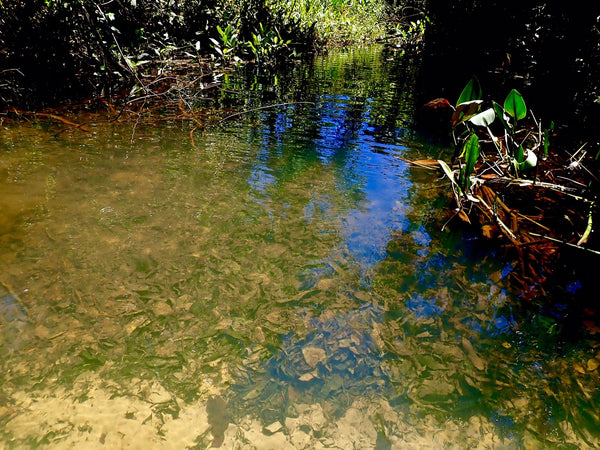
In Nature, leaf litter zones comprise one of the richest and most diverse biotopes in the tropical aquatic ecosystem, yet they are seldom replicated in the aquarium. Now, more so than in years past, but I would not call aquariums configured to replicate these habitats “common.”
Why?
I think this has been due, in large part- to the lack of a real understanding about what this biotope is all about- not to mention, the understanding of the practicality of creating one in the aquarium.
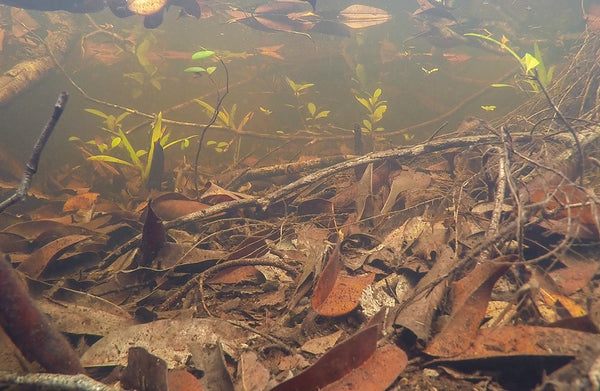
It’s important to understand that a leaf litter bed in Nature- or the aquarium, for that matter- is a rich ecosystem, providing food and shelter to a diverse community of organisms, ranging from fungi to bacterial biofilms.
And of course, fishes and invertebrates which live amongst and feed directly upon the fungi and decomposing leaves and botanical materials contribute to the breakdown of these materials as well! Aquatic fungi can break down the leaf matrix and make the energy available to feeding animals in these habitats.
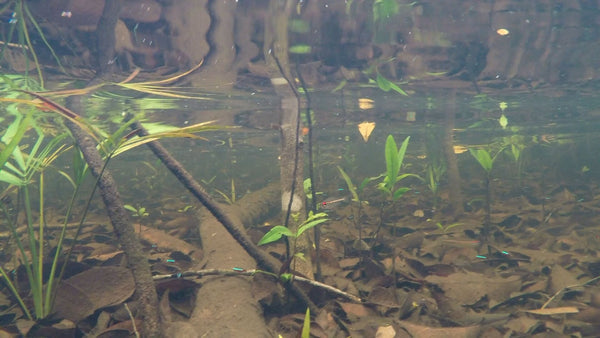
And look at this little gem I found in my research:
“There is evidence that detritivores selectively feed on conditioned leaves, i.e. those previously colonized by fungi (Suberkropp, 1992; Graca, 1993). Fungi can alter the food quality and palatability of leaf detritus, aecting shredder growth rates. Animals that feed on a diet rich in fungi have higher growth rates and fecundity than those fed on poorly colonized leaves. Some shredders prefer to feed on leaves that are colonized by fungi, whereas others consume fungal mycelium selectively…”
“Conditioned” leaves, in this context, are those which have been previously colonized by fungi! They make the energy within the leaves and botanicals more available to higher organisms like fishes and invertebrates!
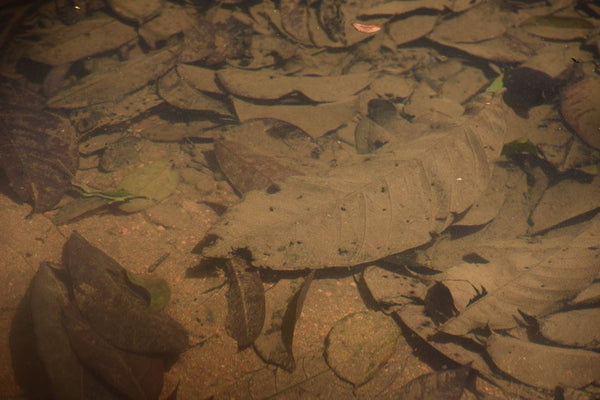
It’s easy to get scared by this stuff…and surprisingly, it’s even easier to exploit it as a food source for your animals! This is a HUGE point that we can’t emphasize enough.
Here is an interesting except from an academic paper on Amazonian Blackwater leaf-litter communities by biologist Peter Alan Henderson, that provides some context for those of us considering replicating these communities in our aquaria:
“..life within the litter is not a crowded, chaotic scramble for space and food. Each species occupies a sub-region defined by physical variables such as flow and oxygen content, water depth, litter depth and particle size…
…this subtle subdivision of space is the key to understanding the maintenance of diversity. While subdivision of time is also evident with, for example, gymnotids hunting by night and cichlids hunting by day, this is only possible when each species has its space within which to hide.”
In other words, leaf litter beds facilitate and accommodate diverse populations of fishes, and we should consider this when creating and stocking our botanical-method aquarium systems.
And we keep coming back to the idea that leaf litter beds in aquariums can function in a similar manner as they do in Nature- providing supplemental food for the fishes which reside amongst them. This is a really significant thing…
I’ve seen all sorts of fishes spend large amounts of time during the day picking at leaf litter and the surfaces of decomposing botanicals in such beds, and maintaining girth during periods when I’ve been traveling or what not, which leads me to believe they are deriving at least part of their nutrition from the leaf litter/botanical bed in the aquarium. It compelled me to create s series of wildly successful “leaf litter only” tanks to test the validity of my hypothesis.

In the aquarium, much like in the natural habitat, the layer of decomposing leaves and botanical matter, colonized by so many organisms, ranging from bacteria to macro invertebrates and aquatic insects, is a primespot for fishes!
Would it make sense to include bottom-dwelling fishes (like Crenuchus, Elachocharax, and various catfishes), or is it best to keep any fishes that could disturb the litter bed out?
Nah..
My immediate thinking is that I should ABSOLUTELY include fishes that live within the void spaces in the leaf litter matrix…What would be the point of excluding them and only having a bunch of schooling tetras and such above this unique feature,, right?
Yeah! No issue here, IMHO.
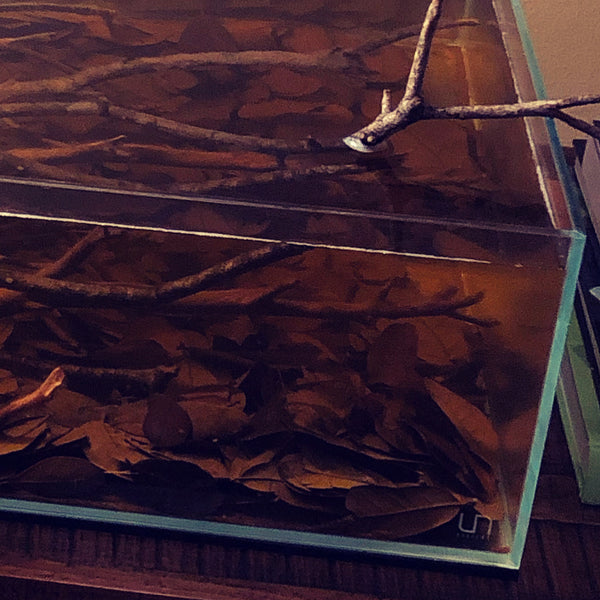
Obviously, these are just a few of the questions I have regarding this type of setup. There are numerous others to contemplate, ranging from what type of filtration I’d use to how much light intensity you’d want to apply. All are important and fun to ponder. As with many things in the aquarium world, I can’t help but wonder if so much of what’s been drilled into our heads over the generations about what is and is not “acceptable” is still open to debate?
I mean, in our little niche alone, I think we’ve killed off some “rules”-seen a lot of experimentation with, and successful implementation of- practices that would have simply made earlier hobbyists freak the fuck out!
Because we did something instead of simply dismissing it outright as “dangerous” or “reckless.”
However, in the end, taking on something like this requires us as hobbyists to get out of the theoretical and into the practical at some point, right? There is always room (and need) in this hobby for responsible experimentation on new ideas.
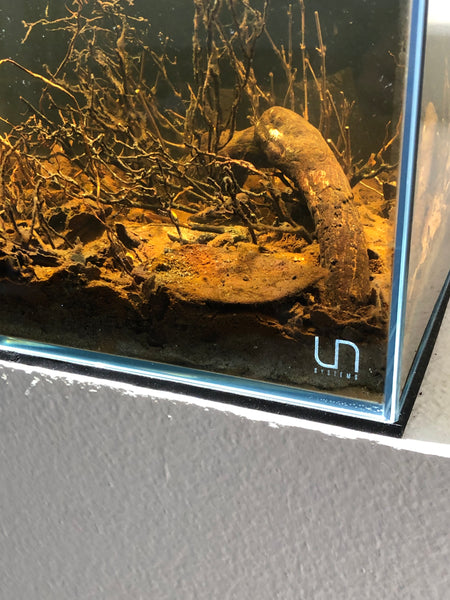
I know I’m certainly not the first to think about the implications of a seriously deep leaf litter bed in an aquarium, but you’d be surprised (or maybe not, actually) at the lack of useful hobbyist-level information out there on the subject! This is a classic example of why I feel it’s so important to discuss these types of adventures with fellow hobbyists, even when they’re in the hypothetical or planning phases. Your ideas- your experiences– just might move someone else to take the next step.
The step that could yield the “big breakthrough..”
I think a lot of these breakthroughs start with understanding how natural ecosystems work- and in this case, how leaves actually end up in the water in the first place!
What makes leaves fall off the trees in the first place? Well, it’s simple- er, rather complex…but I suppose it’s simple, too. Essentially, the tree “commands” leaves to fall off the tree, by creating specialized cells which appear where the leaf stem of the leaves meet the branches. Known as “abscission” cells. for word junkies, they actually have the same Latin root as the word “scissors”, which, of course, implies that these cells are designed to make a cut!
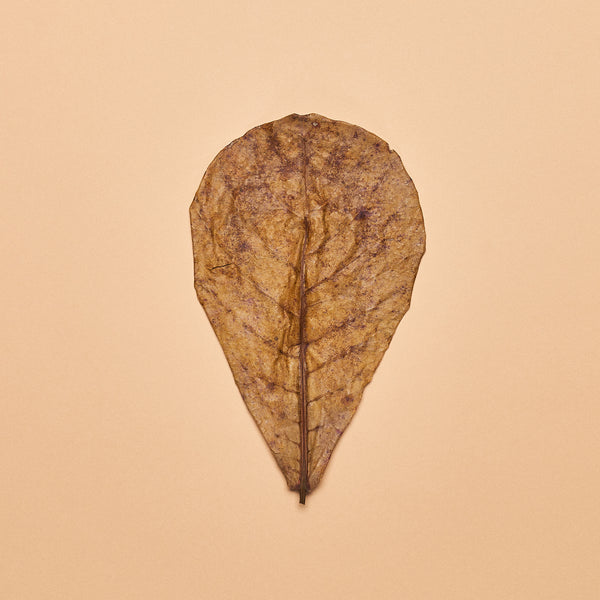
And, in the tropical species of trees, the leaf drop is important to the surrounding environment. The nutrients are typically bound up in the leaves, so a regular release of leaves by the trees helps replenish the minerals and nutrients which are typically depleted from eons of leaching into the surrounding forests.
And the rapid nutrient depletion, by the way, is why it’s not healthy to burn tropical forests- the release of nutrients as a result of fire is so rapid, that the habitat cannot process it, and in essence, the nutrients are lost forever.
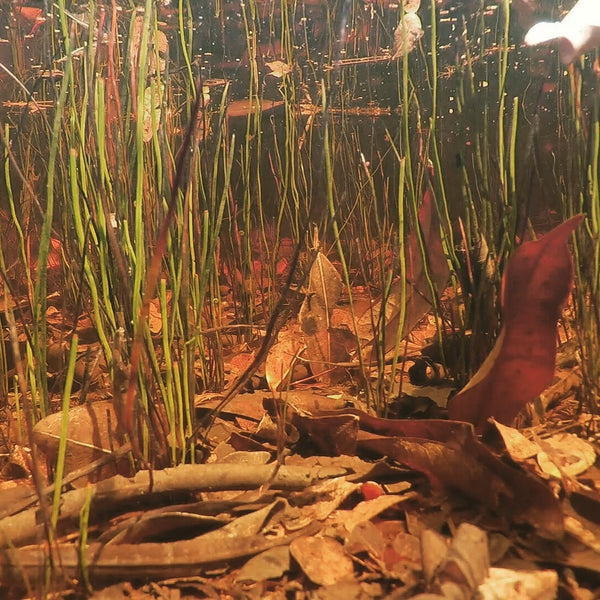
Now, interestingly enough, most tropical forest trees are classified as “evergreens”, and don’t have a specific seasonal leaf drop like the “deciduous” trees than many of us are more familiar with do…Rather, they replace their leaves gradually throughout the year as the leaves age and subsequently fall off the trees.
The implication here?
There is a more-or-less continuous “supply” of leaves falling off into the jungles and waterways in these habitats, which is why you’ll see leaves at varying stages of decomposition in tropical streams. It’s also why leaf litter banks may be almost “permanent” structures within some of these bodies of water!
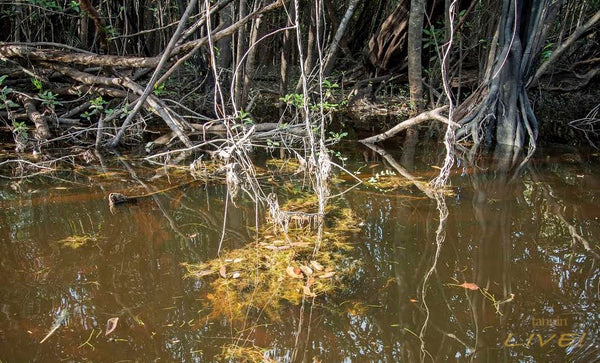
And, for the fishes and other organisms which live in, around, and above the litter beds, there is a lot of potential food, which does vary somewhat between the “wet” and “dry” seasons and their accompanying water levels. The fishes tend to utilize the abundant mud, detritus, and epiphytic materials which accumulate in the leaf litter as food. During the dry seasons, when water levels are lower, this organic layer compensates for the shortage in other food resources.
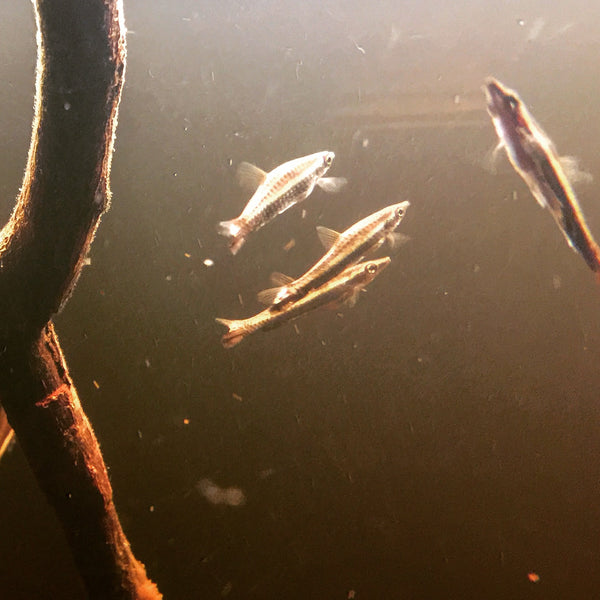
During the higher water periods, there is a much greater amount of allochthonous input (remember that? I mean, on what other hobby-related site do you learn about THAT shit, huh?) from the surrounding terrestrial environment in the form of insects, fruits, and other plant material. I suppose that, in our aquariums, it’s pretty much always the “wet season”, right?
We should top off and replace decomposing leaves and botanical more-or-less continuously in our tanks, as we already established.
o, what is the fate of a leaf that falls into a jungle stream?
Almost immediately after it falls into the water and becomes submerged, the leaf leaches out some sugars and carbohydrates. These compounds tend to be dispersed widely into the water via current or other factors. Interestingly, studies have determined that when leaves enter the streams, their nitrogen content generallyincreases.
It’s a by-product of respiration. This respiration is seen as evidence of microbial colonization on the leaf surfaces, which can be corroborated by the increase of oxygen consumption in the vicinity of the submerged leaf accumulation.
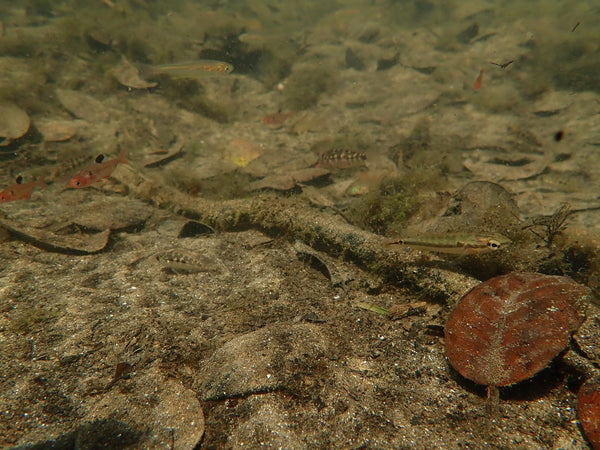
Leaves are surprisingly variable botanical structures, and they can vary compositionally significantly by species, and sometimes, within a species! Studies have shown that different leaves of the same species can contain up to a tenfold difference in difficult-to-digest tannins, with one leaf containing as little as 3 percent tannins and another leaf as much as 33 percent! This impacts the breakdown of the leaves and how quickly and easily they are assimilated into the aquatic environment.
Energy- in the form of organic carbon, nitrogen, and other nutrients- flows from the leaves into the waters, contributing significantly to these habitats. And among the most important roles of these nutrients in the aquatic habitats is to power the process of decomposition. And decomposition, in turn, is the process which powers the development of aquatic food webs.
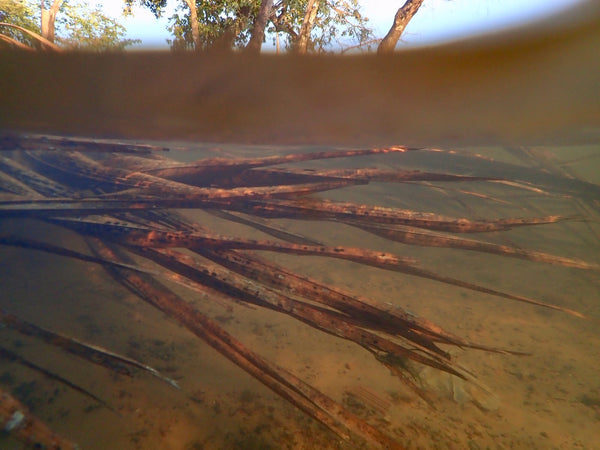
In the decomposition process, the leaf’s constituent elements follow multiple pathways, and as leaf litter is broken down into smaller and smaller particles, there are many opportunities for its elements to reenter the stream food web.
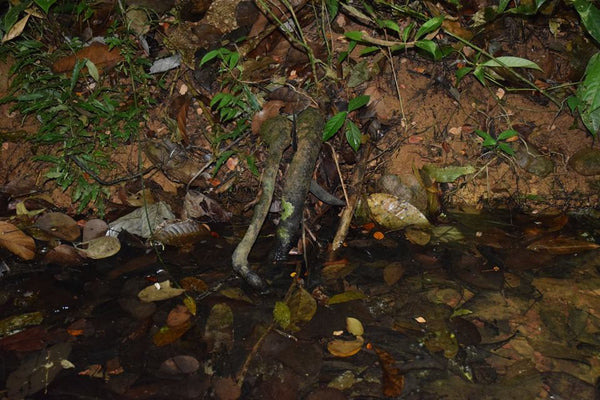
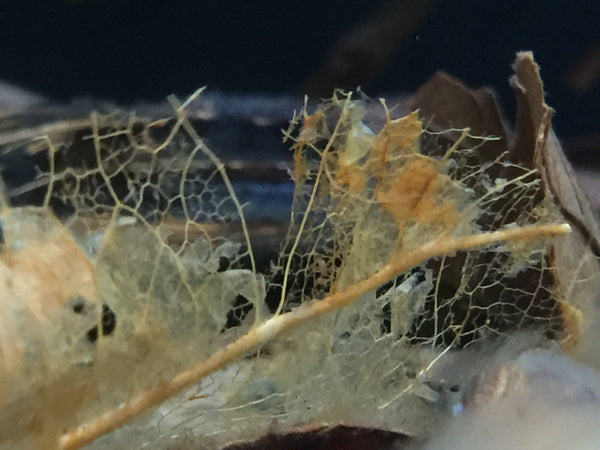
Of course, the physical leaf itself provides “fodder” for the fungi-those gooey “strings” you see whenever you add leaves to your aquarium. The fungi readily colonize the leaf surfaces. Stream-dwelling asexual fungi are called “Ingoldian hyphomycetes” by ecologists, in honor of the mycologist C.T. Ingold, who first described them in detail. These fungi supply much of the energy in stream ecosystems.
They’re really important!
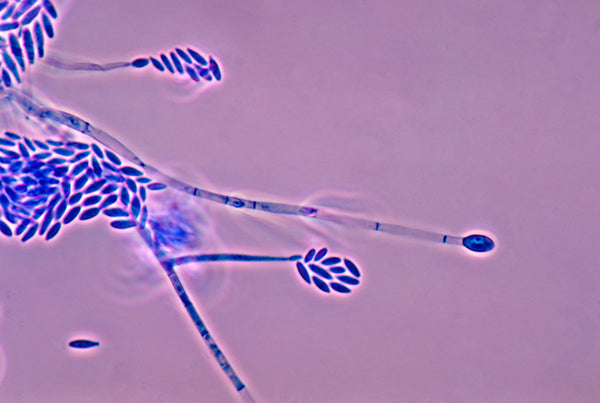
How important?
Well, research by ecologists suggests that not only are fungi needed to start the initial break-down of leaves, but that fungi are the principle organisms involved in converting leaf materials to a more palatable form for other organisms. As the fungi work their biological magic, they facilitate the softening of the leaf, allowing our buddies, the bacteria, to further break them down physically.
The mesophyll of the fungi produce enzymes that significantly degrade “structural polysaccharides”, like cellulose, which results in a softening of the leaf structure which increases their food value for shredders. Ecologists call leaves which have been acted upon in this manner by aquatic fungi “conditioned” leaves.
Bacteria arrive on the scene to form part of what we know as “biofilms”, a complex community of algae, bacteria, fungi, and protozoans living in a matrix of secretions that adhere to the leaf surfaces themselves.
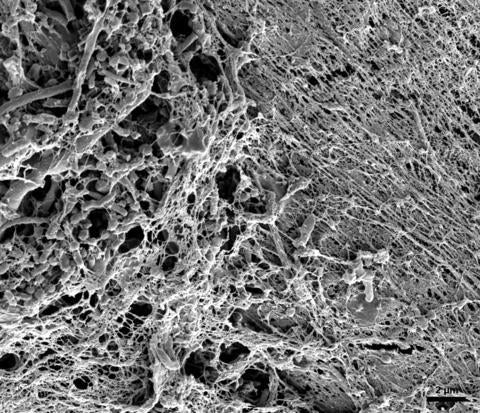
Biofilms form when bacteria adhere to surfaces in some form of watery environment and begin to excrete a slimy, gluelike substance, consisting of sugars and other substances, that can stick to all kinds of materials, such as- well- in our case, leaves. Biofilms continue the work started by fungi to soften the leaves for other organisms along this food chain, typically insects.
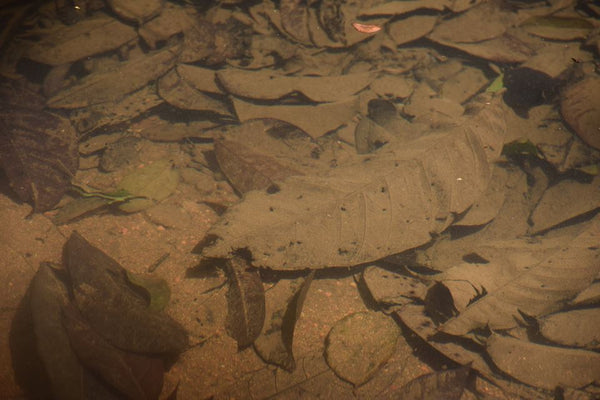
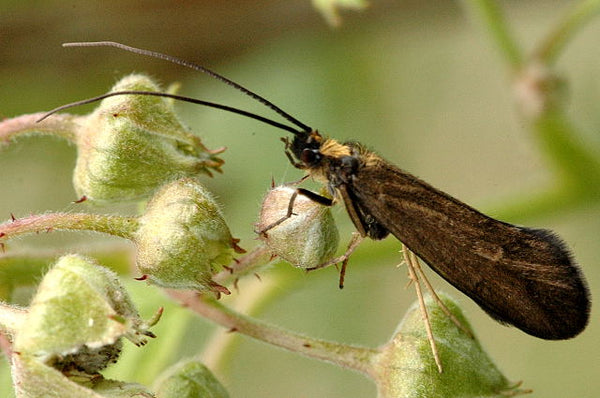
Usually, about 4-7 days, aquatic insects (typically “gnats”) start to arrive on the scene, joining in on the bounty that the submerged leaf provides. These “grazers” are typically insects like caddisfly larvae, and even aquatic organisms like snails. They specialize in feeding off of the biofilms on the leaf surfaces with specialized mouthparts. Larger organisms, like various insect larvae and worms, shred the leaf with their tearing mouthparts.
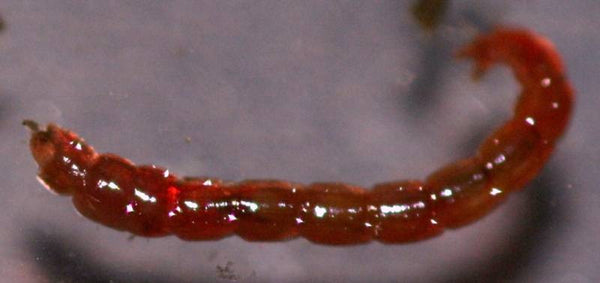
Other aquatic insects are collectively known as “collector/gatherers.” These insects move slowly along the stream bottom, searching for dead organisms, detritus, or other food particles.
Another group of organisms filter particles of biofilms or tiny bits of the leaves which are dislodged by grazers and shredders as they float downstream in the current. These filter feeding organisms may be either free-swimming or sessile (attaching to the leaf tissue) to feed and grow. They’ll consume organic detritus and other materials in the water column as well. Some of these filter-feeding organisms, such as Hydra and amphipods are predators, too, opportunistically feeding on live organism which happen to float on by.
Finally, some larger aquatic insects are actually predatory upon the other, smaller insects which feed on the bounty of leaf litter. They, in turn, form a part of the diet of the “alpha” species in these bodies of water- the fishes.
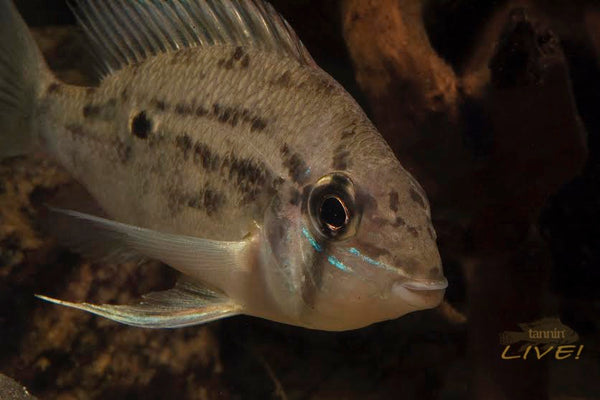
Of course, fishes will take advantage of the leaves themselves, the fungi and bacterial biofilms which colonize them and soften them, as well as the various invertebrates and insects which break them down, and the resulting detritus which is produced as part of this decomposition process.
The largest proportion of allochthonous organic matter entering most streams comprises leaves, bark, and wood— notably, twigs.
The carbon and nitrogen contained within leave are assimilated and released at various stages of their decomposition process.
In each step of this aquatic food web, energy is transferred from one organism to another, and from one trophic (energy) level of the aquatic community to the next.
Thus, an entire aquatic food web is built around a community of fungi colonizing fallen leaves!
Adding leaves to our aquariums is a functional re-creation of a natural process. It’s important to note that the primary rationale within our movement for adding leaves to our tanks is not aesthetic. Sure, they do look cool- but that’s a “collateral benefit” of their most beautiful attribute: The function and benefits which they bring.
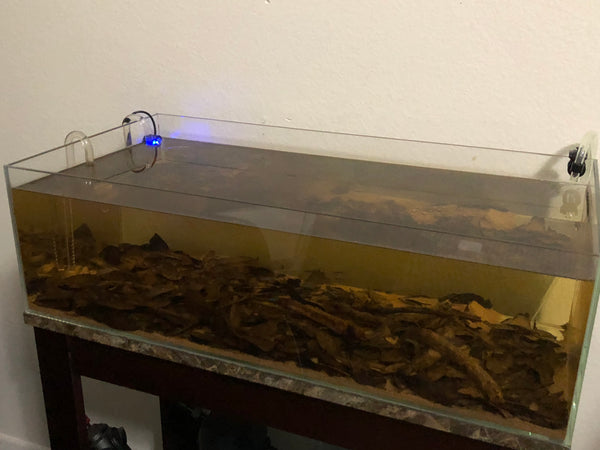
Leaving these materials in situ to follow the process of softening, recruiting fungal growths, biofilms, and other organisms, and allowing them to completely break down is how we embrace the process of creating a functional closed aquatic ecosystem in our aquariums.
I’ve said this before, and I’ll say it one more time (I can’t say it often enough, really!):
A truly “natural” aquarium is not sterile. It encourages the accumulation of organic materials and other nutrients- not in excess, of course. Biofilms, fungi, algae…detritus…all have their place in the aquarium. Not as an excuse for lousy or lazy husbandry- NO- but as part of the ‘microbiome”, and to serve as supplemental food sources for the other life forms in our tanks.
Some of the decayed botanical material is subsequently recycled as nutrients, like phosphorus (in the form of phosphate, PO4-3) and nitrogen (in the form of ammonium, NH4+) which are readily available for plant growth. Carbon is released largely as carbon dioxide that acts to lower the pH of the aquarium water.
We need to get over the “block” which has espoused a “sanitized” version of Nature. I hit on this theme again and again and again, because I feel like, globally, our community is like 75% “there”- almost entirely “bought in” to the idea of really naturally-appearing and functioning aquarium systems.
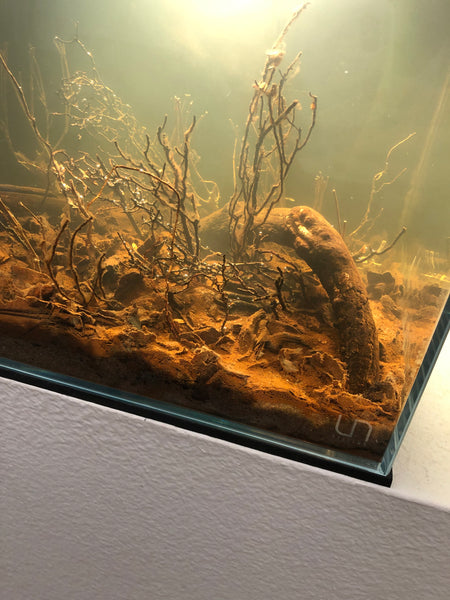
Understanding that stuff like the aforementioned decomposition of materials, and the appearance of biofilms and fungal growths- comprise both a natural and functional part of the microcosms we create in our tanks.
This is true in both the wild habitats and the aquarium, of course.
The same processes and function which govern what happens to these materials in the wild occur in our aquariums. And, if we reject our initial instinct to “edit” what Nature does, the aquarium takes on a look and vibrancy that only She can create.
Embrace it, don’t edit it.
Leave the stuff in there until it decomposes.
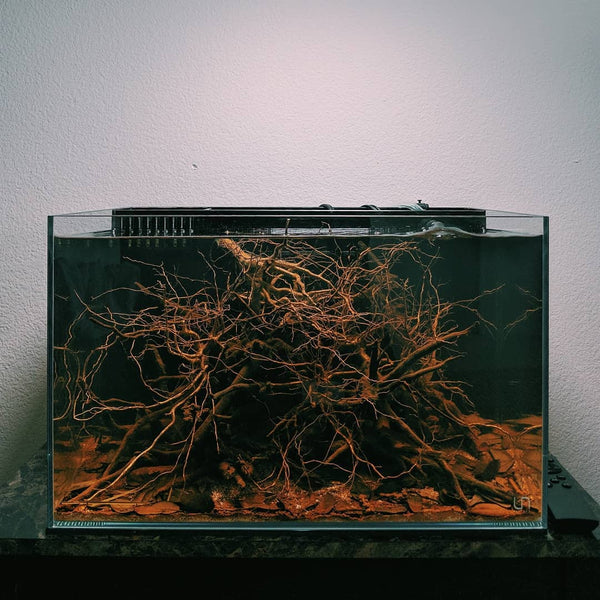
It’s a real mental shift that we as hobbyists have to make. Sure, there will always be a lot of people that don’t like the look of brown water, decomposing leaves, biofilms and fungi in their aquariums. It’s a radically different look than what we’ve come to accept an aquarium “should” look like for the better part of the century..
We have to accept Nature’s input here. We can’t be afraid of it. We need not be.
Nature dictates the speed by which this decomposition process occurs. Nature “recruits” the organisms which power our little ecosystems.
Yes, we “set the stage” for it- but Nature is in full control.
She always was, and always will be.
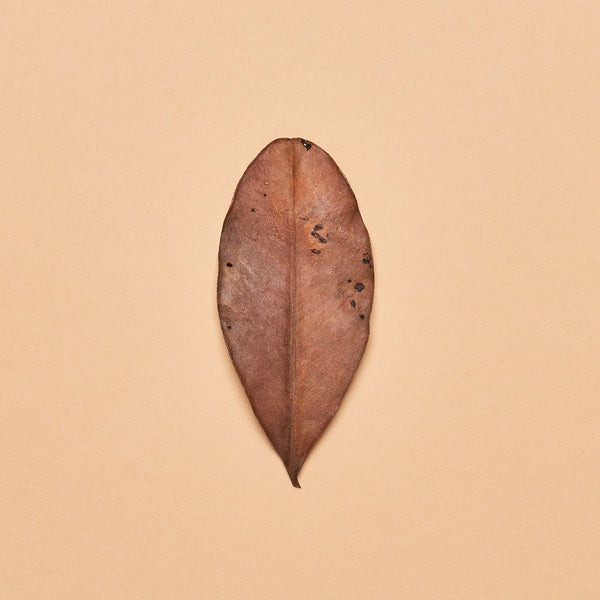
Our journey starts with a falling leaf.
Leaves represent a true confluence of terrestrial and aquatic elements, working together to create a unique and inspiring aquatic habitat. By replicating, at least on some level, an “unedited” interpretation of the process which builds these habitats, we open up new possibilities, foster breakthroughs in aquatic husbandry, and further the state of the art of the aquarium hobby.
Yeah, it starts with a falling leaf…
Stay inquisitive. Stay studious. Stay observant. Stay persistent. Stay patient. Stay bold…
And Stay Wet.
Scott Fellman
 The Tint
Leave a comment