
As hobbyists, we spend enormous amounts of time, money, and energy attempting to create the ideal “aquascape” for our fishes. And, let’s face it; pretty much no matter how we ‘scape a tank- no matter how much- or how little– thought and effort we put into it, our fishes will ultimately adapt to it.
The key, IMHO- is thinking like a fish!
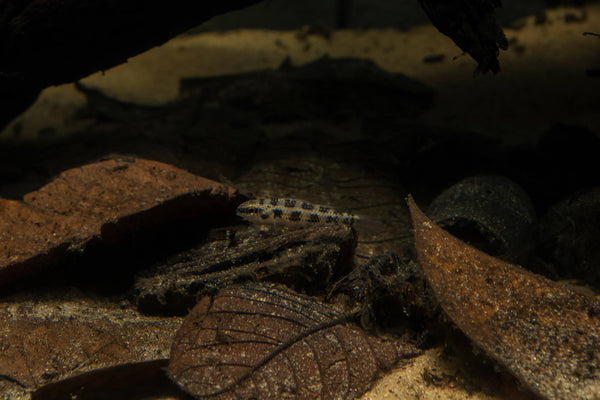
Seriously. Fishes know stuff…
They’ll find the places they are comfortable hiding in. The places they like to forage, sleep and spawn. It doesn’t matter if your ‘scape consists of carefully selected roots, seed pods, rocks, plants, and driftwood, or simply a couple of clay flower pots and a few pieces of egg crate- your fishes will “make it work.”
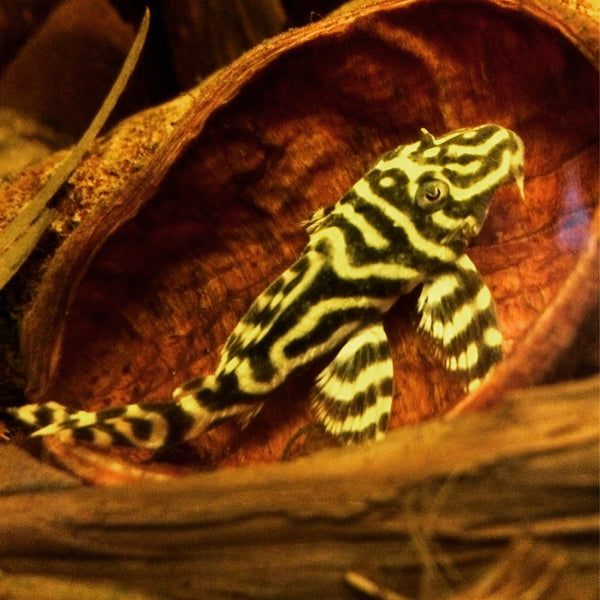
It’s what fishes do. It’s what they’ve done for eons.
And as aquarists, what we’ve collectively and admirably done for a century or so is try to create optimum conditions for the fishes we keep. This includes both the physical-structural and chemical environment. We’ve talked a lot about the chemical environment, vis a vs our botanical-method aquariums. Today, let’s just think for a few moments about the physical-structural environment we create for our fishes, and why.
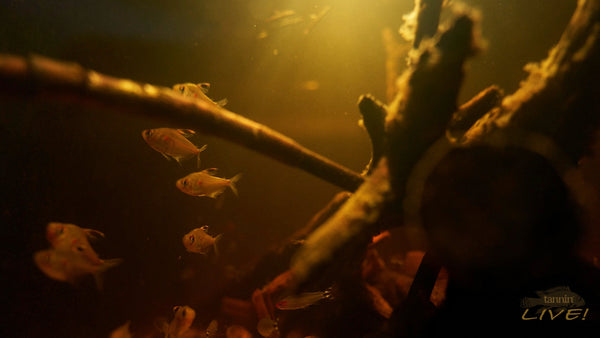
When we’re planning an aquascape, we spend an enormous amount of time selecting the right materials- rocks, wood, botanicals, etc., to get the right “feel” to our ‘scape. This is a most enjoyable and interesting phase of an aquarium build, for sure- but take yourself out of the “I’m-gonna-enter-THIS-ONE-in-the-aquascaping-contest-and-place high” mindset for just a second, and put yourself into the mindset of...a fish.
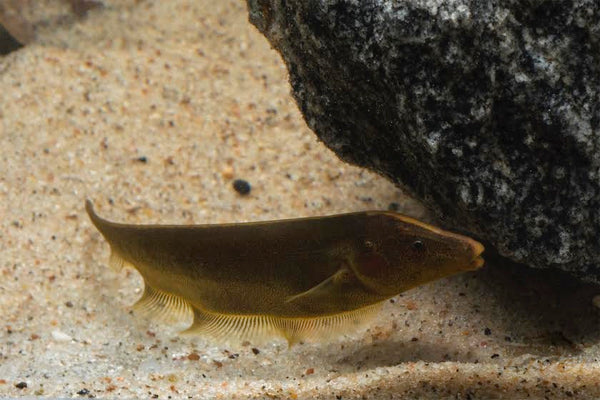
Yup. Think like a fish for a second.
I mean, sure, while I’ll wager that fishes like living in those insanely cool ‘scapes you see in all of the contests; however, those are mainly designed and constructed for the pleasure of humans, right? They’re designed for our tastes. Specifically, for human judges, who evaluate a design-based on a set of specific criteria. “Iwagumi” looks really cool, but I’d hazard a guess that you won’t find many of these “submerged Stonhenge” features in the natural streams and rivers of the world.
I’m just gonna go out on a limb and make that speculation…

So what about considering just how the fishes interact with the aquascape you create?
My suggestion?
Again: Think like a fish a bit more.
Really. It might be kind of fun-and educational- to think about where your fishes are found in the natural streams, lakes, and rivers they come from…and “work backwards.” I mean, fisherman have been doing this for eons…why not fish hobbyists?
It makes perfect sense, because, well, we have a pretty fair collective understanding of how fishes interact with their environment, don’t we?
I think so.
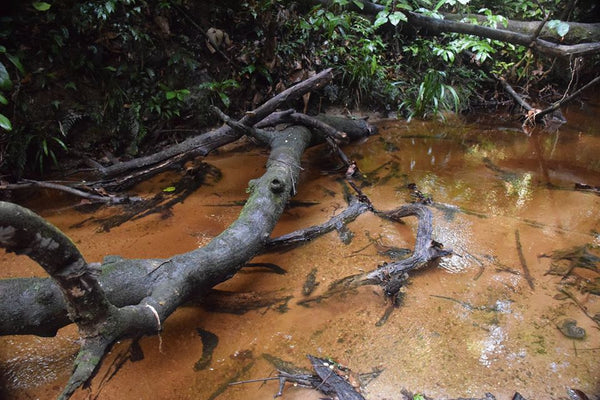
Let’s look at some of the features in natural bodies of water where fishes are commonly found…this might give you some insight into how to incorporate them into an aquascape.
I need not discuss flooded forests all that much, because we’ve pretty much written more on this topic than just about anything over the years…Suffice it to say, my obsession with these unique habitats is well-founded; they are filled with amazing features, ranging from tree trunks to root tangles, to submerged terrestrial plants and leaf litter- all of which we can replicate in the aquarium in dramatic fashion.
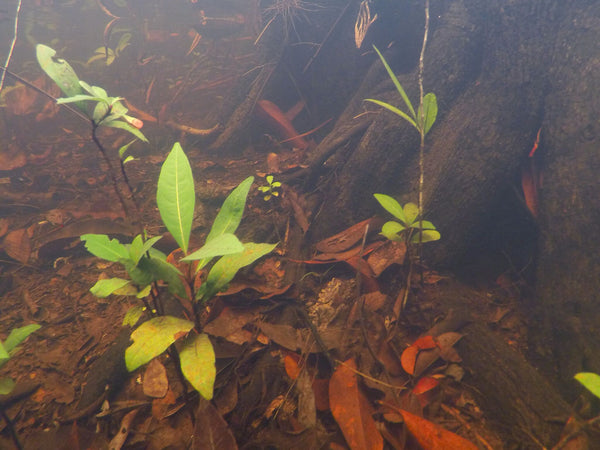
And then there are flooded Pantanal meadows- essentially grasslands with low scrub brush and plants, which are flooded seasonally, providing a rich and diverse underwater habitat for a variety of fishes. These habitats, equally as engrossing as the flooded forests, are seldom replicated in the aquarium, fore reasons that I cannot quite understand. Perhaps it’s the “dirty” aesthetic which has thrown us off? Regardless, the fishes make use of the submerged grasses and vegetation for foraging and spawning among.
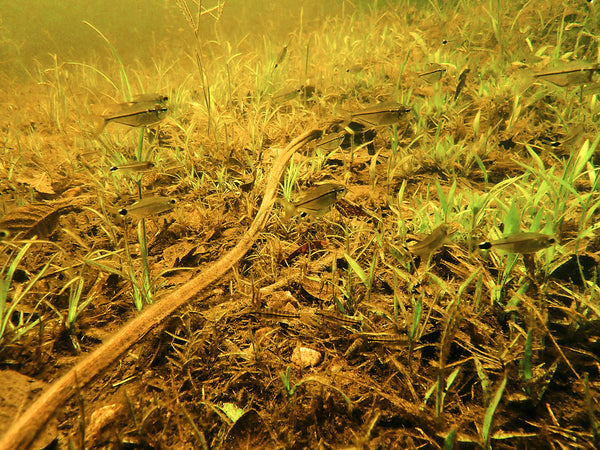
And of course, there are many features of streams and rivers that fishes LOVE to congregate in…Think about how you might consciously incorporate some of them into your next aquascape!
First off, a few “sweeping generalities.”
Fishes tend to live in areas where the food and protection is, as we’ve talked about previously. Places that provide protection from stronger current, and above-and below-water predators. Places where they can create territories, interact, spawn and defend themselves.
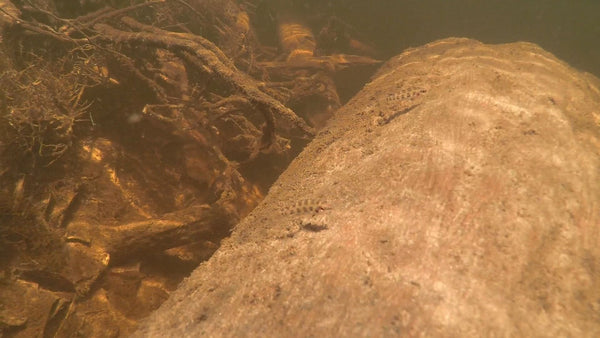
Bends in streams and rivers are particularly interesting places, because the swifter water movement will typically carry food, and the fishes seem to know this. And if theres a tree branch, trunk, or a big rock (or rocks) to break up the flow, there will be a larger congregation of fishes present.
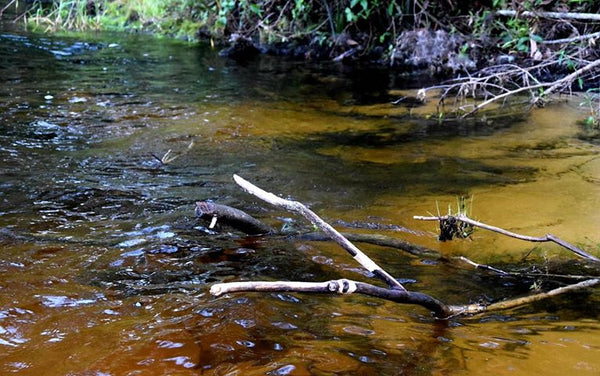
So, the conclusion here is that, at least in theory, if you design your ‘scape to have a higher “open water” flow rate, and include some features like rocks and large branches, you’ll likely see the fishes hanging in those areas…
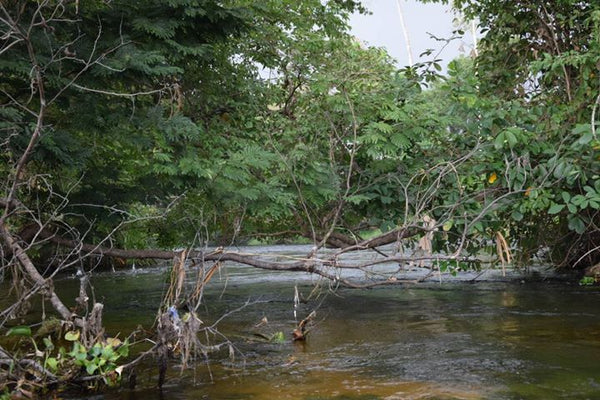
In situations where you’re replicating a faster-flowing stream environment, think about creating some little “rock pockets”, perhaps on one side of the aquarium, to create areas of calmer water movement. Your fishes will typically orient themselves facing “upstream” to catch any food articles that happen on by. So, from a design perspective, if you want to create a cool rock feature that your fishes will likely gather in, orienting the flow towards it would be a good way to accomplish this in the aquarium.
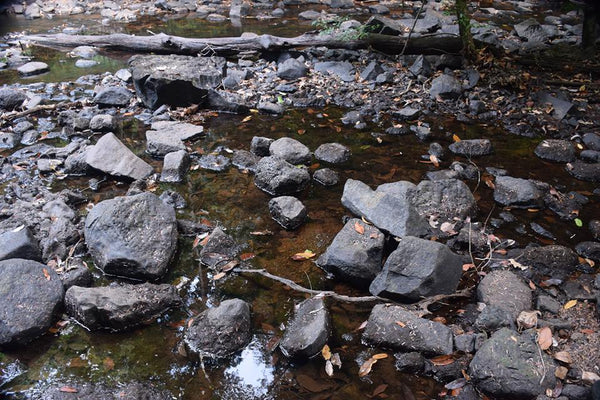
Leaves, the “jumping off point” of our botanical obsession, form a very important part of these stream habitats. They fall from the trees, accumulate in the water, and work their biological magic.
It is known by science that the leaf litter and the community of aquatic animals that it hosts is, according to one study, “… of great importance in assimilating energy from forest primary production into the blackwater aquatic system.”
It also functions as a means to preserve the nutrients that would be lost to the forests which would inevitably occur if all the material which fell into the streams was simply washed downstream. The fishes, crustaceans, and insects that live in the leaf litter and feed on the fungi, detritus, and decomposing leaves themselves are very important to the overall habitat.
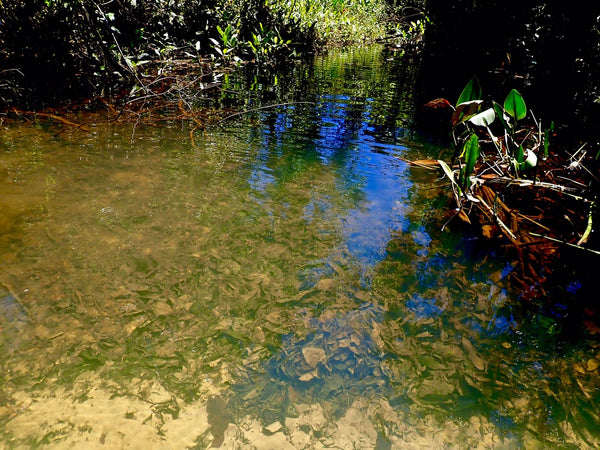
In the aquarium, leaf litter and botanicals certainly perform a similar role in helping to sequester these materials.
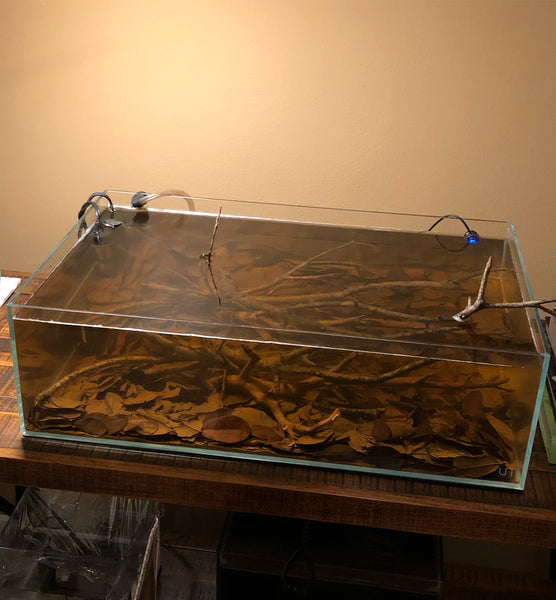
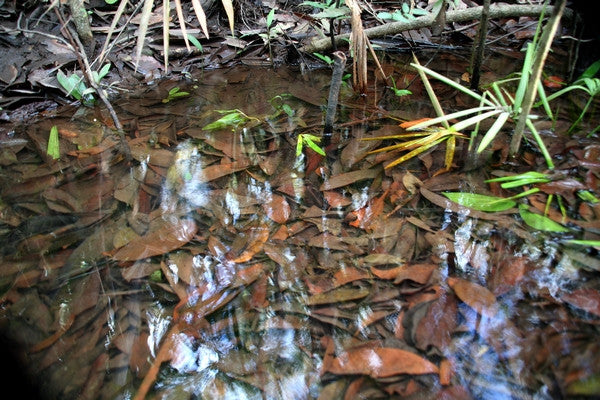
As we’ve talked about before briefly, another interesting thing about leaf litter beds is that they actually have “structure” and even longevity. In several studies I read on the subject, the accumulations of leaves in various streams are documented to have existed in the same locations for years- to the point where scientists actually have studied the same ones for extended periods of time.
Some litter beds form in what stream ecologists call “meanders”, which are stream structures that form when moving water in a stream erodes the outer banks and widens its “valley”, and the inner part of the river has less energy and deposits silt- or in our instance, leaves.
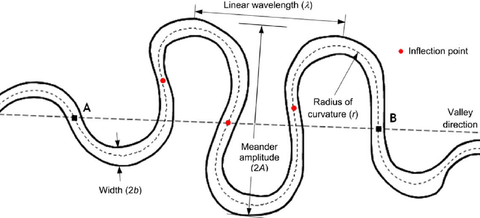
There is a whole, fascinating science to river and stream structure, and with so many implications for understanding how these structures and mechanisms affect fish population, occurrence, behavior, and ecology, it’s well worth studying for aquarium interpretation! Did you get that part where I mentioned that the lower-energy parts of the water courses tend to accumulate leaves and sediments and stuff?
There are other interesting structures in streams which we would be well served to study and replicate in our aquariums. Streams typically feature two interesting biotopes that we haven’t really discussed in much detail here, and both of which are quite profoundly impacted by the seasonal rains:
Pools, with slower current and a substrate covered mainly by deposits of leaf litter, detritus and driftwood; and “riffles” (defined as shallow sections of a stream with rapid current and a surface broken by gravel, rubble or boulders), with a moderately-fast-flowing current and mostly sandy bottom with tree roots, driftwood pieces, and small rocks and pebbles. (ohh…home to Darter Characins!)
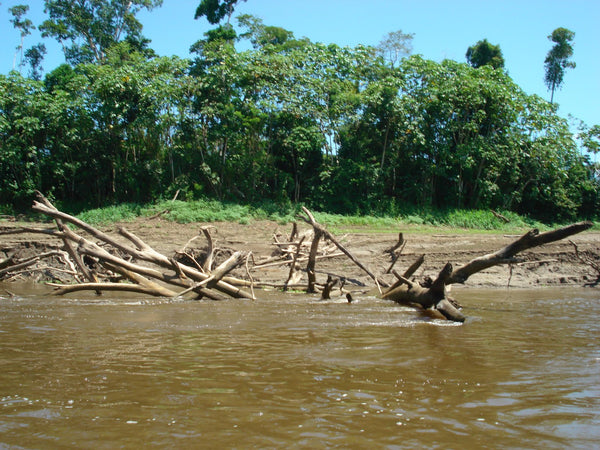
These “riffles” are considerably more significant in the wet season, when the obvious impact of higher water volumes are present. In the Amazon, for example, you’ll find an unexpected abundance of some species familiar to us as hobbyists in these “riffles.” Species like Pyrrhulina brevis, Hyphessobrycon melazonatus, and Hemigrammus of various forms, and even some Nanostomus, and the killie Rivulus compressus.
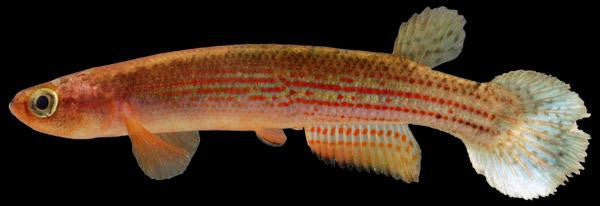
Interesting “factoid”: Some scientists have postulated that the higher presence of nocturnal predators in the pools adjacent to the more active riffles might increase the number of species that seek refuge in the riffles to avoid them! And Rivulus, which usually live in more intermittent pools along the stream edges, outside the main stream channels, are normally found at night in these riffles!
Reduction of stress. Indeed, survival. That’s pretty important in the wild…so I’d imagine it’s equally as important in the aquarium.
In the end, design and build the aquascape that makes you happy.
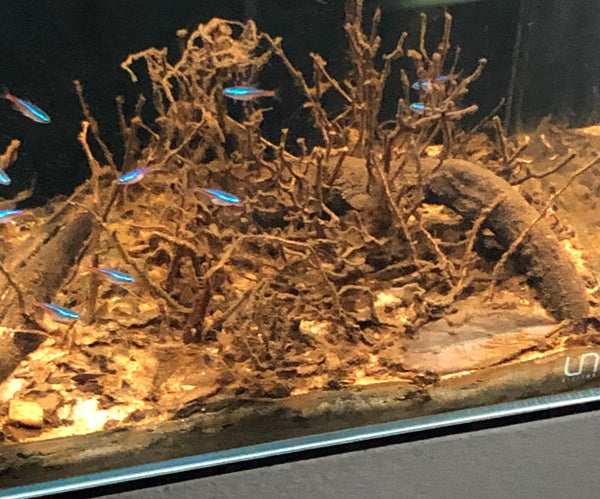
However, if you’re trying to create something a bit different and perhaps a bit more true to nature, you might want to take a little “field trip” to a nearby stream, river, creek, lake, etc., where fishes and other aquatic animals reside, and observe things from the perspective of how they interact with the features of the environment.
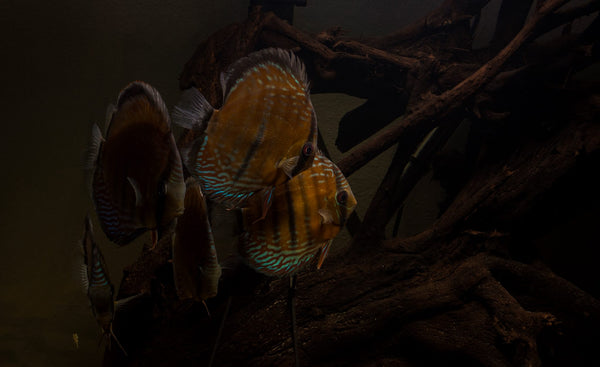
You should “get outside” and do this once in a while! You’ll definitely leave with some inspiration, ideas, and just maybe, a slightly different perspective on aquascaping than you’ve previously had! And the whole process of selecting fishes changes when you approach from this angle…
Now, when it comes to selecting fishes for my aquariums, I’m probably as weird as anyone else. I’ll geek out about it for a while. However, I typically have a good idea what I’m going to add to my tanks long before they’re set up. I’ll typically design and build an aquarium around a specific habitat, ecological niche, or fish species.
The research process can take months- years even.
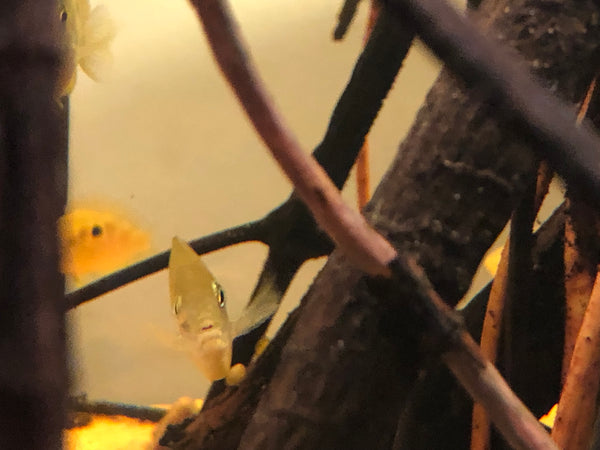
Yet, by the time I’m done, I typically know exactly what I want to add to my tanks, and stay “on plan.” There’s very little “editing on the fly” with me. I think it’s a holdover from growing up in the hobby. As a kid with one or two tanks, I HAD to be disciplined about the fishes I selected. This sort of discipline has served me pretty well.
Of course, sometimes, the fishes that I want are very difficult to find! Remember my rantings about Crenuchus spilurus, the Sailfin Tetra…a fish that I spent decades waiting for? That’s an extreme example, of course. Yet typically, this self-discipline actually creates short-term annoyances while I wait for my target fishes to become available! It’s often has resulted in my fully ‘scaped and prepared tanks sitting fishless for weeks before the first ones go in…
You can relate to that. I know that you can!
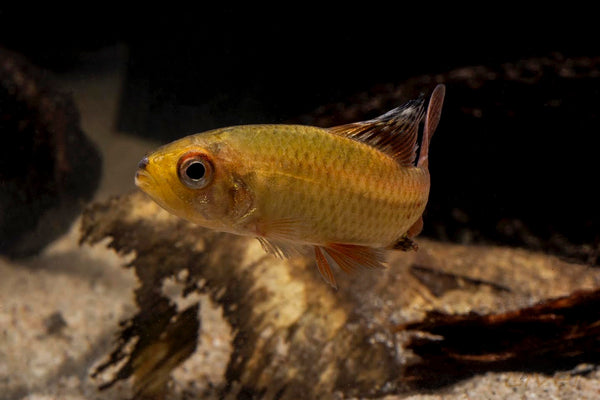
I am a huge fan of characins, especially in my natural-style, botanical-influenced “blackwater” aquariums. They’re perfect for these tanks, as we’ve discussed many times. They are often found in these environments in nature. They’re small fishes which aesthetically “fit” almost any-sized system and provide perfect “scale” for my aquascapes. I like them…no issues here.
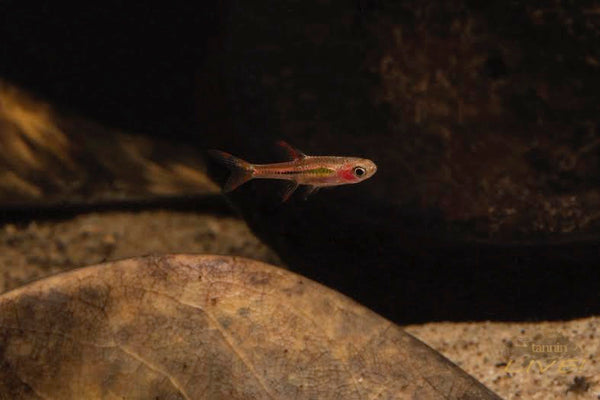
Where I run into difficulty is during that age-old debate: Let’s say my tank can accommodate 50 characins of the size I am contemplating. Is it more interesting to have a dozen of four varieties, 16 or so of three varieties, or 10 of five varieties of characins? Or, do I just make it a “monospecific: tank and go for one large school of a single species?
Same with Rasbora or other small fishes.
Or…
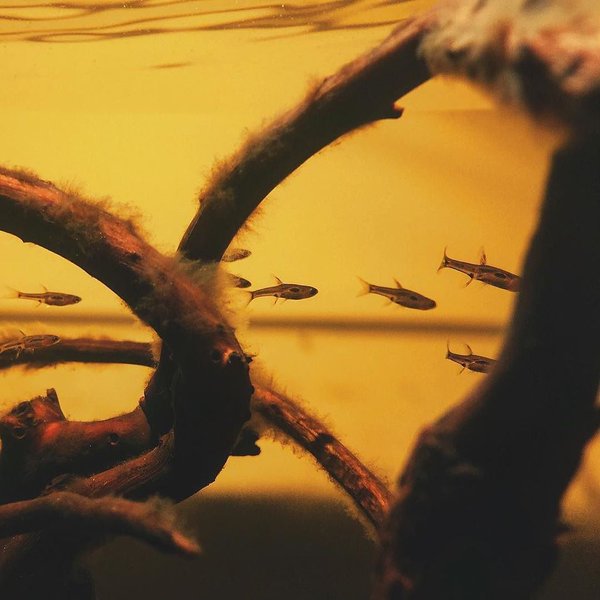
It’s overthinking at its finest…and it’s enough to make my head spin.
Traditionally, I’ve taken the middle ground in stocking density.
I mean, this gives me a perfectly tolerable, yet still aesthetically-pleasing “ratio” of variety to “aesthetic bliss.” Depending on the size and configuration of your display, I’ve found over the years that having numerous varieties of fishes in a modest-sized (or even a large sized) tank is actually kind of…well, distracting! Seems like it’s always nicer to have more specimens of less species.
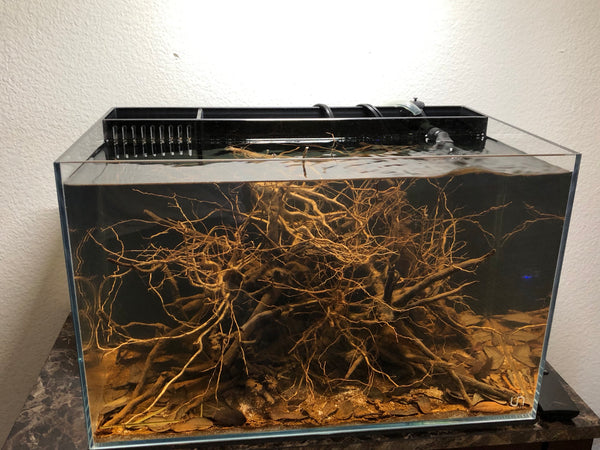
If we study how fishes are distributed in natural habitats, does it support this type of thinking? Well, not really..or sort of, depending upon how you look at it. In studies I’ve read on leaf litter systems in the Amazon region, a 200 square meter area was found to be home to about 20 different species of fishes! That’s surprising population density and variety. Another researcher observed that Apistogramma are often found in nature at population densities of up to a thousand individuals in an area of less than 10 square meters!
That’s a LOT of fish!
Now, in the case of the leaf litter studies, there is a reason for the species richness:
Utilization of different parts of the litter bed by different species plays a huge role in the distribution of fishes in this habitat. In the Apistogramma study it was similar, in that the fishes were distributed throughout a leaf litter bed of almost a meter deep! Obviously, our aquarium are a lot smaller, and few of us could duplicate 3-foot deep leaf litter beds (nor would many of us want to..well, maybe I would, but…).
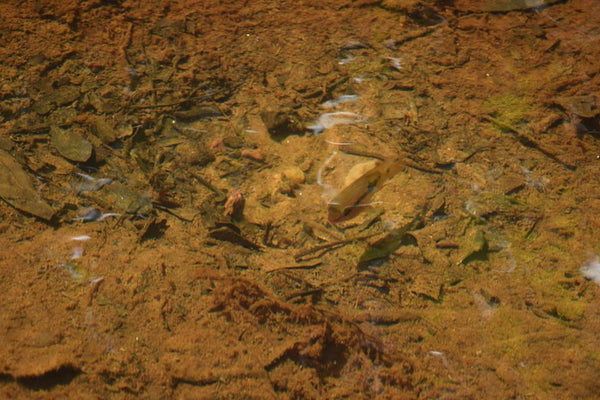
And if you extrapolate down the size of the habitat to aquarium dimensions, you’d be working with a lot of species in a relatively small space in the “diversity” model, or a hell of a lot of Apistos in the “compact population” model!
And then there are those Lake Tanganyika shell-dwelling cichlids…which live in huge aggregations in the shell beds…They sort of have their own model, right? I mean, they do really well when kept densely…Social behavior and spawning play a huge role in their population density.
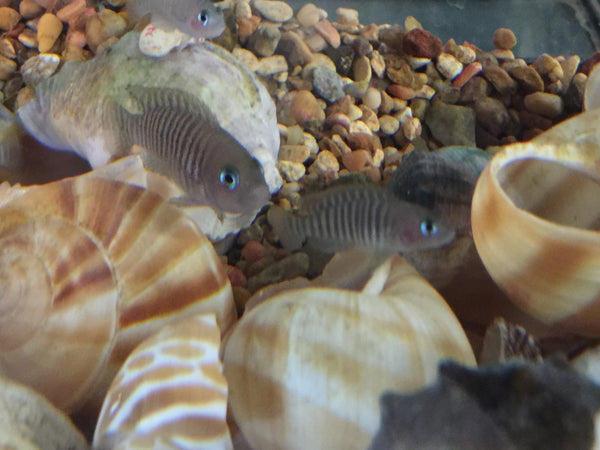
There are numerous factors that contribute to population diversity and density of fishes in nature. In captivity…very few, right? I mean, really it’s our call, limited by available tank space, finances…and in some instances, our relative audacity!
The reality for us is some sort of compromise. (Yeah, I hate that word, too)
We need to juggle aesthetics, the ability of our aquarium to physically provide space for the given fish population, as well as the biological and mechanical filtration capabilities we can offer. Not to mention, the potential for aggression, predation, etc. is higher in such a densely-populated model.
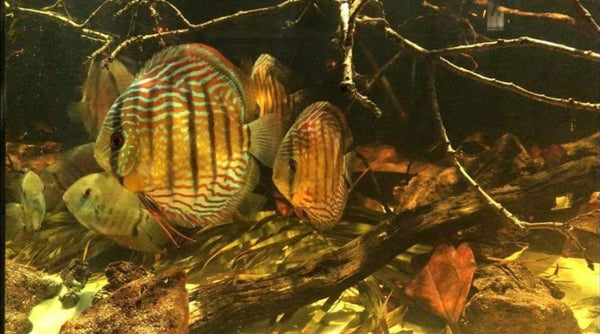
So- back to square one, right?
Yeah, for me, it is.
Modest numbers of several small species...It’s the fish geek in me who wants maximum “bang for the buck”, as they say. I am okay walking that delicate line between what I want and what I can provide..And doing it in a responsible, ethical manner. And then there is always that one resident fish- or group of fishes, which develop an “attitude” towards newcomers, making the addition of anything kind of nerve-wracking, right?
So, you’re doing a lot of mental calculations in this game!
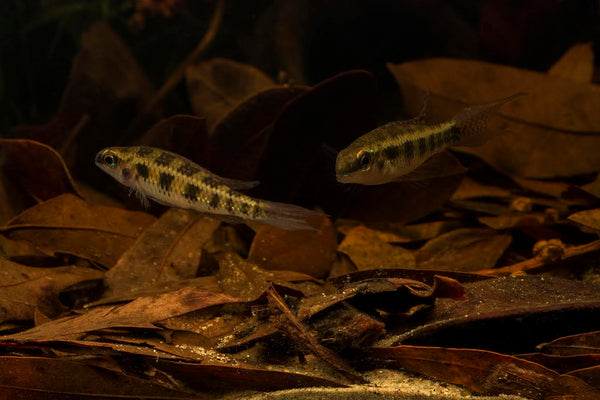
I may fantasize about the 500-fish school of Cardinal Tetras as the sole occupant of a larger tank- but that’s a pretty tough pill to swallow! Expensive, too! And the reality is, many of the fishes I like simply aren’t found in such huge aggregations, anyways. They’re often the realm of “fantasy aquariums” dominated by high-concept, yet decidedly unnatural aquascaping.
Arrghhhh…I simply need more tanks. The solution is more tanks. That’s it.
Collectively, as hobbyists, we spend a pretty good amount of time studying, scheming, and pondering how to create a compatible, interesting, and attractive community of fishes within our aquariums.
It’s probably among the most enjoyable things that we do in the hobby, right?
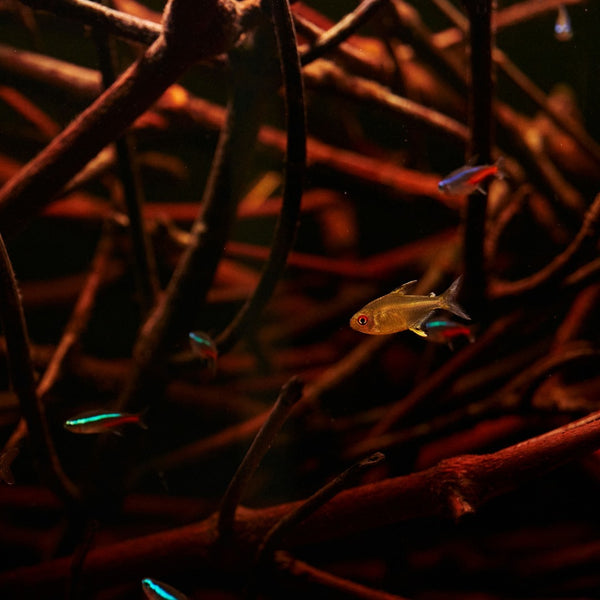
As a somewhat eccentric philosopher of all things fish, one of my favorite things to ponder is stuff that we do while creating our aquariums which is- intentionally or otherwise- analogous to the factors in Nature that result in the environments and fish populations that we find so compelling.
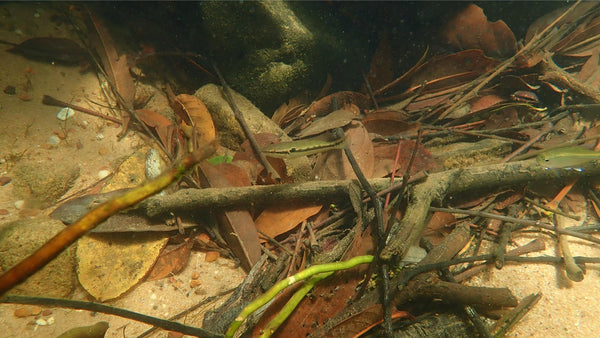
If you’re like me, you likely spend a little too much time pondering all sorts of arcane aspects of the hobby…Okay, so maybe you’re NOT like me, but you probably have a rather keen interest in the way Nature operates in the wild aquatic systems of the world, and stock your aquariums accordingly.
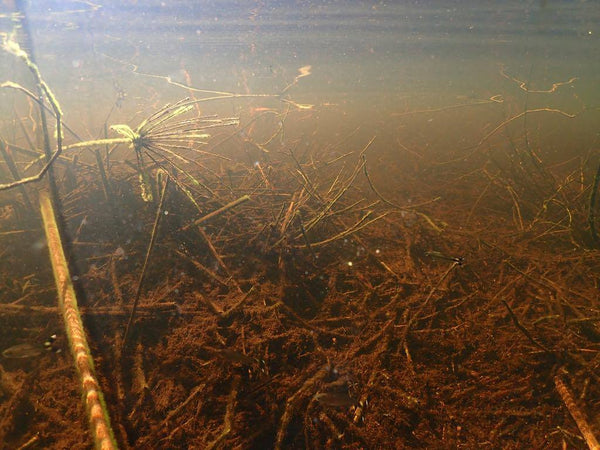
As one who studies a lot of details about some of the habitats from which our fishes come, I can’t help but occasionally wonder exactly what it is that brings fishes to a given location or niche within a environment?
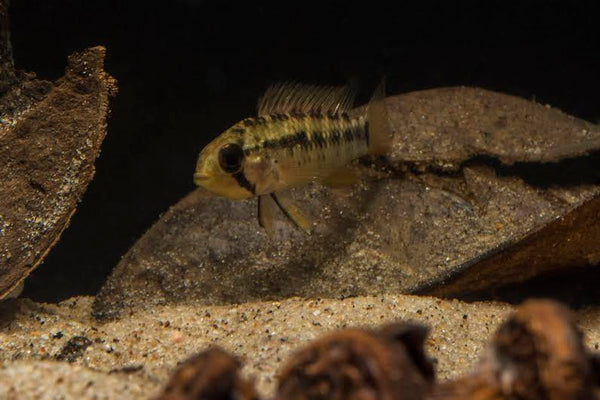
Now, the first answer we’re likely to proffer is the most apparent…right? I mean, they follow the food!
Fishes tend to move into new areas in search suitable food sources as part of their life cycle. And food sources often become available in habitats such as flooded forest areas after the rains come, when decomposing leaves and botanical materials begin to create (or re-activate, as the case may be) “food webs”, attracting ever more complex life forms into the area.
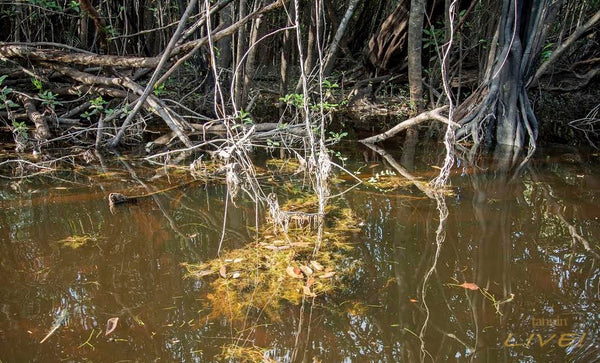
When we create our aquariums, we take into consideration a lot of factors, ranging from the temperament and size of our fish selections, to their appearance, right? These are all important factors. However, have you ever considered what the factors are in nature which affect the composition of a fish community in a given habitat?
Like, why “x” fish is living in a particular habitat?
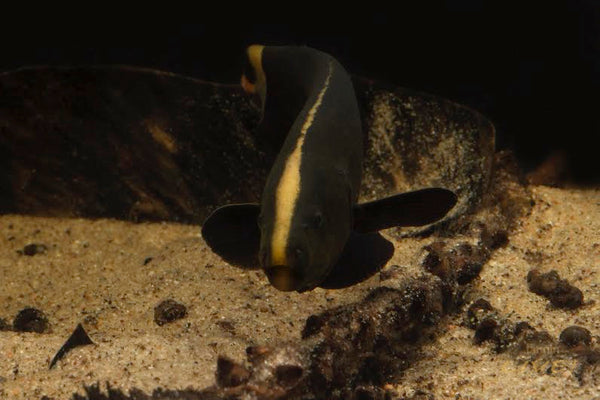
What adaptations has the fish made that make it uniquely suitable for this environmental niche? Further, have you thought about how we as hobbyists replicate, to some extent, the actual selection processes which occur in Nature in our quest to create what we’d consider the perfect “community aquarium?”
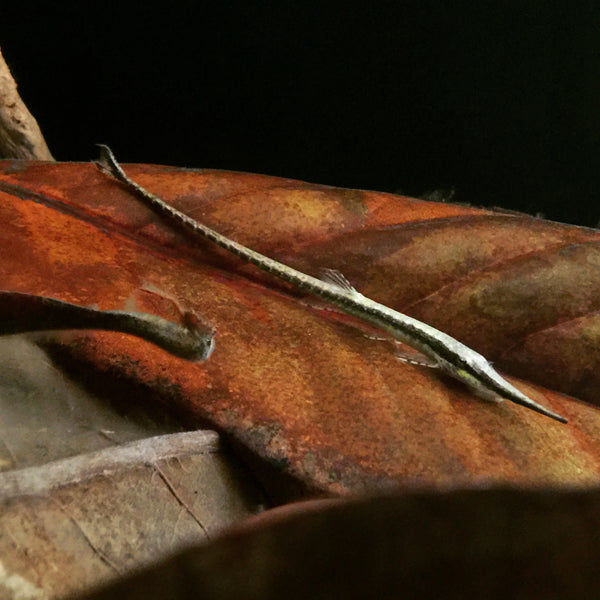
Now, if you’re an African Cichlid lover or reef hobbyist, I’m sure you have!
Social hierarchies, spatial orientations, and allopathic processes are vital to success in those types of aquariums; you typically can’t get away with just throwing in a random fish or coral and hoping it will just mix perfectly.
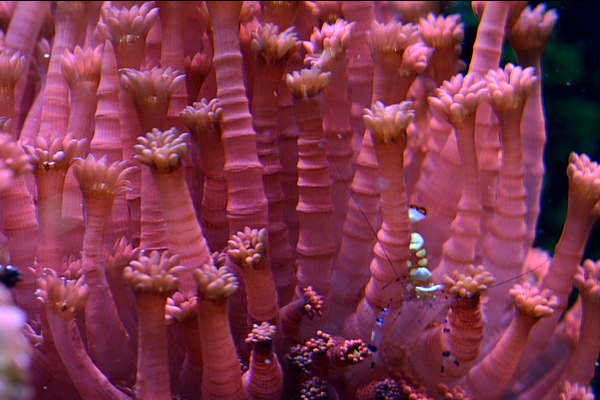
However, for many hobbyists who aim to construct simple “community tanks”, it isn’t that vital to fill specific niches and such…we probably move other factors to the forefront when thinking about possible additions to our community of fishes: Like, how cool the fish looks, how large it grows, if it has a peaceful temperament, etc. More basic stuff.
However, in the end, we almost always make selections based upon factors which we deem important…again, a sort of near-mimicry of natural processes- and how the fishes work in the habitat we’ve created for them.
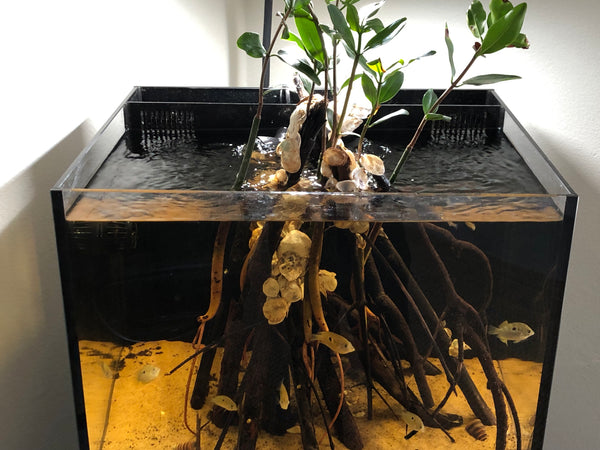
“Unnatural selection?” Or…Is it essentially what nature’s does for eons?
Oh, and what exactly is an “aquatic habitat”, by the way? In short, you could say that an aquatic habitat is the physical, chemical, and biological characteristics which determine the suitability for habitation and reproduction of fishes.
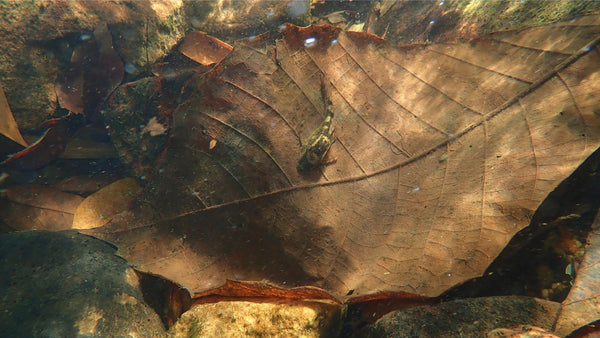
Of course, these characteristics can determine which fishes are found in a given area in the wild- pretty much without exception. It’s been happening for eons.
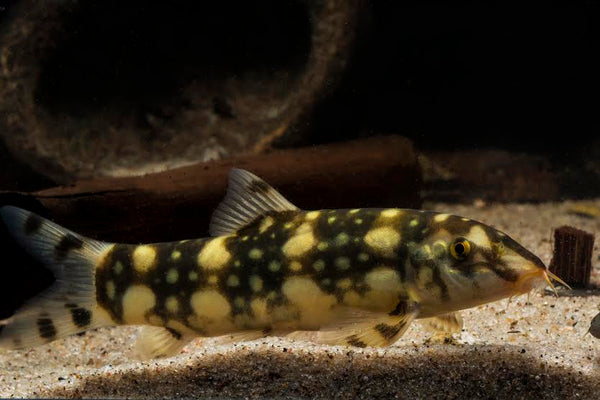
Approaching the stocking of an aquarium by determining which fishes would be appropriate for the physical characteristics of the tank is not exactly groundbreaking stuff.
However, when we evaluate this in the context of “theme”, and what fish would be found within, say, an Amazonian Igarape stream, a Southeast Asian peat swamp, or a Malaysian “Mangal”, the idea of adding fishes to “exploit” the features of the habitat we’ve created is remarkably similar to the processes which occur in Nature that determine what fish are found there, and it’s the ultimate expression of good tank planning, IMHO.
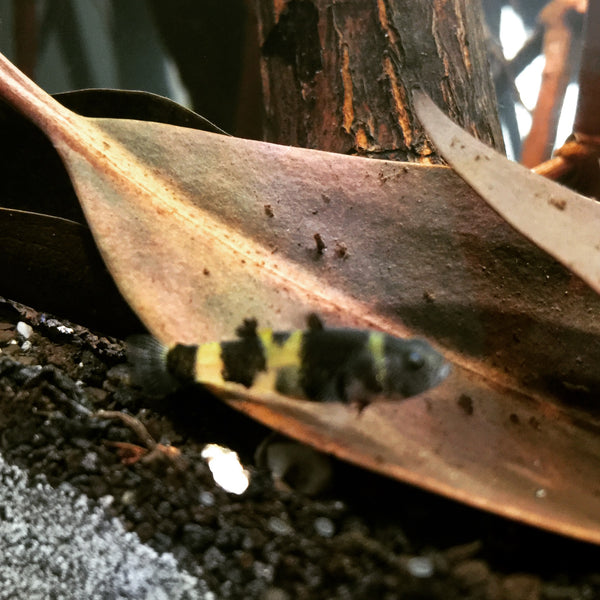
It’s just kind of interesting to think about in that context, right?
Competition is another one of the important factors in determining how fish populations in the wild. Specifically, competition for space, resources (e.g.; food) and mates are prevalent. In our aquariums, we do see this to some extent, right? The “alpha male” cichlid, the Pleco that gets the best cave, and the Tetra which dominates his shoal.
How we create the physical space for our fishes can have significant impact on this behavior. When good hiding spaces are at a premium, as are available spawning partners, their will be some form of social hierarchy, right?
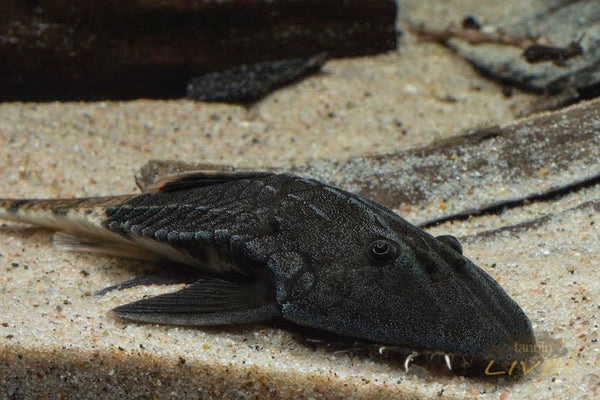
Other environmental factors, such as water movement, dissolved oxygen, etc. are perhaps less impactful on our community once the tank is established. However, these factors figure prominently in our decisions about the composition of, or numbers or fishes in the community, don’t they?
For example, you’re unlikely to keep Hillstream loaches in a near stagnant, blackwater swamp biotope aquarium, just like you’d be unlikely to keep Altum Angelfish in a fast-moving stream biotope representation. And fishes which shoal or school will, obviously, best be kept in numbers.
“Aquarium Keeping 101”, again.
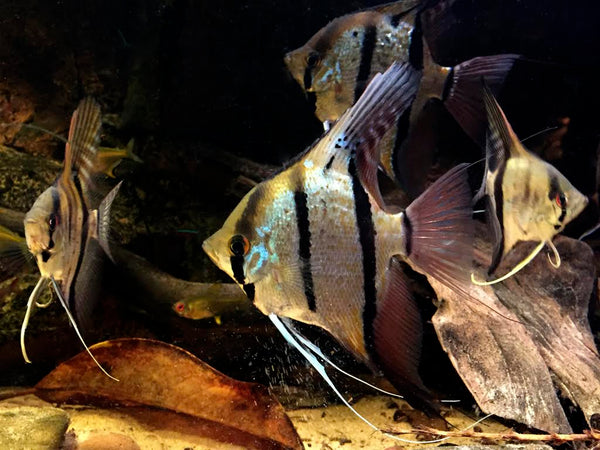
One factor that we typically don’t have in our aquaria is predation. I know very few aquarists who would be sadistic enough to even contemplate trying to keep predators and prey in the same tank, to let them “have at it” and see what happens, and who comes out on top!
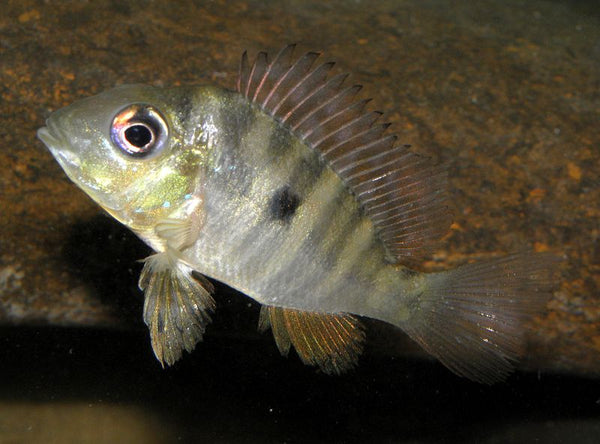
I mean, there is a lot to this stuff, isn’t there?
Again, the idea of creating a tank to serve the needs of certain fishes isn’t earth-shattering. Yet, the idea of stocking the tank based on the available niches and physical characteristics is kind of a cool, educational, and ultimately very gratifying process. I just think it’s truly amazing that we’re able to actually do this these days.
And the sequence that you stock your tank in is extremely pertinent.
I think that you could literally create a sort of “sequence” to stocking various types of fishes based on the stage of “evolution” that your aquarium is in, although the sequence might be a bit different than Nature in some cases. For example, in a more-or-less brand new aquarium, analogous in this case to a newly-inundated forest floor, their might be a lot less in the way of lower life forms, such as fungi and bacteria, until the materials begin breaking down. You’d simply have an aggregation of fresh leaves, twigs, seed pods, soils, etc. in the habitat.
So, if anything, you’re likely to see fishes which are much more dependent upon allochthonous input…food from the terrestrial environment. This is a compelling way to stock an aquarium, I think. Especially aquarium systems like ours which make use of these materials en masse.
Right from the start (after cycling, of course!), it would not be unrealistic to add fishes which feed on terrestrial fruits and botanical materials, such as Colossoma, Arowanna, Metynis, etc. Fishes which, for most aquarists of course, are utterly impractical to keep because of their large adult size and/or need for physical space!
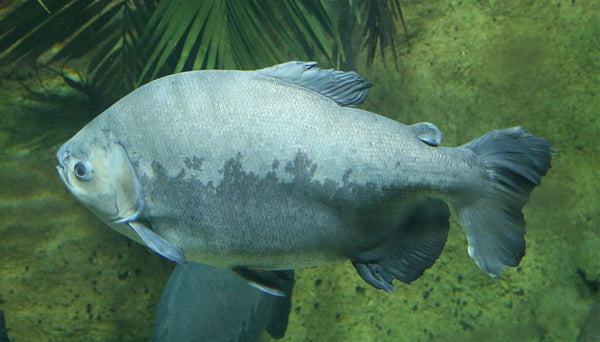
(Pacu! Image by Rufus46, used under CC BY-SA 3.0)
Now, a lot of smaller, more “aquarium suited” fishes will also pick at these fruits and seeds, so you’re not totally stuck with the big brutes if you want to go this route! Interestingly, the consumption and elimination of fruits by fishes is thought to be a major factor in the distribution of many plants in the region.
Do a little research here and you might be quite surprised about who consumes what in these habitats!
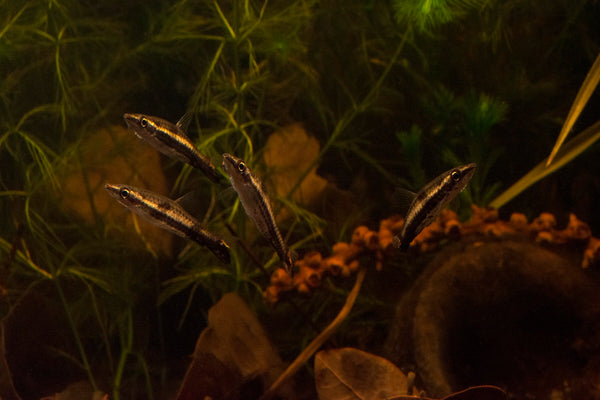
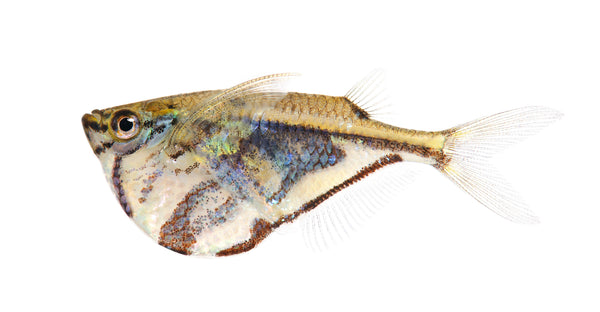
More realistically for most aquarists, I’d think that you could easily stock first with fishes like surface-dwelling (or near surface-dwelling) species, like hatchetfishes and some Pencilfishes, which are largely dependent upon terrestrial insects such as flies and ants, in Nature. In other words, they tend to “forage” or “graze” little, and are more opportunistic, taking advantage of careless insects which end up in the water of these newly-inundated environs.
I’ve read studies where almost 100 species were documented which feed near-exclusively on insects and arthropods from terrestrial sources in these habitats! As I mention often, if you dive a bit deeper than the typical hobbyist writings, and venture into scholarly materials and species descriptions, you’ll be fascinated to read about the gut-content analysis of fishes, because they give you a tremendous insight about what to feed in the aquarium!
Continuing on, it’s easy to see that, as the environments evolve, so does the fish population. And the possibilities for simulating this in the aquarium are many and are quite interesting!
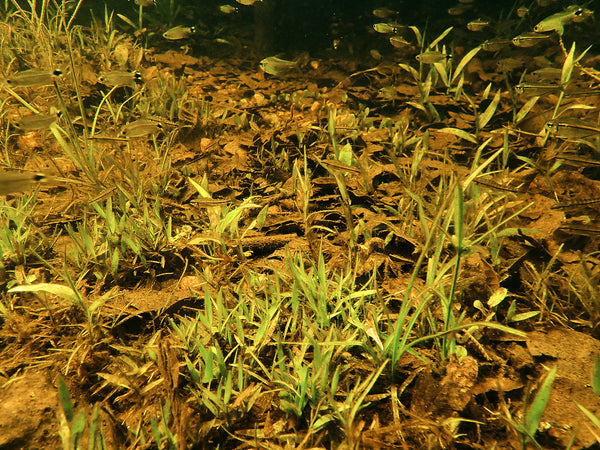
Later, as materials start to decompose and are acted on by fungi and bacteria, you could conceivably add more of the “grazing” type fishes, such as Plecos, small Corydoras, Headstanders, etc.
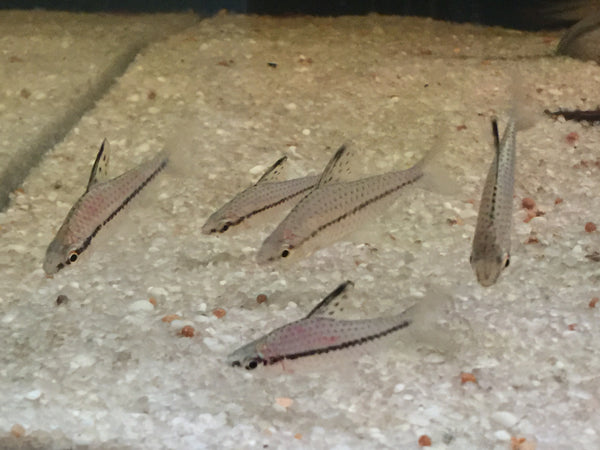
As the tank ages and breaks in more, this would be analogous to the period of time when micro-crustaceans and aquatic insects are present in greater numbers, and you’d be inclined to see more of the “micropredators” like characins, and ultimately, small cichlids.
Interestingly, scientists have postulated that evolution favored small fishes like characins in these environments, because they are more efficient at capturing small terrestrial insects and spiders in these flooded forests than the larger fishes are!
And it makes a lot of sense, if you look at it strictly from a “density/variety” standpoint- lots of characins call these habitats home!
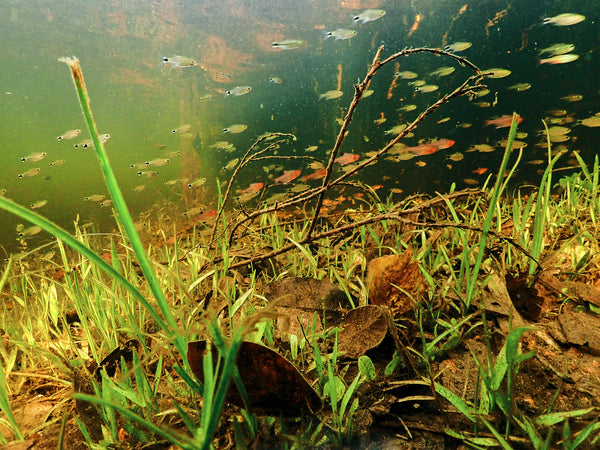
Then there are detritivores.
The detrivorus fishes remove large quantities of this material from submerged trees, branches, etc. Now, you might be surprised to learn that, in the wild, the gut-content analysis of almost every fish indicates that they consume organic detritus to some extent! And it makes sense…They work with the food sources that are available to them!
At different times of the year, different food sources are easier to obtain.
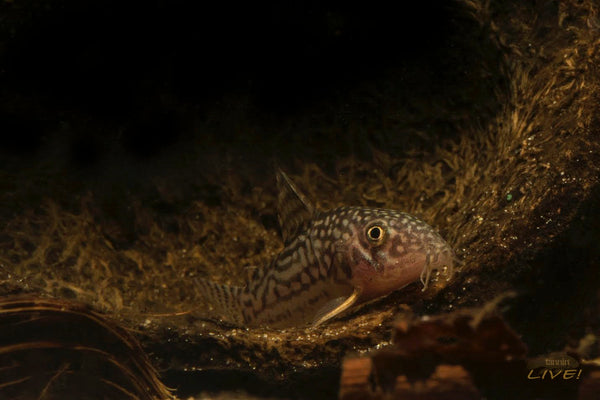
And, of course, all of the fishes which live in these habitats contribute to the surrounding forests by “recycling” nutrients locked up in the detritus. This is thought by ecologists to be especially important in blackwater inundated forests and meadows in areas like The Pantanal, because of the long periods of inundation and the nutrient-poor soils as a result of the slow decomposition rates.
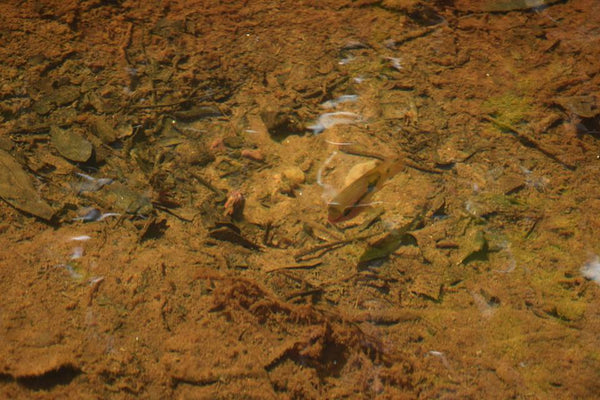
All of this is actually very easy to replicate, to a certain extent, when stocking our aquaria. Why would you stock in this sort of sequence, when you’re likely not relying on decomposing botanicals and leaves and the fungal and microbial life associated with them as your primary food source?
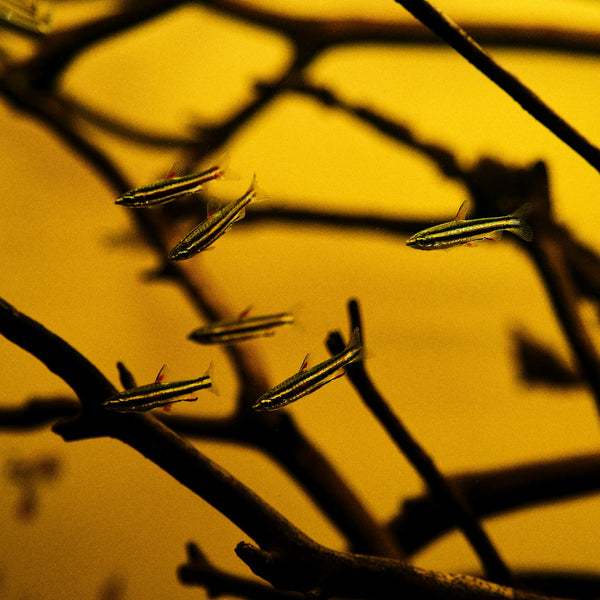
Well, you likely wouldn’t be…However, what about the way that the fishes, when introduced at the appropriate “phase” in the tank’s life cycle- adapt to the tank? Wouldn’t the fishes take advantage of these materials as a supplement to the prepared foods that you’re feeding them? Doesn’t this impact the fishes’ genetic “programming” in some fashion? Can it activate some health benefits, behaviors, etc?
I believe that it can. And I believe that this type of more natural feeding ca profoundly and positively impact our fishes’ health.
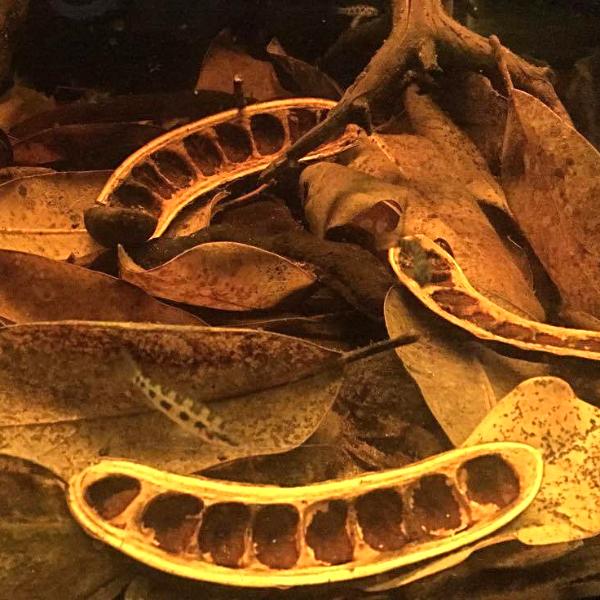
I’m no genius, trust me. I don’t have half the skills many of you do but I have succeeded with many delicate “hard-to-feed” fishes over my hobby “career.”
Why?
Because I’m really patient.
Success with this approach is simply a result of deploying “radical patience.” The practice of just moving reallyslowly and carefully when adding fishes to new tanks.
It’s a really simple concept.
The hard part is waiting longer to add fishes.
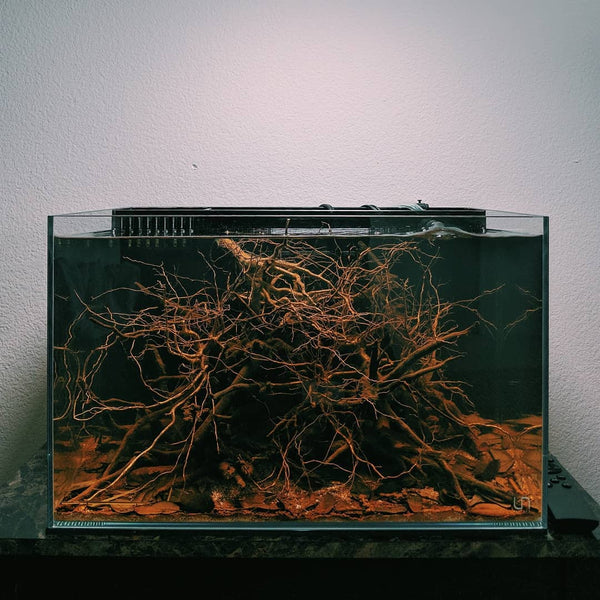
Wait a minimum of three weeks—and even up to a month or two if you can stand it, and you will have a surprisingly large population of micro and macro fauna upon which your fishes can forage between feedings.
Having a “pre-stocked” system helps reduce a considerable amount of stress for new inhabitants, particularly for wild fishes, or fishes that have reputations as “delicate” feeders.
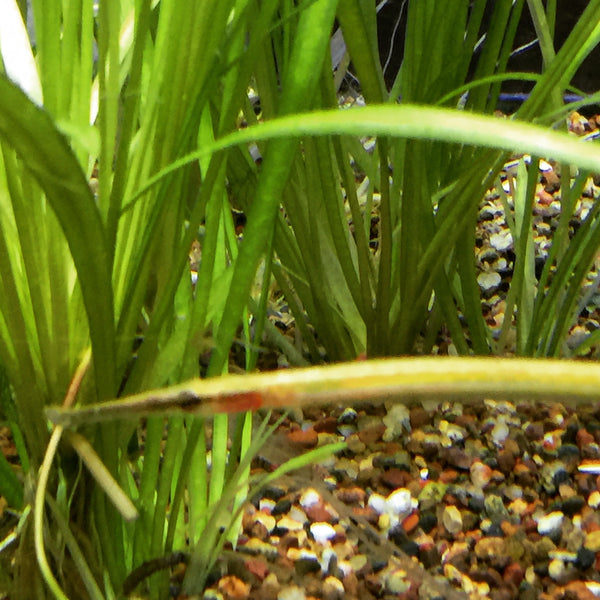
And think about it. This is really a natural analog of sorts. Fishes that live in inundated forest floors (yeah, the igapo again!) return to these areas to “follow the food” once they flood.
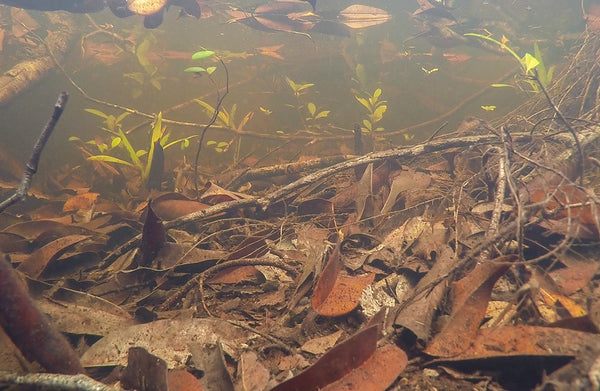
It just takes a few weeks, really. You’ll see fungal growth. You’ll see some breakdown of the botanicals brought on by bacterial action or the feeding habits of small crustaceans and fungi. If you “pre-stock”, you might even see the emergence of a significant population of copepods, amphipods, and other creatures crawling about, free from fishy predators, foraging on algae and detritus, and happily reproducing in your tank.
We kind of know this already, though, right?
This is really analogous to the tried-and-true practice of cultivating some turf algae on rocks either in or from outside your tank before adding herbivorous, grazing fishes, to give them some “grazing material.”
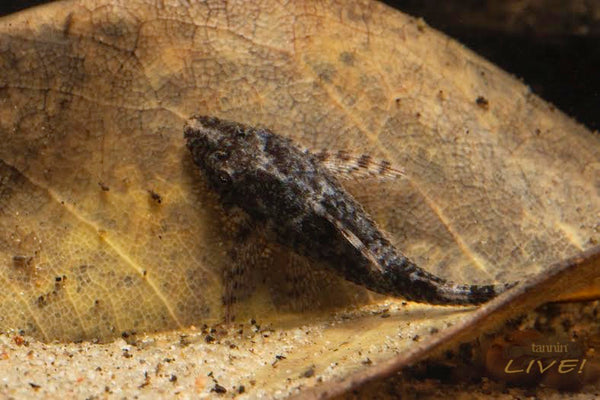
Radical patience yields impressive results.
It’s not always easy to try something a little out of the ordinary, or a bit against the grain of popular practice, but I commend you for even thinking about the idea. At the very least, it may give you pause to how you stock your tank in the future, like “Herbivores first, micro predators last”, or whatever thought you subscribe to.
Allow your system to mature and develop at least some populations of fauna for these fishes to supplement their diets with. You’ll develop a whole new appreciation for how an aquarium evolves when you take this long, but very cool road.
Gaining a fresh perspective and new inspiration for your hobby is never a bad thing! So, “thinking like a fish” isn’t such a bad idea, is it?
Yeah, the fishes know it. You should, too.
Stay fascinated. Stay inspired. Stay creative. Stay curious. Stay unique….
And Stay Wet.
Scott Fellman


Leave a Reply