
“Some sediment and sand meet in a river, and…”
Okay, weird opening, but it’s time to talk a bit more about the idea of “sedimented substrates” again. Hobbyists are starting to play around with them in botanical method aquariums, featuring them on social media, and before a whole generation of hobbyists gets the impression that these are for “cool looks” only, I have to be the grumpy old guy again and set us all straight on the topic for a bit. No taking the easy way out on this topic.
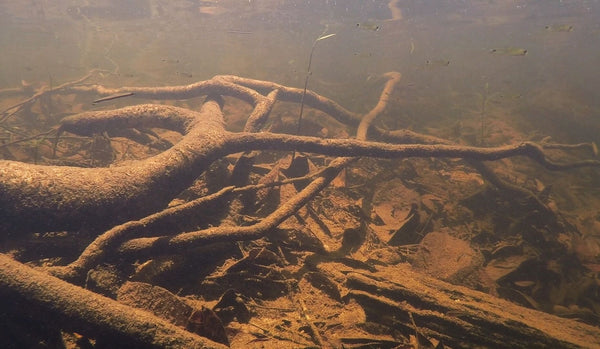
Let’s get down and dirty…
We describe these products as “sedimented substrates”, because that’s what they are- consisting largely of clays, sand, soil, and other materials (mineral sediments!) which mimic the properties of the soils of South America and other locales that we find so compelling. This is definitely NOT “Number 3 Aquarium Gravel” , lol.
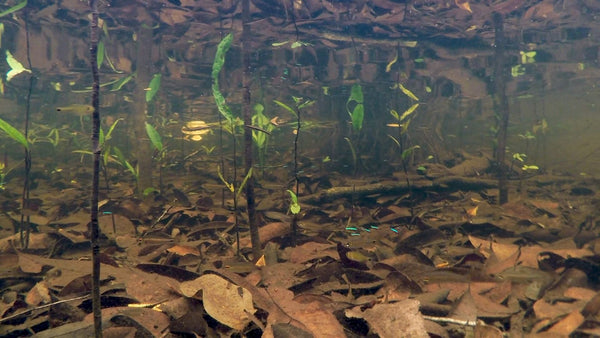
Now, one of the first questions people ask about sedimented substrates is “What makes them different than the other materials used in the hobby?” Well, I could go on and on, but quite simply, the answer is that many of these substrates were formulated to replicate the terrestrial soils of these habitats, which become inundated during seasonal rains and flooding.
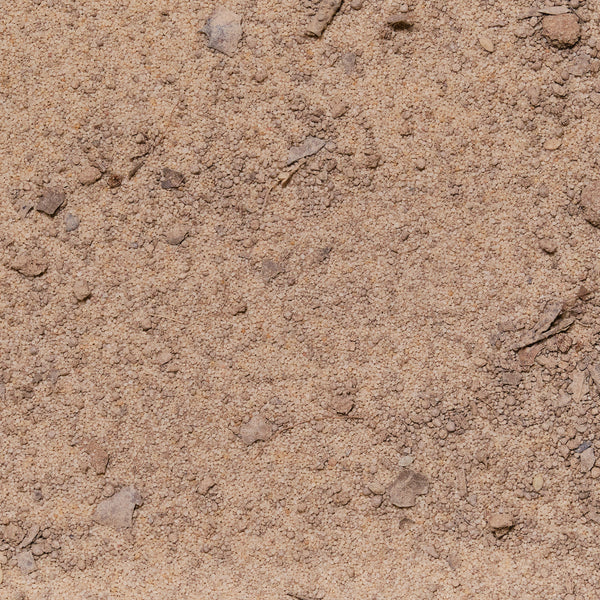
That’s a HUGE difference between these materials and “conventional” aquarium substrates right there.
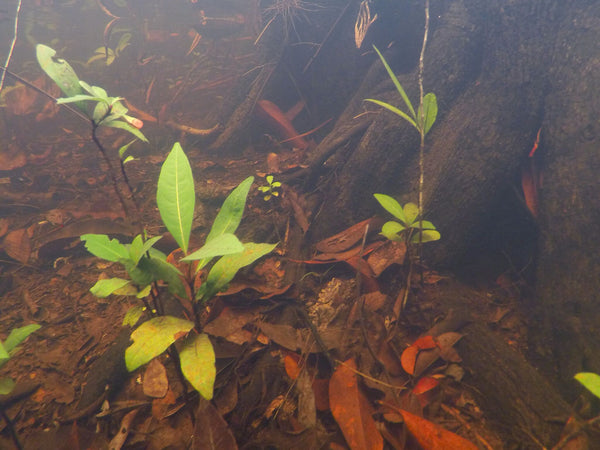
They weren’t formulated from the get go to replicate say, river, stream, or lake substrates writ large. There are lots of other products available in the hobby to accomplish that.
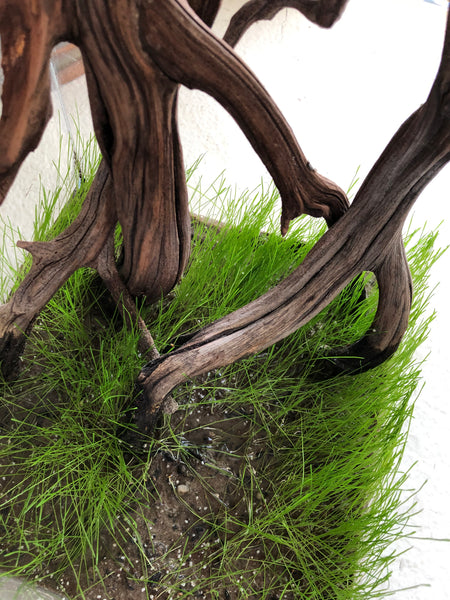
And, they weren’t intended to be a “go-to” substrate to replace the standard commercial aquarium substrates, because: a) they’re hand-mixed, and therefore more expensive, b) they’re not specifically “aesthetic enhancements”, c) they are not formulated to be general aquatic plant substrates d) because of their composition, they’ll add some turbidity and tint to the aquarium water, at least initially (not everyone can handle THAT!)
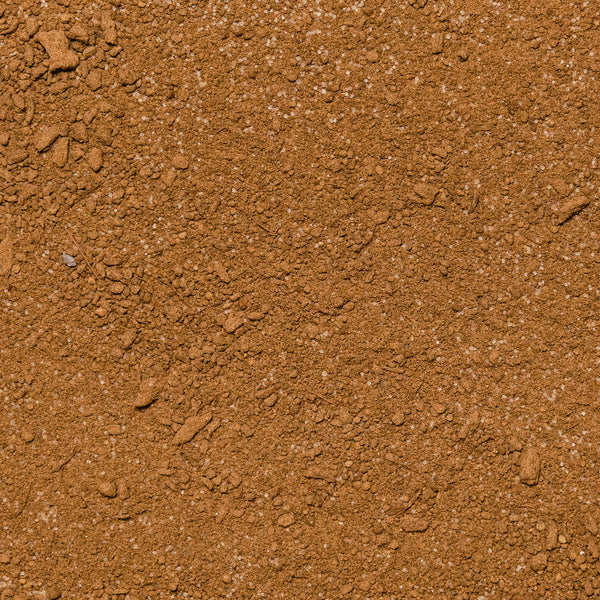
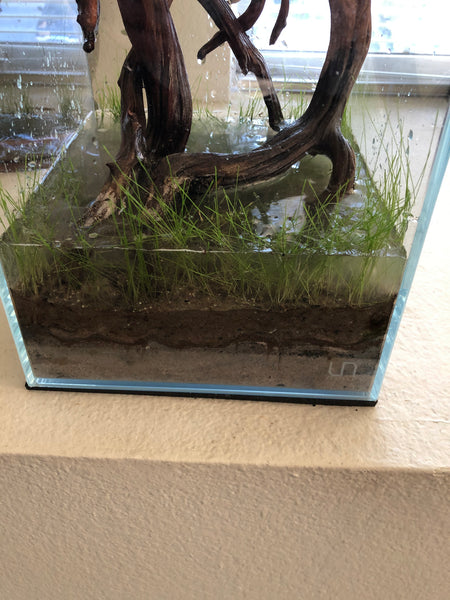
Rather, the intention was that many of these substrates were formulated to be “transitional” substrate materials- starting out as terrestrial, able to grow some grasses and plants, and eventually becoming saturated and ultimately, submerged, transitioning to a fully “aquatic” substrate material. This is a way different end use that of a typical planted aquarium substrate, etc.
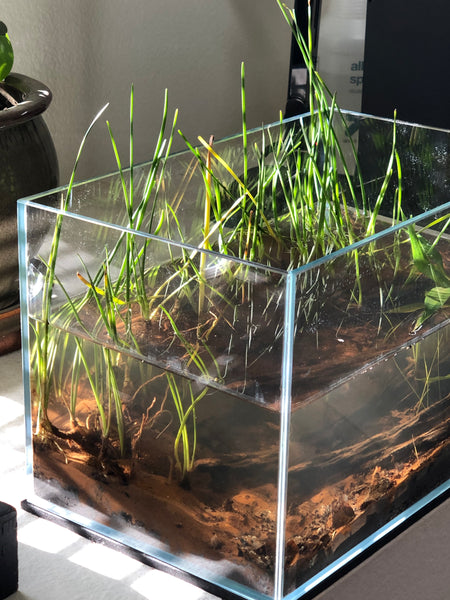
Perfect for use in those “Urban Igapo” simulations, which is exactly what I developed my versions for a few years back…you know, it was the classic case of “scratching your own itch!”
Of course, this begs the question, “Can’t they just be used like ‘conventional’ aquarium substrates from the start?”
And the answer is, “Yeah, they could.
However, what will happen, because of their ingredients, is that they will create cloudy, turbid water in your aquaiuim.” There is a reason why materials like fine clays and mineral sediments haven’t been particularly popular ingredients in aquarium substrates before!
Of course, when has “going against the grain” of aquarium orthodoxy ever been a problem for us, right?
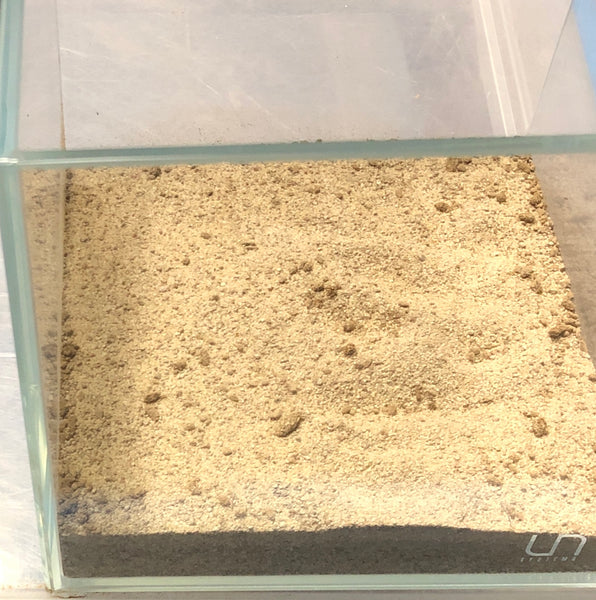
Some of the materials used in sedimented substrates will not saturate immediately causing this turbidity for several days or more. Ultimately, however, the materials will settle out and you’d be good to go. If you’re okay with this initial turbidity, go for it from day one!
Oh, and you shouldn’t rinse these substrates. There’s no point! Just use them right out of the bag, if you’re buying a commercial version- or out of the mixer if you’re making your own.
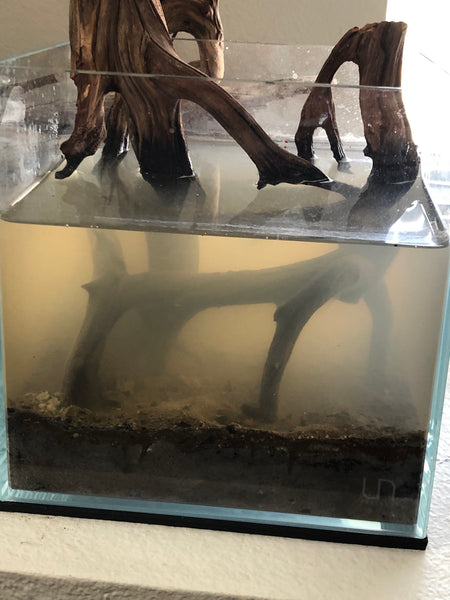
One of the pleasant surprises of the “NatureBase” substrates that I offered with back in my Tannin Aquatics days was that they did grow aquatic plants- quite well, actually. Surprising to me, because some of the ingredients that I used in my formulation aren’t specifically well-known for growing plants. However, the others are more nutritious, and the “pluses outweigh the minuses”, apparently!
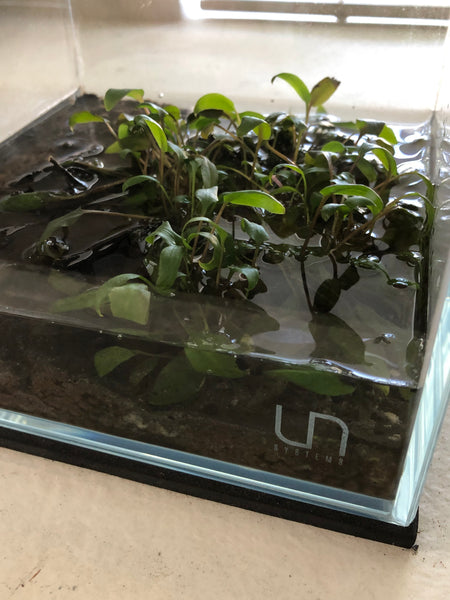
So, why do people want to use this stuff? What’s the big interest in it all?
Well, If you understand the context for which they are intended, and the habitats which they help to replicate, the cloudiness and sedimentation is perfectly acceptable and logical…Of course, you need to make that “mental shift” to appreciate this stuff, right?
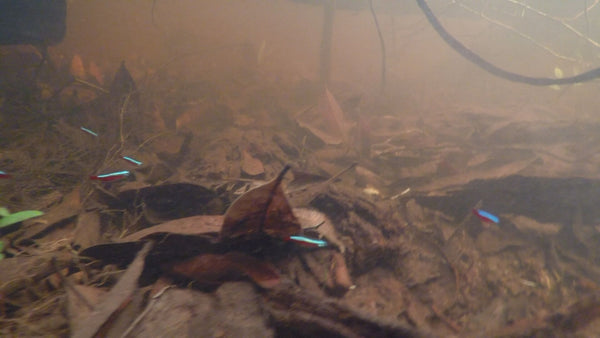
You can do all sorts of cool stuff with them. Hell, you can even mix them with commercial, off-the-shelf substrates to make cool, functionally aesthetic “custom” mixes of your own! I do this a lot, and come up with all sorts of interesting stuff!
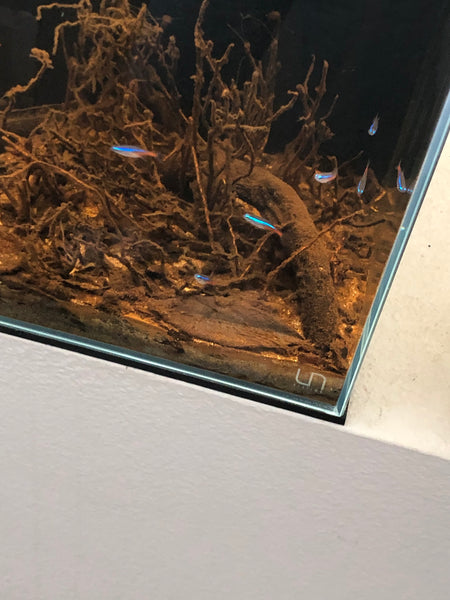
Another interesting consideration is that many of the commercial versions have carefully-selected botanical materials in them, which, as we know, help foster microbial growth as they decompose, which creates the aquarium equivalent of an “active substrate!”
They’re intended to help foster the growth of beneficial bacteria, biofilms, fungal growth, and micro crustaceans, to help build up a functional, diverse benthic habitat in botanical-method aquariums. They will help form the literal “base” of your botanical-method aquarium system (hence the name I chose for my former product line, “NatureBase”).
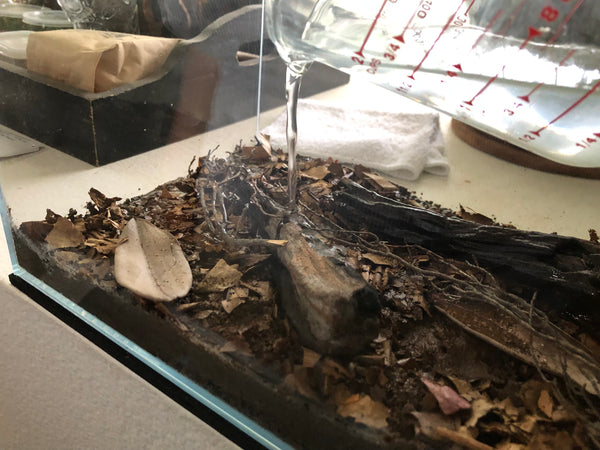
Is this starting to make more sense?
This falls perfectly in line with my hobby intention to create and utilize substrates that are more “microbiome-centric”, helping shape the overall aquarium environment and ecology- not just a place to grow plants.
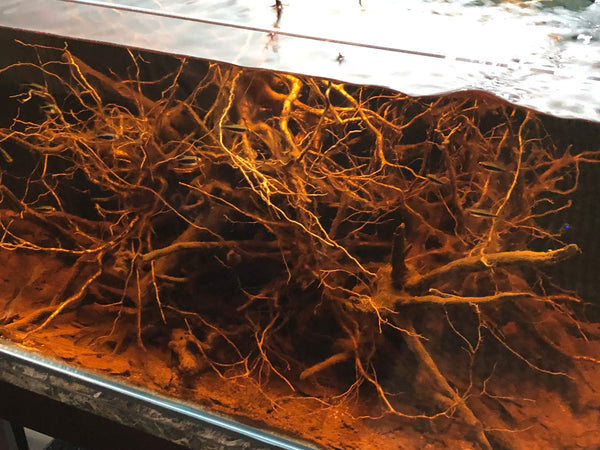
So, yes, in summary, the most important role of these substrates is to form a habitat for various microorganisms, crustaceans, and other creatures to colonize and multiply. And that requires a substrate which not only includes the aforementioned subsides, but the botanical components as well.
The mixing of materials not only looks interesting- it’s a reflection of the diversity and vibrancy of the underwater environment. And it’s exactly what you’ll see in the wild habitat, too.
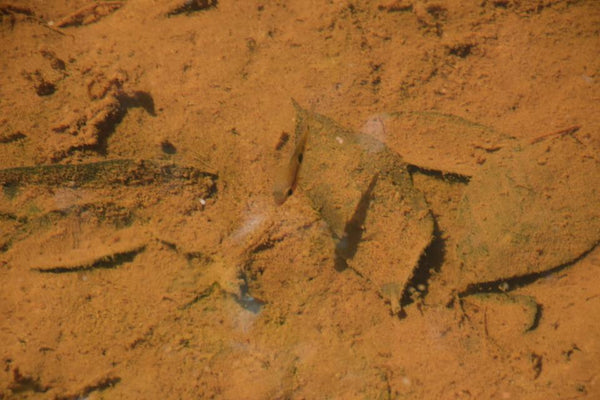
One of the things you notice in the images I share of natural underwater substrates is that they’re usually anything but squeaky-clean, ultra-white sand. Rather, they’re often sediment-filled, covered with stringy fungal growths, biofilms, and even a spot or two of algae.
There is a fair amount of detritus accumulating in the substrate materials. And, as you know, detritus is not the enemy that we’ve made it out to be. Rather, it’s a source of food for many aquatic animals, helping to literally “power” the ecosystem in which they are present. We see organic detritus as an essential part of the substrate, and this influenced our philosophy when formulating NatureBase.
This is something we can-and should– absolutely replicate in our aquariums. Don’t be afraid of sediments and even detritus accumulating on top of your leaves and botanicals…it’s exactly what you see in Nature, and our fishes are ecologically adapted to such habitats.
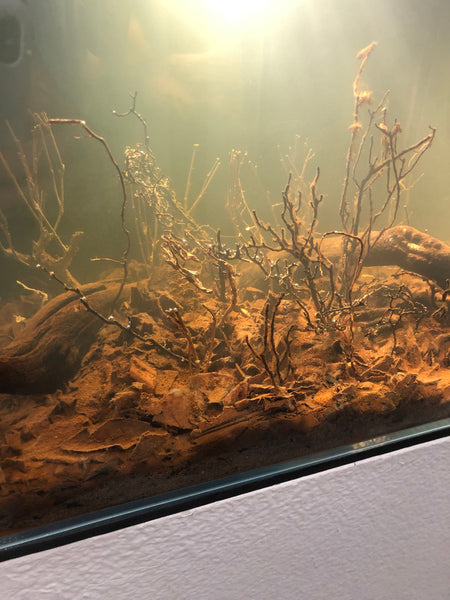
And of course, the whole idea of a rich, sediment-sand-and-soil substrate, replete with botanical materials is completely in line with the “best practices” we’ve developed as a community to create dynamic, botanical-method aquariums. In our case, not only will there be an abundance of trace elements and essential plant nutrients be present in such a substrate, there will be the addition of tannins and humic substances which provide many known benefits for fishes as well.
The best of both worlds, I think!
Wow, sometimes, you start realizing that what you’ve been obsessing about for so long might actually be interesting to other people, too! Lately, I started talking a bit more specifically about the specialized substrates that I’ve been working on for the past fewyears- and the response has been nothing short of crazy...And it taught me some things- well, reinforced some things- which I believe in. specifically:
1)There is a hunger for new and unique aquarium substrates.
2) Aquarists are ready for something new, that is not just about the “look”, and are willing to be a bit adventurous…
3) Those of us in the industry have been doing a sort of lackluster job on creating exciting new products for aquarists.
And I’m not trying to sound like an arrogant jerk here. I’m making some observations and sort of confirming my “thesis” about this stuff. And I think brands are starting to deliver on the idea of innovative and hopefully exciting new products to go with our botanical-method aquarium obsession!
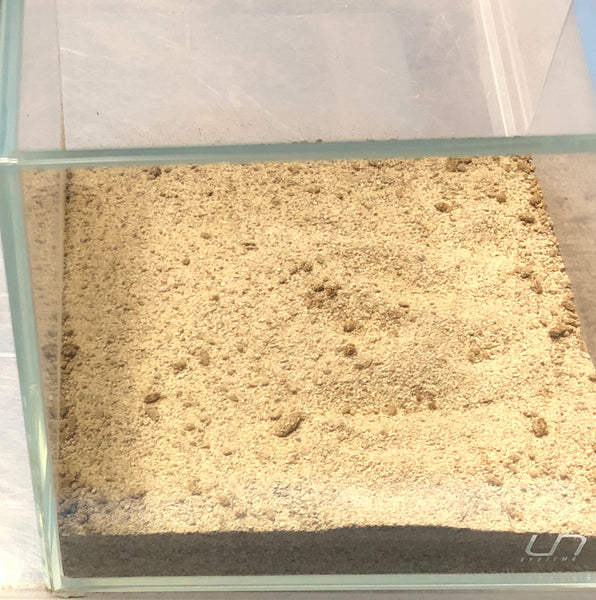
I started playing with substrates a few years back, mainly because I couldn’t find exactly what I was looking for on the market. This is not some indictment of the major substrate manufacturers out there…I LOVE most of them and use and happily recommend ones that I like.
That being said, I realized that the specialized world which we operate in embraces some different ideas, unusual aesthetics, and is fascinated by the function of the environments we strive to replicate. These are important distinctions between what we are doing in substrates in our hobby sector, and the rest of the aquarium hobby is doing.
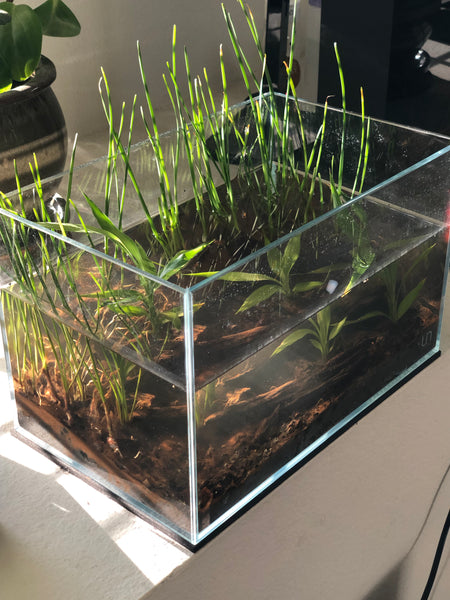

When I developed my line years ago, I made it clear that I was not trying to be the aquarium world’s “standard substrate”, that I was not marketing them just for the cool looks, and that I couldn”t emphasize enough that they will make your water a bit turbid when first submerged. Those factors alone will take these products out of contention for large segments of the market!
This is important.
I mean, these are intended to be used in more natural, botanical-style/biotope-inspired aquariums. My first two releases, “Igapo”and “Varzea”, were specific to the creation odf a type of “cyclical” terrestrial/aquatic feature. They did exactly what I wanted them to do, and some of them are specifically intended for use in specialized set ups, like the “Urban Igapo” idea I’ve been talking about for a long time here, brackish water mangrove environments, etc.
I bring this up because, even in the advanced current state of our hobby, it’s entirely possible to create “custom solutions” for your specific area of interest!
Let’s touch on the “aesthetic” part for a minute.
Most sedimented substrates have a significant percentage of clays and sediments in their formulations. These materials have typically been something that aquarists have avoided, because they will cloud the water for a while, and often impart a bit of color. I personally included some botanical components in a few of my substrates, because they are intended to be “terrestrial” substrates for a while before being flooded…and when this stuff is first wetted, some of it will float. And that means that you’re going to have to net it out, or let your filter take it out. You simply won’t have that “issue” with your typical bag of aquarium sand!
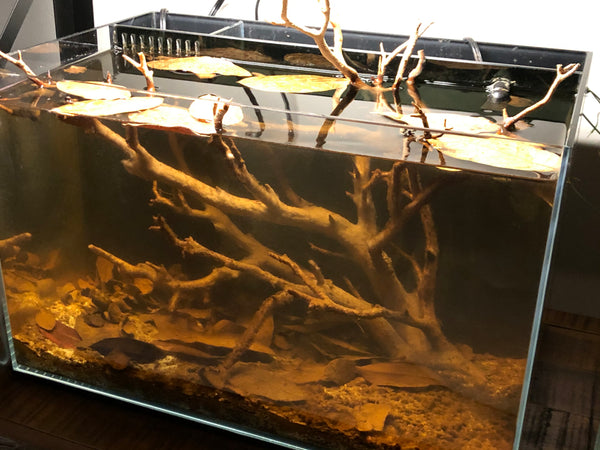
Remember, these are intended for a very specific purpose: To replicate the terrestrial soils which are seasonally inundated in the wild. As such, these products simply won’t look or act like your typical aquarium substrate materials!
Scared yet? I hope not.
Why sediments and clays?
Well, for one thing, sediments are an integral part of the natural substrates in the habitats from which our fishes come. So, they’re integral to most hobbyists’ formulations. That’s why we call these “sedimented substrates.”
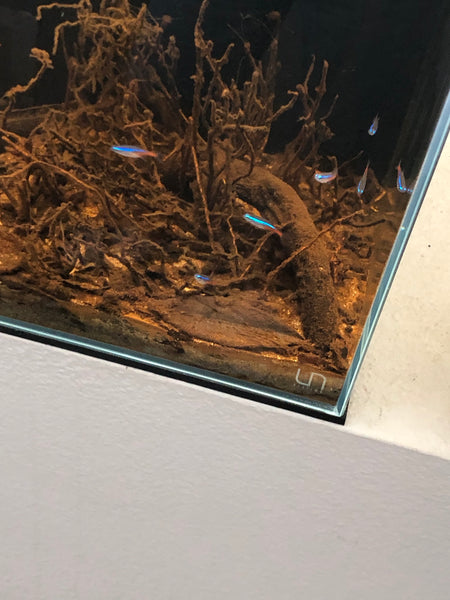
Many of my favorite habitats are forest floors and meadows which undergo periodic flooding cycles in the Amazon, which results in the creation of aquatic habitats for a remarkable diversity of fish species.
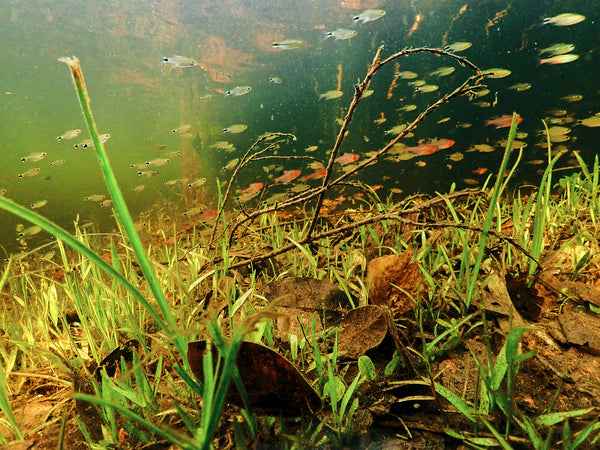
Depending on the type of water that flows from the surrounding rivers, the characteristics of the flooded areas may vary. Another important impact is the geology of the substrates over which the rivers pass. This results in differences in the physical-chemical properties of the water. In the Amazon, areas flooded by rivers of black or clear waters, with acid pH and low sediment load in addition to being nutritionally poor, are called “igapó.”
The flooding often lasts for several weeks or even several months, and the plants and trees need special biochemical adaptations to be able to survive the lack of oxygen around their roots. During the inundation period, many of the forest trees drop their fruits into the water, where they are eaten by fish. As an interesting side note, ecologists have noted that some of these trees and plants are strongly dependent on the fishes to disperse their seeds through the forest, requiring that the seeds pass through the gut of a fish before it will germinate.
Crazy!
As mentioned previously, forest floor soils in tropical areas are known by soil geologists as “oxisols”, and have varying amounts of clay, sediments, minerals like quartz and silica, and various types of organic matter. So it makes sense that when flooded, these “ingredients” will have significant impact on the aquatic environment. This “recipe” is not only compositionally different than typical “off-the-shelf” aquarium sands and substrates- it looks and functions differently, too.
And that’s where a lot of people will metaphorically “leave the room.”
So, yeah, you’ll have to make a mental shift to appreciate a different look and function. And many hobbyists simply can’t handle that.
I remember being really up front with this stuff, when I launched my products back in 2020, to ward off the, “I added NatureBase to my tank and it looks like a cloudy mess! This stuff is SHIT!” -type of emails that inevitably come when people don’t read up first before they purchase stuff.
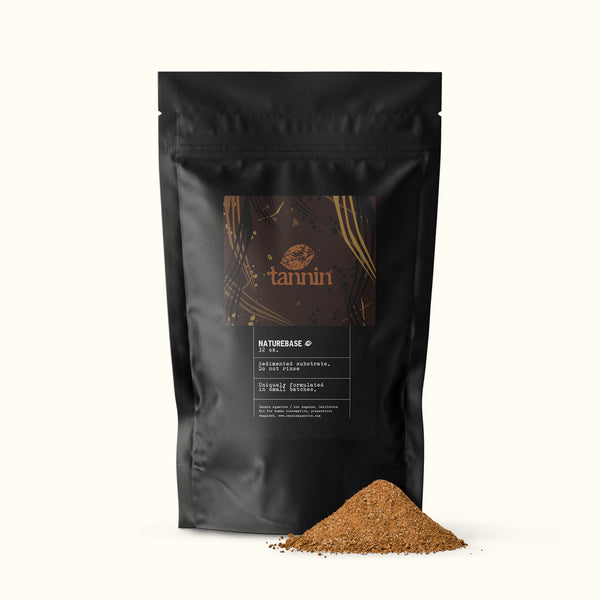
They never came, and I sold a literal “shit ton” of the stuff…so I guess hobbyists got the message! Nonetheless, it bares repeating from time to time:
Many sedimented substrates, such as the igapo and varzea substrates that I offered, were intended to be “terrestrial” for a period of time, to get the grasses and plants going, and then inundated. You DON’T RINSE THEM BEFORE USE! You add them to your tank right off the bat; however, you should be ready for some cloudy water for a week or more!
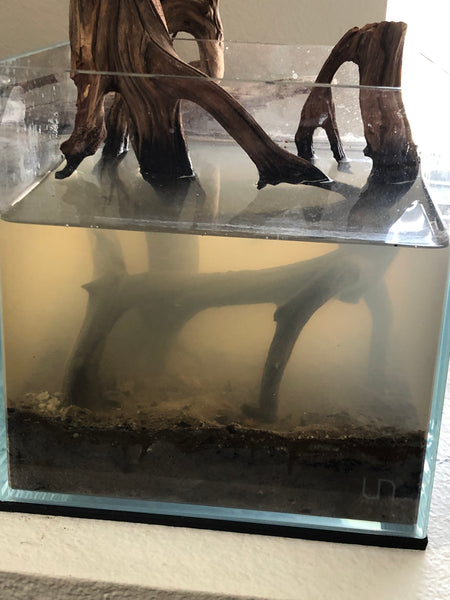
All very different from how we commonly utilize substrates in the hobby.
Yet, this is not unlike what occurs in the wild habitats…newly inundated forest floors have a lot of sediment, leaf litter, seed pods, etc., and will be quite turbid for some time. If you understand the context for which these substrates are intended, and the habitats which they help to replicate, this is perfectly acceptable and logical…Of course, you need to make that “mental shift”, right?
Although these substrates can grow both terrestrial and aquatic plants well, they were not intended to be generic planted tank substrate, specifically.
Yeah, my Igapo and Varzea mixes do grow plants like grasses and marginals pretty well. You’re just not going to be doing your next “Dutch-style” aquascape or “Iwagumi” with them. And, because of their price and challenge of mixing them, you simply aren’t likely to do a 50 or 100 gallon tank with them!
Well, I mean, I might– because I’m willing to spend a few afternoons in my garage mixing a bunch of silt and clay around in big tubs to make enough for a 100 gallon tank, but most sane hobbyists likely won’t, lol.
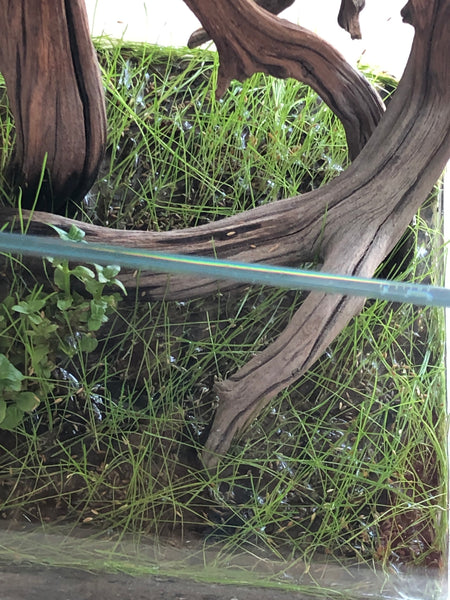
My formulas for Igapo and Varzea substrates mimic sandy acidic soils that have a low nutrient content. And, as you know, the color and acidity of the floodwater in these habitats is due to the acidic organic humic substances (tannins) that dissolve into it. The acidity from the water translates into acidic soils, which makes sense, right?
Now, I admit, I am NOT a soil geologist, and I”m not expert in soil science. I know enough to realize that, in order to replicate the types of habitats I am fascinated with required different materials. If you ask me, “Will this fish do well with this materials?” or, “Can I grow “Cryptocoryne in this?”, or “Does this make a good substrate for shrimp tanks?” I likely won’t have a good answer. Sorry.
I’ll be the first to tell you that, while I have experimented with many species of plants, averts, and fishes with these substrates, I can’t tell you that every single fish or plant will like them. I’d be full of shit at best, and a total liar at the worst- neither which I’d want!
Rather, I can tell you that these are some of the most unusual materials I’ve seen for specialized aquariums, and that they are wide open for experimentation in various kinds of systems! And that’s part of the key: These substrates, even though they’ve been used by myself, my former staff, and some close friends for a while now, are really “experimental” in nature.
My friend Ben of Betta Botanicals is taking the baton and developing a bunch of cool substrates for commercial use- so why bother mix your own at this point? He’s totally “mad scientistiing” his materials, running all sorts of geeky tests on them…So you won’t have to! That’s what great manufacturers do!
Just save your cash, ditch the respirator and gloves, and buy a ton from him! He’s as geeked-out as anyone in the hobby about these kinds of substrates and I think you’ll see some great things when he launches them! Developing this stuff for commercial use isn’t as easy as you might think, so please give him your support!
And yeah, for some strange reason, I’ve sort of kicked around the idea of me reviving a few of my “Nature Base” substrates for limited runs at some point to sell on the BB site if demand and interest warrant it.
In the mean time, count the days until Ben launches his substrates. I will go out on a limb and say that you won’t find any better ones anywhere on the market than his. Formulated, mixed, tested, and used by a bonafide botanical method aquarium expert. This is what you want in this type off product!
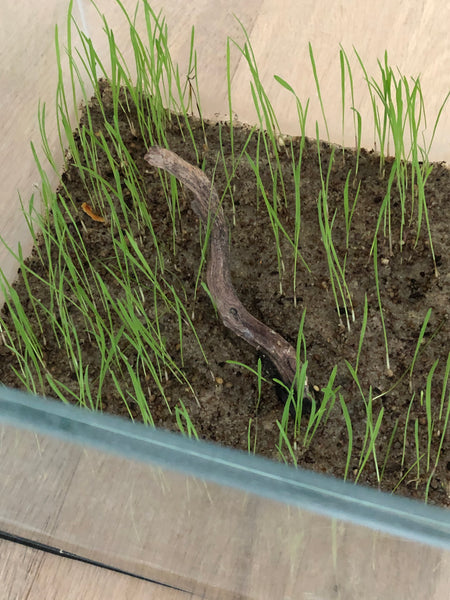
The possibilities for their use are endless. You should be excited about the idea, because it’s literally one of the easiest ways to embrace the fundamental ecological aspects of creating a botanical method aquarium!
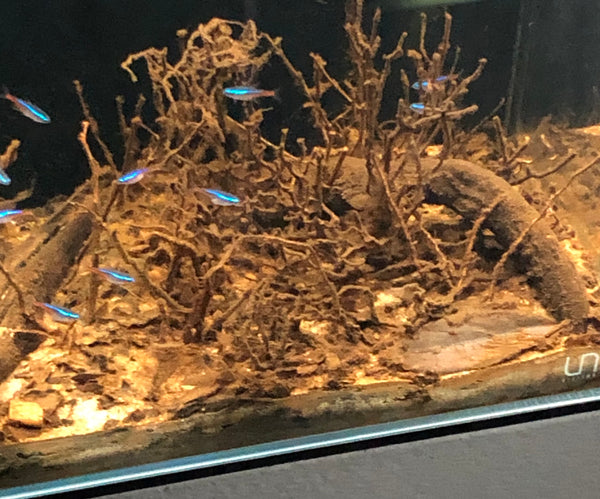
We want you to use leaves, botanicals, and other materials with these unique substrates. “Spike” them with PNS bacterial inoculants, to really kick start your biome! Throw in some aquatic worms and fungal-covered leaves. They’re intended to help foster the growth of beneficial bacteria, biofilms, fungal growth, and micro crustaceans, to help build up a functional, diverse benthic habitat in botanical-method aquariums.
Even though I have a near-obsessive love for the flooded forest substrates, I’m equally as obsessed with brackish water mangrove habitats, so I developed a version called “Mangal” – a specialized brackish-water mangrove habitat substrate- one that represents the culmination of a 7-year journey of researching, sourcing, mixing, and testing! Again, a takeaway here is that the stuff you can do when you “scratch your own itch” is amazing!
Keep pushing!
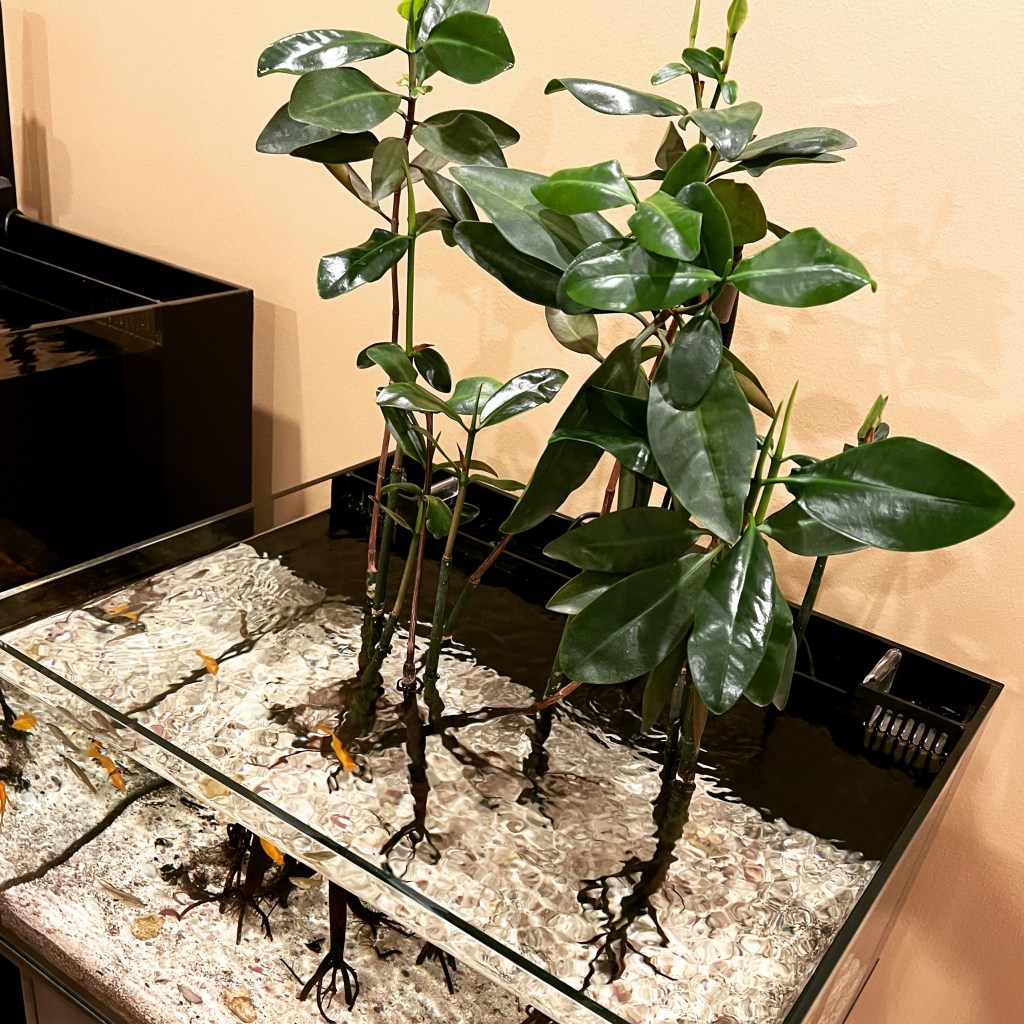
As far as I know, there has not been a dedicated brackish water substrate offered before in the hobby, so I made my own. I think it’s yet another example of the stuff you can do as a hobbyist in our unique segment, when you go beyond what’s out there on the market and do the scholarly research!
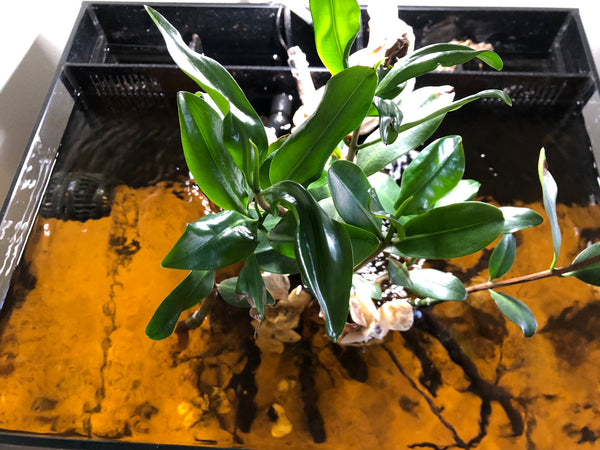
Regardless of how you use sedimented substrates, I hope that you understand the “why” part as much as you do the aesthetics that they bring.
And yeah, I’ll tell you in advance that good commercial sedimented substrates are rather pricy, as compared to a typical bag of aquarium sand. I’d compare their pricing to the more “high-end” aquatic plant speciality substrates. Why? Well, for one thing, these are literally hand-mixed substrates, with the components sourced from suppliers throughout the world, and tested carefully.
This shit doesn’t come cheap, whether you DIY it or purchase an “off the shelf” product.
These aren’t some mass-produced, re-purposed construction material or something. Rather, they are well-thought-out, carefully compounded natural materials, mixed expressly for the purpose of using in botanical-method aquariums. There’s lots of love there.
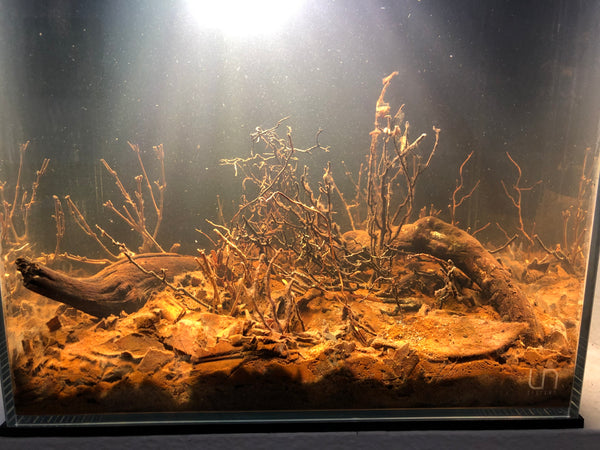
I use all sorts of sedimented substrates extensively in all of my own tanks. I love the results that I get…I’m pretty sure that you will, too.
I’ll have much, much more to say about these cool substrates as we see more of them launched commercially, so stay tuned for more! There is a lot of information already out there, but you’ll have to do some digging.
Stay creative. Stay studious. Stay curious. Stay adventurous…
And Stay Wet.
Scott Fellman
 The Tint
Leave a comment