
Anyone who’s kept tropical fishes for any appreciable length of time does stuff that, while maybe not intentional, doesn’t exactly fit the commonly accepted “best practices” of aquarium keeping. Stuff that perhaps doesn’t provide the fishes under your care with stable, comfortable environmental conditions.
Maybe you slacked off on water exchanges for a protracted period of time. Perhaps you forgot to replace your filter media…Maybe you added a few too many fishes to that 20 gallon aquarium…What about the time you went on vacation and forgot to set up a means to feed them while you were away for 10 days? Or the time the heater failed and the water temp never got above 67 degrees F (19 C ) for like a week before you realized it?
These “lapses” are not exactly something that you want to have happen.
And yet, somehow– the fishes survived, right?
Yeah. They did.
Why?
Well, perhaps they’re a lot more adaptable than we give them credit for, right?
Sure, fishes will likely always do best when provided with consistent, stable environmental conditions; conditions consistent with the environmental parameters under which they’ve evolved for eons.
I’m obsessed with this, as are many of you…and it’s part of what interested me in the idea of using botanical materials in aquariums in the first place…an attempt to replicate some of the physical, environmental, and chemical characteristics of the environments from which they come from in the wild.
However, it’s no secret that fishes will adapt to more easily-provided “captive conditions”, even reproducing under them. You only need to think about all of the captive-bred tetras which, despite evolving in soft, acidic conditions, often thrive and breed in hard, alkaline water.
There’s not really a mysterious reason why this is.
The reality is that most fishes can adjust and adapt to changing or challenging conditions if you give them a little help….The “help” is providing aquarium conditions which are chemically stable, and in the case of those measures which reflect the levels of metabolic waste in the water (nitrite, ammonia, nitrite and phosphate)- low and stable. Keep ’em well fed and stable.
It really boils down to common sense husbandry.
Stability- or, more specifically, stability within a given range of measure- is what always seems to keep fishes alive and thriving. Continuously, quickly changing, and wildly varying environmental parameters are simply stressful for fishes, and, while often not killing them quickly outright, will result in continuous stress, which can lead to disease and other medical problems over time.
That being said, it’s not imperative that every single parameter in your aquarium needs to be perfectly stable and “spot on” to hobby-grade “standards”. And out concern over any variation from perfection is really unfounded, IMHO.
We get to stressed-out over… minutiae, IMHO.
To get a perspective, just have a chat with some non-fish-keeping acquaintances about stuff that happens in your aquariums.
Don’t you think that sometimes, as hobbyists, we tend to get a bit- well, “overly concerned” about stuff that non-hobbyists don’t understand? Or, perhaps they do-more than we can even comprehend- and will occasionally come up with some “pearls of wisdom” about fishkeeping that blow us away!
Case in point:
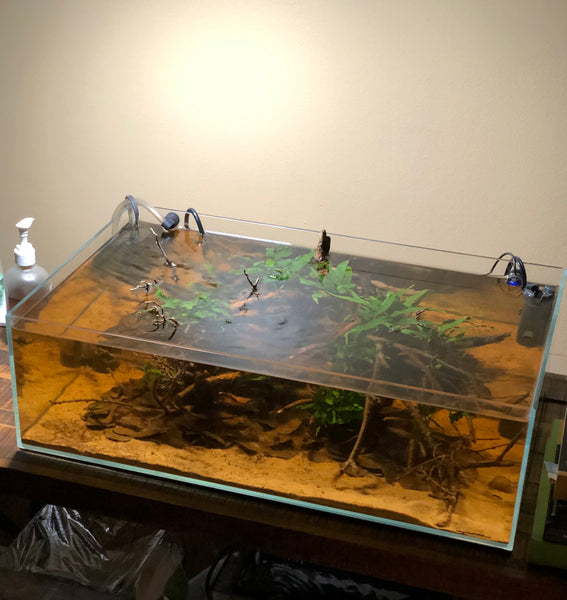
Not too many years ago, I recall walking into my office early one morning, and I immediately was taken aback. Apparently, one of my light timers had failed, and the one of my tank lights remained on all night.
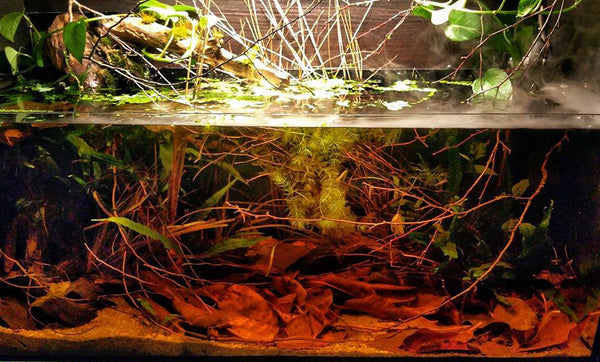
No biggie, right? Well except for the fact that it was my South American-igarape-inspired leaf litter tank, and I recently added some cool wild characins to the tank, acclimated and carefully quarantined…and then- THIS had to happen, and….you know where I’m going with this?
This was going through my mind:
“Omigod, the fishes didn’t get any dark period…they’ve been seriously stressed…”
You will say that this wouldn’t bother you– but you’re totally lying! It would bother the shit out of you, too! Iknow that it would, ’cause you’re a fish geek. It’s part of what we all do.
Of course, I relayed this concern to my wife later in the day, when we touched base and asked each other how are days were progressing.
To which my wife, not at all a fish geek, yet ever the pragmatist, noted, “You know, Scott, sometimes, unexpected things happen in the Amazon.”
Woah.
She was on to something there.
And it’s not just lil’ old me who freaks out about stuff like this. I know for a fact…
It’s a fish-geek thing.
I think, that as hobbyists, we tend to get caught up in every little minute detail of the little worlds we’ve created for our fishes- so much so that we often forget the one underlying truth about them:
They’re living creatures, which have evolved over eons to adapt to and deal with changes in their environment-big and small…or even insignificant, like an excessive amount of light one evening.
I mean, there must have been some natural precedent for this, right? Some atmospheric phenomenon- or combination of phenomenon-which rendered the night sky inordinately bright one evening at some point in the long history of the world?
Yeah. Exactly.
Think about it for a second.
I think this high level of concern-this “overkill”, if you will, on the part of all hobbyists is based on the fact that we take great pains to assure that we’ve created perfect little captive environments for our fishes, and do everything we can to keep them stable and consistent.
When something out of the ordinary happens- a pump fails, a heater sticks in the “on” position, we forget to feed, etc.- we tend to get a little bit, oh…crazy, maybe?
Look, I get it: When a critical piece of environmental control equipment fails (like a heater), especially during a cold spell or heatwave, it could be life or death for your fishes. If you’re about to spawn a particularly picky fish or rear some fry, it could be a serious problem. You can’t really downplay those concerns.
However, some of the less dramatic, non-life-threatening issues, such as a light staying on or off longer than usual one evening, a circulation pump stopping unexpectedly for a couple of hours, or forgetting to change the carbon in the filter one week, don’t really create that much of a problem for your fishes when you really think about it objectively, do they?
Nah.
At some time during the exisience of our fishes in the wild, there was a temporary blockage in the igarape in which they resided, slowing down the normal flow. At some point, there might have been a once-in-a-millenia really cold morning in the tropics, right? At some point, the swarm of Daphnia or Cadis Fly larvae that were so abundant for months at a time, weren’t…
In most instances, the animals that we keep are not so delicate, and the closed environments we provide aren’t running so “close to the edge” that we should panic when some random factor changes things up one day. And consider this: When we purchase our fishes, they are unceremoniously netted out of the tank (or stream, lake, river, etc.) environment in which they reside, placed in a plastic bag, transported for who knows how long, and possibly making a few stops on the way before ultimately landing in our aquarium.
That’s a LOT of changes to cope with. Stress.
But guess what? Fishes manage to deal with it. Somehow.
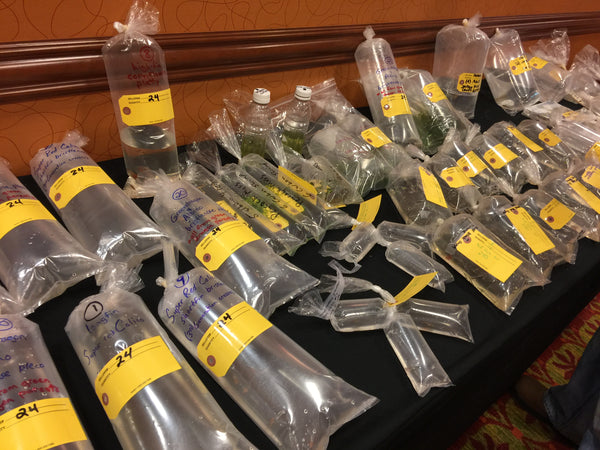
Sure, our first choice is to have rock-solid parameters and environmental conditions for our fishes 24/7/365, but sometimes stuff happens that throws a proverbial “wrench” into our plans. We have to be adaptable, flexible…just like our fishes apparently are.
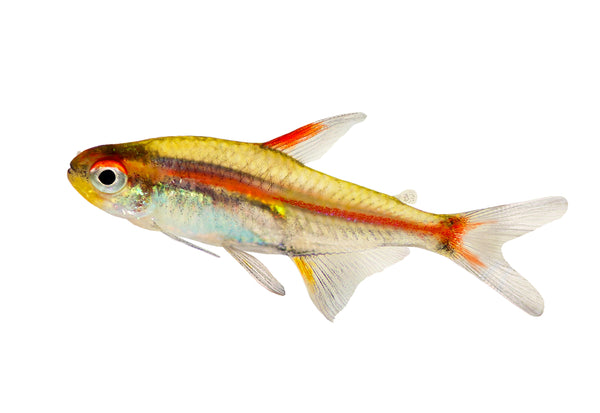
So next time your light doesn’t come on, or you forget to feed your fishes as you rush off to work some morning, don’t stress out over it. They’ll be fine. Keep calm. Always keep your concern high, but don’t let obsessing over your fishes keep you from focusing on the even more important things in life (yeah, there are a few, right?).
And remember, sometimes unexpected things DO happen in the Amazon.
There is one fundamental truth, really:
The aquarium hobby isn’t difficult.
However, it CAN be when we make it that way by imposing our own barriers and obstacles to success. And that includes stressing out over what, in reality, are really not devastating issues for our fishes. Of course, you also have to realize that common sense is so important.
Fishes and other aquatic organisms adapt. They live in wild habitats which chance over the course of the seasons- or even more frequently. And they do just fine.
There are all sorts of interesting influences on these natural habitats created by the surrounding terrestrial environment and the microbial associations which occur in the substrates, leaves, wood, and other materials which comprise them.
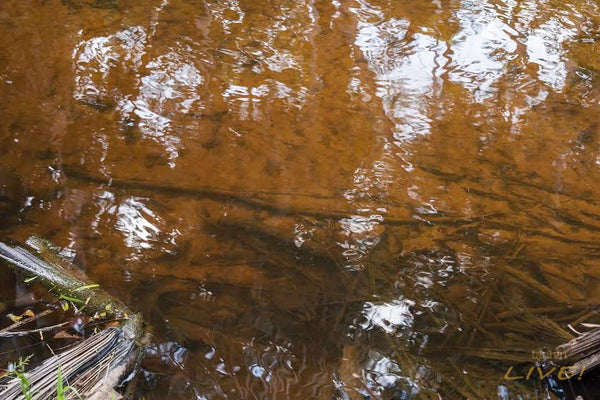
The relationship between terrestrial habitats and the aquatic environment is becoming increasingly apparent- particularly in areas in which blackwater is found. And, the lack of suspended sediments, which create a “nutrient poor” condition in these habitats, doesn’t do much to facilitate “in situ” production of aquatic food sources; rather, it places the emphasis on external factors.
Many blackwater systems are simply too poor in nutrients to offer alternative food sources to fishes. The importance of the relationship between the fishes and their surrounding terrestrial habitat (i.e.; the forests which are inundated seasonally) is therefore obvious. That likely explains the significant amount of insects and other terrestrial food sources that ichthyologists find during gut content analysis of many fishes found in these habitats.
And it’s not consistent.
As we’ve hinted on previously- the availability of food at different times of the year in these waters also contributes to the composition of the fish community, which varies from season to season based on the relative abundance of these resources.
Another example of these unique interdependencies between land and water are when trees fall. And another example of how fishes adapt to changes- seasonal or otherwise.
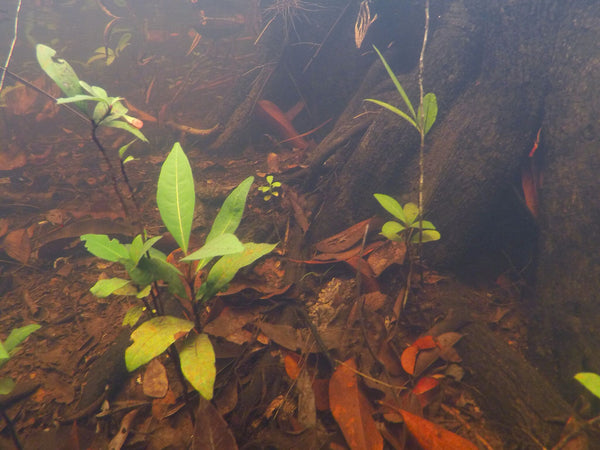
It’s not uncommon for a tree to fall in the rain forest, with punishing rain and saturated ground conspiring to easily knock over anything that’s not firmly rooted. When these trees fall over, they often fall into small streams, or in the case of the varzea or igapo environments in The Amazon that I’m totally obsessed with, they fall and are submerged in the inundated forest floor when the waters return.
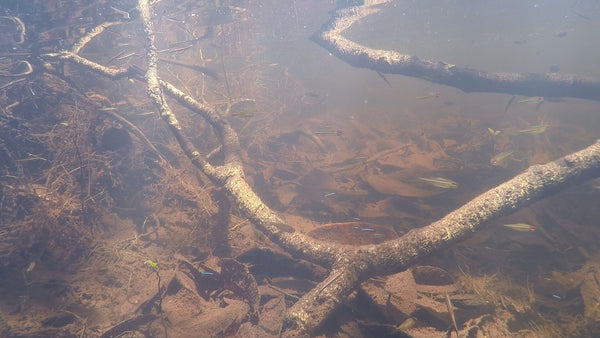
And of course, they immediately impact their (now) aquatic environment, fulfilling several functions: Providing a physical barrier or separation from currents, offering territories for fishes to spawn in, providing a substrate for algae and biofilms to multiply on, and providing places for fishes forage among, and hide in. An entire community of aquatic life forms uses the fallen tree for many purposes. And the tree trunks and parts will last for many years, fulfilling this important role in the aquatic ecosystems they now reside in each time the waters return.
In Nature, as we’ve discussed many times-leaf litter zones comprise one of the richest and most diverse biotopes in the tropical aquatic ecosystem.
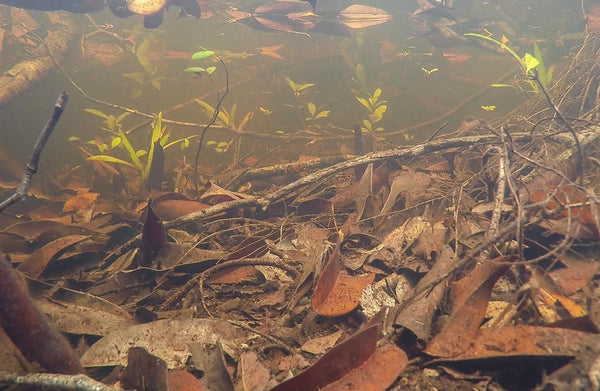
No force in the natural habitats of our fishes contributes more to their emergence, growth, and reproduction as the weather. It influences almost every aspect of their environment, from water chemistry to temperature, to light intensity.
So, think about weather for just a second, and then contemplate it’s potential role in our aquariums. In our aquariums, we model so many aspects of the natural habitats that we are intrigued with, yet one of the most “in our face”, yet seldom-considered is the impact that seasonal changes-driven by weather- have on the habitats that we are interested in.
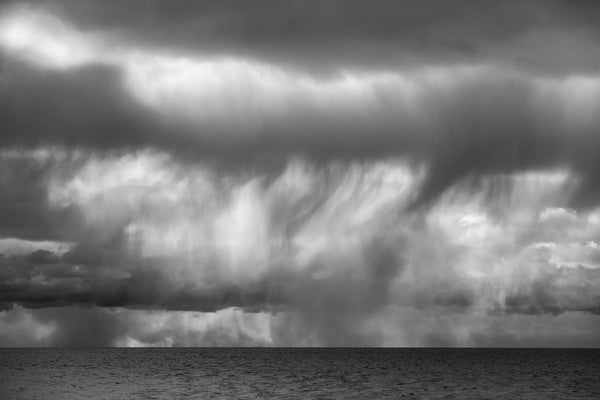
Yeah…you know, the “wet season” and the “dry season.” Both create profoundly different circumstances which affect the habitat, the conditions, and the fishes themselves. What an interesting element to consider when creating or managing an aquarium, right?
In the Amazon, the wettest part of the wet season occurs between December and May. During the wet season, the Amazon rainforest receives as much as 6 to 12 feet of rain (1.98- 3.6m), which can cause rivers like the Amazon to rise as much as 40 feet (12m), flooding the surrounding forest areas! The fishes adapt by moving into these areas that were previously barren and dry, foraging among the now-submerged trees, grasses, and plants.
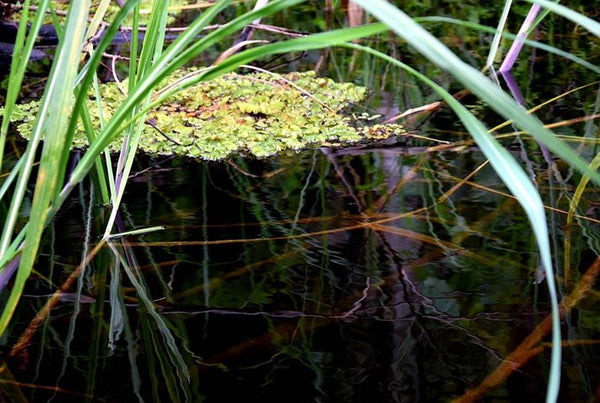
We know this, and we spend a great deal of time in our community attempting to replicate this dynamic season in our aquariums. It’s one of the types of habitats I think we love duplicating the most around here, for sure.
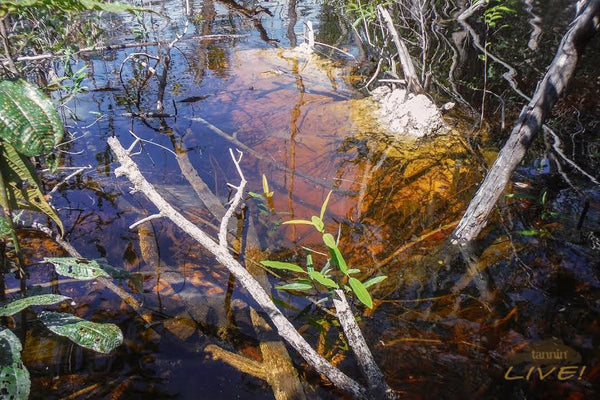
What about the “dry season?” When the water level is lower, the nutrient levels might be a bit higher. What happens in nature that we might be able to duplicate in our aquariums, and what dynamics can we bring to our closed systems as a result?
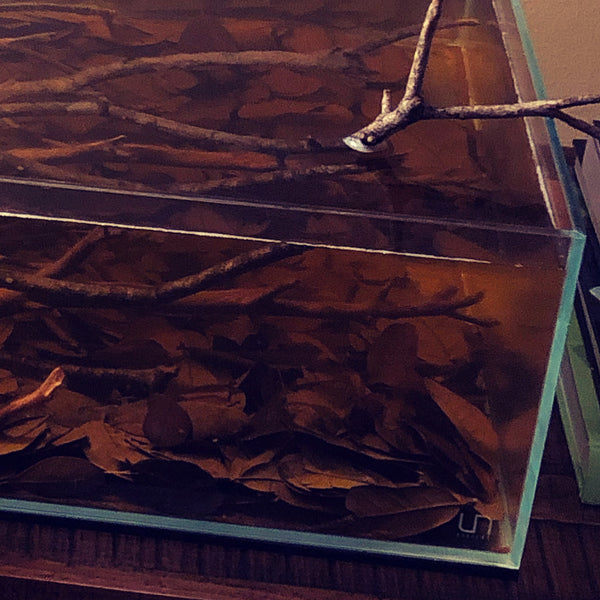
For one thing, recent studies have shown that rainforest trees and plants actually “flush” (grow new leaves) shortly before the arrival of the dry season. It’s postulated that there is something in their “genetic programming” that allows them to prepare for the onset of the relatively “light-rich” dry season, to get them ready for enhanced photosynthetic activity.
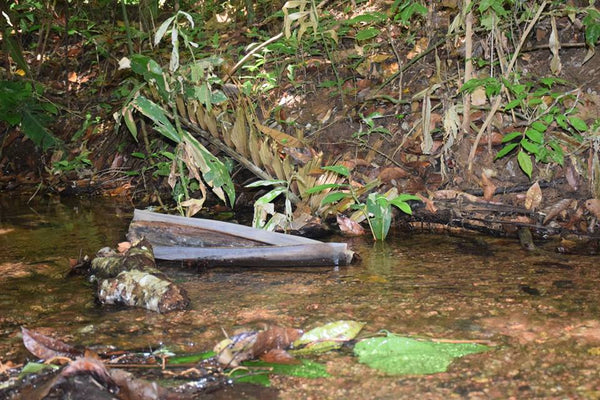
“light rich…”
So, the takeaway here for aquarists who want to replicate the “dry season?” I’m thinking more leaves and botanicals in the water…brighter lighting. Yeah, even the dry season could be replicated in an interesting manner in our aquariums…Perhaps ( I can hear the alternating moans and cheers from different corners now!) less frequent water exchanges, higher light intensities (yes, ANOTHER reason to utilize LEDs in your tank!), and maybe even less frequent feedings…
Because our fishes have adapted to these changes over the eons…
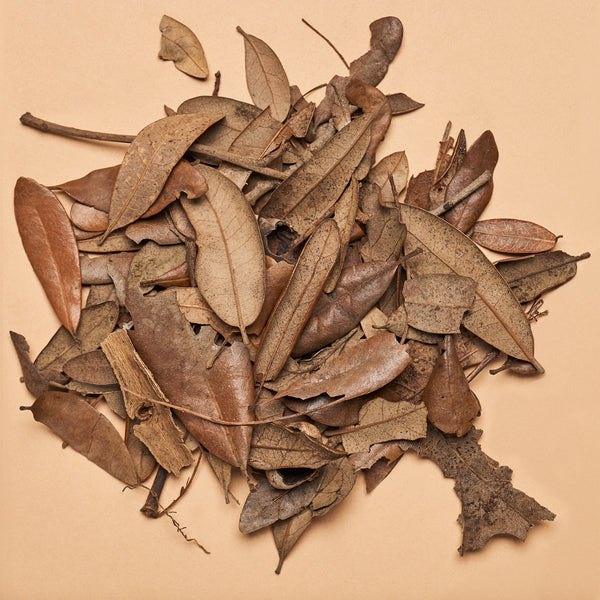
These are just a few small “edits” we can make to the configuration and management of our aquariums. “Edits” which aim to recreate a very different part-and time- of the ecosystem than we typically will tackle as aquarists. “Edits” which mimics those which our fishes adapt to in Nature.
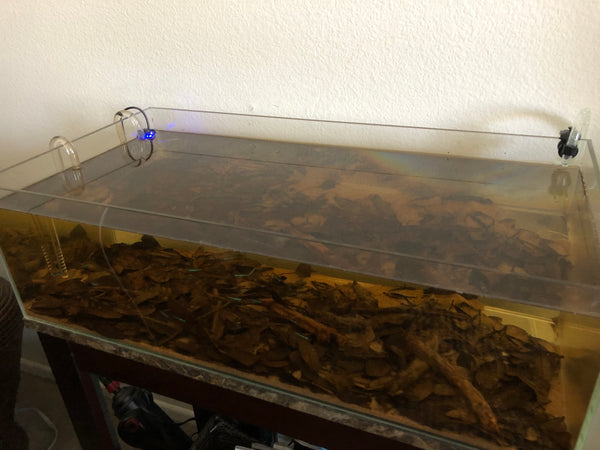
Simple modifications to our operating practices which can create potentially profound and significant breakthroughs as we learn more and more about our fishes and the environments from which they come.
And these “seasonal changes” are just a few of the many, many different ways to replicate natural process in our aquariums!
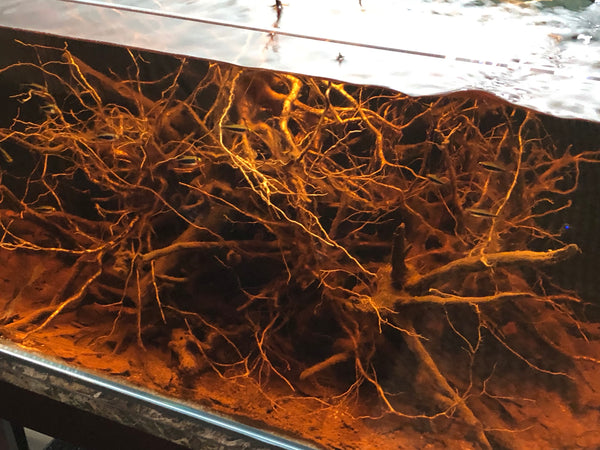
And perhaps even “refreshing” the substrate with additional material (like soils, clays…you know, that planted aquarium stuff) to sort of simulate the release of new organics and other compounds caused when previously dry forest floors are inundated with water. I find this idea sort of intriguing!
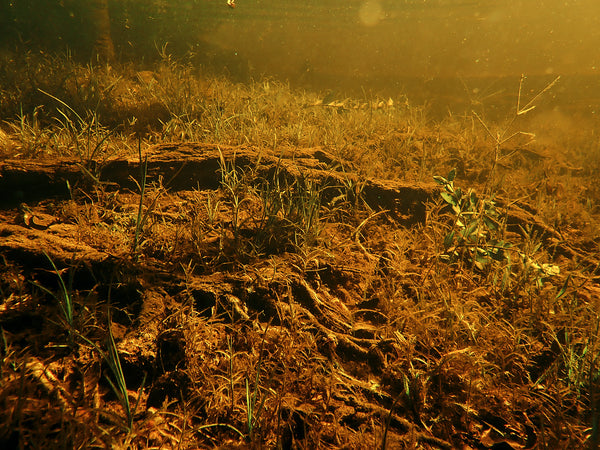
Oh, and you can add a lot more food.
Like, feed a lot of live food like Daphnia, copepods, worms, fruit flies, etc. Stuff that would likely be more readily available to fishes in an inundated environment. Perhaps even changing the diet seasonally to reflect this abundance would be interesting. Now, I’m not suggesting to starve your fishes the rest of the year, but I am curious if there would be any significant effects that we’d notice in captivity by varying the diet and quantity fed to our fishes based on seasonal availability of different food sources…
Creating aquariums which replicate more specific conditions within the context of seasonal changes, including the availability of food sources within the aquarium, is a fascinating process with broad-reaching implications.
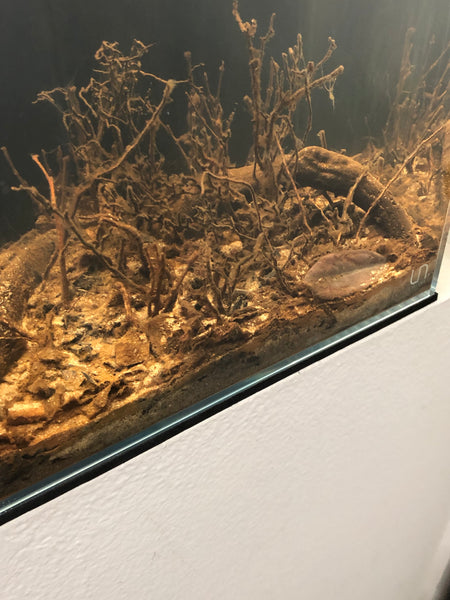
I mean, fishes have evolved over the eons to feed in this manner…Could it be a key to better breeding, perhaps activating some “locked-up” genetic programming in even our captive-bred cichlids, characins, and catfishes? I know that I talk about this a lot- because I think there is something there. Could the application of the impacts caused by these seasonal cycles be an “unlock” that puts those difficult-to-spawn fishes “in the mood?”
Who knows? However, doesn’t it make sense to investigate?
I think so!
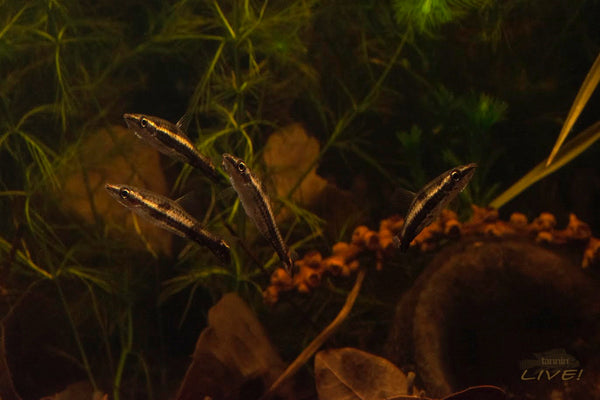
There are many, many different seasonal change “cues” and occurrences which we as hobbyists can study and experiment with to see what- if any– impact they might have on the fishes we keep.
The adaptations, behavior changes, and spawning activities which occur in our fishes are certainly be tied into these seasonal changes, and perhaps the key to more predictable/successful spawning of challenging or previously “un-spawnable” fishes could be replicating them, to some extent, in our aquariums.
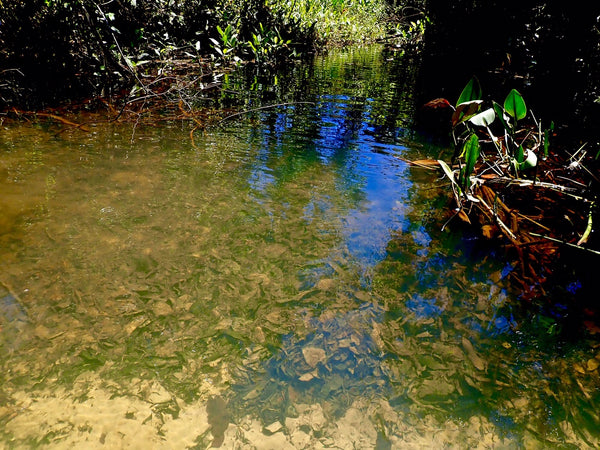
Something to think about.
What’s next? How can we utilize this interesting replication of Nature for our fishes’ advantage in our setups? What secrets can be unlocked when we look to replicate weather on some level?
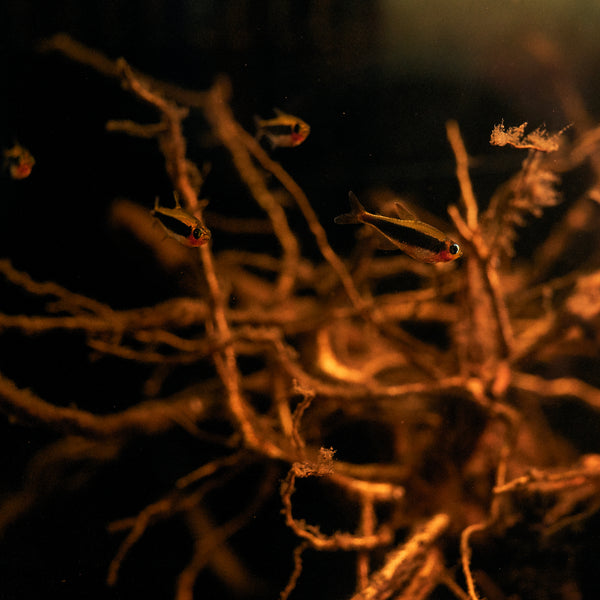
The transformation of dry forest floors into aquatic habitats provides a tremendous amount if inspiration AND biological diversity and activity for both the natural environment and our aquariums.
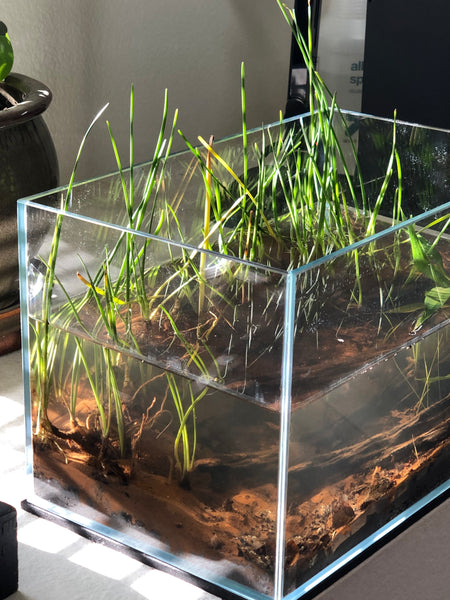
As always, it’s best to look to Nature for your inspiration. You simply won’t find much in the way of aquariums created to replicate these habitats and processes just yet.
And, man- Nature provides some really incredible inspiration for this stuff, doesn’t it?
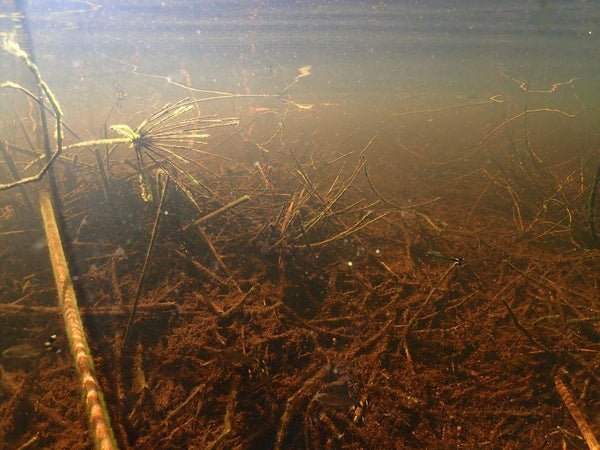
Flood pulses in these habitats easily enable large-scale “transfers” of nutrients and food items between the terrestrial and aquatic environment. This is of huge importance to the ecosystem. As we’ve touched on before, aquatic food webs in the Amazon area (and in other tropical ecosystems) are very strongly influenced by the input of terrestrial materials, and this is really an important point for those of us interested in creating more natural aquatic displays and microcosms for the fishes we wish to keep.
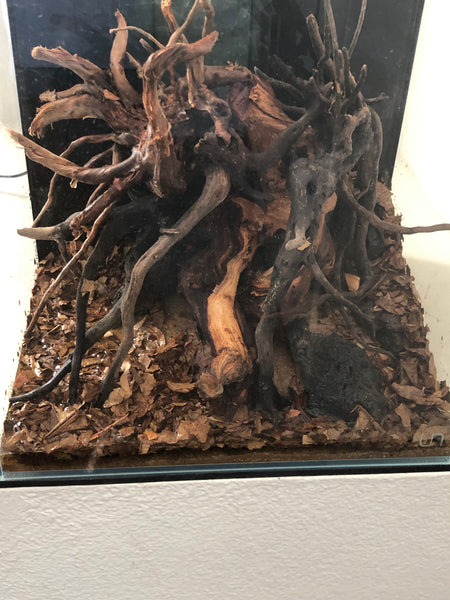
Characins, catfishes, dwarf cichlids, annual killifish- all have unique relationships with these habitats, which we can replicate, study, and interpret. They respond to the seasonal changes almost predictably.
And the seasonality in these wild aquatic habitats is perhaps the one feature that we as aquarists have yet to fully embrace and study. It’s fascinating, intriguing…and dramatic, in many cases!
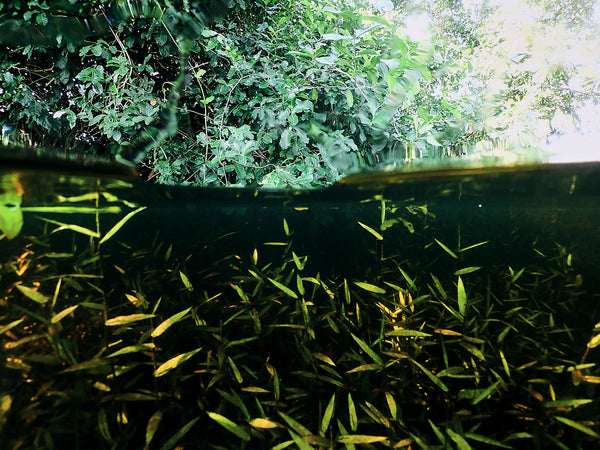
What can we learn from these seasonal inundations?
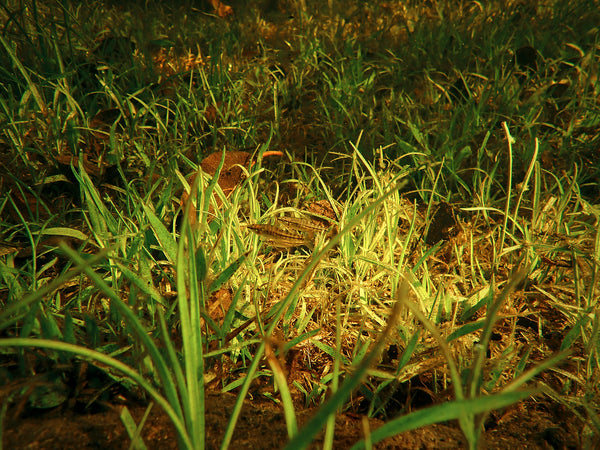
Well, for one thing, we can observe the diets of our fishes.
As I discussed earlier in this piece, in general, fish, detritus and insects form the most important food resources supporting the fish communities in both wet and dry seasons, but the proportions of invertebrates fruits, and fish are reduced during the low water season. Individual fish species exhibit diet changes between high water and low water seasons in these areas…an interesting adaptation and possible application for hobbyists?
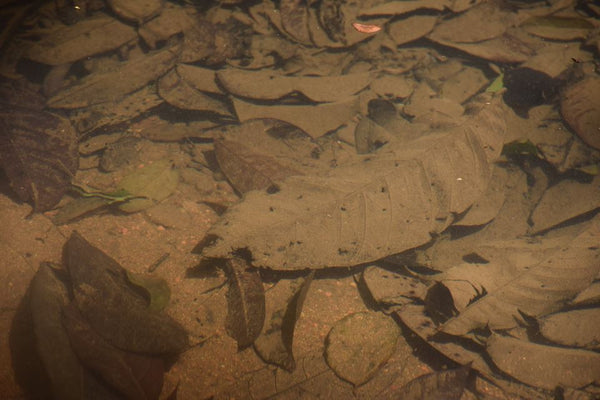
Well, think about the results from one study of gut-content analysis form some herbivorous Amazonian fishes in both the wet and dry seasons: The consumption of fruits in Mylossoma and Colossoma species was significantly less during the low water periods, and their diet was changed, with these materials substituted by plant parts and invertebrates, which were more abundant.
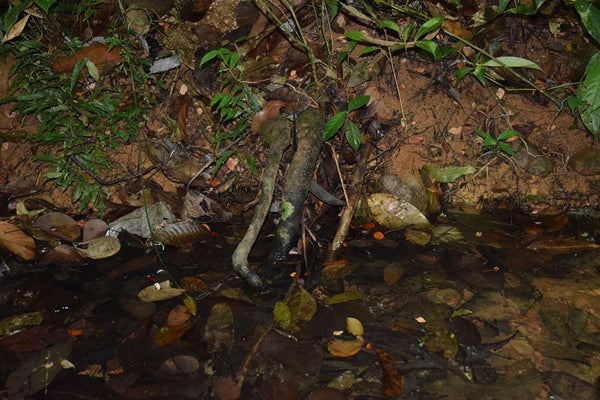
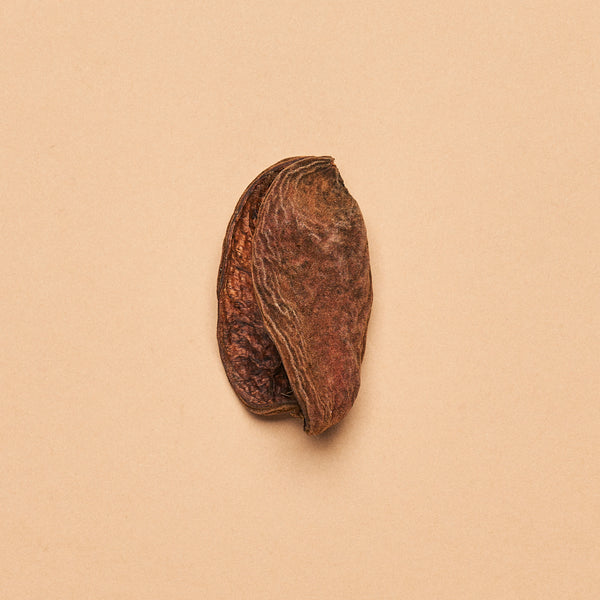
Fruit-eating is significantly reduced during the low water period when the fruit sources in the forests are not readily accessible to the fish. During these periods of time, fruit eating fishes (“frugivores”) consume more seeds than fruits, and supplement their diets with foods like as leaves, detritus, and plankton. Interestingly, even the known “gazers”, like Leporinus, were found to consume a greater proportion of materials like seeds during the low water season.
Mud and algal growth on plants, rocks, submerged trees, etc. is quite abundant in these waters at various times of the year. Mud and detritus are transported via the overflowing rivers into flooded areas, and contribute to the forest leaf litter and other botanical materials, coming nutrient sources which contribute to the growth of this epiphytic algae.
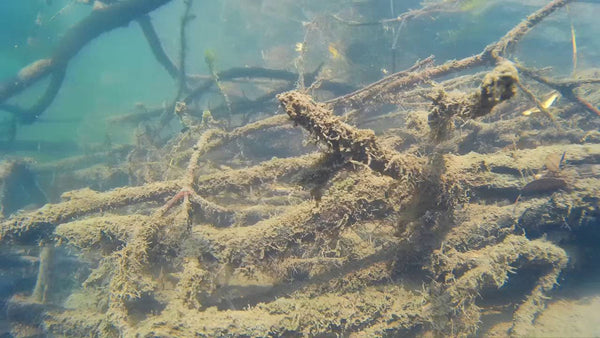
During the lower water periods, this “organic layer” helps compensate for the shortage of other food sources. When the water is at a high period and the forests are inundated, many terrestrial insects fall into the water and are consumed by fishes. In general, insects- both terrestrial and aquatic, support a large community of fishes.
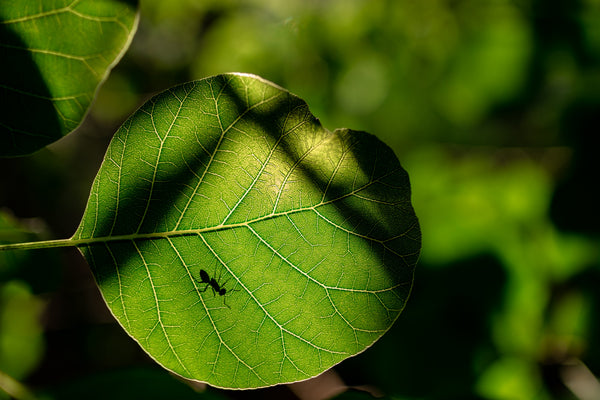
So, it goes without saying that the importance of insects and fruits- which are essentially derived from the flooded forests, are reduced during the dry season when fishes are confined to open water and feed on different materials.
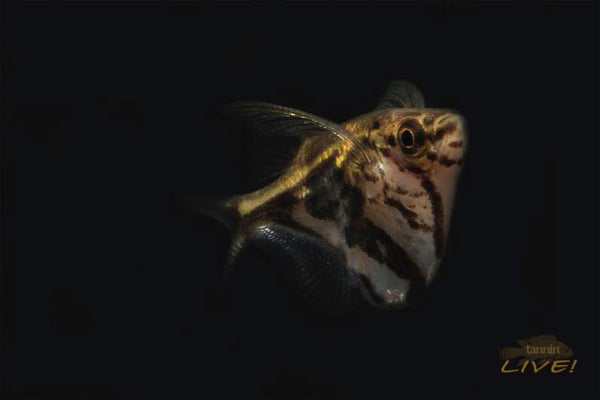
So I wonder...is part of the key to successfully conditioning and breeding some of the fishes found in these habitats is altering their diets to mimic the seasonal importance/scarcity of various food items? In other words, feeding more insects at one time of the year, and perhaps allowing fishes to graze on detritus and biocover at other times?
Is the concept of creating a seasonally-influenced, “food-producing” aquarium, complete with detritus, natural mud, and an abundance of decomposing botanical materials, a key to creating a more true realistic feeding dynamic, as well as a “functionally aesthetic” aquarium?
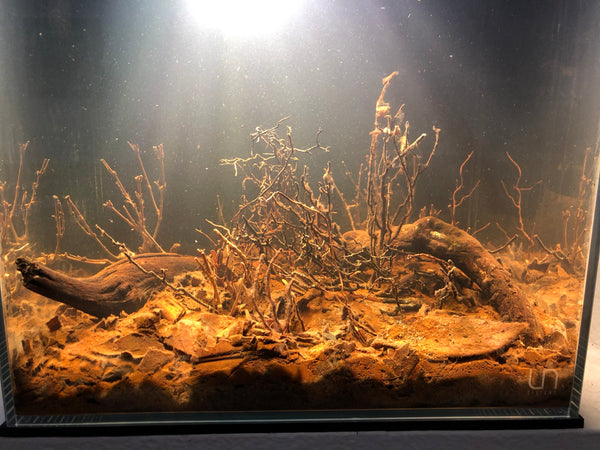
I’m starting to repeat myself here, but I think that you get the idea: Our fishes adapt. They adapt to environmental, seasonal, and dietary changes. All the time.
And we can perhaps unlock a lot of secrets, maybe even some breakthroughs- by “managing” the “seasons” within the little microcosms we’ve created.
Our fishes, I think, will appreciate that very much.
Stay curious. Stay observant. Stay creative. And Stay Wet.
Scott Fellman


Leave a Reply