
There are certain fishes in the aquarium world that will simply grab ahold of your attention and not let go. For me, it’s been characins and killifish. Yeah, killifish! The seemingly forgotten, yet utterly engrossing group with amazing colors, diverse spawning habits, and adaptability should make them some of the most popular fishes in the hobby!
Yet, they’re most definitely NOT.
To me, the reasons above and many others have kept them “top of mind” for me over the years, even though I may not always have kept them consistently. Their relative difficulty to obtain has sort of added to the mystique for me. That and the fact that they typically will not have “common names”, and are generally referred to by their scientific name, followed by a geographic locale and some other numbers makes them all the more alluring to me!
Hmm… “geographic locales” never scared anyone…
Yet, I digress… these arcane names don’t help in the splashy, superficial “Insta world” of social media that we’ve created I the 21st century, I admit.
I mean, shit– there’s like 0.000034% chance that a fish with a name like “Austrolebias arachan, UYRT 2015-04″ is EVER gonna knock off the Cardinal Tetra or Angelfish and crack the “Hot 1,000” list of the most popular aquarium fishes, right?
Yet, the precise Latin descriptors and type localities bely a secret to those who do the work...the research…They give us information of incalculable value about the specific biotope/habitat from where the fish hails from. And to those of us who strive to replicate- on many levels- the wild habitats from which our fishes come from, this stuff is pure GOLD!
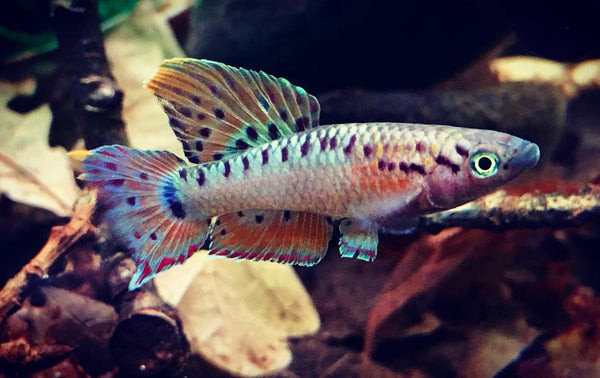
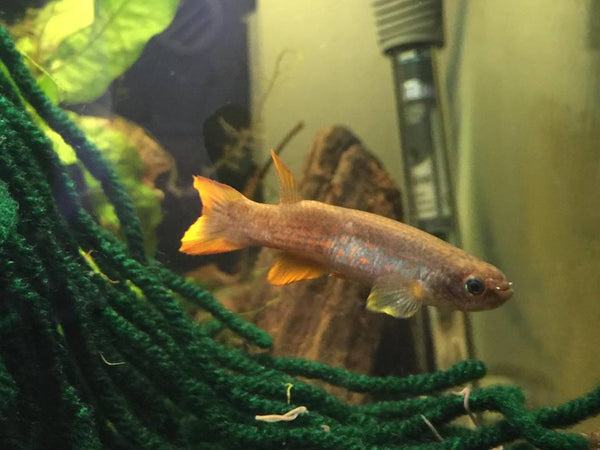
(Chromaphyosemion bivittatum, pic by Mike PA Calnun)
And of course, one of the things I like best about killifishes is that many come from habitats that would beperfect for us to replicate with our skills and interest. Hobbyists who keep killies may not be as into the aesthetics of blackwater or botanical method aquariums as we are, but nonetheless, they understand the dynamics of using natural botanical materials like peat moss, coir, and leaves to stimulate spawning and provide health benefits for their fishes!

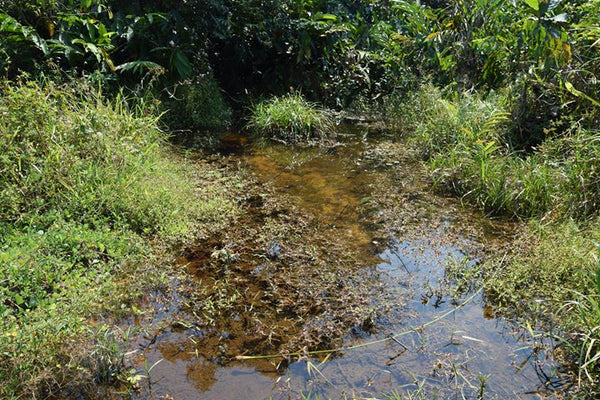
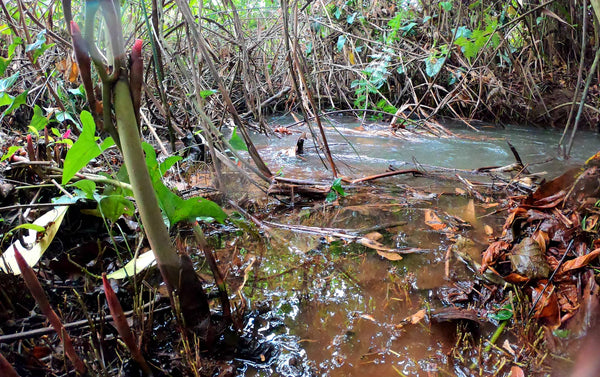
Perhaps what also attracts me to them is the fact that they are (for the most part) small, super-colorful fishes who have managed to adapt and evolve to life in very unusual environmental niches, like puddles, small creeks, temporary pools- stuff like that. And of course, these are extremely “botanically-influenced” habitats, replete with leaves, soil/mud substrates, branches, etc. The killies are intimately linked to the characteristics of their habitats, and the seasonal changes which impact them.
It’s utterly fascinating.
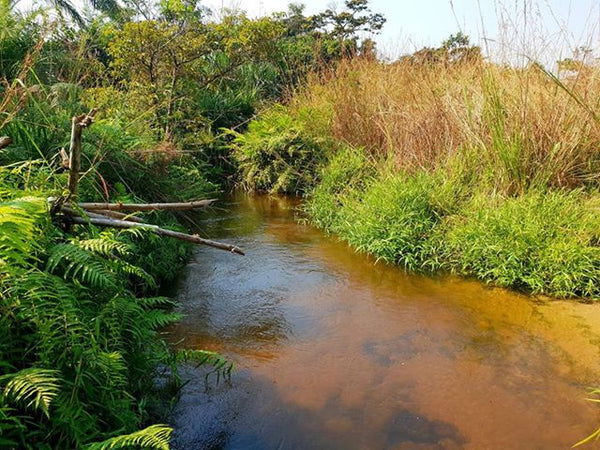
(Kwango Province, Congo- Image by Thomas Minesi)
Interestingly, we have seldom, if ever seen them being kept in anything other than a dedicated breeding setup with spawning mops and bare bottoms. I think this has perpetuated the popular perception that they require the dreaded “specialty conditions” (hobby vernacular for “weird shit that’s hard to do…”), and the need for 200-tank setups that will turn you into the aquarium version of the “crazy cat lady”, thus smashing your interpersonal relationships to pieces. And of course, all of this pretty much scares the living crap out of the typical aquarium hobbyist.
That’s where I come in.
I think that attempting to replicate, to some extent, the ecology of the aquatic habitats from which they come would go a long way towards making these adaptable and attractive fishes more popular in the hobby!
And instead of 300-odd plastic shoeboxes filled with killies, you might have like 6 different “biotope-inspired” aquariums for killies (I say that now…see if you can just do 6!). How you manage your interpersonal relationships is your call- but I think we make it a bit easier with my approach, right? 😆
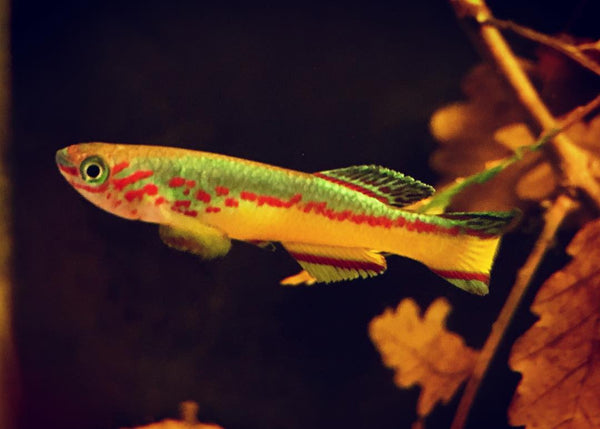
(Fp. amieti, pic by Mike PA Calnun)
Sure, some may be shy, skittish, aggressive, come from soft, acidic water, brackish(!), or whatever- but the last time I checked, we have this…global community of skilled, adventurous aquarium hobbyists playing with blackwater, botanicals, and the availability of all sorts of “twigs and nuts” to create these kinds of specialty tanks.
And we’re into some pretty geeky stuff, ourselves, right?
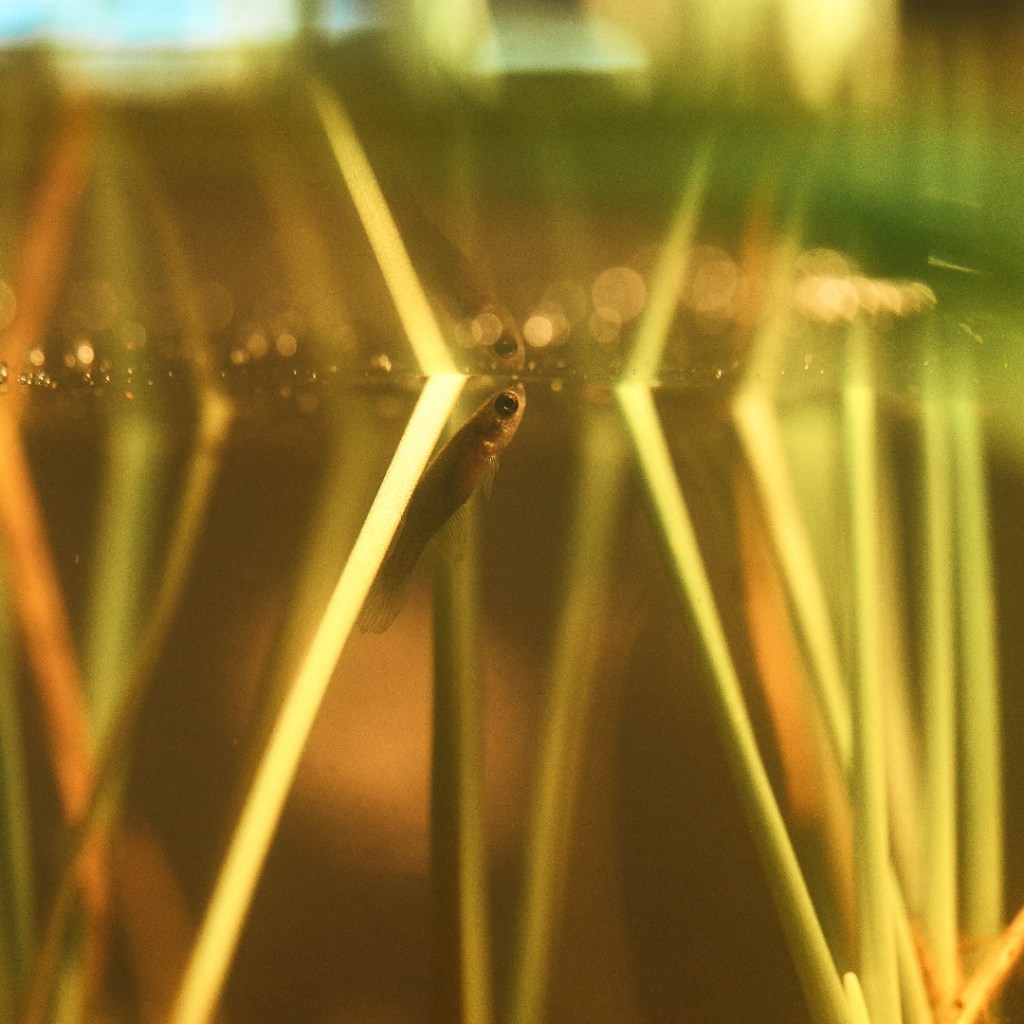
We can keep these fishes with ease, so…
We often hear the argument that they are not particularly prolific breeders, or don’t live too long (in the case of “annual” species, sure…but, seriously, how many years have you kept a Cardinal Tetra alive for?). I think that’s a really lame excuse not to keep them!
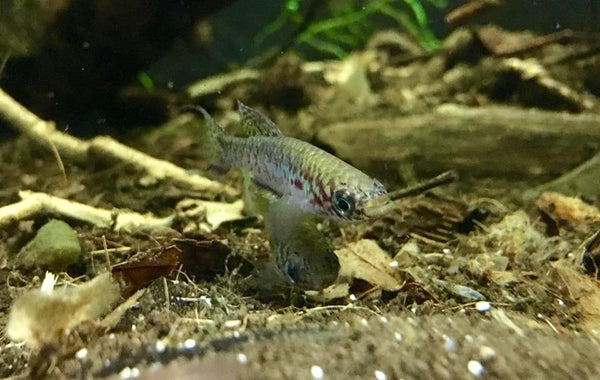
(Fp. gardneri in a natural setup. Image by Mike PA Calnun)
My other “counterpunch” here is that, curiously, we’re seeing more and more wild Betta species showing up in local fish stores worldwide…Really friggin’ obscure ones, too...Brown ones! And SOMEONE- a LOT of “someones”, actually are breeding them. And they are finding a place in botanical method aquariums!
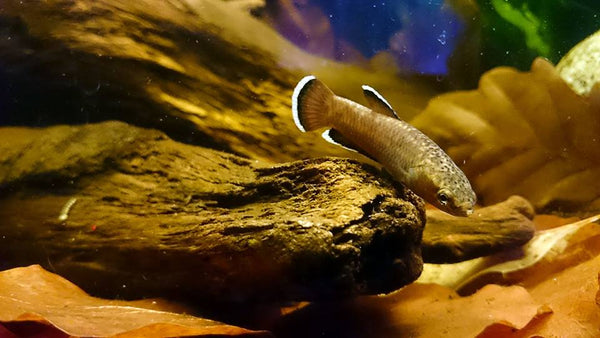
Yep. Killies can, too.
And if we look at some of the more popular killifishes, such as the Aphyosemion, Chromaphyosemion, Epiplatys, Nothobranchius, and Funduloopanchax species, there are a variety of ecological adaptations to their environments that have made them extremely compelling subjects for those of us interested in creating natural-type setup for them.
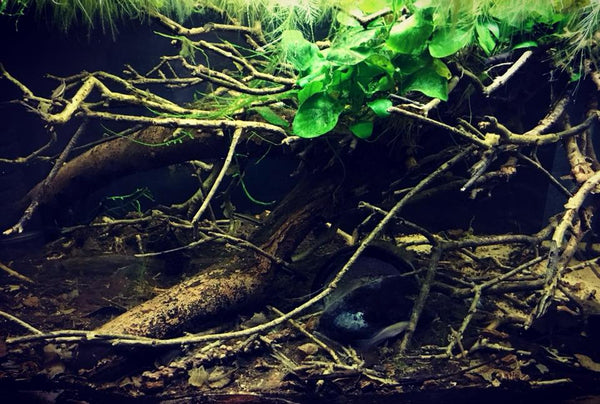
(Mike PA Calnun’s African killie and Neolebias biotope-inspired aquarium is a fantastic example of the possibilities that await the adventurous killie enthusiast when we step out of the box a bit!)
Granted, this is different than what “hardcore” killie breeders will do- and not as efficient for breeding as setting them up in bare tanks/plastic sweater boxes with spawning mops- but it’s a different way to enjoy these unique fishes, and to celebrate the unique ecological niches from which they come!
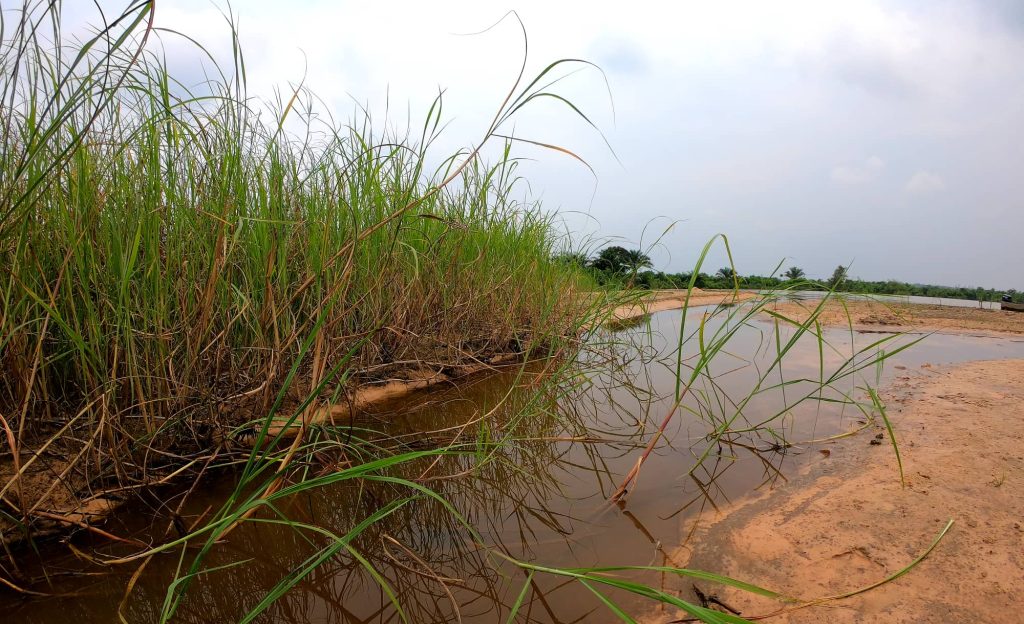
I simply don’t think that we as killie fans have done a great job “de-mystifying” these fishes and their needs. As mentioned above, we have seldom, if ever see them being kept in anything other than those “utilitarian-looking” dedicated breeding setups with spawning mops and bare bottoms- and lots of people assume that is THE only way to keep them.
It’s not.
The idea of controlled breeding in peat-filled containers is just one way to approach their care. I mean, if we assumed that Discus can only be maintained in bare-bottom tanks with ceramic breeding cones, would they be as popular as they are today?
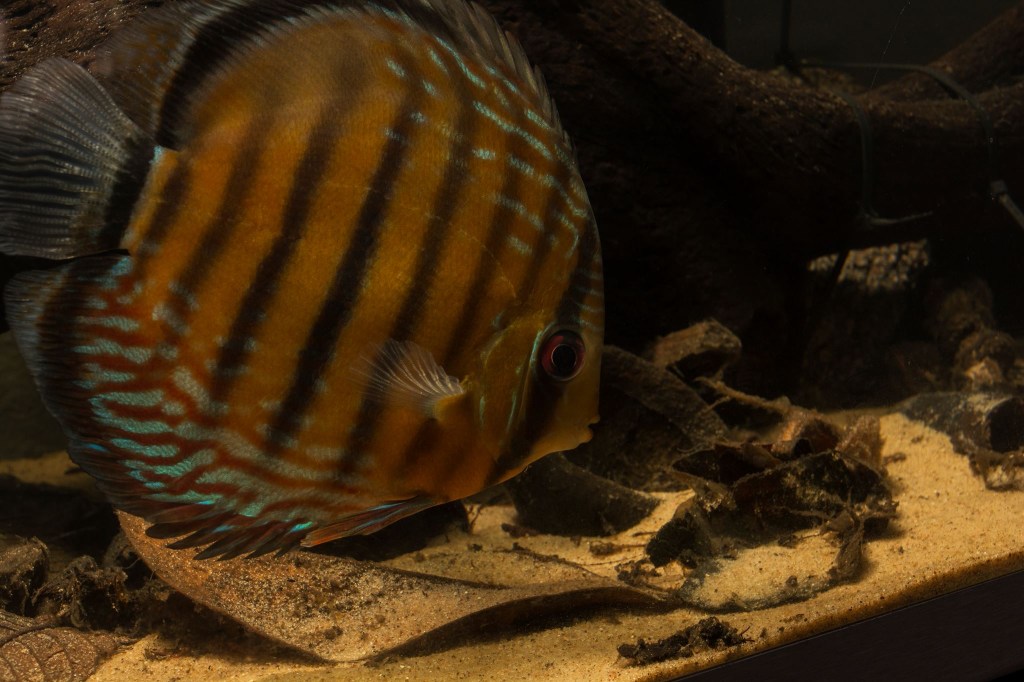
Imagine the interesting types of “permanent setups” you could create by looking more closely at the actual physical/chemical/environmental aspects of their natural habitats and attempting to replicate them in the aquarium.
Yeah. The habitats themselves are the key, IMHO, to unlocking more interest in these amazing fishes!
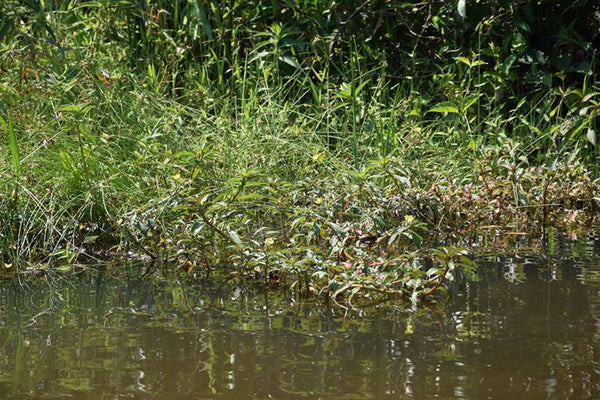
Hear me out…
Arguments abound online in killifish forums with hobbyists suggesting all sorts of ways to popularize these rather under-appreciated fishes, and what many call a “moribund” sector of the aquarium hobby, seemingly lacking a significant influx of new hobbyists. So, why not solve this “problem” by working on “the whole picture” of killifish care?
The inspiration is right in front of us. The information about them and their habitats is abundant.
Many killifish enthusiasts have actually visited the wild habitats of killies and documented information about the ecosystems in which they are found, so why not use this data to replicate this most interesting, yet remarkably under-represented aspect of the killie realm?
Think of what our community, which has a tremendous amount of experience with unique aspects of habitat replication, can bring to the table here!
I’ve already started doing some of this type of work with South American annual killifishes, keeping them in my “Urban Igapo” habitat replications in “wet/dry” cycles, and the results have been really interesting! Spawning annual fishes in an aquarium environment which more realistically and accurately represents the natural habitats from which they have evolved in over eons is truly exciting!
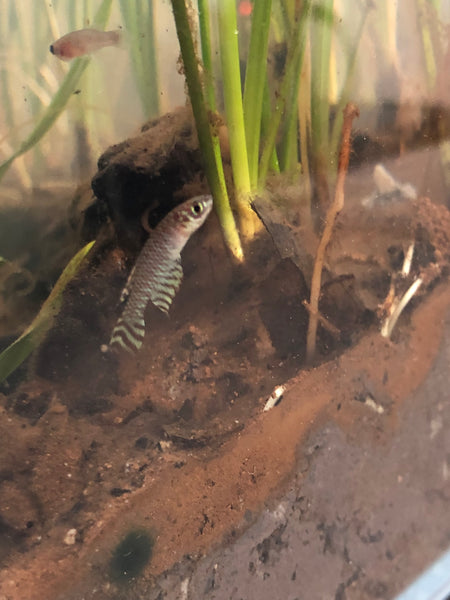
And of course, a vast variety of killifish species inhabit leaf-strewn, sediment-laden bodies of water.
Bodies of water which our community is quite “fluent” at replicating in the aquarium! Leaves, submersion-tolerant terrestrial plants, botanical materials, and sediments are right up our proverbial “alley”, right?
Sediments and substrates and leaves again!
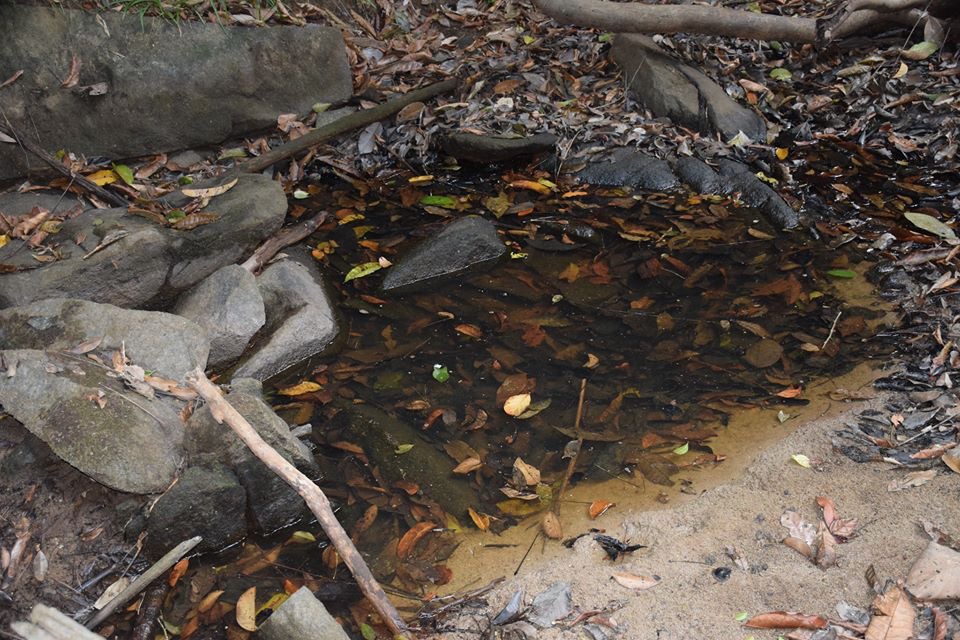
Yeah, I suspect that we would do well to work with sediments, particularly sediments mixed with finely-crushed botanical materials like leaves. These materials will, of course, not only visually tint the water snd add some turbidity, they’ll very accurately represent some of the chemical aspects of the natural habitats, too.
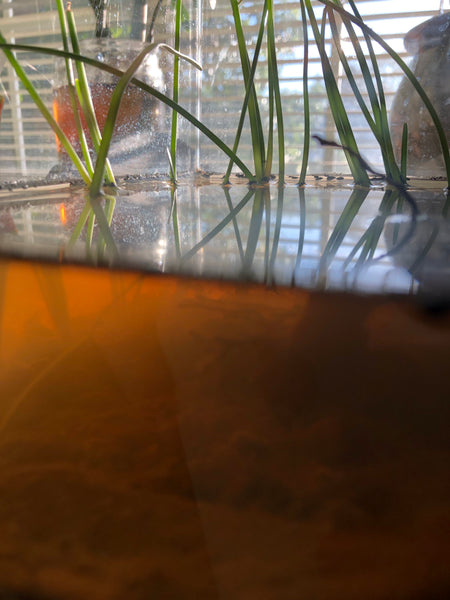
It’s time to kick that unfair reputation that killies have earned to the curb, once and for all. For the purposes of popularizing these fishes, we must look beyond synthetic spawning mops and plastic shoeboxes for a while.
Now, there are literally hundreds of species of killies to choose from, running the gamut from top-spawning species which deposit eggs in floating or partially submerged terrestrial plants, to the famous South American and African annuals, which deposit their eggs in the mud and sediments at the bottom of the temporary pools which they inhabit, so it would be impossible to “generalize” a biotope-inspired “generic” setup for all these types. However, one could create a more-or-less “generalized” setup for say, species which come from small African streams and pools.
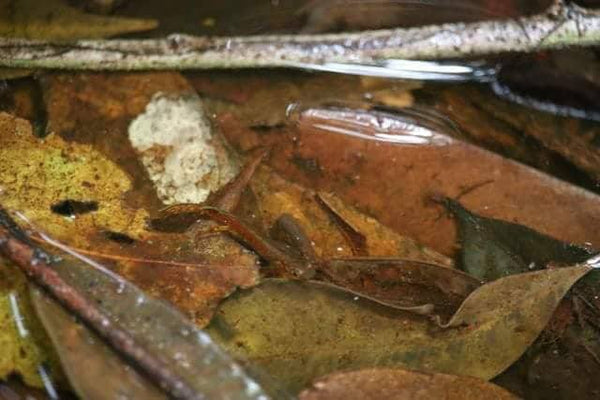
(Aphyosemion over leaf litter Wamba, DR Congo- image by Ashley Gordon)
For many of the Aphyosemion and Fundulopanchax species, you can replicate their leaf-and branch-choked habitats with, well- leaves and branches! And seed pods, and a few aquatic and even terestrial plants. We do this shit pretty well already…don’t we?
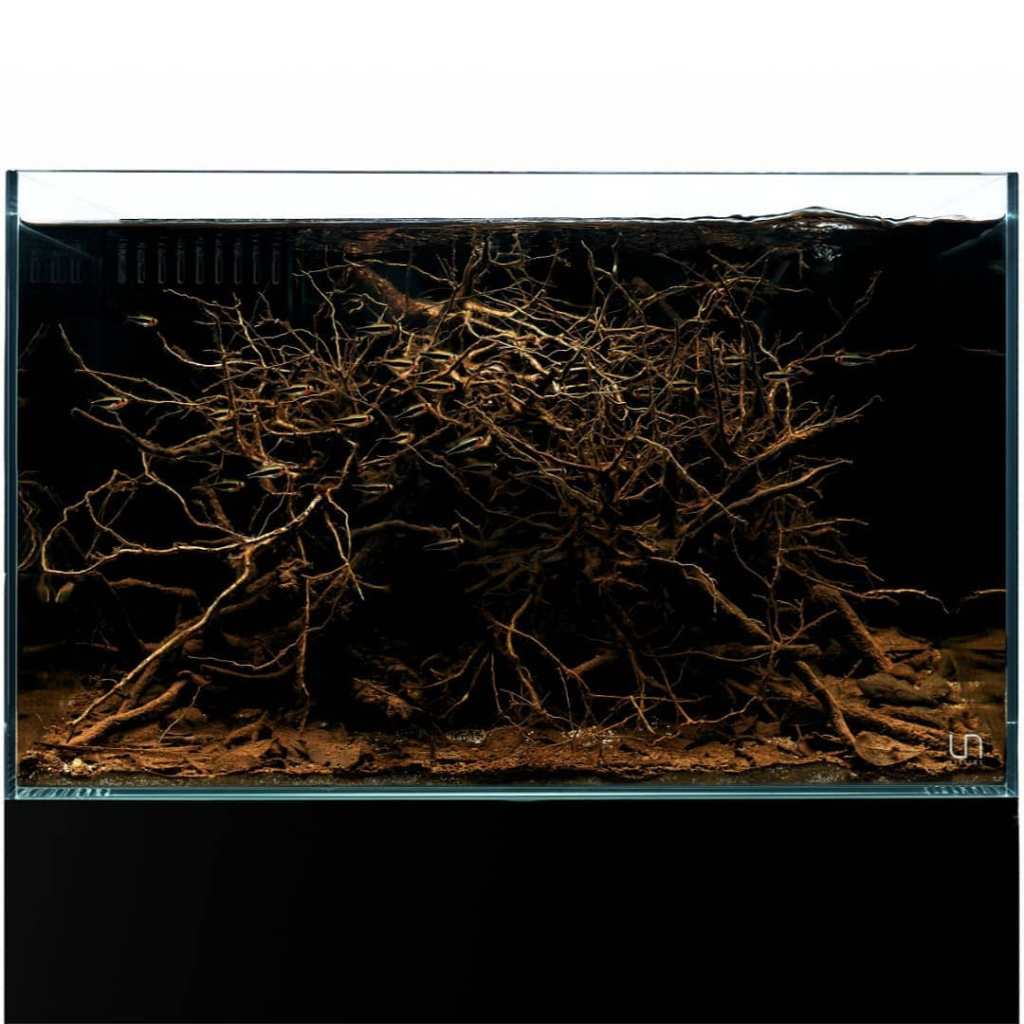
Researching the flora and aquatic topography of areas in Camaroon and Nigeria can yield lots of great information which you can use to create some really cool tanks! In general, Africa has been, in my opinion, under-represented in our aquariums, and killies represent an amazing opportunity to learn more about these habitats and the unique fishes which inhabit them.
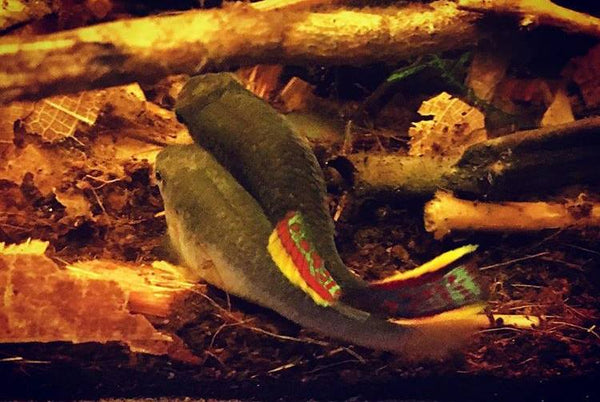
(Fp. gardneri Pic by Mike PA Calnun)
Many of these streams and pools feature muddy or fine-sediment materials on the substrate. You could replicate this with many of the planted aquarium substrates, mixed in with more common materials like sand and finely-smashed-up botanicals and leaves, terrestrial soils, etc.
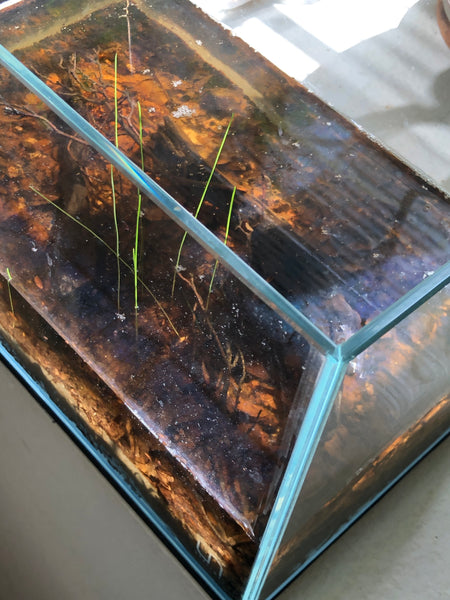
With some good research and study, it is entirely possible to create remarkably realistic and functionally aesthetic aquariums for many species of killifish. And the concept is simply no different than anything else we do for any other fishes in our blackwater/botanical method aquariums.
We just need to get the fishes.
And you can, easily, from breeders in places like AquaBid, or; go all the way and join The American Killifish Association and really get to know some of the amazingly skilled hobbyists happily playing with these amazing fishes. You’ll find a global community happy to lend you a hand, answer questions, and sell you some fishes or eggs to get you started on your way.
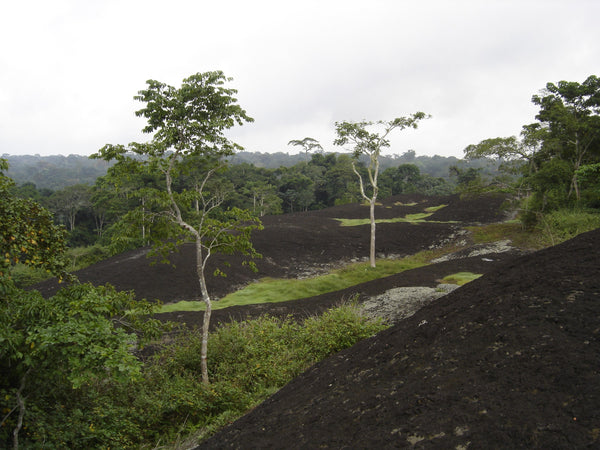
(The topography and flora of Camaroon contribute significantly to the aquatic habitats of the region. Image by C. Hence, used under CC BY-SA 3.0)
Obviously, a little blog piece like this can do little more than call some quick attention to the possibilities that are out there for this approach. My hope is that more of you will utilize the skills you’ve acquired at both keeping and breeding various fishes and working with botanical method aquariums. By marrying these two skill sets, the possibilities which can unfold are many!
We just need to get out there, do a little research, and get a tank or two going. Oh- and we need to share this work. On the “big stage”- the more generalized hobby world-outside of dedicated hardcore killie forums and pages.
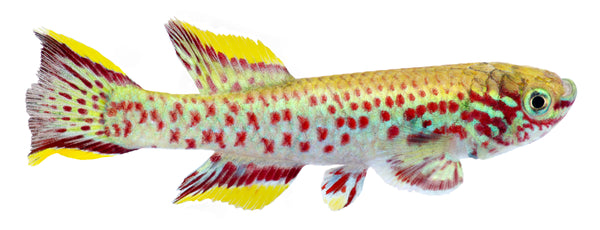
Let’s give some love to these unique fishes and the habitats from which they come, and give them more of the attention they deserve in the hobby!
Killies can totally be getting their fair share of expose to the larger hobby world. Killie lovers need to let go of 1978-era excuses and complaints about why they aren’t out there, and simply share these fishes in more unique, relatable ways.
We can’t keep “self-medicating” on excuses and complain about it when the opportunity is there to “blow up” interest in these fishes! We can’t keep creating killie content which only appeals to existing enthusiasts. There’s these platforms called “Facebook and “Instagram” and “TikTok”- crazy-ass ways to spread ideas quickly…We should look ’em up once in a while, post something on a general hobby-interest forum- like a pic and descriptions of a cool display tank with killies- and get people talking.
We should.
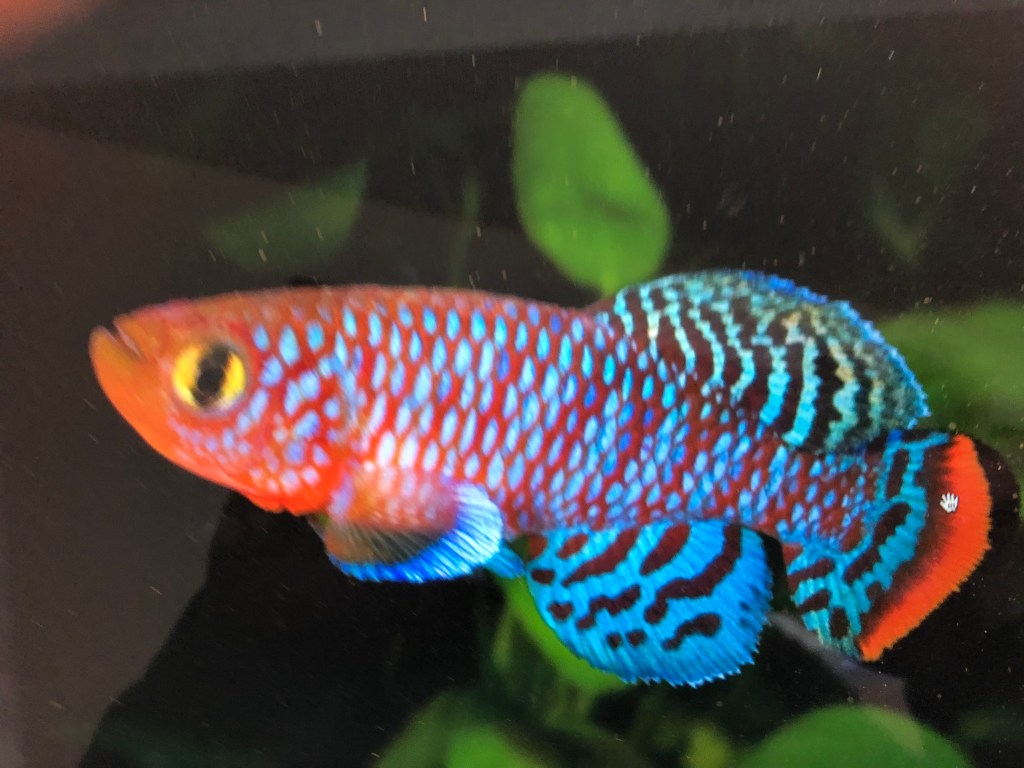
Think of the tons of social-media friendly things we could do, like featuring cool nano tank builds with killies, macrophotography of males, and cool little blackwater tanks with them as the “stars.”
We could produce little videos of the males flashing for females, the spawning antics of different species, pair interactions, how they stalk food, etc. We can hype their personality and behaviors, and use high quality close up pics to really draw in hobbyists.
We need to “rebrand” killies as “rewarding” instead of “challenging.”
It just hasn’t been happing…Not enough, anyways.
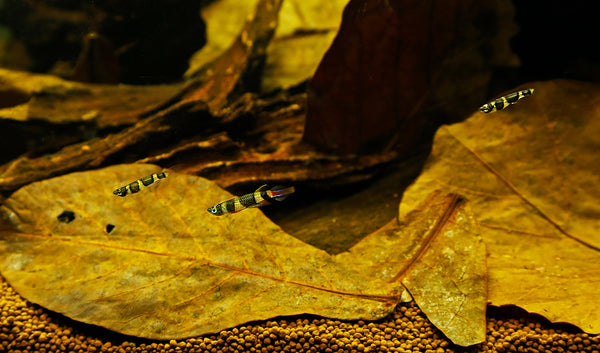
I won’t accept the excuse that, “Oh, I tried it before but no one was interested.”
No, you didn’t do it in an effective way that conveys the wonder and fascination of these fishes to a wider audience, and as a result, interest in these fishes is still needlessly relegated to the darker, more specialized corners of the hobby.
Hmm, sounds like what was said about…botanical method aquariums…or brackish, for that matter before we all decided to bring them out of obscurity, doesn’t it?
Yeah, it does. And we know how that’s sort of working itself out, right?
We can do this.
We can promote species which fit “modern” lifestyles- you know, ones that are perfect for nano tanks, desktop aquariums, shallow wide aquariums, and (gulp) artistically styled planted tanks. Killifishes fit these lifestyle trends really well- we just haven’t marketed them that way!
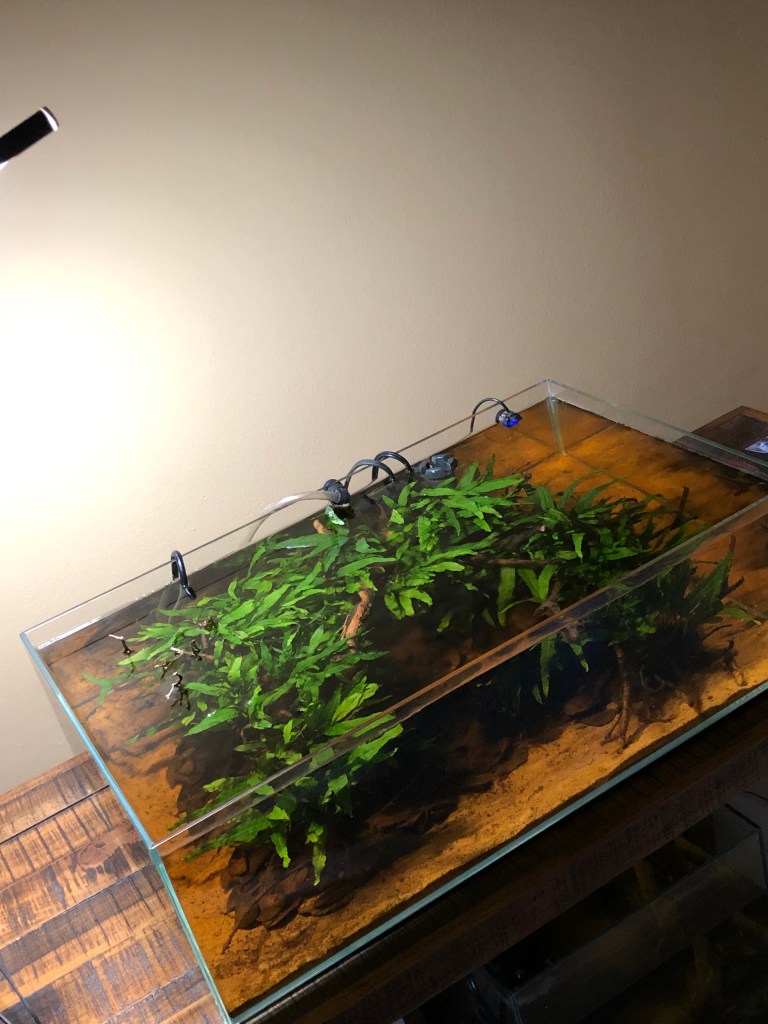
We can certainly emphasize the practicality- yeah, I said “practicality”- of killies. Most stay small, look amazing in planted aquariums (which are ridiculously popular, of course). And of course, many species thrive in blackwater environments, occupy the top third of the aquarium, and display awesome colors under natural lighting conditions.
Just seeing an aquarium set up to replicate, say, a small vernal pool in West Africa, housing fishes from the genera Epiplatys, Rivulus, Fundulopanchax, or Aphyosemion– amazingly colorful, small, and interesting fishes- would blow away just about everyone in the hobby who has been on the fence about them for years!
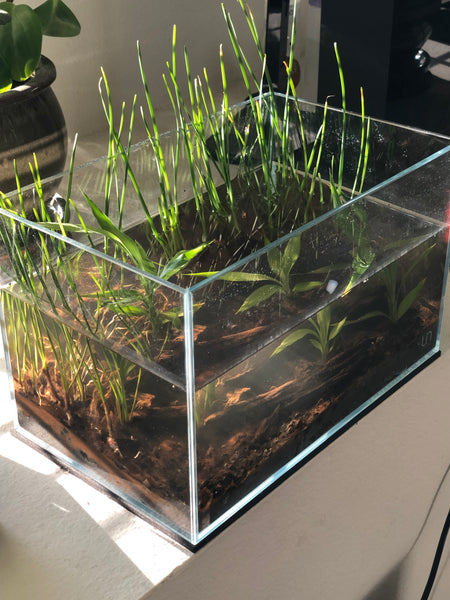
And really researching a proper biotope- or biotope inspired tank could teach the hobby and the non-hobby world alike about these amazing fishes and their often fragile habitats. And their unique reproductive strategies (as in the case of annual species and “bottom spawners”) are amazing in and of themselves.
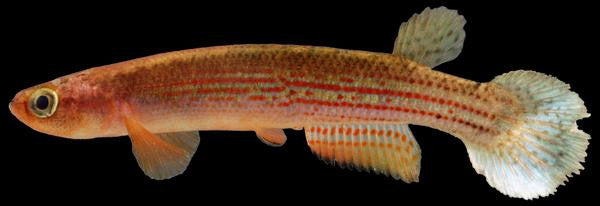
Oh, and you can economically purchase most of them as eggs (in water or peat moss) and raise them from fry yourself, easily and sustainably, as touched on before. One of the worst-kept hobby “secrets” there is, IMHO.
I’m sorry if I’m coming across a bit “harsh” on this.
I can see how some people might take this little kick in the ass in the wrong way- but I think that this “tough love” and request for us to look at what we’re not doing well enough- from a big fan, no less- is warranted. I just get tired of hearing the same excuses for stuff with no new action being taken- especially when the excuses are made by incredibly talented people who can bring so much to the table…
To borrow from the marketing world, we need to reposition the killifish “brand” from “Specialist fish kept by old-school breeders” into “Colorful nano fish with fascinating behavior and easy home breeding.”
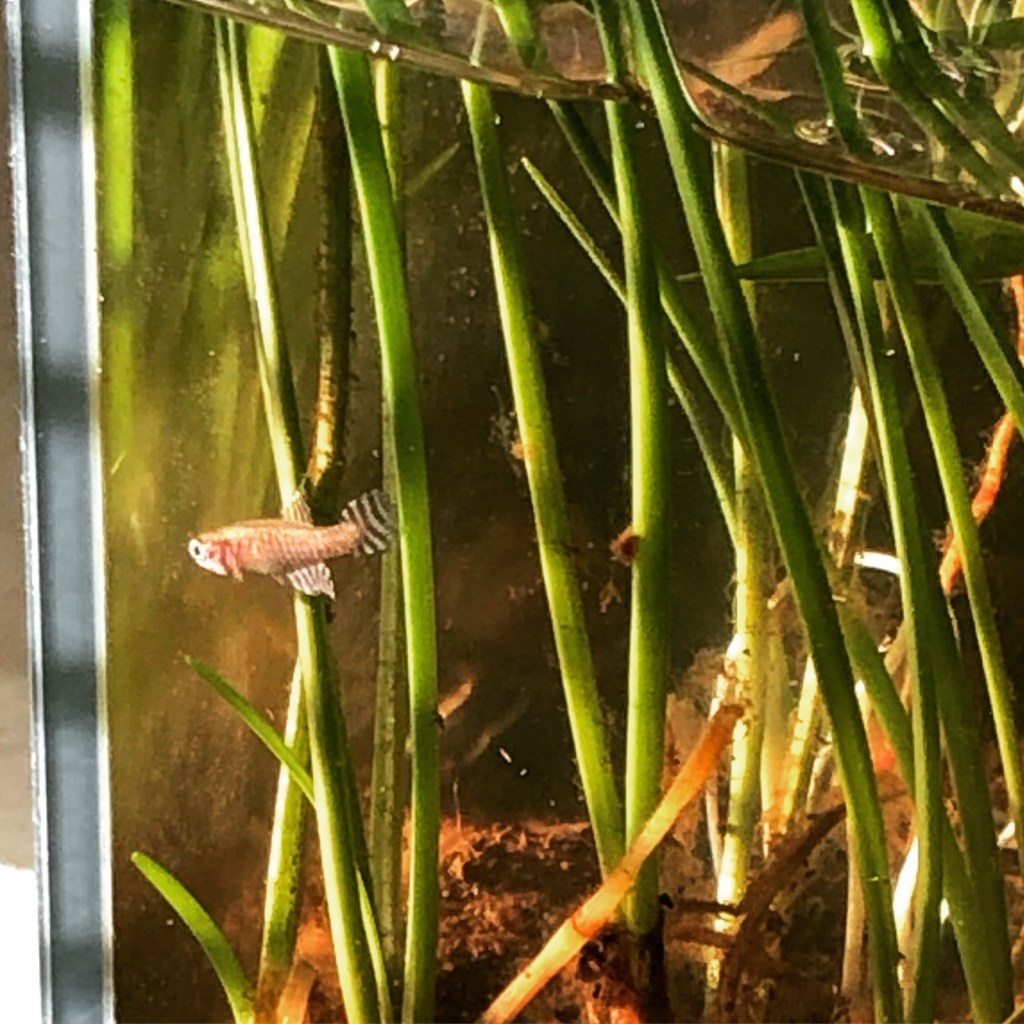
Yeah, enough. 1978 is 40 plus years in the past. Time to work on the future!
Who’s in?
We all should be!
Killifish are some of the absolute best examples of sustainability, responsibility, and dedication that the aquarium world has to offer. They teach patience, inspire research, and are an amazing group of fishes to specialize in.
Let’s show them the love they deserve!
Stay excited. Stay resourceful. Stay diligent. Stay inspired…
And Stay Wet.
Scott Fellman


Leave a Reply