
There is something magical about flooded forests. Something that combines the terrestrial and aquatic environments meet is irresistible as a fish geek. And that zone where land and water intersect is a model of environmental interrelationships.
The air-water interface in an igapó is also fascinating. It’s a boundary of extraordinary subtlety. Beneath overhanging branches of the seasonally flooded forest, the water is stained by tannins leached from leaves and wood. The surface itself appears almost absent, a transparent membrane separating two worlds that continuously exchange matter, energy, and life.
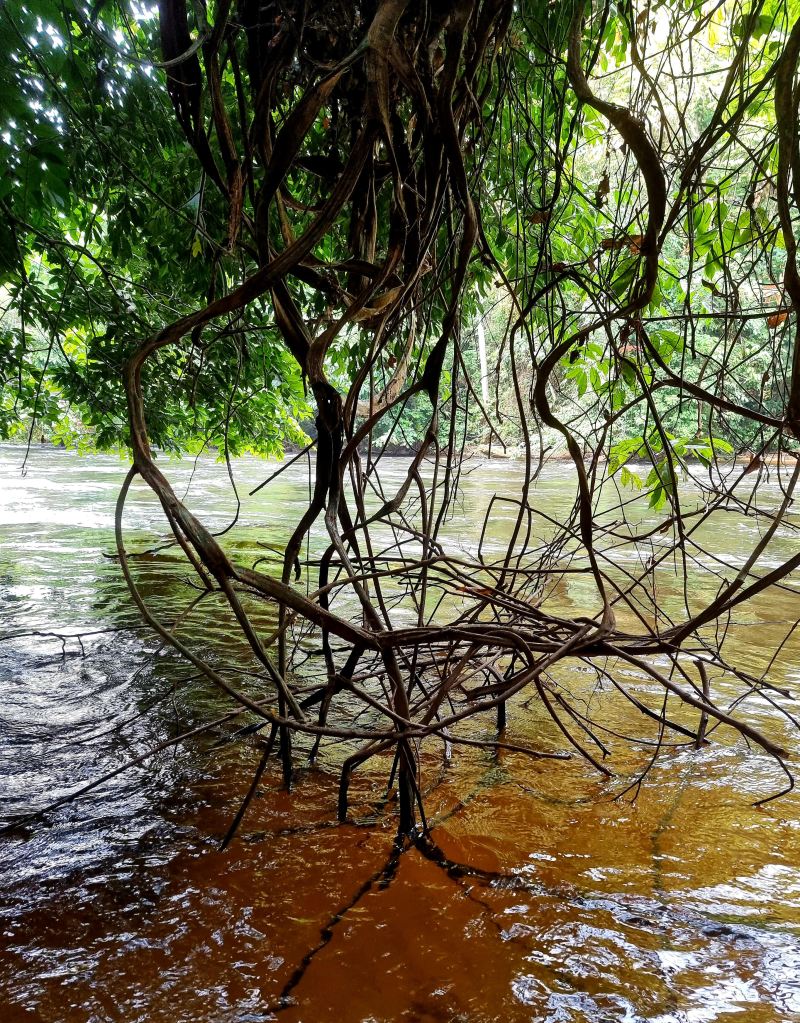
At dawn, mist drifts low across the flooded forest, and the interface becomes visible only through its visual effects. Tiny ripples radiate from the movements of insects skating across the surface film. Falling droplets from bromeliads and lianas puncture the water with brief silver flashes before disappearing into the darkness below. Reflections of trunks and branches stretch downward, creating the illusion of an inverted forest suspended beneath the real one.
From a purely chemical standpoint, this boundary regulates the movement of oxygen, carbon dioxide, and water vapor between atmosphere and floodplain. During the day, submerged aquatic plants (when present) and phytoplankton contribute oxygen to the water column, while decomposing leaf litter on the flooded forest floor consumes it. The resulting gradients are especially pronounced in igapó ecosystems, where nutrient-poor blackwater and dense organic deposits create unique biogeochemical conditions.
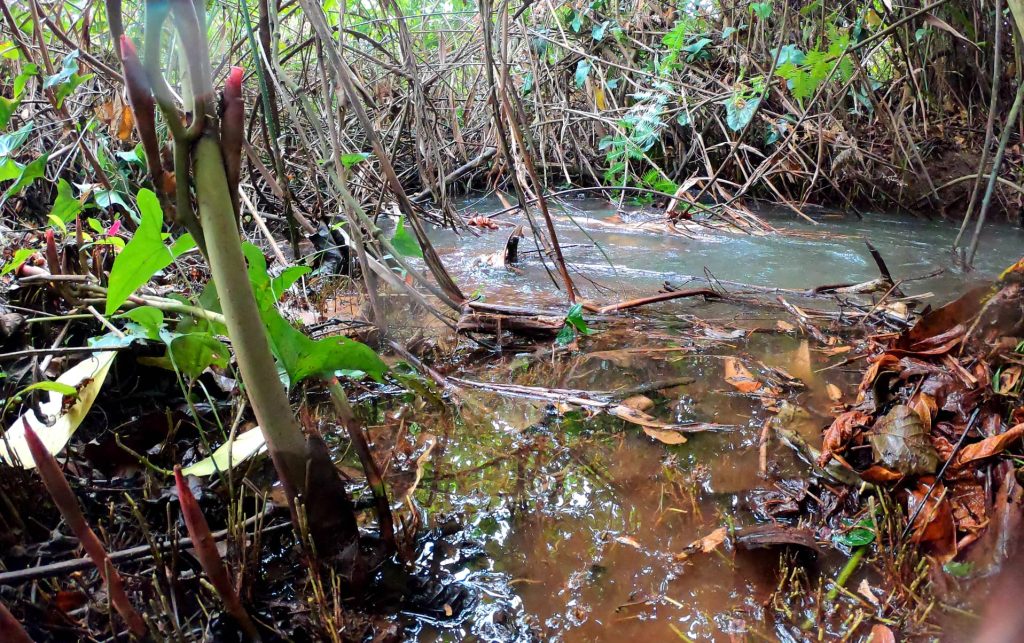
Biologically, the interface is a zone of intense activity. Aquatic insects emerge from the water and take flight into the forest canopy, while terrestrial insects accidentally fall onto the surface and become prey for fish. Surface-feeding species patrol the mirror-like expanse, detecting vibrations transmitted through the thin film. Even the fruits and seeds of flood-adapted trees pass through this boundary, dropping from branches into the water to begin journeys of dispersal through the flooded forest.
As seasonal floods rise, the interface migrates vertically through the landscape, climbing tree trunks and engulfing roots, shrubs, and leaf litter. The distinction between terrestrial and aquatic habitats becomes blurred. Organisms that normally occupy separate realms are brought into direct contact, linked by a surface only molecules thick.
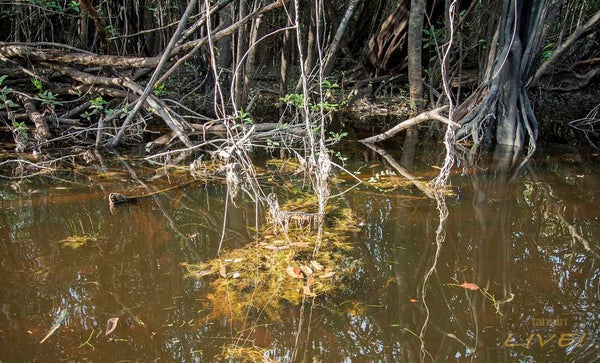
In the stillness of an igapó, the air-water interface is more than a physical boundary. It is a dynamic ecological threshold where forest and river meet, where reflections merge with reality, and where the exchanges that sustain one of the world’s most intricate ecosystems occur continuously yet almost invisibly.
As we’ve discussed so many times here, the idea of mixing of elements- soils, roots, and seed pods with water is a foundational aspect of the botanical-method aquarium.
If there’s one consistent lesson that we keep returning to, it’s that land and water are inexorably linked together. And I think that when we contemplate the dynamic of how water and the terrestrial environment interact, it makes us look at aquatic habitats- and our aquariums-a bit differently.
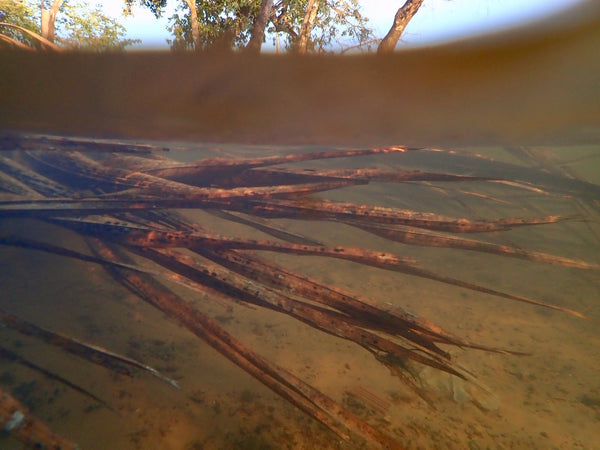
The forest floors of South America are a prime example of how the terrestrial environment and the aquatic are linked, and ecologically dependent upon each other. What drives this relationship?
Well, it starts with...rain.
Rain does more than just bring life to the land- it influences the existing watercourses, which in turn, influence the terrestrial environments. Torrential rains are a sort of catalyst for the formation of the Igapo. After several weeks of rain, the water levels in the rivers rise significantly. Often several meters, and the once dry forest floor fills with water from the torrential rain and overflowing rivers and streams.
The Igapos are formed.
Flooded forest floors.
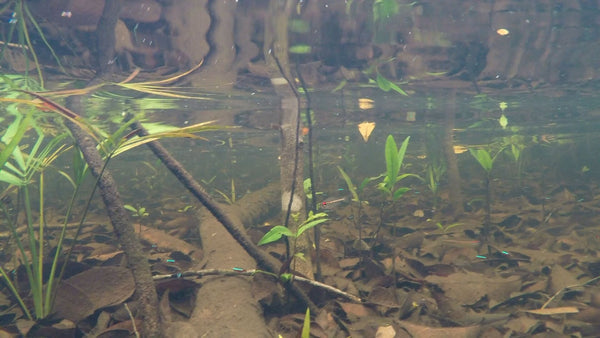
The formerly terrestrial environment is now transformed into an earthy, twisted, incredibly rich aquatic habitat, which fishes have evolved over eons to live in and utilize for food, protection, and spawning areas.
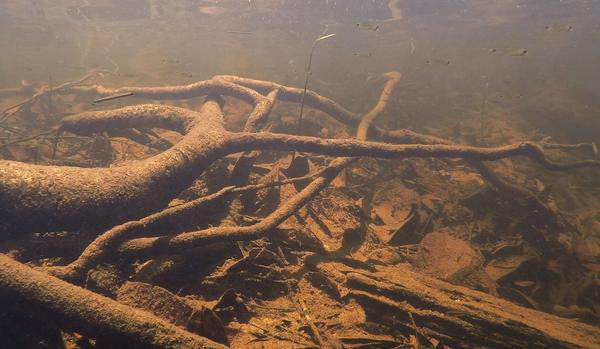
All of the botanical material-shrubs, grasses, fallen leaves, branches, seed pods, soil, and such- is suddenly submerged. Over time, significant water levels create strong currents, which re-distribute the soils, sediments, leaves and seed pods and branches into little pockets and “stands”, affecting the (now underwater) “topography” of the landscape.
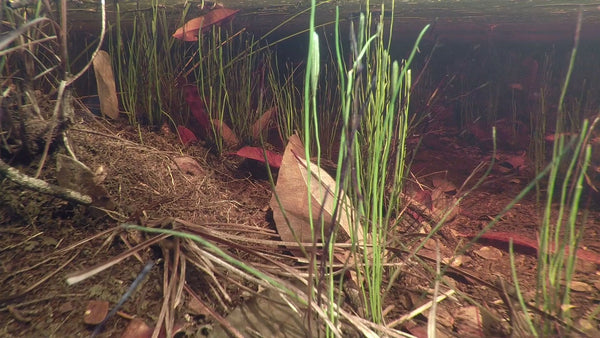
From an ecological perspective, this transformation from terrestrial to aquatic presents challenges- and opportunities for the organisms which live in these habitats. The ecological adaptations that the inhabitants are required to make are fascinating and dynamic. As the rain continues to fall, branches and stems of trees, once higher up in the forest ecosystem, become an enticing hiding place or foraging area for fishes, which can now easily access them.
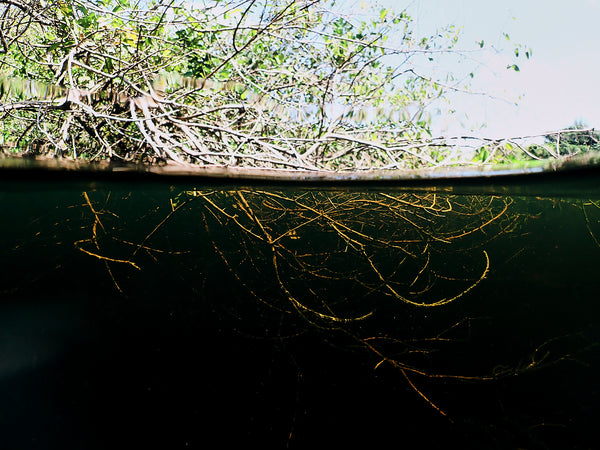
Leaves begin to accumulate.
Soils dissolve their chemical constituents- tannins, and humic acids- into the water, enriching it. Fungi and micororganisms begin to feed on and break down the materials. Aquatic insects and diverse organisms as well-known as copepods and as unusual as tree sponges- come to life.
Land and water working together.
It’s an intimate, interrelated, “codependent” sort of arrangement!
I believe that it’s important to think of the relationship between the terrestrial habitat and the aquatic one when visualizing the possibilities of replicating nature in your aquarium in this context.
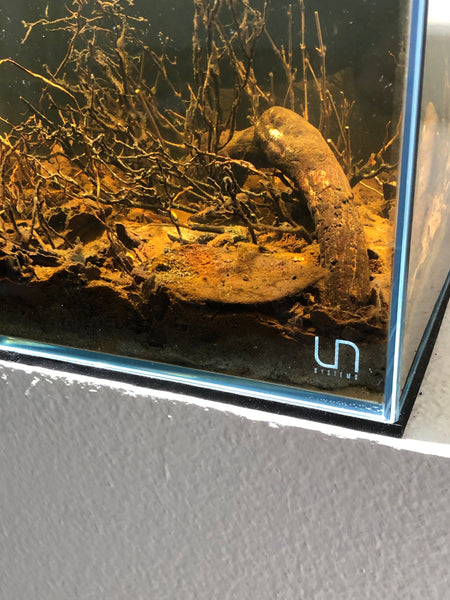
We’ve talked about the idea of “flooding” an aquarium setup designed to replicate aspects of an Amazonian forest for a while now. The so-called “Urban Igapo” idea is fascinating, exciting, and becoming sort of “well-trodden territory” now, with lots of people in our community embracing the idea and doing amazing executions!
It’s been incredibly fun for me, sort of attempting to simulate some of the processes which happen seasonally in Nature. With the technology, materials, and information available to us today, the capability of creating a true “year-round” habitat simulation in the confines of an aquarium/vivarium setup has never been more attainable.
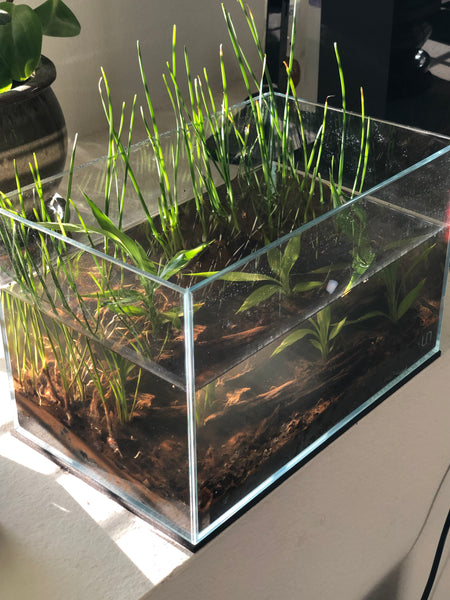
Now, that’s all well-and-good. We’ve kind of figured out how this wet-and-dry cycle can be managed in these types of systems. And we’re collectively learning more and more about them, to everyone’s benefit.
Yeah, the water-land relationship is becoming more and more obvious to aquarists as something to really embrace in our aquarium work. The irony, as I see it, is that the greater aquascaping world-the part of the hobby most visible to non-hobbyists- more often than not simply fails to demonstrate, or even acknowledge in their work, the relationship between land and water, when the bulk of the materials used in aquascapes are of terrestrial origin to begin with!
One would think that these folks would absolutely crush it with their skill set…
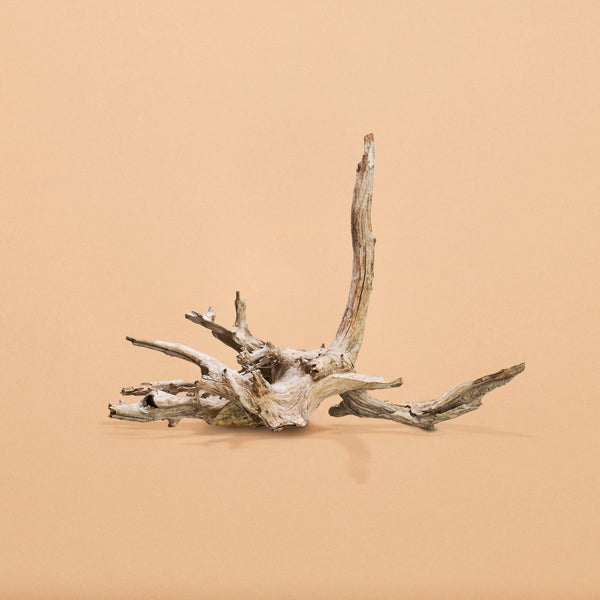
What a strange disconnect!
And NO, being “inspired by” a mountain, or doing a “diorama-style” ‘scape replicating a “cloud forest” using aquatic moss on glued-together “Spiderwood” pieces is NOT highlighting this relationship! 😆
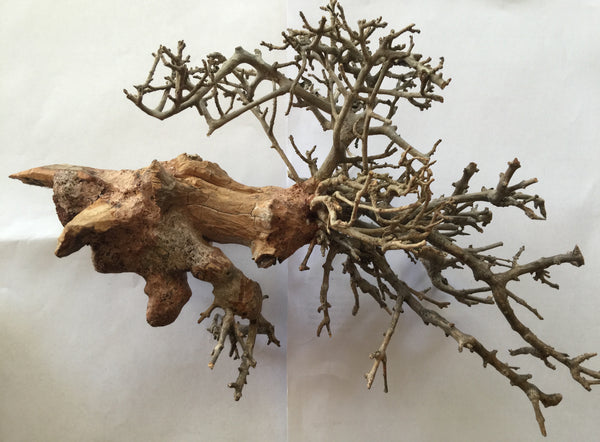
The real land/water relationship is far different. It’s more about soils, fallen trees, leaves, and root tangles. and further still, it’s about epiphytic growth, and the foraging opportunities that they bring to our fishes.
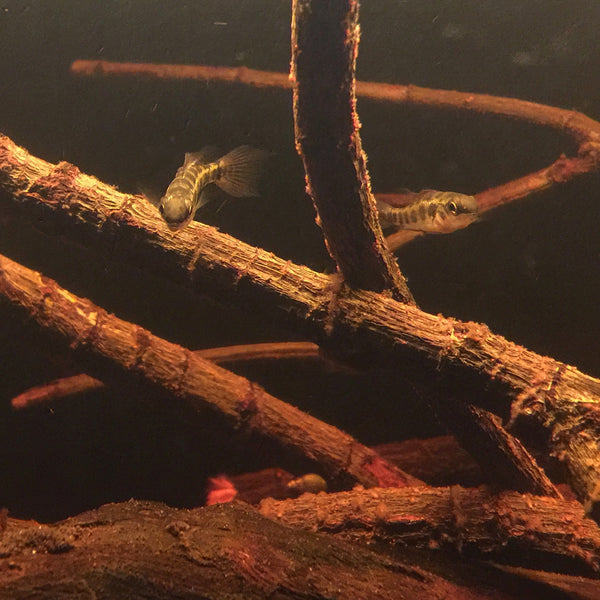
We talk a lot about “microhabitats” in Nature; little areas of tropical habitats where unique physical, environmental and biological characteristics converge based on a set of factors found in the locale. Factors which determine not only how they look, but how they function, as well. The land-water interface is like the “poster child” for this!
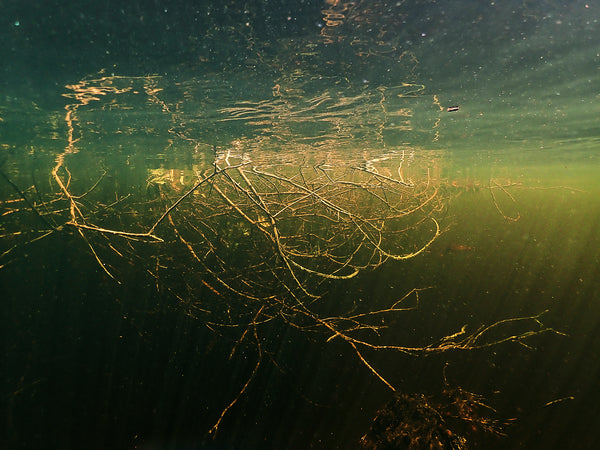
And we can replicate many of these factors with unique natural materials.
Now, small root bundles and twigs are not traditionally items you can find at the local fish store or online. I mean, you can, but there hasn’t been a huge amount of demand for them in the greater aquascaping world lately…although my ‘scape scene contacts tell me that twigs are becoming more and more popular with “serious aquascapers” for “detailed work”…so this bodes well for those of us with less artistic, more functional intentions! (Apparently, if the more “serious” sectors of the hobby create demand, the supply seems to follow..😆)
Of course, we’ve been playing with these materials -when we can source them-for years, for completely different reasons, because we are approaching this stuff from a totally different angle than our Aquascaping friends do.
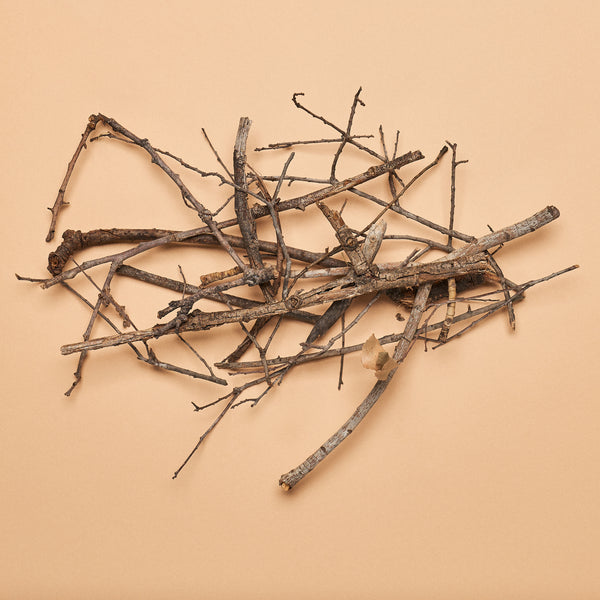
And that “angle” is function. And the “muse” is Nature.
In flooded forests, roots are generally found in the very top layers of the soil, where the most minerals are. In fact, in some areas, studies indicated that as much as 99% of the root mass in these habitats was in the top 20cm of substrate! Low nutrient availability in the Amazonian forests is partially the reason for this. And since much of that root mass becomes submerged during seasonal inundation, it becomes obvious that this is a unique habitat.
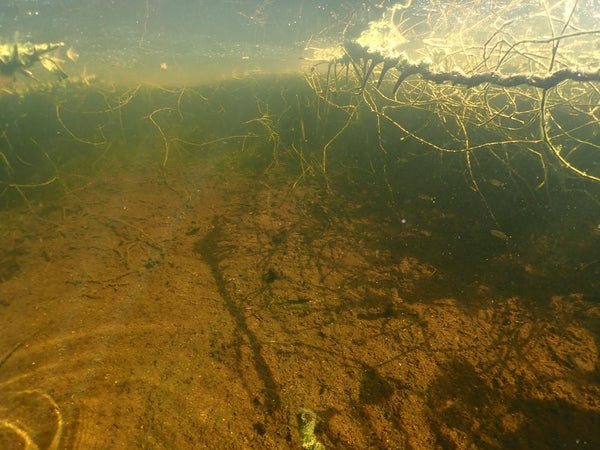
So, ecological reasons aside, what are some things we as botanical-method aquarium enthusiast can take away from this?
We can embrace the fact that most of these finer materials will function in our aquairums as they do in Nature, sequestering sediments, retaining substrate, and recruiting epiphytic materials which fishes will forage, hide, and spawn among.
You can use a lot of materials to create a very dense look of tangled root structures extending into the water. For example, Melastoma roots have a perfect, delicate structure, and when combined with other, smaller wood pieces of materials create a very unique, realistic look.
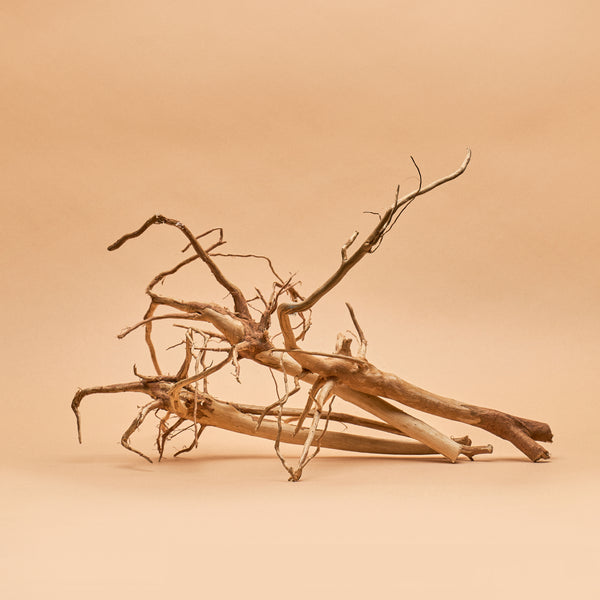
The nice thing about a tangled mix of roots is that it not only creates a unique aesthetic- it instantly creates a fascinating replication of a unique natural habitat for fishes. And of course, we botanical-method aquarists are in a unique position to experiment with- and reap the befits of- these amazing natural materials.
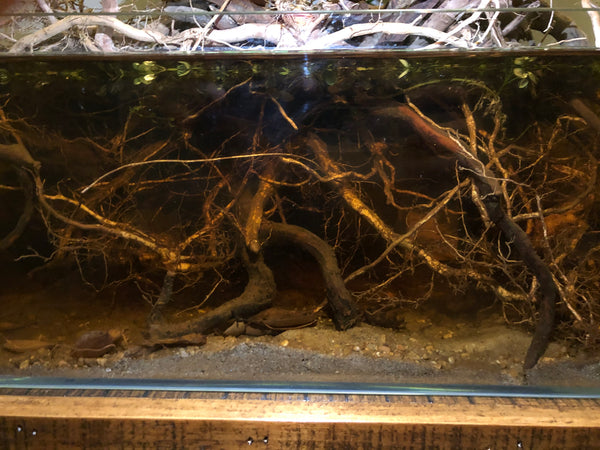
In an aquarium set up to take advantage of these materials and their function, as the roots begin to soften and ultimately break down, they will foster microbial growth, biofilms, and fungal growths- all of which will provide supplemental foods for the resident fishes...just like what happens in Nature.
Fungal growth, biofilms, and small crustaceans/microorganisms will colonize the tangled matrix of small roots with the enormous surface area they offer. This has the dual advantage of functioning not only as a producer of supplemental food sources, but as a natural nutrient processing “facility” in the aquarium. This is a huge and important benefit provided by this type of assemblage.
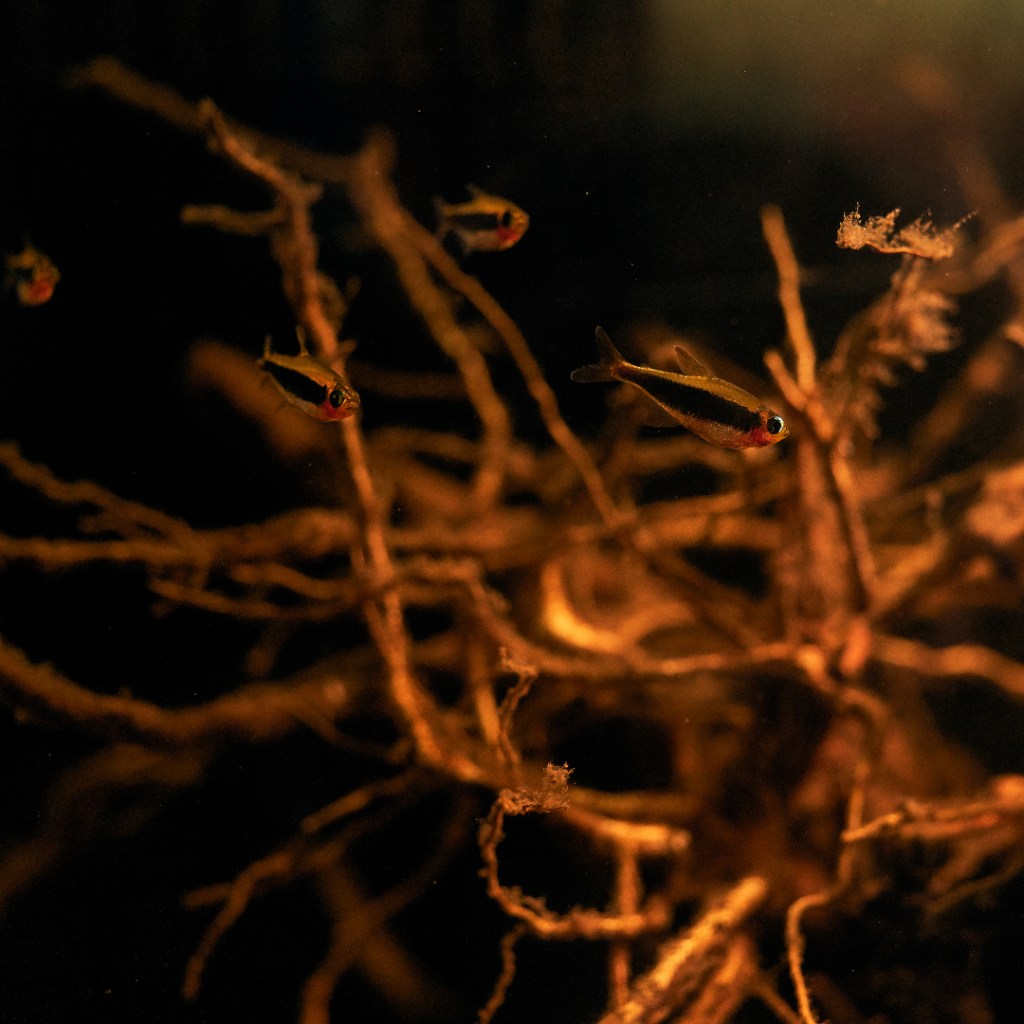
Roots find their way into aquatic systems because..well- the aquatic system usually finds THEM! Areas of grasslands or varzea/igapo forest become flooded during seasonal inundations, and suddenly, the terrestrial habitat is transformed into a rich, productive- and unique-looking aquatic habitat, brimming with life.
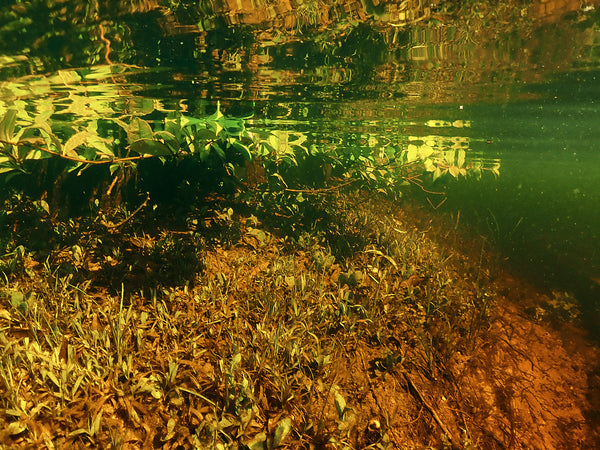
Another absolutely perfect example of the intricate relationship between land and water that you simply won’t get to truly appreciate if you don’t allow those areas of biocover to accumulate.
So, yeah, we can deliberately and easily create what, in Nature occurs by happenstance.
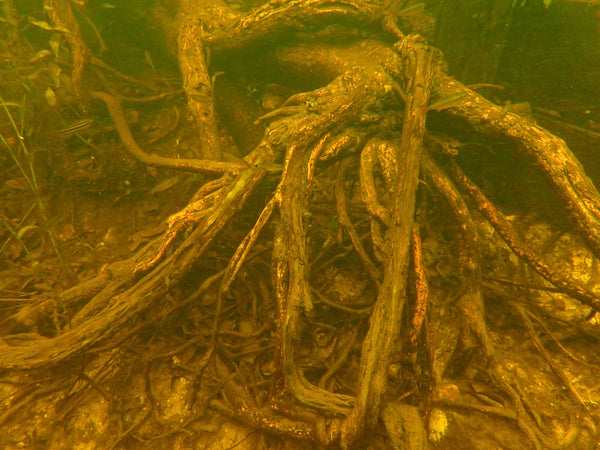
Big takeaway here: The thing that is fascinating about roots is that they function in our aquariums just like they do in Nature. Utilizing these materials in our aquariums is an easy, interesting way that we can replicate and study this unique microhabitat.
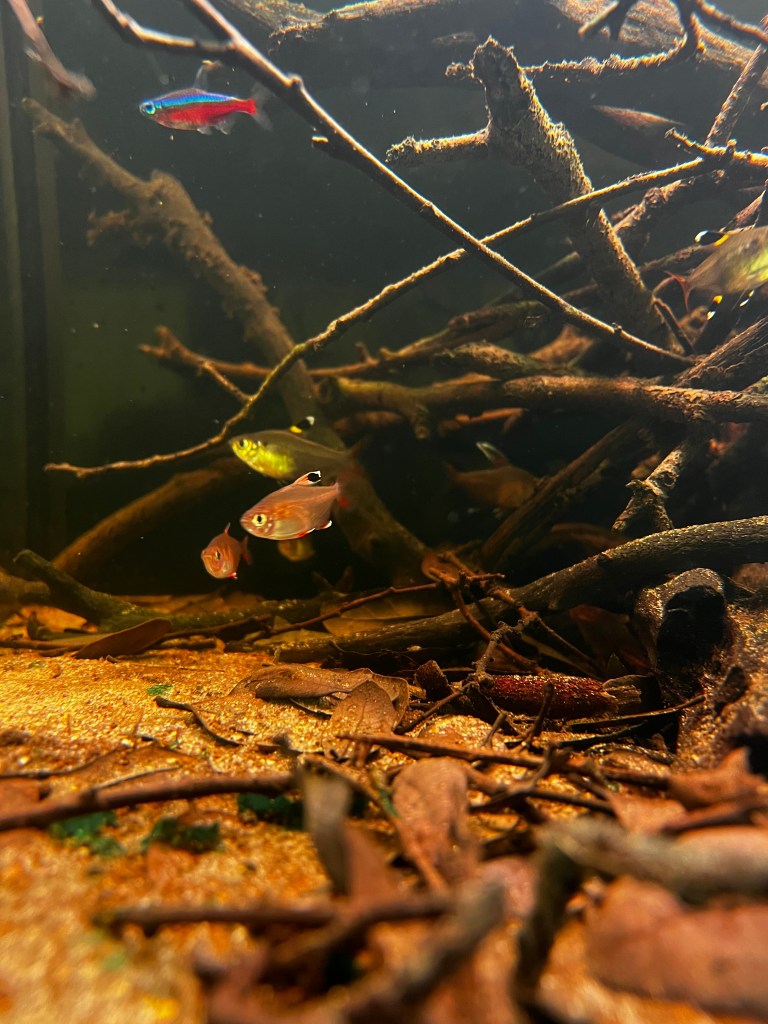
You’ll get to take a good, serious look at the elegance and function of these amazing natural ecological niches, which often go unnoticed by all but the most astute observers in the wild…right from the dry comfort of you own home.
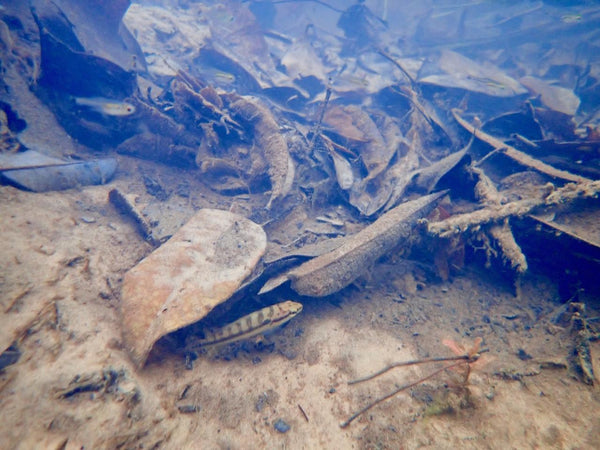
Even in a more “aesthetic focused” display, roots can be allowed to accumulate the aforementioned epiphytic materials and to sequester sediments, to the advantage of our fishes, and to the delight of our senses!
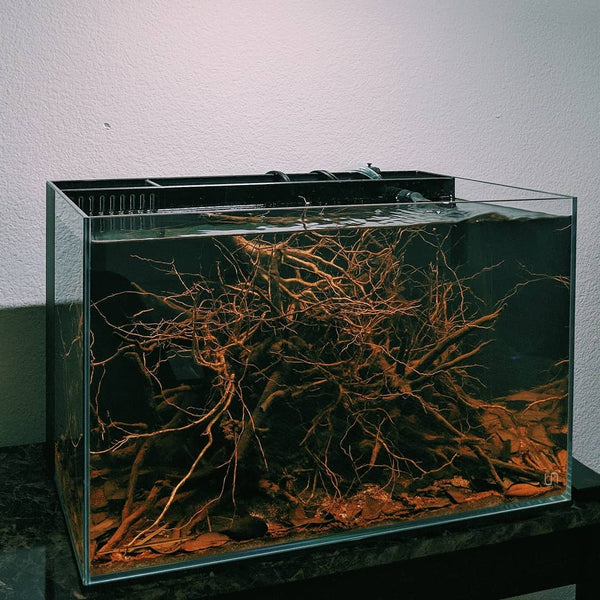
I hope today’s deeper dive into the air/water/land relationship gives you a bit more incentive, inspiration, and motivation to use readily-available materials to create unique and compelling aquatic habitats in your own home.
Say inspired. Stay fascinated. Stay engaged. Stay creative…
And Stay Wet.
Scott Fellman
 The Tint
Leave a comment