
Part of what I love about the aquarium hobby is the many different directions that we can choose to take. And, with so many hobbyists getting into this dark and earthy world that we play with, it’s important to look at what we do in the context of aquarium hobby overall, and how this affects our understanding and expectations of the botanical method approach.
I think it starts with looking at the current “rules” of the aquarium game, and what their implications are.
As long-term readers of “The Tint” know, I tend to take an extremely dim view of “rules” that Nature herself hasn’t laid out. People ask me why this is, and I think it comes from my deep distrust of “them”, and an overwhelming respect for the way Nature has created her ecosystem.
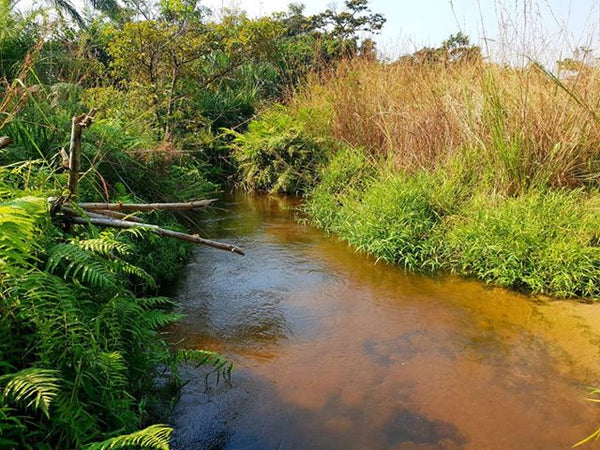
Some of the most offensive “rules”, IMHO, tend to be those which dictate the way materials need to be laid out within an aquarium in order to conform to some sort of “style.” Now, before you go on and rail on me, I’m not saying that you shouldn’t take into consideration some artistic norms, with due consideration that we are working in confined spaces, etc. I’m not saying that utilizing some guidelines from the art world or design is a bad thing! There is a lot of very good stuff we can grab from that world. It’s not “us versus them” by any stretch.
Enjoy your hobby the way you want to.
That being said, I can’t help but think about how Nature forms the ultimate “prototype” for almost everything we do. And how we as a hobby seem to have sort of turned the other way for a long period of time and embraced a more “artistic” style as opposed to a purely “natural” one. I suppose there is a sort of satisfaction to that, but choosing style above function always makes me feel a bit uneasy.
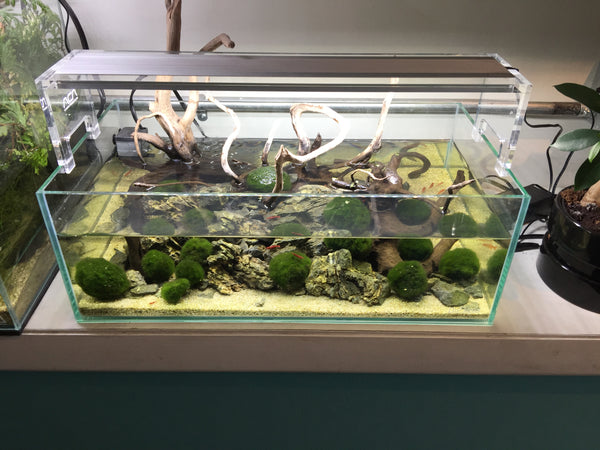
Don’t get me wrong- I love artistic ‘scaping, and like to incorporate some aspects of it in the work that I do. I’m not advocating that you go 360 degrees in the other direction and become obsessively “biotope-centric”, either.
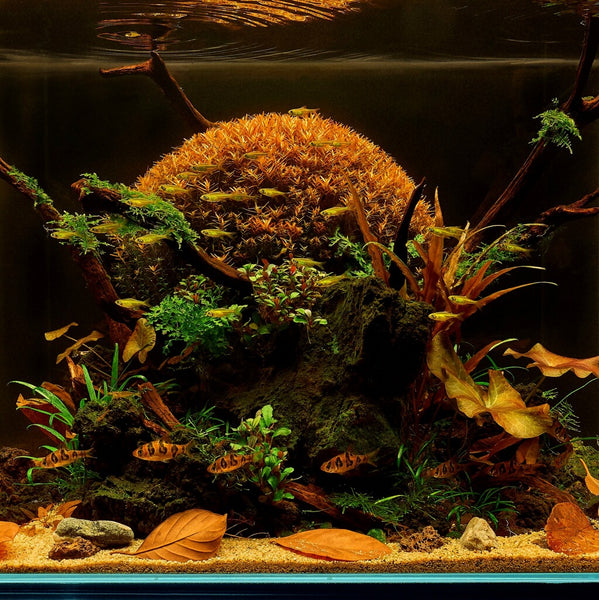
It’s just that I have looked at the botanical stuff with more than just a nod to how they make the aquarium look, and I think we all need to understand that it’s more than just about the pure aesthetics here. I understand why aquascapers embrace some of the theories of color, style, etc…but sometimes wonder if the “pervasiveness” of this mindset in the hobby has prejudiced us to the point where we have created a “standard” for what we think Nature looks like: Orderly, neat, precise, and perfectly proportioned.
As we know, Nature couldn’t give a shit about our perceptions of her work! She does what she does as a response to circumstances.
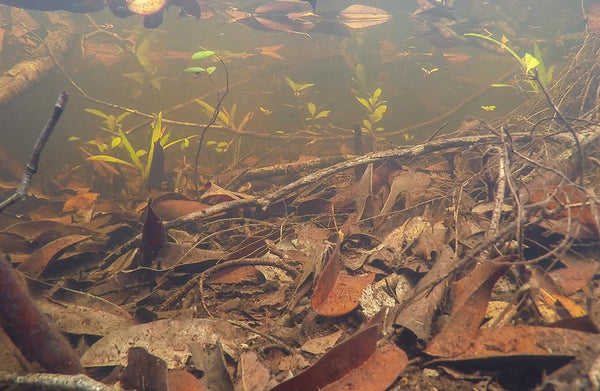
Is there not beauty in “randomness”, despite our near-obsessive pursuit of rules, such as “golden ratio”, color aggregating, etc? Surely there is some happy medium here?
I think so.
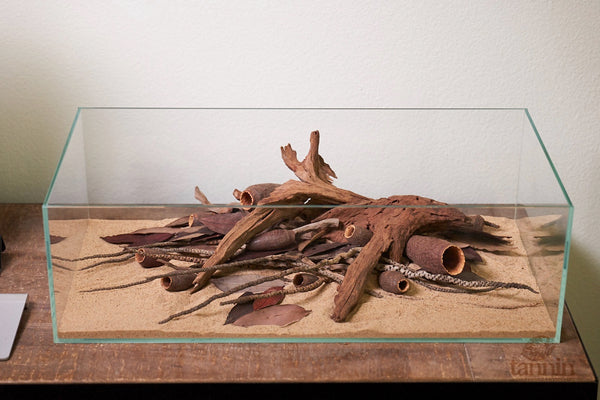
Just because last year’s big ‘scaping contest winner had the “perfect” orientation, ratios, and alignment of the “(insert this year’s trendiest wood here) branch” within the tank, doesn’t mean it’s a real representation of the natural functionality of “randomness.”
In other words, just because it looks “good”, it doesn’t mean it’s what Nature looks like.
Or acts like, for that matter.
And again, if that’s your thing- respect. But please don’t call your tank “natural” as if it’s the ultimate representation of what we see in a wild aquatic habitat. I see this a lot online and it’s kind of laughable. Giving your work some haiku-adjacent name and implying that you “stand with Nature” or some other horseshit just rings hollow. Just call your work what it is: A beautiful piece of art using natural materials.
One of the things that we’ve noticed lately in the hobby, particularly in our sector, is a trend towards more “realistic” aquariums. Not just systems which look like natural environments; rather, systems which are modeled as much after the function of them as the aesthetics. They look the way they do because of the function which they foster.
“Functional aesthetics.”
A less rigidly aesthetically-controlled, perhaps less “high-concept” approach in the eyes of some- setting the stage for…Nature- to do what she’s done for eons without doing as much to “help it along.” Rather, the mindset here is to allow nature to take it’s course, and to embrace the breakdown of materials, the biofilms, the decay…and rejoice in the ever-changing aesthetic and functional aspects of a natural aquatic system- “warts and all” -and how they can positively affect our fishes.
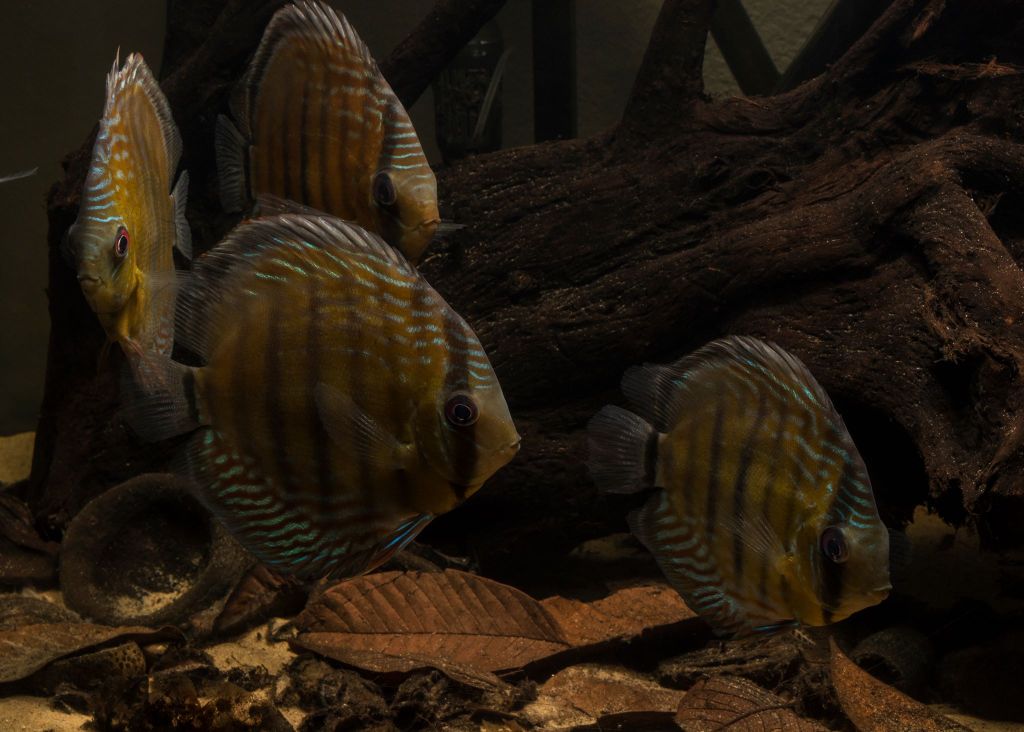
We’re seeing that not only do botanicals, leaves, and alternative substrate materials look interesting- they provide a physiological basis for creating unique environmental conditions for our fishes and plants. We’re seeing fish graze on the life forms which live in and among the decomposing botanicals, as well as the botanicals themselves- just like in nature...And we are seeing the influence- aesthetically and chemically- that these materials assert on the aquarium’s environmental parameters.
Some of the “next” things that I see our community working on are further explorations into understanding and replicating natural water parameters and what the implications are for our aquariums. I also see more developments in trying to recreate some aspects of natural “food chains” in our BWBS aquariums, by facilitating the growth and reproduction of fungi, microorganisms, and small crustaceans within our botanical “beds” and leaf litter.
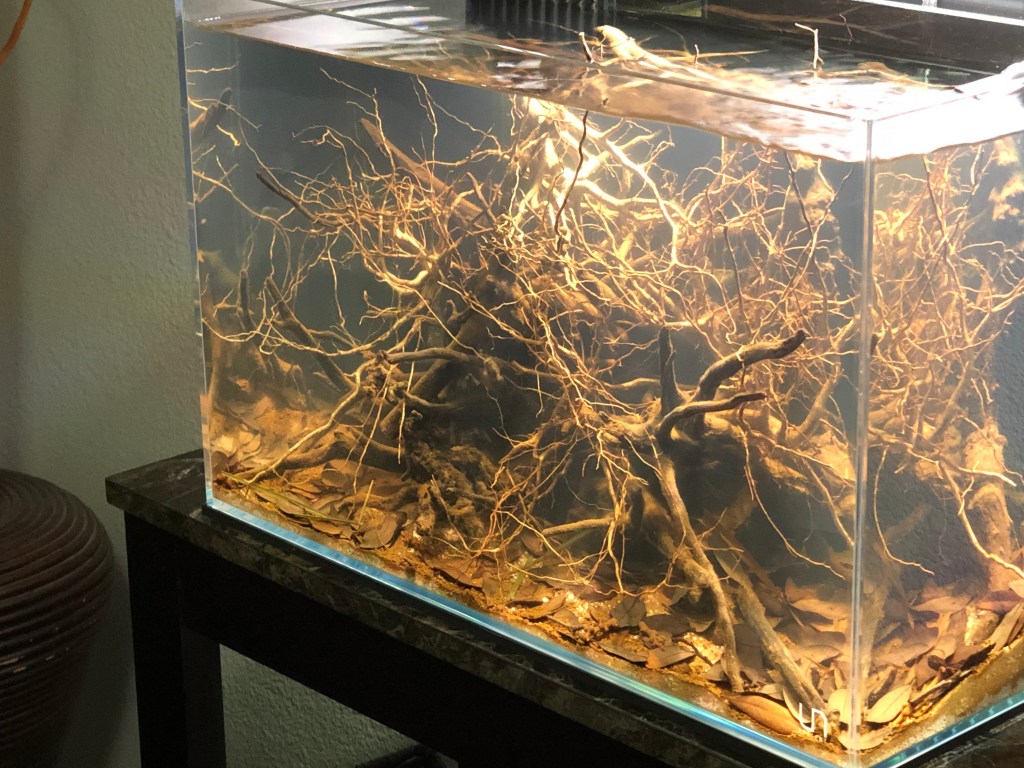
“Functional aesthetics.”
It’s really great to see our community exploring some of these ideas that may not tie to any specific “type” of aquarium. In other words, the lessons we’re learning from botanical method aquariums can apply to a variety of aquarium endeavors, like breeding, biotope aquariums, rearing of fry, and oh yeah– even aquascaping. We’re moving beyond the “will it work?” mindset we collectively had about these tanks just a few years ago, and moving into a “what can we do with what we’re learning” era!
I remember, for a good part of the first couple of years of Tannin Aquatics’ existence, I spent a great deal of time worrying about how the idea of a carefully conceived hardscape slowly transforming by the actions of fungi, bacteria, and decomposition would “play” to my fellow hobbyists. I was worried about potential mistakes and disasters that would befall fellow hobbyists if they pushed too hard, “freelanced” it a bit.
If they ignored the processes behind the aesthetics.
Fortunately, it never happened all that much.
Yes, some of you may have experienced some disastrous results experimenting with botanicals- particularly when adding them en masse to an established, stable aquarium. I had a few bad outcomes in my early days of experimenting with this stuff, myself. There IS a learning curve- even now. Botanical method aquariums are NOT plug-and-play systems. You can’t simply dump a bunch of prepared seed pods and leaves into an established aquarium and expect “Instant Amazon.”
It doesn’t work that way.
Any more than dropping wood, plants, and hardscape into a tank and expecting them to spontaneously assemble themselves into a beautiful aesthetic work of art.
And we’re learning that, just because the water has a “tint” to it doesn’t mean that you’re achieving “natural” environmental characteristics in your aquarium.
This is a concept that we need to embrace. There is a lot more nuance– a lot more things you need to do, observations you need to make, and stuff to learn in order to get there.
Really- there are no shortcuts.
Now, all that being said, it’s not just one big “science experiment”, and that there is no room or “tolerance” for the “art” of it all. Absolutely not.
You can enjoy botanicals and blackwater aquariums in as much or little “detail” as you care to venture into. You can enjoy this or any approach however you want. I just think that there is a lot of misinformation about blackwater aquariums, botanicals, and their associated use, and I’d hate to see that taint the real enjoyment you can achieve by exploring in a more uninhibited fashion (with due respect to Nature’s “rules” about the nitrogen cycle, stocking, etc., etc.- the basics of aquatic husbandry…)
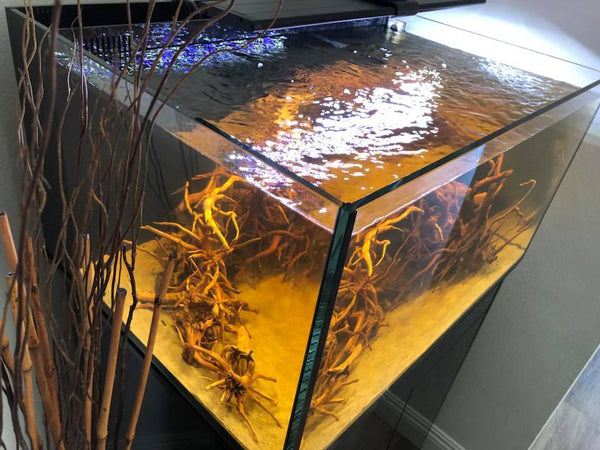
It’s about expectations and understanding.
If you’re just looking for a cool aesthetic, that’s okay. You simply need to understand what happens to botanicals when they are submerged in water…how they break down, what they do to the appearance and environmental parameters of our tanks.
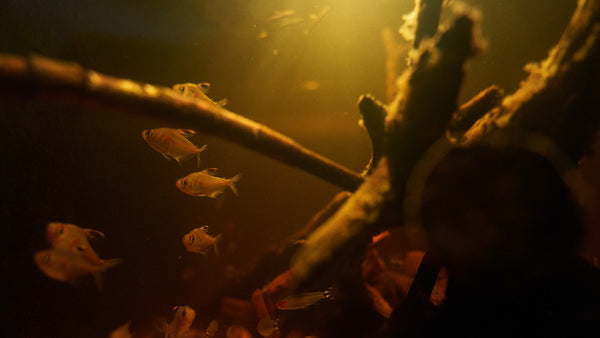
The concept of “functional aesthetics” is at the absolute core of the botanical-method aquarium. In more traditional fishkeeping philosophy, tank decoration is usually purely visual—plastic plants or artificial resin castles that look nice to the human eye but do nothing for the ecology of the aquarium. The botanical method flips this completely, and suggests that every aesthetic choice doubles as an ecological component.
Even the resulting water color is an aesthetic “benefit” arising from function.
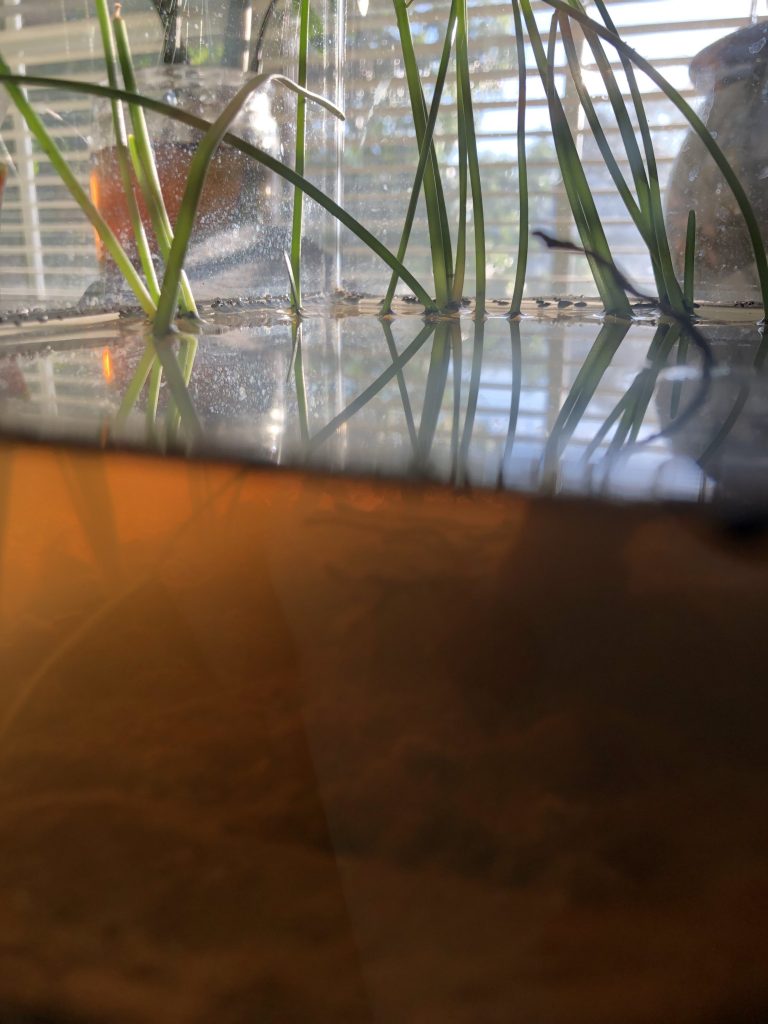
The rich, dark-colored water creates an earthy, mysterious aesthetic. It reduces glare and creates dramatic shadows. Of course, that “tint” is caused by dissolved tannic and humic acids. These compounds naturally lower and stabilize pH under the right circumstances, potentially provide mild antibacterial and antifungal properties, and can bind heavy metals, creating a healthier environment for soft-water fish like bettas, tetras, and discus.
A carpet of decaying leaves creates a beautifully chaotic, realistic substrate texture. As the leaves decompose, they form a matrix for biofilm—a complex layer of beneficial bacteria, fungi, and microbes. This biofilm acts as a constant food source for shrimp and fry, while also supplementing the tank’s biological filtration by processing waste.
Even dense tangles of twigs, roots, and seed pods add incredible visual depth, geometric contrast, and complexity to the layout. These physical structures break up lines of sight, which drastically reduces aggression in territorial fish. They also create “cryptic zones”—micro-habitats where shy species feel secure enough to display their natural behaviors, forage, and spawn.
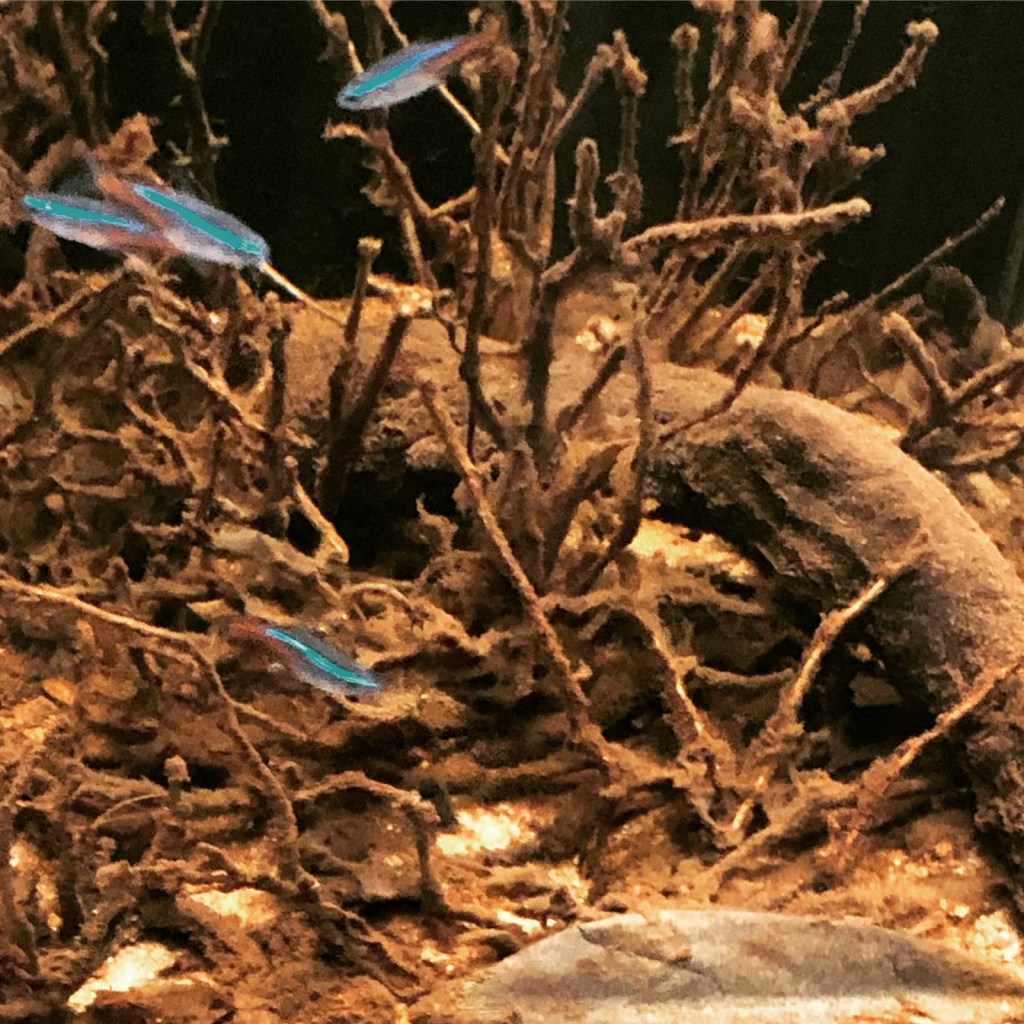
Unlike a static aquascape that you try to keep “frozen” in time, a botanical tank changes continuously as materials break down, curl, sink, and dissolve. It embraces Takashi Amano’s fave concept of wabi-sabi—the beauty of imperfection and impermanence.
This continuous breakdown mimics the natural nutrient cycles of wild aquatic ecosystems. It encourages a living, breathing food web within the aquarium, allowing the tank to become largely self-sustaining over time.
“Functional aesthetics” means that you aren’t just designing a pretty picture to look at; you are designing an ecosystem that manages itself. The fact that it looks incredibly beautiful, natural, and wild is simply a byproduct of it functioning exactly the way Nature intended.
It’s the era of “Functional Aesthetics”– and yeah, you’re right in the thick of things.
Enough philosophical ramblings for today…
Stay inspired. Stay excited. Stay curious. Stay diligent. Stay observant…
And Stay Wet.
Scott Fellman


Leave a Reply