
It’s probably been a few moths since I’ve discussed detritus here, and it’s been on my mind a lot lately.
To truly understand the botanical method, one must look at detritus not as “waste,” but as a highly sophisticated biological matrix. When leaves, seed pods, and twigs break down, they transform into a material that bridges geology, chemistry, and biology. However, the mainstream aquarium hobby hasn’t taken this same POV on the stuff.
The generally accepted hobby definition doesn’t exactly sound flattering:
“Detritus is dead particulate organic matter. It typically includes the bodies or fragments of dead organisms, as well as fecal material. Detritus is typically colonized by communities of microorganisms which act to decompose or remineralize the material.” (Source: The Aquarium Wiki)
That doesn’t sound so good, does it? Detritus needs to hire a new PR firm or something!
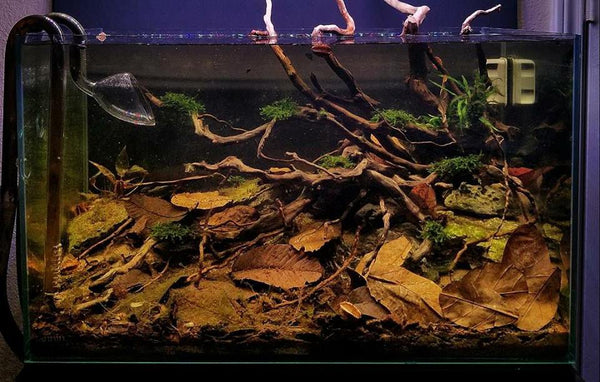
It’s one of our most commonly used aquarium terms…and one which, well, quite frankly, sends shivers down the spine of many aquarium hobbyists. And judging from that definition, it sounds like something you absolutely want to avoid having in your system at all costs. I mean, “dead organisms” and “fecal material” is not everyone’s idea of a good time, ya know?
Literally, shit in your tank, accumulating. Like, why would anyone want this to linger- or worse- accumulate– in your aquarium?
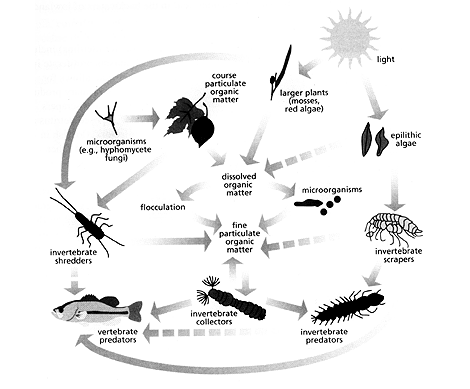
Yet, when you really think about it and brush off the initial “shock value”, the fact is that detritus is an important part of the aquatic ecosystem, providing “fuel” for microorganisms and fungi at the base of the food chain in aquatic environments. In fact, in natural blackwater systems, the food inputs into the water are channeled by decomposers, like fungi, which act upon leaves and other organic materials in the water to break them down.
The whole ecology of many of these systems is based upon detritus!
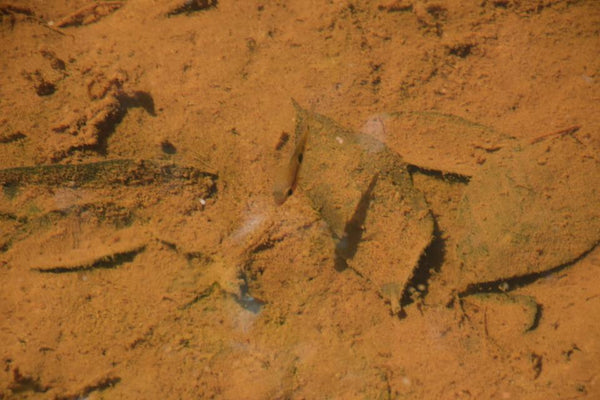
And the leaf litter “community” of fishes, insects, fungi, and microorganisms is really important to these systems, as it assimilates terrestrial material into the blackwater aquatic system, and acts to reduce the loss of nutrients to the forest which would inevitably occur if all the material which fell into the streams was washed downstream!
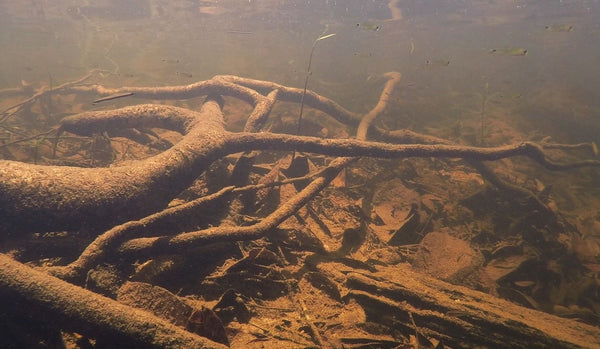
That sounds all well and good and- well, grandiose– but what are the implications of these processes- and the resultant detritus– for the closed aquarium system?
In years past, aquarists who favored “sterile-looking” aquaria would have been horrified to see this stuff accumulating on the bottom, or among the hardscape. Upon discovering it in our tanks, it would have taken nanoseconds to lunge for the siphon hose to get this stuff out ASAP!
In our world, the reality is that we embrace this stuff for what it is: A rich, diverse, and beneficial part of our microcosm. It provides an environment for beneficial bacteria and other organisms, foraging, “aquatic plant “mulch”, supplemental food production, a physical place for fry to shelter, and is a vital, fascinating part of the natural environment.
In both Nature and the aquarium, fungi and bacteria colonize accumulated leaf litter and decomposing botanical materials in a process that ecologists call “conditioning”. This turns indigestible materials into high-protein, nutrient-rich particles. Microinvertebrates (“shredders” and “collectors”) consume this “conditioned” detritus, effectively powering the entire food web.
Without detritus, wild blackwater food chains would utterly collapse.
Think about that.
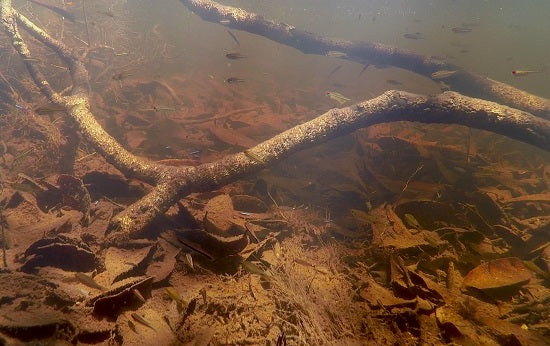
It is certainly a new way of thinking when we espouse not only accepting the presence of this stuff in our aquariums, but actually encouraging it and rejoicing in its presence!
Why?
Well, not because we are thinking, “Wow, this is an excuse for maintaining a dirty-looking aquarium!” No.
We rejoice because our little closed microcosms are mimicking exactly what happens in the natural environments that we strive so hard to replicate. Granted, in a closed system, the implications might be different, and you must pay attention to water quality, but accepting decomposing leaves and botanicals and their resulting detritus as a dynamic part of a living closed system is key to the very processes that we have tried to nurture for many years.
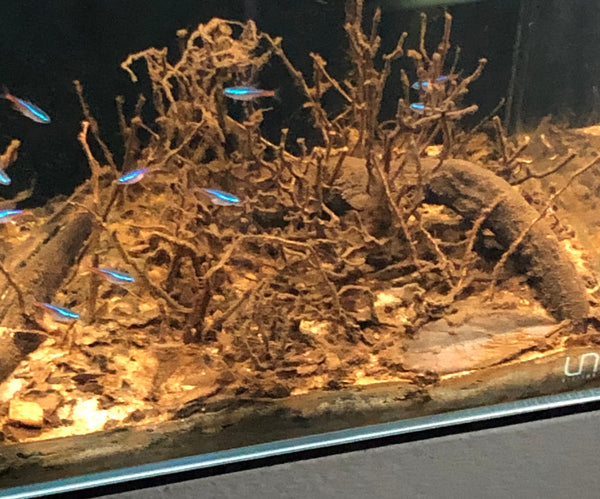
Sure, it’s also a very different aesthetic than what we have been indoctrinated to appreciate over the years: Brown water, leaves, stringy algae films, and bits of decomposing botanical debris. We may not want to have an entire bottom filled with this stuff…
Or, maybe we might!
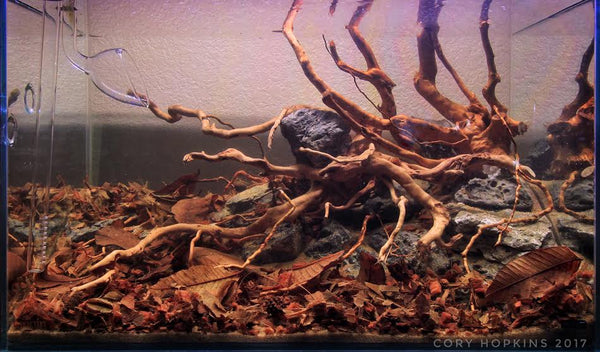
Think about it. Much of this material is not only already broken-down or rendered “inert” to a certain extent
Detritus is rarely more than 20–30% raw plant tissue; the rest is a dense collective biomass of heterotrophic bacteria, fungal hyphae, and “extracellular polymeric substances” (biofilm to you and I) created by beneficial bacteria and microorganisms which live within the “matrix”- it’s processed into a more easily-assimilated form for other aquatic animals.
It’s good stuff. And, infused within this matrix of materials are bound humic and fulvic substances, phenolic compounds, and trapped micronutrients such as iron, nitrogen, and phosphorus immobilized directly from the water column.
Another benefit: The humic acids bound up within the decomposing organic particles function like natural “chelating agents.”, which can actively bind to toxic heavy metals (like copper) and pull them out of suspension, locking them safely away into an inert state.
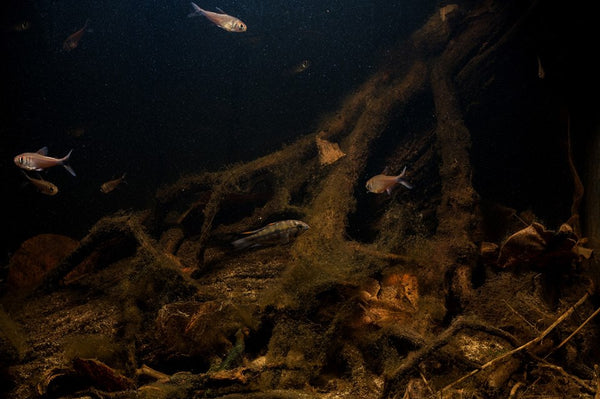
Because detritus is highly porous and accumulates throughout the bottom of the aquarium, it creates a massive surface area for beneficial nitrifying and denitrifying bacteria. Being so “decentralized”, the entire aquarium effectively becomes the primary “filter”, providing immense biological stability and making the system far less prone to catastrophic environmental fluctuations.
So we simply need to consider what’s going on in our tanks before we run off like a headless chicken for the siphon hose!
Check your water parameters. Are you seeing surging nitrate levels? Do you have any detectible ammonia or nitrite? More important, are the fishes healthy, relaxed, and active? If the answer to the first two questions is “no”, and the last is “yes”- and I suspect that it will be in well-managed systems- then perhaps it’s time to simply enjoy whats happening in your aquarium!
If you ARE having issues with ammonia/nitrite, you have more problems than just some detritus, IMHO. If you have some significant accumulations of nitrate, it’s important to review the husbandry processes you employ. I know from personal experience in both freshwater and reef/coral propagation systems that you can have significant quantities of detritus “in play” without deteriorated water quality.
It’s a balance- like everything else in our aquariums. I know that sounds a bit like a “cop out”- but it’s a reality.
To accept and understand that the aesthetic of a heavily botanical-influenced system is simply different than what we’ve come to perceive as “acceptable” in the general aquarium sense.
It’s not for everyone, I’l grant you that.
It’s not something that we are used to seeing in aquairums. However, the feedback I’ve been getting from you over the past decade regarding the systems you’ve set up in this fashion is that they have created an entirely new perception and understanding of a freshwater aquarium. They’ve enabled us all to try a completely different aesthetic experience, to gain a greater understanding of the processes that occur naturally, which are of great benefit to the fishes we keep.
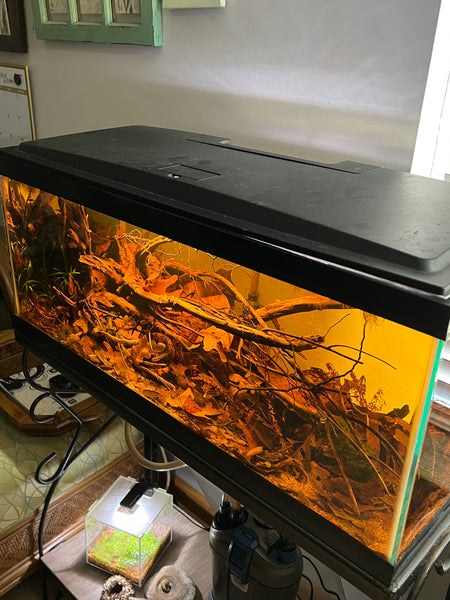
Attempting to keep our tanks essentially “sterile” is an almost futile, and ultimately detrimental practice, IMHO. The idea of creating “unnaturally clean” conditions likely results in some microorganisms struggling to find food. You’re attempting to break the very “food web” that Nature is trying so hard to create for your tank!
Now, our aquariums are not absolutely “natural”, open systems. We know this. However, embracing some natural processes and emulating functions of wild ecosystems might be a key “unlock” in order for certain organisms to survive and thrive long term.
Again- when you find yourself struggling to accept the way the stuff looks in your botanical method aquairum, remind yourself as often as necessary that detritus serves as a food source– and a food “processing/producing” source for fishes and the other aquatic organisms which live in our tanks.
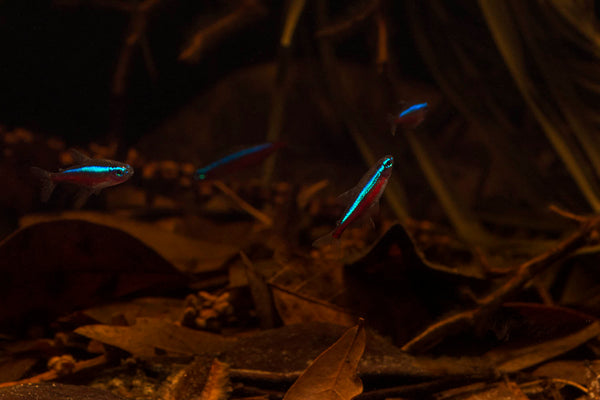
And yeah- detritus is found in gut content analysis of many fishes. Here is a charming passage from a scientific paper, with a rather comprehensive description of gut contents from one of our fave fishes, the Cardinal Tetra:
“The stomach content was categorized as “detritus”… when it was found in sufficient quantities within the proper stomach, so that the conclusion of “detritus-feeding” appeared as a realistic proposition…the hind gut, filled with the digested material, practically always contained particles that could be listed as detritus. In addition, small quantities of detritus particles remain from prey guts, and/or enter the stomach when the fish are browsing for small prey over the surface of plants, litter and woods.”
Many other beloved blackwater species, such as Geophagus (Eartheaters), Apistogramma, and various dwarf cichlids, are behaviorally “hardwired” to sift through the substrate. In the wild, up to 77% of an Eartheater’s diet can consist of detritus and the microscopic organisms living within it.
So, yeah- this stuff is very important to our fishes as a nutritional source.
I cannot emphasize this enough!
And of course, you always must use common sense in stocking, feeding, and maintaining your aquarium However, I think stressing a bit less about keeping our aquariums completely spotless is a really good step to take.
I think so. Really.
And consider this: The “detritus” that we’re convincing you to embrace in your aquarium is NOT uneaten food or excesses of fish feces. It’s broken-down botanical materials and their associated components. Stuff like that. The result of biological processes of decomposition and bacterial colonization/assimilation.
Not the result of poor fundamental aquarium husbandry.
Instead of relying solely on a plastic filter box, a botanical substrate utilizes detritus as a massive, decentralized biological filter. The fine particles exponentially increase the surface area available to beneficial bacterial colonies. Because these organic layers contain both oxygen-regulated surfaces and anoxic ones, they recruit specialized bacteria that actively process dissolved organic compounds and ammonia, transforming them safely into nitrate. You know, the nitrogen cycle thing?
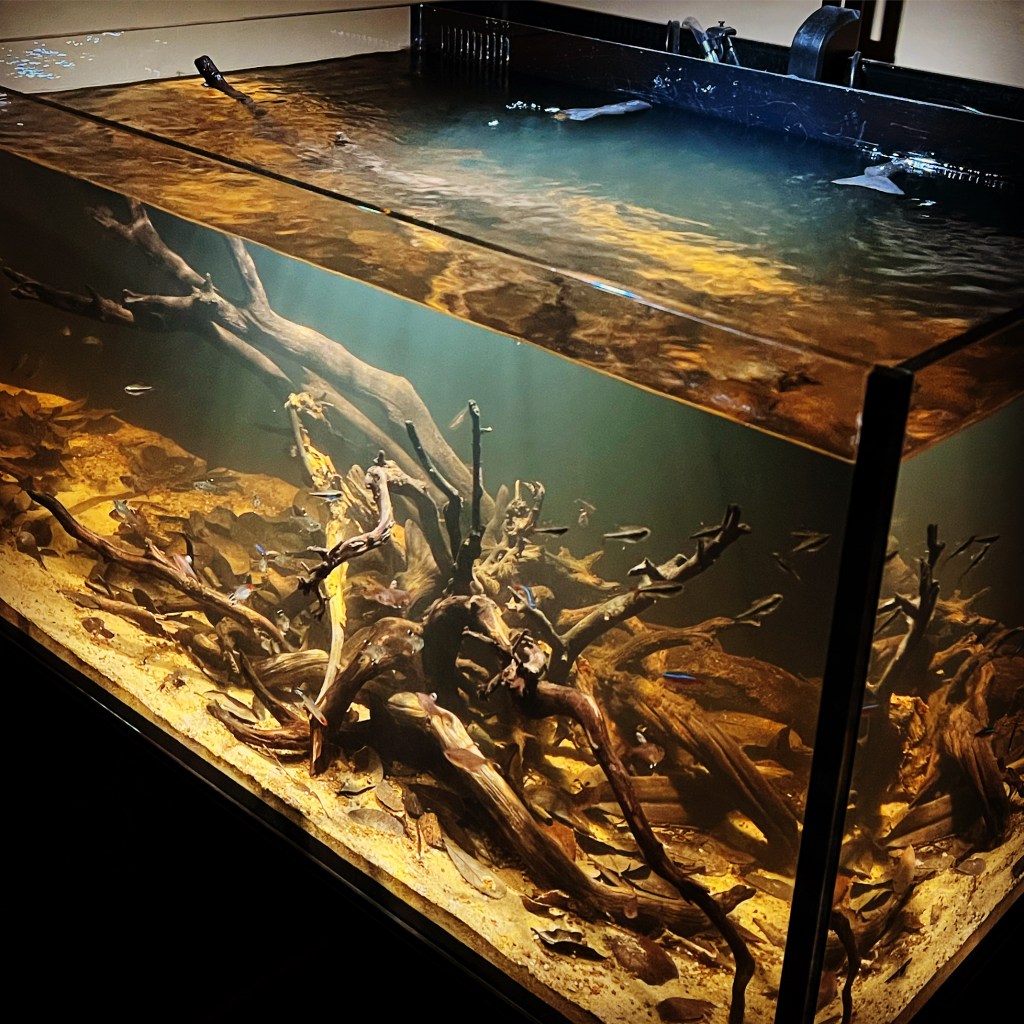
We should all know that uneaten food and fish poop, accumulating in a closed system can be problematic if overall husbandry issues are not attended to. We should all know that it can decompose, overwhelm the biological filtration capacity of the tank if left unchecked. And that can lead to a smelly, dirty-looking system with diminished water quality. I know that. You know that.
In fact, pretty much everyone in the hobby knows that.
Yet, as a hobby, we’ve really sort of heaped detritus into this “catch-all” descriptor which has an overall “bad” connotation to it. Like, anything which is allowed to break down in the tank and accumulate is bad. Anything that looks like “dirt” is…well, “dirty”, dangerous, and should be treated accordingly.
Now, “dirty-looking” and “dangerous” are two very different things, right? Do natural habitats look “dangerous” to the life forms which reside in them?
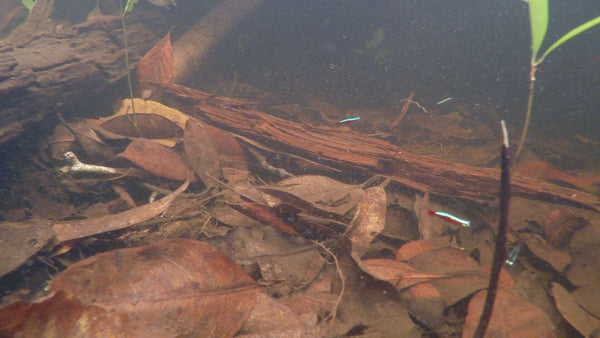
Now, if it’s uneaten food that you’re seeing accumulate in excess, then you need to figure out a more accurate feeding approach. Same with fish waste. At the very least, you likely need better circulation and mechanical filtration within your system. And of course, you need to address why it is you have so much uneaten food accumulating in your system!
In botanical-method aquariums, however, if most of what is accumulating in your mechanical filter media and on the substrate, etc. is just broken-up, decomposing bits of botanicals, I’d have little concern. That’s what happens to terrestrial materials in an aquatic environment. It’s normal for these types of aquariums.
As we’ve discussed ad infinitum here, various organisms, like fungi, etc., work to break down these materials and begin the decomposition process. It’s part of the natural “operating system” of the botanical-method aquarium.
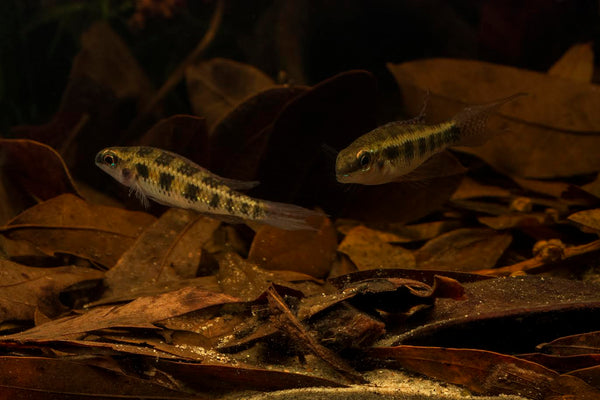
Some words of advice?
Nature can be a rough place. The natural aquatic world doesn’t take lightly to those who seek to edit it, parse it, or circumvent it.

It’s true. Best that you understand this. Don’t try any “hacks.”
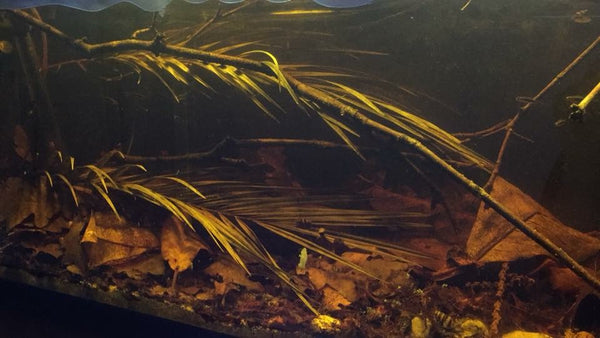
We know this, because when we try to “beat the system” by skipping a step, wishing things away, or ignoring Nature’s “rules”, bad outcomes usually follow.
But, here’s the thing…
Nature can also be forgiving…It just takes a while for the “fix” to happen. Yeah, even when we DO “cheat”; even when we take a “shortcut”; even when we fly in Her face- after the initial “ass kicking”– She’s got our back…
For example, when you aggressively siphon your sand, interrupting Her process by removing the bulk of the detritus, biofilms, or other organics, not to mention the organisms which utilize them, there might be consequences like a temporary ammonia or nitrite spike.
Bad, right?
Well, yes…
However, after the spike, if you are patient, keep feeding your tank, and don’t do anything stupid, like adding more fishes or do 100% water exchanges- your tank will recover. Beneficial bacteria and microorganisms populations will re-establish themselves. The systems that were in place before will rebound and re-establish themselves.
Yep, they eventually bounce back, creating some sort of equilibrium. Our aquariums are a lot more resilient than we give them credit for.
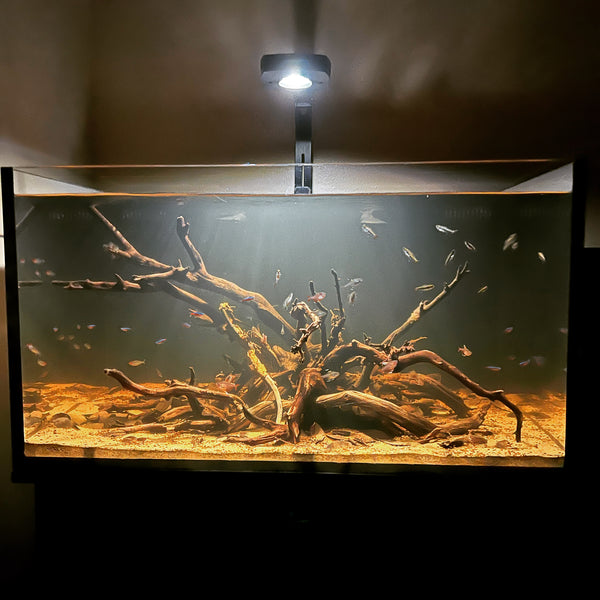
The passage of time and a “hands-off” approach to this recovery is crucial. And if you do step back and let Her do the work, Nature is oddly forgiving in this regard. We simply have to give Her the opportunity to continue on, as She has for eons, without our continued interference.
As we’ve mentioned repeatedly, Nature “does Her thing” regardless of what we think. For example, algal blooms appear because the conditions favoring their growth- light and nutrient loads, favor their establishment and growth. And they’ll continue to do so as long as these factors remain in play. If we back off the light and continue regular nutrient export processes, at some point, the algae bloom will fade to a more “tolerable” level.
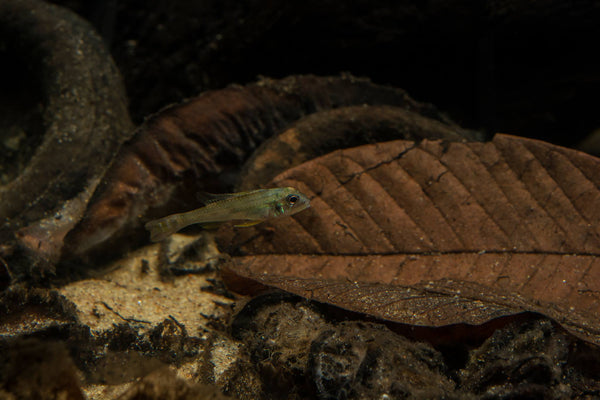
Now, sure- some of Nature’s processes require us to make “mental shifts” to accommodate.
Detritus, like biofilms, and fungal growths- as objectionable in appearance though they may be to us as aquarists- perform vital functions in Nature and in the aquarium. They are not only normal- they’re beneficial. They are something that we have been indoctrinated to loathe; to fear.
Why? Largely because they look “yucky.” Because they tear at our aesthetic sensibilities. They go against everything that we’ve been told is “healthy”- when the reality is that the appearance of these life forms is your confirmation from Nature that everything is functioning as it should.
We can benefit enormously as aquarists by embracing Nature in its most unedited, literal form.
And that is something that we understand is not appealing to everyone. And sort of “sticking it in everyone’s face” and suggesting that a truly “natural” aquarium requires the acceptance of a very polarizing aesthetic certainly can turn off some people.
I do get it.
However, I see little downside to studying Nature as it is.
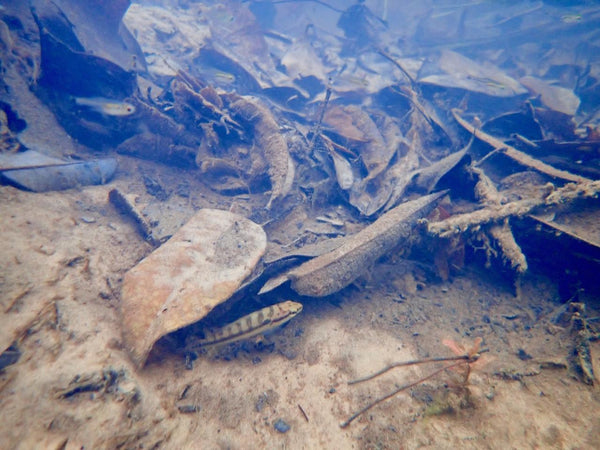
It’s very important, IMHO, to at least have a cursory understanding of how these habitats have come to be; what function they perform for the piscine inhabitants who reside there, and why they look the way they do. Even if you simply despise the types of aquariums we love here!
And detritus?
Learn to understand it, appreciate it, and yeah- embrace it as a “partner” in your quest to create and maintain a healthy, natural aquatic ecosystem. You won’t regret it.
Stay patient. Stay observant. Stay bold. Stay grounded…
And Stay Wet.
Scott Fellman


Leave a Reply