
There is something magical about unique aquatic habitats, isn’t there?
Actually, let me clarify.
I find almost ANY aquatic habitat alluring, as most any fish geek does. And the interesting thing is that just about any body of water that fosters aquatic life is like a magnet, drawing the hardcore fish geek to it “like a moth to a flame.”
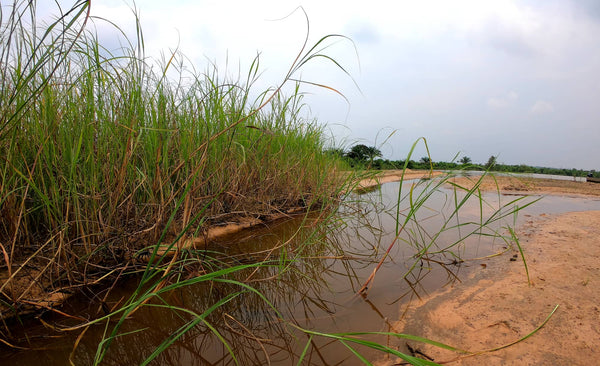
Streams, creeks, rivers, ponds, lakes, flooded forests, and- damn, I love me some flooded forests (If you haven’t guessed by now!)…Each and every one holds a special appeal. However, I’m really fascinated by aquatic habitats that are “ephemeral” in nature- fleeting bodies of water which form as a result of weather, floodwaters, or seasonal changes.
Yeah, the world is filled with all sorts of aquatic habitats which are not as well studied or even thought about by most hobbyists. One of my fave examples are the so-called “vernal pools”, which although found in various parts of the world, hold special fascination for us when they occur in tropical locales like South America nd Africa.
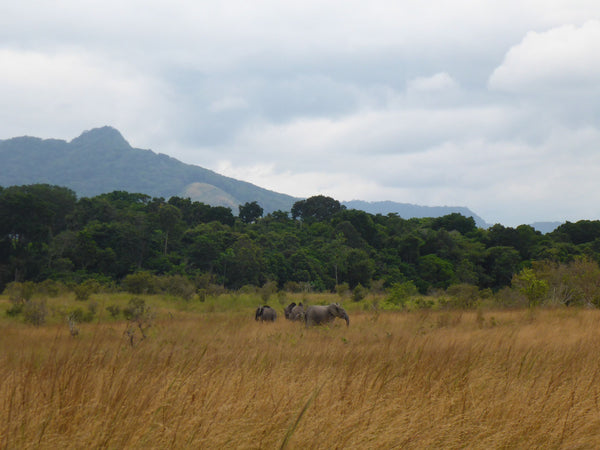
Vernal pools are classified by ecologists as a type of wetland, although they are, as their name implies, temporary aquatic habitats. Certain fishes, such as annual killifish, have evolved to adapt and thrive in these environments over eons. This, of course, makes these unique aquatic ecosystems all the more fascinating to us as tropical fish hobbyists!
Typical vernal pools in the tropical locales mentioned above are dry for at least part of the year, and typically-but not always-fill with water during seasonal rain/flooding events. Some of these pools may stay partially filled with water during a given year- or longer– but all vernal pools dry up periodically. Sometimes, these pools empty and fill several times during the wet season. Movement of water between vernal pools also occurs.
These habitats are entirely defined by extreme disruption—because they dry up completely for months at a time, explode into life when the rains arrive, and vanish again. In a true ephemeral pool, the substrate is a “bank of biological memory”, if you will. It holds the dormant cysts, fish and crustacean eggs, and spores of the entire food web.
Vernal pools are typically associated with plains or grasslands, and are usually rather small bodies of water- often just a few meters wide. The origin of the name, “vernal” refers to the Spring season. And, this makes a lot of sense, because most of these ephemeral habitats are at their maximum water depth during the Spring!
Vernal pools are typically found in areas comprised of various soil types-smectites- that contain clays, sediments and silts. They can develop into what geologists call “hydric soils”, which are defined as, “…a soil that formed under conditions of saturation, flooding, or ponding long enough during the growing season to develop anaerobic conditions in the upper part.”
That’s interesting!
So, yeah– the substrate is of critical importance to the aquatic life forms which reside in these pools!
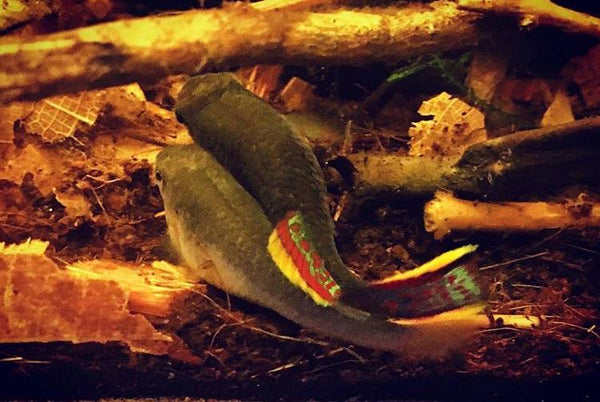
Let’s talk about killies again, because they are the poster child for “environmental intimacy!” One study of the much-loved African genus Nothobranchius indicated that the soils are “the primary drivers of habitat suitability” for these fish, and that the eggs can only survive the embryonic period and develop in specific soil types containing alkaline clay minerals, known as “smectites”, which create the proper soil conditions for this in desiccated pool substrates.

A unique part of the vernal pools is what is an essentially impermeable layer of substrate called “clay pan.” These substrates are hugely important to the formation of these habitats, as the clay soils bind so closely together that they become impermeable to water. As the smectite mud dries, it shrinks and forms deep cracks. These cracks open narrow air channels that allow oxygen to diffuse deep into the lower, damp layers of soil where the eggs reside. Thus, when it rains, the water percolates until it reaches the “claypan” and just sits there, filling up with decaying plant material, loose soils, and water.
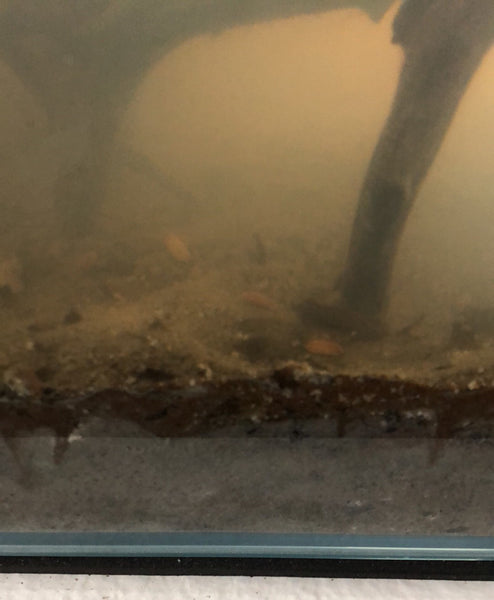
The resulting “mud-rich” substrate in these pools has a low degree of permeability, which enables water to remain in a given vernal pool even after the surrounding water table may have receded! During that time, a microscopic film of humidity, insulates the eggs in what is called their “diapause” phase.
And, of course, a lot of decaying materials, like plant parts and leaf litter are present in the water, which would impact the pH and other characteristics of the aquatic habitat.
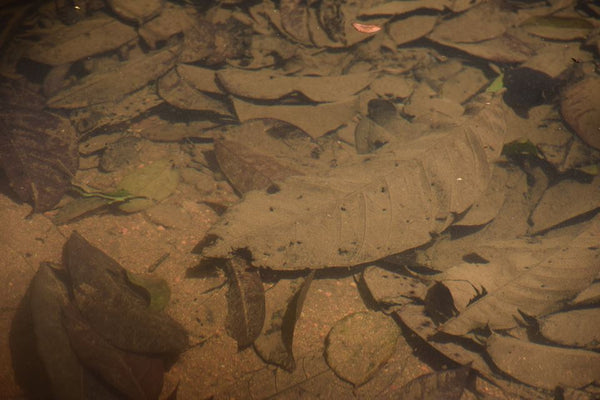
Interestingly, it is known by ecologists that the water may stay alkaline despite all of this stuff, because of the buffering capacity of the alkaline clay present in the sediments!
If this impermeable layer were not present, the vernal pools would desiccate too rapidly to permit the critical early phases of embryonic development of the Nothobranchius eggs to occur.
Yes, these fishes are tied intimately to their environment.
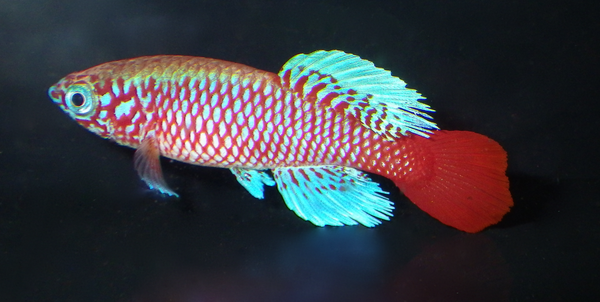
(Image by Andrew Bogott, used under CC BY-S.A. 4.0)
The fascinating concept of embryonic diapause ( a form of prolonged, yet reversible developmental arrest) is well-known to scientists and lovers of annual killies. The occurrence and length of time of diapause varies from species to species, yet is considered by scientists to be an evolutionary adaptation and ecological trait in various populations of Nothobranchius, tied directly into the characteristics of the ephemeral habitats in which these fish reside!
Diapause assures species survival by enabling the annual life cycle of these fish to be completed, and can even be affected by the presence of adult fishes in the habitat (not a good idea to hatch if potential predators are around, right?)- a fascinating adaptation! Since the embryonic phase of most Nothobranchius is a relatively long period of their lives- and in some species- the longest phase of their life, factors which impact embryonic development are extremely important.
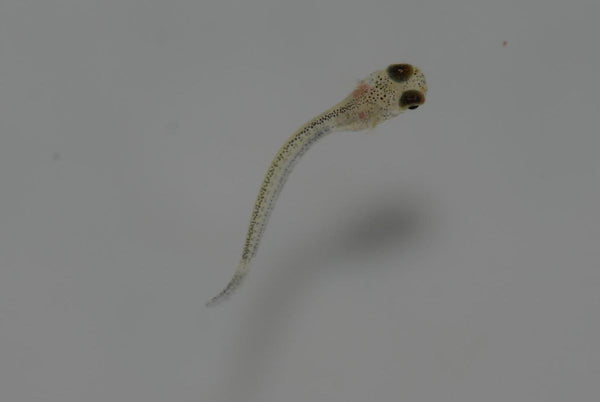
Recent studies have shown that embryos in the latest phases of dormancy (called “Diapause III”), actually “monitor” the soil for what can only be called “danger cues.” For example, if a burrowing predator, like an insect larva or a larger creature) crushes an adjacent killifish egg, the damaged egg will realize a chemical alarm cue into the surrounding substrate.
The nearby embryos detect this chemical signature and actively delay their hatching, even if the water returns- an evolutionary strategy which avoids the fry emerging into a high-risk predatory environment!
Okay, my head is about to explode here with this really interesting stuff!
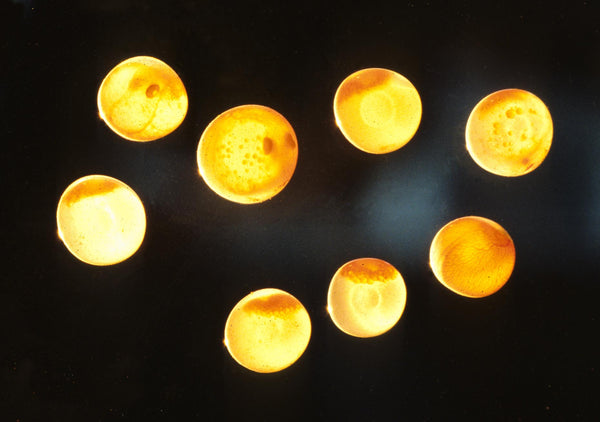
(Image by Kils- used under CC BY-S.A. 3.0)
Of course, when they’re filled, vernal pools are literal oases of aquatic life, ranging from microorganisms and micro crustaceans (like Daphnia) to aquatic insects and their associated larvae (like mosquito larvae!), frogs, and in some instances…fishes! It makes sense that fishes would find their way into these habitats over eons- especially if they’re literally filled with foods for the fishes during their wet season, right?
Interestingly, in the case of annual killifishes like Nothos, other species of (non-annual) fishes are occasionally found living with them, when these habitats might be connected temporarily to adjacent, more permanent bodies of water. Fishes as diverse as Lungfishes, Barbus sp., Clarias catfishes, mormyrids like Petrocephalus sp., Ctenopoma sp., non-annual killifishes such as Aplocheilichthys sp., and even some cichlids like Tilapia are found in these vernal pools!
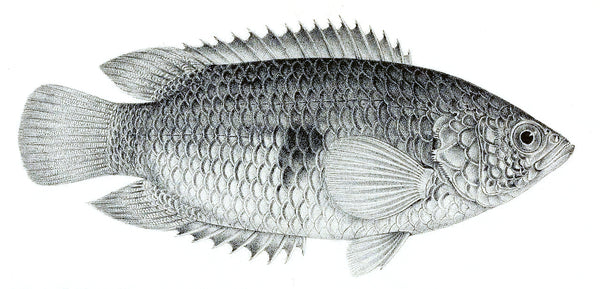
Oh, that’s pretty cool, right? What an eclectic group of fishes!
These fishes aggregate in these pools because of their connectivity to adjacent waters, and they feed and thrive off of the abundant food present in the vernal pools. And of course, the stomach contents of Nothobranchius and the species which occur with them include stuff like planktonic and benthic invertebrates, copepods, Daphnia, and insect larvae.
This confirms the remarkable abundance of life which helps sustain the fishes which reside in the vernal pools.
Let’s think about this stuff in “aquarium terms!”
Killifish hobbyists have kept annual Notho species for many years, and have learned to utilize materials such as peat moss to incubate their resulting eggs. There has always been a more than causal interest among these hobbyists in creating the optimum levels of moisture and such within a given “batch” of peat moss- with the old “standby reference” that the peat should have the consistency of “moist pipe tobacco” being the “gold standard” for decades. Great if you’re a pipe smoker- otherwise, it’s just a guessing game, right?
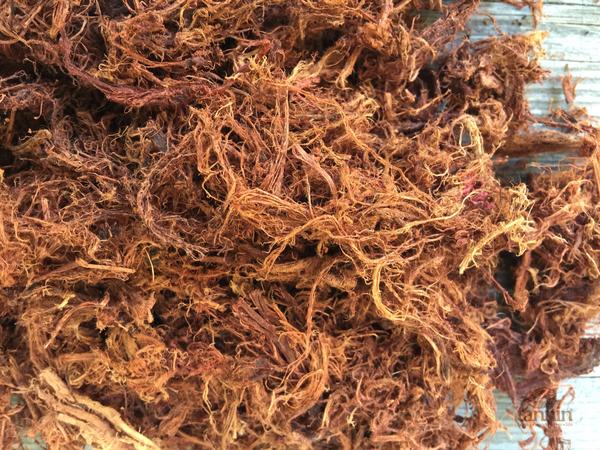
After studying the ecology of these vernal pools for some time now, I can’t help but be drawn to the idea that we’ve played with in our “Urban Igapo” tanks- utilizing soil/sediment mixes which simulate, to the most realistic extent possible, the substrates of the vernal pools. I’m fascinated by the idea of including alkaline clays, specifically those with the aforementioned smectites present, in a substrate mix intended to keep these fishes in a “permanent” setup.
To recreate this ecosystem safely, you aren’t just managing water; you are managing a “metabolic time loop”, so to speak. The environment facilitates the life cycle of the organisms which reside within it. That’s the heart of the whole concept. This philosophy relies on biotope operation—running the tank through the actual physical cycles of Nature.
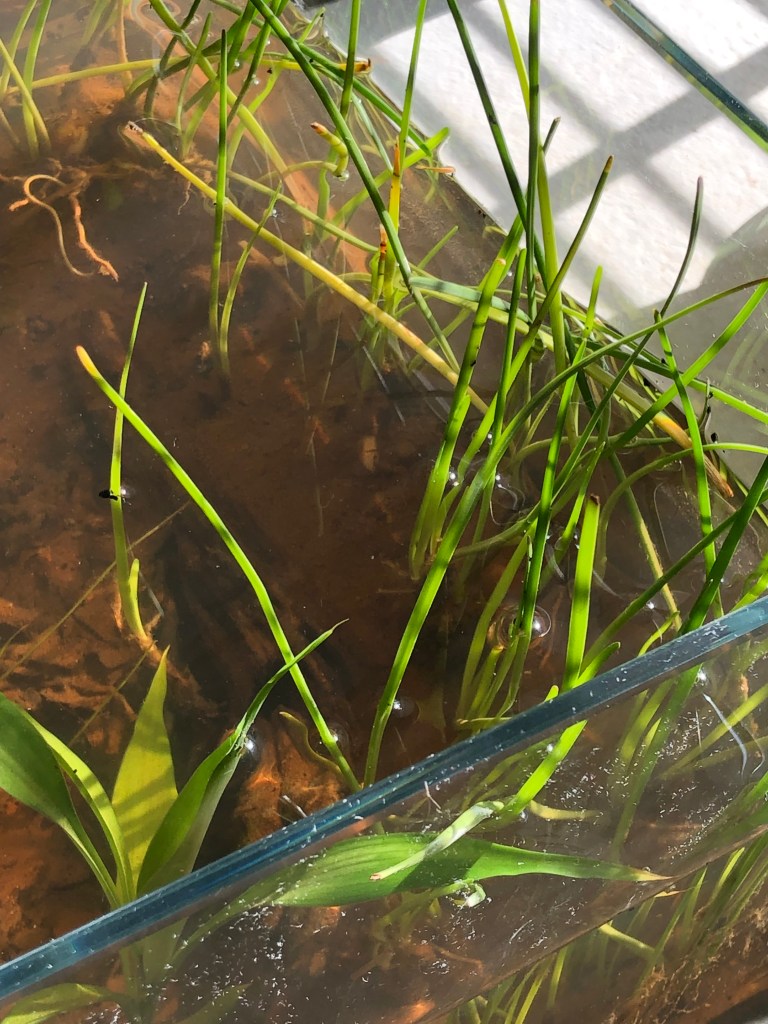
Well, “permanent”, in that we’re not removing the substrate to dry it out. I suppose the water would be the “ephemeral” part, lol! We’re removing the water (and the adult fishes, of course) to create a “dry period”, while leaving the substrate intact during the process. Once the appropriate incubation period for a given species has passed, the substrate is wetted once again, and hopefully, you get some fry, which would be reared “in situ.”
That’s essentially the “gist” of the “Urban Igapo” concept as adapted to the killifish life cycle. Myself and others have been plying with this in various configurations since around 2019 with great results.
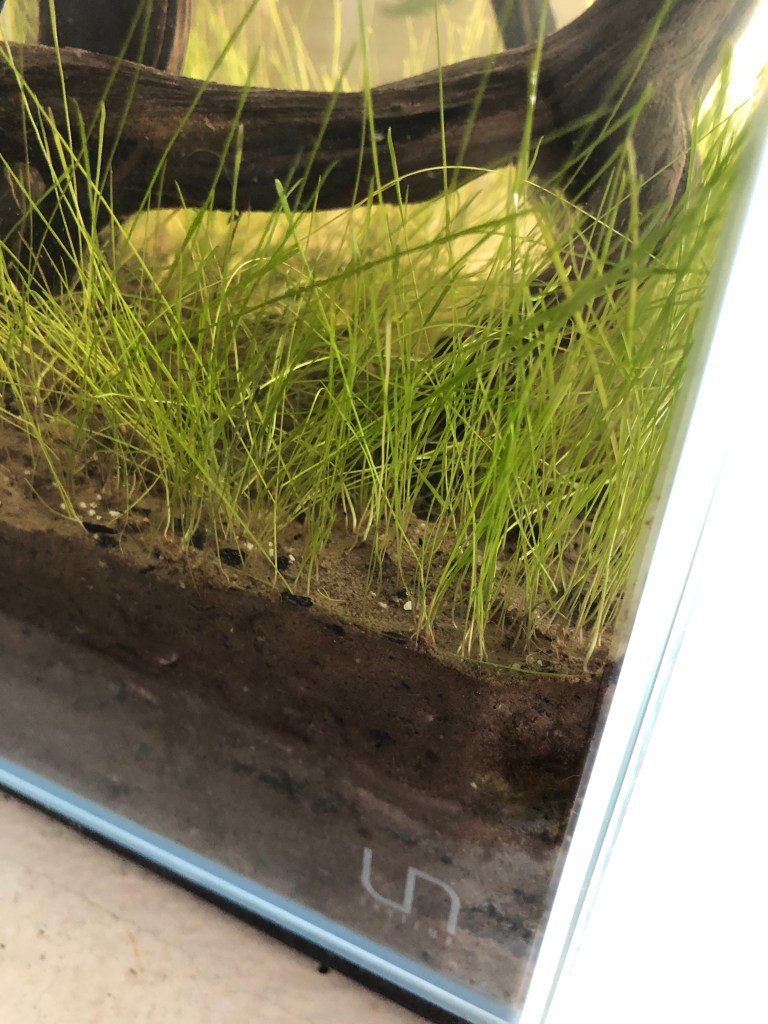
By executing a completely fishless “dump and wait” inundation approach initially, you are honoring what I often refer to as a “patience-first architecture.” You allow Nature to dictate the timeline, letting the ecology develop a resilient equilibrium at its own determined pace. You accept that there will be a burst of bacteria and other microbial life, that things will decompose, that plants will brown out or melt, that the water will turn deep amber, and micro-fauna populations will violently fluctuate.
Instead of treating the initial bacterial boom as a “failure” or a “crisis”, you celebrate it. I call this the “operating system” of the tank, where the microbiome rapidly rises to process the heavy nutrient load, forming the biological foundation of the entire system.
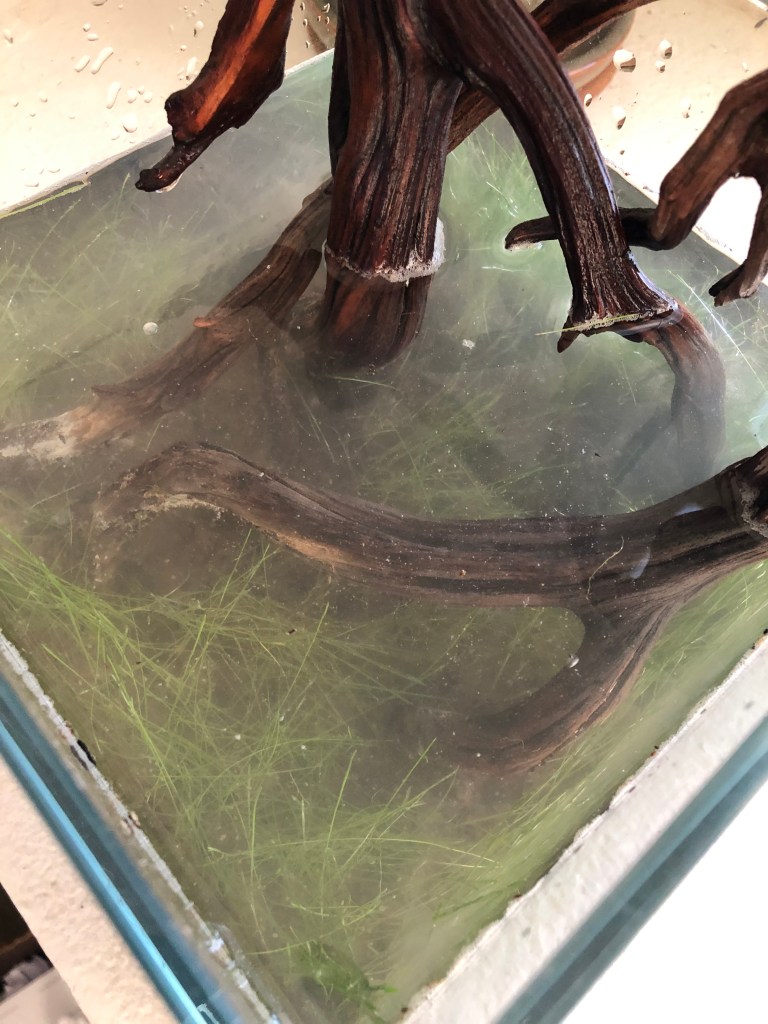
Now, I am not going to delude myself here and think that I’ve “invented” some new approach to keeping annual killies. I didn’t. This idea is not really “revolutionary”, it’s not exactly precise in nature, and is likely far less sophisticated, efficient and controllable than the “collect-the-peat-and-place-it-in-a-plastic-bag-to-incubate” methodology that’s been used for generations.
I’ve already played with this idea with some South American annual killifish species, so I can’t see why the idea wouldn’t work with African annuals like Nothobranchius. Again, it’s perhaps a bit less controlled as the more traditional approaches. It’s not the key to propagating large numbers of these fishes in a predictable, guaranteed long-term sustainable manner.
I’ll give you that.
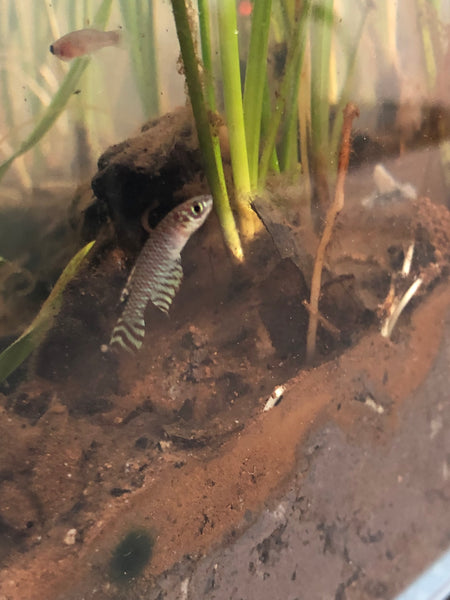
However, I think it’s an interesting experimental way to go.
You are moving away from being a rigid “aquarium keeper” and becoming an active “ecosystem manager.”
It’s certainly more fun than just throwing some peat in a plastic bag, right? It could give us some interesting insights into the life cycle of these fishes, and how their habitats impact their existence in tangible ways. It plays into our desire to recreate the habitats of fishes in a more realistic, more functional manner- and to understand how they work, and the threats they face from mankind’s encroachment.
And maybe, just maybe- they might help make killifish, and the killifish hobby, more interesting, appealing, and relevant to a new group of hobbyists- long a topic of concern among the killie-keeping establishment!
A big win.
We’ve covered a fair amount of information on this rather obscure, yet fascinating ephemeral habitat and the fishes which reside there. In a future installment, I’ll talk about my experiments with this process, and we can discuss the idea of creating one of these aquatic displays for Nothobranchius- and maybe for other fishes which are occasionally found with them in Nature.
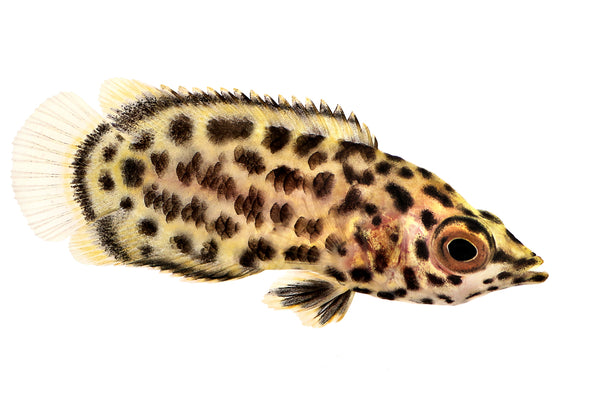
In general, the idea of creating an ephemeral pool habitat in an aquarium can follow a process exactly like the “Urban Igapo” systems that we play with. Here would be a sort of “track to run on” in establishing such system:
Combine a base of organic topsoil, fine peat moss, and silica sand. Layer this with fine twigs, crushed seed pods, and heavily shredded leaves (your choice as to which ones). To start, you do not fill the tank with water. You add just enough moisture so the soil becomes damp, like a forest floor.
If you want to seed authentic micro-fauna, this is when you introduce dormant cysts of Triops, Fairy Shrimp (Anostraca sp., Clam Shrimp, and Daphnia (which can be purchased as dry resting eggs/ephippia). One variation which I haven’t tried at the start of one of these tanks would be to mix in some killifish eggs (including the peat moss or whatever they’re incubating in) to the substrate you’ve created.
It’s potentially a very interesting way to go, IMHO.
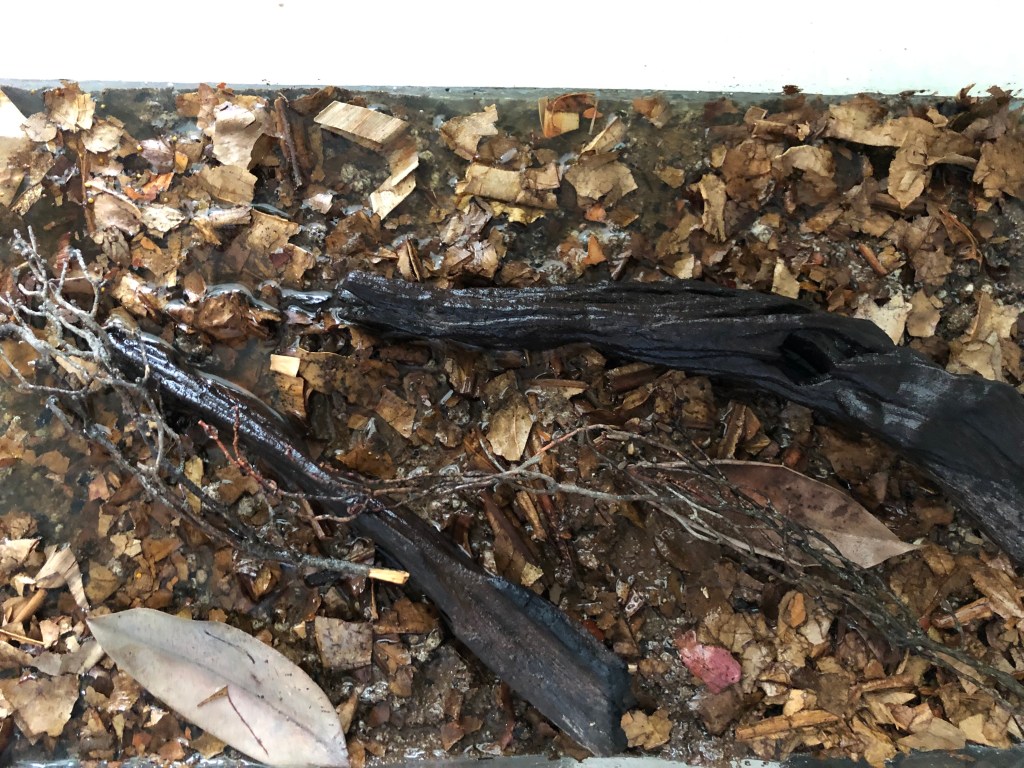
Let this substrate sit dry/damp with low lighting for at least 2 to 3 weeks (or longer, depending upon how long your killie eggs have been incubating, if you’re going that route). This simulates the “dry” season, allowing organic compounds to cure and “setting the clock” for the resting eggs.
In the wild, the rainy season arrives suddenly. You want to replicate this dramatic shift to trigger the “awakening” of your ecosystem. Rapidly fill the aquarium with very soft, slightly cool RO/DI water. The drop in temperature and the sudden reduction in electrical conductivity (TDS) mimics a tropical rainstorm.
Within 24 to 72 hours of this “flood,” the dry substrate will unleash a massive wave of dissolved organic carbon. Bacteria and fungi will instantly explode, creating a layer of biofilm across the floor.
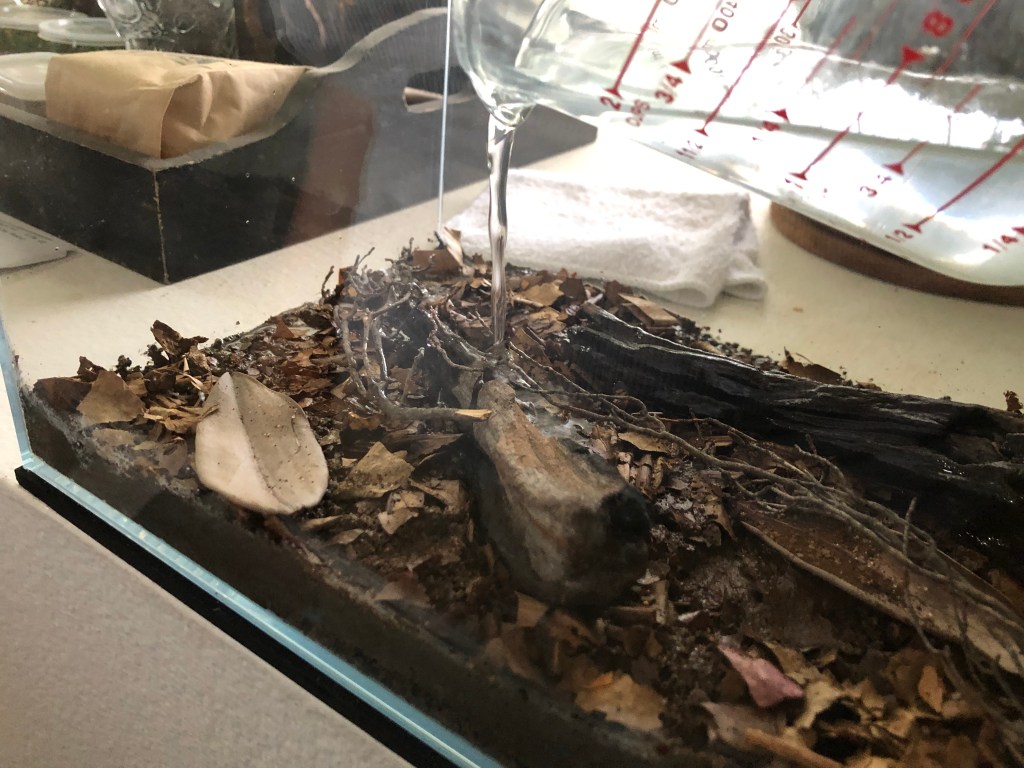
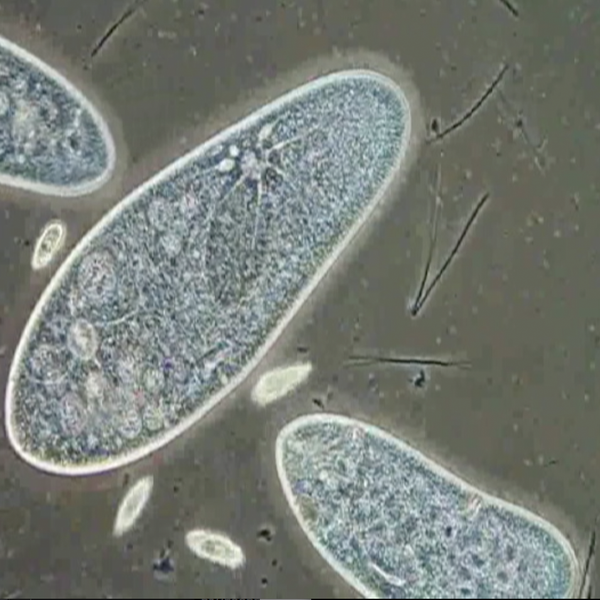
Simultaneously, the sudden osmotic shift triggers the resting cysts. Tiny nauplii (larval Fairy Shrimp and Triops) and Paramecium will hatch directly out of the mud, instantly finding themselves in a massive, rich “pasture” of colonial bacteria to eat.
Because vernal pools are small and packed with organic material, they are highly dynamic, temporary environments. The massive decomposition of your dry leaf and soil substrate will violently strip oxygen out of the water column. Since this is an ephemeral setup, embrace a filterless but highly oxygenated approach.
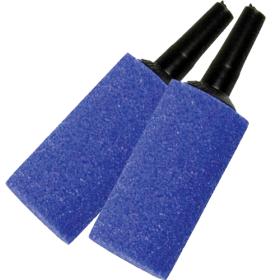
Do not use a filter that literally sucks up the micro-fauna. If anything- use a basic air stone set to a gentle, steady bubble. This drives oxygen into the water to keep the hatching fishes and crustaceans alive while letting the water parameters shift naturally. More on this in a bit.
One “artistic liberty” that I have taken over the years with these experimental systems is to incorporate riparian-type plants, like Acorus, to add some interest to the system. These are absolutely not native to the environment that we’re attempting to replicate, however- so if you’re hell bent on biotopic authenticity, exclude them for sure!
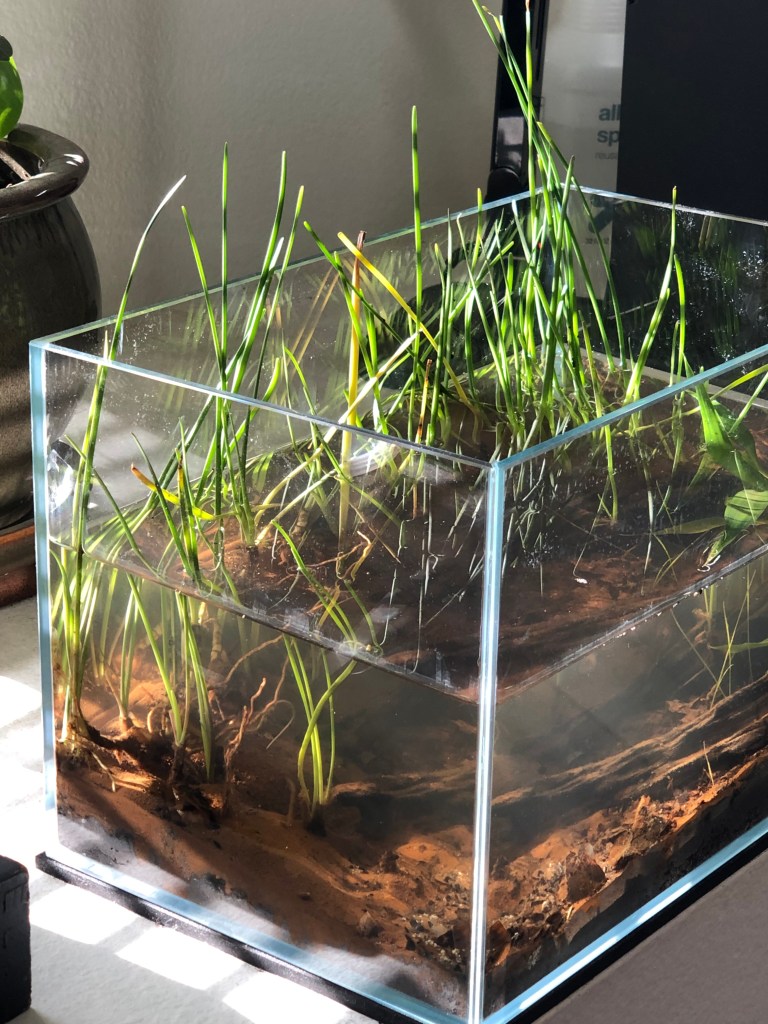
Increase the lighting to a strong 12-hour tropical cycle. I’ve always done these tanks in front of a window, taking advantage of abundant natural light, but you can use LED or whatever format you desire. Remember, in Nature, these pools are wide open to the sun.
The combination of high light and intense organic nutrients might trigger a wave of green micro-algae and unicellular “green water.” No biggie, right? This is exactly what the Fairy Shrimp and Daphnia, and ultimately- fishes- need to reach maturity and reproduce. TBH, it’s rarely happened in my tanks.
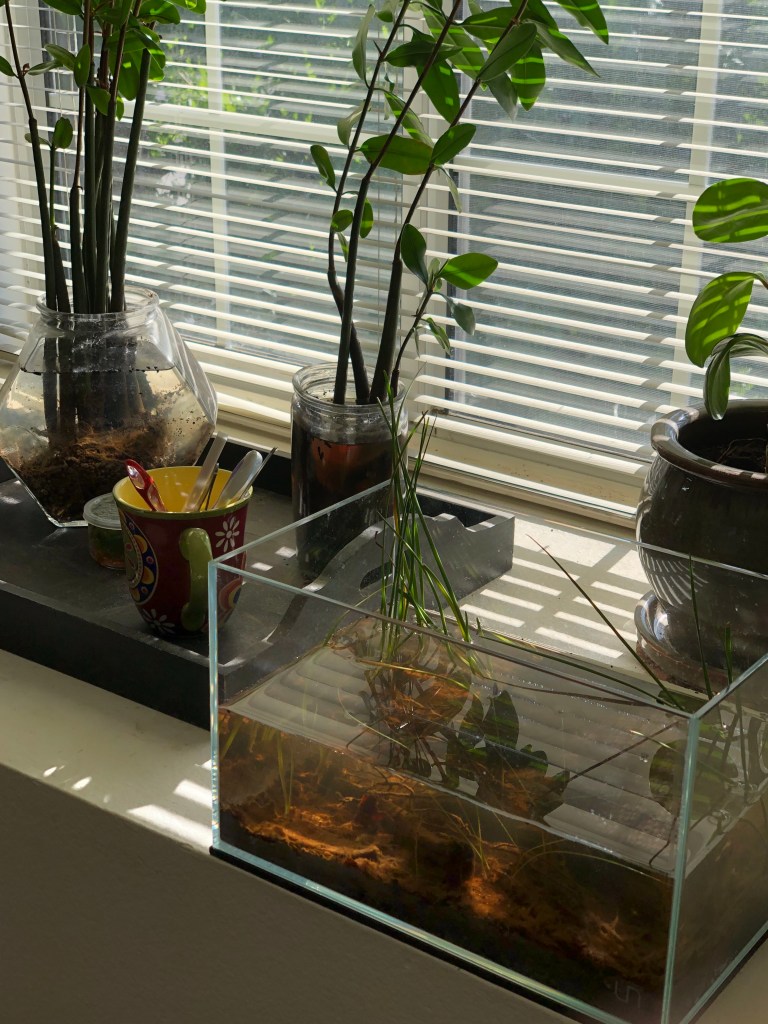
Over 6 to 8 weeks, the ecosystem will hit its peak. The Fairy Shrimp will swim upside down in clouds, Triops will tirelessly bulldoze the substrate, and the water will take on a crisp, tea-colored clarity as the initial nutrient spike stabilizes.
Your young killifishes will feast on the abundance of life in their custom-made habitat, taking advantage of the realistic environment you’ve created for them.
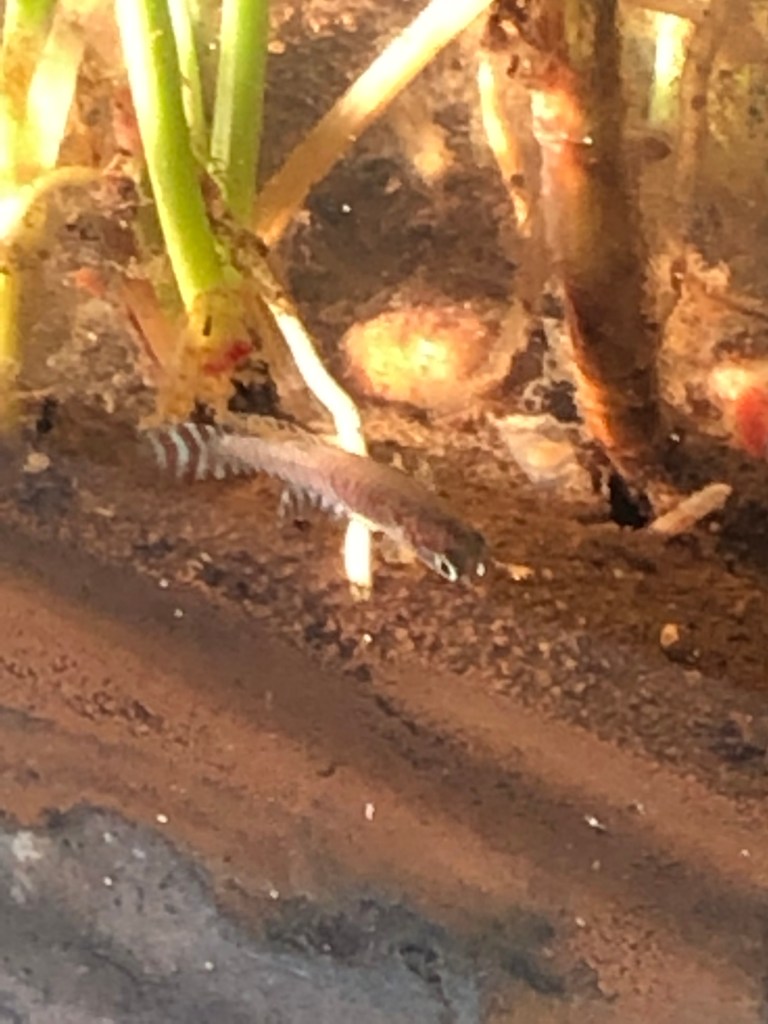
Because all of these organisms have evolved for an ephemeral life, they will live fast, grow rapidly, and lay thousands of new, drought-resistant resting eggs back into your substrate before they naturally reach the end of their brief lifespans.
You dictate the timeline based on what you want to observe. I often choose to run the “flooded phase” for 3 to 6 months to enjoy the lush, tea-colored habitat, and then transition the tank into a dry phase for 1 to 2 months to simulate the seasonal drought.
In theory, you can perform this cycle indefinitely. In a home aquarium setting, a well-managed “Urban Igapó” or tropical vernal pool setup can easily be run through 10 to 20+ wet-dry cycles over many years before requiring a major structural substrate change. I know, because of done it!
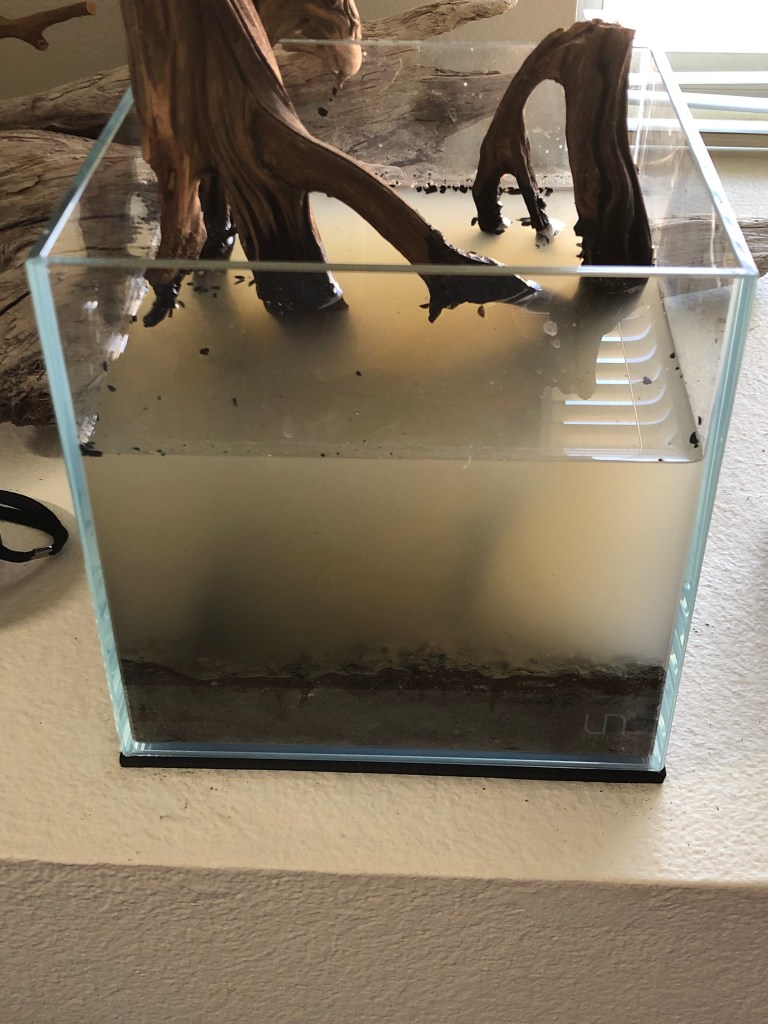
However, because an aquarium is a closed container rather than a massive open jungle floor, each cycle subtly changes the chemistry and structure of the system.
If you plan to run this cycle repeatedly, your long-term management will look different across each phase of the loop. The organic material (the leaves, twigs, and soil nutrients) is the fuel source for the entire ecosystem. Each time you flood the tank, the bacteria and micro-fauna consume a portion of this organic carbon.
After a dry phase is completed, the substrate will look noticeably more compressed, powdery, and depleted. To keep the cycle going indefinitely, you must replenish the system during the dry phase. Before the next flood, simply lay down a fresh layer of shredded leaves, crushed seed pods, or a light dusting of organic peat over the old mud. This resets the “fuel tank” for the next generation of micro-fauna.
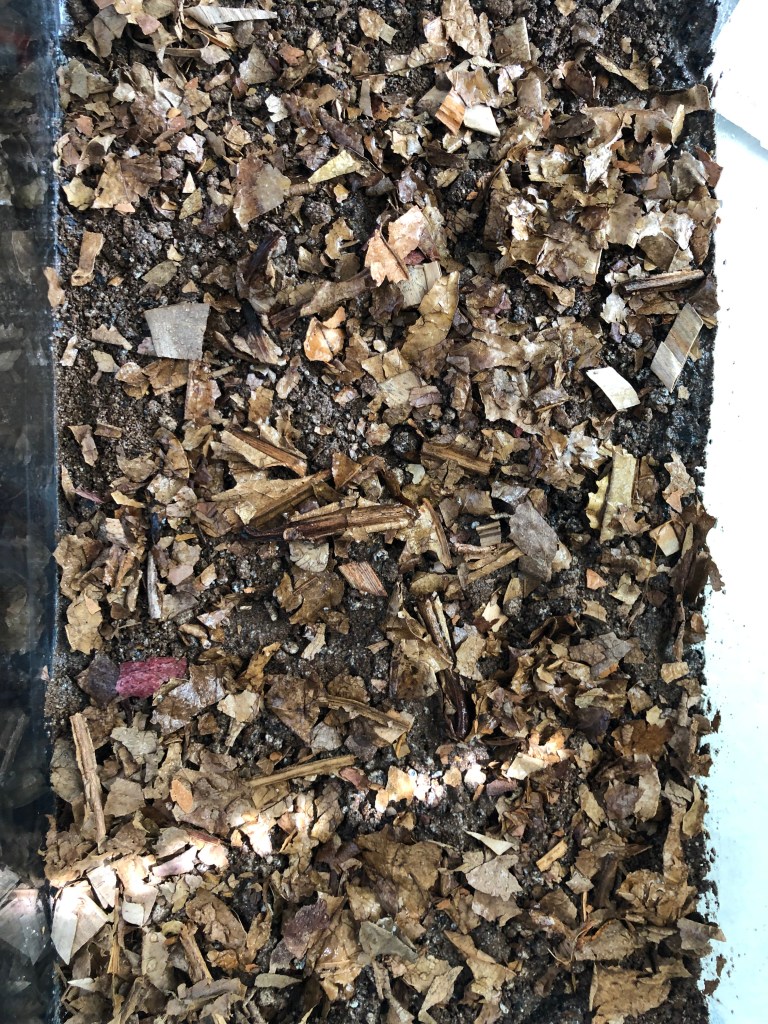
By simply refreshing the leaf litter during the drought and flooding with pure water, you can watch this beautifully orchestrated ecological rebirth happen over and over again in the exact same footprint.
Organisms like Fairy Shrimp, Daphnia, and copepods are evolutionary masterpieces designed for this exact cycle. When the tank dries out, the adults die, but they leave behind thousands of highly resilient, desiccated eggs (cysts) in the mud.
While these cysts can survive multiple dry cycles, an aquarium obviously lacks the massive gene pool of a wild flood plain. Over 4 or 5 cycles or so, the hatching rate can begin to naturally decline due to genetic “bottlenecks” or local hotspots in the substrate that dry out too aggressively. To keep the food web robust, it is highly effective to toss a tiny pinch of freshly purchased, dry micro-fauna cysts into the substrate during every 2nd or 3rd dry phase to introduce fresh genetics.
One little caveat regarding water: When a vernal pool evaporates into a dry phase, the water leaves the system, but minerals, salts, and heavy metals do not. If you top off evaporation or fill the tank with tap water, each cycle will leave behind a thicker layer of concentrated minerals. Eventually, the substrate will become too salty or alkaline, preventing the cysts from ever hatching.
You need to use 100% pure RO/DI (Reverse Osmosis) or distilled water for both the initial flood and to manage evaporation. This ensures that when the tank dries out, the substrate returns to a perfectly natural, soft, and slightly acidic “baseline” without mineral buildup.
And about my “add the incubating killifish eggs during the dry phase” idea:
Consider that, in “traditional” killifish breeding, eggs are stored in damp peat in bags until you can visibly see the dark eyes of the embryo through the egg shell. Killifish embryos rely on diapause (that temporary metabolic arrest we talked about earlier) to survive the dry season. Different species require vastly different incubation times—some African Nothobranchius take 2–3 months, while certain South American species (Austrolebias or Nematolebias) can require 4–8 months.
So, do not place raw, freshly laid eggs into the dry substrate and expect them to time themselves to your imminent flooding schedule! Instead, purchase or harvest eggs that have already been dry-incubated externally and are fully “eyed-up” and ready to burst. Introduce them to the dry botanical matrix just a few days or weeks before you trigger the flood.
Now, once you have “resident killies” who lay eggs in the system, you can expect them to hatch in synch with your flooding cycle- I know, because of done it many times! And of course, if you’re cool running your tank “dry” for 4-8 months, you certainly can add freshly-laid killie eggs to the substrate.
The greatest beauty of this approach is that the identical osmotic shock (cool, low-TDS water) that triggers the killifish to hatch also awakens your Daphnia, copepod, and Paramecium cysts. Annual killifish fry are born relatively large and possess a fast metabolism to complete their life cycle before the pool dries up again.
By timing the hatch concurrently, your fry will emerge directly into a swimming “soup” of infusoria and tiny nauplii. They will start hunting immediately and exhibit an astonishingly fast growth rate, reaching spawning age in as little as 6-8 weeks!
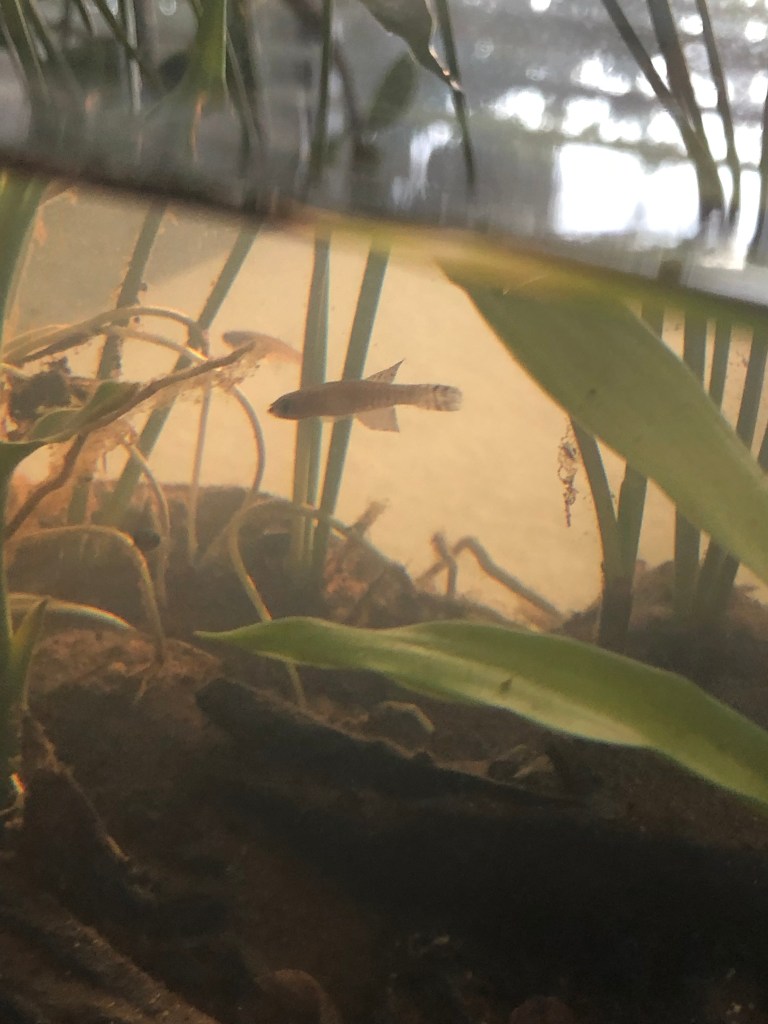
Now, based upon my experience with killies over the years, there are a few expectations that you need to have when you work with these types of setups.
First, as we discussed, flooding a dense botanical and soil substrate triggers a massive heterotrophic bacterial boom that severely strips dissolved oxygen from the water column. While copepods can tolerate low oxygen, newly hatched killifish fry cannot. I recommend aeration (an air stone or bubbler) immediately upon flooding to keep the surface water oxygen-rich for the fry during the hatching period, even if it disrupts the calm aesthetic of the tank.
And, do not be discouraged if only a portion of the eggs hatch during your first flood. In nature, annual killifish use a genetic safety mechanism which ecologists call “bet-hedging”. Because a wild rainstorm might just be a passing shower that dries up in a week, a single batch of eggs will never hatch all at once. Some will remain in the mud, waiting for a second or even a third dry-and-wet cycle to finally emerge. This is Nature’s “fail safe” mechanism to help assure species survival.
Cool, huh?
And the “hatching triggers” vary by species to some extent. Ephemeral habitats have fostered unique ecological adaptations by the fishes which reside there.
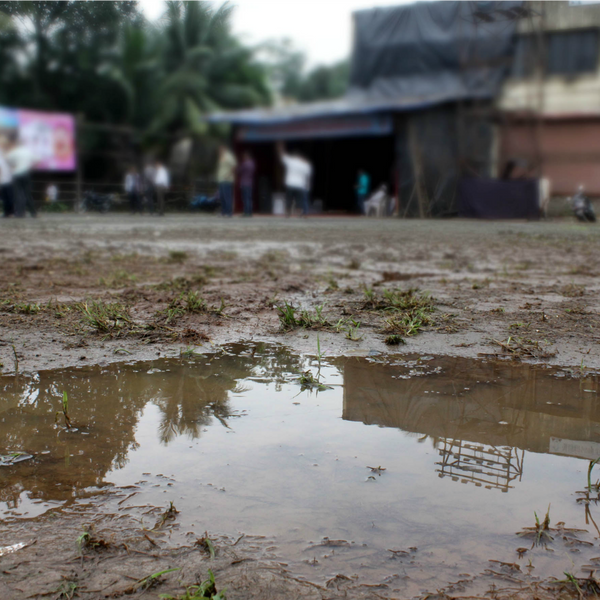
Nothobranchius, for example, inhabit the hyper-seasonal, baked savannah plains of East and Southeast Africa. Their pools face scorching heat during the dry phase and fill rapidly during intense, warm tropical monsoons. The hatching trigger for their eggs is Hypoxia (oxygen deprivation) and warmth. When the rains flood a dried African pool, the water doesn’t stay pristine. It mixes with baked organic matter and animal waste, triggering an immediate, massive explosion of bacteria. This microbial boom aggressively consumes all dissolved oxygen at the substrate level.
The Nothobranchius embryo reads this sudden drop in oxygen as the definitive cue that it is safely underwater. The chemical stress triggers the release of chorionase (the hatching enzyme), causing the fry to break free from the egg membrane. The expected “bacterial boom” in our tanks from inundating the heavy day-one leaf litter matrix is the exact oxygen-deprived environment required to trigger Nothos to hatch! Tip: They prefer warm flooding water around 75°F to 79°F (24°C to 26°C).
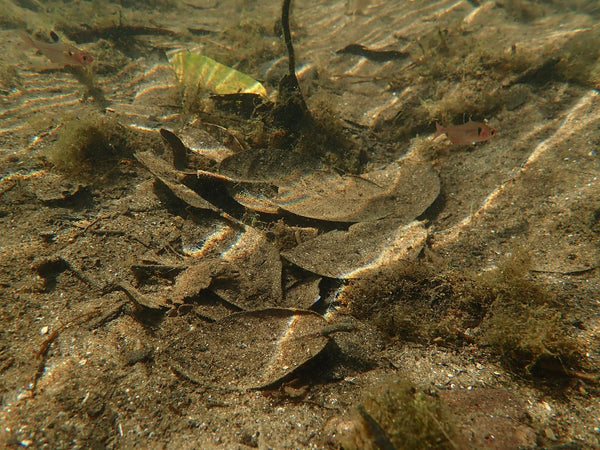
South American species, like Austrolebias, occupy ephemeral pools across the grasslands and Pampas of Argentina, Uruguay, and Southern Brazil. Unlike Africa, these regions have a cooler, temperate climate. The pools fill during late autumn and winter.. Their “hatching trigger” is thermal shock- cold soft water.
South American annual killifish embryos spend their dry season baking in the hot summer mud, which transitions into an early winter deluge. Their development progresses during the drying phase, but they will sit completely stalled in their final diapause state until they experience a sharp, dramatic drop in temperature.
To hatch, Austrolebias require a “cold flash”, typically thriving when flooded with clean, soft rain water that drops the temperature down to 59°F to 64°F (15°C to 18°C) . No need for heated water for sure! And, high oxygen levels or highly turbulent water movement can actually encourage their hatch, which is the complete opposite of their African counterparts! So maybe that airstone can help upon initial flooding!
While their external triggers are essentially inverted, both genera share the exact same “bet-hedging” mechanism. Even under perfect conditions, a single flood will simply never trigger 100% of the eggs to hatch. Some eggs are genetically “hardwired” to ignore the first deluge entirely, remaining dormant in the substrate to protect the population in case the “rainy season” turns out to be a temporary puddle….
And the substrate that you utilize also plays a major part in the incubation and hatch rate of your killifish.
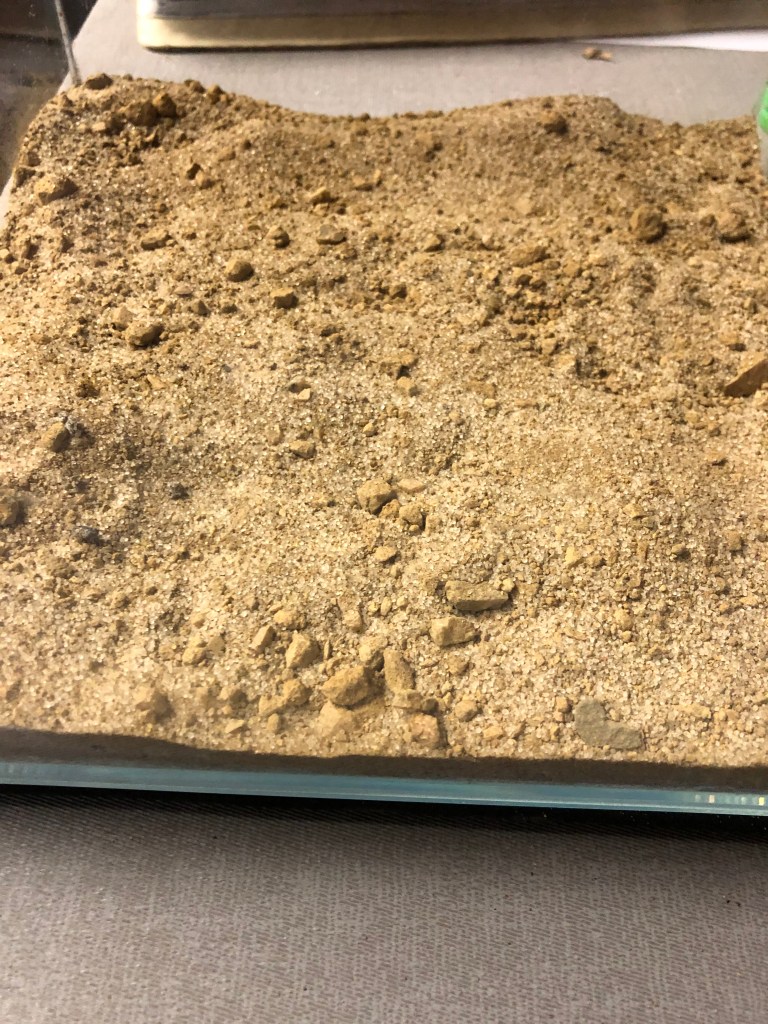
I believe that, by intentionally blending different substrate materials, you can fine-tune how the eggs incubate during the dry phase and hatch during the inundation phase. As we’ve discussed previously, African Nothobranchius pools are uniquely lined with alkaline clay minerals known as smectites. Unlike sand, which dries out uniformly and fast, clay has an extremely low permeability. It retains a core pocket of deep, muddy moisture long after the surface has baked solid!
Mixing materials such as bentonite or powdered terracotta clay into the lower layer of your soil matrix prevents the killifish eggs from completely desiccating. Oh, and in case you were wondering, “Terracotta clay” is a natural, iron-rich secondary clay composed primarily of (duh!) clay minerals mixed with quartz sand, feldspar, and a high proportion of iron oxides.
This mix of clays allows the top layer of leaf litter to be completely dry while maintaining the humic humidity required for the embryos to breathe and survive for months.
And, yeah- I am convinced from my studies snd experiences that the organic material you mix into your substrate changes the microbial environment surrounding the eggs!
The traditional use of peat moss is successful because it’s highly acidic and contains natural fulvic acids. The acidity acts like natural antifungal agent, keeping the delicate egg walls clear of mold during the dry phase of their incubation. Mixing stuff like coco coir with a bit of topsoil and peat buffers the environment closer to a neutral baseline.
If your substrate is comprised exclusively of loose, lightweight leaves, the eggs will simply float around or remain on the surface after inundation, so adding a middle layer of fine, soft silica sand and clay creates a physical weight over the organic soil. When the fish dive and deposit the eggs beneath the sand, the sand closes back up over the spawning site. This acts as a protective shield, protecting the eggs from being scavenged by micro-fauna or over-exposed to air currents when the dry phase begins.
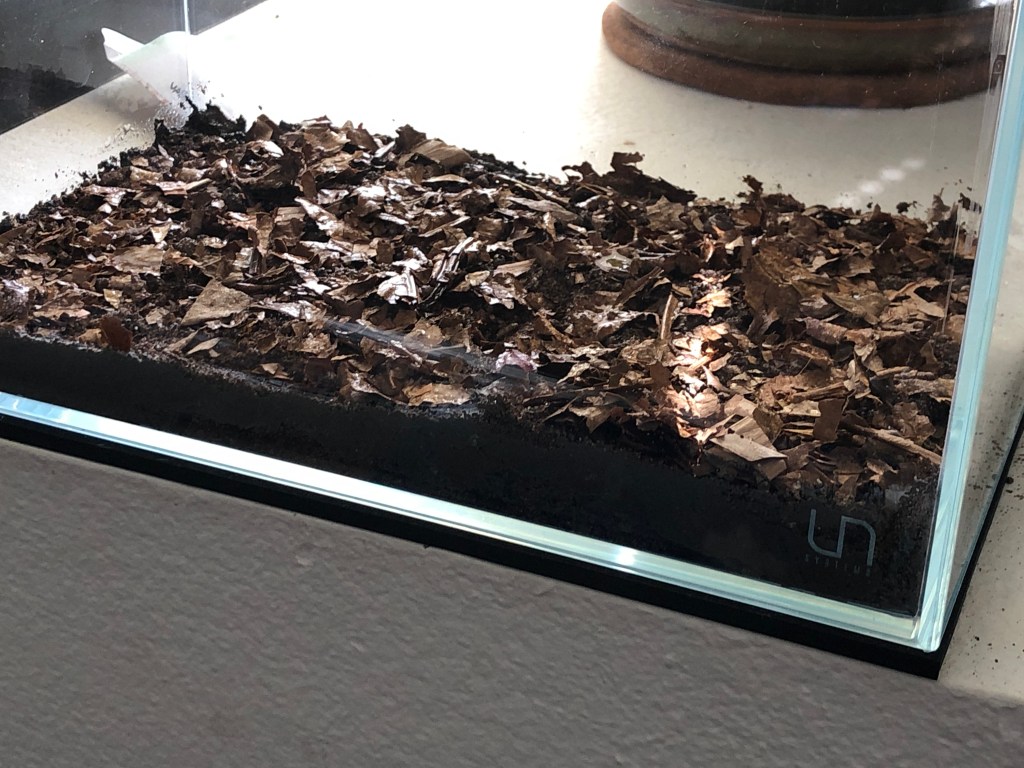
To maximize the success of your in-situ hatch, consider building a layered “sandwich” substrate. I think of it in 3 parts: A base layer, structural layer, and a foraging matrix.
The “base layer” would be a mix of 50% organic topsoil/peat moss and 50% fine clay or silt. This layer stays damp, holds the eggs safely, and mimics the natural mud-rich floor.
The “structural layer” consists of a 1/2″ layer of fine, smooth silica sand. This gives the fish something to dive into and prevents the bottom mud from clouding the water column instantly during the flood phase.
The “foraging matrix” comprised of is heavily crushed leaf litter, fine twigs, and broken seed pods scattered across the top. This provides the surface area for the initial bacterial boom, the food for your hatching copepods, and the perfect canopy for the newly emerged fry to hide in.
Personally, I prefer to mix them all together, as opposed to adding the materials in a “layered” approach. Since a lot of you ask for “recipes” for substrates, here is a good recipe that I’ve played with for quite some time:
40% Organic Topsoil (screened): Provides the core mineral base and the essential humic substances that fuel the microbial web. Ensure it is completely free of synthetic fertilizers or chemical perlite. I highly recommend using reconstituted, additive-free worm castings (earthworm humus).
30% Fine Silica Sand: Adds vital weight and permeability. The sand keeps the entire mixture from compacting into a solid, unbreathable brick of mud when it dries out!
20% Shredded “Botanical Mulch”: Use a mix of highly crushed catappa leaves, oak leaves, Alder Cones, broken coco coir., etc. Blending this directly into the dirt ensures that the future micro-fauna have food resources buried deep within the matrix where they hibernate.
10% Pure Powdered Bentonite or Terracotta Clay: This is the “secret binder” for this recipe! It distributes evenly throughout the sand and soil, ensuring that the entire blend retains a uniform, humid micro-climate during the dry season. Obtain this at a pottery supply vendor; make sure there are no extra chemical additives.
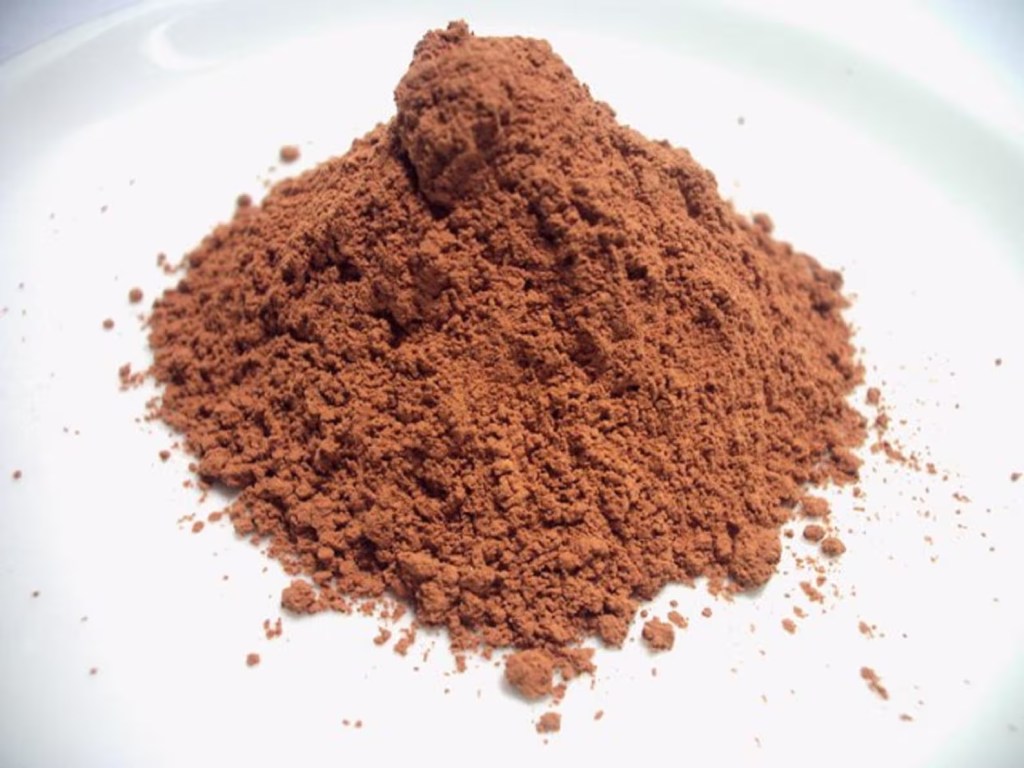
Even “screened” store-bought topsoil can sometimes contain large twigs, bark, or small stones. I’m okay with a few twigs, but can do without stones. Before mixing your unified blend, pour the topsoil through a mesh kitchen colander or a 1/4-inch soil sieve (a good investment for the substrate-making fish geek, trust me).This leaves you with a fine, silky, earthy powder that blends perfectly with your sand and clay, giving your annual killifish a completely smooth, barrier-free substrate to dive into!
Because the entire substrate is soft and crumbly, annual killifish can dive-spawn anywhere they please. They don’t have to seek out specific zones; every square inch of the floor is a perfect incubator!
Rather than copepods and Paramecium only hatching on the surface, this unified blend allows dormant cysts to wake up deep within the substrate pores. As they crawl upward through the soil matrix after a flood, they continuously oxygenate the substrate and keep toxic gas pockets from forming. And, because a large portion of the shredded leaf litter is locked inside the heavy soil-clay matrix, the tannins leach out at a steady, controlled pace upon flooding, preventing the radical, sudden chemistry swings.
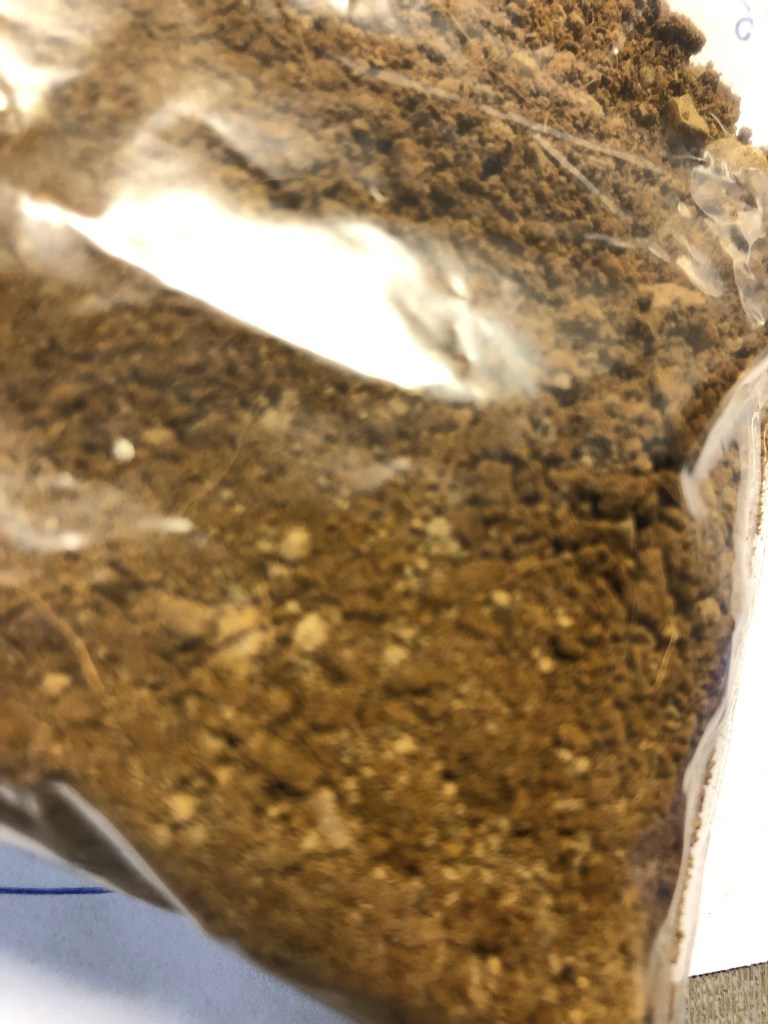
When you combine all these elements, add just enough pure RO/DI water to the bucket to give the mix the consistency of damp cake batter. Pack it into the tank at a depth of about 1.5 to 2 inches.
If you are adding pre-incubated, eyed-up killifish eggs, simply press the egg-laden peat or soil lightly into the top half-inch of this unified blend during the final days of your “drought” phase, then get ready to trigger the deluge!
There are so many nuances here, right?
So many interesting avenues to explore. Much of the work in hatching and incubating killifish eggs has been refined by decades of practice by dedicated hobbyists worldwide. What we are playing with here is simply a more natural expression of these practices. Certainly less “practical” for s serious or commercial-scale breeder, but interesting nonetheless!
While traditional hobby breeders rely exclusively on pure sphagnum peat moss in bare plastic tubs to easily harvest and package eggs, an “Urban Igapó” or what I have come to calling an “ephemeral method aquarium” operates on a much grander ecological scale. In our more natural setups, the substrate does not just “hold the eggs”- it directly dictates the rate of moisture loss, local oxygen levels, and the biochemical triggers that govern diapause.
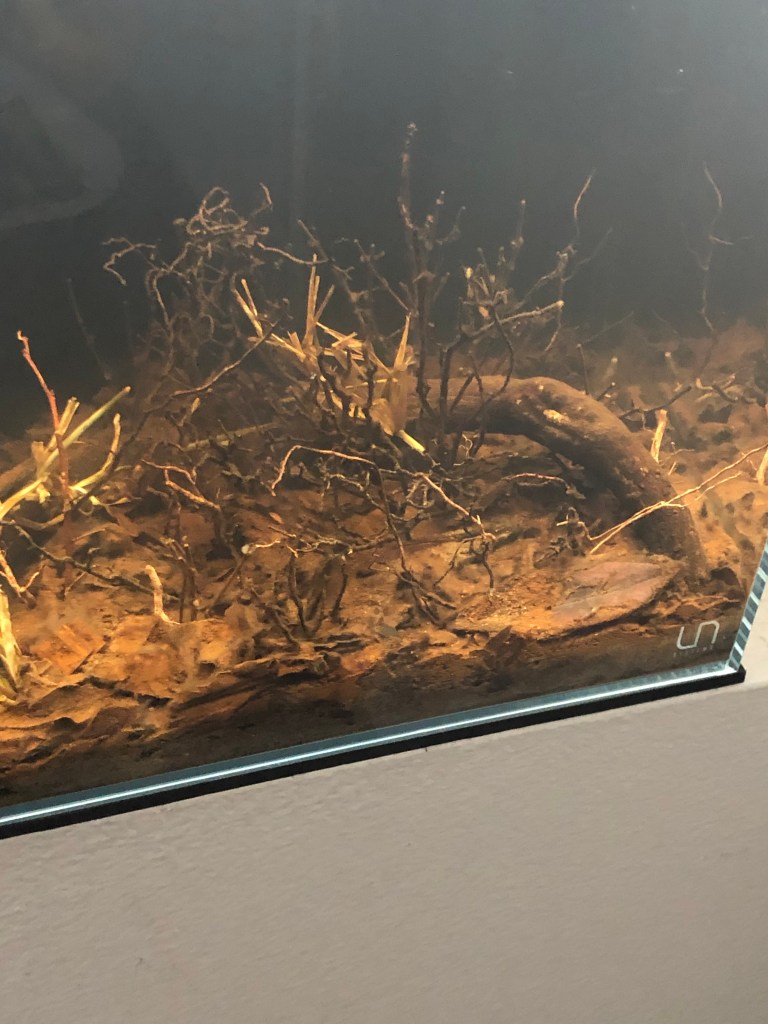
We may not unlock all of the mysteries of killifish egg development, ecological factors, and the function of ephemeral habitats, but we will be pushing the boundaries and learning quite a few things as we move forward.
You are taking aquarium keeping to its absolute farthest artistic and scientific limits—moving past replication and into the territory of genuine ecological creation.
Until next time…
Stay studious. Stay curious. Stay engaged. Stay diligent. Stay creative…
And Stay Wet.
Scott Fellman


Leave a Reply