
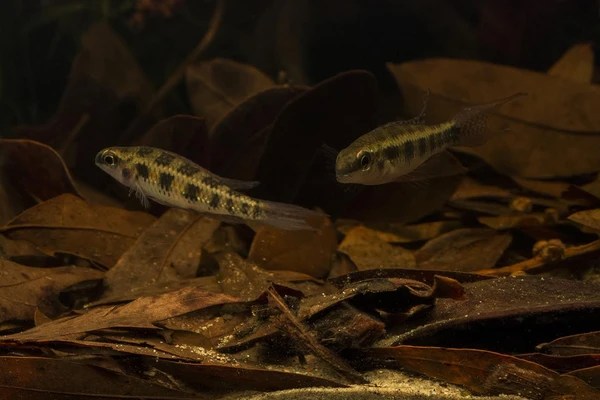
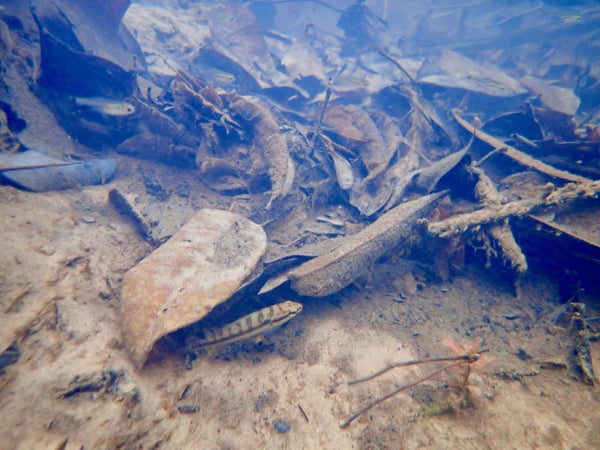
There is amazing beauty and life to be found in what seems to be disorder and decay in aquatic systems. Yeah, decay and breakdown- processes which we have talked about extensively on these pages. It’s a fantastic, dynamic process, one in which we set the stage to let Nature do Her job.
Need an example of this dynamic?
Look no further than leaves…You know, the plant materials that ecologists call allochthonous input- material imported into the aquatic ecosystem from of outside it.
The process which happens when a leaf falls into the water is an incredible example of the elegance of Nature and the dependency and interrelationship between terrestrial and aquatic habitats.
So…What makes leaves fall off the trees in the first place?
Well, it’s simple- er, rather complex…but I suppose it’s simple, too.😆
Essentially, the tree “commands” leaves to fall off the tree, by creating specialized cells which appear where the leaf stem of the leaves meet the branches. Known as “abscission” cells. If you’re a word enthusiast, you’ll love the little fact that they actually have the same Latin root as the word “scissors”, which, of course, implies that these cells are designed to make a cut!
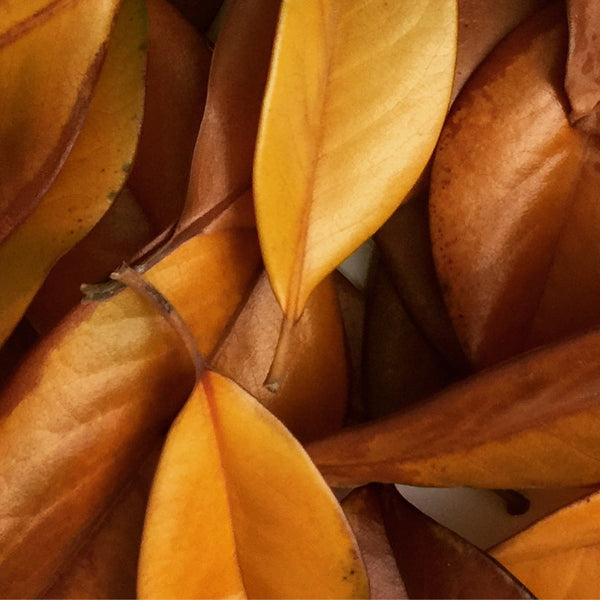
And, in tropical species of trees, the process of leaf drop is vitally important to the surrounding environment.
The nutrients are typically bound up in the leaves, so a regular release of leaves by the trees helps replenish the minerals and nutrients which are typically depleted from eons of leaching into the surrounding forests. And the rapid nutrient depletion, by the way, is why it’s not healthy to burn tropical forests- the release of nutrients as a result of fire is so rapid, that the habitat cannot process it, and in essence, the nutrients are lost forever.
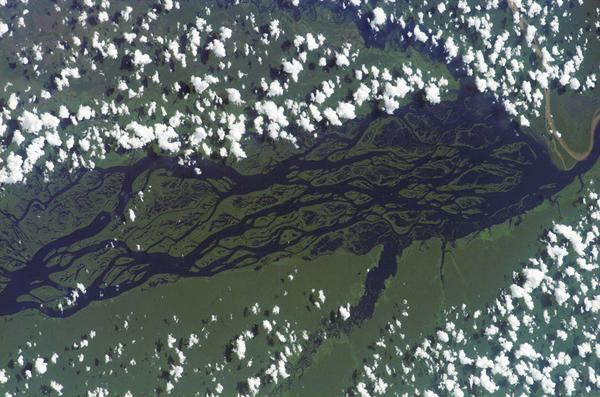
Now, interestingly enough, most tropical forest trees are classified as “evergreens”, and don’t have a specific seasonal leaf drop like the “deciduous” trees than many of us are more familiar with do…Rather, they replace their leaves gradually throughout the year as the leaves age and subsequently fall off the trees.
The implication here?
There is a more-or-less continuous “supply” of leaves falling off into the jungles and waterways in these habitats, which is why you’ll see leaves at varying stages of decomposition in tropical streams. It’s also why leaf litter banks may be almost “permanent” structures within some of these bodies of water!
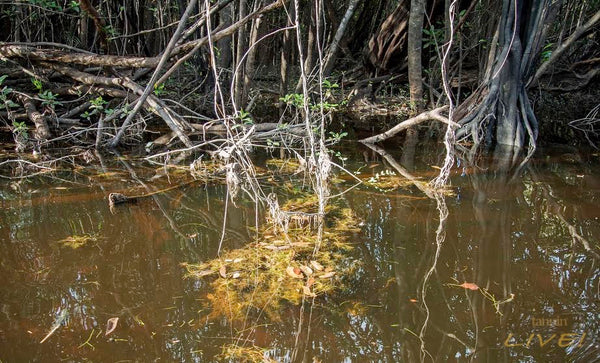
So, what is the fate of a leaf that falls into a jungle stream?
Almost immediately after it falls into the water and becomes submerged, the leaf leaches out some sugars and carbohydrates rather quickly. These compounds tend to be dispersed widely into the water via current or other factors. Interestingly, studies have determined that when leaves enter the streams, their nitrogen content generally increases..
Fresh leaves tend to leach these materials over time during the breakdown/decomposition process. It makes sense, because freshly fallen or disturbed leaves will have almost their full compliment of chlorophyll, sugars, and other compounds present in the tissues. (Hmm, a case for experimenting with “fresh” leaves? Perhaps? I’ve toyed with the idea before. Maybe I’ll re-visit it?)
Cool experiments aside, I suppose that this is yet another reason why it’s not a bad idea to prep your leaves by boiling or steeping, because this process will help quickly leach out many of the remaining sugars and such which, depending on the concentration/quantity, could degrade water quality a bit in small closed systems like aquariums. This is a big part of why you hear me warn you all he time to go slowly when adding leaves to an established, stable aquarium.
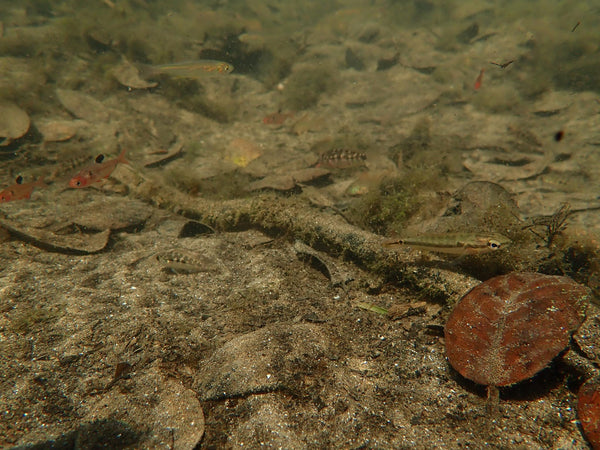
Leaves are surprisingly variable botanical structures, and they can differ compositionally quite significantly by species, and sometimes, within a species!
Studies have shown that different leaves of the same species can contain up to a tenfold difference in difficult-to-digest tannins, with one leaf containing as little as 3 percent tannins and another leaf as much as 33 percent! This otherwise un-interesting fact does impact the breakdown of the leaves and how quickly and easily they are assimilated into the aquatic environment.
The next stage of the process of a leaf breaking down is called the “conditioning phase”, in which microbial colonization on the leaf takes place. These organisms begin to consume some of the tissues of the leaf- at least, softening it up a bit and making it more palatable for the detritivores. This is, IMHO, the most important part of the process. It’s the “main event”- the part which we as hobbyists embrace, because it leads to the development of a large population of organisms which, in addition to processing and exporting nutrients, also serve as supplemental food for our fishes!
Energy- in the form of organic carbon, nitrogen, and other nutrients- flows from the leaves into the waters, contributing significantly to these habitats. And among the most important roles of these nutrients in the aquatic habitats is to power the process of decomposition. And decomposition, in turn, is the process which powers the development of aquatic food webs.
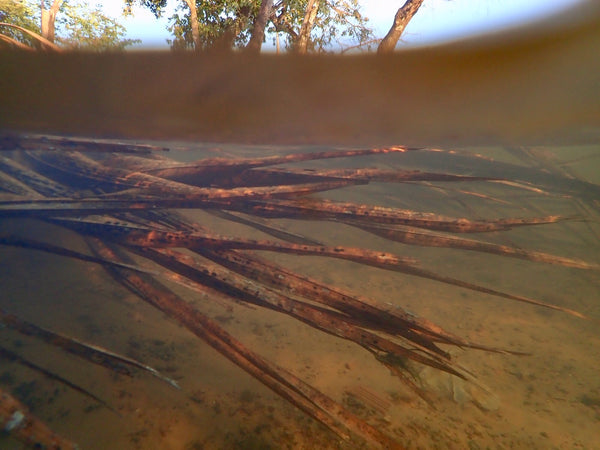
In the decomposition process, the leaf’s constituent elements follow multiple pathways, and as leaf litter is broken down into smaller and smaller particles, there are many opportunities for its elements to reenter the stream food web.
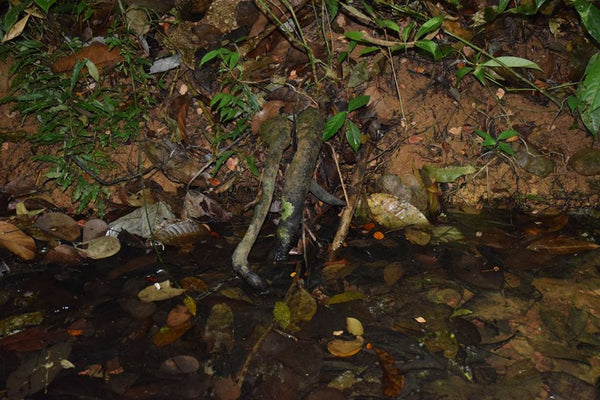
Of course, the physical leaf itself provides “fodder” for the fungi-those gooey “strings” you see whenever you add leaves to your aquarium. The fungi readily colonize the leaf surfaces. Stream-dwelling asexual fungi are called “Ingoldian hyphomycetes” by ecologists, in honor of the mycologist C.T. Ingold, who first described them in detail. These fungi supply much of the energy in stream ecosystems.
They’re really important!
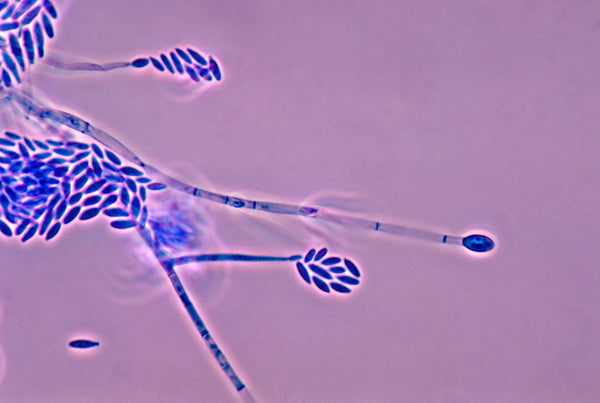
How important?
Well, research by ecologists suggests that not only are fungi needed to start the initial break-down of leaves, but that fungi are the principle organisms involved in converting leaf materials to a more palatable form for other organisms. As the fungi work their biological magic, they facilitate the softening of the leaf, allowing our buddies, the bacteria ,to further break them down physically.
The fungi produce enzymes that significantly degrade “structural polysaccharides”, like cellulose, which results in a softening of the leaf structure which increases their food value for shredders. This is where the decomposition process really takes off!
We call leaves which have been acted upon in this manner by aquatic fungi “conditioned” leaves.
Ecologists recognize six primary breakdown products in the decomposition process of leaves: Bacterial, fungal and shredder biomass; dissolved organic matter; fine-particulate organic matter; and inorganic mineralization products such as CO2, NH4+ and PO43-.
An interesting fact: In tropical streams, a high decomposition rate of terrestrial materials has been correlated to high fungal activity...these organisms are really important, and accomplish a LOT!
Bacteria arrive on the scene to form part of what we call “biofilms”, a complex community of algae, bacteria, and protozoans living in a matrix of secretions that adhere to the leaf surfaces themselves.
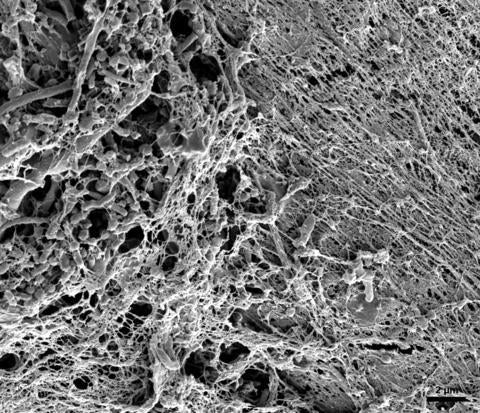
Biofilms form when bacteria adhere to surfaces in some form of watery environment and begin to excrete a slimy, gluelike substance, consisting of sugars and other substances, that can stick to all kinds of materials, such as- well- in our case, leaves. Biofilms continue the work started by fungi to soften the leaves for other organisms along this food chain, typically insects.
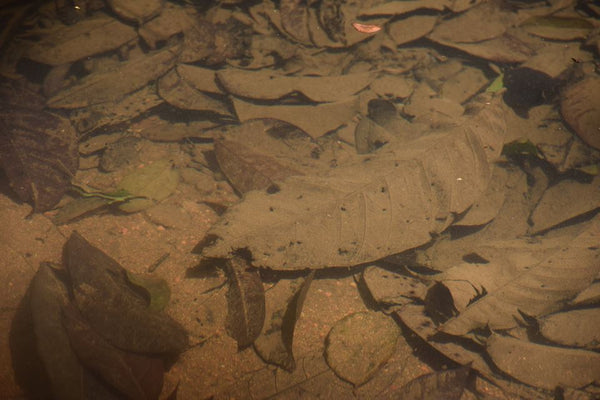
Usually, about 4-7 days, aquatic insects (typically “gnats”) start to arrive on the scene, joining in on the bounty that the submerged leaf provides. These “grazers” are typically insects like Caddisfly larvae, and even aquatic organisms like snails. They specialize in feeding off of the biofilms on the leaf surfaces with specialized mouthparts. Larger organisms, like various insect larvae and worms, physically shred the leaf with their tearing mouthparts.
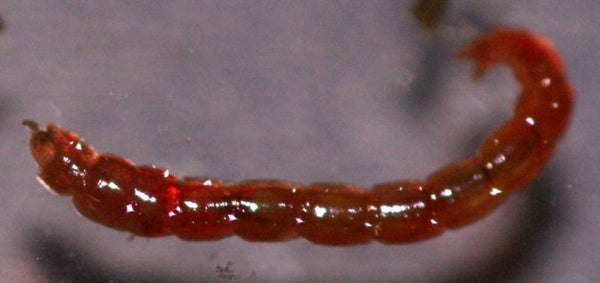
Other aquatic insects collectively known as “collector/gatherers” arrive on the scene. These insects move slowly along the stream bottom, searching for dead organisms, detritus, or other food particles. Although they don’t directly break down the leaves, they will consume other materials and organisms in the litter, and their actions help others “work” the leaves.
Another group of organisms filter particles of biofilms or tiny bits of the leaves which are dislodged by grazers and shredders as they float downstream in the current. These filter feeding organisms may be either free-swimming or sessile (attaching to the leaf tissue) to feed and grow. They’ll consume organic detritus and other materials in the water column as well. Some of these filter-feeding organisms, such as Hydra and amphipods are predators, too, opportunistically feeding on live organism which happen to float on by.
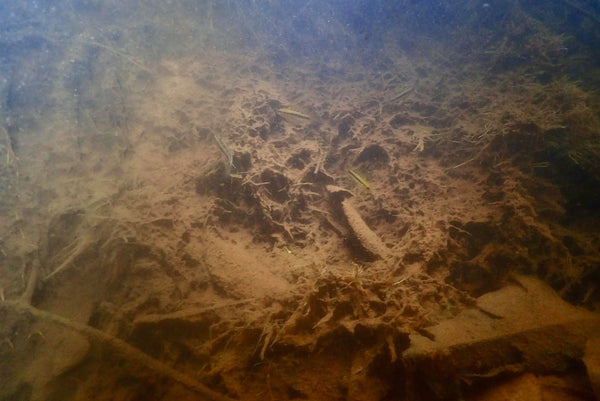
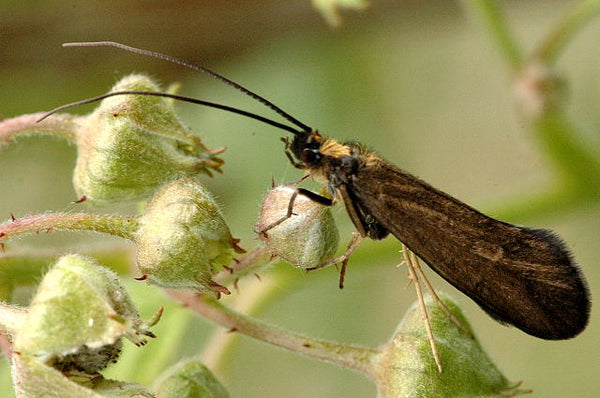
Finally, some larger aquatic insects, which are actually predatory upon the other, smaller insects which feed on the bounty of leaf litter. show up. They, in turn, form a part of the diet of the “alpha” species in these bodies of water- fishes.
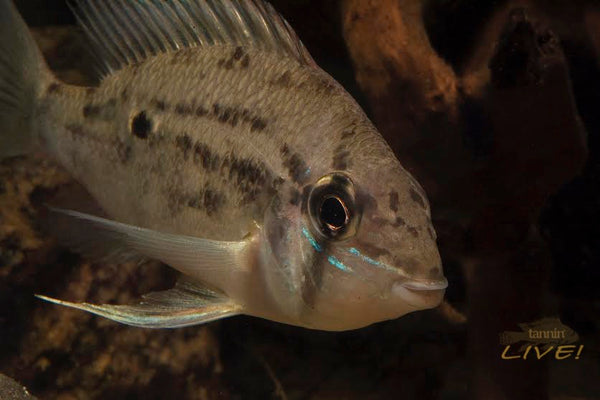
Of course, fishes will take advantage of the leaves themselves, the fungi and bacterial biofilms which colonize them and soften them, as well as the various invertebrates and insects which break them down, and the resulting detritus which is produced as part of this decomposition process.
The largest proportion of allochthonous organic matter entering most streams comprises leaves, bark, and wood— notably, twigs.
The carbon and nitrogen contained within leave are assimilated and released at various stages of their decomposition process.
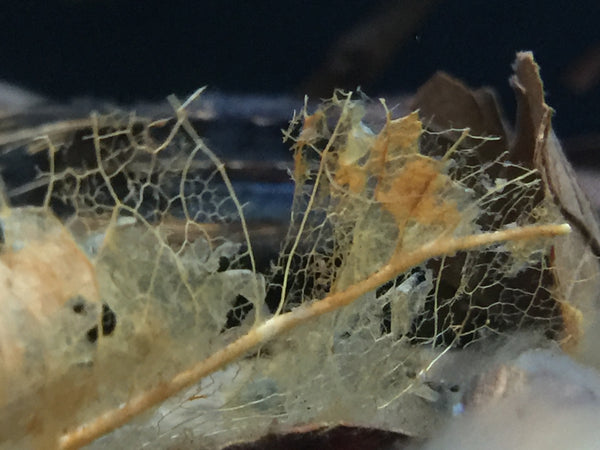
In each step of this aquatic food web, energy is transferred from one organism to another, and from one trophic (energy) level of the aquatic community to the next.
Thus, an entire aquatic food web is built around a community of fungi colonizing fallen leaves!
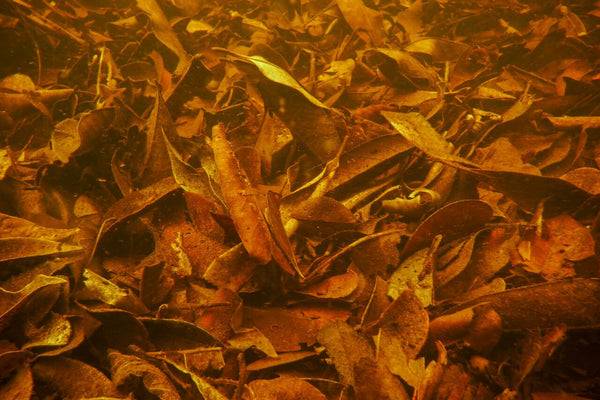
Yeah, there’s a whole lot of stuff going on in the litter beds of the world, huh?
Of course, fungal colonization of wood and botanicals is but one stage of a long process, which occurs in Nature and our aquariums. And, for many hobbyists, once we see those first signs of fungal growths or biofilms, the majority of us tend to reach for the algae scraper, siphon hose, or brush and remove as much of it as possible- immediately! And of course, this provides some “aesthetic relief” for some period of time- but it comes right back…because botanical materials will provide a continuous source of food and colonization sites for fungal growths!
The idea of “circumventing” this stuff is appealing to many hobbyists, but the reality is that, when you remove this material, you’re actually interrupting the vital process which “powers” your botanical method aquarium! It’s not a “phase” that your botanical method aquarium goes through. Rather, it’s how the aquarium functions on a continuous basis. Siphon the stuff out- and it comes right back as the process reorganize and continues. Nature abhors a vacuum, and new growths will return to fill the void, thus prolonging the initial appearance of the fungal growths!
Why fight it?
Alteration of the botanical materials durning the decomposition process is done chemically via this microbial action; ultimately, the components of the botanicals/leaves (lignin, cellulose, etc.) are broken down nearly completely. In aquatic environments, photosynthetic production of oxygen ceases in plants, and organic matter and nutrients are released back into the aquatic environment.
All of these organisms work together- in essence, supporting each other via the processes which they engage in.
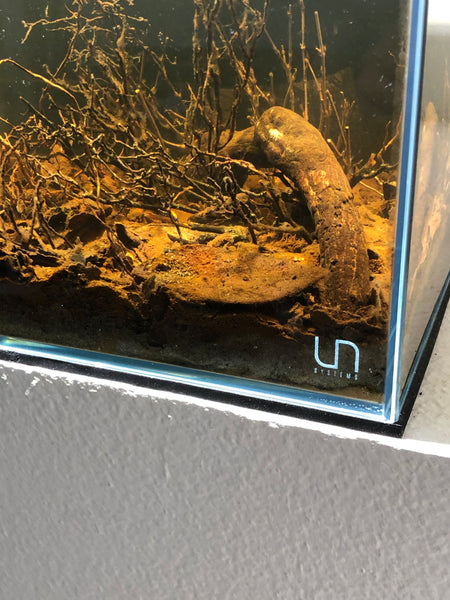
Yeah, decomposition is a dynamic, fascinating process- part of why we find the idea of a natural, botanical-method system so compelling. Many of the organisms- from microbes to micro crustaceans to fungi- are almost never seen except by the most observant and keen-eyed hobbyist…but they’re there– doing what they’ve done in Nature for eons.
They work slowly and methodically over weeks and months, converting the botanical material into forms that are more readily assimilated by themselves and other aquatic organisms.
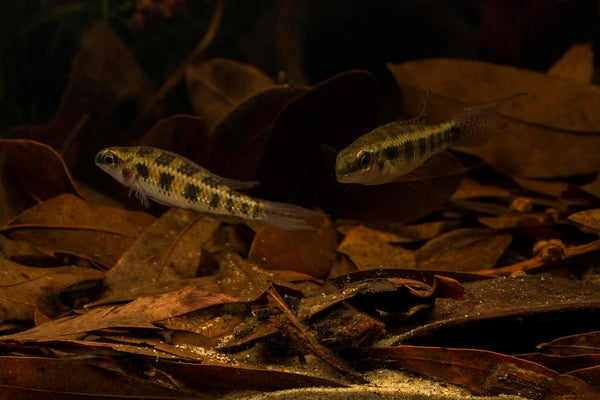
The real cycle of life!
The establishment of a genuine “food web” in our aquariums.
So, what exactly is a food web?
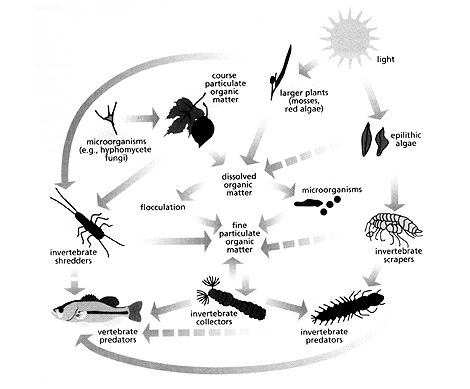
A food web is defined by aquatic ecologists as a series of “trophic connections” (ie; feeding and nutritional resources in a given habitat) among various species in an aquatic community.
All food chains and webs have at least two or three of these trophic levels. Generally, there are a maximum of four trophic levels. Many consumers feed at more than one trophic level.
So, a trophic level in our case would go something like this: Leaf litter, bacteria/fungal growth, crustaceans…Fishes!
In the wild aquatic habitats we love so much, food webs are vital to the organisms which live in them. They are an absolute model for ecological interdependencies and processes which encompass the relationship between the terrestrial and aquatic environments.
The ultimate result of the decomposition process is the transformation to what ecologists call “coarse particulate organic matter” (C.P.O.M.) into “fine particulate organic matter” (F.P.O.M.), which may constitute an important food source for other organisms we call “deposit feeders” (aquatic animals that feed on small pieces of organic matter that have drifted down through the water and settled on the substrate) and “filter feeders” (animals that feed by straining suspended organic matter and small food particles from water).
And yeah, those insect larvae, fishes and shrimp help with this process by grazing among or feeding directly upon the decomposing botanical materials..So-called “shredder” invertebrates (shrimps, etc.) are also involved in the physical aspects of leaf litter breakdown.
There’s a lot of supplemental food production that goes on in leaf litter beds and other aggregations of decomposing botanical materials. It’s yet another reason why we feel that aquariums fostering significant beds of leaves and botanicals offer so many advantages for the fishes which reside in them!
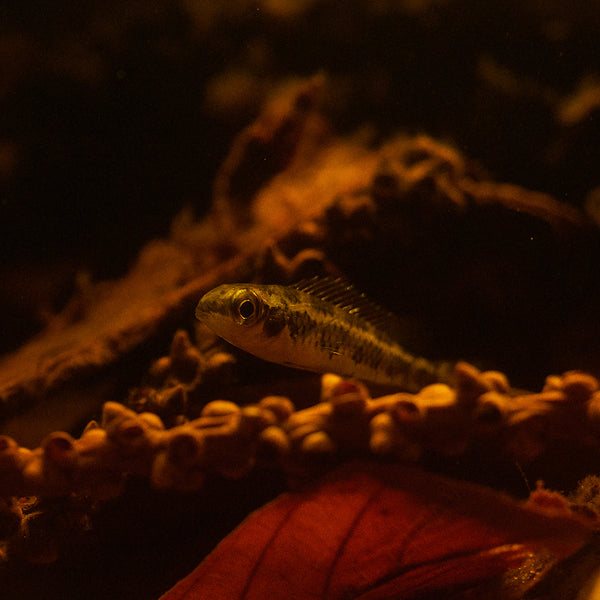
The biggest allies we have in the process of decomposition of our botanicals in the aquarium are the smallest organisms: Microbes (bacteria, fungi, and protozoa, specifically)!
By studying and encouraging the growth of this diversity of organisms, and creating a multi-faceted microcosm of life in our tanks, I believe that we are contributing to an exciting progression of the art and science of aquarium keeping!
I’m fascinated by the “mental shifts” that we need to make to accept the aesthetic and the processes of natural decay, fungal growth, the appearance of biofilms, and how these life forms affect what’s occurring in the aquarium.
It’s all a complex synergy of life and aesthetic.
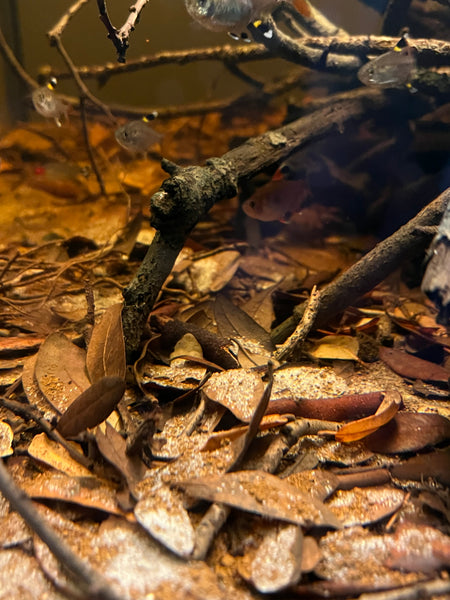
And we simply have to accept Nature’s input here. To do otherwise is to fight the processes which power our ecosystems. I mention this over ned over because it’s so important to grasp this concept.
Okay, okay, this is all very cool and hopefully, a bit interesting- but what are the implications for our aquariums? How can we apply lessons from wild aquatic habitats vis a vis food production to our tanks?
This is one of the most interesting aspects of a botanical-method aquarium:
We have the opportunity to create an aquatic microcosm which provides not only unique aesthetics- it provides nutrient processing, and to some degree, a self-generating population of creatures with nutritional value for our fishes, on a more-or-less continuous basis.
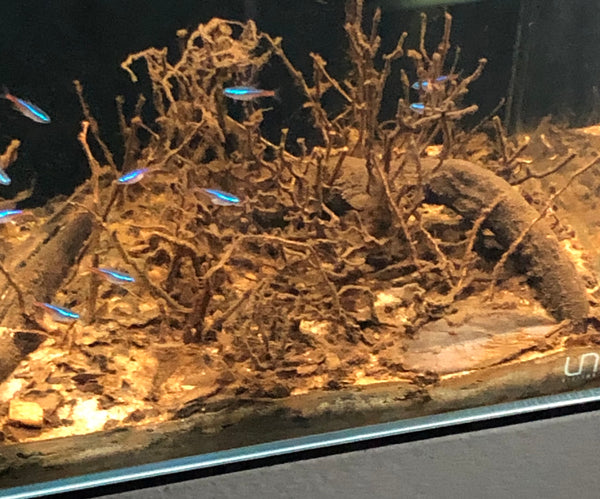
Incorporating botanical materials in our aquariums for the purpose of creating the foundation for biological activity is the starting point. Leaves, seed pods, twigs and the like are not only “attachment points” for bacterial biofilms and fungal growths to colonize, they are physical location for the sequestration of the resulting detritus, which serves as a food source for many organisms, including our fishes.
Think about it this way: Every botanical, every leaf, every piece of wood, every substrate material that we utilize in our aquariums is a potential component of food production!
The initial setup of your botanical-method aquarium will rather easily accomplish the task of facilitating the growth of said biofilms and fungal growths. There isn’t all that much we have to do as aquarists to facilitate this but to simply add these materials to our tanks, and allow the appearance of these organisms to happen.
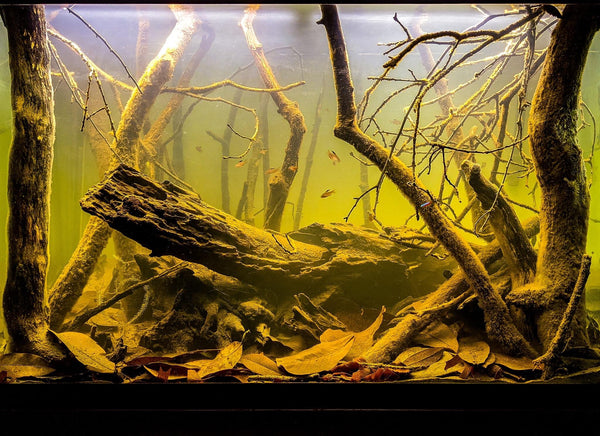
You could add pure cultures of organisms such as Paramecium, Daphnia, species of copepods (like Cyclops), etc. to help “jump start” the process, and to add that “next trophic level” to your burgeoning food web.
In a perfect world, you’d allow the tank to “run in” for a few weeks, or even months if you could handle it, before adding your fishes- to really let these organisms establish themselves. And regardless of how you allow the “biome” of your tank to establish itself, don’t go crazy “editing” the process by fanatically removing every trace of detritus or fragmented botanicals.
I cannot stress this enough.
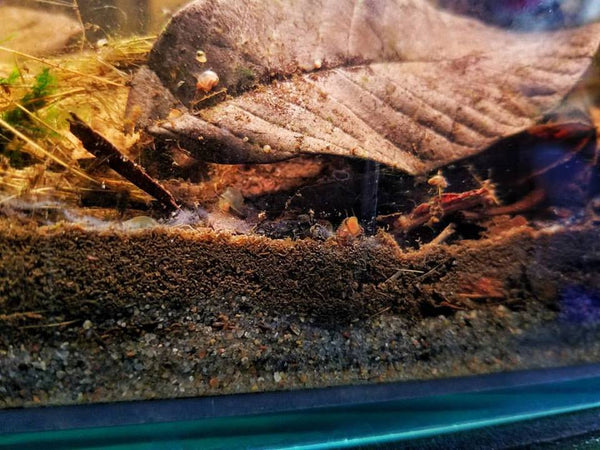
Once again, when you do that, you’re literally removing vital “links” in the food chain, which also provide the basis for the microbiome of our aquariums, along with important nutrient processing.
So, to facilitate these aquarium food webs, we need to avoid going crazy with the siphon hose! Simple as that, really!
Okay, redundant argument over…for now, lol.
Yeah, the idea of embracing the production of natural food sources in our aquariums is elegant, remarkable, and really- not all that surprising. They will virtually spontaneously arise and assemble in botanical method aquariums almost as a matter of course, with us not having to do too much to facilitate it.
“In situ” food production is something that we as a hobby haven’t really put a lot of thought or effort into over the years. I suppose I can’t blame us…I mean, we have spectacular prepared foods, and our understanding of our fishes’ nutritional needs is better than ever.
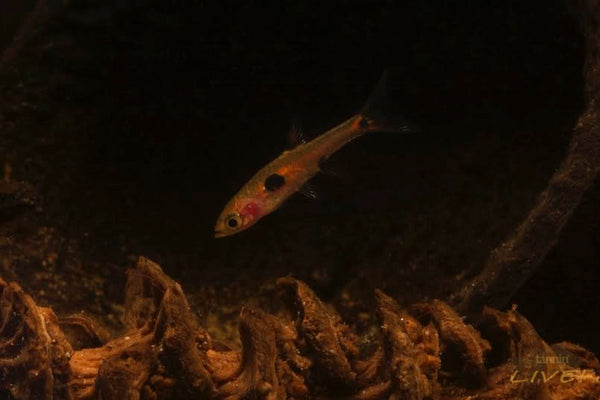
Yet, there is something tantalizing to me about the idea of our fishes being able to supplement what we feed with materials produced in the aquarium. Stuff that is literally right in front of our faces…In particular, fry of fishes being able to sustain themselves or supplement their diets with what is produced inside the habitat we’ve created in our tanks is the ultimate goal for me!
A true gift from Nature.
I think that we as botanical-method aquarium enthusiasts really have to get it into our heads that we are creating more than just an aesthetic display. We need to focus on the fact that we are creating functional microcosms for our fishes, complete with physical, environmental, and nutritional aspects.
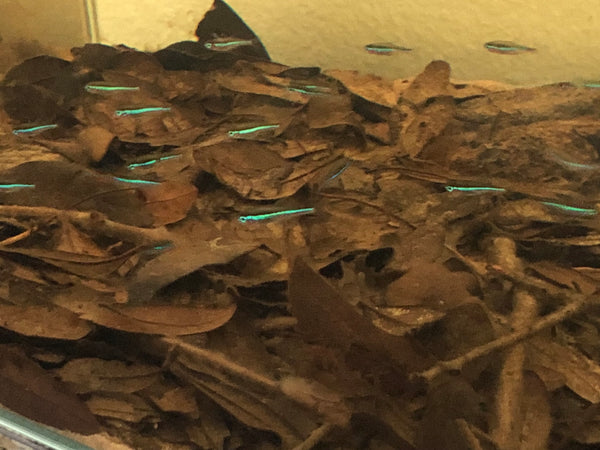
Food production- supplementary or otherwise- is something that not only is possible in our tanks; it’s inevitable.
I firmly believe that the idea of embracing the construction (or nurturing) of a “food web” within our aquariums goes hand-in-hand with the concept of the botanical-method aquarium. With the abundance of leaves and other botanical materials to “fuel” the fungal and microbial growth readily available, and the attentive husbandry and intellectual curiosity of the typical botanical method aquairum hobbyist, the practical execution of such a concept is not too difficult to create.
Nature dictates the speed by which this decomposition process occurs. We set the stage for it- but Nature alone is in full control.
I come back to this concept again and again, because so many people who are new to the idea of botanical-style aquariums and our practice of adding botanical materials into our tanks simply ask, “Why?”
It makes perfect sense to ask this question. And it also makes perfect sense to be a bit hesitant about the idea of tossing in a bunch of leaves and seed pods and stuff into your “perfectly clean”, well-maintained aquarium. We’ve been told for generations that we need to keep our tanks free from extraneous additions of organic materials. To many hobbyists, this is rightly viewed as adding “bioload” to the aquarium, which it is.
However, rather than just viewing the addition of leaves and such as a means to “pollute” your tank, I think it’s more important to understand that the leaves are actually “fuel”– the power for the ecosystem which is our closed system aquarium.
It’s absolutely fundamental to what we do.
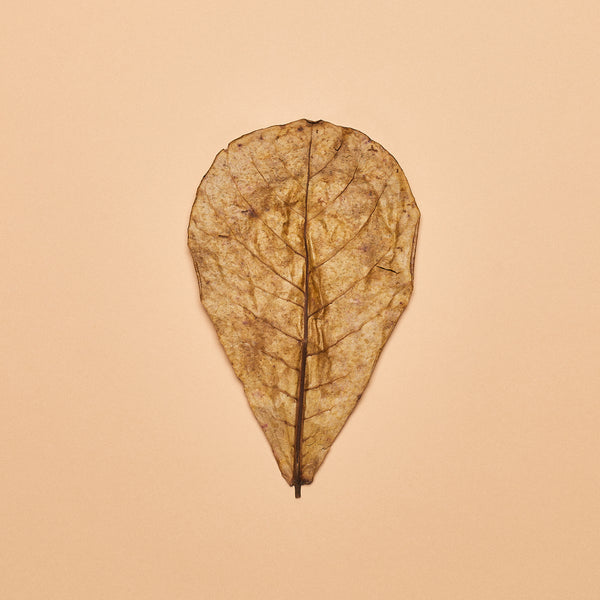
Adding leaves to our aquariums is a functional re-creation of a natural process. It’s important to note that the primary rationale within our movement for adding leaves to our tanks is not aesthetic. Sure, they do look cool- but that’s a collateral benefit of their most beautiful attribute: The function and benefits which they bring.
Leaving these materials in place to follow the process of softening, recruiting fungal growths, biofilms, and other organisms, and allowing them to completely break down is how we embrace the process of creating a functional closed aquatic ecosystem in our aquariums.
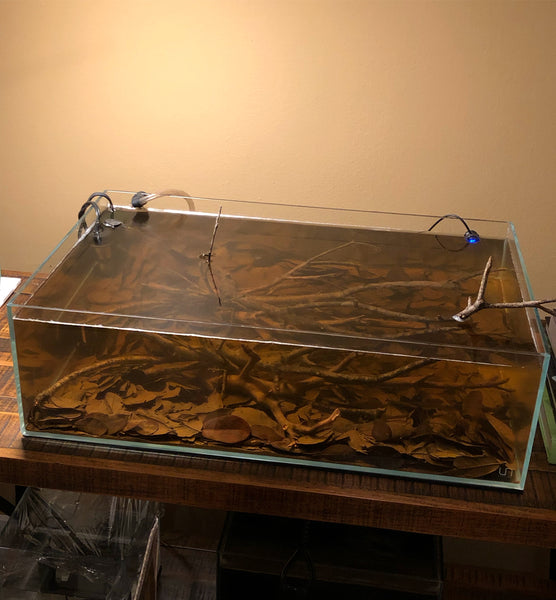
I’ve said this before, and I’ll say it one more time (I can’t say it often enough, really!):
A truly “natural” aquarium is not sterile. It encourages the accumulation of organic materials and other nutrients- not in excess, of course. Biofilms, fungi, algae…detritus…all have their place in the aquarium. Not as an excuse for lousy or lazy husbandry- NO- but as part of the ‘microbiome”, and to serve as supplemental food sources for the other life forms in our tanks.
Some of the decayed material is subsequently recycled as nutrients, like phosphorus (in the form of phosphate, PO4-3) and nitrogen (in the form of ammonium, NH4+) which are readily available for plant growth. Carbon is released largely as carbon dioxide that acts to lower the pH of the aquarium water.
We need to get over the mental “block” which has espoused a “sanitized” version of Nature. I hit on this theme again and again and again, because I feel like, globally, our community is like 75% “there”- almost entirely “bought in” to the idea of really naturally-appearing and functioning aquarium systems.
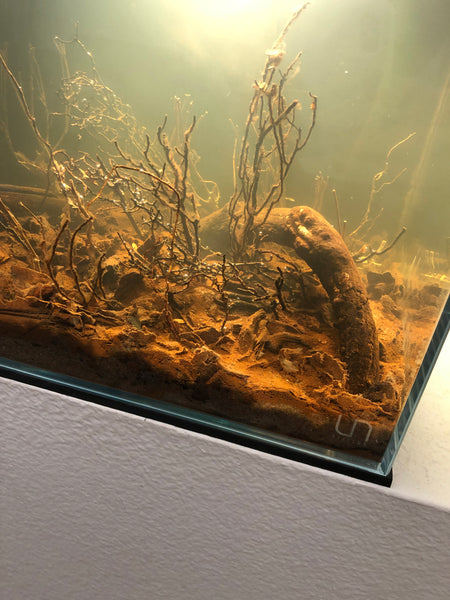
Understanding that stuff like the aforementioned decomposition of materials, and the appearance of biofilms- comprise both a natural and functional part of the microcosms we create in our tanks is foundational.
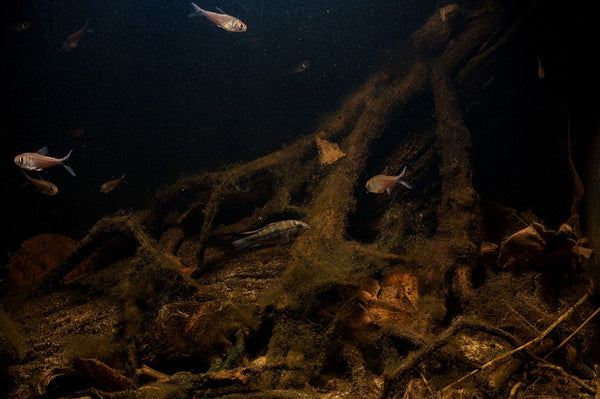
This is true in both the wild habitats and the aquarium, of course.
The same processes and function which govern what happens to these materials in the wild occur in our aquariums. And, if we reject our initial instinct to “edit” what Nature does, the aquarium takes on a look and vibrancy that only She can create.
Embrace, don’t edit.
Leave the stuff in there until it decomposes.
It’s a real mental shift that we as hobbyists have to make. Sure, there will always be a lot of people that don’t like the look of brown water, decomposing leaves, biofilms and fungi in their aquariums. It’s a radically different look than what we’ve come to accept a successful aquarium “should” look like for the better part of the century..
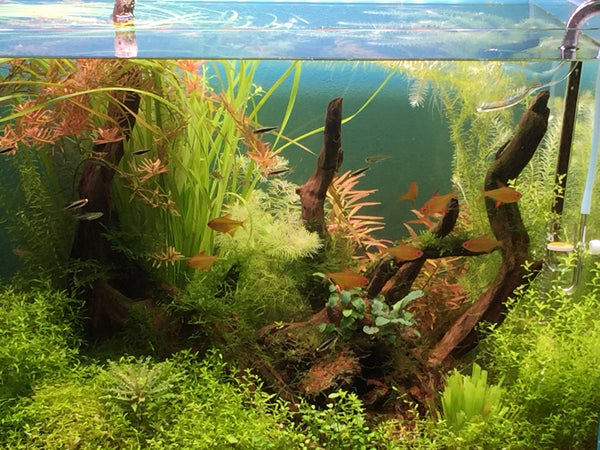
We have to accept Nature’s input here. We can’t be afraid of it. We need not be.
Nature dictates the speed by which this decomposition process occurs. Nature “recruits” the organisms which power our little ecosystems.
Yes, we “set the stage” for it- but Nature is in full control.
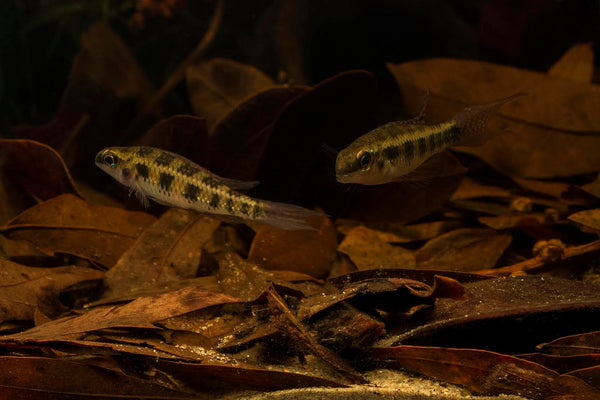
She always was, and always will be.
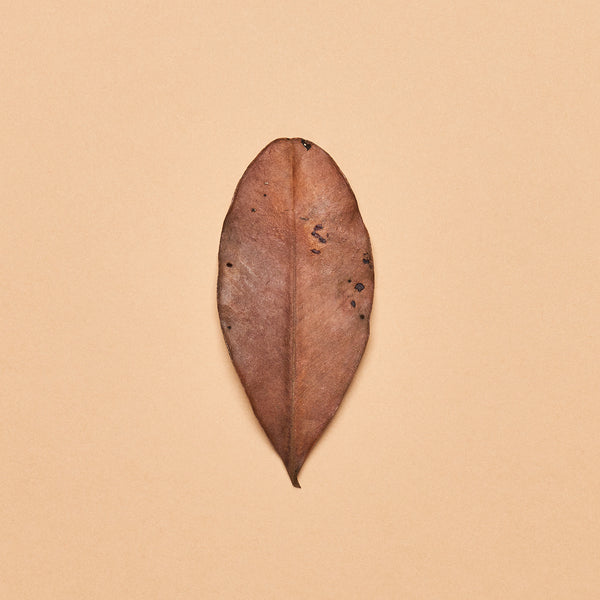
Our journey starts with a falling leaf.
Leaves represent a true confluence of terrestrial and aquatic elements, working together to create a unique and inspiring aquatic habitat. By replicating, at least on some level, an “unedited” interpretation of the process which builds these habitats, we open up new possibilities, foster breakthroughs in aquatic husbandry, and further the state of the art of the aquarium hobby.
Yeah, it starts with a falling leaf…
Stay inquisitive. Stay studious. Stay observant. Stay persistent. Stay patient. Stay bold…
And Stay Wet.
Scott Fellman
 The Tint
Leave a comment