
Land and water…
If there’s one foundational concept to the botanical method “philosophy”, it’s that land and water are inexorably linked together. And, I think that when we contemplate the dynamic of how water and the aquatic environment interact, it makes us look at aquatic habitats- and our aquariums-a bit differently.
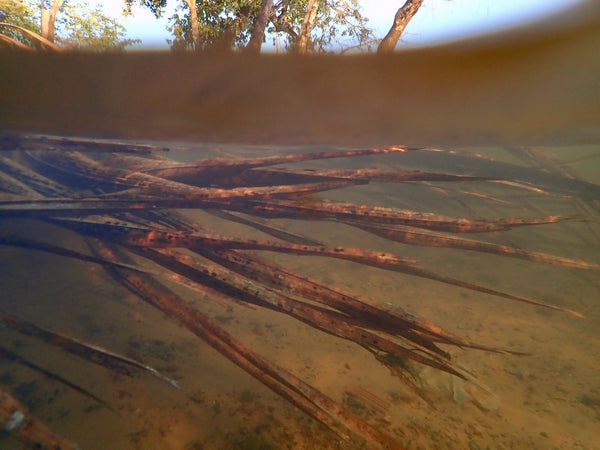
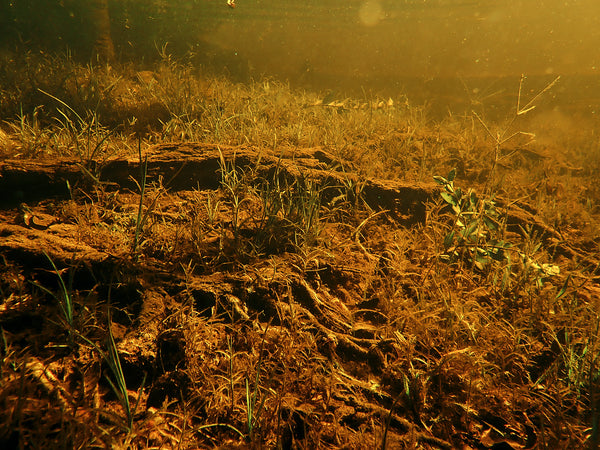
Seasonally-inundated forest floors and grasslands, such as the Igapo and Varzea in South America, are some of the most fascinating and dynamic ecologies in Nature- and they’re ripe for replicating-in both form and function- in our aquariums.
We love this habitat because its very structure is one of the pillars of botanical method aquarium keeping: Terrestrial materials influence the aquatic environment. In this case it’s leaf litter. Yes, leaf litter plays a surprisingly central role in keeping the ecosystem functioning.
Itt acts as a primary nutrient source. Igapó forests are typically flooded by nutrient-poor, acidic blackwater rivers, so the soil itself doesn’t provide much fertility. When leaves fall and accumulate, they decompose (slowly, due to low oxygen and acidity), releasing essential nutrients like nitrogen and phosphorus back into the system. This makes leaf litter one of the main drivers of nutrient cycling there.
Leaf litter supports a detritus-based food web in the Igapo. Microorganisms (fungi and bacteria) break down the leaf litter, and that material becomes food for small invertebrates. These, in turn, feed fish and other aquatic organisms during flood periods. So instead of relying heavily on live plant productivity, the igapó ecosystem depends a lot on decomposing organic matter.
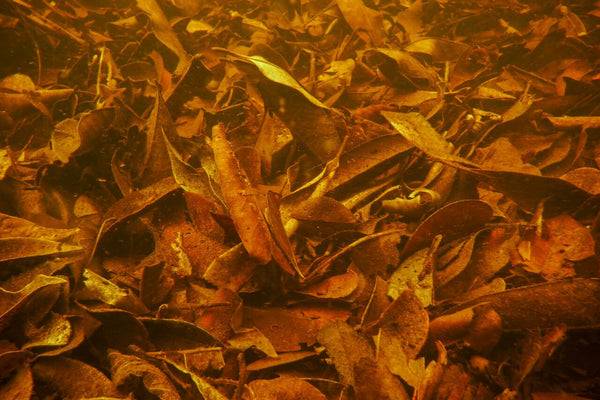
Leaf also litter provides habitat and shelter. The submerged layers create hiding places and breeding grounds for insects, crustaceans, and juvenile fish when the forest floods. This structural complexity is crucial for biodiversity.
And of course, leaf litter helps regulate water chemistry. As leaves break down, they release tannins that contribute to the dark color and acidity of blackwater rivers, shaping the unique conditions that igapó species are adapted to.
In short, in an igapó forest, leaf litter isn’t just “dead plant matter”—it’s the backbone of nutrient cycling, food webs, habitat structure, and even water chemistry.
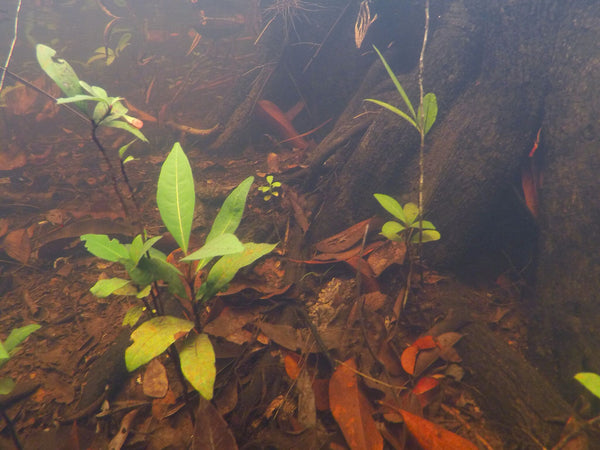
The idea of the “Urban Igapo”– our home-grown version of these habitats, has been something we’ve talked about for about 6 years or so now, and I’ve seen more and more hobbyists attempting to replicate them in aquariums. And of course, in addition to questions about the techniques and processes involved to create such a display, many of you want to know what the best plants are to utilize in your own systems.
The concept behind the “Urban Igapo” is pretty straightforward:
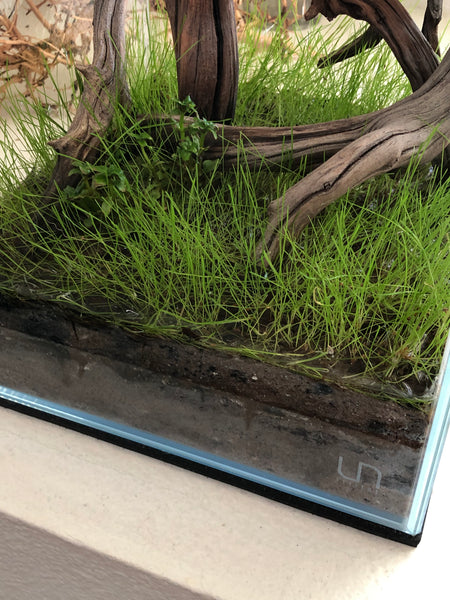
The idea is to replicate to a certain extent, the seasonal inundation of the forests and grasslands of of Amazonia by starting the tank in a ‘terrestrial phase”, then slowly inundating it with water over a period of weeks or more; then, running the system in an “aquatic phase” for the duration of the ‘wet season”, then repeating the process again and again.
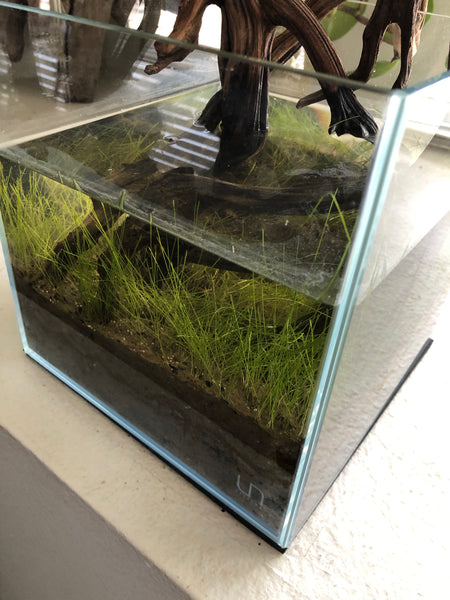
Because you can do this in the comfort of your own home, we called the concept the “Urban Igapo.” A while back in “The Tint” blog, I went more in depth with some of the procedures and techniques that you’d want to incorporate into your own executions of the idea.
And, as there are with so many things in the modern aquarium hobby, there is occasionally some confusion and even misunderstandings about why the hell we do this in the first place!
Well, that’s a good question!
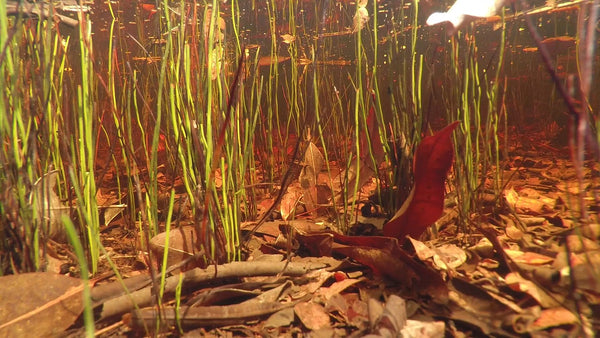
I mean, the whole idea of this particular approach is to replicate as faithfully (and practically) as possible the seasonal wet/dry cycles which occur in these habitats. It starts with a dry or terrestrial environment, managed as such for an extended period of time, which is gradually flooded to simulate inundation which occurs when the rainy season commences and swollen rivers and streams overflow into the forest or grassland.
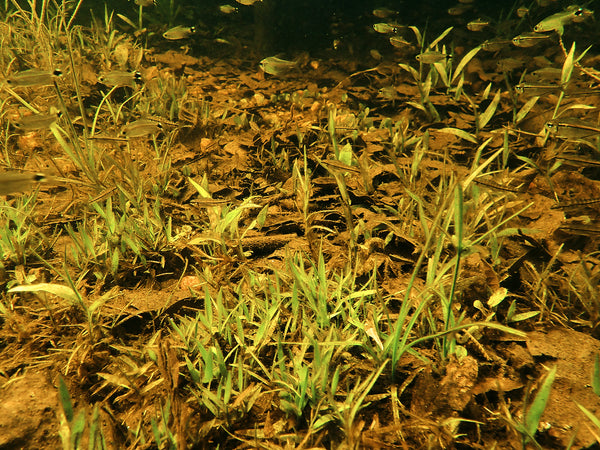
Sure, you can replicate the “wet season” only- absolutely. I’ve seen tons of tanks created by hobbyists to do this. However, if you want to replicate the seasonal cycle- the real magic of this approach- you’ll find as I did that it’s more fun to do the “dry season!”
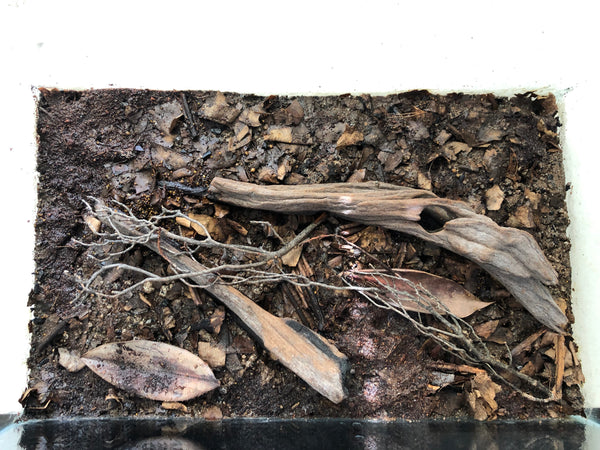
Think of it in the context of what the actual aquatic environment is- a forest floor or grassland which has been flooded. If you develop the “hardscape” (gulp) for your tank with that it mind, it starts making more sense. And, what do you find on a forest floor or grassland habitat? Soil, leaf litter, twigs, seed pods, branches, grasses, and plants.
Just add water, right?
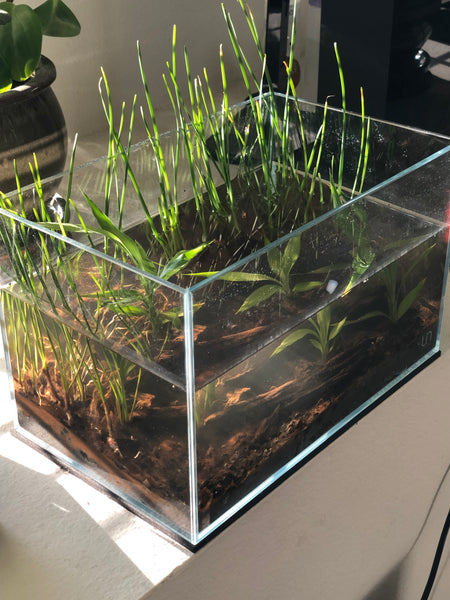
Well, sort of.
Of course, when you proffer ideas like this, in the modern aquarium hobby, the heat will follow!
I recall, a few years back, one of my friends who was presenting his experiences with this approach was just getting pounded on a forum by some, well- let’s nicely call them “skeptics” (aka “assholes”)– you know, the typical internet-brave “armchair expert” types- about why you’d do this, and how it can’t possibly lead to a stable aquarium- and how it’s “not a blackwater aquarium” (okay, it wasn’t presented as such, but it could be…) and that it’s just a “dry start” aquarium (Well, sort of, but you have to understand the concept behind it, dude!), and that “you don’t need to do it this way” and…well- that kind of stuff.
I mean, the full compliment of negative, ignorant comments and attacks by some people clearly frightened about someone trying to do something a little differently was on display. In a typical display of online-warrior hypocrisy, one particularly nasty hack did not even bother to research the idea or think about what it was really trying to do before laying into my friend.
Apparently, for these people, there was a lot to unpack. The “gotcha!” kinds of attacks, asserting that this is something that is already done by the whole aquarium world are particularly ignorant and offensive to any thinking aquarist.
I mean, first of all, the idea is not intended to be a “dry start” planted tank. It just isn’t. I mean, yeah-it starts out “dry”, but that’s literally where the similarity ends. This ignorant comment is a classic example of the way some hobbyists make assumptions based on a superficial comprehension of something.
We aren’t simply trying to grow aquatic plants here. It’s about creating a habitat of terrestrial or riparian plants snd grasses, allowing them to establish, snd then inundating the display. Most of the terrestrial grasses will simply not survive extended periods of time submerged. Now, you COULD add adaptable aquatic plants- there are no “rules”- but the intention is to replicate a seasonal dynamic.
The other point, which is utterly lost on some people, is that establishing a “transitional” environment in an aquarium takes time and patience. It’s not a 48 hour “project.” One particularly nasty dummy literally called the process “complete nonsense” and a “waste of time.” This is exactly the kind of self-righteous, ignorant hobbyist who will never get it. In fact, I’m surprised guys like that actually have any success at anything in the hobby!
Oaky, well, enough of my venting…But you can understand how such B.S. really doesn’t play well around here!
So, a lot of you want to know what plants to use, and if they can tolerate the transition from terrestrial to aquatic environments well.
Some do, some don’t. (How’s that for concise info!). I’ve played with grasses which are “immersion tolerant”, such as Paspalum. This stuff will “hang around” for a while while submerged (before ultimately succumbing. Sometimes it comes back when the “dry season” returns. However, when it doesn’t survive, it decomposes in the now aquatic substrate, and adds to the biological diversity by cultivating fungi and bacteria.
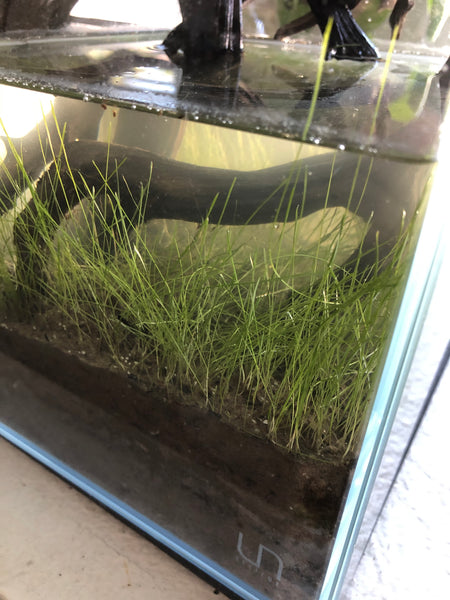
You can use many plants which are riparian in nature or capable of growing immersed, such as my fave, Acorus, as well as all sorts of plants, even aquatics, like Hydrocotyle, Cryptocoryne, and others. These can, of course, survive the transition between aquatic and “terrestrial” environments. Put a tack in Acorus. We’ll re-visit that in a lilt bit in way more detail.
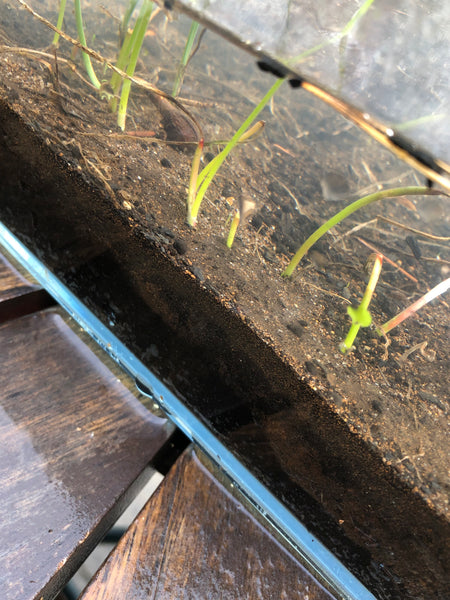
If you want to mimic one of these habitats in the most realistic manner possible, follow the exact wet and dry seasons as you’d encounter in the locale you’re inspired by. Alternatively, I’d at least go 2 months “dry” to encourage a nice growth of grasses and plants prior to inundation.
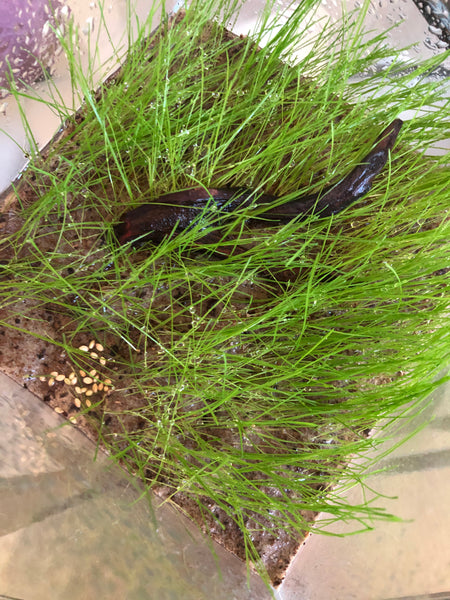
And of course, there are true aquatic plants which are found in these seasonally-inundated habitats…
There are literally dozens of species of true aquatic plants that are found in these inundated grasslands and forests, and a number of representative species or genera are commonly kept in aquariums. Most of the aquatic plant life occurs in Varzea and Igapo floodplains, both of which we’ve talked about before. The Varzea are seasonally-flooded forest areas, which are inundated by pH-neutral “whitewater”, and can reach significant depths, whereas the Igapo are generally shallow, blackwater environments with relatively low nutrient content and acidic soils.
Varzea forests are extremely rich, which leads to a very rich aquatic ecosystem when inundated, and tend to have greater density of aquatic plants. Várzea forest soils have high nutrient contents because they receive high loads of sediment (from the Andean and pre-Andean regions) from the whitewater rivers nearby.
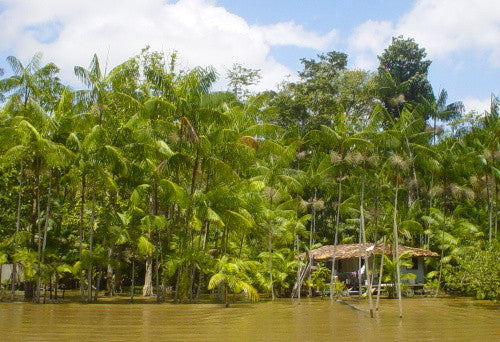
Igapó forests, on the other hand do not receive this seasonal influx of sediments, which is why they have relatively inorganic nutrient- poor soils. Igapo waters are acidic, with a pH ranging between 4 and 5, and are rich in organic materials- particularly humic and fulvic acids. It is also thought by scientists that the seasonal inundation of the Igapo soils creates anoxic conditions, limiting plant growth in general.
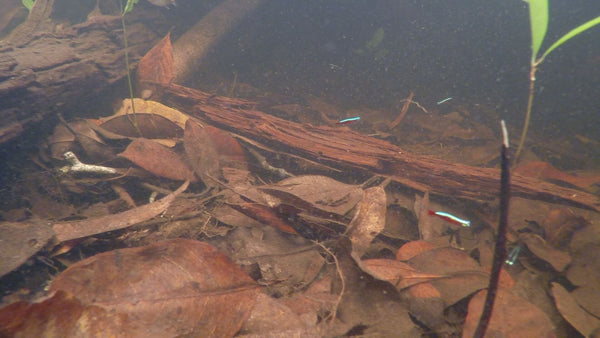
So, we have two contrasting aquatic environments, with widely varying conditions available for the growth of plants. Obviously, the Varzea forests are better conditions for a wider variety of plants, with their less acidic water and higher overall nutrient availability than Igapo, which tend to be representative of a more “classic” blackwater habitat, with far less plant growth and fewer species of fishes.
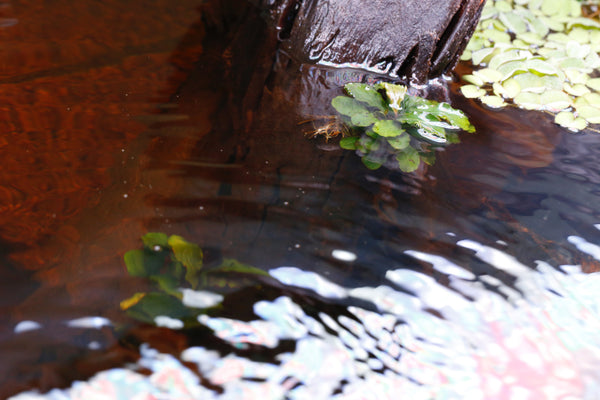
The other important factor affecting plant growth in these aquatic habitats is light; or specifically, light penetration. This affects diversity of both the terrestrial grasses and aquatic plants present in the waters. In the blackwater Igapo areas, light only penetrates down to depths of 1-2 meters, and many submerged grasses and terrestrial forest plants simply die back from lack of light. And the forest canopy adds to the shading in some areas, further reducing the amounts of light available to plants.
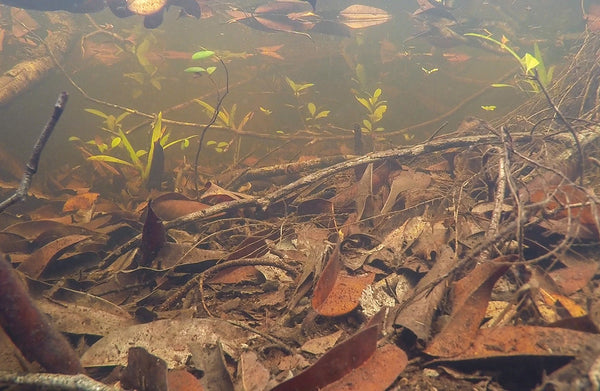
It should hardly be surprising that the diversity of plants, both terrestrial and aquatic, which survive in the inundated season is much greater in the areas of the savannas flooded by clear, nutrient-rich waters. In fact, it was determined in one study that around 900 species of grasses alone occur in the Pantanal (Varzea ) region, with almost 250 of them considered aquatic!
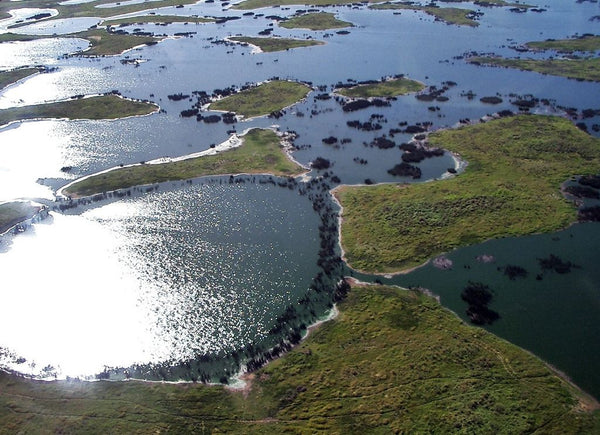
(The flooded Pantanal region. Image by Alicia Yo at the English Language Wikipedia)
So, what types of aquatic plants would you expect to find in these habitats? Well, in the here are a few:
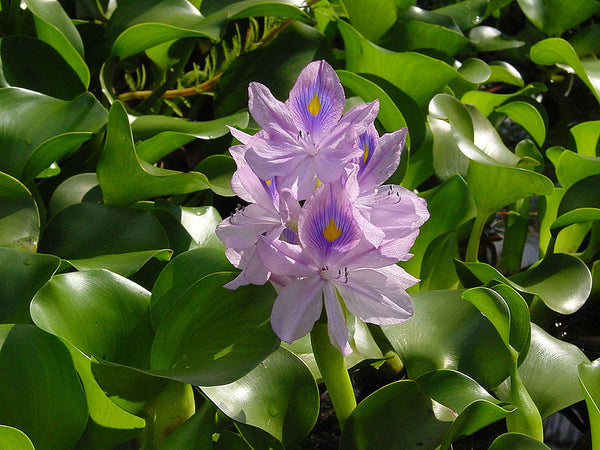
Nymphaea, Polygonum, Salviania, and Pistia, and the much-loved Water Hyacinth, Eichhornia crassipes, and yeah, some species of “Amazon Sword Plants”, just to name a few.
I’ve kept Polygonum species before (ironically, in more of a “blackwater” setting) and had great success with them, so a more “clearwater” botanical-style aquarium would no doubt really help them grow like mad!
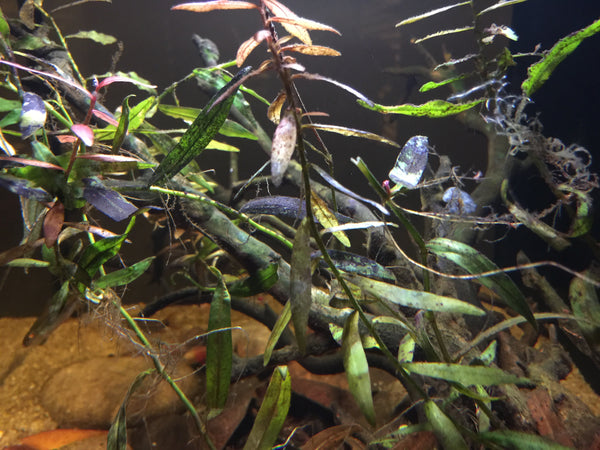
Floating plants seem to be some of the dominant aquatic species found in both regions, with no shortage of well-known, readily varieties from which to choose. Now, their suitability for aquarium use (as opposed to ponds) is debatable, but there are numerous varieties of Water Hyacinth (Eichhornia) to play with if you’re so inclined!
In the Igapo areas, the predominant aquatic plants seem to be Cabomba, Nymphaea, and Utricularia, all of which are commonly kept in aquaria or ponds.
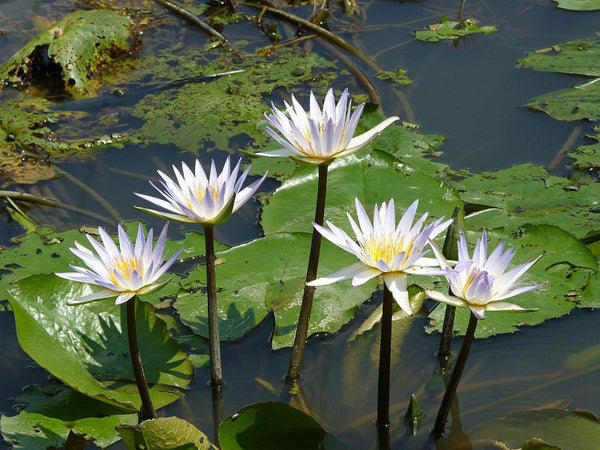
(Nymphaea, image by TC Tao, used under CC BY-SA 3.0)
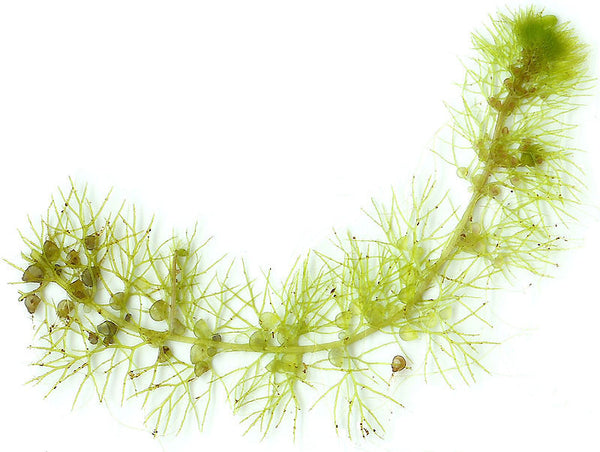
Utricularia
I have always had a soft spot for Cabomba, being one of the first aquatic plants I’ve ever kept. So, seeing that it’s at home in a blackwater habitat is, well- comforting, lol! It’s super adaptable, fast-growing, and easily obtainable…Winner!
So, yeah- an article on plants from a guy who is hardly a plant person!
Yeah, I’m being totally honest here: I don’t really know that much about aquatic plants. Sure, I can tell an Anubias barteri from an A. coffeefolia, or Water Sprite from Anacharis…I can even sort of ID a few Cryptocoryne species…
But that’s really it.
Java Moss? Sure. All of those other fancy mosses? Um, no.
I mean, they’re all moss, right?
(all moss enthusiasts are cringing now!)
And I’m okay with that.
And I have a sort of theory that, while a lot of plants aren’t found in blackwater habitats, many, many species are adaptable to this environment in the aquarium, especially if their lighting and nutrition requirements are met.
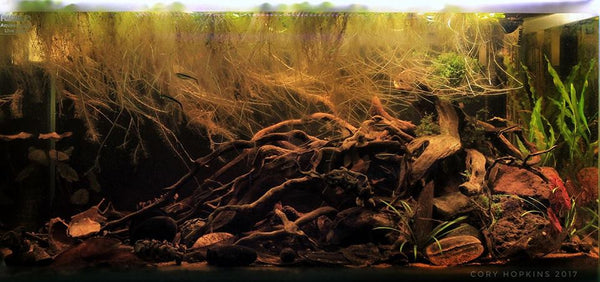
Now, if you’re trying to replicate a specific environment, or create a highly accurate biotope aquarium, such “freelancing” is to be discouraged, I know. However, for most of us who are simply content with creating a great display, it’s “game on!”
Many of us are at least semi-obsessed with replicating, to a certain extent, the flooded forest (igapo) habitats of Brazil, which, as outlined above, contain, but are not generally known for a huge variety of true aquatic plants, there is another “frontier” to play with:
Terrestrial plants and grasses that can tolerate immersion for extended periods of time.
This is, as far as I know, and entirely new and different “playground” for aquarists, as we’ve typically concentrated on the true aquatic plants in our tanks. With a greater interest in these habitats, and the evolving techniques of the planted aquarium work- specifically the use and continued development of soils, the possibilities are expanding.
Here are a few species of terrestrial grasses that you can play with, a little info for each, and some rough estimates (based on personal experience) for how long they can hang on underwater. Let’s begin with the unexpected- legit lawn grasses!
Tall fescue (Festuca arundinacea)- Yeah, I’m talking about your basic, All-American lawn grass! This stuff can be sprouted from seed, and can survive up to about 3 weeks while fully submerged, but does struggle to hang on after that point.
Bermuda Grass (Cynodon dactylon)- Yup, another classic “lawn grass”, which can hang on for about 3 weeks or so. Interestingly, it tends to hang on longer with a bit of circulation, in my experience.
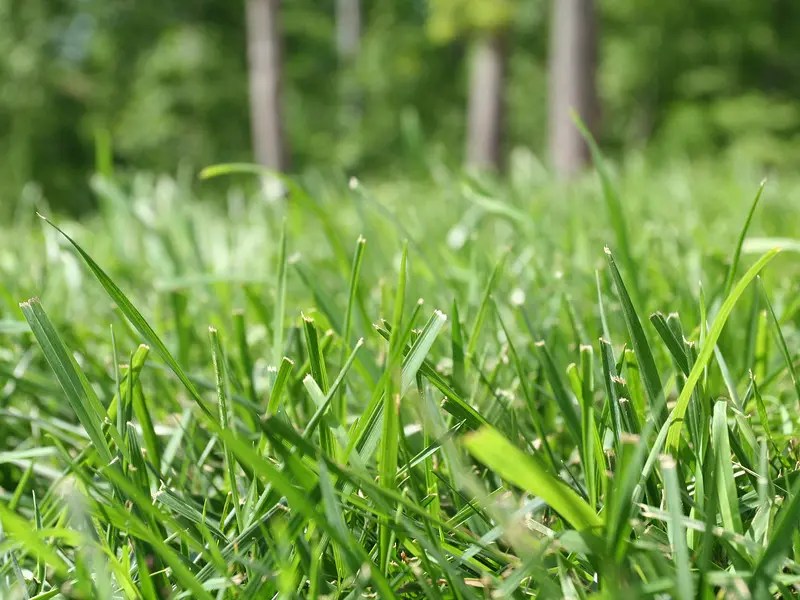
Although terrestrial lawn grasses are interesting, they’re not something that we typically will be keeping in our aquariums, right? Let’s look at a few common, but less “domesticated” terrestrial grasses we can play with:
“Barnyard Grass”, Echinochloa, is ubiquitous worldwide and would make a and interesting subject to play with…It likes super rich soils. So, you know, planting some in rich soils and filling it with water could be interesting…Yeah! Oh, man, that’s the kind of experiment I’m into!
Who’s on THIS idea?
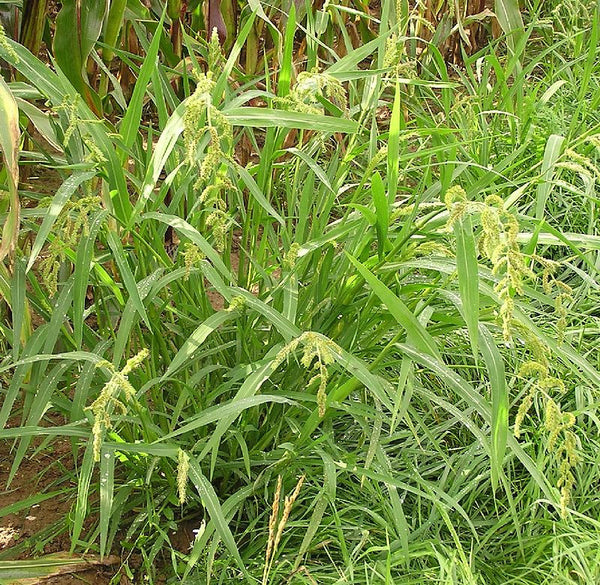
(Echinochloa- Image by Michael Becker, used under CC BY-SA 3.0)
Reed Canary Grass (Phalaris arundinacea)- One of the most flood-tolerant “pasture grasses.” It can survive: short-term complete submergence (≈1–2 weeks)
Next, we have the fave genus of mine: Paspalum.
Paspalum grasses are actually among the more flood-tolerant “terrestrial” grasses. The genus Paspalum includes several species adapted to wet or coastal environments, and many have traits such as air-filled tissues (aerenchyma) that help roots cope with low oxygen, an ability to slow metabolism during stress, and rapid recovery when water recedes.
Paspalum repens, my personal fave, is a bit of an outlier among “terrestrial” grasses—it’s essentially semi-aquatic, and its tolerance of inundation is much higher than most pasture or turf species. It handles complete submergence for several weeks (often 3–6+ weeks) to MONTHS!
It’s THE subject to play with…and it’s found in Amazonia!
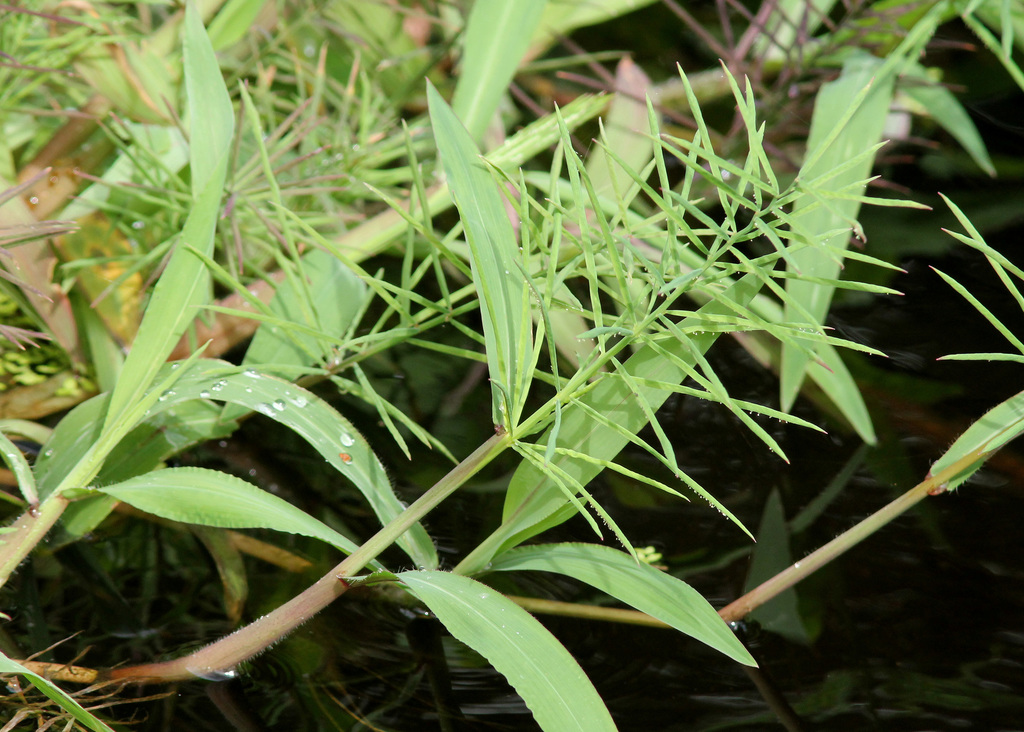
In favorable conditions (warm, slow-moving, reasonably clear water), it may persist even longer. This is possible because it maintains limited metabolism under low-oxygen conditions, develops extensive aerenchyma (air channels for oxygen transport), and can float or produce buoyant stems, keeping some tissue near the surface.
You’ll find it naturally in floodplains and near river margins, ditches, shallow lakes, and seasonally inundated pastures. Its ecology basically assumes cycles of flooding and exposure, not just brief events, so it’s perfect for our “Urban Igapo” and Varzea experiments! It behaves more like a Marsh Grass as opposed to a typical terrestrial grass.
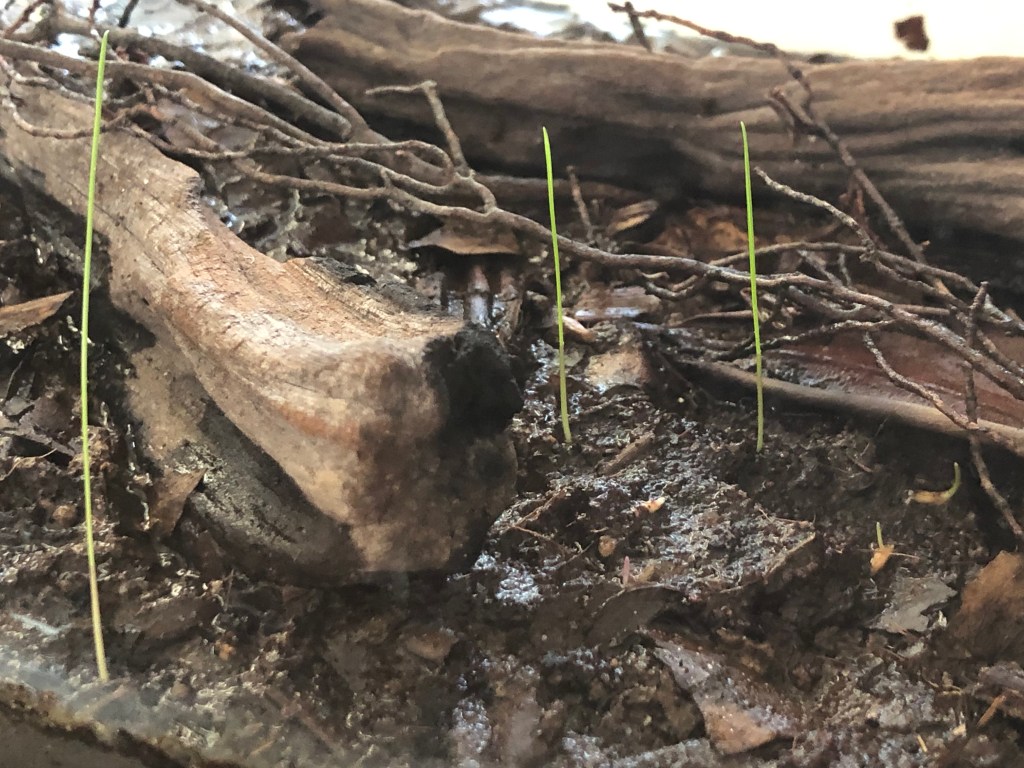
Another “player” is Oryza (Rice!). It’s found in these habitats, can survive prolonged submersion, and will actually grow under these conditions! You can obtain wild rice seeds easily from online sources, and they sprout quickly! They’re excellent subjects for our experiments!
As a general note, most terrestrial grasses survive only a couple of weeks while fully submerged, with a few highly tolerant species may last several weeks. Highly tolerant species (like reed canary grass, switchgrass) can definitely hang on several weeks to months (if not fully submerged). Moderately tolerant turf/pasture grasses can hang on maybe 2–4 weeks, whereas sensitive species generally can only survive a1 week or so under poor conditions. Prolonged, complete submergence is the real limiter for almost all terrestrial grasses.
My all-time fave plant for the “Urban Igapo” is Acorus. It isn’t a true aquatic plant, but it’s unusually good at handling complete submergence for extended periods. It does this with a mix of structural, physiological, and metabolic tricks that let it ride out low oxygen and low light.
Acorus (including species like my go-to, Acorus calamus) tolerates full submergence through a combination of structural adaptations and physiological restraint rather than rapid growth or escape. Unlike many floodplain grasses that try to keep their leaves above rising water, Acorus is literally built to endure being underwater for extended periods, especially in the shallow, slow-moving wetlands where it typically grows.
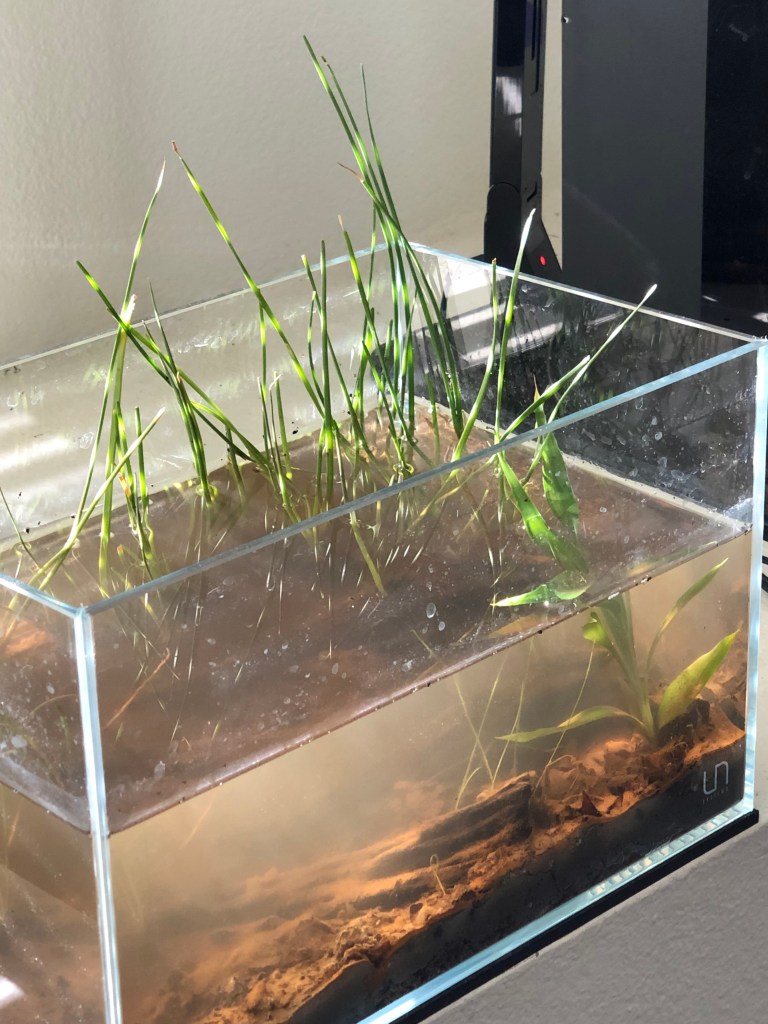
A central feature of this tolerance is its well-developed system of aerenchyma, or air-filled channels, that run continuously from the leaves down into the rhizomes and roots. These channels act as an internal aeration network, allowing oxygen from the atmosphere—or from any portion of the plant still near the surface—to diffuse downward into submerged tissues. Even under complete submergence, residual oxygen within these spaces can delay the onset of anoxic stress. In addition, oxygen leaking from the roots can create tiny oxidized zones in otherwise anaerobic sediments, helping maintain root function and limiting the buildup of toxic reduced compounds. Amazing!
Equally important is the plant’s reliance on rhizomes as storage and survival organs. The thick, creeping rhizomes of Acorus accumulate carbohydrates during favorable conditions, which can then be mobilized when photosynthesis is restricted underwater. During submergence, growth slows dramatically and the plant shifts into a “low-energy, maintenance-oriented mode.” This metabolic “downregulation” reduces oxygen demand and allows the plant to persist on stored reserves for many weeks or even months, depending on environmental conditions such as temperature and water clarity.
Although it’s far more common as a plant found around the water’s edge in ponds, Acorus can do quite well partially submerged indefinitely, or even fully submerged for extended periods of time. It will glow very slowly underwater, but it will survive just fine. Although it’s a native of Eastern Asia, it’s ideal for simulations of theIgapo habitat.
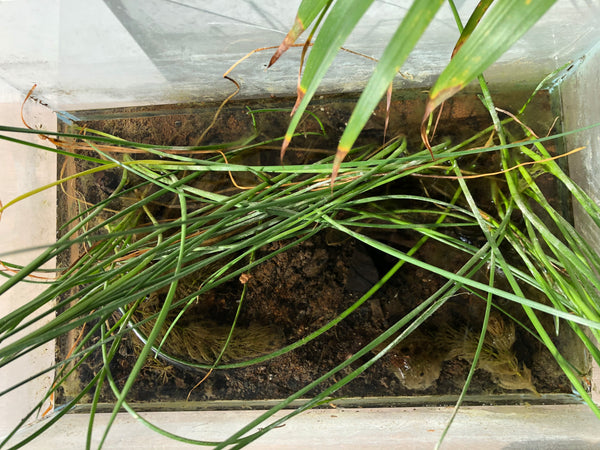
Acorus can handle all sorts of light, from diffuse, partially shaded sunlight, to natural room ambient light, or even LED’s. Its remarkable adaptability is only one of its many selling points.
Acorus also shows a notable tolerance of hypoxia and temporary anoxia at the cellular level. Its tissues can sustain anaerobic metabolism longer than those of most terrestrial plants, enduring the accumulation of fermentation byproducts without rapid damage.
When floodwaters are clear enough to admit light, submerged leaves may continue low levels of photosynthesis, modestly supplementing internal oxygen and carbon supply. Taken together, these traits—internal aeration, stored energy, metabolic suppression, and biochemical tolerance—allow Acorus to withstand full submergence far more effectively than typical terrestrial species, without relying on rapid elongation or escape from the water column.
If I had to select one readily-available plant to use in my Urban Igapo- it’d definitely be Acorus!
Let’s do a little more collective research on this topic, and make a few exciting discoveries…because that’s what we do, right?
Have at it!
Stay resourceful. Stay observant. Stay diligent. Stay persistent…
And Stay Wet.
Scott Fellman


Leave a Reply