
As we’ve all started to figure out by now, our botanical-influenced aquariums are a lot more of a little slice of Nature that you’re recreating in your home then they are just a “pet-holding container” or “artistic display.”
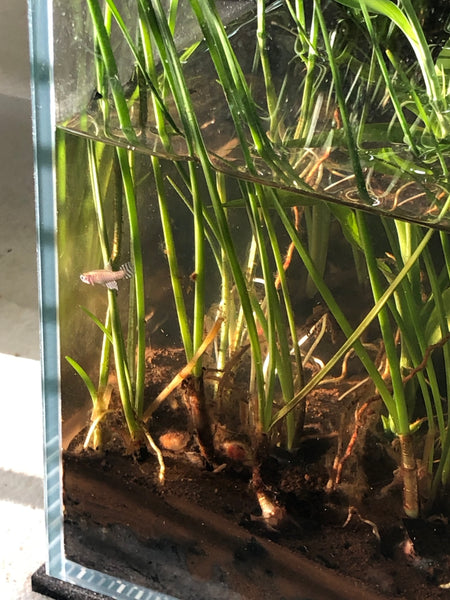
The botanical method aquarium is a microcosm which depends upon botanical materials to impact the environment.
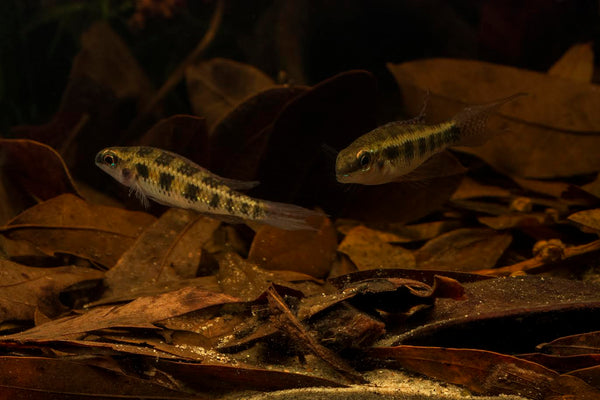
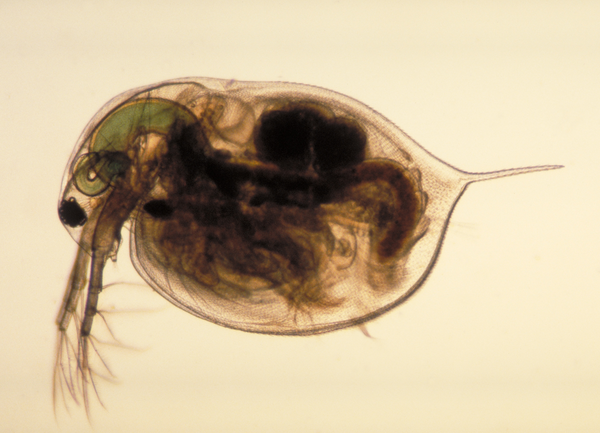
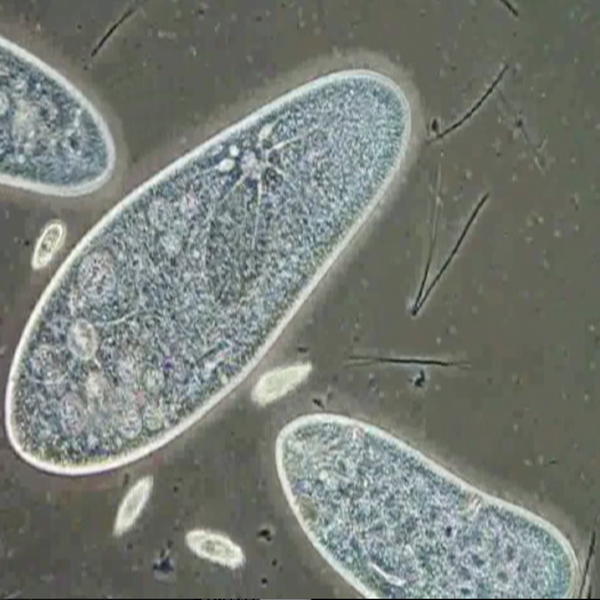
This microcosm consists of a myriad of life format all levels and all sizes, ranging from our fishes, to small crustaceans, worms, and countless microorganisms. These little guys, the bacteria and Paramecium and the like, comprise what is known as the “microbiome” of our aquariums.
A “microbiome”, by definition, is defined as “…a community of microorganisms (such as bacteria, fungi, and viruses) that inhabit a particular environment.” (according to Merriam-Webster)
Now, sure, every aquarium has a microbiome to a certain extent:
We have the beneficial bacteria which facilitate the nitrogen cycle, and play an indespensible role in the function of our little worlds. The botanical method aquarium is no different; in fact, this is where I start wondering…It’s the place where my basic high school and college elective-course biology falls away, and you get into more complex aspects of aquatic ecology in aquariums.
Yet, it’s important to at least understand this concept as it can relate to aquariums. It’s worth doing a bit of research and pondering. It’ll educate you, challenge you, and make you a better overall aquarist. In this little blog, we can’t possibly cover every aspect of this- but we can touch on a few broad points that are really fascinating and impactful.
So much of this proces-and our understanding- starts with…you guesses it-botanicals.
With botanicals breaking down in the aquarium as a result of the growth of fungi and microorganisms, I can’t help but wonder if they perform, to some extent, a role in the management-or enhancement-of the nitrogen cycle.
Yeah, you understand the nitrogen cycle, right?
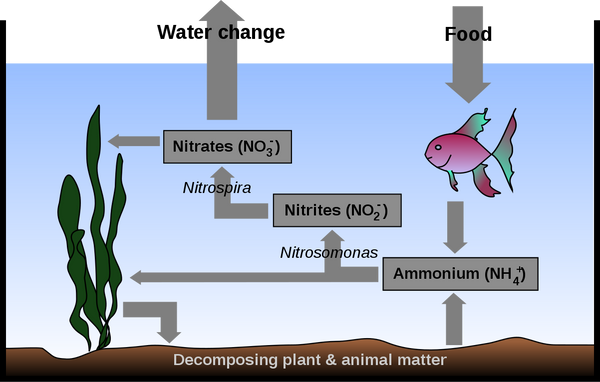
How do botanicals impact this process? Or, more specifically, the microorganisms that they serve? Something important to ponder.
In other words, does having a bunch of leaves and other botanical materials in the aquarium foster a larger population of these valuable organisms, capable of processing significant quantities organics- thus creating a more stable, robust biological filtration capacity in the aquarium?
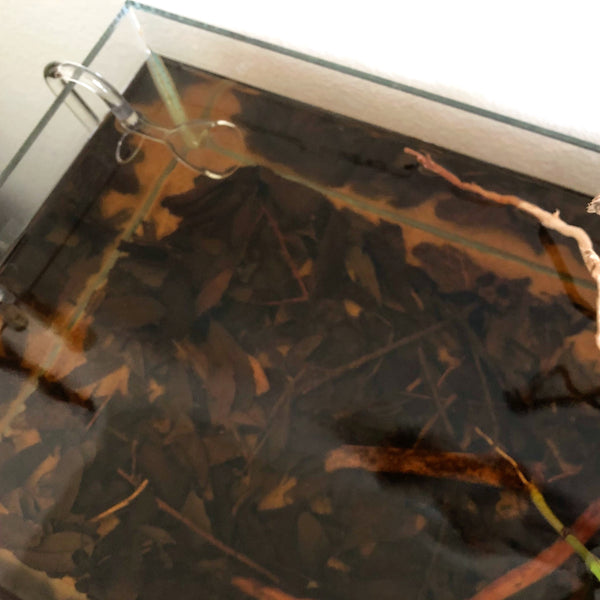
I believe that they do.
With a matrix of materials present, do the bacteria (and their biofilms- as we’ve discussed a number of times here) have not only a “substrate” upon which to attach and colonize, but an “on board” food source which they can utilize as needed?
Yup. I think so.
Facultative bacteria, adaptable organisms which can use either dissolved oxygen or oxygen obtained from food materials such as sulfate or nitrate ions, would also be capable of switching to fermentation or anaerobic respiration if oxygen is absent.
Hmm…fermentation.
I’ve touched on this subject before, but never really went into it in much detail. Let’s go a bit further today.
Fermentation in submerged leaf litter beds in tropical habitats is a fascinating process driven mostly by microbes working under low-oxygen (often nearly anaerobic) conditions. It’s a key part of how nutrients get recycled in wetlands, floodplains, and slow-moving forest streams.
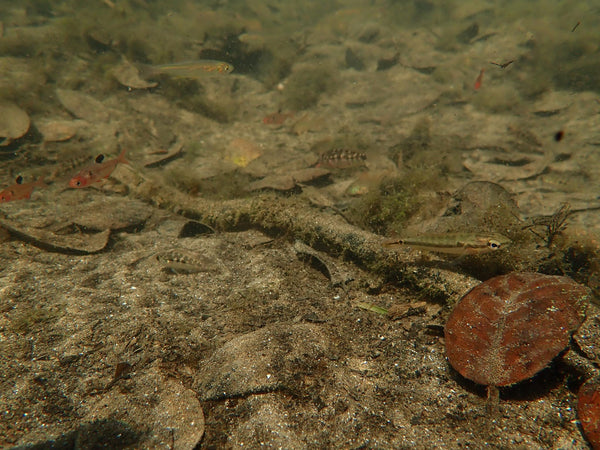
As oxygen becomes depleted, microbes switch to fermentation. Instead of using oxygen as the final electron acceptor, they metabolize organic compounds internally. This produces energy (ATP) less efficiently, but allows survival in anoxic conditions.
Typical fermentation products in leaf litter beds include compounds like organic acids, alcohols (like ethanol), carbon dioxide, and Hydrogen gas (H₂). Fermentation rarely happens in isolation. The byproducts produced by one group of microbes become substrates for others. For example, fermenting bacteria produce acetate and hydrogen. These are then consumed by methanogens (archaea), leading to methane production. This “coupling” is essential in tropical systems where decomposition is rapid.
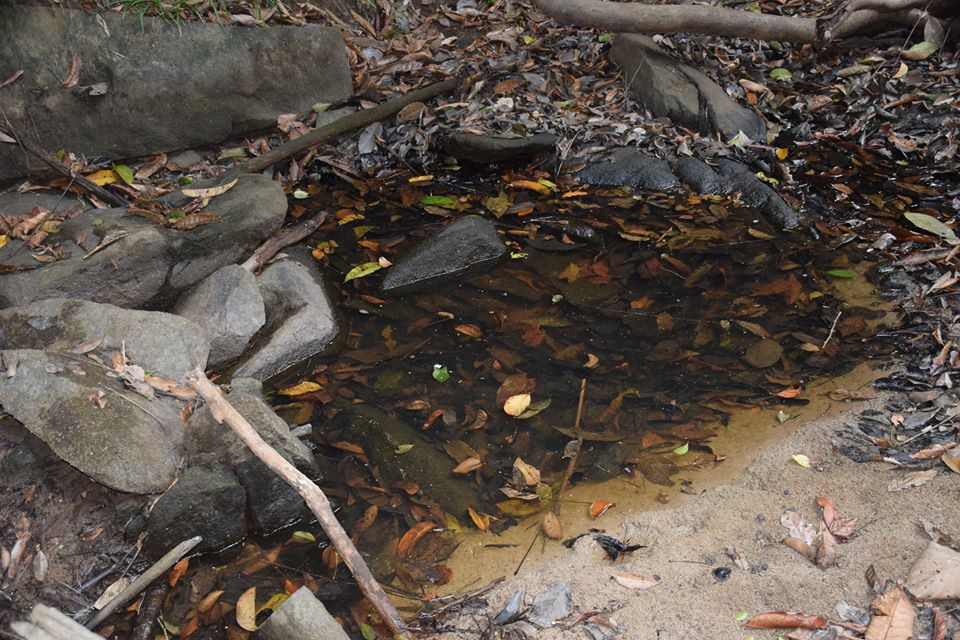
As decomposition progresses, other anaerobic pathways take over, including Methanogenesis (producing methane in strictly anoxic conditions). The biological production of methane is carried out exclusively by microorganisms known as methanogens, a group within the domain Archaea. It represents the final step in the anaerobic decomposition of organic matter and plays a vital role in the global carbon cycle! Big picture stuff.
Methanogenesis occurs in oxygen-free habitats such as wetlands, rice paddies, lake and ocean sediments, landfills, and the digestive tracts of ruminants and termites. In natural settings, methanogens act with bacteria that degrade complex biomass, consuming hydrogen and acetate to maintain low redox conditions.
Yeah, that’s probably more than you want to know about this process, but it’s downright fascinating– and perhaps a key to understanding what can occur in our tanks!
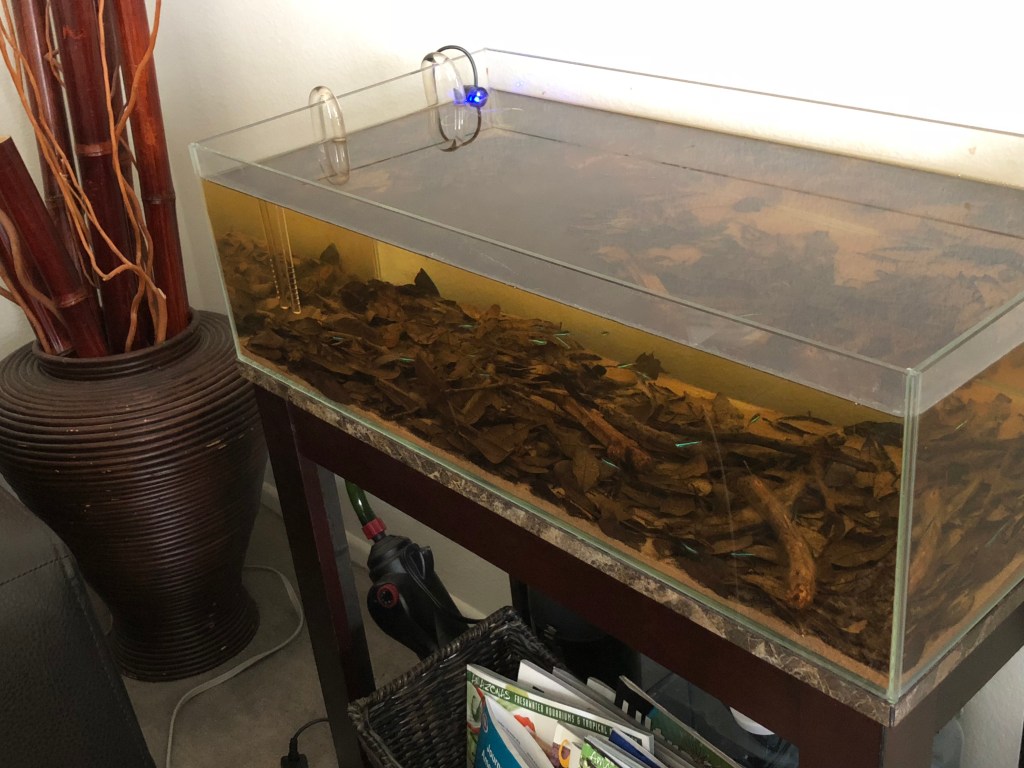
This fermentation-driven breakdown releases nutrients (nitrogen, phosphorus) back into the ecosystem, fuels aquatic food webs (microbes → invertebrates → fish), and produces “greenhouse gases” like methane and CO₂, which makes these habitats important in global carbon cycling!
So, in short, submerged leaf litter beds act like natural “bioreactors”—rapidly converting plant material into simpler compounds through fermentation and tightly linked microbial processes. A biome in the truest sense of the word! One who’s function – and benefits-can be replicated in the aquarium!
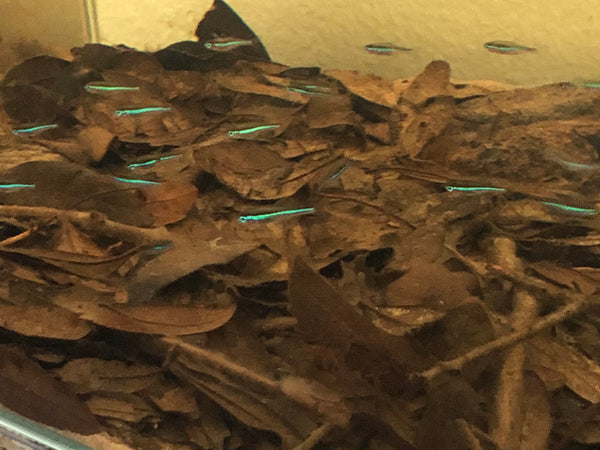
Let’s focus on some of the other more “practical” aspects of this “biome” thing.
Like...food production for our fishes.
In the case of our fave aquatic habitats, like streams, ponds, and inundated forests, epiphytes, like biofilms and fungal mats are abundant, and many fishes will spend large amounts of time foraging the “biocover” on tree trunks, branches, leaves, and other botanical materials.
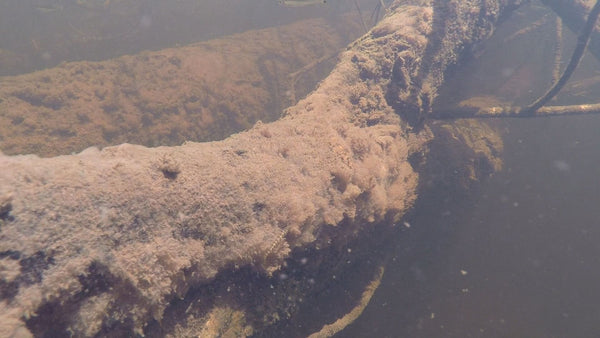
The biocover provides sustenance for a large number of fishes all types. And of course, what happens in Nature also happens the aquarium- if we allow it to, right? And it can function in much the same way, IMHO.
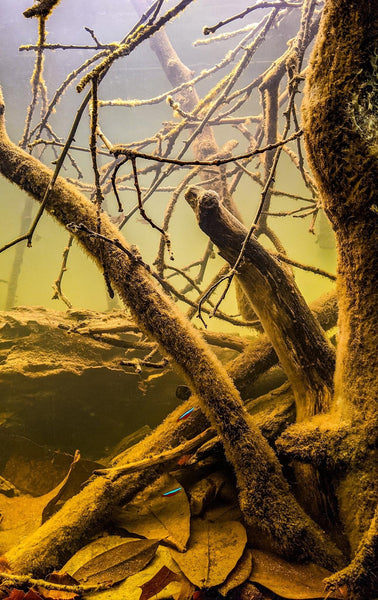
Yeah.
I am of the opinion that a botanical method aquarium, complete with its decomposing leaves and seed pods, can serve as a sort of “buffet” for many fishes- even those who’s primary food sources are known to be things like insects and worms and such. Detritus and the microorganisms within it can provide an excellent supplemental food source for our fishes!
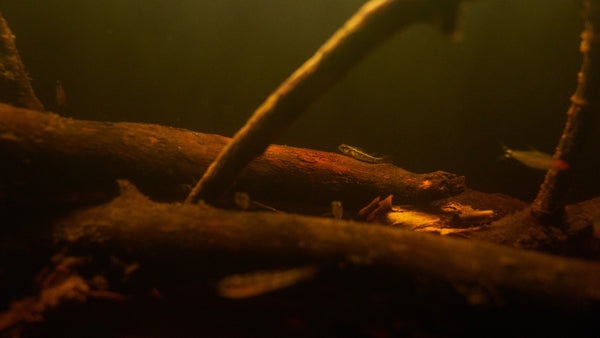
Sustenence...from the microbiome. in our aquariums
It’s well known that in many habitats, like inundated forests, etc., fishes will adjust their feeding strategies to utilize the available food sources at different times of the year, such as the “dry season”, etc.
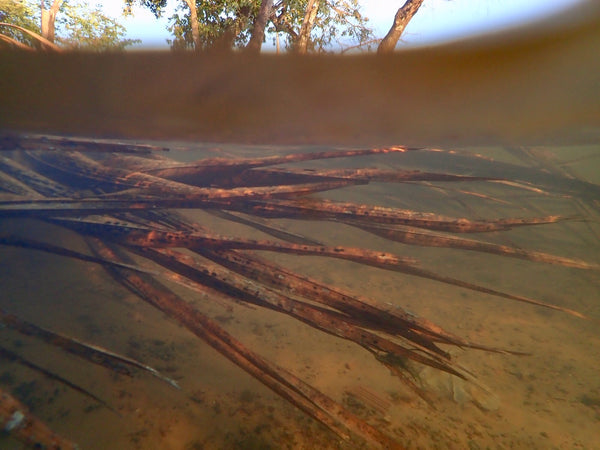
And it’s also known that many fish fry feed actively on bacteria and fungi in these habitats…So I suggest once again that a botanical-method aquarium could be an excellent sort of “nursery” for many fish and shrimp species!
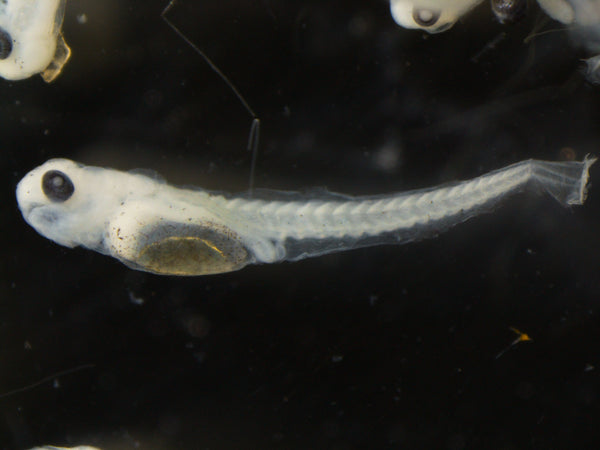
Again, it’s that idea about the “functional aesthetics” of the, botanical method aquariums. The idea which acknowledges the fact that the botanicals we use not only look cool, but they provide an important function (supplemental food production) as well. As we repeat constantly, the “look” everyone seems to love is a collateral benefit of the function.
This is a profoundly important idea.
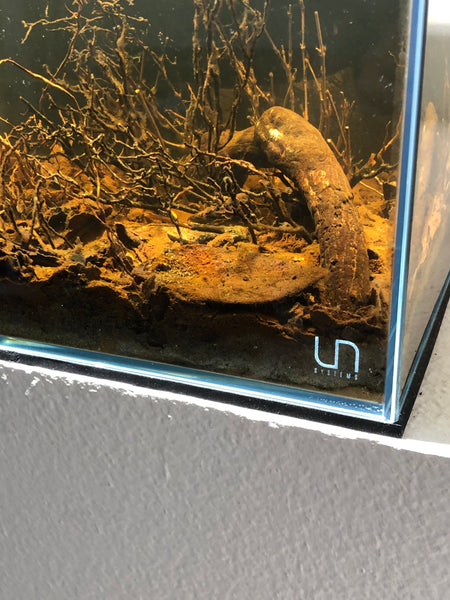
Perhaps arcane to some- but certainly not insignificant.
And of course, we’ve talked before about this “botanical nursery” concept- creating an aquarium for fish fry that has a large quantity of decomposing botanicals and leaves to foster the production of these materials, which serve as supplemental food. I have done this before myself and can attest to its viability! Your fishes will have a constant supply of “natural” foods produced “in situ” to supplement what you are feeding them in the early phases of their life.
Learn to make peace with your detritus! As always, look to the wild aquatic habitats of the world for an example of how this food source functions within the greater biome.
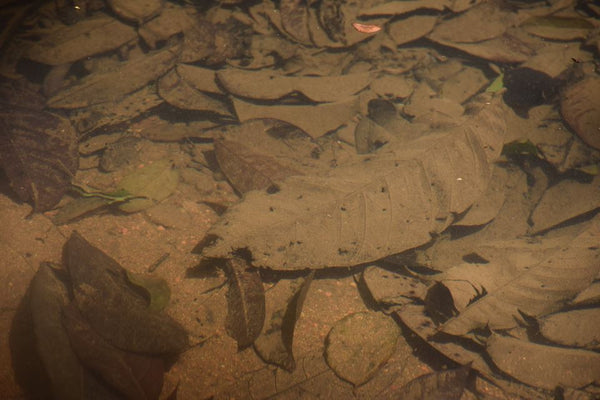
I’m fascinated by the processes of natural decay, fungal growth, the appearance of biofilms, and how these affect what’s occurring in the aquarium. It’s all a complex synergy of life-and aesthetic.
And, in order to make the mental shifts which make this all work, we we have to accept Nature’s input here.
Understand that, when we create a botanical-filled aquarium, not only do we have the opportunity to create an aquarium which differs significantly from those in years past- we have a unique window into the natural world and the role of these materials in the wild.
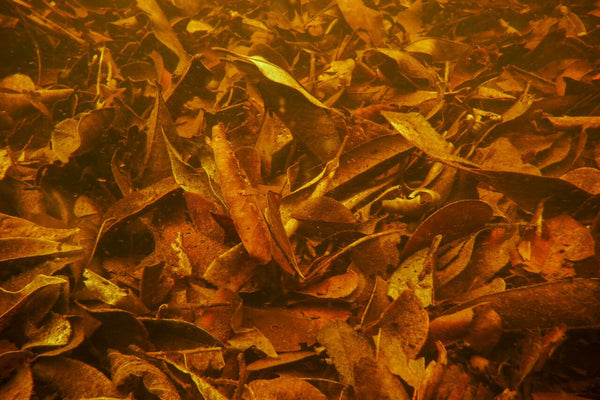
One thing that’s very unique about the botanical method approach is that we accept the idea of decomposing materials accumulating in our systems, and understand that they act, to a certain extent, as “fuel” for the micro and macrofauna which reside in the aquarium- and that they perform this function as long as they are present in the system.
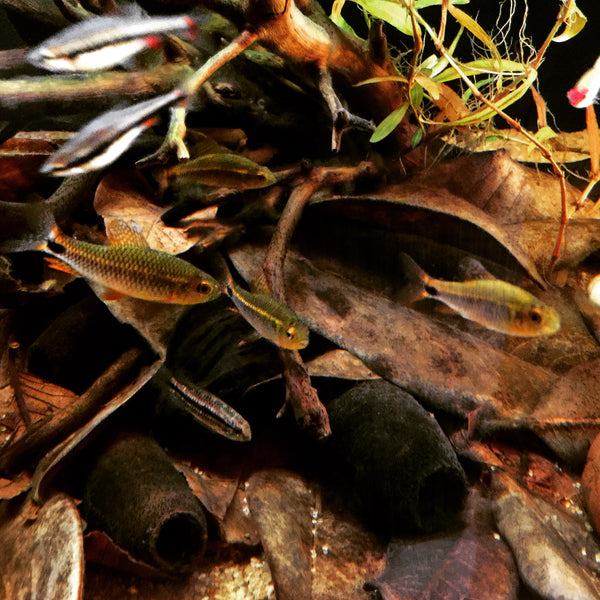
A profound mental shift…
And it’s all about the microbiome. today’s simple idea with enormous impact!
Stay curious. Stay thoughtful. Stay observant. Stay diligent…
And Stay Wet.
Scott Fellman


Leave a Reply