
No matter where you are now in your hobby “career”- you had to start somewhere, right?
Yeah.
You WERE a beginner at one point.
And think about this- beginners might have it pretty good in the aquarium hobby. Despite their inexperience, they don’t have the “burden of experience” holding them back. There are tons of resources and support if they want it…And they can simply jump in and get after things, too.
Perhaps the beginner knows something we don’t?
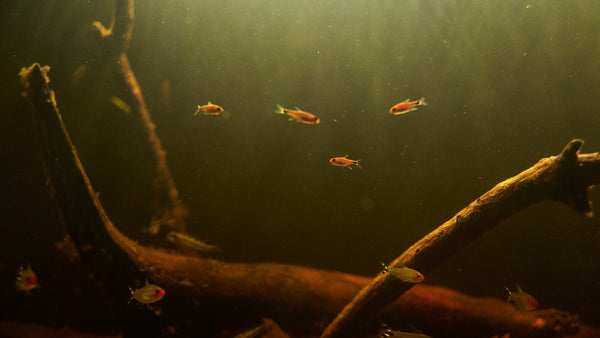
I often think that we- that is, more “advanced” hobbyists…know too much. We’re convinced that we’ve seen it all, know what to expect, and we let this guide- or perhaps, taint– our experiences…
Seriously.
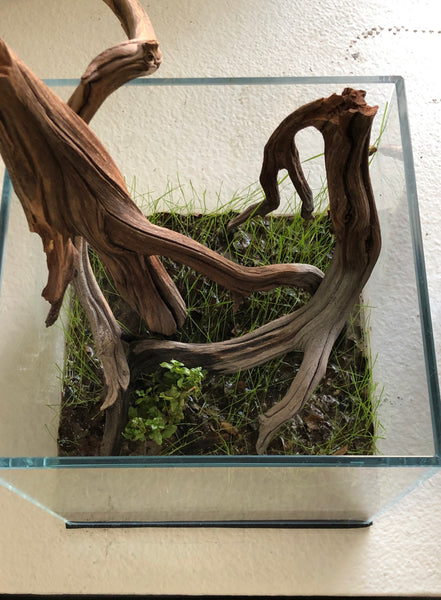
And I don’t mean that from an arrogant perspective or anything.
I just can’t help but postulate that I- like so many hobbyists at my level of experience- tend to overthink every aspect of the aquarium hobby, particularly during the new tank startup phase, rather than just letting ourselves enjoy the moment- the wonder, and the awe that comes from doing something special, beautiful, and, let’s face it- incredibly cool!
I mean, setting up a slice of Nature in your own home?
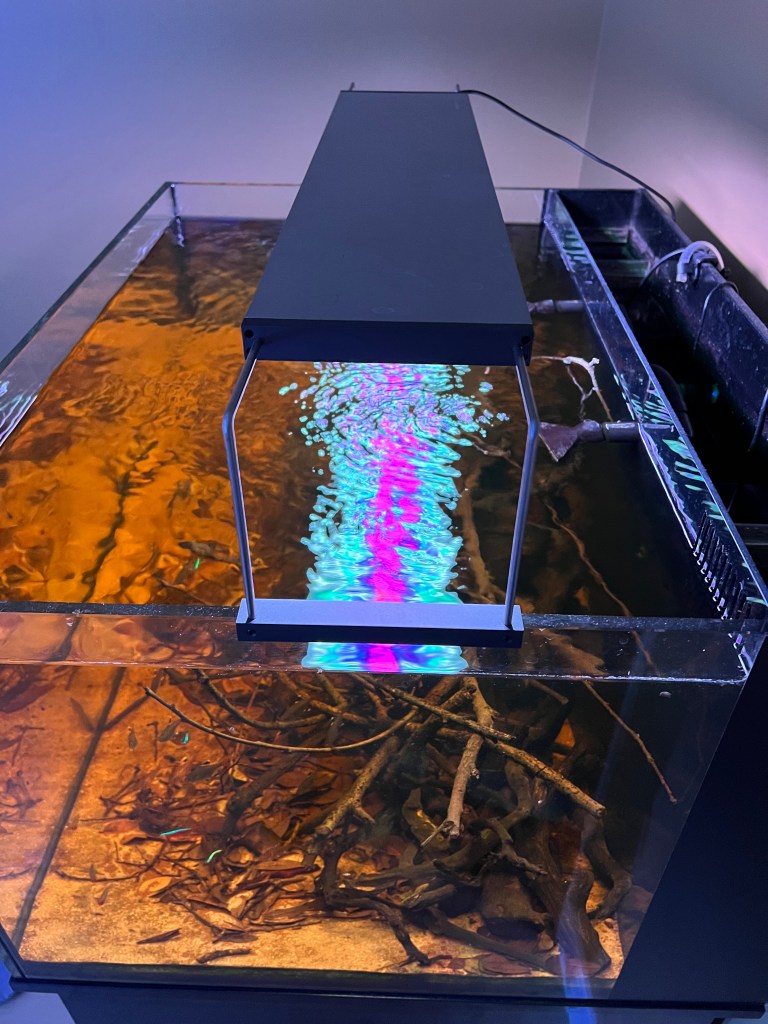
This IS something amazing, huh?
Something that nine-tenths of the world will never get to experience or even comprehend.
And yet, perhaps- just maybe…as a result of doing this incredible thing regularly…we know too much.
Yes.
We understand all of this stuff. Well, most of it, anyways. Enough to think about multiple angles and concerns…
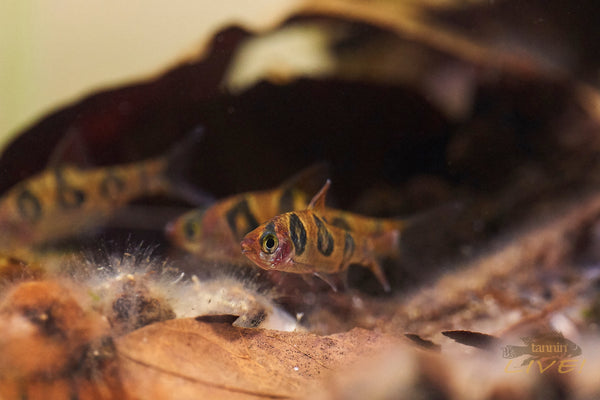
We’ve experienced it many times over the years, and have watched- and even reassured- others that “All of this is normal” and instruct them often to “…just be patient and it will pass…”
You know- aquarium stuff.
Outright beginners actually have it much easier in this regard, I think.
I mean, when just having a glass or acrylic box of freshwater or saltwater in your home is a novelty- a cause for rejoicing! You tend to live in a bubble of gentle ignorance (eeew- that’s kind of harsh)- okay, let’s call it “blissful lack of awareness about some things” that some of this stuff really sucks…

And that’s actually a beautiful thing- because a beginner is taken by the sheer wonder- and joy of it all.
They don’t stress out about stuff like algal films, detritus on the substrate, micro bubbles and the occasional falling piece of wood in their aquascape. They’re not worried about that yucky biofilm or water moment or any other of a dozen minutiae like we are, because they don’t KNOW that it can linger a long, long time if you don’t manage the tank correctly at this phase.
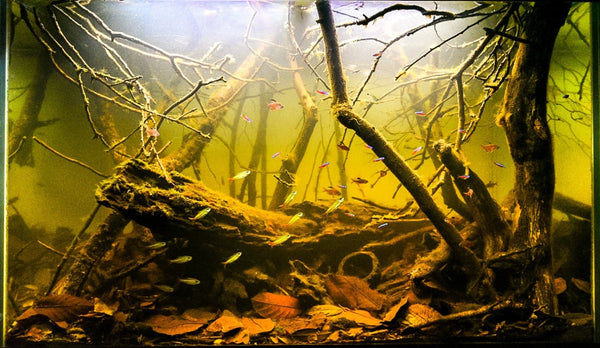
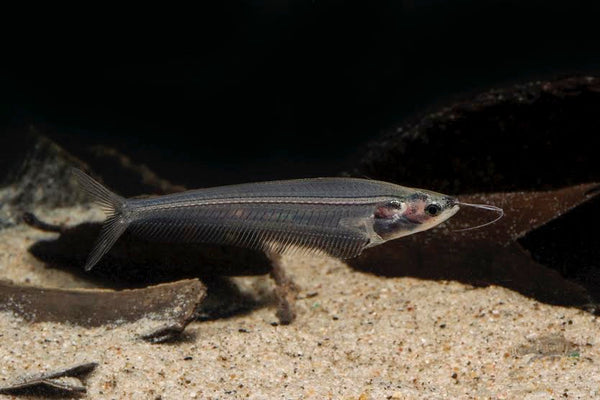
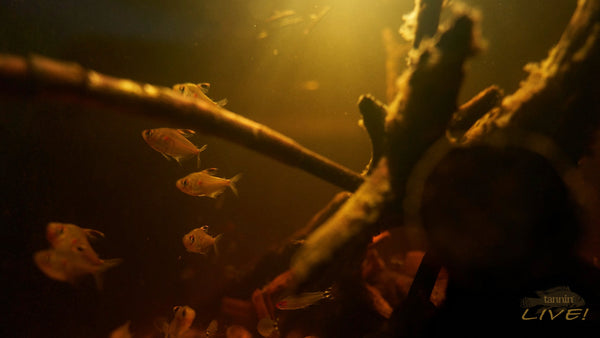
They’re not handcuffed by their past experiences and the knowledge of having set up dozens of tanks over the years. Nor are they thinking that they have some kind of luck. Rather, they’re just stoked as hell by the thought of Glowlight Tetras, Amano Shrimp, Glass Catfish, and Tiger Barbs taking up residence in the new little utopian microhabitat they just set up in their New York City apartment!
What could be more awesome?
And what about us- the more experienced hobbyists? How can we get that free and easy feeling back? Can we?
I think it’s entirely possible to release ourselves from the burden of our own experience, and to allow ourselves to enjoy every aspect of this great hobby, free from preconception or prejudices. To just make decisions based on what our research- gut, or yeah- I suppose, experience- tells us is the right thing to do, then simply letting stuff happen.
In other words, taking control of the influence that our own experience provides, rather than allowing it to taint our whole journey with doubt, dogma, second-guessing, and over-analysis of every single aspect.
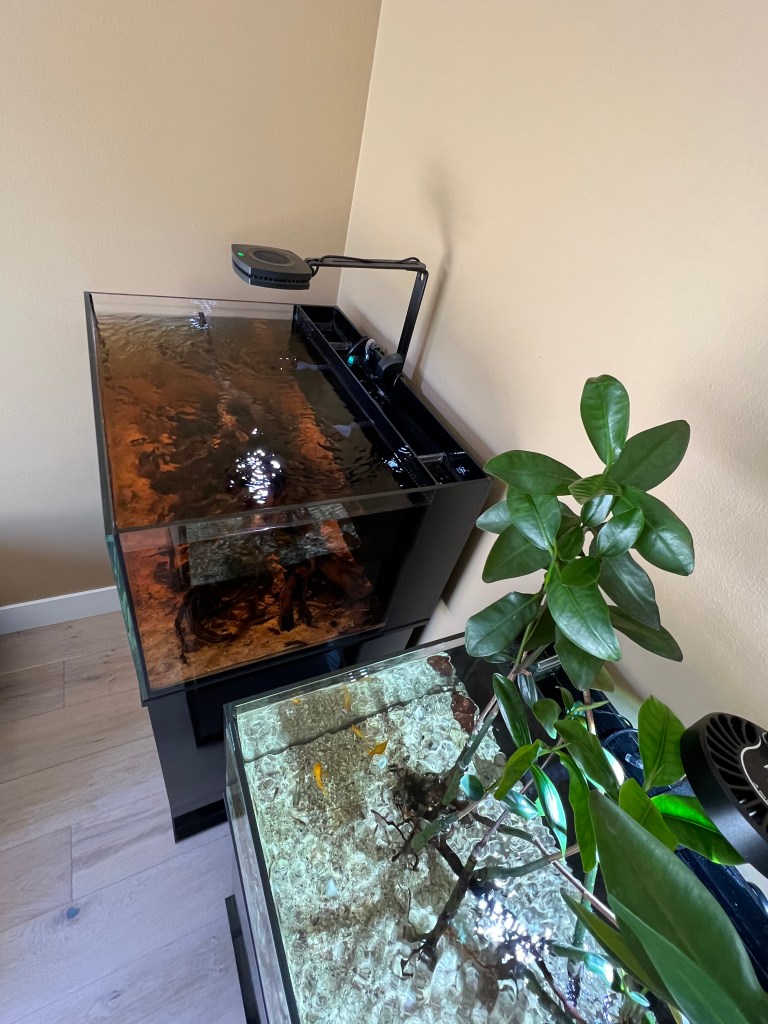
And then, just relaxing into it.
Embracing the sheer joy of being a beginner again. Enjoying what’s happening in your aquarium NOW- rather than worrying about it; impatiently “tweaking” stuff to get somewhere else.
Sounds like fun to me!
We should all try it some time: Just experiencing. Observing. Learning.
Our world of botanical-method aquariums has been, for want of a better world- evolving- and rapidly!
We have experienced a large influx of hobbyists into our specialty niche in the hobby- a remarkable trend that has started to bring out the idea of botanical-method aquariums from the shadows and into the mainstream.
And I receive lots and lots of questions from hobbyists new to our world; our way of thinking…And, as a proponent of the botanical method aquarium approach, I think we still need to constantly communicate our philosophies, the practices…the expectations to those interested in playing with this stuff.
Perhaps you- my regular reader doesn’t need this pep talk; however, maybe someone you know is considering venturing into this area, and you want to give them a little dose of reality before they take the plunge?
There’s still a lot of confusing and, quite frankly- outdated- information out there.
Hopefully, this little piece (in addition to referring them to my many blog posts on every aspect of this stuff! 😆) will give you a sort of track to run on when discussing botanical method aquarium keeping with a fellow hobbyist who’s contemplating such an aquarium.
And to you, the hobbyist considering who’s jumping in to the “tinted” world, and who hasn’t quite pulled the trigger- there is a starting point:
It starts with questions for yourself!
I suppose, if I were asked- and I am- the question about whether or not a hobbyist should try a botanical-method aquarium, I’d basically start with a single question:
Are you up to the task?
I know, it seriously sounds weird; even challenging or off-putting. Kind of like I’m being an asshole, huh? That’s certainly not the intent here.
However, it’s an important question-a fundamental question to ask ourselves when contemplating setting up a botanical method aquarium.
Why?
Because, when you start adding botanical materials to your aquarium, not only are you sort of buying in to a very different approach to aquarium-keeping than what you’ve been exposed to in the past- you’re signing up to accept a completely different aesthetic than we are traditionally accustomed to as well.
Yeah, we are opting in to techniques which are somewhat contrary to what you’ve likely embraced before. You’re accepting an aesthetic which deviates strongly from the traditional aquarium look that we have been accustomed to for generations. And it doesn’t stop with the looks of the tank...
It starts with the way we look at Nature.
Once we visit, or look at a photo or video of a natural underwater habitat where tropical fishes live, and remove our hobby-contrived preconceptions of what it should look like from the equation and simply observe it as it is– we have to ask ourselves if this is how we want our tank to look…
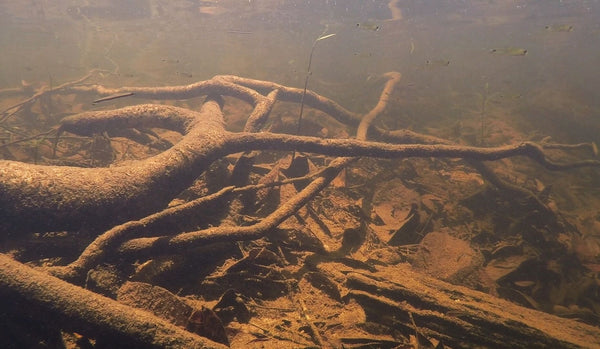
That’s the first mental shift.
Like, can you handle this stuff?
It’s the ultimate essence of our philosophy. A way of capturing aspects of Nature in our aquarium in a manner that accepts it as it is, rather than how we want it to be.
And if we say “Yes” to the question, we then need to ask ourselves if we’re okay accepting the rather unorthodox thinking and practices that are required of us to get an aquarium to that place.
You know, like adding seed pods, leaves, soils, etc. to an aquarium in an effort to capture the form and function of these natural habitats. To facilitate and embrace biofilms, fungal growth, detritus, and decomposition…To adopt a philosophy that says, “It’s time to take inspiration from the reality of Nature, not just its essence.”
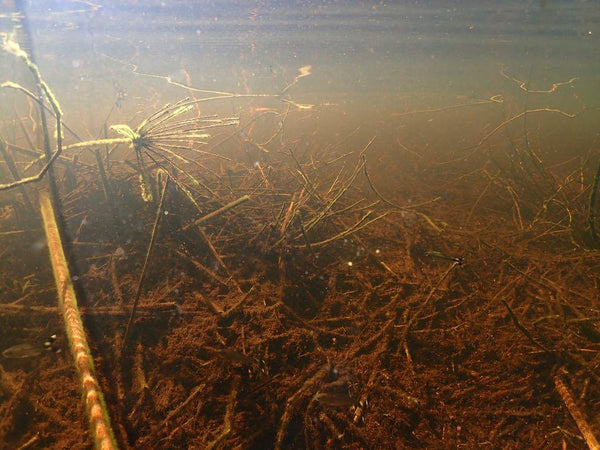
It’s about accepting the appearance of biofilms, murky water, algae, decomposing botanical materials, and acknowledging that these things occur in our aquariums, too, and can be managed to take advantage of their benefits. You know- to provide supplemental food sources, “nurseries” for fry, and as interesting little ways to impart beneficial humic substances and dissolved organic compounds into the water.
Just like in Nature.
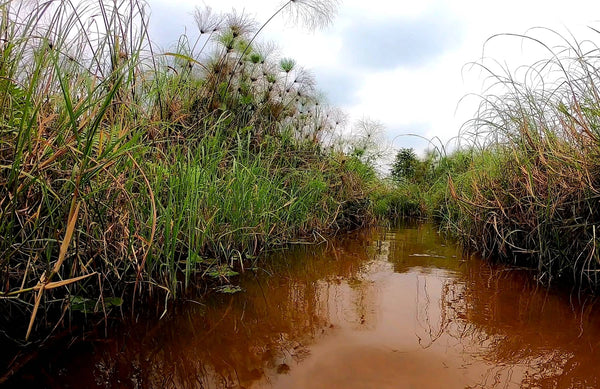
Realizing that the very act of adding natural materials like seed pods and leaves fosters the development of biofilms, less-than-crystal-clear water, and detritus…
And that this is what you actually WANT.
Another mental shift.
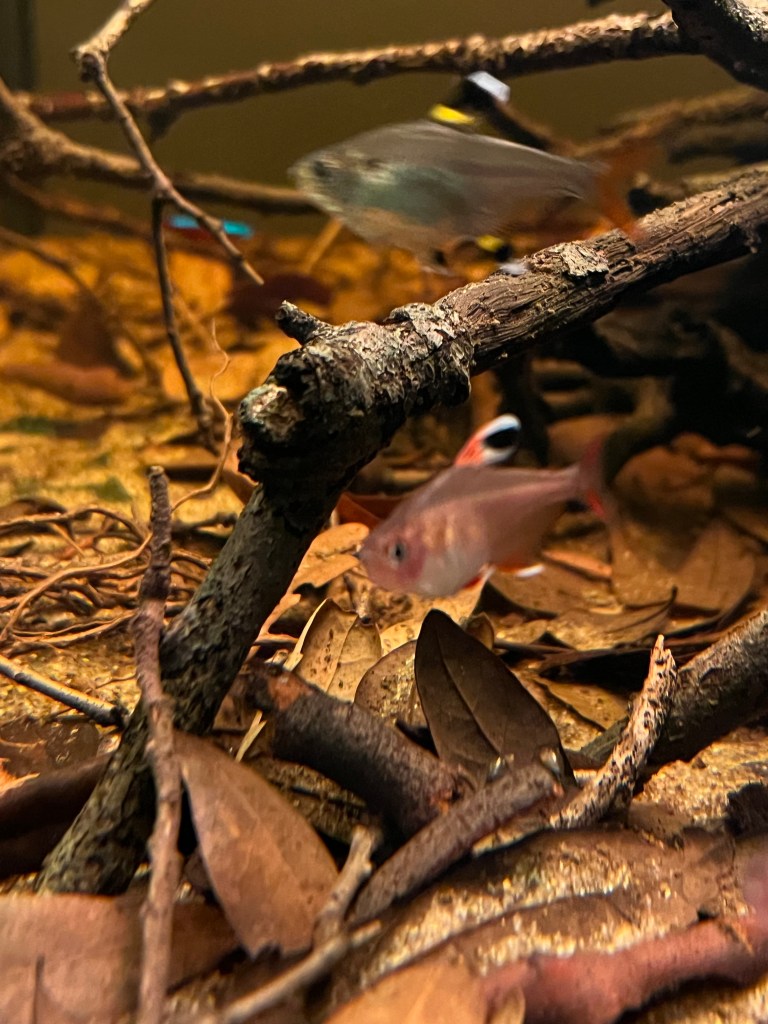
Understanding once and for all accept that things are not aesthetically “perfect” in Nature, in the sense of being neat and orderly from a “design” aspect.
Understanding that, yeah, in Nature, you have branches, rocks and botanical materials scattered about on the bottom of streams in a seemingly random, disorderly pattern. Or..are they? Could it be that current, weather events, and the processes of physical decomposition distribute materials the way they do for a reason?
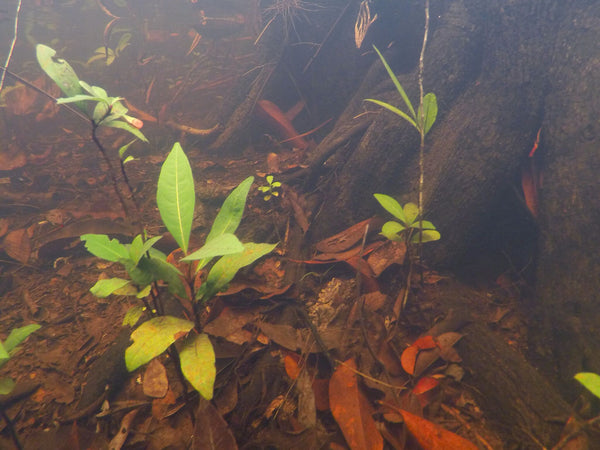
Could we benefit from replicating this dynamic in our aquariums?
And, is there not incredible beauty in that apparent “randomness?”
I think so.
Do you?
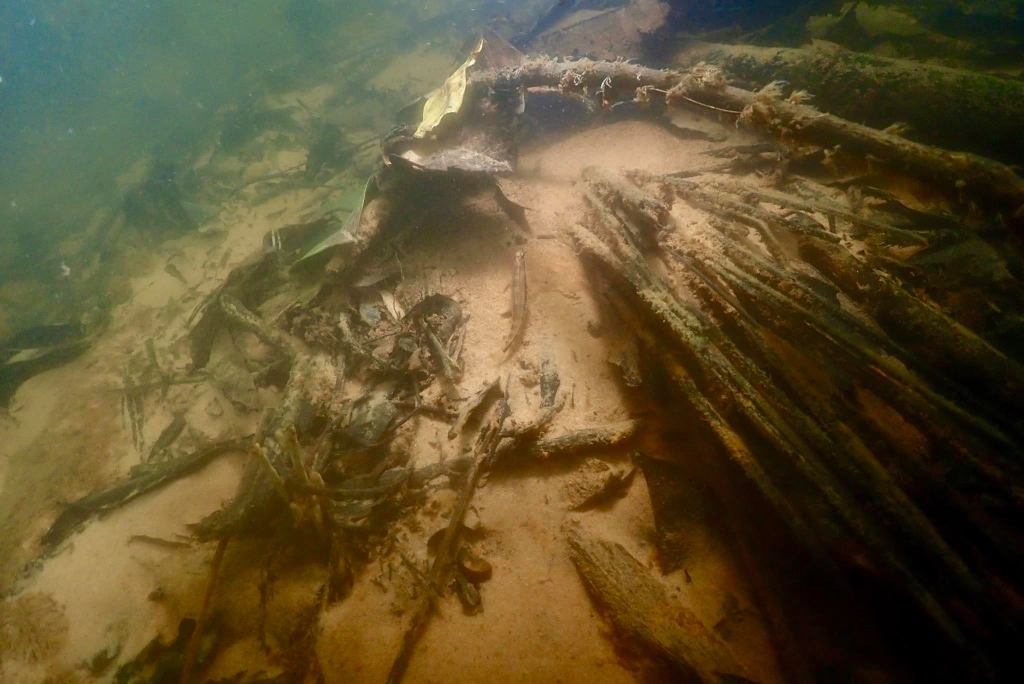
On a practical level, there are some things that you need to accept:
-You have to prepare all of the botanical materials you intend to add to your aquarium.
-You need to add them slowly, gauging the impact of their additions as you go.
-Your water may have a slight “haze” to it. This is likely caused by “fines” from the surface tissues of the botanicals after submersion, and possibly- from a “bloom” of bacteria resulting from their addition to the aquarium.
-The botanicals and leaves will start to develop stringy biofilms of bacteria and fungal growths on their surfaces. These will be present for much of the time that they are in the aquarium.
-The water will tint up slowly, and to a degree determined by the type and quantity of materials you add, as well as a number of other factors.
-You must be very patient as the aquarium breaks in.
-The materials that you added to the aquarium will begin to soften and break down after a few weeks, ultimately decomposing slowly. They should be replenished regularly.
-Detritus will begin to accumulate in your aquarium as the botanicals break down. You might want to keep it in your system.
-You need to accept a different definition of what a “clean” aquarium is, aesthetic-wise.
-The look of your aquarium will evolve over time as the botanical materials break down and are moved about by the fishes in the aquarium.
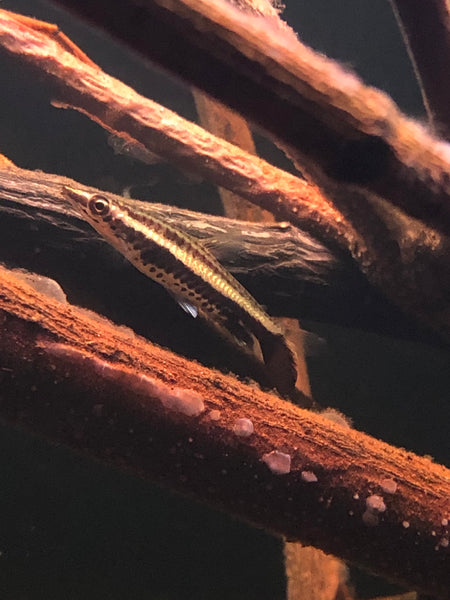
Can you handle all of that?
Yeah, it’s different.
Well, a lot of it is, anyways. But not all of it.
Although botanical-method aquariums are not set-and-forget systems, they don’t require maintenance or husbandry practices that are so much complex than what we do with any other systems. It’s about water exchanges, cleaning and replacing filter media, monitoring water parameters, and observation.
The nitrogen cycle is the nitrogen cycle. No escaping that. And yes, our aquariums are not open natural systems- but they do respond and adapt to many of the same changes and inputs and influences that natural habitats do.
Some of this IS stuff we all know how to do and work with already.
It’s a matter of marrying this stuff with a new mindset.
Yes, most of the adjustments and shifts we have to make are mental ones. The techniques we use are simply contextually-adapted versions of the same stuff we’ve been doing for generations in the aquarium hobby.
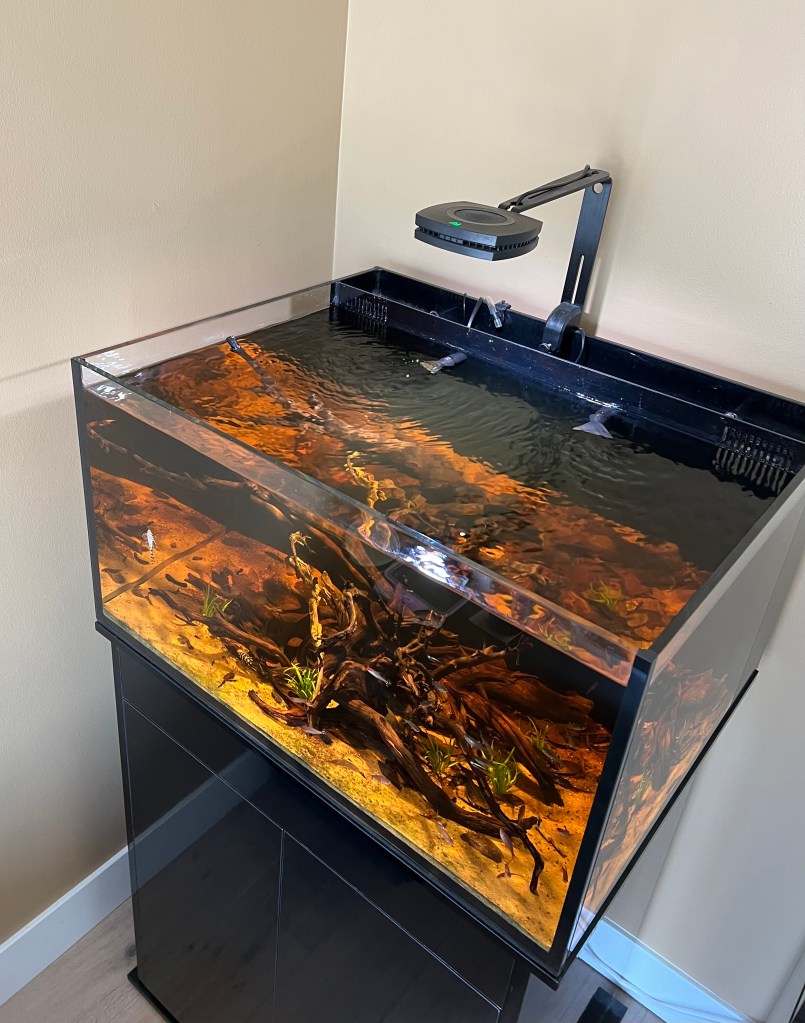
Ceding some of the heavy lifting to Nature is an uncomfortable, perhaps even scary thing for many hobbyists. It’s not what we’ve been taught to do over generations in the aquarium hobby. We’re taught to manage, control, dictate- not to accept.
As we’ve discussed before, a botanical method aquarium has a cadence of its own, which we can set up- but we must let Nature dictate the timing and sequencing after that.
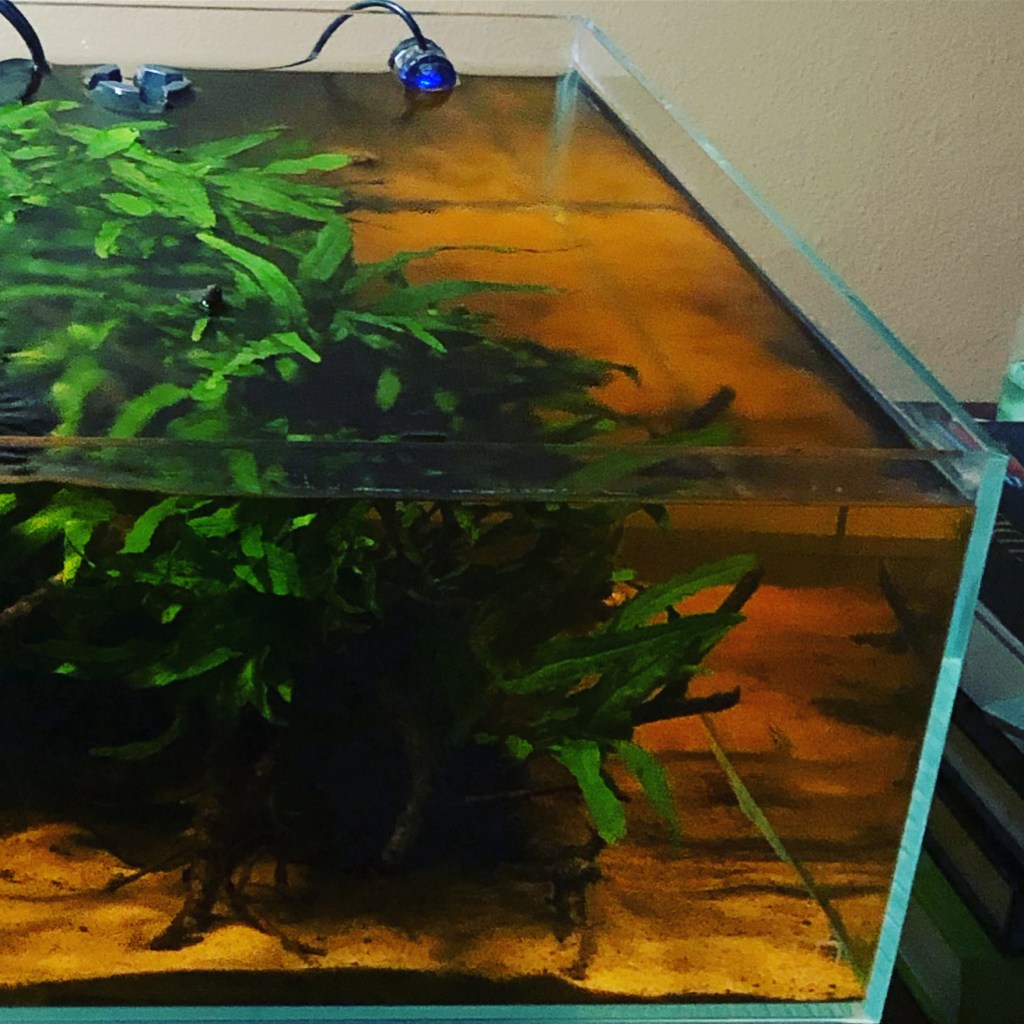
You kind of know the sequence here already, right? The sensory expectations and processes…
It starts with an empty tank. Then, there’s lush fragrance exuded by crisp botanicals during preparation. The excitement of the initial placement of the botanicals within the tank. Taking it all in. The gradual “tinting” of the aquarium water.
The softening of the botanicals.
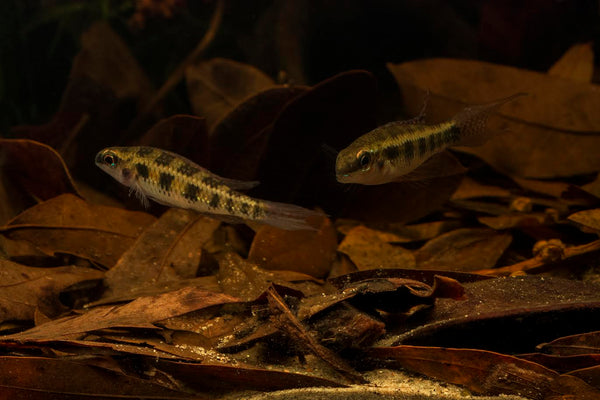
The gradual development of biofilms and algae “patinas.” Perhaps, even a bit of cloudiness from time to time because of microbial growth.
Ultimately, there’s the decomposition.
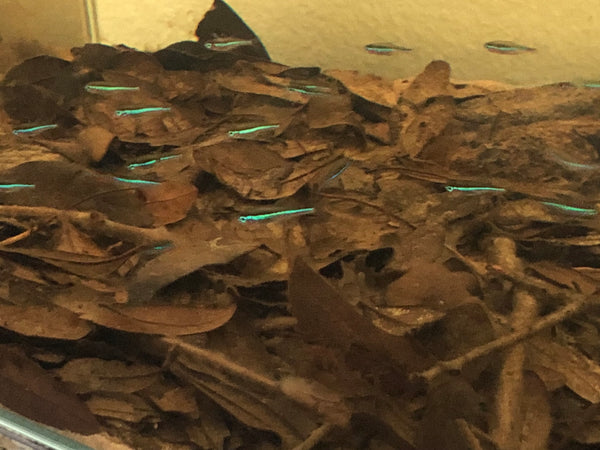
All part of a process which can’t be “hacked” or rushed. We can change some of the physical aspects of our tanks (equipment, hardscape, etc.), but Mother Nature is in control of the big picture stuff.
She calls the shots here.
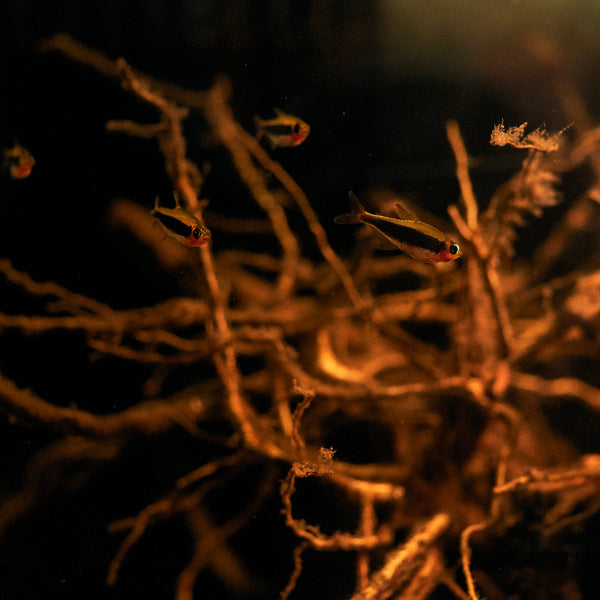
And I think that’s perhaps the most important lesson that we can learn from our aquariums. As aquarists, we can do a lot- we can change the equipment, correct initial mistakes or shortcomings the system might have had from the beginning. Stuff like that.
However, it’s all about creating conditions for optimized function and evolution in our aquariums…
We set the stage, so to speak.
Nature does the rest.
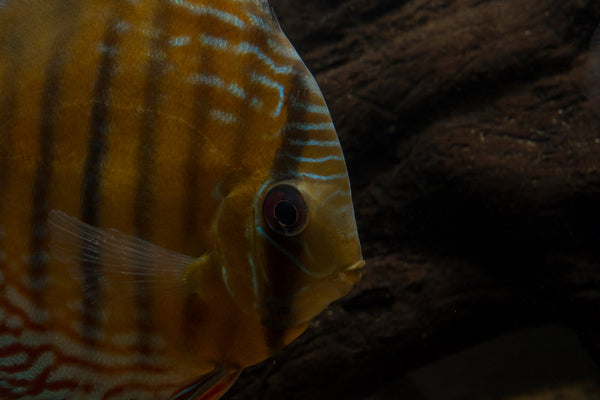
An interesting question I received recently concerned wether or not I think it’s a good idea for a full-on beginner to the aquarium hobby to start with a botanical method aquarium.
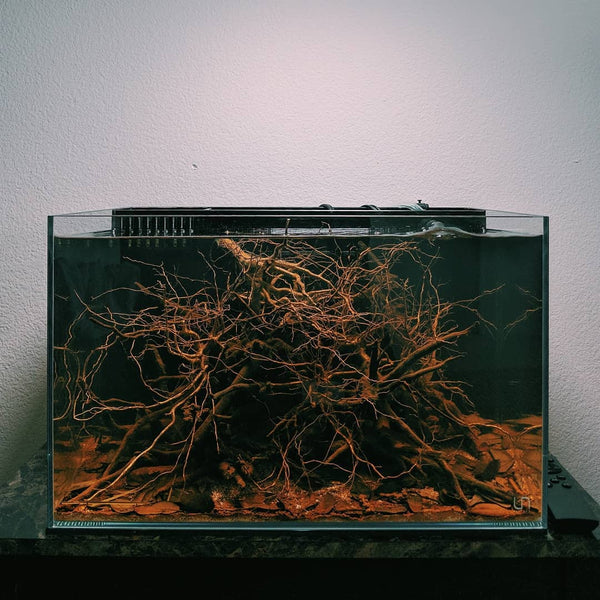
It’s a good question.
Part of the reason I’ve spent so much time over the past few years chatting about the processes, the pitfalls, and the expectations you should have when establishing the systems we advocate is to give everyone a very clear picture of what’s involved.
Makes sense. We are literally asking you to dump dead plant materials into your aquarium; to NOT touch on all of this fundamental stuff and discuss the potential issues would have been irresponsible at every level.
mean, I’ve often touted how I feel that, once these systems are established, they are remarkably stable, relatively easy-to-maintain aquariums. Of course, there are some real qualifiers here.
The first being, “After the system is established.”
Establishing a botanical-style aquarium, blackwater, brackish, or otherwise- certainly requires some basic understanding of the principles of aquarium management. Specifically, the nitrogen cycle, an understanding of water quality assessment and management, and stocking.
Some things you can’t really “teach”- like patience. You need, well- a shitload of it…in the aquarium hobby in general, yet especially in the botanical method aquarium sector. And the patience part? I feel that it’s seminal. Foundational.
Essential.
I don’t think you can “teach” it.
Well, perhaps you can be taught about why patience is so important. We can provide some expectations and explanations of how these systems establish, appear, and operate over time. We can offer guidelines about “best practices” and procedures.
However, the best teacher, as with so many things- is experience. You have to dive in and do it.
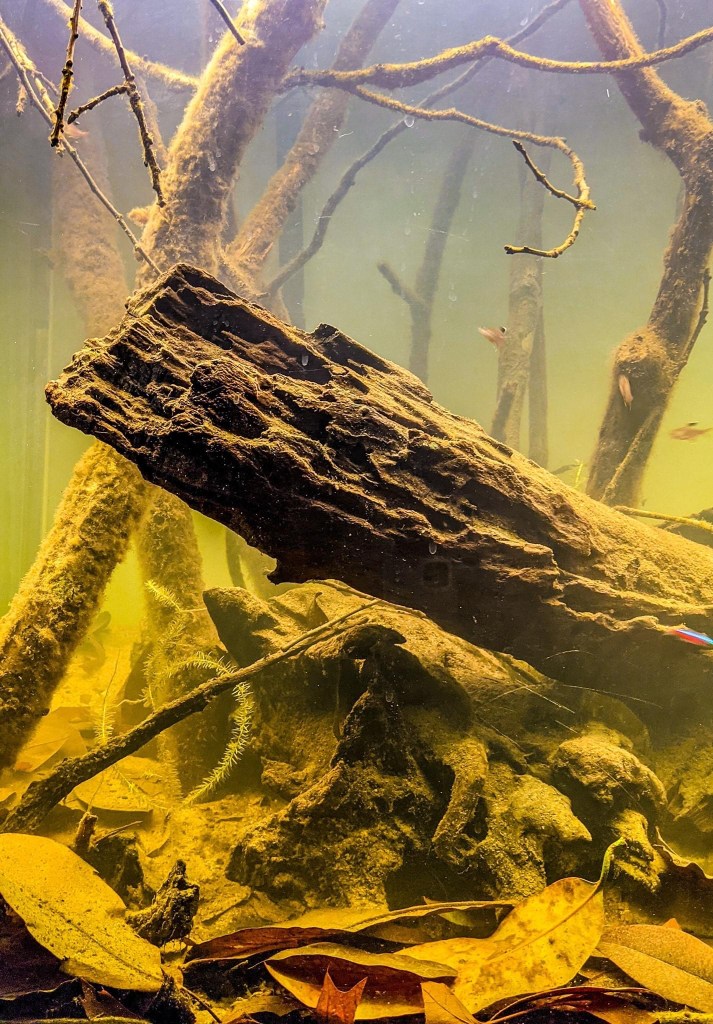
Perhaps some things might be easier to an outright beginner; someone who has no preconceived notions about how an aquarium is “supposed to look”, or what is considered “natural”, “beautiful”, etc. There is a beautiful, almost innocent objectivity that we bring to the game when we are flat-out beginners, right? We have little basis for comparison, other than our own observations and personal tastes.
And that’s actually an advantage, in some respects, IMHO
To jump into any aquarium- botanical-filled or otherwise- without having basic knowledge about stuff like the nitrogen cycle, fish stocking protocols, and husbandry techniques- is flat-out stupid, IMHO. And then we have the added steps of selecting, preparing and adding botanical materials to the aquarium…it’s a lot.
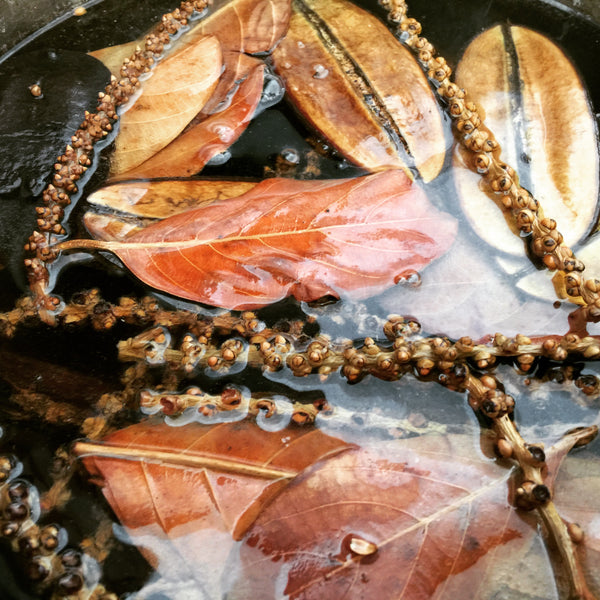
So, yeah- you certainly CAN start with a botanical method aquarium for your first project, but you absolutely need to familiarize yourself with the fundamentals of aquarium practice.
You just can’t delude yourself into thinking that it’s a simple matter of tossing leaves and twigs into a tank, filling it up, and BAM! “Instant Borneo” or whatever. Like, the nitrogen cycle, formation of biofilms, environmental stability, etc. don’t apply to you… (Yeah, there are a LOT of neophyte hobbyists- end experienced ones, for that matter-who harbor such beliefs! I’ve talked to quite a few over the years…)
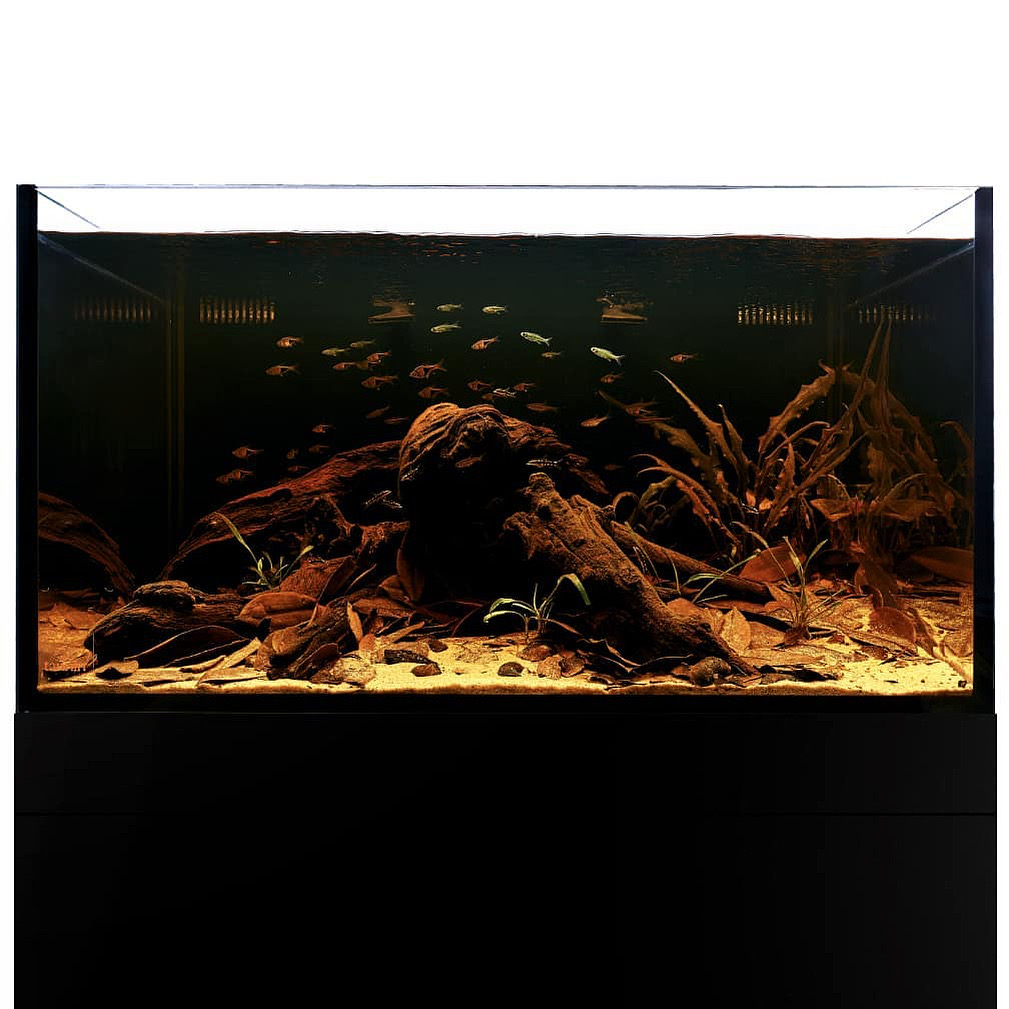
Much of the success and enjoyment that you will derive from a botanical method aquarium is based on accepting and allowing Nature to do what She does, and continuing to embrace and appreciate her work in your tank.
As those of us in this game already know, it’s a process.
A journey. A learning curve.
One that acknowledges that success is entirely achievable for those who make the effort to study, familiarize themselves with the basics; one that is almost guaranteed to kick the shit out of you if you leap without learning.
Yeah, mental shifts abound in this hobby specialty; they’re foundational- they’re a huge part of what we need to accept in order to be successful with it. It’s simply not difficult to create one of these tanks…once you’ve made those mental shifts.
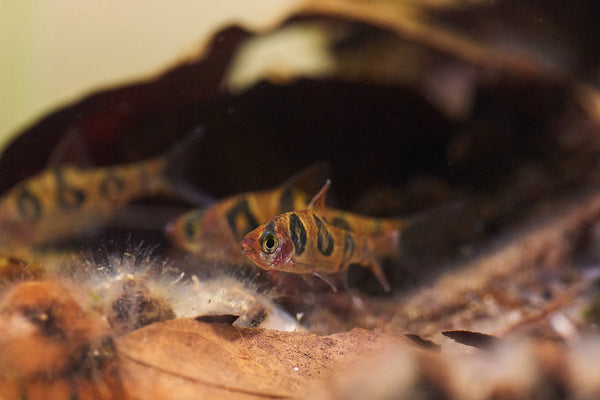
If you’re about to decide on creating a botanical method aquarium, regardless of if your new to the hobby, or simply new to the concept- ask yourself the most basic question:
Are you up to the challenge? Will you answer Nature’s call?
Still interested?
I hope that you are. We certainly could use you in our world.
Stay open-minded. Stay curious. Stay diligent. Stay creative. Stay observant. Stay undaunted…
And Stay Wet.
Scott Fellman


Leave a Reply