
We use all sorts of dried leaves in our botanical method aquariums. This is a “standard” practice that we’ve engaged in for decades.
What about the use of “fresh” leaves- in other words, green leaves cut from trees? Can you use them? Traditional botanical method aquarium wisdom says “No!” The reason typically given is that fresh green leaves decompose quickly and can foul the water if used in significant quantities.
Hmm…Okay. So, what does that actually mean? And is that necessarily a bad thing? I mean, we’re accustomed to decomposing stuff in our world, right?
So, let’s consider it for a little bit. What’s the reason for all of the caveats about using fresh leaves?
Well, for one thing, they do break down very differently from dried leaves- and much more quickly...Green leaves contain lots of sugars, proteins, and soft plant tissue. In water, bacteria attack them and multiply very quickly, which can create cloudy water, organic “sludge”, and possibly even some odor. It’s thought that ammonia spikes can occur if too many fresh green leaves are added at once.
I have no personal “case study” to prove this, but it makes sense to me. I’ve stressed the same concerns for years even when using dried botanical materials.
Too much too fast is bad. Period.
As a leaf decomposes, it releases nitrogen compounds that can raise ammonia levels. Even a small ammonia spike can stress or kill fish, as we all know. And of course, it’s known that oxygen depletion can occur, too if you add a lot of material all at once. The bacteria which decompose fresh leaves consume oxygen. They multiply rapidly if there is a sufficient food source. Fresh leaves are certainly more easily broken down than dried leaves.
In smaller aquariums, especially those with limited aeration, this can reduce dissolved oxygen enough to harm livestock. Then there is the potential problem posed by unpredictable chemistry associated with fresh leaves. Fresh leaves may release sap, oils, sugars, or other compounds that are harmless on land but potentially irritating or toxic underwater.
Damn, sounds like a good time, huh?
Dried leaves, on the other hand, tend to be a bit more “predictable”, as much of the sugar and moisture is gone, decomposition is a bit slower and more stable, and the tannin release is more gentle, because of the dry state of the leaves.
Sure, adding a whole bunch of fresh, green leaves to an established, stable aquarium sounds like a really bad idea, doesn’t it? On the surface, based on the information we just discussed, it sure does. Now, on the other hand, why would you add a huge influx of fresh, green leaves (or dried ones, for that matter) to an established aquarium?
You wouldn’t.
The risks are mainly about rate and quantity of the additions. Too much fresh material at once can overwhelm the bacterial population and nitrogen cycle. The outcome depends heavily on the type of leaf, tank size, filtration, stocking level, oxygenation, (aeration).
However, if fresh leaves are added slowly and in very small amounts, an established aquarium can handle them without obvious problems. Mature, long-established botanical method aquariums can likely handle them even better. The main difference is that the environmental effects are still less “predictable” than using dried leaves.
If you’re adding a significant quantity of fresh leaves to a new aquairum, although seemingly a recipe for pollution or whatever, might be an interesting way to “kick start” the nitrogen cycle. You likely won’t get the “tint” from fresh leaves that you would with dried leaves, but you WILL get an ecological boost, right? I mean, I hear all the time about reef hobbyists kick starting their nitrogen cycle by throwing in a few pieces of fresh shrimp for the same purpose…Like, what do you think will come of THAT?
If we think about how leaves end up in water in Nature, it provides a bit of context.
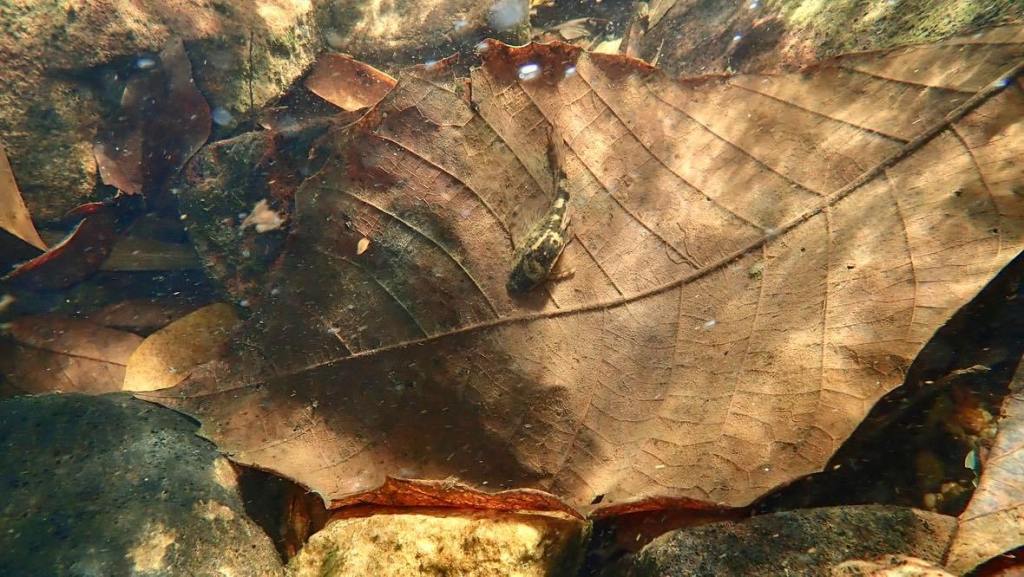
In Nature, the tree “commands” leaves to fall off the tree, by creating specialized cells which appear where the leaf stem of the leaves meet the branches. These are known as “abscission” cells. If you’re a word enthusiast, you’ll love the little fact that they actually have the same Latin root as the word “scissors”, which, of course, implies that these cells are designed to make a cut!
And, in tropical species of trees, the process of leaf drop is vitally important to the surrounding environment.
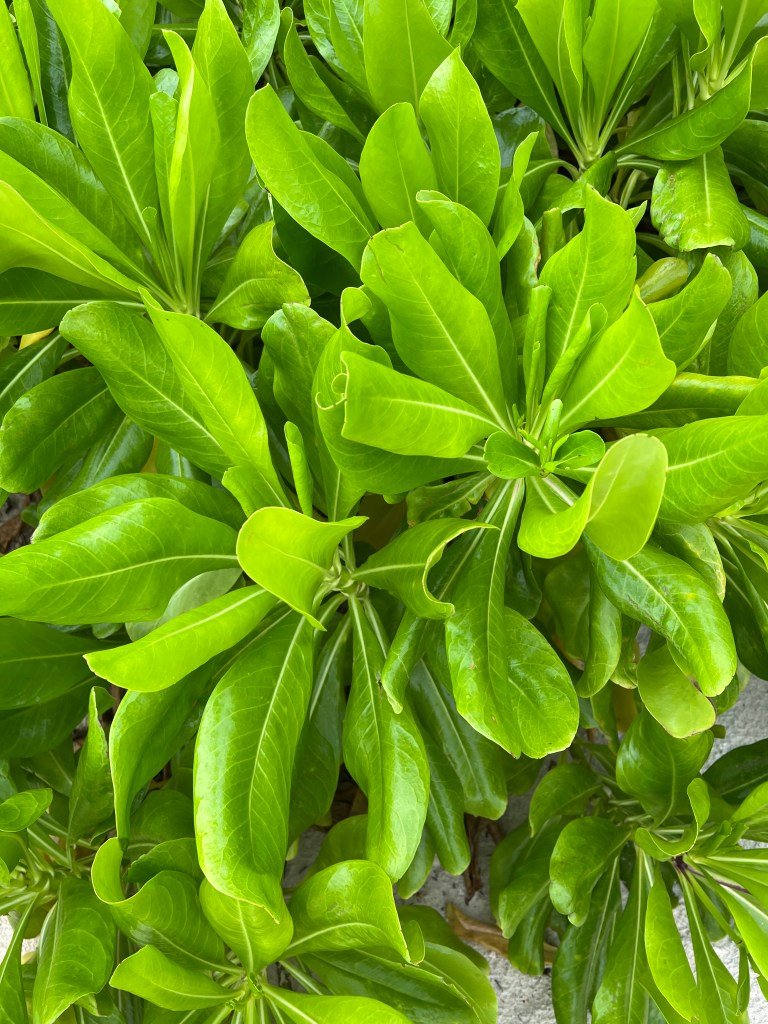
Nutrients are typically bound up in the leaves, so a regular release of leaves by the trees helps replenish the minerals and nutrients which are typically depleted from eons of leaching into the soils of the surrounding forests. And the rapid nutrient depletion, by the way, is why it’s not healthy to burn tropical forests- the release of nutrients as a result of fire is so rapid, that the habitat cannot process it, and in essence, the nutrients are lost forever.
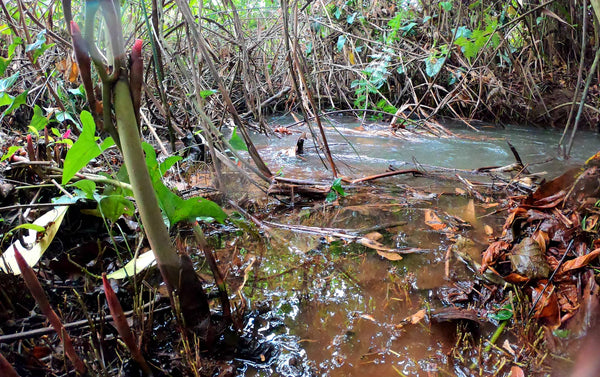
There is a more-or-less continuous “supply” of leaves falling off into the jungles and waterways in these habitats, which is why you’ll see leaves at varying stages of decomposition in tropical streams. It’s also why leaf litter banks may be almost “permanent” structures within some of these bodies of water!
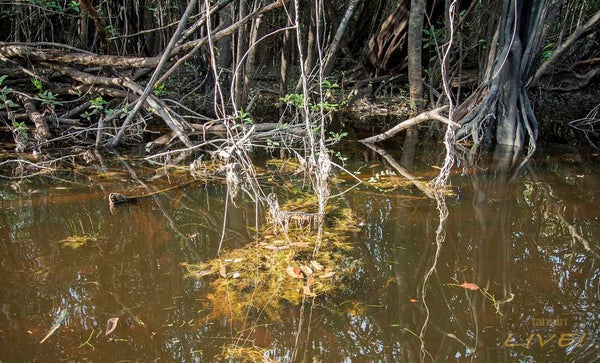
It helps, when considering the issue of fresh leaves in the aquarium, to think about what happens when a fresh leaf falls into the water (in Nature or the aquarium). When a fresh leaf falls into water, it goes through a series of biological and chemical changes as microorganisms and animals recycle it back into nutrients.
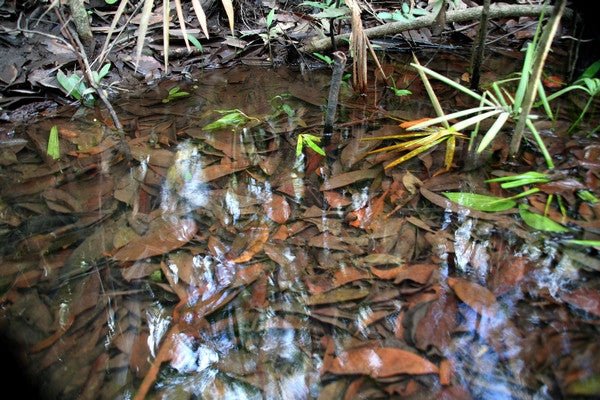
Here’s the typical process.:
The first stage is known as “waterlogging”, in which the leaf absorbs water, becomes heavier, and sinks. Its cells start losing structure because they’re no longer supported by air pressure inside the tissues.
Next comes a stage called “leaching”, in which water-soluble compounds, such as sugars, amino acids, tannins, pigments, and minerals begin leaking out:
As we all know, this leaching process is why the surrounding water may turn yellow or brown.
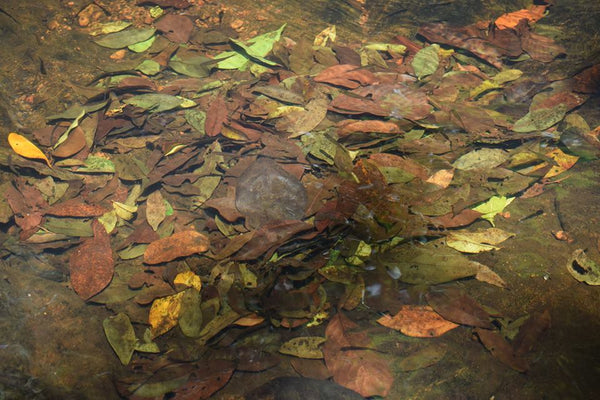
The next step is microbial colonization. During this phase, bacteria and fungi quickly attach to the leaf surface. These microbes are the main decomposers. They produce enzymes that break down cellulose, hemicellulose, lignin, and softer plant tissues.
A slimy biofilm often develops first as a result of this colonization. We all know a LOT about that, right?
Next comes soft tissue decay, during with the softer green parts disappear fastest. The leaf becomes transparent, mushy, or skeletal as microbes consume easy to process nutrients.
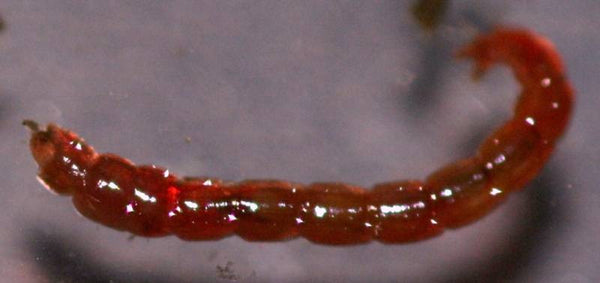
Ahh this point, many small aquatic animals may join in: such as snails, shrimp, insect larvae, and worms. They shred the leaf into smaller particles. They “power” the biome of the aquarium, providing sustenance to numerous organisms which reside there.
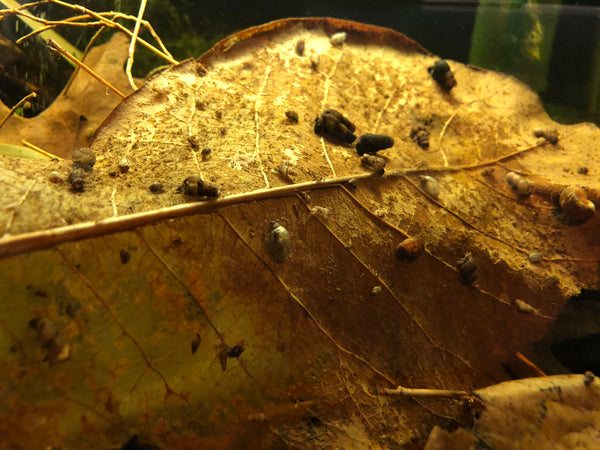
Structural breakdown occurs, during which more breakdown resistant materials like lignin decompose slowly. Veins may remain after the thin tissues are gone. At this stage, the leaf may fragment into detritus.
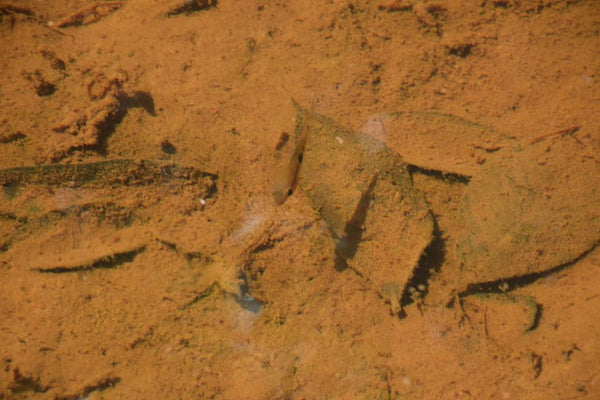
During the final stage of leaf breakdown, mineralization occurs. Eventually microbes convert the remaining organic matter into carbon dioxide, ammonia, phosphate, and dissolved organic compounds. These nutrients are then reused by algae, plants, and microorganisms.
In Nature, this process is essential to the establishment of aquatic food webs. Leaf litter feeds entire ecosystems in streams, ponds, and blackwater rivers. In aquariums, the same process happens — just in a much smaller-and less forgiving environment.
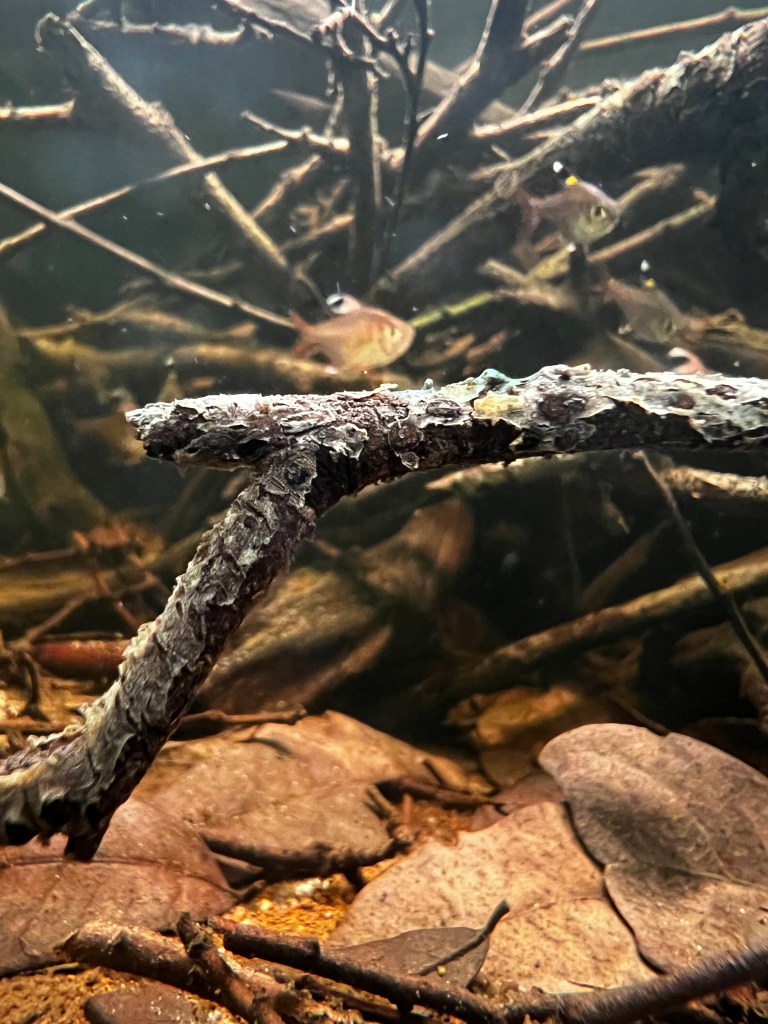
A fresh green leaf can begin this process of breaking down within hours of entering water, but the full breakdown usually takes anywhere from days to months, depending on the leaf type and the condition of the leaves when they enter the aquatic environment.
Based upon research I’ve done on the process, the typical timeline of leaf breakdown in an aquarium is something like this: Within a few hours to one day,
waterlogging starts. Sugars and tannins leach out. Microbes begin colonizing the surface. In about 2–7 days, the softening of the leaves becomes obvious. Biofilms and fungal growths begin to appear.
More delicate leaves can already start physically breaking apart. In about 1–3 weeks, many soft green leaves become “mushy” or even partially skeletonized. The aforementioned bacteria and fungi continue to dominate the decomposition process. From 1–3 months, tougher leaves may finally break into fragments and detritus. Leaving leaves in situ to fully decay likely reaches a point when the resulting matter and detritus is essentially inert, consisting of the skeletonize sections of leaf tissue which can decay no further.
Once they’re at the “detritus phase”, leaves contain largely inert forms of polysaccharides, and are rich in structures like lignin and cellulose. Most of these compounds have little effect on water quality in a well-maintained aquarium, in my experience, and assist in the functional ecology of the system.
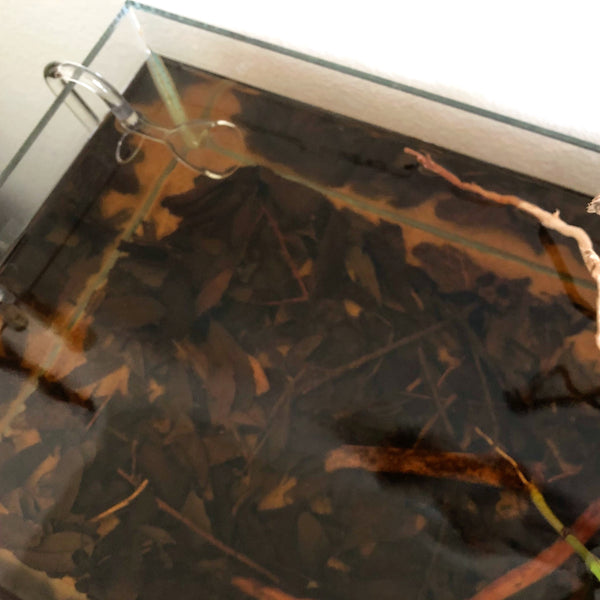
For aquarium purposes, a fresh green leaf often decomposes much faster than people expect — especially compared with dried leaves, which may last weeks or months before fully breaking down. Factors impacting the speed with which they break down include water temperature (which impacts greater microbial activity at higher temps), oxygenation (higher oxygen environments cause faster decay, lower oxygen environments foster slower decay processes), water movement (flow increases oxygen and microbial contact), and the maturity of the aquarium’s ecology.
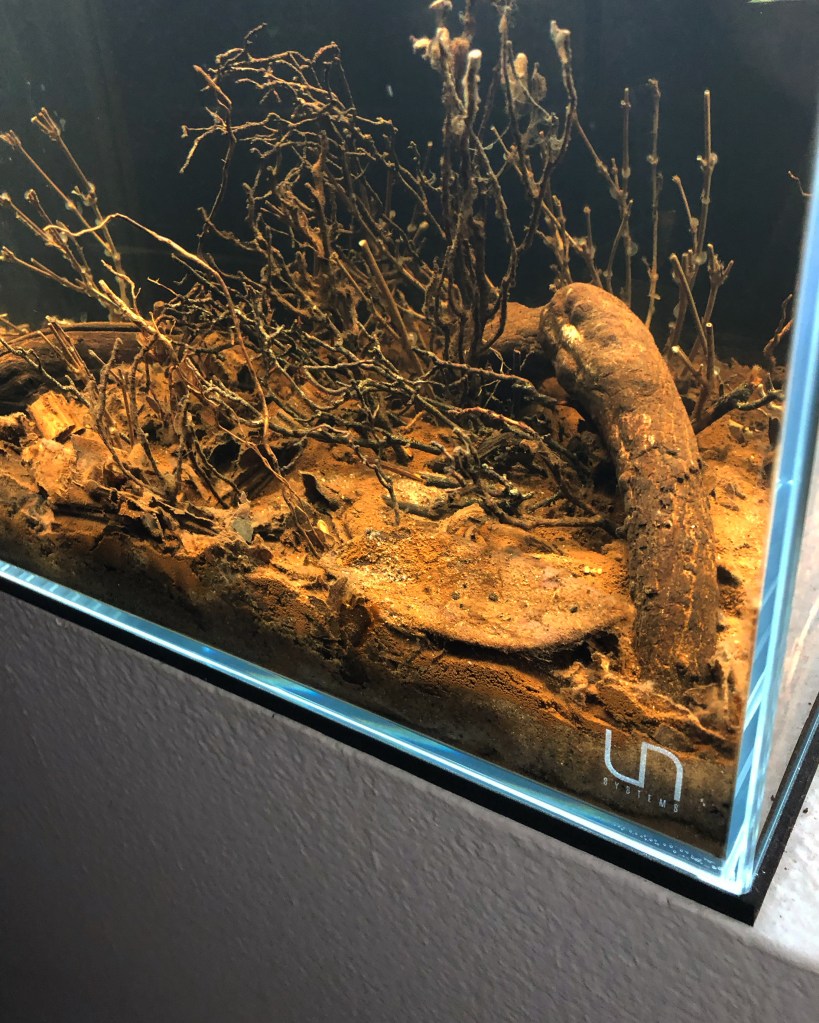
So, are there any “guidelines” for using fresh leaves in the aquarium?
There really are none that are well-established, because the use of dry leaves has been the standard in the aquarium hobby for decades! It’s the realm of us crazies, again! So I’ll share my thoughts based on my personal experiences and observations with fresh green leaves.
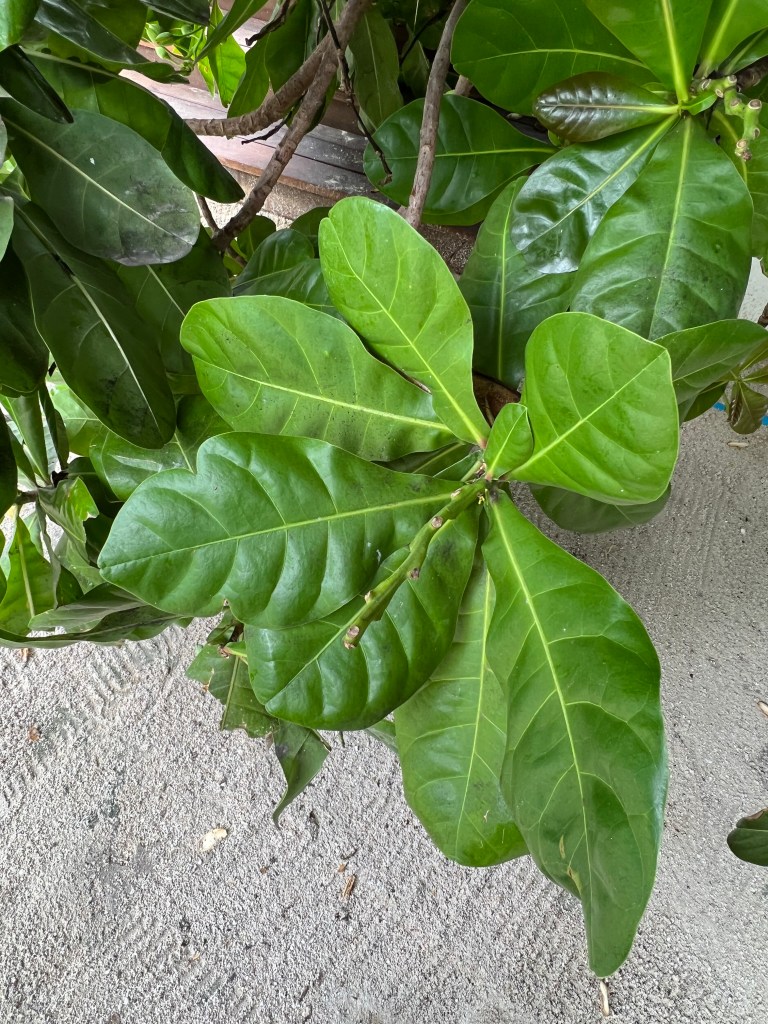
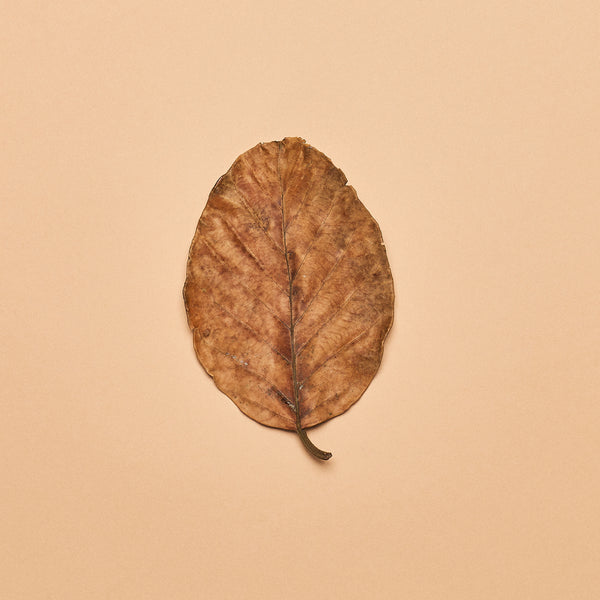
The safest choices are usually tough, low-resin leaves that decompose relatively slowly. Tough leaves like Guava or Magnolia are, IMHO, more “manageable” when adding in a fresh state. Oak are always interesting, even when “green.” For fresh leaves in general, the best ones are collected from pesticide-free areas, are typically mature, darker leaves (not tender young growth), with a thick or even a waxy texture, like Magnolia leaves. Any leaves selected fresh should have a low sap content, and contain no strong aroma or oils,
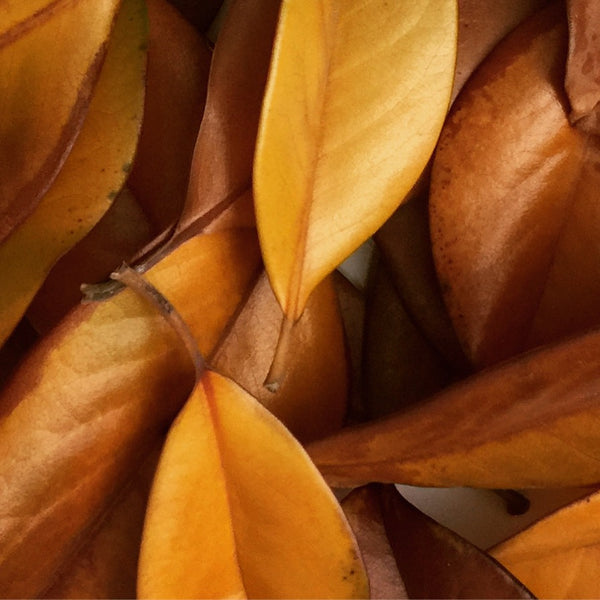
When it comes to varieties of fresh leaves, I’d personally avoid citrus, Eucalyptus, Walnut, Oleander, pine and conifer needles, cherry/stone fruit leaves, and any heavily aromatic herbs.
Another leaf you could use “fresh” is the Palm Frond. Well, let’s say. “relatively fresh.” Many palms contain fibrous material that breaks down very slowly, which is a plus! Fresh fronds can release sugars and plant compounds that encourage bacterial growth…Another plus!
However, some palm species do produce waxes, oils, or defensive chemicals that may irritate aquatic life. Sharp fibers and stiff edges can trap debris or injure delicate fish fins. Those are the down sides, of course. The upsides-both aesthetic and ecological-are many.
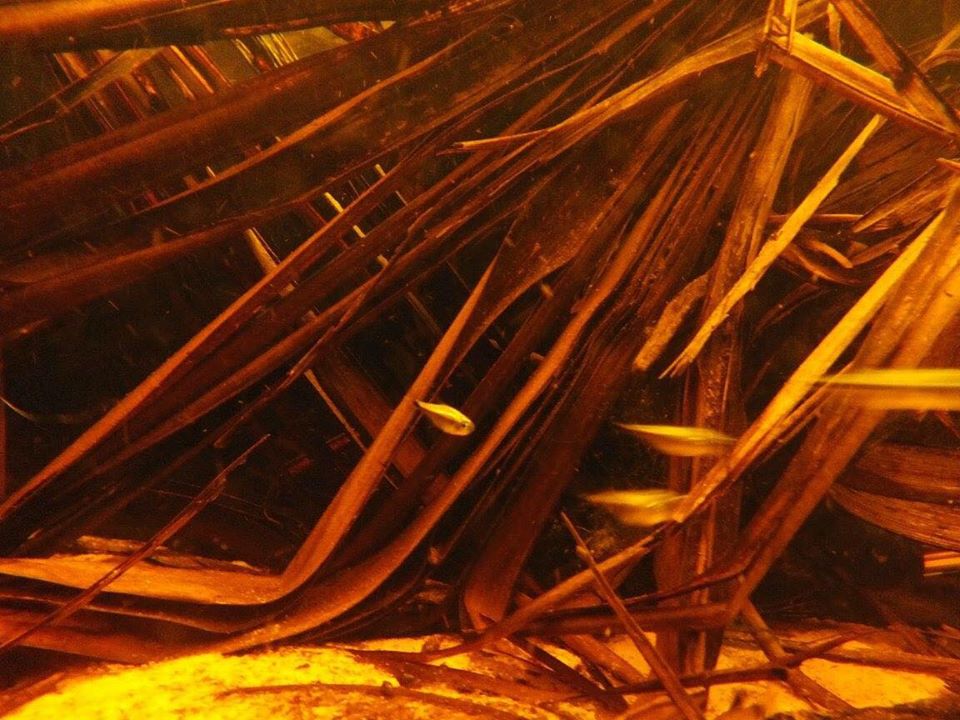
I would recommend the use of Pygmy Date palm fronds if you’re going to experiment with “fresher” ones in your botanical method aquariums. And they retain their green color for extended periods of time, even after prolonged submersion. I’d still likely wait a few days after cutting fresh ones before using them in an established aquarium…Even risk takers want to be a little cautious, right?
Palm fronds are interesting from a “functional aquascaping” perspective, not only because they serve to foster beneficial life forms (and that thought of surface area for biological filtration), but from a standpoint of demarkation of territory, and serving as natural “flow deflectors.”
I think they remind me very much of a piece of driftwood, in terms of the possibilities to support a population of fishes and provide “topography” within the underwater environment.
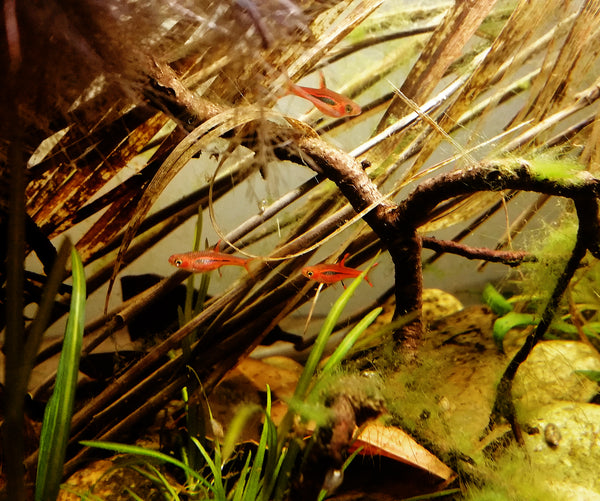
So, a palm frond as a habitat area is most intriguing to me, almost a sort of “freshwater reef”, really. And they break down very slowly in the aquarium. We don’t have all the answers on the suitability of every type of palm frond for aquarium use- so you’ll have to be a bit of a pioneer…
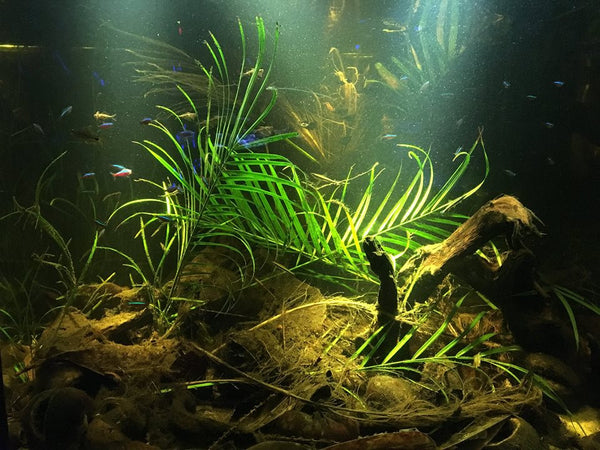
And I can visualize various behaviors and other aspects of our fishes being influenced by these items in their environment. No doubt palm fronds have some ecological role in Nature that benefits the fishes which live among them.
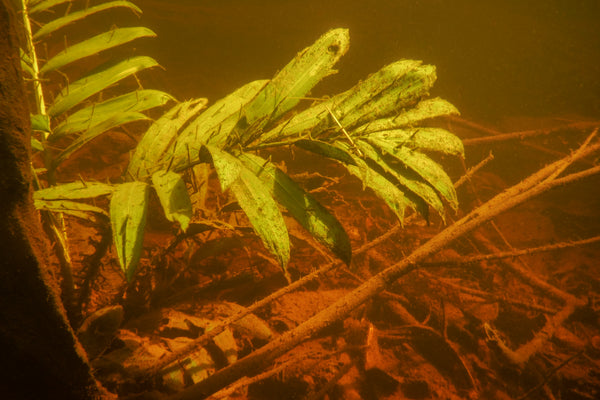
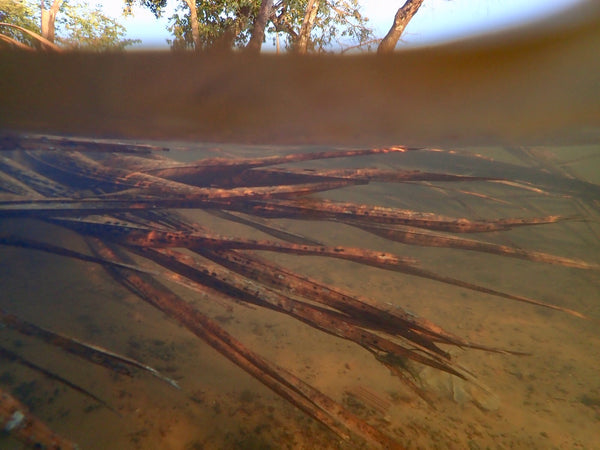
Palm fronds are compelling to use in aquariums for so many reasons, and to see them in various states in Nature really gives you an idea of how ubiquitous they are in tropical ecosystems.
And, in case you’re curious- when it comes to leaves in general- I don’t think your fishes will care one bit that they’re swimming over leaves from a completely different continent. And trust me, once the water “tints” and the leaves start breaking down, unless you’re really uptight, you won’t be all that concerned about your Amazonian-themed tank having an Indian Jackfruit or Texas Live Oak leaf in it.
Perhaps in the future, we will recognize some specific microfauna and such from leaves found in very specific locales, and how they impact the aquatic environment and its inhabitants, but for now, we’re content (?) to replicate it on a more “superficial” level.
Soft garden leaves begin breaking down almost immediately. So, my advice would be to use clean, pesticide-free leaves only. in a small amount first. Test for ammonia, observe fish behavior, and water clarity for several days.
Again, to reiterate- the idea of all of this organic material leaching into the water is certainly a consideration in an established tank…Now, in brand new aquariums without fishes, I say go crazy! You’re establishing an ecology, so adding lots of material at this phase will simply help fuel the process, IMHO. When you’re adding fresh leaves to an established aquarium, well- that’s where I’d exercise more caution.
In a botanical-method aquarium, fresh leaves can offer some unique ecological effects that dried leaves don’t fully replicate — though they also introduce more potential instability.
A big potential advantage of including fresh leaves is likely more active microbial growth. Fresh leaves release sugars and dissolved organic compounds quickly, which fuels bacteria and fungi…quickly! This can create abundant biofilm for shrimp, fishes, fish fry, and microorganisms to graze on. So yeah- expecting a new batch of fry? Prep some fresh leaves as a “biofilm farm” pronto, lol.
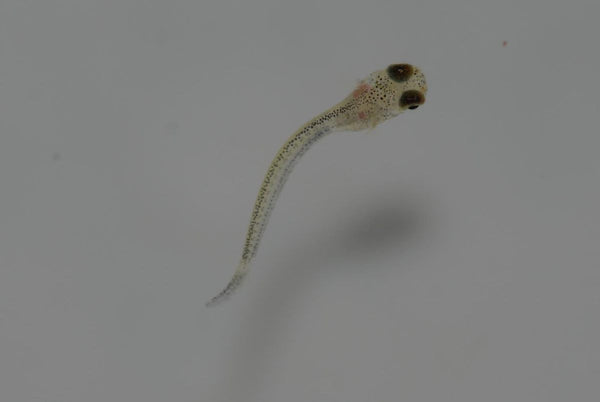
In wild streams and flooded forests, fresh plant matter regularly enters the water. Adding fresh leaves to your established aquairum can mimic those periodic nutrient inputs perhaps more realistically than fully dried litter. As microbes colonize the leaf, they attract infusoria, worms, copepods, and various detritivores.
This can increase biodiversity in established natural tanks. Fresh leaves often release a broader range of chemical compounds than dried leaves, including plant phenols and fresh organic acids. Fresh botanical inputs can simulate rainy-season flooding and falling vegetation in biotope aquariums.
The tradeoff when working with fresh leaves is reduced predictability…Oxygen demand rises, ammonia production can spike, bacterial blooms become more likely, and decomposition is harder to control. In a way, however, utilizing fresh leaves push an aquarium even closer to becoming a more comprehensive “living decomposer” ecosystem, much like in natural aquatic habitats.
Now, even fresh leaves should be rinsed thoroughly, sometimes soaked, and even occasionally blanched briefly. This prep process reduces surface contaminants and slows the initial nutrient dump a little bit. On the other hand, if you’re really truing to go for it and. be adventurous and experimental, a quick rinse is good enough.
You should maintain strong oxygenation in the aquarium when adding quantities of fresh leaves, as decomposition consumes oxygen. Some helpful ways to facilitate this are to create surface agitation, and the use of aeration via air stones. Low or falling oxygen levels is probably the biggest concern when adding large amounts of fresh (and for that matter, dried) leaves and botanicals to the aquarium.
Be prepared to act (with water exchanges or perhaps removing some of the fresh leaves) if you notice really cloudy water, a foul smell, fish gasping at the surface, and rising ammonia levels.
Think about the addition of beneficial fauna, like worms, various crustaceans, Paramecium colonies, etc. when working with fresh leaves. Remember to monitor water chemistry and perform regular small water exchanges. You know, “Aquarium Keeping 101” stuff.
Remember, the goal is to create a controlled level of decomposition. Successful fresh-leaf systems usually balance fish load, organic input, microbial decomposition, oxygen availability, and nutrient uptake. It’s a real dance, requiring observation, thoughtful management, and patience.
For experienced botanical-method hobbyists, controlled experimentation can be valuable because it explores ecological processes that standard botanical method aquarium practices often avoid. Use of fresh, green leaves accelerate and reveal those processes.
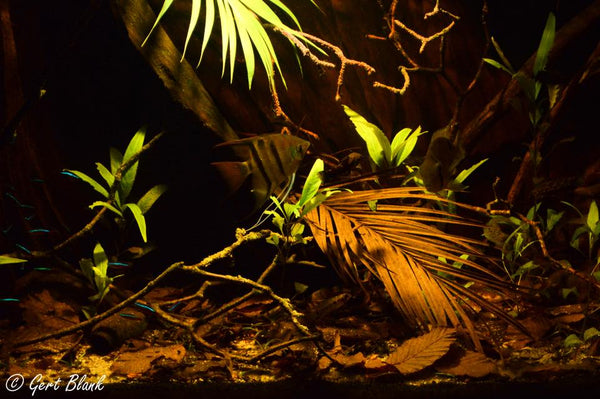
As mentioned previously, fresh leaves release different chemical compounds from dried leaves, potentially producing more complex dissolved organic chemistry similar to natural systems. And, in the big picture, careful experimentation with fresh leaves teaches us how biological filtration, oxygen demand, and nutrient cycling respond to changing organic loads.
Functions which Mother Nature has managed for eons in the wild…
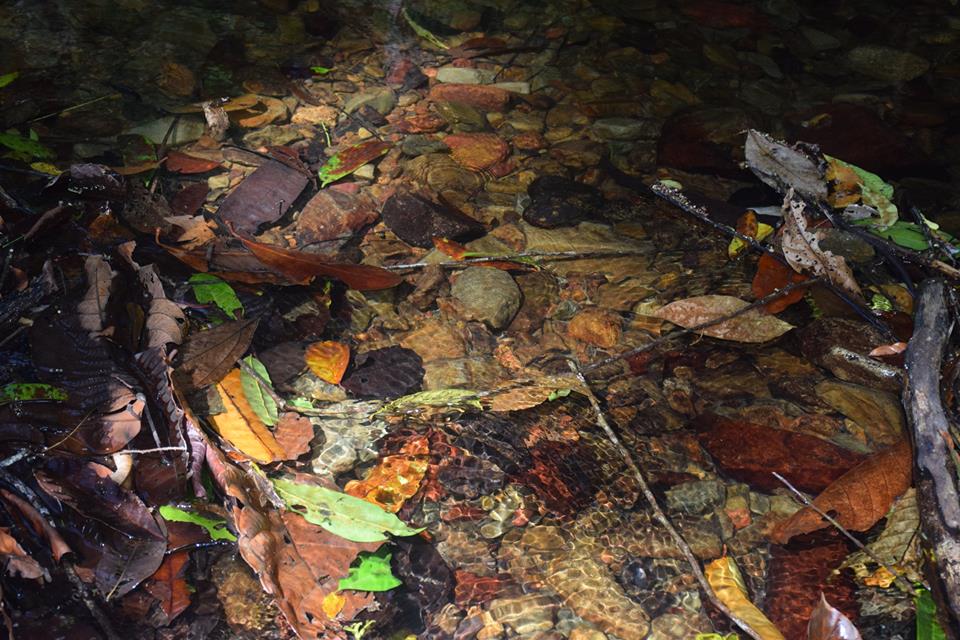
These compelling habitats, and the ecological components which contribute to them, are an endless source of fascination, education, and inspiration for us. Perhaps the key to understanding their function in the wild is to recreate-to some extent- their function in our aquariums.
And it’s that desire to know, to comprehend- and to appreciate their intricate, if not seemingly random beauty, which keeps us flirting with the relationship between the aquatic and the terrestrial environments.
Stay intrigued. Stay creative. Stay open-minded. Stay fasciated…
And Stay Wet.
Scott Fellman


Leave a Reply