
In the wild, there are numerous aquatic habitats which are ephemeral in nature- lasting only for a season or two before drying up; only to begin the cycle anew the following year.
An example is the “vernal pool”, a surprisingly rich, and very interesting habitat.
Vernal pools are classified by ecologists as a type of wetland, although they are, as their name implies, temporary aquatic habitats. Certain fishes, such as annual killifish, have evolved to adapt and thrive in these environments over eons. This, of course, makes these unique aquatic ecosystems all the more fascinating to us as botanical method aquarium geeks!
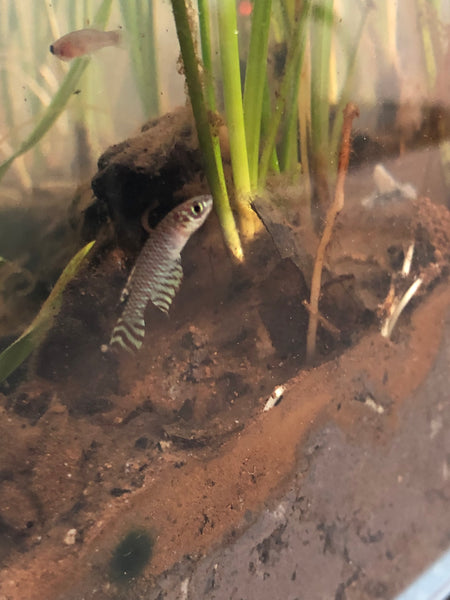
Understanding this type of habitat has lots of implications for creating very cool aquariums.
And maybe, just maybe- they might help make killifish, and the killifish hobby, more interesting, appealing, and relevant to a new group of hobbyists- long a topic of concern among the killie-keeping “establishment!”
A big win, if you ask me!
And it can start with considering these pools another ephemeral habitats which these fishes reside in.
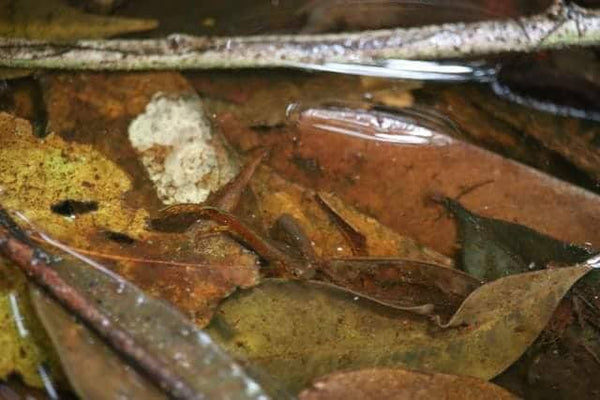
These pools are surprisingly productive, with significant crustacean and insect life- a truly remarkableabundance of life- which helps sustain the fishes which reside in the vernal pools. Most Nothobranchius species are what ecologists classify as “generalized carnivores”, feeding on a range of planktonic and benthic invertebrates and insects found in these habitats.
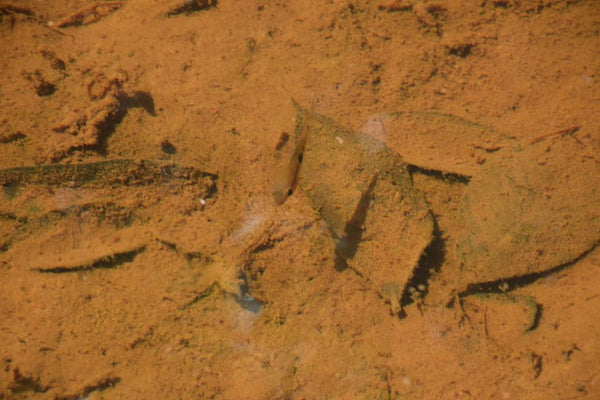
Typical vernal pools in the tropical locales mentioned above are dry for at least part of the year, and typically, but not always, fill with water during seasonal rain/flooding events. Some of these pools may stay partially filled with water during a given year- or longer- but all vernal pools dry up periodically. Sometimes, these pools empty and fill several times during the wet season.
Movement of water between vernal pools also occurs.
Vernal pools are typically associated with plains or grasslands, and are typically small bodies of water- often just a few meters wide. The origin of the name, “vernal” refers to the Spring season. And, this makes a lot of sense, because most of these ephemeral habitats are at their maximum water depth during the Spring!
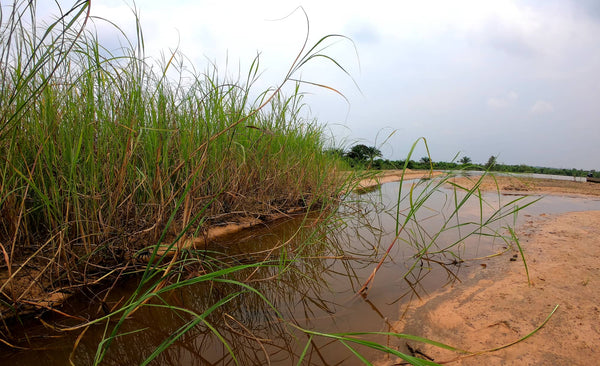
After studying these vernal pools for some time now, and visiting a few in my local area, I can’t help but be drawn to the idea we’ve played with in our “Urban Igapo” tanks- utilizing soil/sediment mixes and playing with “seasonal” cycles of inundation and desiccation, which simulate, to the most realistic extent possible, the cycles of the vernal pools, grasslands, and flooded forests of the tropical world.
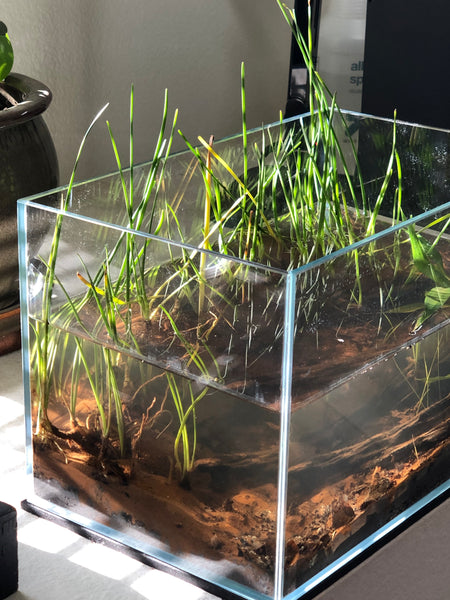
Vernal pools and flooded forests are perhaps the ultimate expression of the close relationship between the terrestrial and aquatic habitats. Decomposition, accumulation of epiphytic growth, and colonization of various life forms is continuous and impactful.
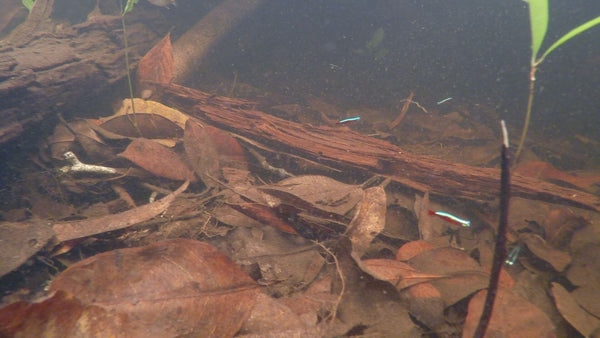
Every terrestrial botanical eventually breaks down completely underwater, imparting organics, tannins, lignin, and other compounds into the water. It could take a few weeks, a month, or even years. However, complete breakdown eventually occurs.
When it occurs is dictated entirely by Nature, of course.
That, to me, is the charm of what we do as aquarists who embrace this. We celebrate the process. We celebrate the process because we understand how it positively impacts the environment of our aquariums and the fishes which reside in them.
And of course, there is a group of fishes which we can play with that are almost the perfect “subjects” to work with to attempt to replicate some unusual habitats in the aquarium. Unique fishes which are colorful, interesting, downright tough, and highly adaptable…
The killifishes!
Again.
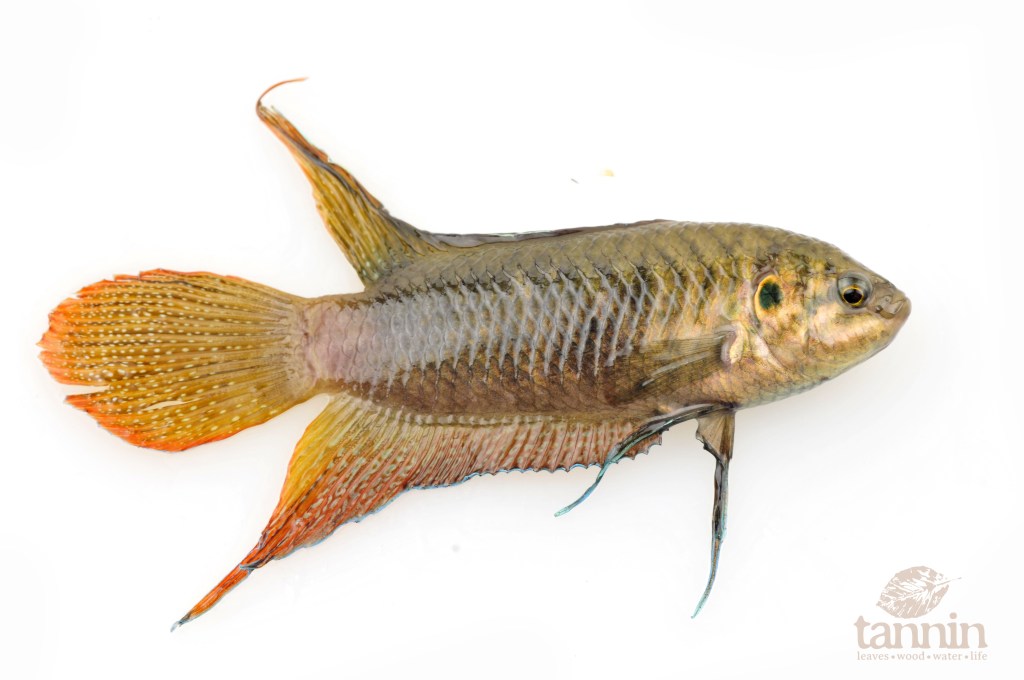
Now, unlike many North American vernal pools, which are often fishless because they dry too quickly, South American and African temporary pools can support these highly specialized seasonal fishes precisely because the fish evolved to survive periodic drying.
Yup, the chance to do some really unusual work, especially with the under-appreciated (in the hobby mainstream, anyways) killifishes- is always pretty cool! The habitats in which killies are typically found are compelling, and their unique ecology, structure, and aesthetics pushes us to the very edge of what we consider our “craft” if we want to replicate them.
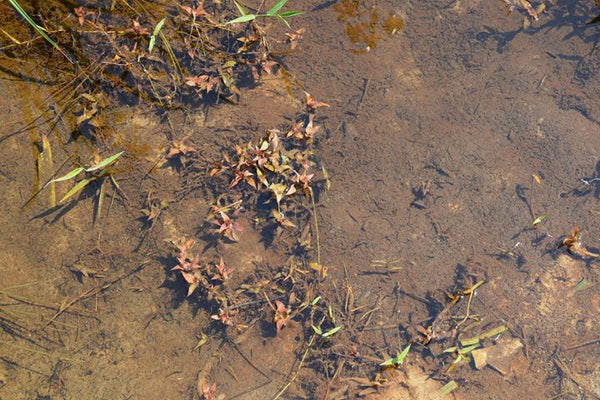
Killies have good jumping capabilities for a reason, right? I’d venture to guess that it’s to help escape from these little tight spots when the water gets really nasty!
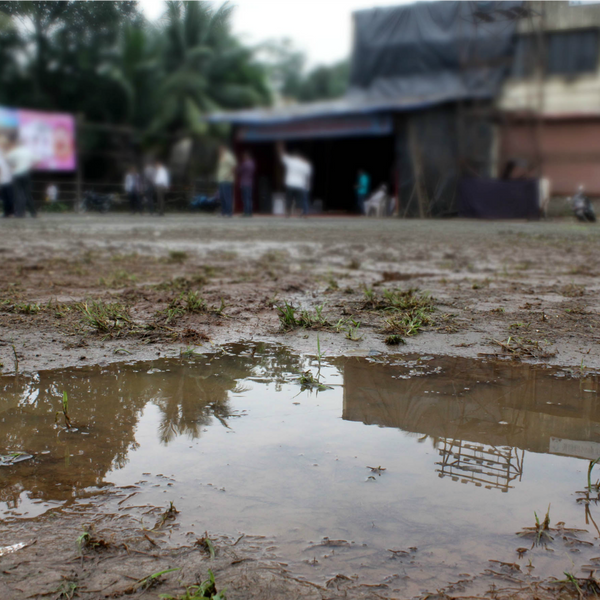
So, yeah- I think that we should occasionally experiment with creating tanks that recreate ephemeral aquatic habitats like mud holes, and mere puddles – in our aquariums.
You heard me.
A mud hole.
Yeah, on the surface, this sounds easy and just like a breeding jar or something: Throw peat on the bottom, add your killies…yeah, “mudhole”; whatever..Next. “Fellman, you just described a breeding jar for killies…! Been done for a century.”
Uh-uh. NOPE. Not like this.
Not gonna let you get away that easy. I’m talking more of a paludarium-type setup, with a strong terrestrial component. A permanent display. Perhaps something more like the “Urban Igapo” idea I’ve pushed so much around here. You operate it as such, with wet and dry cycles.
You’d probably set it up not unlike a terrarium for reptiles: Somewhat barren, with patches of terrestrial vegetation here and there, maybe some riparian plants, and a substrate really consisting of a mix of peat/mud/clay/fine sand. The emphasis more on recreating the overall function than solely the look.
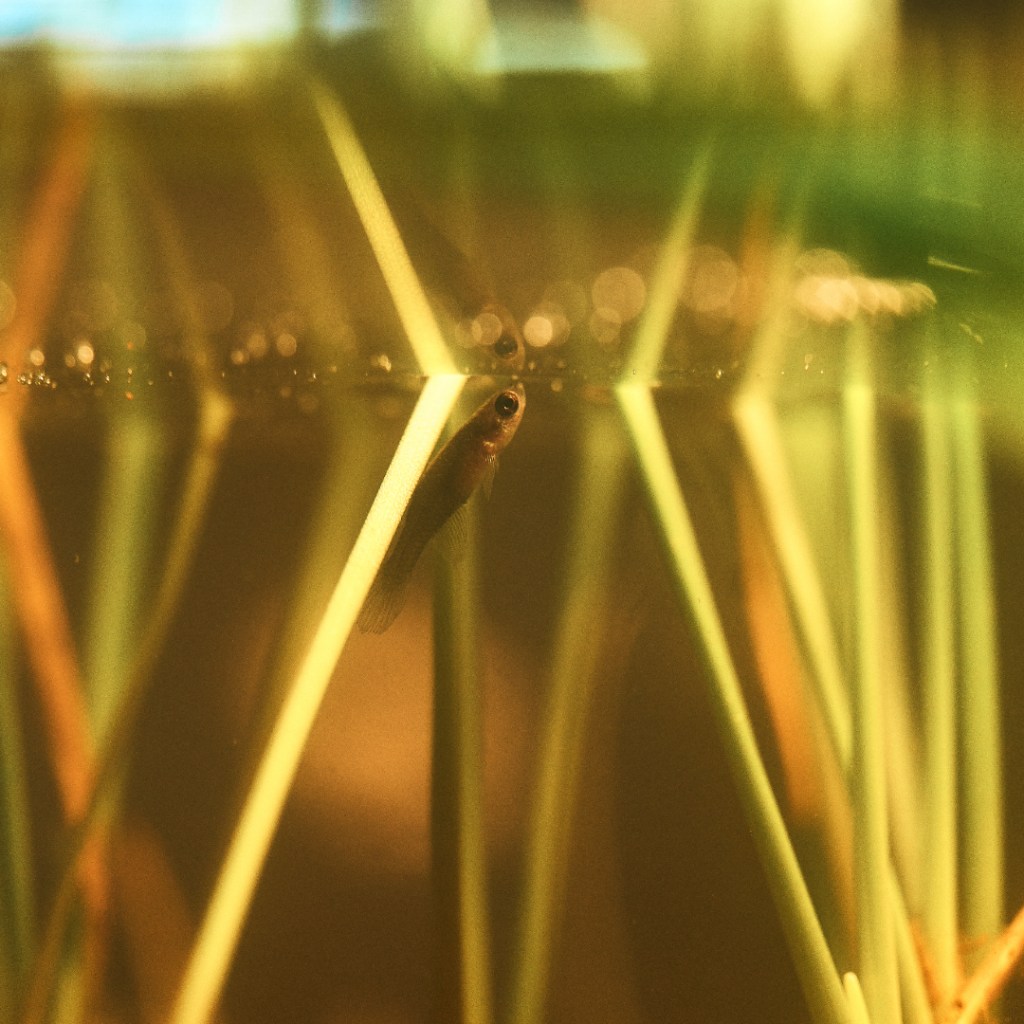
It’s not for temporary breeding, either.
We’re talking “display tank” here!
And it should be shallow water; probably not exceeding 6-8 inches (15.24-20.32cm) in depth. Circulation? Nope. Well, not much, anyways. Filtration? Not likely. I mean, maybe a sponge filter. You’d be relegated to small water changes with a plastic cup a couple of times a week or more. Even that is not 100% accurate to the biotope, but infinitely more “realistic” than what a lot of us have done before. You’ll have dark, turbid, likely acidic water, a small population of fishes, and the challenges of managing bioload in a filter-less “water hole.”
“Great, a stagnant tank full of muddy water in my living room. Great fucking idea, Scott. Right on.”
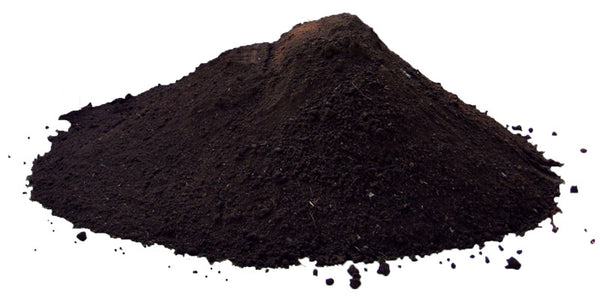
Obviously, the starting point for replicating a mud hole in an aquarium is…well…MUD! Well at least, the stuff you use to create the bottom.
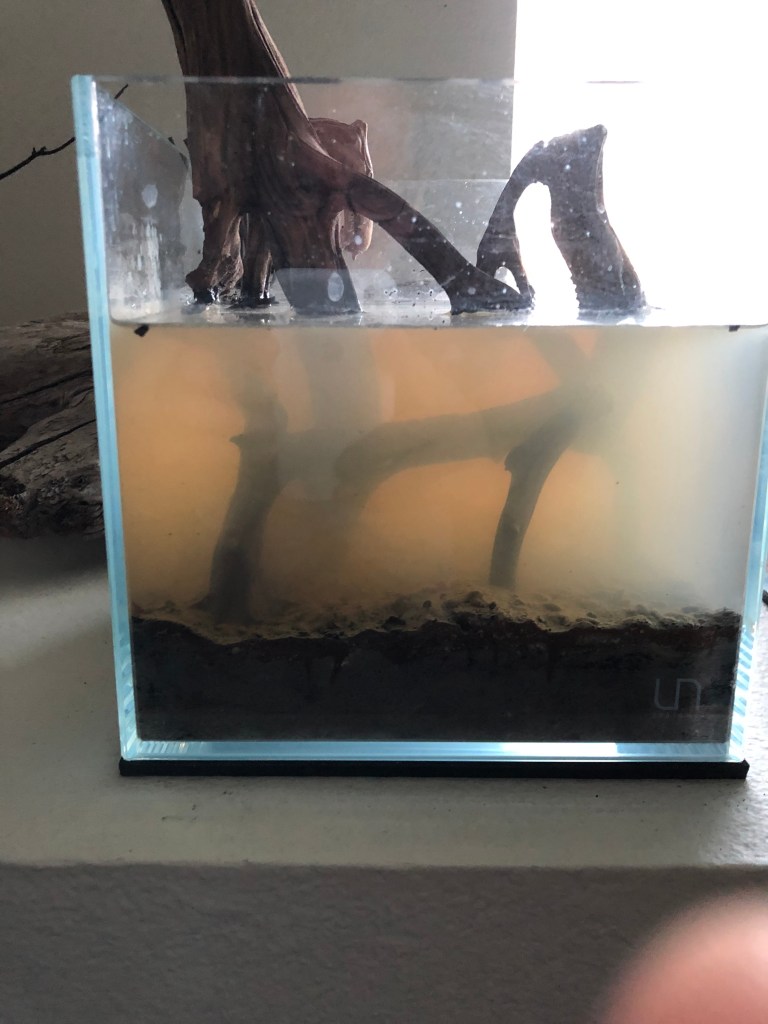
For some time, I’ve been very intrigued about the terrestrial and other soils that hobbyists who keep “dirted” planted aquariums have utilized for years to facilitate amazing plant growth. I’ve been playing with all sorts of weird muddy, clay-enhanced substrates since around 2017, and I’ve come up with a few good ones over the years that really work! It took a lot of messing around to find the right combinations of stuff.
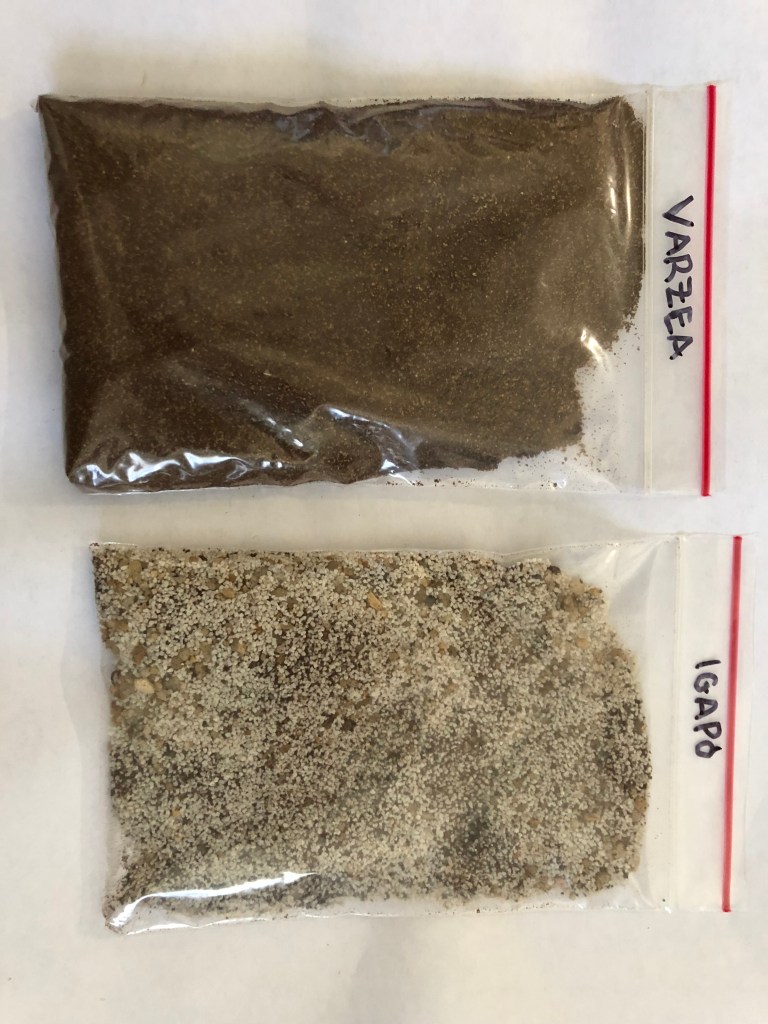
And there is so much more room for experimentation. I really love playing with aquatic and terrestrial soil/silt/mud mixes in aquariums. I also do like playing with some of the commercially available planted aquarium substrates and “enhancing” them with other materials.
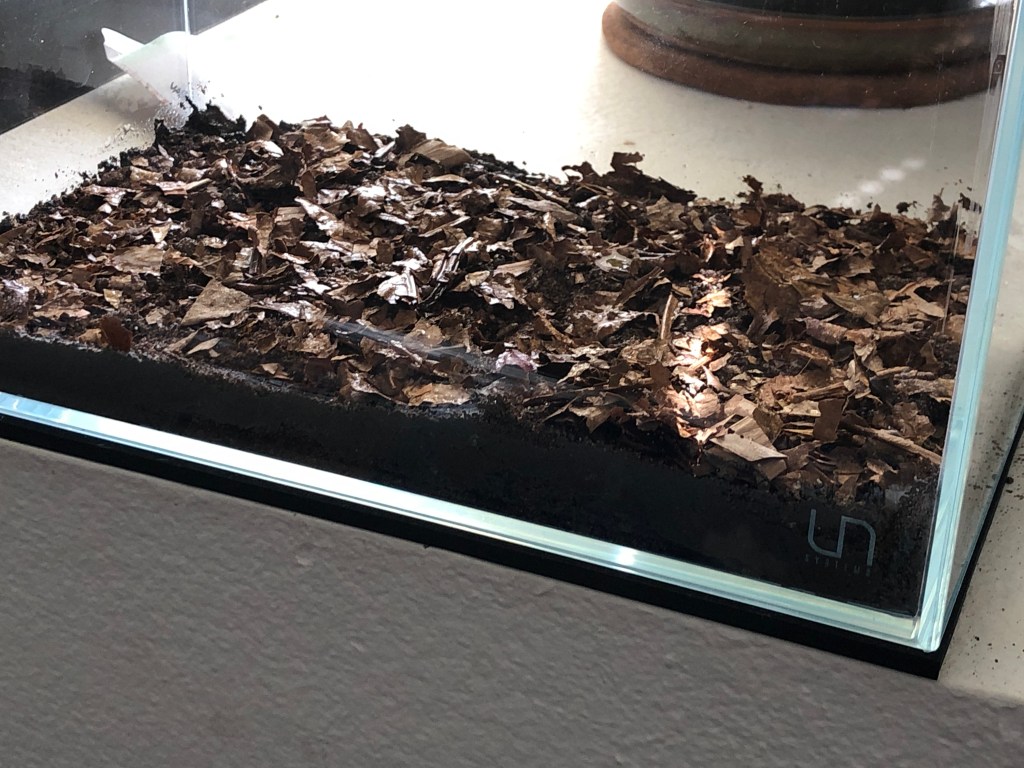
However, once again-I’m not talking about them for growing plants- I’m talking about using these materials for the primary substrate in the natural, botanical-focused aquarium, in which plants may or may not play a role.
Typically, my idea of “aquatic plants” is terrestrial, submersion-tolerant grasses, rice, riparian plants, etc. You can keep your Hygrophila and stuff for now, lol
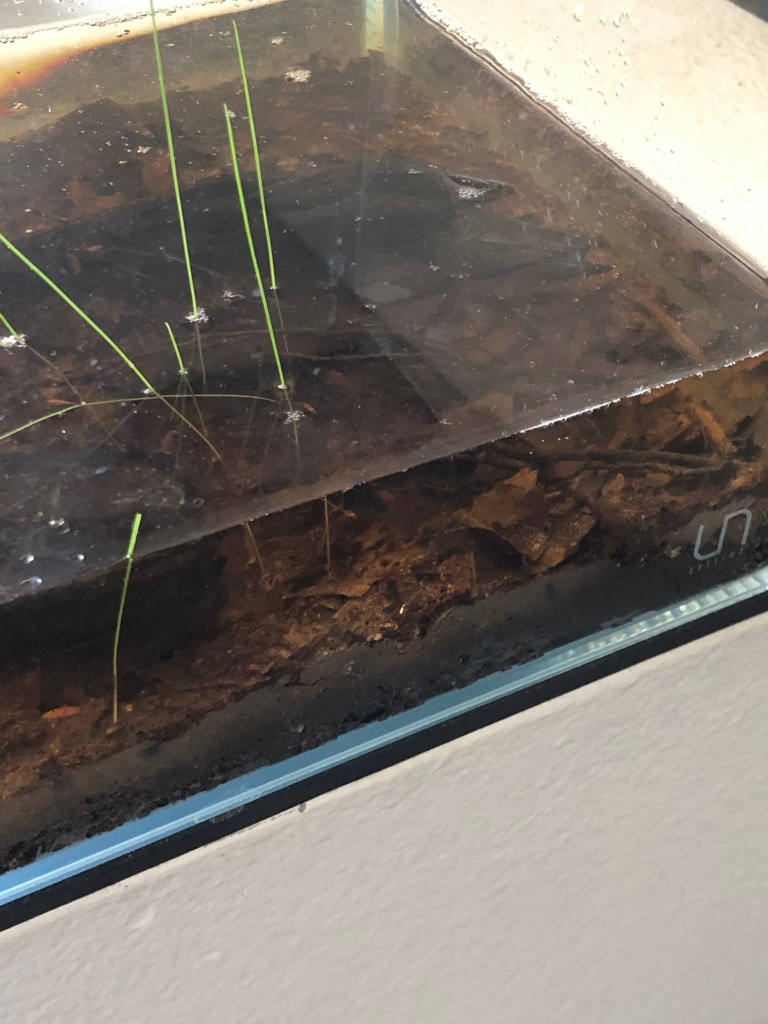
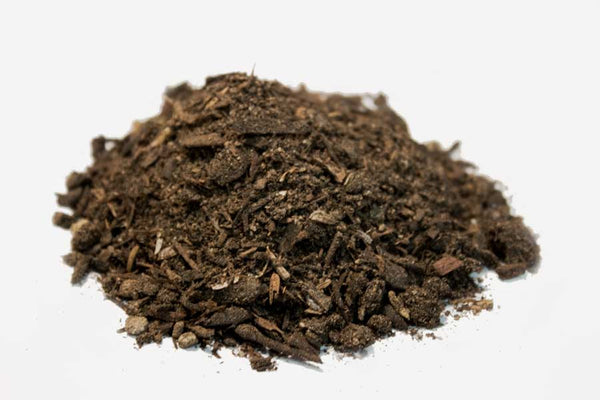
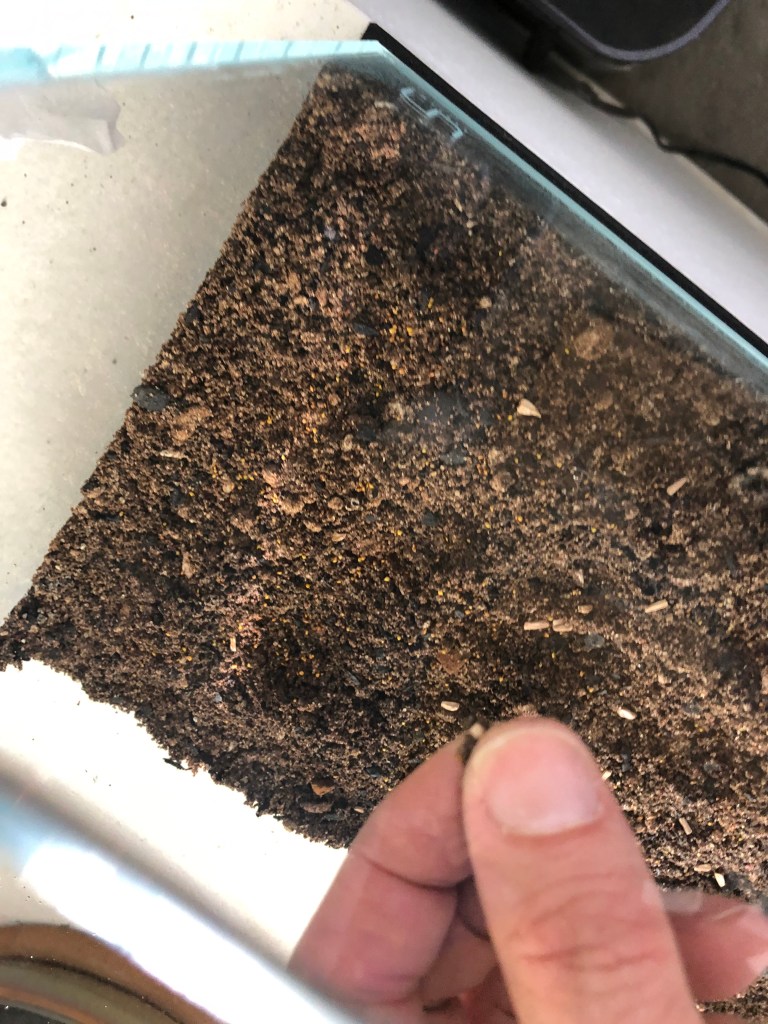
To be perfectly honest, you could create an interesting substrate with just the commercially available planted substrate stuff alone by simply grinding it up in a (dedicated), inexpensive, small coffee grinder. that you pick up on Amazon for like $30USD.
Yup. It gets you the perfect consistency! Muddy silt.
Yeah, I admit that it’s a time consuming process, but you’re not making 100 pounds of the stuff, right? (If you are, we need to talk….you must be out to something super cool and I want in, lol!) And of course, you could always collect some natural mud from a clean source (if that is possible).
Of course, the real fun starts when you add other materials to the mix.
Now, sure, there are considerations- such as an influx of a lot of nutrient-laden materials into the aquatic environment (not as important if you’re growing plants, of course), and the sheer “messiness” of soils, clays and silt-which have created some consternation among those who use them. Oh, and you’re NOT doing this to an established, stable system.
Sure, these materials are easily disturbed and can create some rather turbid conditions in the tank as they settle.
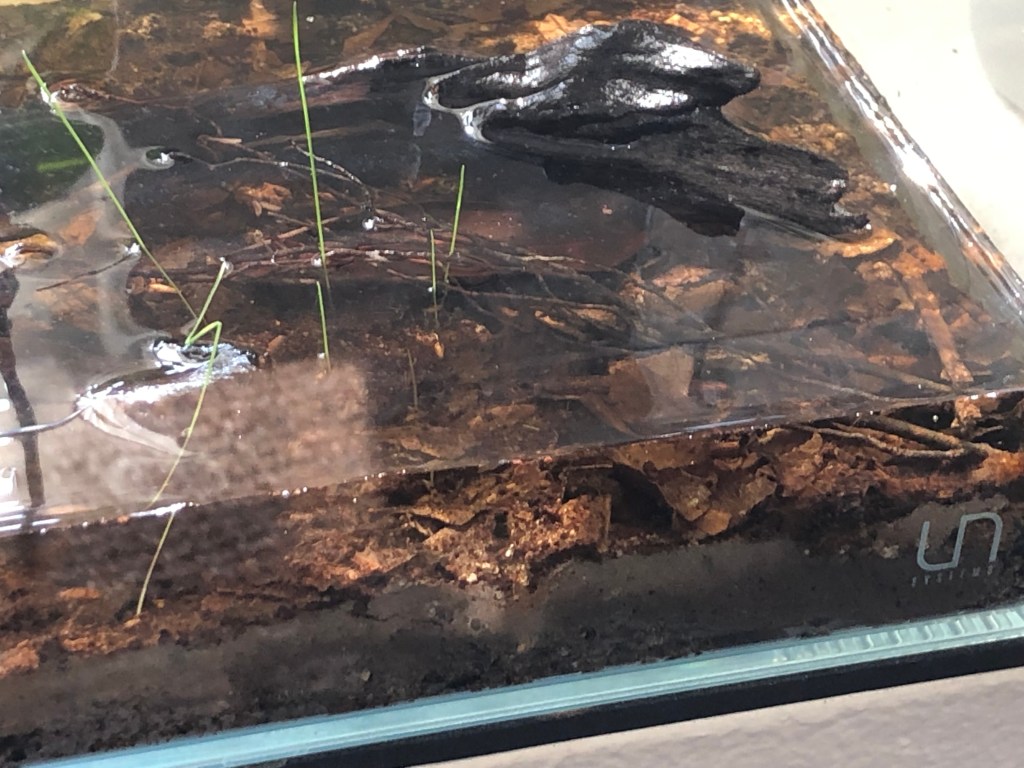
Right from the start, you have a pretty good idea about why this practice isn’t exactly taking the aquarium world by storm, is it?
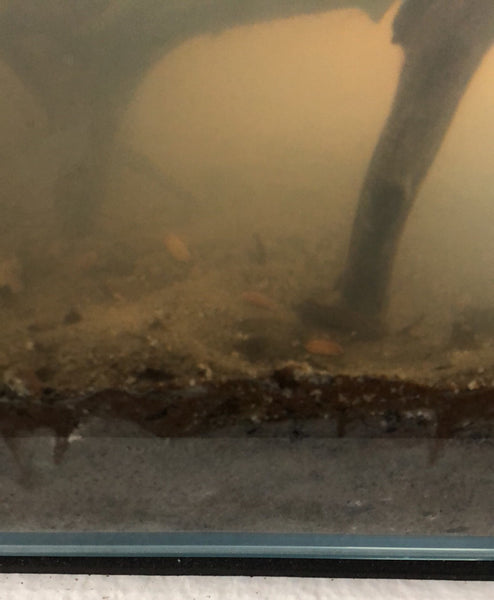
Hell, what could go wrong? 😆
Over the years, I’ve heard about concerns over toxic gasses being trapped under the soil or mud substrate (likely more of a concern when you’re employing a “cap” of sand or other material on top of the soil/silt/clay to retain it) and being released into the tank during maintenance and other activities. Now, in my experiments, I have not experienced this. And I’m not using tremendous depths of these substrates in my tanks. (but hey- that could be cool, too!).
Oh, and I don’t use a “sand cap” on top of my “dirt”- possibly the major part of the concern hobbyists have for accumulations of toxic gasses. Rather, I tend to mix in bits of crushed leaves, botanicals, and twigs, which seems to not only keep the materials together, but enhances the natural, “random” look and (more important) ecological function.
I gradually saturate and “flood” these tanks, a sort of analog to what happens in Nature during the periods of inundation in the forests. I fill them over the course of hours or days.
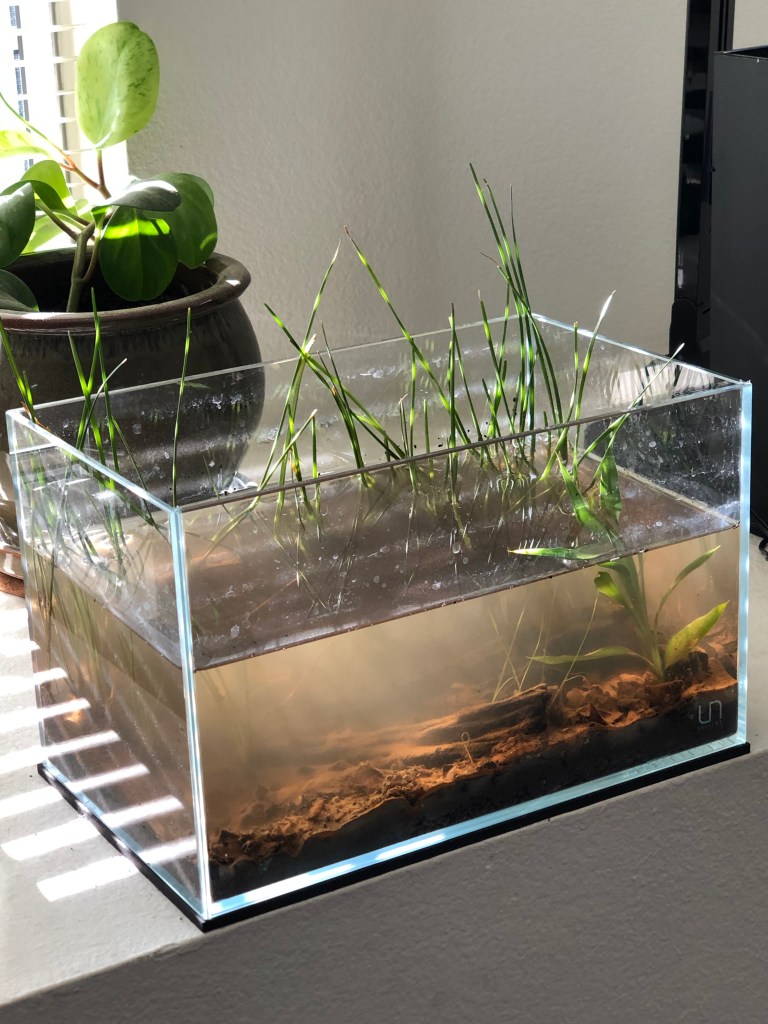
When I talk about this stuff, I can count on getting emails from hobbyists telling me that it’s irresponsible snd dangerous to utilize such an approach to substrate in a fish-focused tank, but in almost 10 years of personal experimentation with these types of mixes, I’ve never had any issues whatsoever- other than the aforementioned cloudiness when the substrate is disturbed.
In fact, after a few months, even when the substrate is disturbed in one of these tanks, the cloudiness tends to not occur. Or if it does, it’s for a very brief period of time. Based on my personal experience, I believe that the longer this stuff is down, the more likely it is to STAY down.
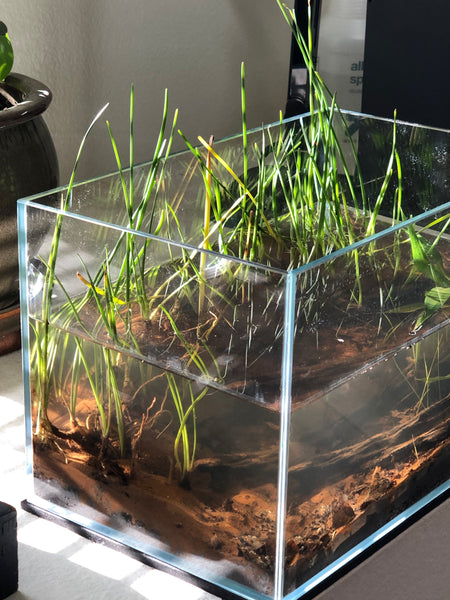
Now, does this mean that everyone should ditch the time-proven commercial aquarium substrate materials and jump head long into creating dirt and silt and mud substrates and modeling the ecology of temporal pools in their display aquariums?
Of course not.
However, for those with interest- I think it’s worth experimenting with, especially given that there are a number of fishes and other animals which would do remarkably well in such a tank. They are found in habitats with muddy substrates in Nature. Examples would be African or South American killifish, Synodontis catfishes, certain West African cichlids, Reed Fish, and even the old African Frog! Cool fishes like the “African Butterflyfish, Pantodon buchholzi, are possible…
Your biggest challenges?
Well, there’s overcoming the fear and judgment of others. That’s a thing.
And again, I suppose that there’s the possibility of toxic anaerobic pockets if you have a deep, tightly packed mud layer. But why and howwould you do that? Oh, and I suppose that using a deep-ass layer of collected wild pond mud can produce hydrogen sulfide, methane, and those scary “ammonia spikes.”
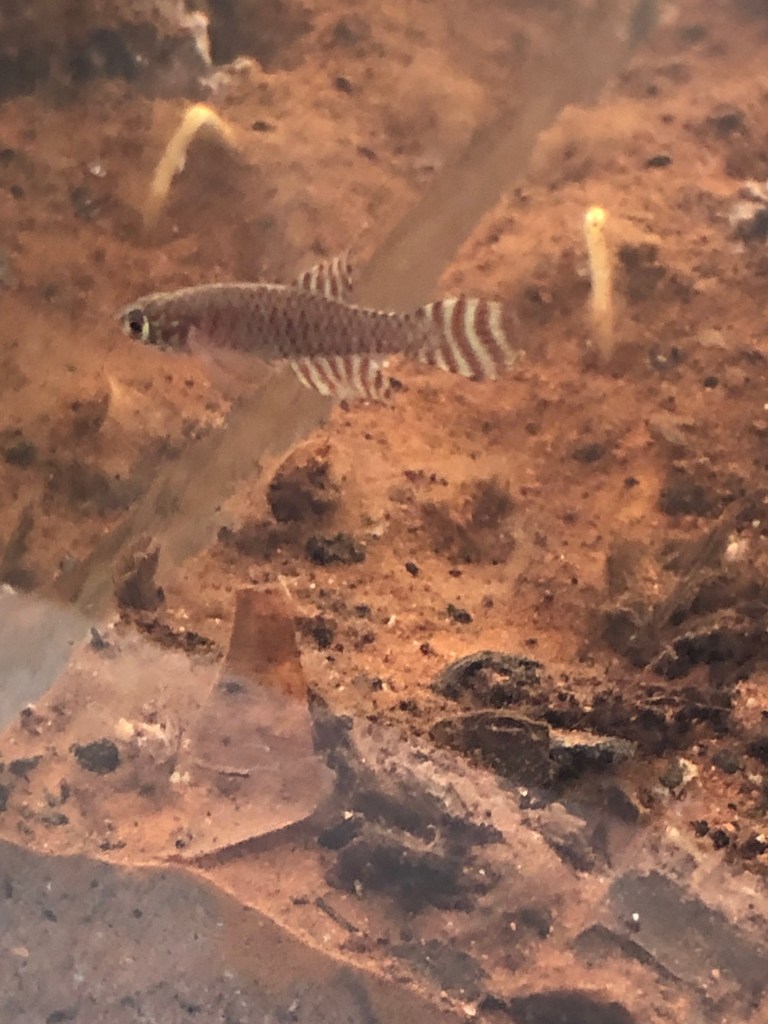
So the substrate depth and oxygenation do matter. Oxygen depletion could be more than theoretical if you get too crazy. Consider that many natural mud holes often have critically low oxygen levels that many species of aquarium fish may not tolerate.
Many, but not all…
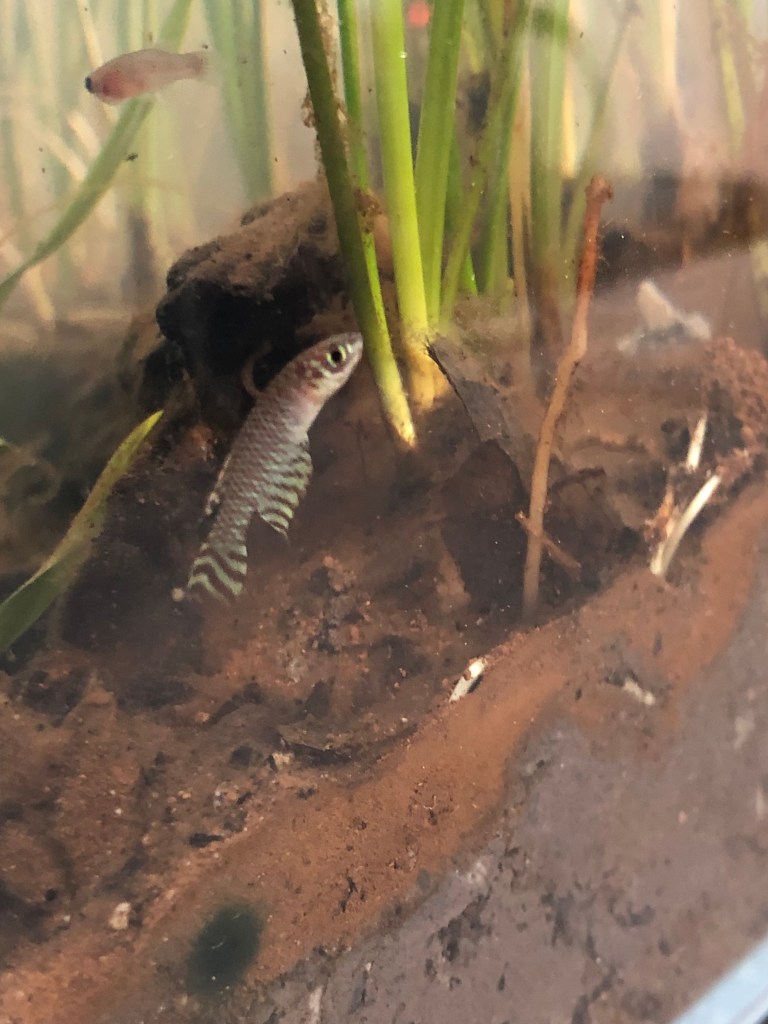
And of course, outdoor mud or wild-collected soil can introduce parasites or contaminants, although I have never had this issue before. Just use common sense if you’re collecting from the wild, and of course, follow any local laws and restrictions about collection of materials from wild habitats.
So yeah, there are considerations and potential downsides- as there are to almost all of the crazy ideas that we talk about around here.
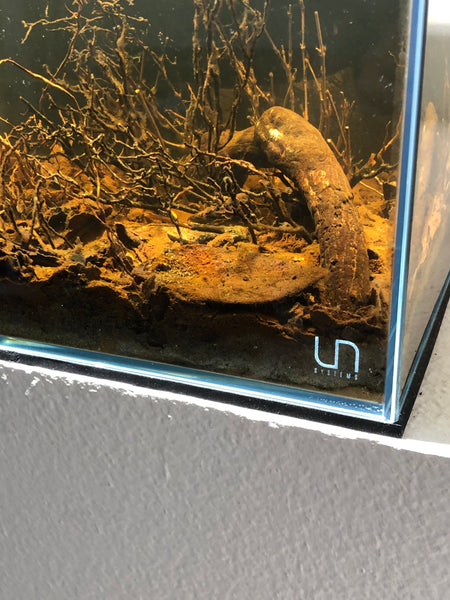
You can and should mix different materials, like I do.
A good ration for the newcomer to this world is something like 40% aquatic sand or pond soil, 40% collected clay/mud, and 20% organic material (like coconut coir, crushed leaves, pond soil, terrestrial mud or plant soil.)
Over time, this will create a soft substrate with slight clouding, but not permanent opaque “sludge.” Ya’ don’t want that…You do want plenty of decomposing leaves, biofilm and fungal growth, a visually uneven substrate layer, and tiny suspended particles,
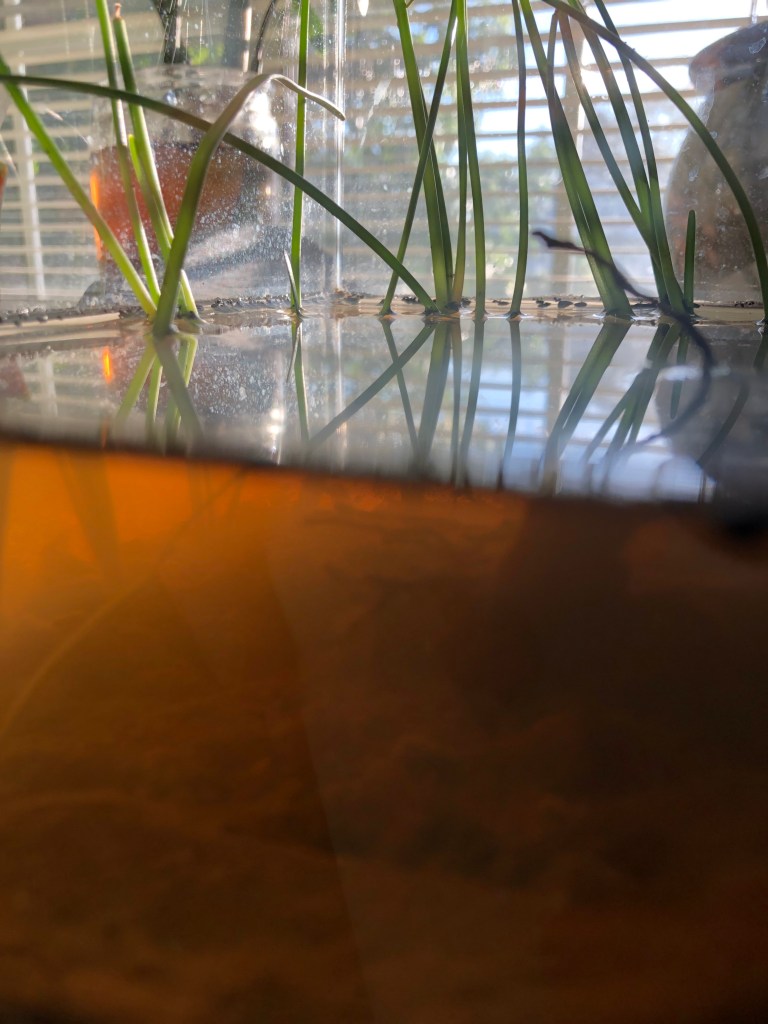
Remember, we’re not talking about just a “look”– we’re talking about about creating an ecologically viable aquarium system. The look is the “collateral benefit!”
That’s how you have to think, though, when you’re pushing it. I think someone with a planted aquarium background, and perhaps a killifish interest (ya’ know, ’cause killie hobbyists like to play with peat moss), or simply a hobbyist with a passion for doing things exactly the opposite of the way your “supposed to” do them, is prefect for this challenge!
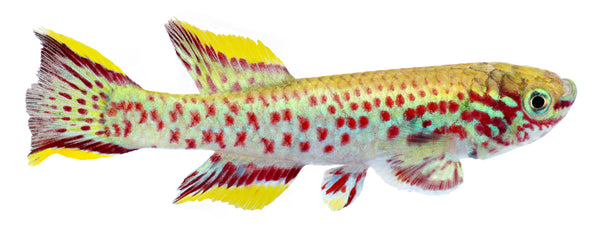
A rebel who plays with…mud and dirt.
Where are you? Don’t you want to mess around with this idea, too?
Create a breakthrough.
Utilizing mud and dirt and clay substrates that provide fishes with essential trace elements and other characteristics which could benefit their health would be really cool to play with.
Why not use substrates to influence/compliment/complete/enhance the aquatic environment for fishes? It’s what happens in Nature…
Dirt and mud in shallow, perhaps temporarily aquatic systems.
You’ve got this.
Okay, back to Sunday morning.
Be brave. Push the boundries. Aggravate others. Disrupt the boring routines.
Stay quirky. Stay fascinated. Stay obnoxiously undeterred by the criticisms of others…(But always listen to what they have to say, and consider it)..
Stay YOU.
Oh- and Stay Wet.
Scott Fellman


Leave a Reply