
Like many of you, I am absolutely habitual about most things when it comes to my aquariums. I am all about continuous, regular maintenance and dedicated husbandry practices-particularly water exchanges, for which there is simply no substitute for, or no valid reason NOT to execute, IMHO.
However, there is one “basic” aspect of aquarium keeping that I have always employed a bit of an “intentional avoidance” of from time to time:
Feeding.
“WTF, Fellman. Skip a goddam water change…But feeding? Really?”
Yes. Really.
But before you totally trash me for being hypocritical or lazy, or even guilty of “benign neglect”- hear me out. It’s not really about being lazy. It’s an intentional thing. I plan for it. In fact, you do too, even though you may not think about it.
Yeah, you do. Stay with me here…
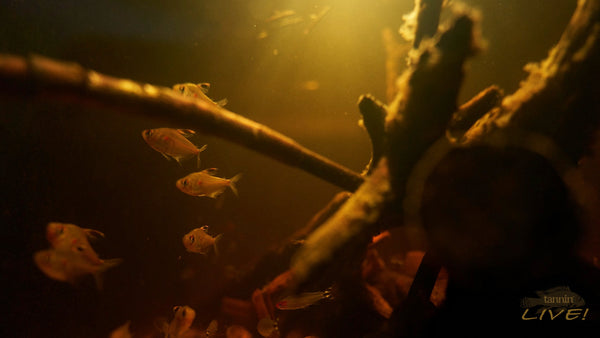
Of all of the things we do in our botanical method aquariums, one of the few “basic practices” that I think we can actually cede to Nature a bit is to have Her provide some sustenance for our fishes.
Think about it: We load up our systems with large quantities of leaves and botanicals, which serve as direct food for many aquatic organisms.
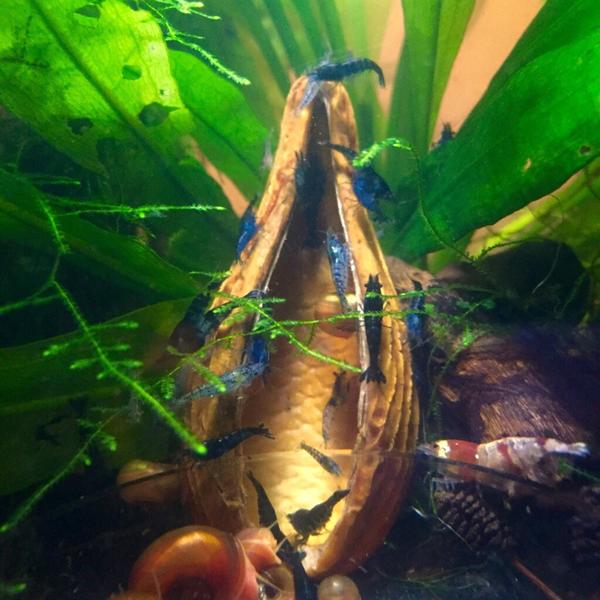
They also serve as a “medium” upon which other food sources accumulate and reproduce, which other fishes consume. This is perhaps the most important role of botanical materials vis-à-vis food production in our aquariums.
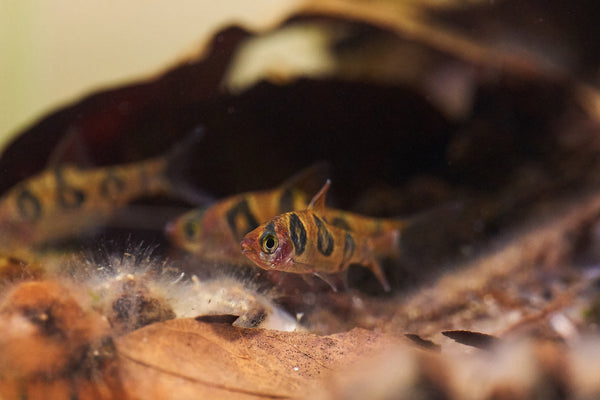
Most botanicals and leaves famously recruit biofilm, algal “patinas”, and fungal growths, which I have discussed ad nasueum over the years. These are nutritious, natural food sources for most fishes and invertebrates. And of course, there are the associated microorganisms which feed on the decomposing botanicals and leaves and their resulting detritus.
All of these are important food sources in Nature, and fulfill a similar role in the aquarium.
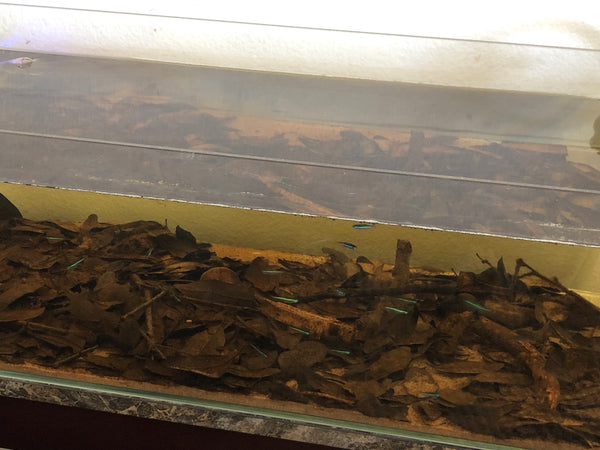
Now, we have talked before about how decomposing leaf litter supports population of “infusoria”– a collective term used to describe minute aquatic creatures such as ciliates, euglenoids, protozoa, unicellular algae and small invertebrates that exist in freshwater ecosystems.
Yet, there is much to explore on this topic and it’s practical benefits for our fishes.
It’s no secret, or surprise- to most aquarists who’ve played with botanicals, that a tank with a healthy leaf litter component is a pretty good place for the rearing of fry!
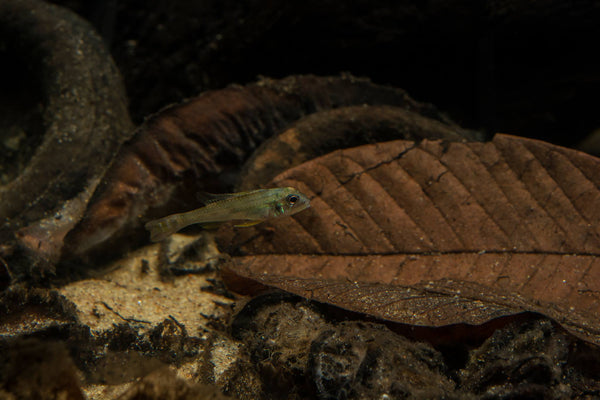
It’s been observed by many aquarists, particularly those who breed loricariids, that their fry have significantly higher survival rates when reared in systems with leaves present. I’m sure some success of this could be attributed to the population of infusoria, etc. present within the system as the leaves break down. And of course, to the readily available fungal growths and biofilms, which, as we’ve discussed many times before, contain a complex mix of sugars, bacteria, and other materials, all of which are highly nutritious for animals which feed on them.
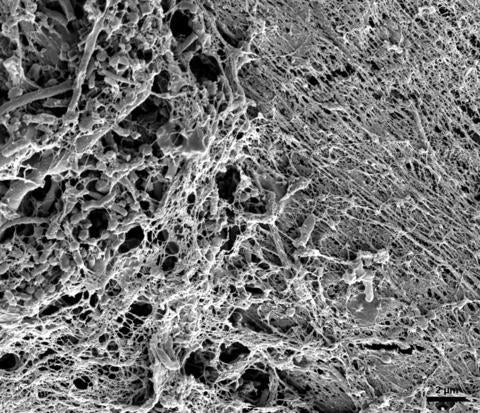
It therefore would make a lot of sense that a botanical-method aquarium with a respectable fungal growth and biofilm would be a great place to rear fry! Maybe not the most attractive place, from an aesthetic standpoint- but a system where the little guys are essentially “knee deep” in supplemental natural food at any given time is a beautiful thing to the busy fish breeder, and a welcome sight for fry!
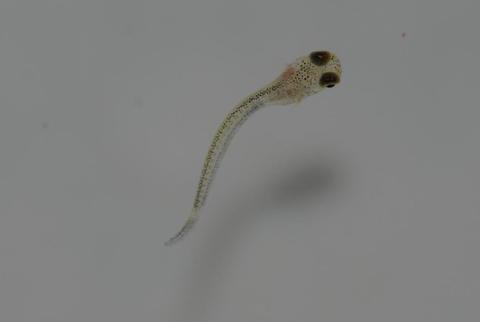
And yeah, my experience indicates it performs a similar role for adults of many species. Even a more aesthetically-focused botanical-method aquarium can perform a “supplemental food generation role” if allowed to do so.
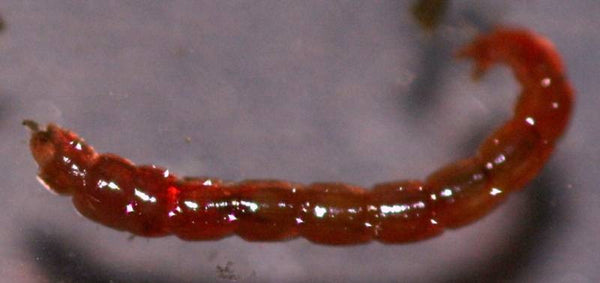
In the wild tropical leaf-litter-fueled ecosystems we love so much, creatures like hydracarines (mites), insects, like chironomids (hello, blood worms!), and copepods, like Daphnia, are the dominant fauna that fishes tend to feed on. Gut content analysis of fishes which inhabit leaf litter habitats reveals a lot of interesting things about what our fishes consume.
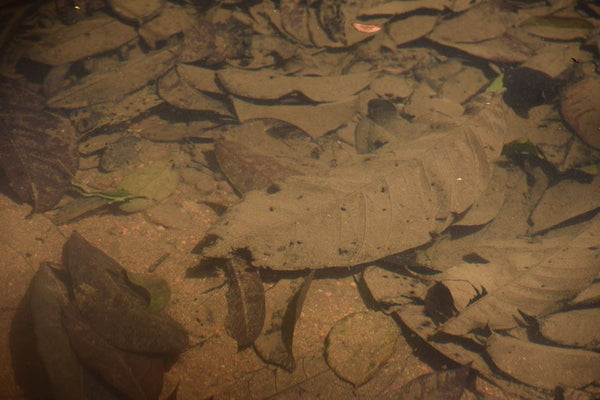
For one thing, in addition to the above-referenced organisms, organic detritus and “undefined plant materials” are not uncommon in the diets of all sorts of fishes. This is interesting to contemplate when we consider what to feed our fishes in aquariums, isn’t it?
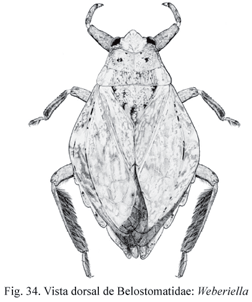
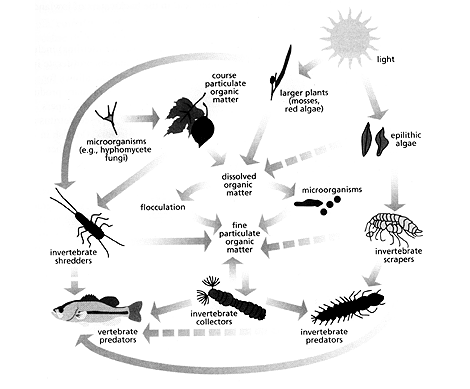
These life forms, both planktonic and insect, tend to feed off of the leaf litter itself, as well as fungi and bacteria present in them as they decompose…Just like the fishes that are found there. And of course, this “interconnectivity” between various levels of life forms creates the basis for a fascinating and surprisingly productive “food web.”
Food webs, defined by ecologists as “a system of interlocking and interdependent food chains” are fascinating constructs in Nature. The leaf litter bed is a surprisingly dynamic, and one might even say “rich”, benthic biotope, contained within the otherwise “impoverished” blackwaters which surround it.
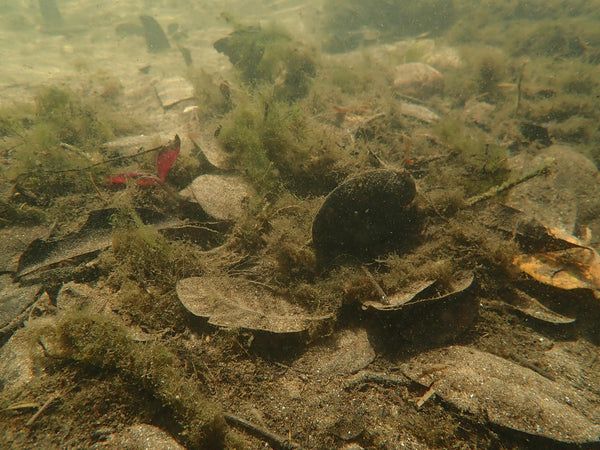
And, as I’ve discussed before on these pages, it should come as no surprise that a large and surprisingly diverse assemblage of fishes make their homes within and closely adjacent to, these litter beds. These are little “food oases” in areas otherwise relatively devoid of food.
The fishes are not there just to look at the pretty leaves!
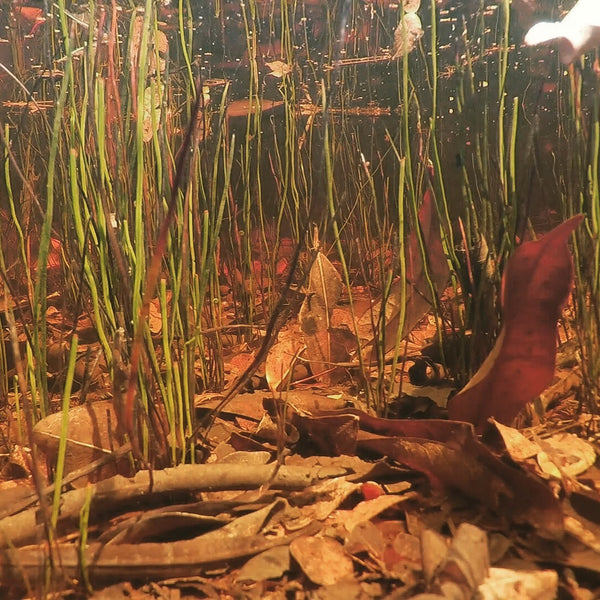
I’ll be redundant (again, lol) and assert that it goes without saying that Nature works (if allowed to do so) in a similar manner in the aquarium.
The leaves and botanicals we add to our tanks do what they’ve done in Nature for eons: They support the basis for a rich and diverse “food web”, which enables many of the resident life forms- from bacteria, to insects…right up to our fishes- to derive some, if not all of their sustenance from this milieu.
I’m not an aquatic ecologist or biologist, but based on my many years of playing with botanicals in aquariums, I firmly believe that we can at least “construct” or “facilitate” a significant portion of a food web in our aquariums. I’ve seen my fishes forage among botanicals and decomposing leaves- I’ve “seeded” leaf litter beds with cultures of microorganisms…Theyre finding food there. And I’m not talking about decomposing TetraMin flakes…
Confession time?
Okay.
I’ve created botanical tanks for years with part of the intention being to see if I can support the resident fishes with minimal external food inputs. In other words, to not provide supplemental feeding for my fishes other than what they can derive from foraging in the aquarium.
My rationale was that, not only will the leaves and botanicals foster rudimentary “food webs” similar to what they do in Nature, but that the lower amount of external food inputs by the aquarist helps foster a cleaner, biologically “lean” system, which is especially important when one takes into account the large amount of bioload decomposing leaves and botanicals account for in the aquarium in the first place! Like, “enhanced sustainability from minimalism…”
And guess what? It works. Just fine.
Really.
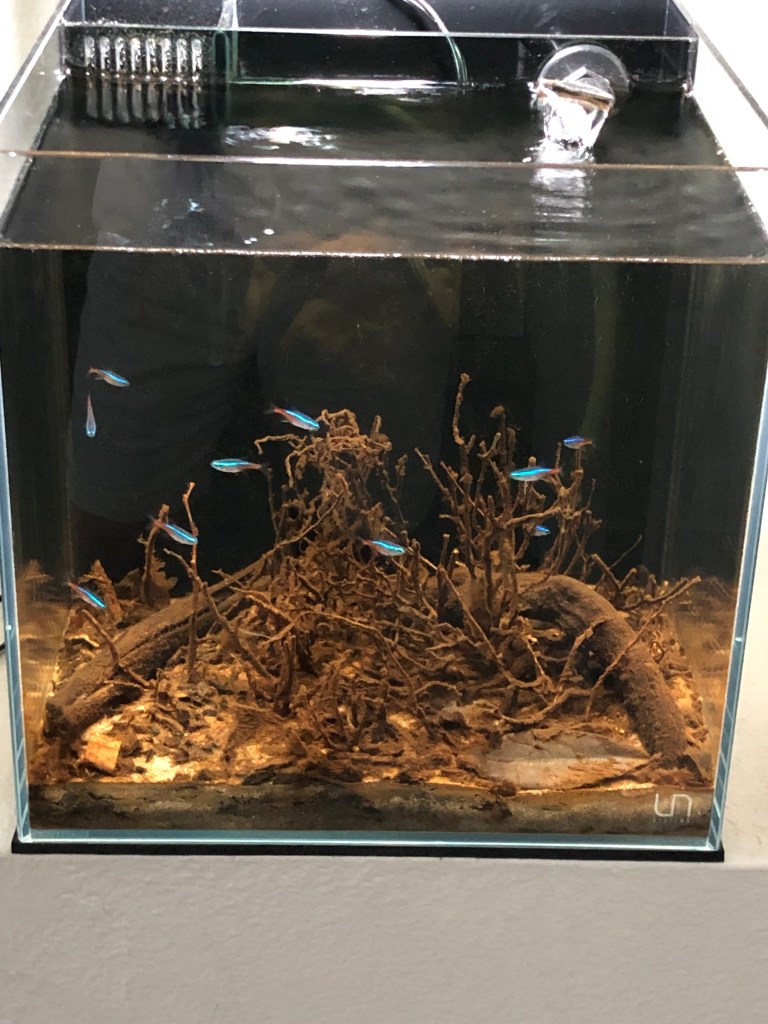
I’ve done this now 9 times in the past seven years, with great results every time—including an uncommon spawning event with the “Green Neon Tetra” (Paracheirodon simulans), as I’ll touch on later.
And really, I think that an aquarium based primarily on leaf litter would be among the best ways to introduce yourself to this approach. Coincidentally, leaf litter beds are pretty much one of the main types of ecological niches that we obsess over.
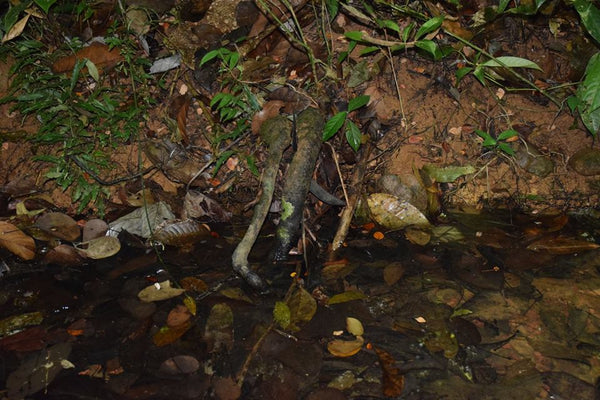
Leaf litter in an aquarium gives you the whole range of botanical method aquarium experiences: Preparation of the materials, adding them into the tank, watching early colonization by fungal growths and biofilms, and ultimately, the decomposition of the leaves.
Yeah, the whole smack!
Nature provides no shortage of inspiration and habitat examples. In many aquatic habitats, you’ll find significant litter banks. Now, in our blackwater/botanical-method aquariums, we often include leaves as part of the display. However, I can’t say I’ve seen all that many aquariums which have their aquascape composed exclusively of leaves! In other words, a tank which attempts to simulate a leaf litter bank itself as the overall “theme.”
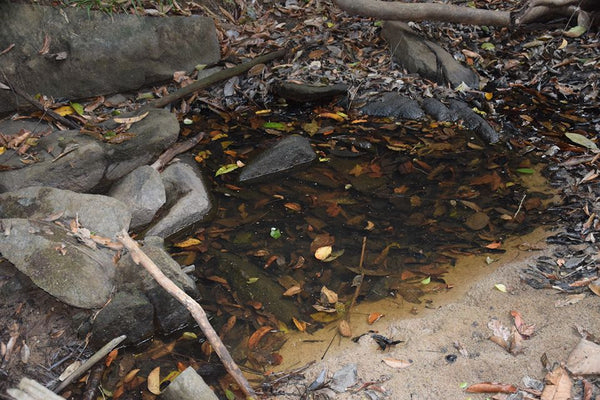
Seriously, it seems kind of funny, given all of our talk about them, but yeah, I can’t recall too many tanks which are simply a fine, sand substrate, and leaf litter—with nothing else.
As I mentioned previously, the thing that I really love about running a leaf litter-focused aquarium is that it teaches you all of the principles of the botanical-method aquarium approach. You’ll learn about preparation of botanicals, and how to add them to an aquarium. You’ll also get to see firsthand how an aquarium develops as an ecological system. You’ll learn the valuable skills of replenishing and maintaining a botanical-heavy system. You’ll witness fungal colonization, biofilms, and decomposition.
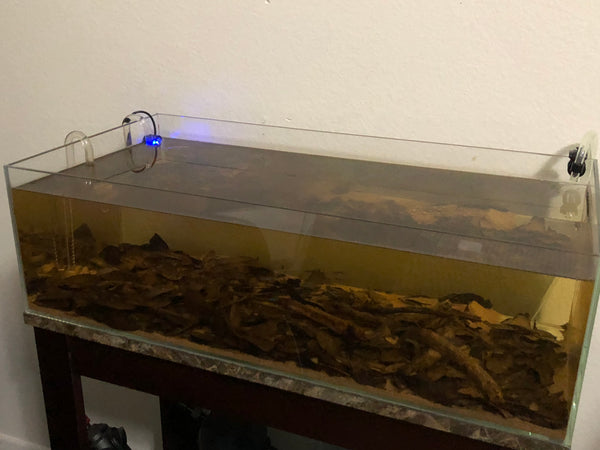
And most important of all—you’ll learn to enjoy watching your aquarium evolve at every stage. You’ll learn that things don’t happen quickly. You’ll perfect the art of patience.
Talk about an “ephemeral” habitat- a tank with the “hardscape” composed entirely of leaf litter would be just that: Constantly evolving and changing. It would be a tank that you would most definitely have to “actively manage”, in the sense that you’d be replacing leaves on a periodic basis as they break down- a process which, as we’ve stated many times- mimics what occurs in Nature.
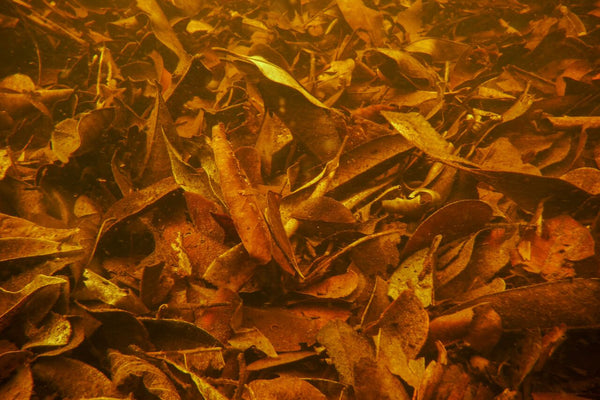
And of course, being a fish geek, you’ll need to deploy a healthy sense of discipline to not want to “supplement” the “litter bed” with other botanicals, or throw in a big old piece of driftwood or whatever. Yup, we’re talking about just modeling our system after the main leaf litter bed itself. Maybe a few small twigs or branches, but nothing resembling a conventional aquarium hardscape.
So the execution of this type of setup is really easy. In fact, I’m almost embarrassed to write these “instructions”:
Prepare your leaves and add them to the already-filled aquarium.
Like, seriously. There isn’t all that much to the process.
Okay, a few pointers…
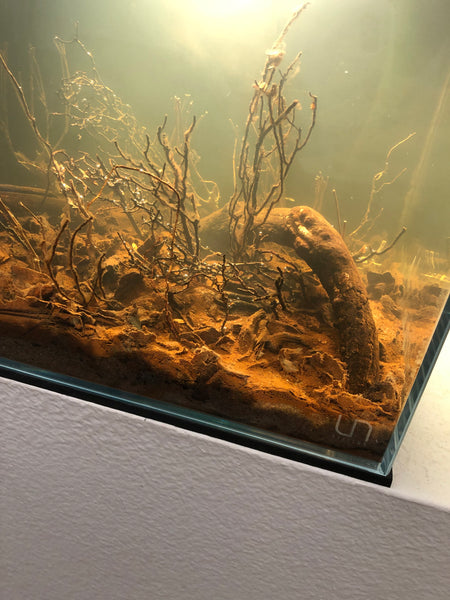
I like utilizing the tiniest amount of substrate. I suggest starting off with a mere sprinkling of sand, sediment, or other substrate materials (like maybe 1/2 inch /1.27cm or less), to create a literal “foundation”, and perhaps to provide an additional layer for organisms which thrive in the substrate to “work” the leaves and assimilate the resulting detritus as they decompose.
From there, you add your leaves.
You can simply use one leaf type, or a multiple of leaf types if that appeals to you. If you;’re using different types, it would make sense to start with your most “durable” leaves (examples would be Live Oak, or Magnolia,) as the “first layer” of the litter bed, as the “structural integrity” they provide would create some void spaces and a “trophic structure” (a structure that fosters the feeding habits or relationships of different organisms in a food chain or food web).
This would also allow some water circulation within the litter bed itself, to avoid the possibility of creating small, anaerobic pockets as the leaves break down. (FYI I’ve never had this happen in over 20 years of playing with leaf-litter-only setups, but I’d be remiss if I didn’t at least mention the possibility.)
Once your leaves are down, there is really not much you need to do. Oh, you could add some oak twigs or branches for “vertical” structure. But that’s it.
The real keys are to prepare your leaves well by boiling or long-term steeping, so that they’ll sink easily, and to not direct filter returns or pump returns right into your leaf litter bed- otherwise you’ll have a continuous “leaf tornado” forever.
Oh, and the question I receive a lot is, “What kind of filter should I use on this type of tank?”
It’s a good one…You can use pretty much any filter available.
The key is to not suck up leaves in the process, and to not direct the water returns into the litter bed as I just mentioned. Personally, I’ve used everything from outside power filters to canister filters, to sponge filters, to small internal filters…and even NO filters! Everything worked!
The key is to simply go slowly and use common sense when adding your fishes to the aquairum.
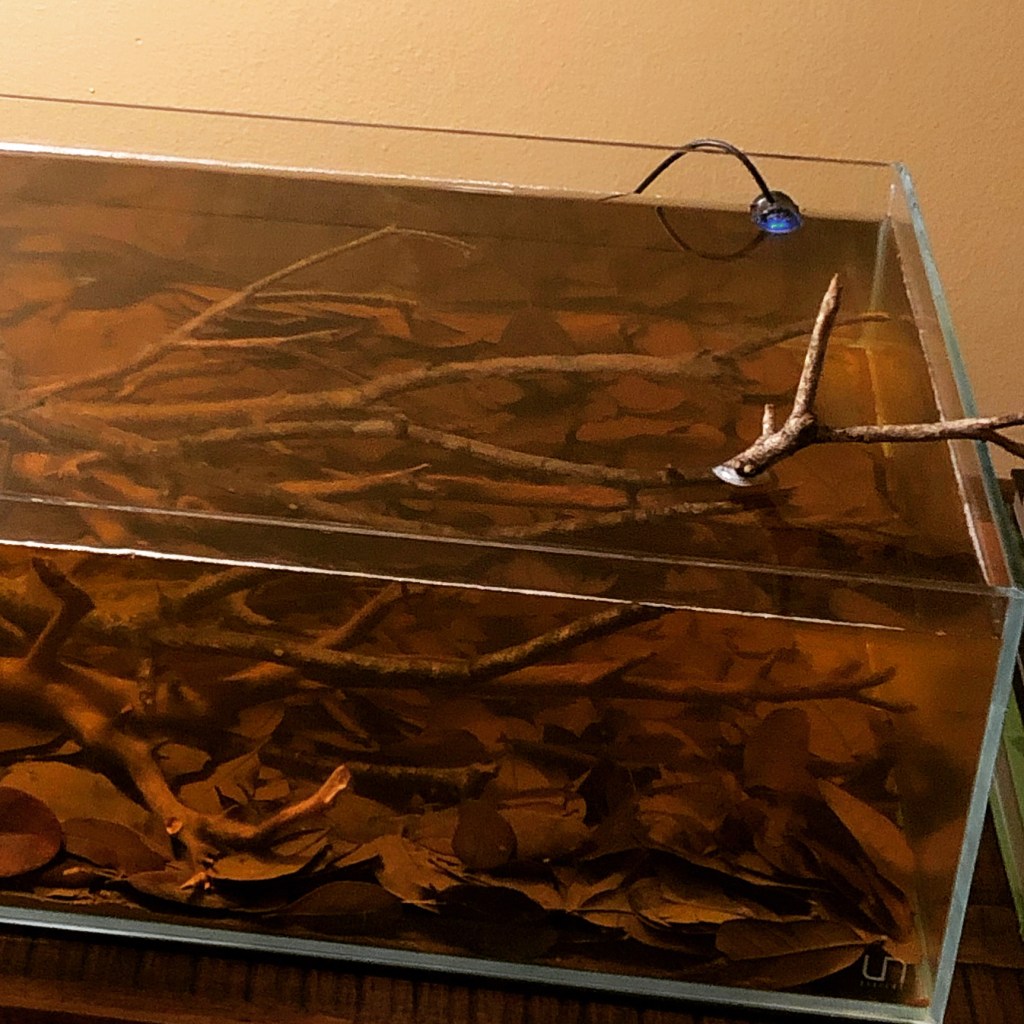
I would definitely try to agitate the surface a bit, simply to facilitate gas exchange. Oh, I’ve even used simply one of those “surface skimmers” as the sole “filtration” in a leaf litter tank and it was just fine.
You could add one of the many nitrifying bacterial supplements available. Bacteria are your first line of defense; they assist in the breakdown of organics leached by the leaves. Never hurts!
The real key- like it is to any botanical-method aquarium- is to deploy patience and go really slowly, allowing the aquarium to run in at it’s own pace. Don’t get hung up on the aquarium’s appearance at its earliest phases. As the materials begin to be colonized by microorganisms and fungi, they begin to soften, the water begins to clear, and the ecological processes of the aquarium get underway.
Now, one caveat:
To create a leaf-litter-centric aquarium, you need a lot of leaves, right? And, with a large volume of leaves added to the aquarium from day one, you would not want to convert an existing system with a population of fishes to such a tank quickly. The potential exists for some big problems if you attempt this: Excessive bacterial respiration as a result of a large influx of leaves to an established system could lower the water’s dissolved oxygen AND increase CO2…a recipe for disaster with an existing fish population.
So, if you’re wanting to convert an existing aquarium to a leaf-litter-focused one, the key is to go very slowly and to add the leaves over time.
Never forget this:
The aquarium-or, more specifically- the botanical materials which comprise the botanical-method aquarium “infrastructure” acts as a biological “filter system.”
In other words, the botanical materials present in our systems provide enormous surface area upon which beneficial bacterial biofilms and fungal growths can colonize. These life forms utilize the organic compounds present in the water as a nutritional source.
And the whole idea of facilitating a microbiome in our aquariums is predicated upon supplying a quantity of botanical materials- in this case, leaf litter, for the beneficial organisms to colonize and begin the decomposition process. An interesting study I found by Mehering, et. al (2014) on the nutrient sequestration caused by leaf litter yielded this interesting little passage:
“During leaf litter decomposition, microbial biomass and accumulated inorganic materials immobilize and retain nutrients, and therefore, both biotic and abiotic drivers may influence detrital nutrient content.”
The study determined that leaves such as oak “immobilized” nitrogen. Generally thinking, it is thought that leaf litter acts as a “sink” for nutrients over time in aquatic ecosystems.
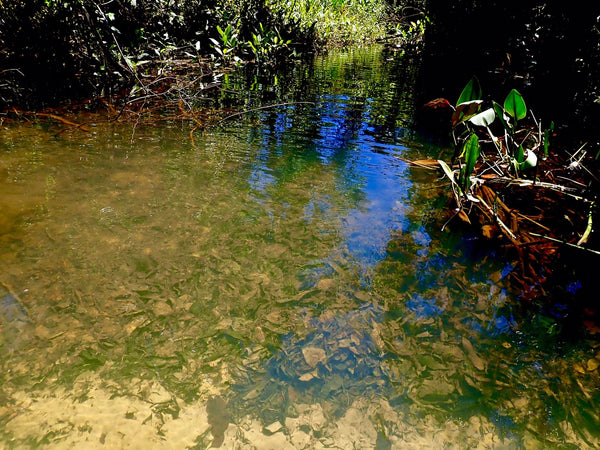
Oh, and one more thing about leaves and their resulting detritus in tropical streams: Ecologists strongly believe that microbial colonized detritus is a more palatable and nutritious food source for detritivores than uncolonized dead leaves. The microbial growth which occurs on the leaves and their resulting detritus increases the nutritional quality of leaf detritus, because the microbial biomass on the leaves is more digestible than the leaves themselves (because of lignin, etc.).
Okay, great. I’ve just talked about decomposing leaves and stuff for like the 11,000th time in “The Tint”; so…where does this leave us, in terms of how we want to run our aquariums?
Let’s summarize:
1) Add a significant amount of leaf litter to your aquarium as the primary component of the physical structure in the aquarium.
2) Inoculate the aquarium with bacterial and/or other microorganism/crustacean cultures if desired.
3) Allow biofilms and fungal growths to proliferate.
4) Feed your fishes well initially. It’s actually “feeding the aquarium!”
5) Don’t go crazy siphoning out every bit of detritus. In fact, if you can handle it, just forgo the siphoning altogether- at least for a while.
I’d be remiss if I didn’t at least touch on the idea of feeding your leaf-litter aquarium., at least in the early stages of its existence. Think about it: When you feed your fishes, you are effectively feeding all of the other life forms which comprise this microbiome. You’re “feeding the aquarium.” When fishes consume and eliminate the food, they’re releasing not only dissolved organic wastes, but fecal materials, which are likely not fully digested.
The nutritional value of partially digested food cannot be understated. Many of the organisms which live within the leaf litter bed and the resulting detritus will assimilate them.
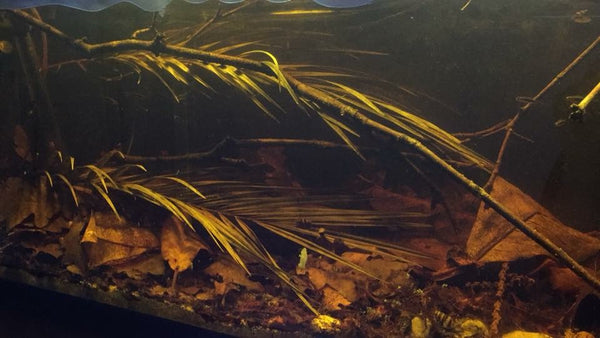
Our aquariums- just like the wild habitats they represent-are not spotless environments, and that they depend on multiple inputs of food, to feed the biome at all levels. This means that scrubbing the living shit (literally) out of our aquariums is denying the very biotia which provide our aquariums with their most basic needs!
That little “unlock” changes everything, once you embrace it. Have some faith in Nature.
Suddenly, it all makes sense.
This idea has carried over into the botanical-method aquarium concept: It’s a system that literally relies on the biological material present in the system to facilitate food production, nutrient assimilation, and reproduction of life forms at various trophic levels.
It’s changed everything about how I look at aquarium management and the creation of functional closed aquatic ecosystems.
It’s really put the word “natural” back into the aquarium-keeping parlance for me. The idea of creating a multi-tiered ecosystem, which provides a lot of the requirements needed to operate successfully with just a few basic maintenance practices, the passage of time, a lot of patience, and careful observation- is something that has been discussed, but rarely executed in the hobby.
It means adopting a different outlook, accepting a different, yet very beautiful aesthetic. It’s about listening to Nature instead of the dude on Instagram with the flashy, gadget-driven tank. It’s not always fun at first for some, and it initially seems like you’re somehow doing things wrong.
Executing this is about as easy as aquarium-keeping gets.
The difficult part is understanding that this is an extremely natural, ecologically beneficial process, and that it facilitates the appearance of some things that you might not be comfortable with initially (like, cloudy water, fungal threads, biofilms, decomposition…all that stuff!). Making those mental shifts to accept something different than what the aquarium hobby establishment has proffered as the way to go for generations.
You have to give things time to establish and settle.
It’s about patience.
It’s about faith.
Faith in Mother Nature, who’s been doing this stuff for eons. Faith that you’re doing something which embraces Nature’s processes so fully.
It’s about nuance.
It’s about not being afraid to question the reasons why we do things a certain way in the hobby, and to seek ways to evolve and change practices for the benefits of our fishes.
It takes time to grasp this stuff. However, as with so many things that we talk about here, it’s not revolutionary…it’s simply an evolution in thinking about how we conceive, set up, and manage our aquariums.
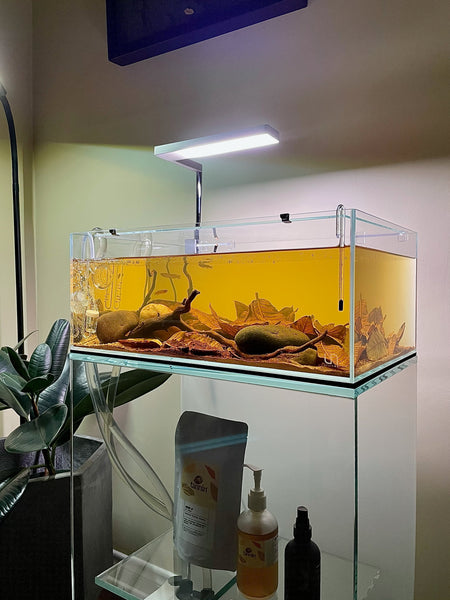
Our botanical-method aquariums are not “set-and-forget” systems, and require basic maintenance (water exchanges, regular water testing, filter media replacement/cleaning), like any other aquarium. They do have one unique “requirement” as part of their ongoing maintenance which other types of aquariums seem to not have:
The “topping off” of botanical materials as as they break down.
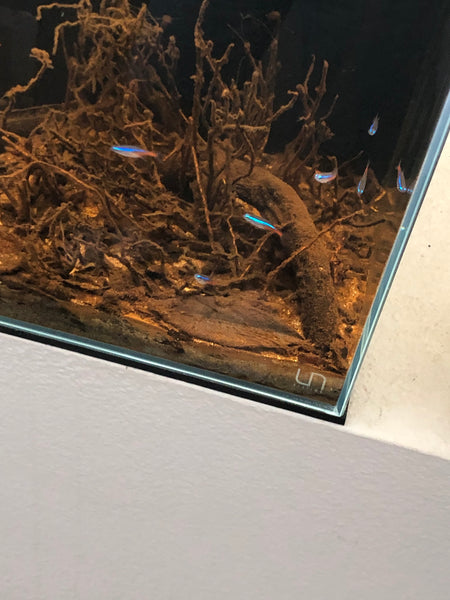
It’s a regular thing; almost a revered, ritualistic sort of thing among us hardcore botanical-method aquarium freaks.
The “topping off” of leaves in your tank accomplishes a number of things: first, it creates a certain degree of environmental continuity- keeping things consistent from a “botanical capacity” standpoint. Over time, you have the opportunity to establish a “baseline” of water parameters, knowing how many of what to add to keep things more-or-less consistent, which could make the regular “topping off” of botanicals a bit more of a “science” in addition to an “art.”
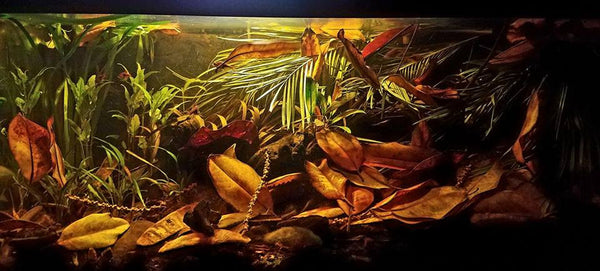
At the most superficial level, regularly topping off your botanical materials keeps a consistent aesthetic “vibe” in your aquarium. Consistent, in that you can keep the sort of “look” you have, while making subtle- or even less-than-subtle “enhancements” as desired.
And, when you think about it, this replicates the processes which happen in Nature, when materials are continuously washed into streams or other bodies of water, accumulating in the aquatic ecosystem.
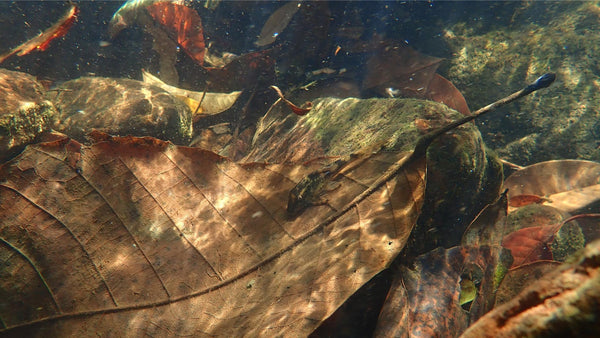
So, yes, we’ve kind of come full circle in this piece. Not only did we discuss the whole idea of creating a leaf litter-focused aquarium, we sort of re-visited the fundamentals of the botanical-method aquarium approach itself, and how it very effectively replicates the way many natural aquatic ecosystems function.
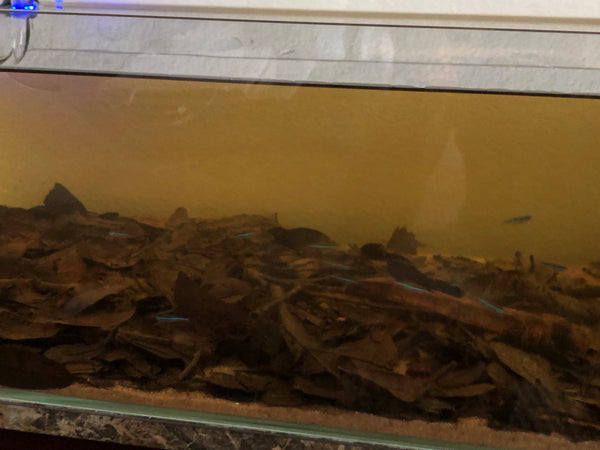
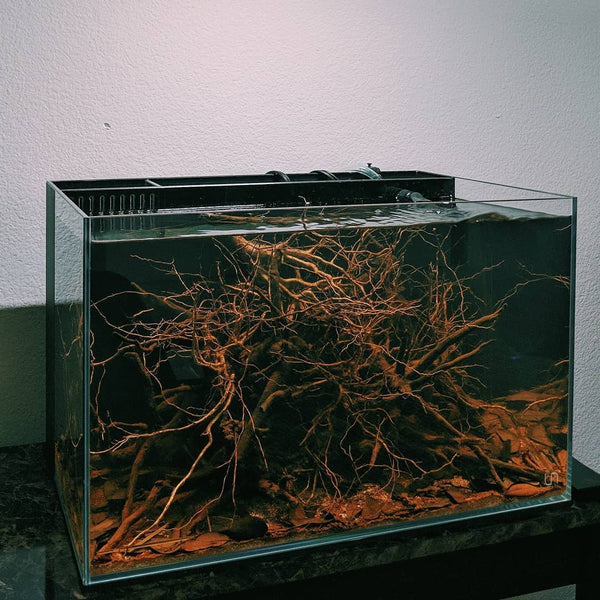
Now I know that an aquarium with only leaf litter isn’t everyone’s idea of aesthetic perfection..Not groundbreaking…I mean, it’s essentially a pile of fucking leaves…However, to the fishes and other life forms which reside in the tank, it’s their world; their food source.
And it’s quite reminiscent of the habitat from which they come.
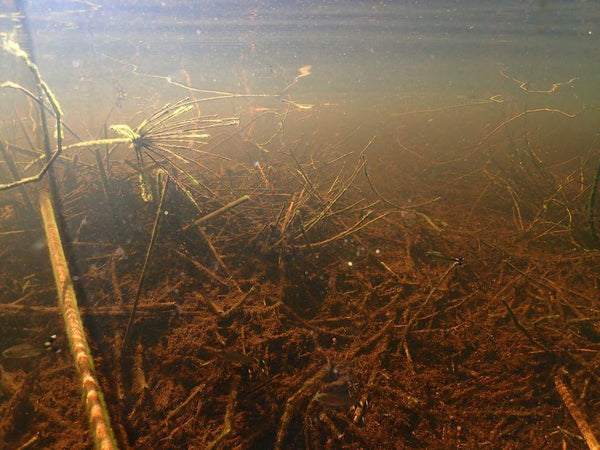
Again, I need to share my fave example of success with this approach:
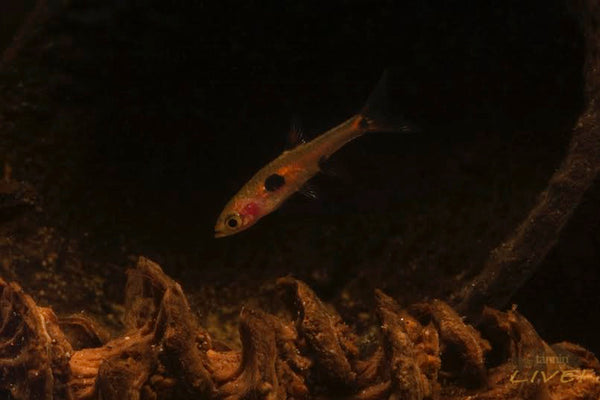
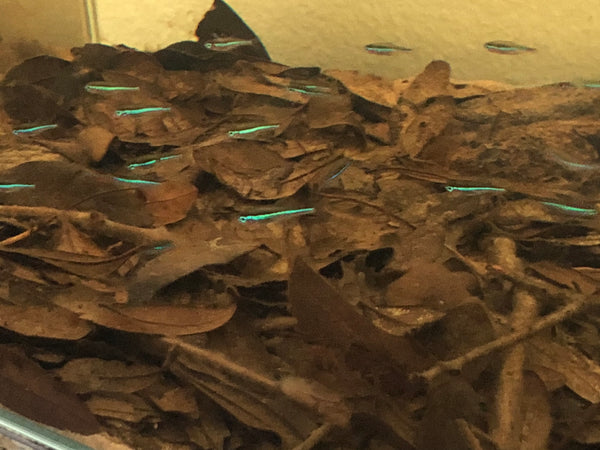
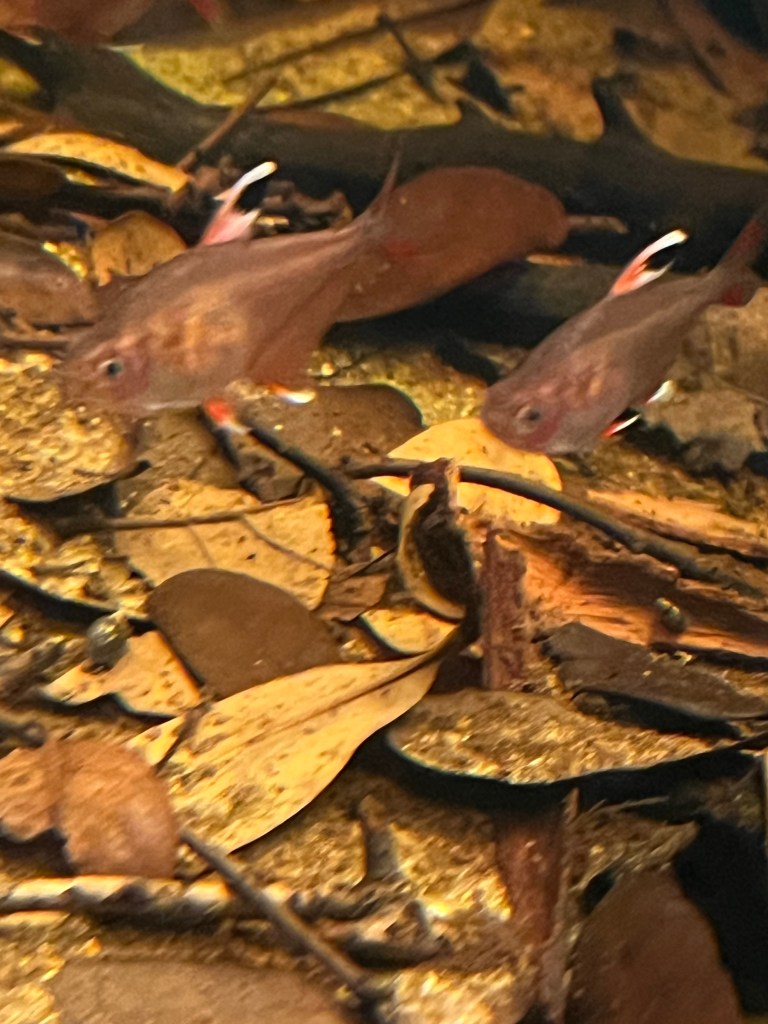
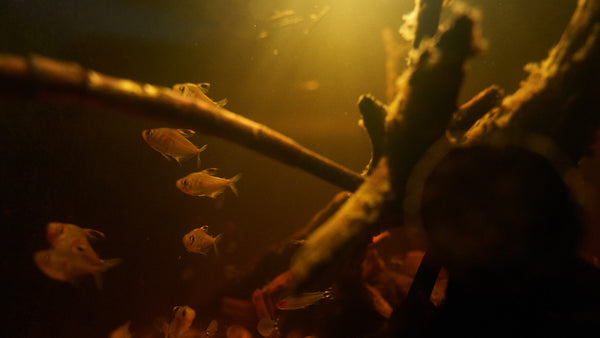
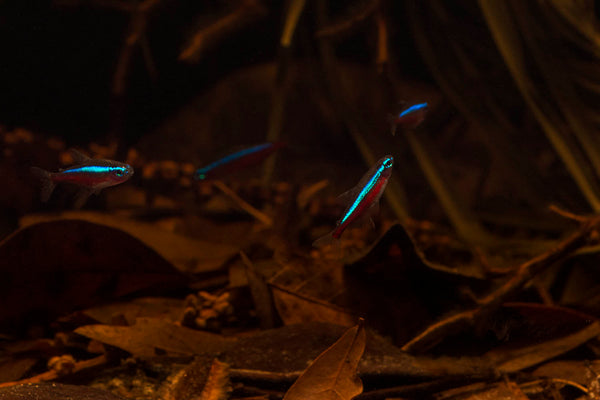
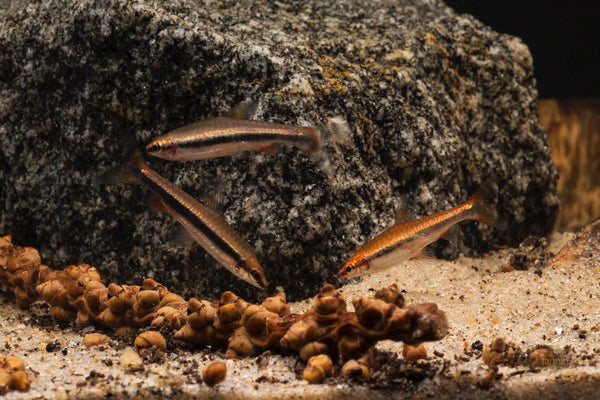
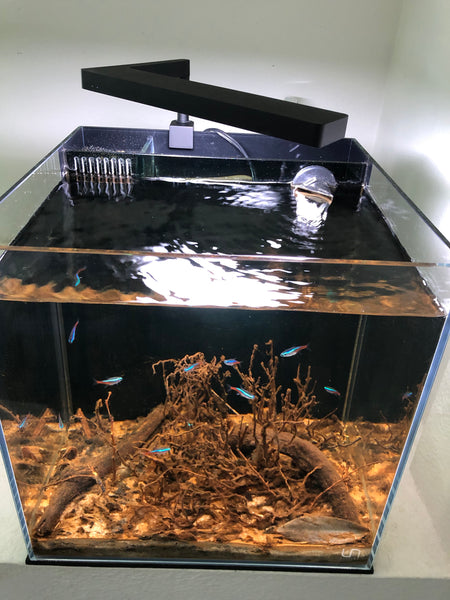
In one experiment, I maintained a shoal of 25 “Green Neon Tetras” in the tank. This tank was up and ran about 6 months without a single external food input since the fish were added to the tank. They were subsisting entirely on the epiphytic matter and microorganisms found in the leaves…Nothing else.
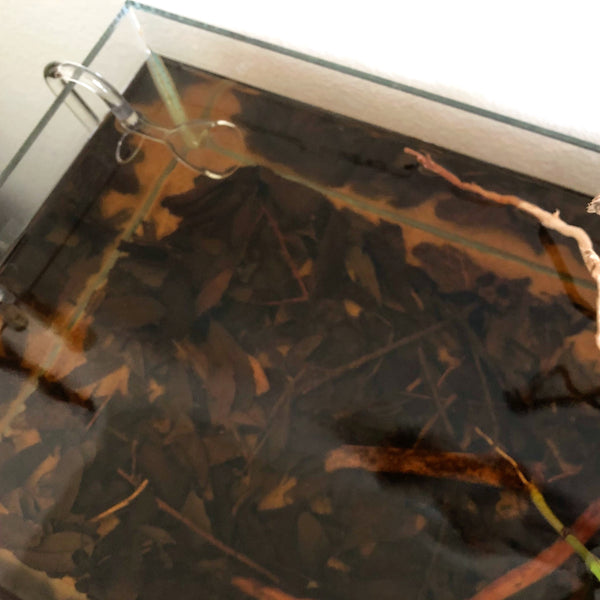
And they were as active, fat, and happy as any Green Neons I’ve ever seen. Oh, and about 4 months into the experiment, they engaged in a group spawning activity!
Yes, they thrived.
In fact, they more than doubled in size since the time when I first obtained them. Some of the fishes were shockingly emaciated and weak upon arrival, were rehabilitated somewhat in quarantine, but weren’t “100%” when released into the display (yeah, I know- NOT a “best practice”, but it was intentional for this experiment). After a few weeks, I couldn’t tell them apart from the rest of their tankmates!
Now sure, this was a relatively small population of little fishes in a small tank. The environment itself was carefully monitored. Regular water exchanges and testing were employed.
All of the “usual stuff” we do in an aquarium...except feeding.
Of course, I have no illusions about this, and don’t think that such a success could be replicated with fishes like cichlids or other larger, more predatory type fishes, unless you utilized a large aquarium with a significant pre-stocked population of larger crustaceans (like Gammarus, etc.), insects, and maybe even (gulp) “feeder-type” fishes.
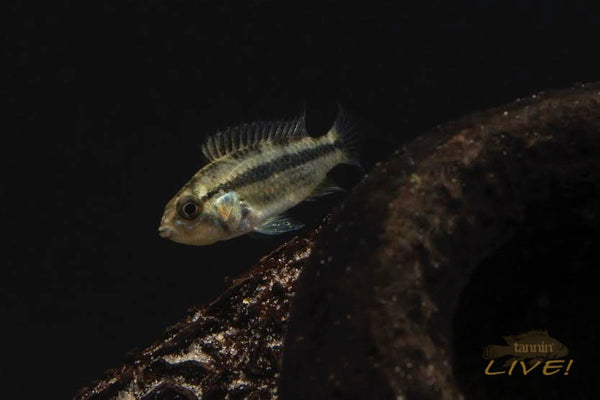
I mean, I suppose that you could do this with them- I haven’t tried it, myself…
However, I’m certain that it is a viable and successful approach with smaller fishes like characins, Rasbora, Danios, some catfishes, Loaches, etc.
So-called “micro-predators.”
I believe that this concept is entirely replicable by just about any aquarist who takes the time to think it through, set it up for success, deploy patience, and who monitors the system regularly.
It can be successful with many fishes.
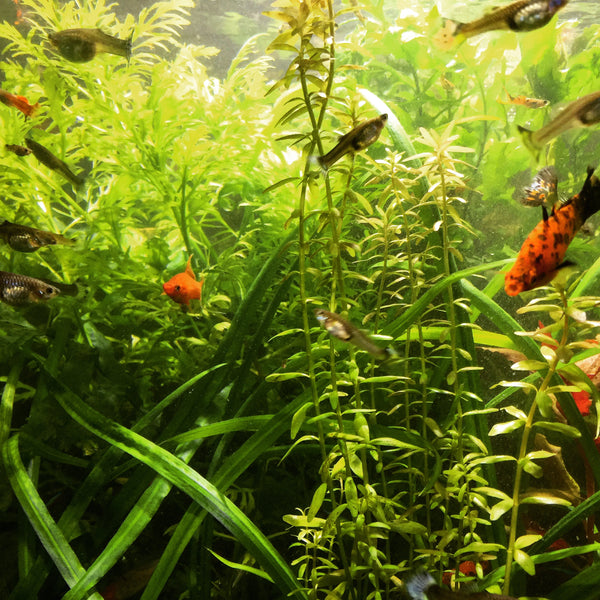
It’s not some “miracle” or earth-shattering “new discovery” for the hobby. Rather, it’s just observing what goes on in Nature and applying it to the aquarium. It’s the intentionally “evolved” sibling of those “overgrown jungle rearing tanks” of my youth. Except our “jungle” is decomposing leaves instead of green aquatic plants.
It’s simply a “practical application” of our work with botanical materials.
It’s certainly a bit “contrarian” to standard aquarium practice, I suppose, to some extent. However, it’s not all that “radical” a concept, right? I mean, it’s essentially allowing Nature to do what she does best- cultivate an ecosystem…which she will do, if given the “impetus” and left to her own devices.
And if we don’t “edit” her work too much.
And it’s not really “benign neglect.”
It’s about understanding. It’s about studying the wild habitats from which our fishes come. It’s about patience, discipline, and diligence… It’s about setting up an aquarium specifically to optimize this function.
It’s about faith in Nature.
It’s the facilitating of a process which has been going on for eons…a validation of what we experiment with on a daily basis in our “tinted” world. It’s that “functionally aesthetic” thing again, right?
Yeah. It is…perhaps it’s the ultimate expression of this idea.
We invite you to experiment for yourself with this fascinating and compelling topic!
Stay thoughtful. Stay curious. Stay patient. Stay skeptical. Stay observant.
And Stay Wet.
Scott Fellman


Leave a Reply