
There is an undeniable fact which applies to every aquarium:
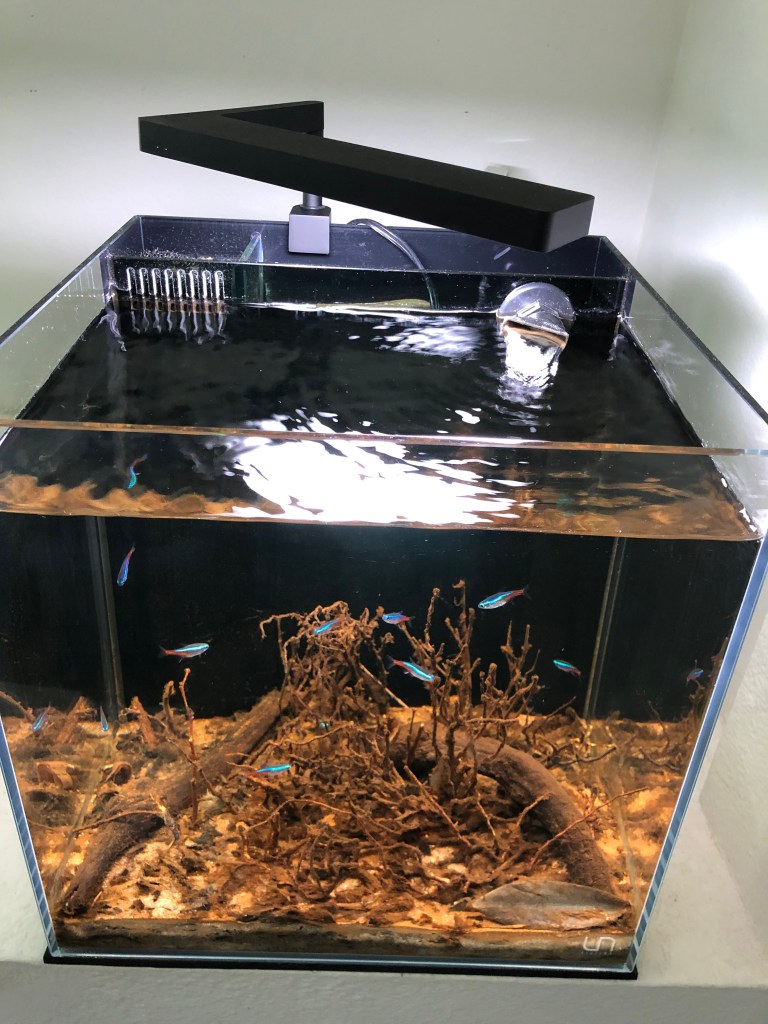
Every aquarium that we set up is an ecosystem.
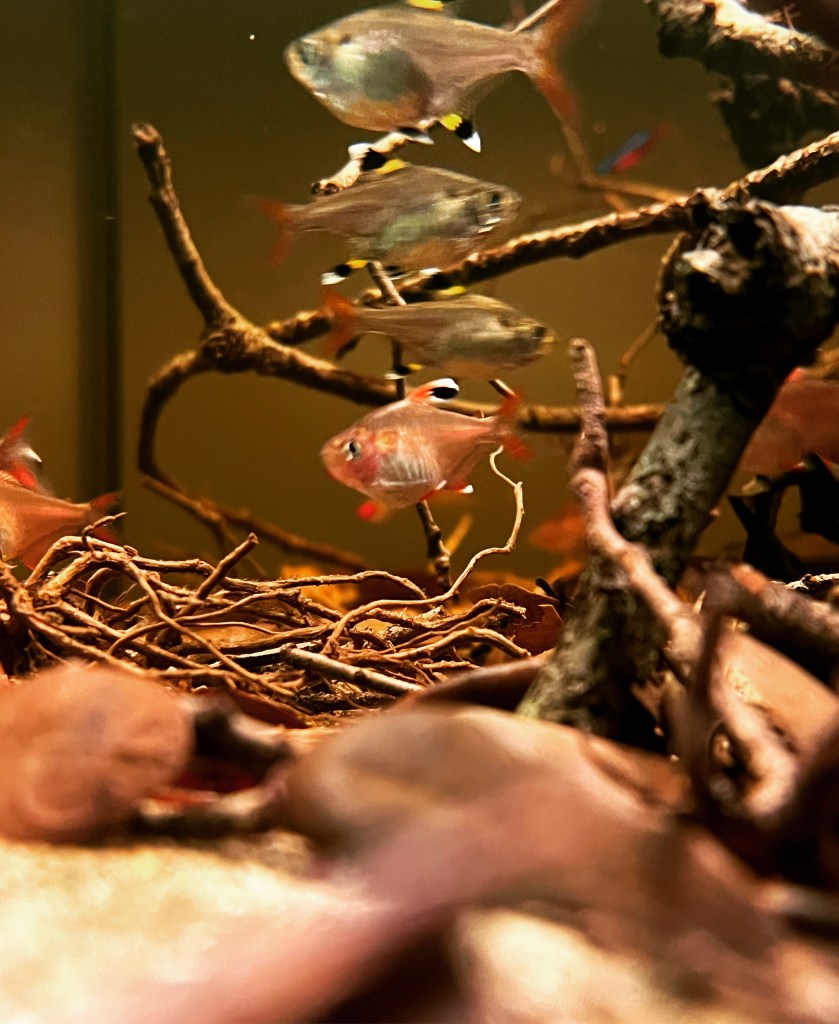
Ecosystems are fascinating dynamics which embrace life and death, reproduction and predation, and growth and decomposition. The tiniest, least sophisticated of organisms, and larger, more complex ones. Aquariums are the epitome of this. The definition of an ecosystem is “a biological community of interacting organisms and their physical environment.”
I personally don’t think that we reiterate this as much as we should. Because it’s so fundamental to the aquarium hobby.
An aquarium ecosystem is set of interdependencies; in other words, it has different organisms living in it that interact and depend on each other. They can’t survive without the ecosystem. If any part of the system fails, the whole thing fails. The dreaded hobby nightmare of the “tank crash” is typically caused by a failure at some level, within the ecosystem.
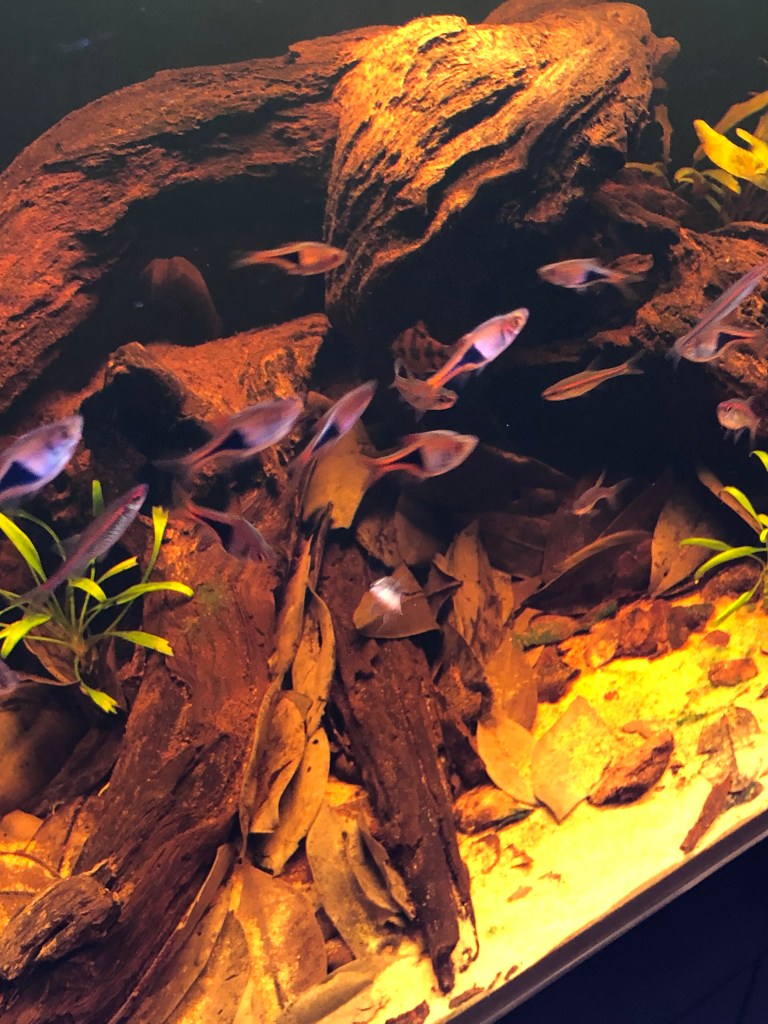
Hobbyists will tell you that a “tank crash” is sudden breakdown of an aquarium’s biological balance that can lead to stress, illness, or death of fish and other organisms. It usually happens when the ecosystem can no longer process waste effectively.
It’s often results in a sudden increase in ammonia, or sudden dramatic shifts in water chemistry parameters- both usually brought upon by some lapse in husbandry- and both which are often caused by lack of a sufficient bacterial population to process metabolic wastes produced within the system.
Almost without exception, a “tank crash” is brought about by a corruption of the biological interdependencies which comprise our aquariums’ ecology. Again, this highlights the “aquarium as an ecosystem” concept- in a more dramatic way, of course!
It’s a really important “mental leap” to understand that our aquariums are systems beholden to the laws of Nature- because they are a part of Nature.
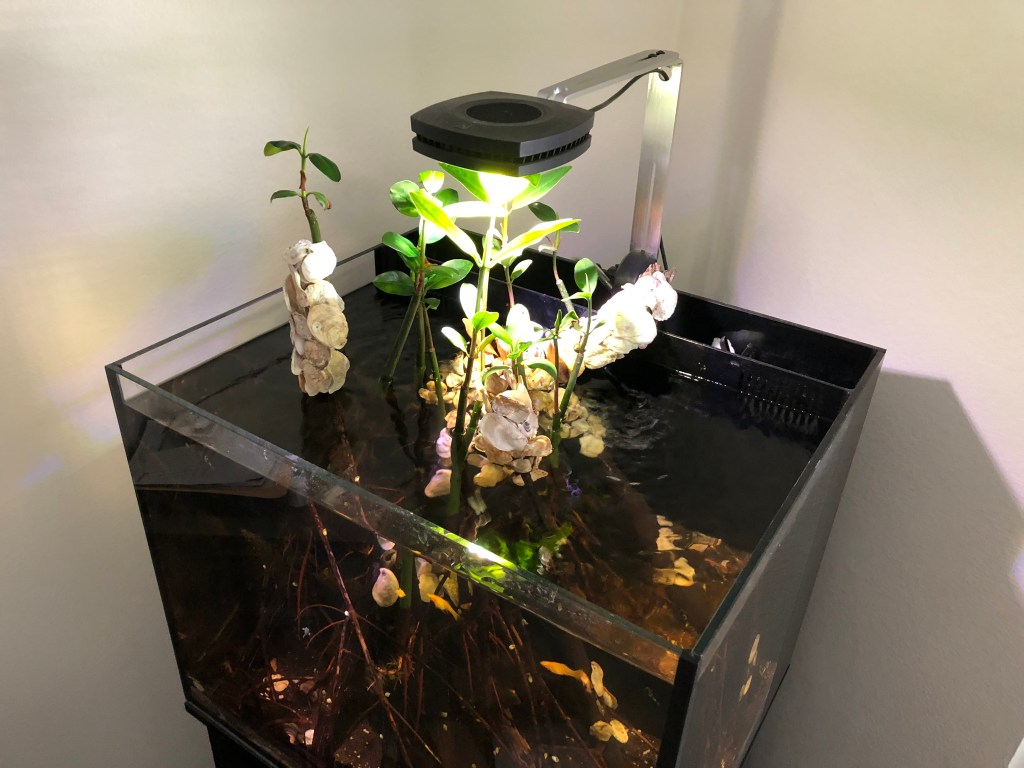
As aquarium industry vendors, manufacturers, and thought leaders, us humans love to apply descriptors to the type of aquarium approach we favor: You know, “botanical-method aquarium”, “biotope aquarium”, “Nature Aquarium”, “reef aquarium”... all somewhat different in their orientation, yet they’re all essentially the same:
A collection of interdependent organisms existing together in a closed system.
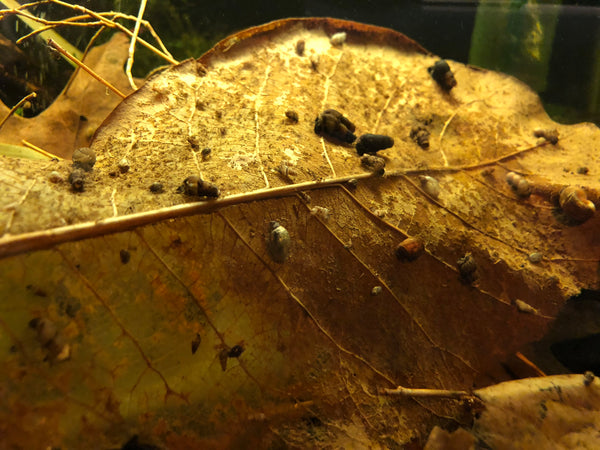
Every aquarium that we set up is an ecosystem. Regardless of what moniker we attach to it.
In fact, it’s almost unavoidable.
When you think about it, the botanical-method aquarium is configured to replicate the ecology of a natural aquatic habitat, embracing the process of letting Nature do what she does, with the organisms which have evolved over eons to take advantage of the resources available to them.
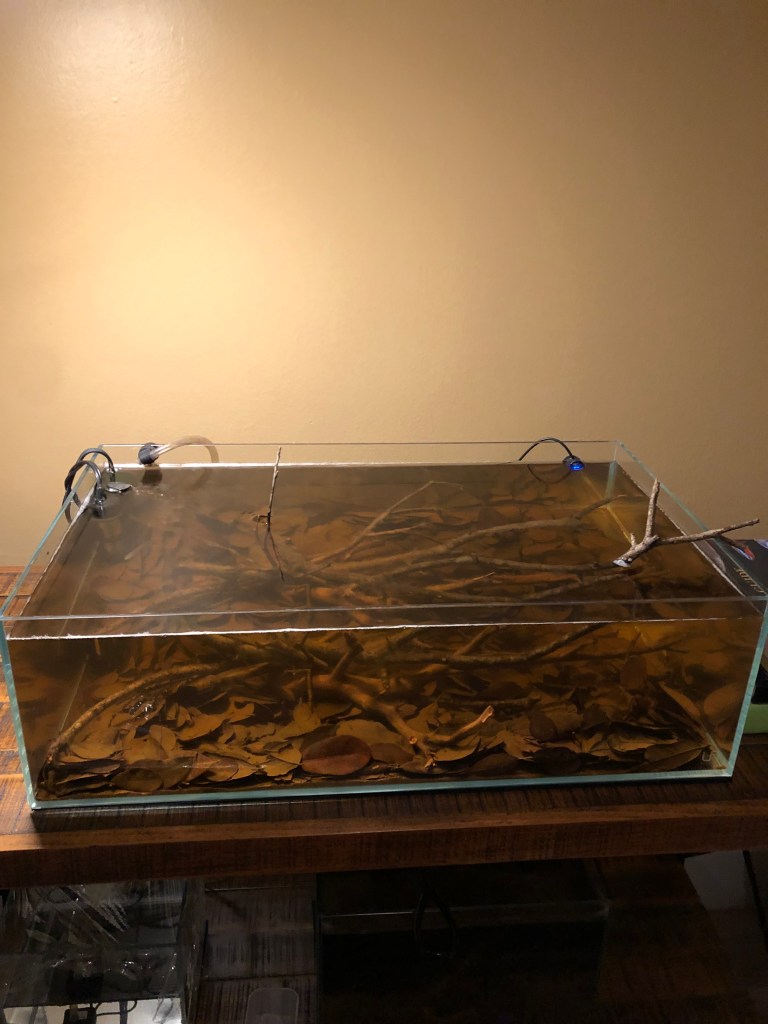
And it starts with stuff breaking down. The process of decomposition.
Decomposition is an amazing process by which Nature processes botanical materials for use by the greater ecosystem. It’s the first part of the recycling of nutrients that were used by the plant from which the botanical material came from. When a leaf or other botanical decays, it is broken down and converted into more simple organic forms, which become food for all kinds of organisms at the base of the ecosystem.
In aquatic ecosystems, much of the initial breakdown of botanical materials is conducted by detritivores- specifically, fishes, aquatic insects and invertebrates, which serve to begin the process by feeding upon the tissues of the seed pod or leaf, while other species utilize the “waste products” which are produced during this process for their nutrition.
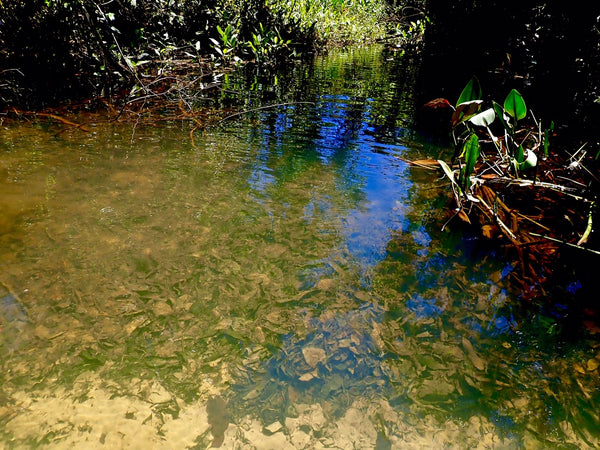
In these habitats, such as streams and flooded forests, a variety of species work in tandem with each other, with various organisms carrying out different stages of the decomposition process.
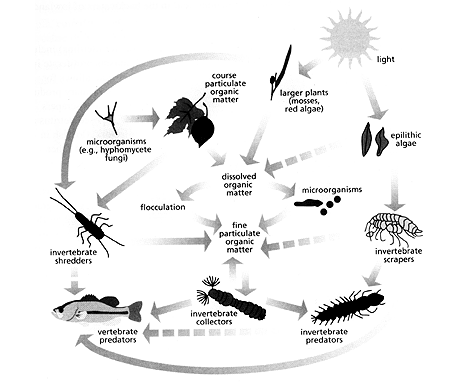
And it all is broken down into three distinct phases identified by ecologists.
It goes something like this:
A leaf falls into the water.
After it’s submerged, some of the “solutes” (substances which dissolve in liquids- in this instance, sugars, carbohydrates, tannins, etc.) in the leaf tissues rather quickly. Interestingly, this “leaching stage” is known by science to be more of an artifact of lab work (or, in our case, aquarium work!) which utilizes dried leaves, as opposed to fresh ones.
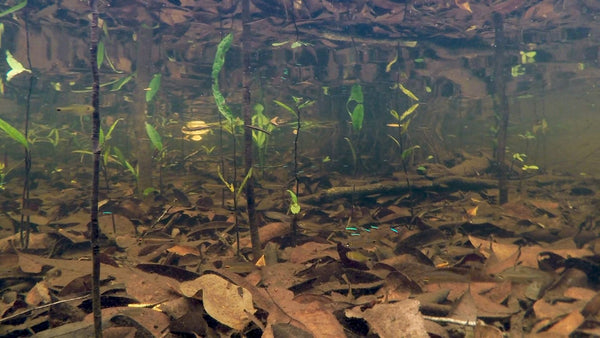
Fresh leaves tend to leach these materials over time during the breakdown/decomposition process. It makes sense, because freshly fallen or disturbed leaves will have almost their full compliment of chlorophyll, sugars, and other compounds present in the tissues. (Hmm, a case for experimenting with “fresh” leaves? Perhaps? We’ve toyed with the idea before. Maybe we’ll re-visit it?)
The second stage of the process is called the “conditioning phase”, in which microbial colonization on the leaf takes place. They begin to consume some of the tissues of the leaf- at least, softening it up a bit and making it more palatable for the aforementioned detritivores.
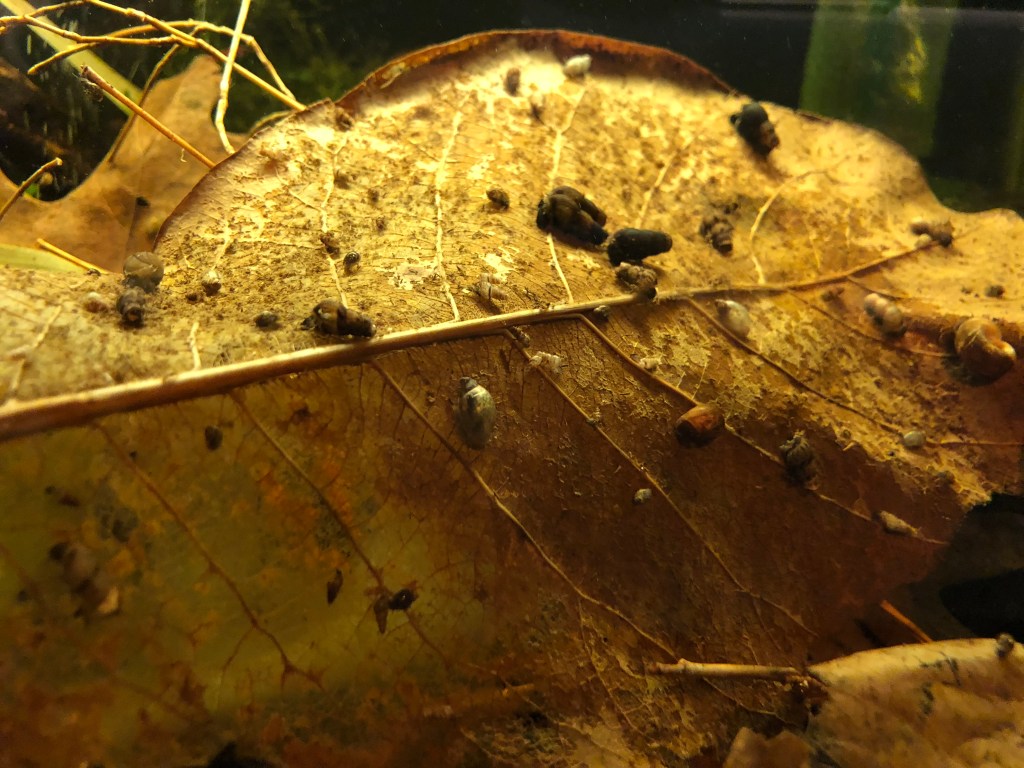
This is, IMHO, the most important part of the process. It’s the “main event”- the part which we as hobbyists should all embrace, because it leads to the development of a large population of organisms which, in addition to processing and exporting nutrients, also serve as supplemental food for our fishes!
The last phase, “fragmentation”, is exactly what it sounds like- the physical breakdown of the leaf by various organisms, ranging from small crustaceans and shrimp to fungi- and even fishes, collectively known as “shredders.” It has been suggested by some ecologists that microbes might be more important than “shredders” in tropical streams.
Fauna composition differs between habitats, yet most ecological studies I’ve found will tell you that Chironomidae ( insect larvae-think Bloodworms!) are the most abundant in many streams, pools, flooded forests, and “riffles” in the initial period of leaf breakdown!
To summarize:
The botanical material is broken down into various products utilized by a variety of life forms. The particles are then distributed downstream by the current and are available for consumption by a variety of organisms which comprise aquatic food webs.
Six primary breakdown products are considered in the decomposition process: bacterial, fungal and shredder biomass; dissolved organic matter; fine-particulate organic matter; and inorganic mineralization products such as CO2, NH4+ and PO43–.
An interesting fact: In tropical streams, a high decomposition rate has been related to high fungal activity...these organisms accomplish a LOT!

Interestingly, scientists have noted that the leaves of many tropical plant species tend to have higher concentrations of secondary compounds and more recalcitrant compounds than do leaves of temperate species. Also, some researchers hypothesized that high concentrations of secondary compounds ( like tannins) in many tropical species inhibit leaf microbial breakdown rates in tropical streams…that may be why you see leaf litter beds that last for many years and become known features in streams and river tributaries!
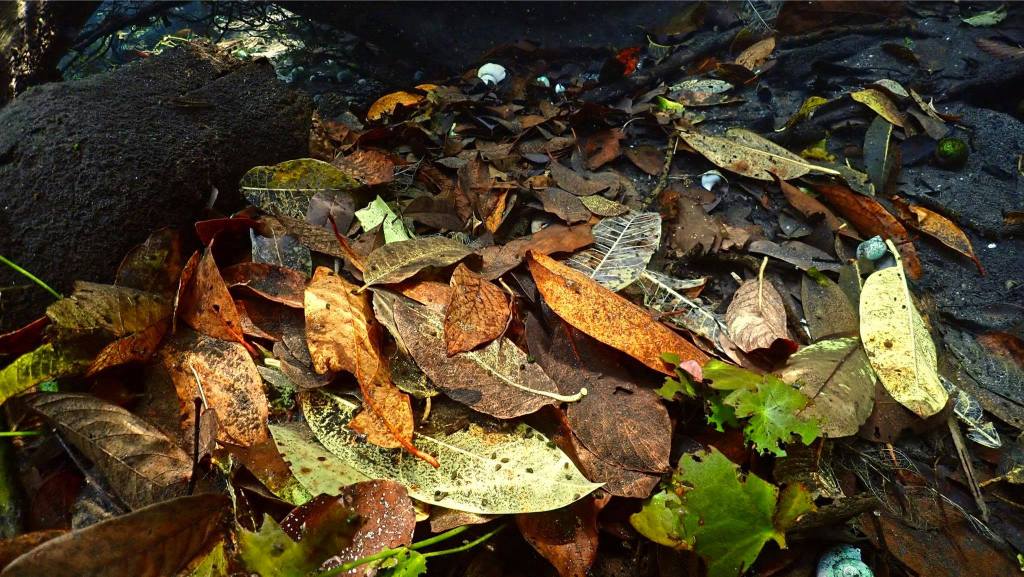
There’s a whole lot of stuff going on in the aquatic leaf litter beds of the world, huh?
Of course, fungal colonization of wood and botanicals material is but one stage of a long process, which occurs in Nature and our aquariums. And, for many hobbyists, once we see those first signs of fungal growths or biofilms, the inclination is to reach for the algae scraper or brush and remove as much of it as possible- immediately!
And of course, this provides some “aesthetic relief” for some period of time- but it comes right back…because these materials will provide a continuous source of food and colonization sites for fungal growths!
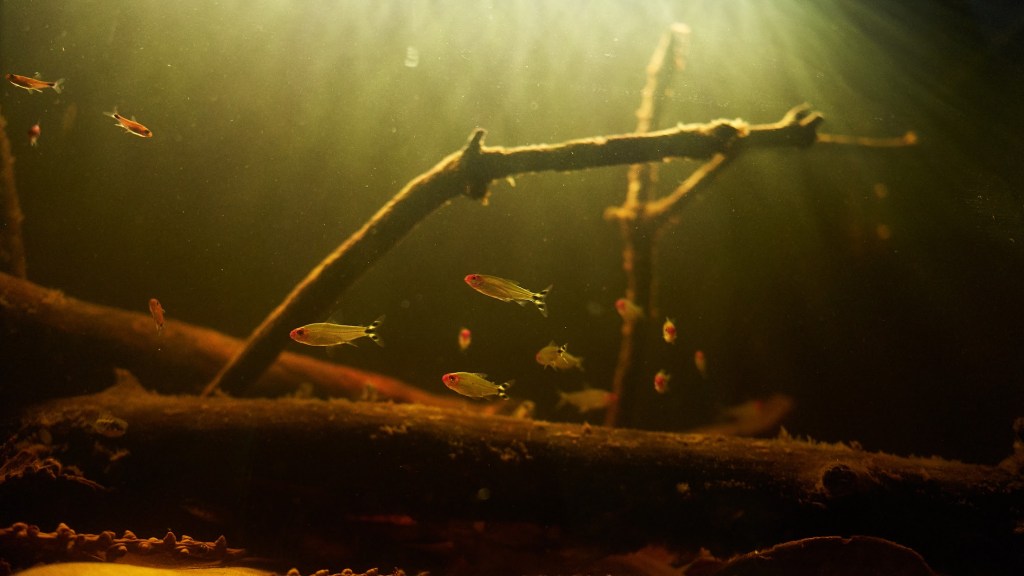
And the idea of circumventing this stuff is appealing to many, but the reality is that you’re actually interrupting the process. Disrupting the interdependent ecological relationships occurring within the aquarium. This creates problems…A breakdown of the process. An interruption. And, as we know, Nature abhors a vacuum, and new growths will return to fill the void.
Why fight it?
Alteration of the submerged botanical materials is done chemically via this microbial action. Ultimately, the components of the botanicals/leaves (lignin, cellulose, etc.) are broken down near completely. In aquatic environments, photosynthetic production of oxygen ceases in plants, and organic matter and nutrients are released back into the aquatic environment.
All of these organisms work together- in essence, supporting each other via the processes which they engage in.
Interdependencies.
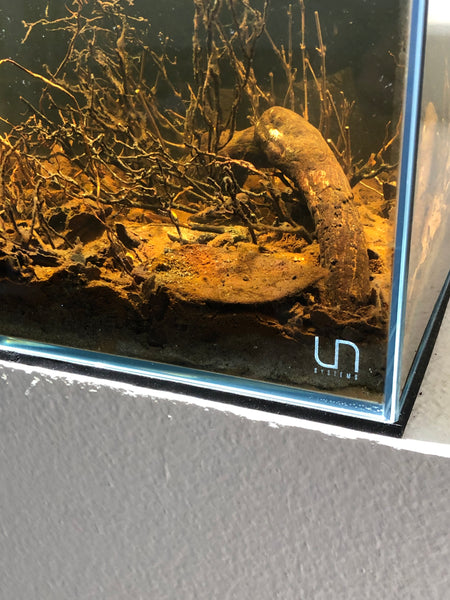
Decomposition is a dynamic, fascinating process- part of why we find the idea of a natural, botanical-method system so compelling. Many of the organisms- which perform this process- from microbes to micro crustaceans to fungi- are almost never seen except by the most observant and keen-eyed hobbyist…but they’re there– doing what they’ve done naturally for eons.
They work slowly and methodically over weeks and months, converting the botanical material into forms that are more readily assimilated by themselves and other aquatic organisms.
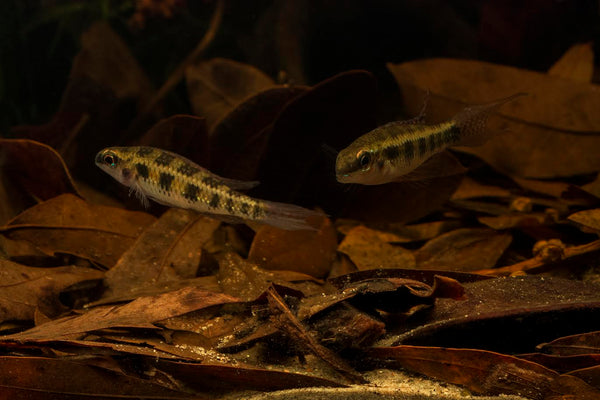
The real cycle of life!
NEVER lose site of that simple truth, and you’ve made like 80% of the “mental shifts” required to be successful with botanical method aquariums.
It’s all about how the natural materials that we play with fuel the process of establishing, growing, and maintaining a closed ecosystem in our aquaria. Knowing that the turbid, biofilm-and-fungal-growth-filled aquarium that you’ve recently set up will evolve over time to a rich, diverse, biologically stable microcosm.
Filled with interdependencies.
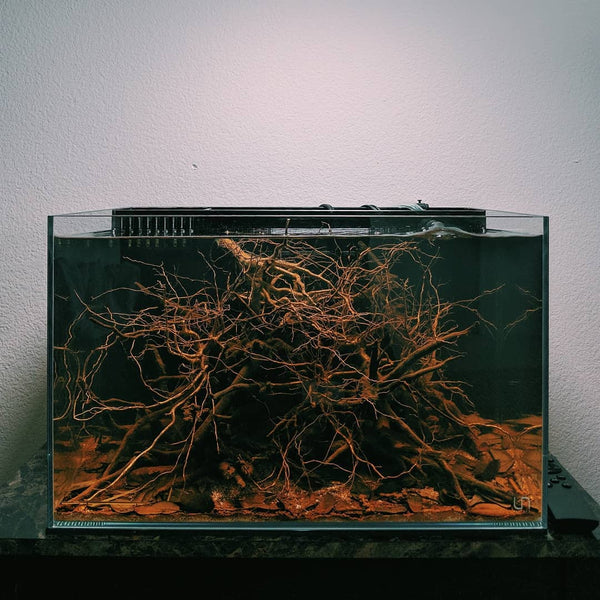
Observing and appreciating this stuff- all of it- rather than instinctively reacting to it with fear or revulsion, is the key to success with botanical-method aquariums. Ask yourself, the next time you’re inclined to run for the siphon hose or scraper, why you must remove it? Is it because it’s somehow “harmful” to your aquarium?
Or, perhaps- could it be that we are so indoctrinated in hobby practice to remove anything which somehow offends our aesthetic sensibilities of what we think– or have been told for generations- that a “healthy” aquarium should look like?
We need to get over the hobby mental block which has espoused a sanitized version of Nature. I hit on this theme again and again and again, because I feel like globally, our community is like 75% “there”- almost entirely “bought in” to the idea of creating really naturally-functioning aquarium systems.
We just need to get that final 25% or so…
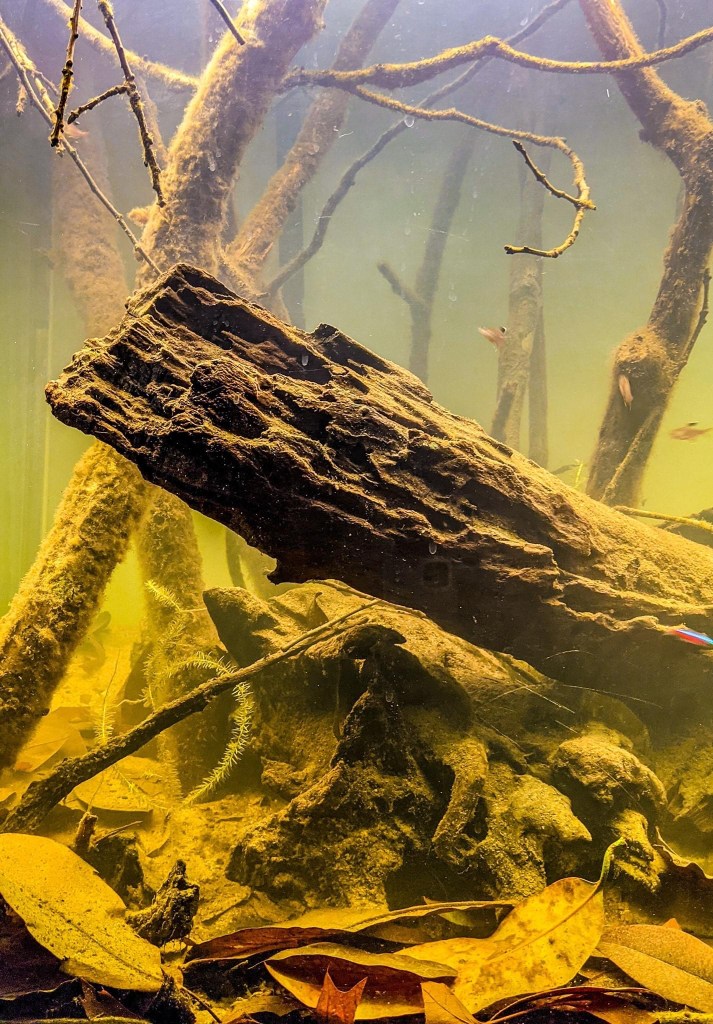
Understanding that stuff like the aforementioned decomposition of materials, and the appearance of biofilms- comprise both a natural and functional part of the microcosms that we create in our tanks.
Dig. Dig deep…and ask yourself those questions. It goes beyond looks.
Consider that removing some of these things- decomposing leaves, detritus, biofilm and frugal growths, not only potentially removes someone’s food source from the system- it interrupts fundamental and beneficial ecological processes which, despite their aesthetics, provide extremely valuable services for all of the life forms in your aquarium.
Let Nature do some of the work. In fact, let Her do most of it!
That is literally the whole game with the botanical method aquarium approach.
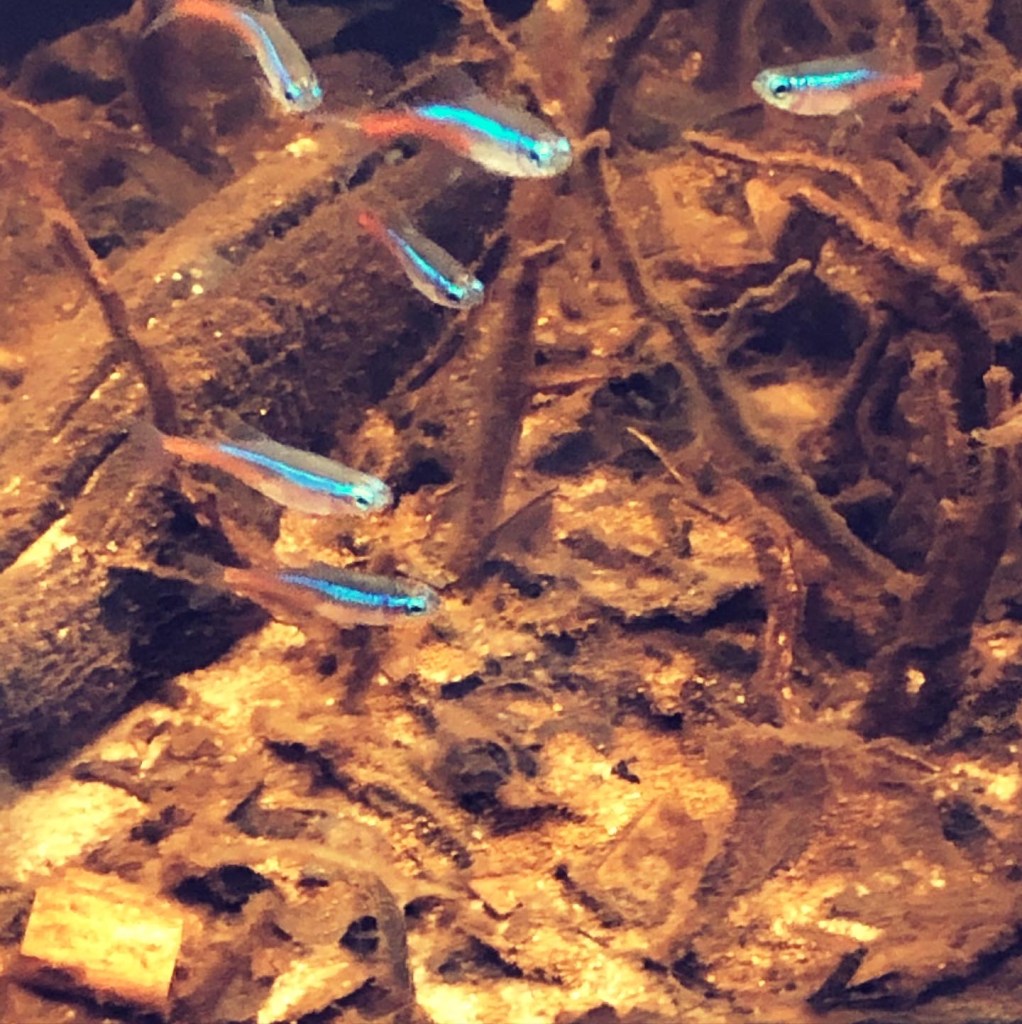
We as aquarists just plug along, feeding our fishes, doing water exchanges, and observing carefully. And, over time, our systems will evolve in both ecological complexity and appearance. It’s how natural systems work. It’s how our aquariums work, too.
Because they’re ecosystems.
There will be change. There will be decomposition. There will be ecological interdependencies.
If we allow it these processes to play out. And IF we accept that some parts of the evolution of our aquariums are beyond our control.
Think about that!
Stay diligent. Stay patient. Sty observant. Stay engaged…
And Stay Wet.
Scott Fellman
 The Tint
Leave a comment