
To me, perhaps one of the most elegant and compelling aspects of Nature is how the aquatic environments we love are so profoundly influenced by the terrestrial habitats which surround them. There is a remarkable similarity between this intimate land/water relationship, and the world that we can create in our aquariums.
Every aquarium that we assemble is not only a unique expression of our interests and skills- it’s a complex, ecologically functional microcosm, which is impacted by not only the way we assemble the life forms, but how we utilize them.
We know this because we see their impact on natural aquatic systems all poo[the time, don’t we? Every flooded forest, inundated Terre Firme grassland, every overflowing stream—provides a perfect example for us to study. And there is one overarching concept which we all need to understand intimately:
The land influences the water.
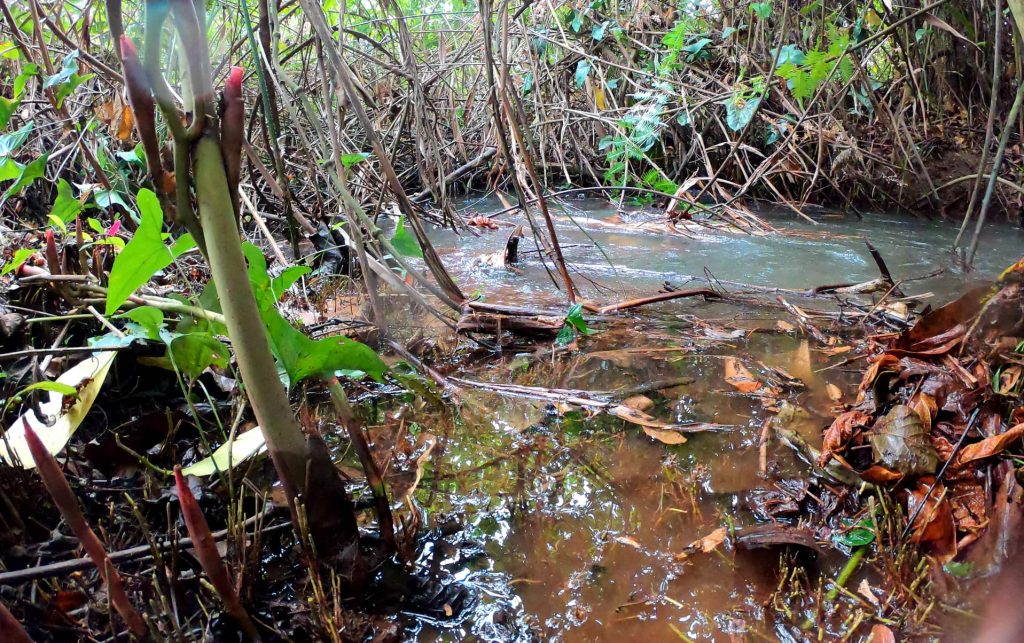
Each component of the terrestrial habitat has some unique impact on the aquatic habitat. Not really difficult to grasp when you think about it in the context of things we know and love in other areas of life.
Wine, for example, has “terroir“—the environmental conditions, especially soil and climate, in which grapes are grown and that give a wine its unique flavor and aroma. Coffee also acquires similar traits: tangible effects and characteristics that impact the experience we get from them.
And of course, I can’t help but wonder if this same idea applies to our botanicals?
It must!
Sure, it does.
I mean, leaves come from specific trees, imparting not only tannins and humic substances into the water, but likely falling in heavier concentrations or accumulating in specific physical locales within a stream or river at particular times of the year.
And of course, they provide the fishes which reside in that given area a specific set of physical/chemical conditions, which they have adapted to over time.
Is this not the very definition of “terroir?”
Yeah, sort of…right?
Actually, the idea makes perfect sense.
Yes—although biologists don’t usually use the French term terroir for aquatic systems, the underlying concept absolutely applies.
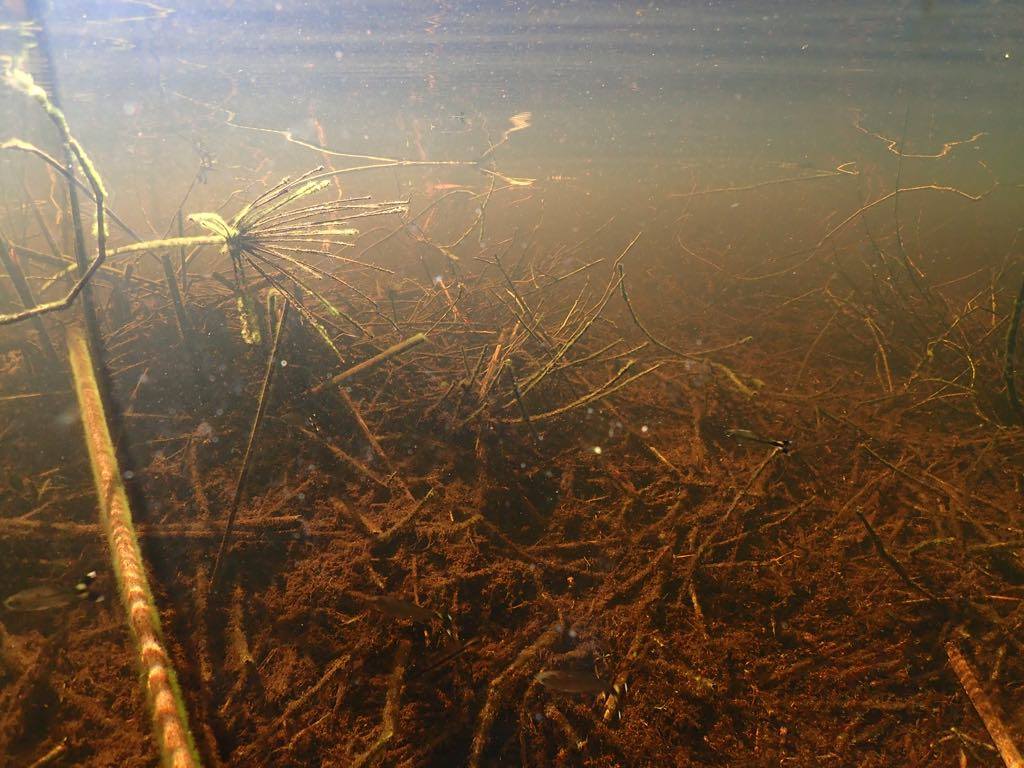
Terroir in wine refers to the idea that a place’s unique combination of geology, chemistry, climate, biology, and history shapes the character of what grows there. Aquatic habitats have analogous influences.
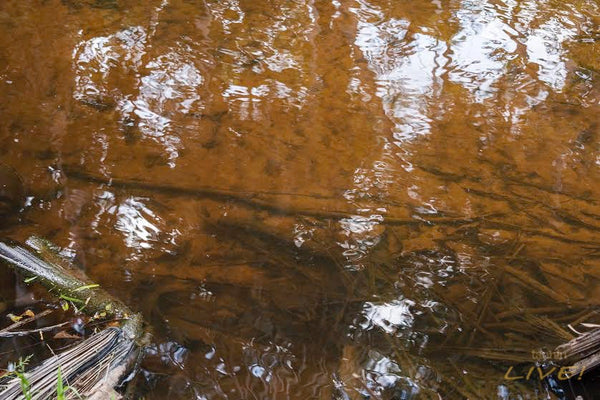
As we’ve discussed before, the soils, plants, and surrounding geography of an aquatic habitat play an important and intricate role in the composition of the aquatic environment. They influence not only the chemical characteristics of the water (like pH, TDS, alkalinity), but the color (yeah- tannins!), turbidity, and other characteristics, like the water flow. Large concentrations become physical structures in the course of a stream or river that affect the course of the water.
And of course, they also have important impact on the diet of fishes…Remember the concept of “allochthonous input” from the land surrounding aquatic habitats?
Here’s a bit of a story about the impact of terrestrial materials on aquatic habitats and their influence on the fishes which reside there.
Annual killifishes are beyond fascinating. Not only is their life cycle amazing, the fact that they are so intimately tied into their environment more than almost any fishes we’ve worked with in the hobby makes them a sort of “poster child” for the “terroir” idea.
Killies are commonly found in the African Savannah, an ecosystem which essentially is a large tropical grassland, which receives its highest amount of seasonal rainfall during the summer. Savannah vegetation consists primarily of grasses and small, widely dispersed trees that don’t create a closed canopy like you’d find in the rain forests, which allows large amounts of sunlight to reach the ground.
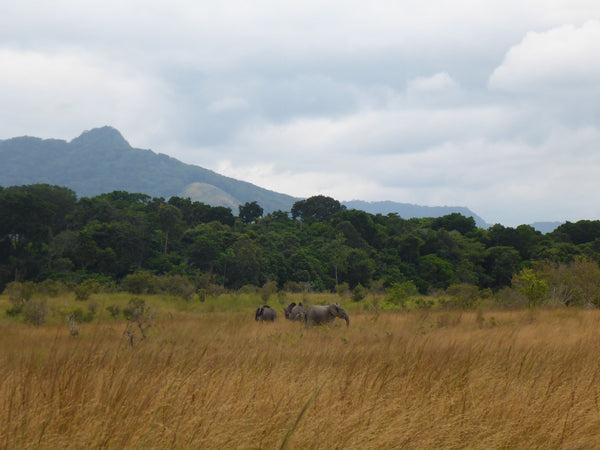
Literally, the soils and sediments of these habitats where annual fishes are found is of such importance, that it impacts every aspect of their existence- and it all starts with how it impacts the development of their embryos. These fishes inhabit (often temporary) pools, which are of very specific composition. Because of the way rain falls in these habitats, many of these habitats fill and empty with the weather seasonally.
And the very composition of the substrate of these pools has a profound influence on the life cycle of these killifishes.
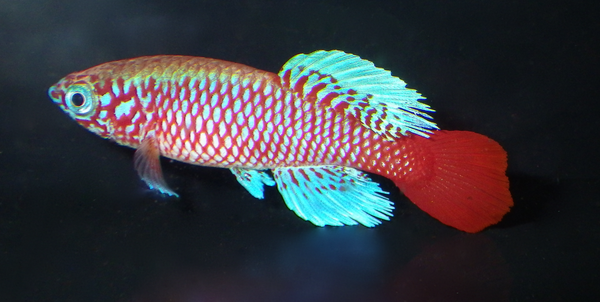
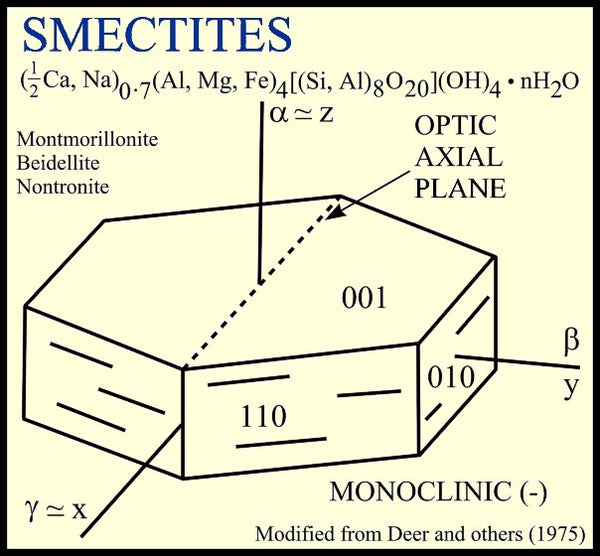
Certain alkaline clay minerals, known as smectites, are necessary to provide suitable environmental conditions during the embryonic development phase of Nothobranchius in the substrates of desiccated Savannah pools. The muddy layer in these pools has a low degree of permeability, which enables water to remain in the pools after the surrounding water table has receded.
Without this essentially impermeable mud layer, such pools will quickly desiccate. Appearance-wise, this substrate material is dark brown to black in color, and typically forms a thick layer of soft mud on the bottom of these pools. A layer of organic material aggregates (typically dead aquatic and terrestrial vegetation) accumulates on the bottom of these pools.
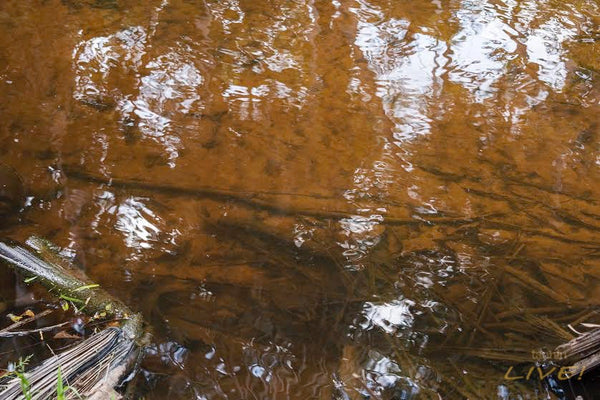
However, it doesn’t cover the entire bottom. Typically, you’ll see a lot of open bottom without vegetation. Interestingly, even with all of this rapidly decaying material, the water in these pools remains alkaline because of the high buffering capacity of the alkaline clay in the sediment.
And here’s something that I find even more compelling:
Nothobranchius almost never inhabit pools consisting only of those visually orange-colored laterite-rich soils. You’ll find these pools all over the African savannah, especially after periods of intense rain, their substrates are generally composed of kaolinitic clay minerals, and as a result, they are slightly acidic.
Researchers have determined that these substrates are not suitable for Nothobranchius embryos to develop and survive during the dry periods.
It’s amazing how the characteristics of the aquatic habitats in which fishes are found influence their life cycles, and indeed, where they are found.
And of course, it’s not limited to the annual killifishes of Africa. We find similar relationships between other types of African killiishes and their aquatic habitats.
Such a case came to my attention when I was visiting a killifish forum on Facebook. One of the participants was discussing some new fishes he obtained, and one was from a rare genus called Episemion. It’s kind of a weird, genus because it falls genetically halfway between Epiplatys and Aphyosemion.
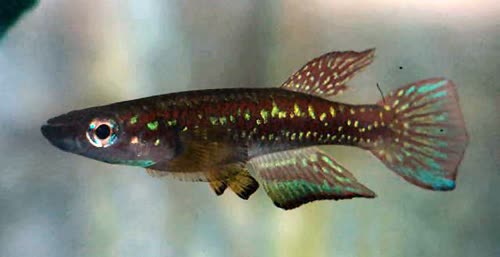
Even more interesting to me was the discussion that it’s notoriously difficult to spawn, and that it is only found in a couple of places in The Congo. In fact, the type description of E. krystallinoron, one of just a handful of identified Episemion species, is described as, “…a large river (~ 5 – 6 m) up to 1 m deep. The river near Medouneu at locality G 02 / 156 (= BBS 99 / 22) is also large (~ 4 – 5 m) and about 80 cm deep. At both localities the water is fast flowing, with sandy bottom and no aquatic vegetation. Episemion specimens were found amongst overhanging terrestrial vegetation…”
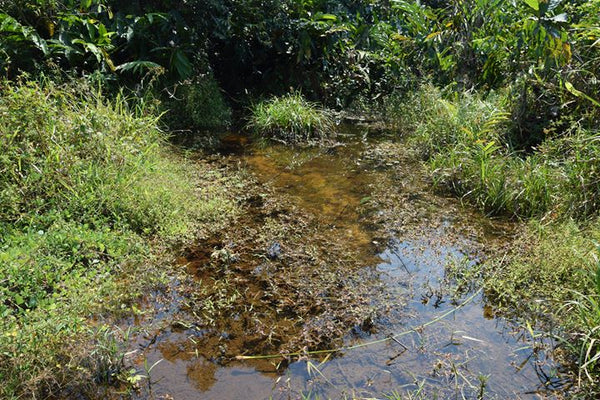
Good stuff… As an aside, eading through these type papers often gives you some good info on the ecology of the ecosystems from which our fishes come from! It’s really useful stuff!
And even more interesting to me was that it is in a region known for high levels of selenium (Se) in the soil…And that’s VERY interesting. Selenium is known to be nutritionally beneficial to animals and humans at a concentration of 0.05-0.10ppm. It’s an essential component of many enzymes and proteins, and deficiencies are known to cause diseases. One of its known health benefits for animals is that it plays a key role in immunity and reproductive functions!
REPRODUCTIVE FUNCTION?!
Boom! 💥
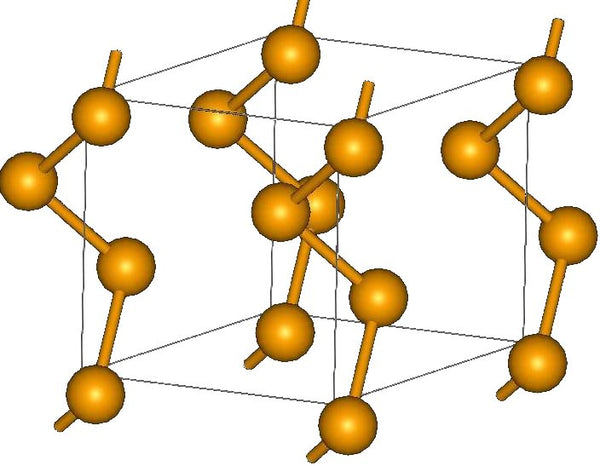
Okay, that helps with the “difficult to breed” part, right?
Selenium occurs in soil associated with sulfide minerals. And it’s found in plants at varying concentrations which are dictated by the pH, moisture content, and other factors. As you might guess, higher concentrations of selenium are found in the plants which occur in these regions.
REALLY interesting…
How would we get more selenium into our tanks for our killies?
Botanicals could be one way.
Like, the “Brazil nut”…
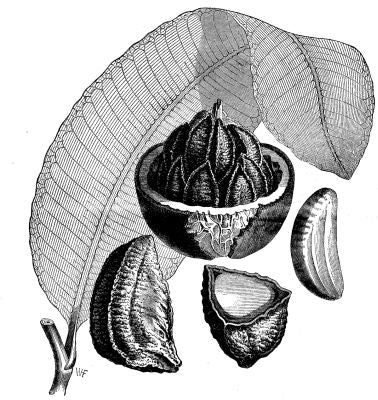
And the Brazil nut is kind of known to us, isn’t it? The “Monkey Pot” has something to do with this, right?
And, yes- it’s technically a fruit capsule, produced from the abundant tree, Lecythis pisonis, native to South America -most notably, the Amazonian region. Astute, particularly geeky readers of “The Tint” will recognize the name as a derivative of the family Lecythidaceae, which just happens to be the family in which the genus Cariniana is located…you know, the “Cariniana Pod.”
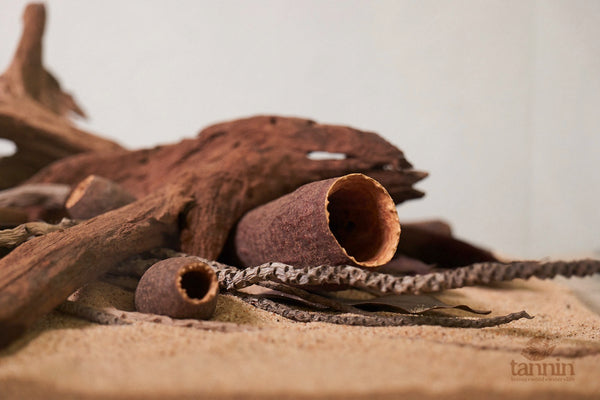
Yeah…this family has a number of botanical-producing trees in it, right?
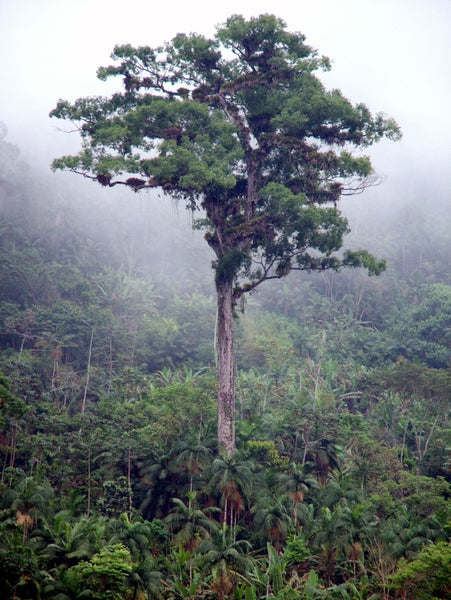
(Our fave tree in all its jungle glory! Image by mauroguanandi, used under CC BY 2.0)
Yes. It DOES.
Hmm… Lecythidae…
Ahh…it’s also known as the taxonomic family which contains the genus Bertholletia– the genus which contains the tree, Bertholletia excelsa– the bearer of the “Brazil Nut.” You know, the one that comes in the can of “mixed nuts” that no one really likes? The one that, if you buy it in the shell, you need a freakin’ sledge hammer to crack?
Yeah. That one.
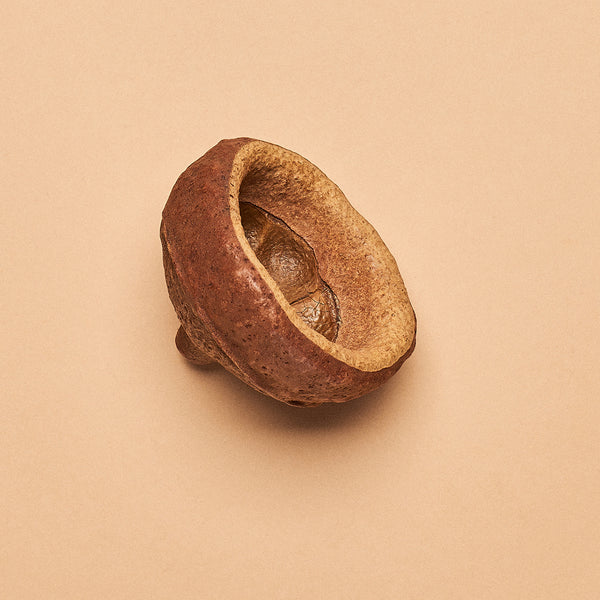
Okay, I went off on a big tangent, but imagine for just a minute…
Would it be possible to somehow utilize the “Monkey Pot” in a tank with these fishes to perhaps impart some additional selenium into the water? Okay, this begs additional questions: How much? How rapidly? In what form? Wouldn’t it be easier to just grind up some Brazil nuts and toss ’em in? Or would the fruit capsule itself have a greater concentration of selenium? Would it even leach an impactful quantity of selenium into the water?
Or, could you just add some Selenium into the water? How much would you add? Could you increase the concentration to achieve even better results, or is this problematic?
Simply adding trace elements is scientifically “doable”, but perhaps it’s safer for us to simply utilize natural materials in our tanks which contain these compounds until we know just how much is required.
I can’t help but wonder what sorts of specific environmental variations we can create in our aquarium habitats; that is to say, “variations” of the chemical composition of the water in our aquarium habitats- by employing various different types and combinations of botanicals and aquatic soils.
I mean, on the surface, this is not a revolutionary idea…We’ve been doing stuff like this in the hobby for a while- in the fish-breeding realm (adding peat to water, for example…), or by using aragonite substrates in Africa Rift Lake cichlid tanks, or with “mineral stone” additions to ornamental shrimp systems, etc.
In the reef aquarium world, ICP/OES water testing is now commonly employed to get a complete breakdown of specific trace elements in tank water. A lot of reefers dose specific quantities of rather arcane trace elements into their tanks based upon test results, to keep things at natural seawater concentrations…The idea is valid, and some amazing reef aquariums have resulted from this practice.
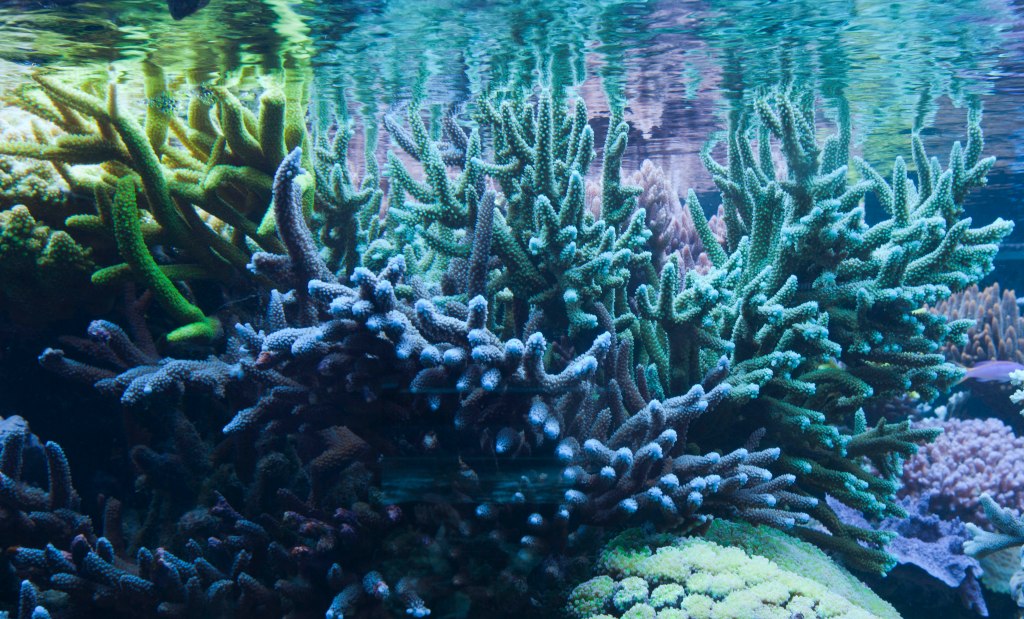
At some point I think this type of high-level analysis will be more important and prevalent in the freshwater hobby. What’s neat about this practice is that the longer hobbyists have been working with it, the more practical, reproducible data and results have arisen, resulting in a definite progression in theory and practice!
In the planted aquarium world, it’s long been known that soil types/additives, ie; clay-based aquatic soils, for example, will obviously impact the water chemistry of the aquarium far differently than say, iron-based soils, and thusly, their effect on the plants, fishes, and, as a perhaps unintended) side consequence, the overall aquatic environment will differ significantly as a result.
Yes, lots of precedence for this concept.
So if terroir means “the character imparted by place,” then yes: aquariums develop a kind of terroir. Two tanks with identical equipment and test results can still have very different ecological identities, and experienced hobbyists often learn to work with their tank’s terroir rather than constantly trying to force it into being something else.
What other terrestrial materials have influence over aquatic habitats?
How about wood?
Wood plays a surprisingly profound ecological role in freshwater aquariums. In many natural rivers, streams, and flooded forests, submerged wood—a form of “infrastructure”—quickly becomes colonized by tiny invertebrates, bacteria, fungi, biofilms, and algae.
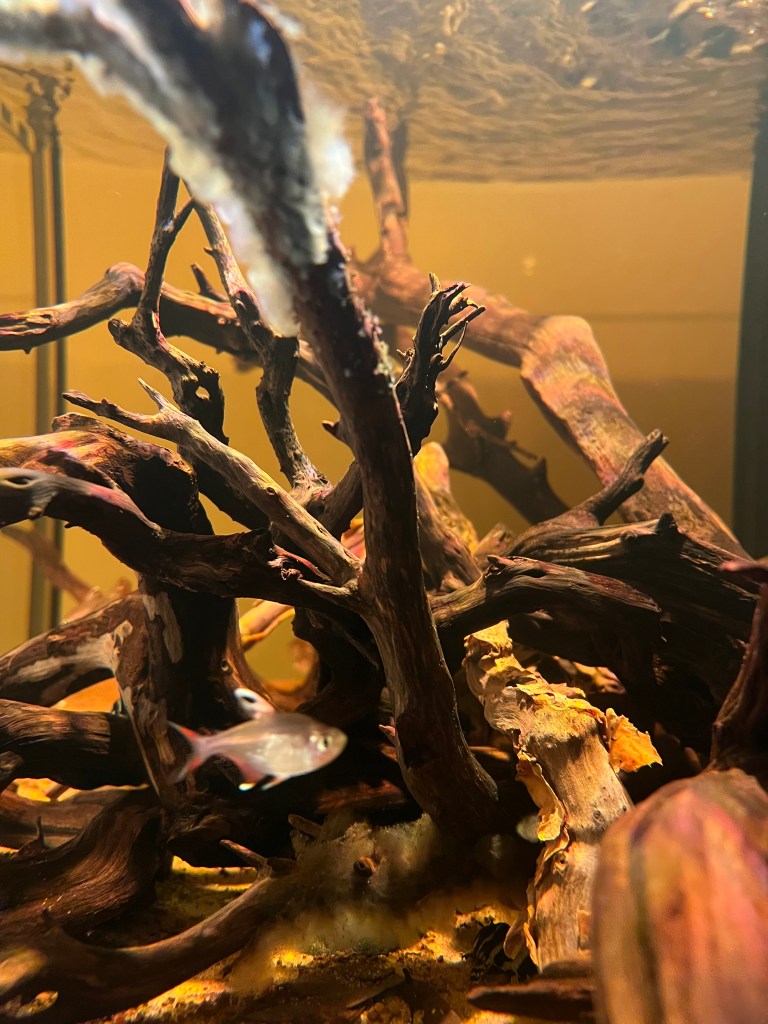
It also imparts tannins, humic acids, and various fulvic compounds -all of which can affect fish behavior, lower pH slightly, visibly tint the water, and alter microbial communities. Wood becomes a substrate for life and a source of energy.
And then there is geology…Soils and rocks.
The coveted and much-discussed “blackwater” that many hobbyists ( present company included) laud is largely the result of terrestrial influence- geology, to be exact.
In general, blackwaters originate from sandy soils.
High concentrations of humic acids in the water are thought to occur in drainages with what scientists call “podzol” sandy soils from which minerals have been leached. That last part is interesting, and helps explain in part the absence of minerals in blackwater.
Blackwater rivers, like the Rio Negro, for example, originate in areas which are characterized by the presence of the aforementioned podzols.
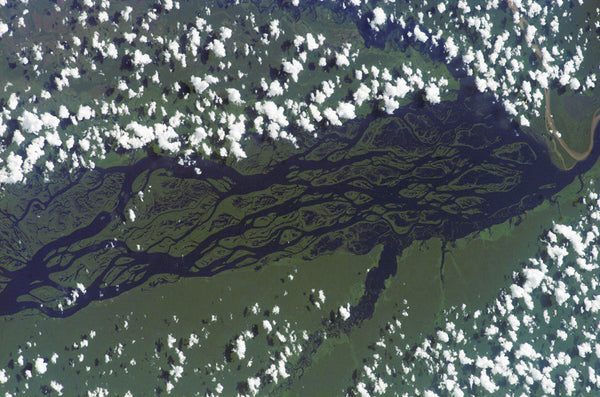
Podzols are soils with whitish-grey color, bleached by organic acids. They typically occur in humid areas like the Rio Negro and in the northern upper Amazon Basin. And the Rio Negro and other blackwater rivers, which drain the pre-Cambrian “Guiana and Brazilian shields” of geology, can in part attribute the dark color of their waters to high concentrations of dissolved humic and fulvic acids!
Although they are the most infertile soils in Amazonia, much of the nutrients are extracted from the abundant plant growth that takes place in the very top soil layers, as virtually no plant roots are observed in the mineral soil itself.
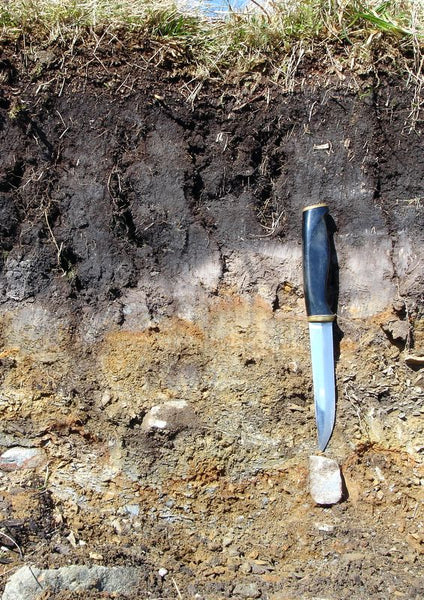
One study concluded that the Rio Negro is a blackwater river in large part because the very low nutrient concentrations of the soils that drain into it have arisen as a result of “several cycles of weathering, erosion, and sedimentation.” In other words, there’s not a whole lot of minerals and nutrients left in the soils to dissolve into the water to any meaningful extent!
(And more than one hobbyist I know has played with the concept of “dirted” planted tanks, using terrestrial soils…hmmm. On to something here!)
Also interesting to note is that soluble humic acids are adsorbed by clay minerals in what are known as “oxisol” soils, resulting in clear waters. “Oxisol” soils are often classified as “laterite” soils, which some who grow plants are familiar with, known for their richness in iron and aluminum oxides. I’m no chemist or even a planted tank geek, but aren’t those important elements for aquatic plants?
Yeah…I think they are.
Again: Terrestrial botanical materials influence aquatic habitats.
In fact, many freshwater systems depend heavily on this imported organic material for ecological development and function.
So, it pretty much goes without saying that the idea of utilizing terrestrial-origin botanical materials in the aquarium yields effects on the water chemistry and ecology, and thus impact the lives of the fishes which reside there.
It’s just not that big of a “stretch”, right?
To drill down further on this, I can’t help but wonder what the possible impacts of different types of wood, leaves, or possibly even seed pods from different geographic areas can have on the water and overall aquarium environment.
Like, could you create “recipes” for what materials to add to an aquarium for specific effects or ecological impacts? What could you manipulate with botanical materials?
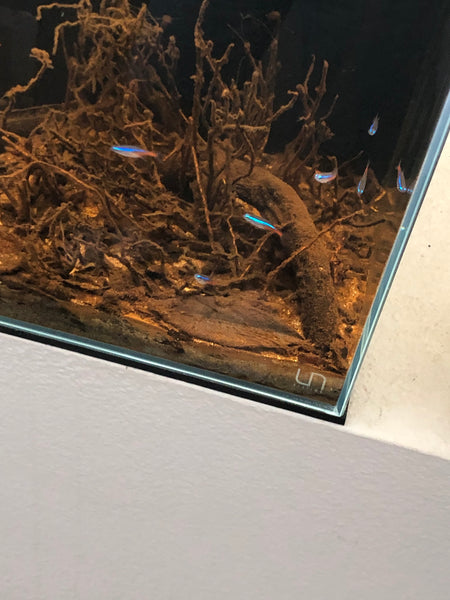
I mean, sure, pH and such are affected in certain circumstances – but what about the compounds and substances we don’t- or simply can’t– test for in the aquarium? What impacts do they have? What is added to the water as a result of their use in aquarium? Perhaps it’s lots of subtle things, like combinations of various amino acids, antioxidant compounds, obscure trace elements- even hormones, for that matter…
And of course, the hobbyist in me can’t help but ask the question:
Could utilizing different combinations of botanicals in aquariums potentially yield different results? You know- scenarios like, “Add this if you want fishes to color up. Add a combination of THIS if you want the fishes to commence spawning behavior”, etc.
It sounds a bit exotic, a bit gimmicky, even, but is it really all that far-fetched an idea?
Absolutely not, IMHO.
I think the main thing which keeps the idea from really developing more in the hobby- knowing exactly how much of what to add to our tanks, specifically to achieve “x” effect– is that we as hobbyists simply don’t have the means to test for many of the compounds which may affect the aquarium habitat.
We simply know that certain chemicals are being imparted into the aquatic ecosystem that we created…We just don’t know specifically which ones, how much, how quickly, and to what specific effect. This is yet another case for ICP/OES analysis of various freshwater habitats to obtain baseline chemical data that we could someday “translate” into aquarium practice.
At this point, it’s really as much of an “art” as it is a “science”, and more superficial observation- at least in our aquariums- is probably almost (“almost…”) as useful as laboratory testing is in the wild. Even simply observing the effects upon our fishes caused by environmental changes, etc. is useful to some extent. At least at the present time, we’re largely limited to making these sort of “superficial” observations about stuff like the color a specific botanical can impart into the water, etc.
It’s a good start.
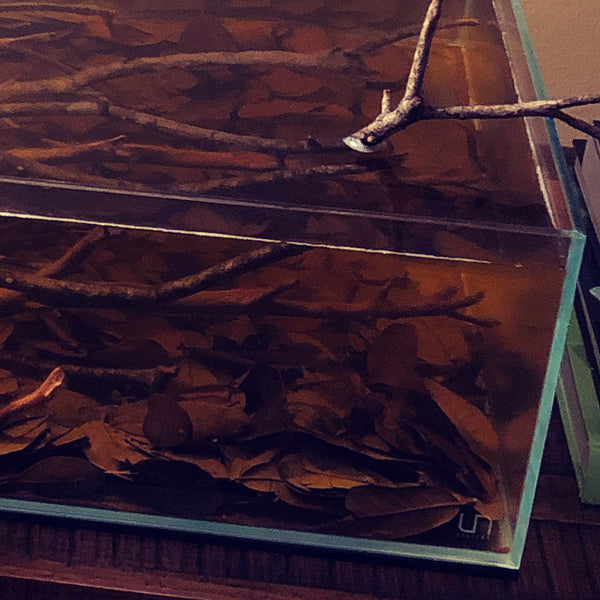
Of course, not everything we can gain from this is superficial…some botanical materials actually do have scientifically confirmed impacts on the aquarium environment.
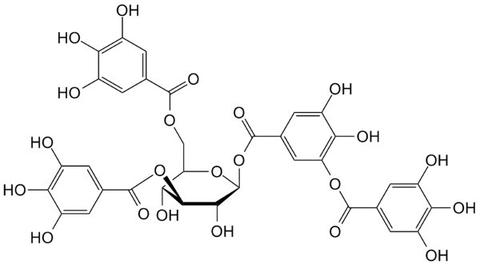
In the case of Catappa leaves, for example, we do know that there are some substances (flavonoids, like kaempferol and quercetin, a number of tannins, like punicalin and punicalagin, as well as a suite of saponins and phytosterols) imparted into the water from the leaves- which do have scientifically documented affects on fish health and vitality.
When we first started Tannin Aquatics, I came up with the term “habitat enrichment” to describe the way various botanicals can impact the aquarium environment. I mused on the idea a lot. (I know that doesn’t surprise many of you, lol…)
Now, I freely admit that this term may be interpreted as much more of a form of “marketing hyperbole” as it is a useful description. However, I believe that the idea sort of resonates over time, especially when we think of the aquarium as an analog for the wild aquatic habitats, and how the surrounding environment- the terroir- impacts these aquatic environments, right?
And I’ve heard the interesting stories from fellow hobbyists over the years about dramatic fish color changes, positive behavioral changes, rehabilitated fishes, and those “spontaneous” spawning events, which seem to occur after a period of time utilizing various botanical materials in aquariums which formerly did not employ them.
Sure, a good number of these interesting events and effects could likely be written off as mere “coincidences”- or anecdotal events- but when it happens over and over and over again in this context, I think it at least warrants some consideration! There is a lot to learn here.
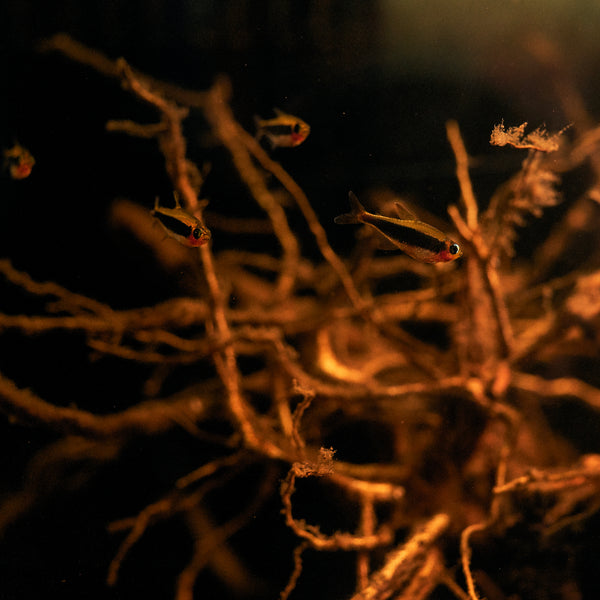
Using terrestrial materials in our aquariums- as we’ve done for years in the hobby with other intentions- directly impacts their composition, development and function- not just their appearance and aesthetic.
Terroir.
Land and water, working together, provide an amazing resource for the adventurous and interested hobbyist to explore in greater detail.
Think about the benefits to be had by studying these impacts for aquariums in a more focused manner.
I think the botanical method aquarium sector can create a model for hobby-level contribution to the body of knowledge about replicating some highly fascinating, remarkably diverse, surprisingly pervasive, and incredibly compelling natural aquatic habitats.
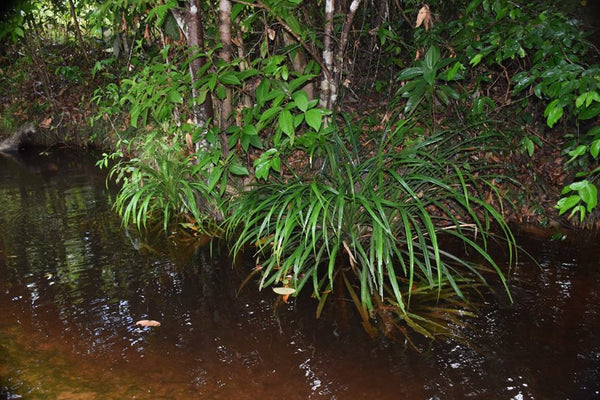
YOU are at the center of this evolution in modern aquarium-keeping…and the world is not only noticing- they’re benefitting from your efforts.
Keep at it.
Scott Fellman


Leave a Reply