
The beauty of the aquarium hobby is that we can find no shortage of inspiration from the natural world. You don’t have to look all that hard to find it.
And, if we look really hard, we can find combinations of various, seemingly incongruent components that we might not have ever considered using together before. And we can apply them to our aquarium practice and be entirely consistent with Nature!
As we delve deeper into the world of botanical method, blackwater aquariums, I think it becomes more and more important for us to understand the wild blackwater habitats of the world.
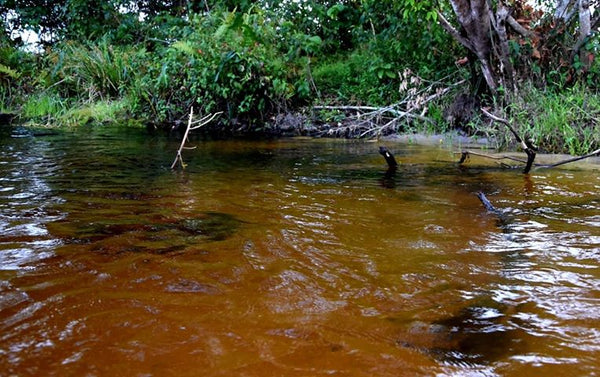
Specifically, how they form, and what their physical characteristics are. It’s easy for us to just go the “cliche’ route” and say that blackwater is water, “…which has a low pH caused by dissolved organic materials and looks the color of tea.” You could just leave it at that.
You know, the standard line used for decades.
Not untrue, but not really all that helpful in understanding exactly what it is, IMHO.
And more important, understanding why it has these characteristics.
And there are some things which contribute to the overall habitat of blackwater environments- specifically, how they form.
Well, it starts with the study of rocks…Yeah, Geology.
Hey, don’t start yawning on me…
I should first start of by freely admitting that I sort of- well, dozed through the limited number of geology classes I took in high school and college, and never knew that the time I spent in those classes drawing pictures on the back of my notebooks would ever come back to haunt me decades later, when I’d have to re-familiarize myself with all of this stuff!
So, my understanding is admittedly quite limited, but I’ll convey what I DO know to you here…And just how it relates to our area of interest.
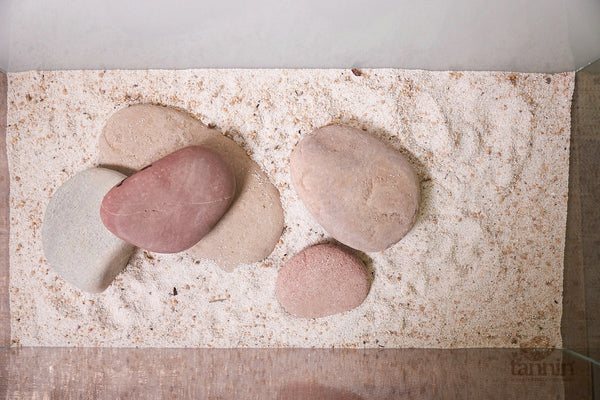
Blackwaters in areas like Amazonia (one of our fave locales, of course!) drain from an area known to geologists as the “Precambrian Guiana Shield”, which is comprised of sediments include quartz, sandstone, shales, and conglomerates, stemming from the formation of the earth some 4.6 billion years ago. As a result of lots of geological activity over the eons, a soil type, consisting of whitish sands called podzol is formed.
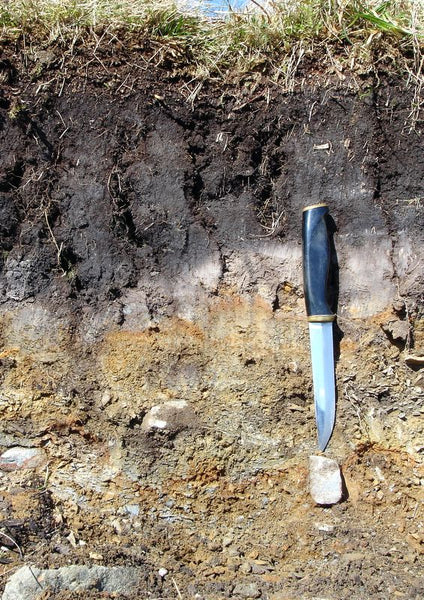
Podzol formation in Amazonia is one of the most remarkable examples of how climate, vegetation, water, and time interact to transform a landscape. It’s also highly relevant to understanding why so many blackwater habitats—and particularly igapó forests—look the way they do.
Podzols typically derive from quartz-rich sands, sandstone, and other sedimentary materials in areas of high precipitation. (Hmm, like The Amazon!). A process called podzolization (of course, right? WTF else would you call it?) occurs where decomposition of organic matter is inhibited. Numerous microbes and plants consume some of the nitrogen, and while eaten by other organisms, convey what’s left to the even lower-lying forest habitats.
At its core, podzolization is an extreme form of soil leaching. It occurs where rainfall is abundant, drainage is poor to moderate, and the “parent material” consists primarily of nutrient-poor quartz sands. These conditions are common in parts of the Rio Negro basin and on the ancient surfaces of the Guiana Shield.
The process begins with the forest itself.
Leaves, twigs, bark, fruits, and roots accumulate on the forest floor and begin to decompose. As fungi and microorganisms break down this organic matter, they produce a complex mixture of organic acids, including humic and fulvic acids. Because these sandy soils have very little buffering capacity, the acids readily percolate downward with rainwater.
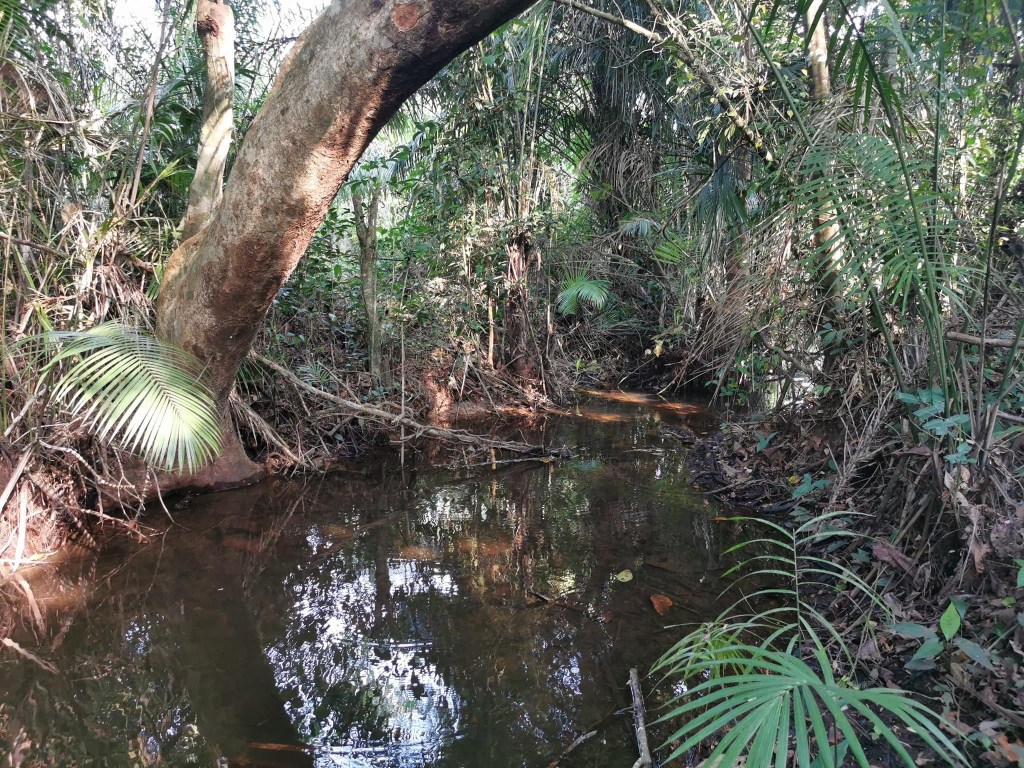
As this acidic water infiltrates the soil, it dissolves and mobilizes iron, aluminum, and any remaining nutrients. These dissolved compounds become chemically bound to the organic molecules and are transported downward through the soil profile. This creates a process known as eluviation—the removal of materials from the upper horizons oof soil.
Over thousands of years, the upper soil becomes progressively bleached.
The familiar white or pale gray sands seen throughout parts of the Rio Negro basin are essentially quartz grains left behind after nearly everything else has been removed. Quartz is chemically resistant, so while nutrients, clays, and metal oxides are carried away, the sand remain
Typically, Podzols are kind of well, shitty for growing stuff, because they are sandy, have little moisture, and even less nutrients!
Igapo soils are built from sediments and organic matter.
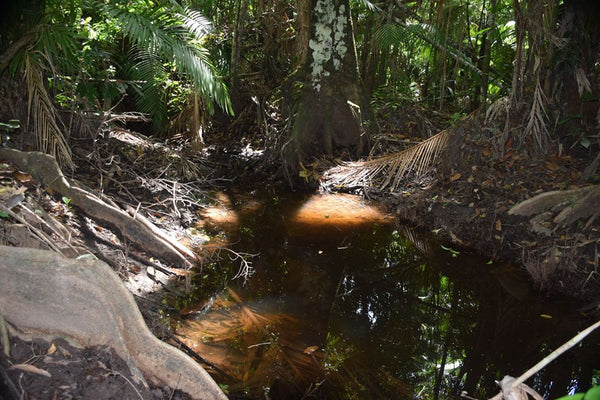
The Amazonian blackwater rivers are largely depleted in nutrients, having passed through the lowland forest soils as groundwater, from which weathering has already occurred. As a result, layers of acidic organics build up. With these rather acidic conditions, a deficiency of nutrients further slows down the decomposition of organics. So, yeah- lousy soil for growing stuff…But guess, what? They form the basis of the substrate in many Amazonian aquatic habitats!
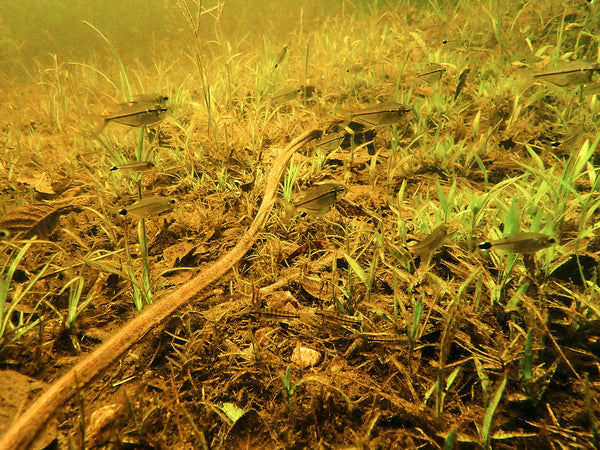
As a side note, from the perspective of the botanical method aquarium, there is an interesting parallel.
We are not recreating the process of podzolization itself—that process unfolds over geological timescales—but we are reproducing some of its immediate consequences.
As leaves and wood decompose in the aquarium, they release humic substances that acidify the water, color it, and support microbial communities. While an aquarium will never develop a true podzol profile, it can reproduce the ecological and chemical interactions between terrestrial organic matter and aquatic systems that define many Amazonian blackwater habitats.
Much of the central Amazon is remarkably flat. Over millions of years, the rivers have deposited immense quantities of fine sediments—clays, silts, and very fine sands—that blanket the landscape. In many places, the ancient bedrock lies tens to hundreds of meters below the surface.
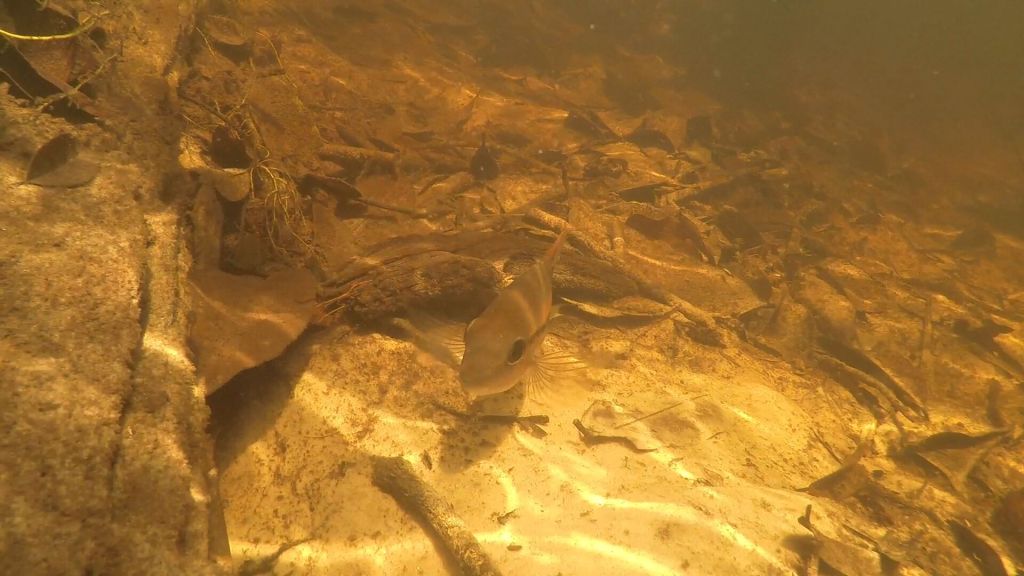
As a result, when a forest floods, the water is flowing over soils and accumulated organic matter, not exposed rock. The same dissolved organic compounds responsible for podzolization eventually enter streams and rivers. Humic and fulvic acids stain the water the characteristic tea or coffee color associated with Amazonian blackwater systems. These acids also lower pH, reduce water conductivity, and influence everything from microbial communities to fish distributions.
This creates an elegant connection between the forest and the aquatic environment. The chemistry of blackwater rivers is, in many respects, an extension of the chemistry of the surrounding podzolized soils. The forest continuously generates organic acids, the soils filter and transform them, and the waterways carry their signature throughout the basin.
And the water which flows over this soil achieves it’s unique color from a really high content of dissolved humic substances- poor in nutrients and electrolytes. It’s characterized by having sodium as one of its major cations (ions with fewer electrons than protons, giving them a positive charge), which means it has low alkalinity.
Typically, the pH and electrical conductivity values are less than 5.0 and 25 μS cm–1, respectively (pretty freakin’ low!).
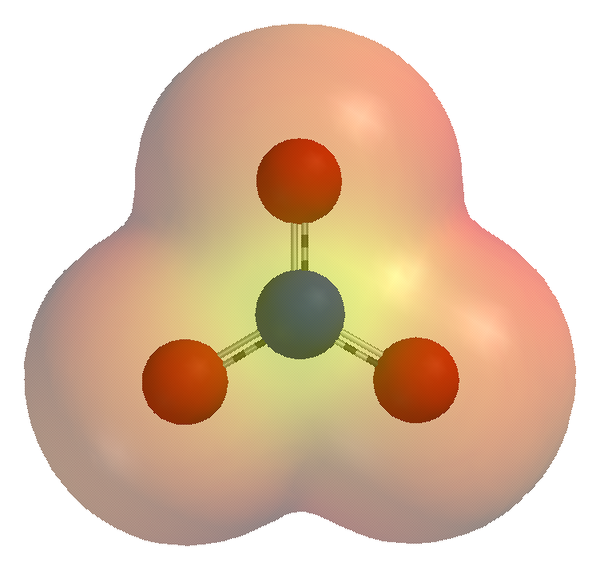
So, to make a very long and intimidating story short, the physical characteristics of blackwater habitats are influenced as much by the geology as anything else!
Rocks dominate mountain streams because fast water can wash away fine sediments, leaving only larger, heavier stones behind.
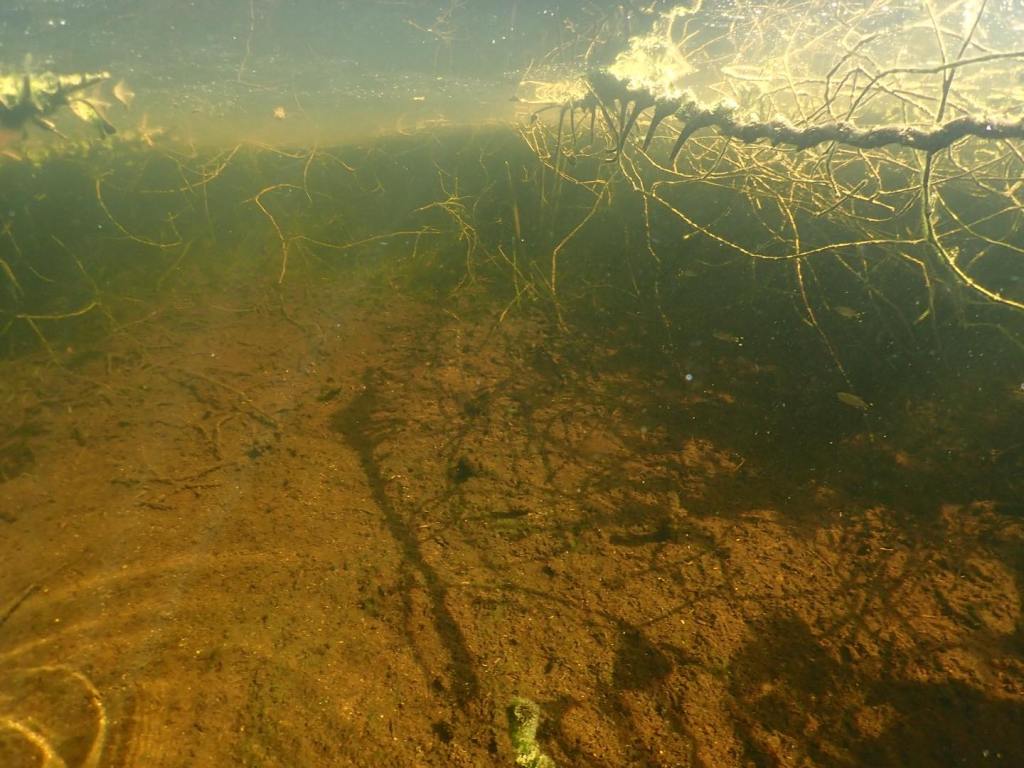
An Amazonian igapo is almost the opposite. The current is often gentle. Water velocities are low. Fine sediments settle rather than being swept away. Leaves accumulate. Branches remain where they fall. Wood slowly decomposes.
The streambed becomes progressively richer in organic material.
What about rock?
If rocks were present initially, many would eventually become buried beneath decades—or centuries—of deposited sediment and leaf litter. If you dug down in many igapó forests, you’d encounter layers of leaf litter, roots, clay, and sand long before you’d ever reach solid rock.
That is to say, all of the dissolved humic substances which give these bodies of water their unique look are “enabled” by the geological properties of the region. And from the “trace element perspective (the reefer in me), only Fe, B, Sr, Pb and Se present consistent concentration variabilities to influence the chemistry of these waters…Like, this water has very low concentrations of trace elements.
That’s why you’ll often see simple fine, white silica-type sands on the bottoms of so many Amazonian streams and rivers. They originate up in the mountains and are transported by various means into the lowland areas. I mean, there is way more to this process than I can convey here- but it’s a study in the relationship between seemingly unrelated elements and how they come together.
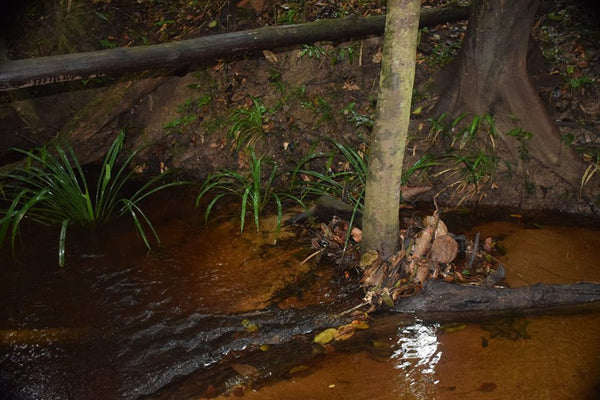
Now, I admit that this is probably more than you will ever care to know about how sand and soil works in your fave blackwater habitats, but I think it’s important to understand that it’s all kind of…related. In fact, it makes it a lot easier to understand how blackwater systems came to exist and function when you consider this “big picture” stuff!
And of course, we’re a hell of a lot more interested in the “decaying vegetation” (you know, the leaves, twigs, seed pods…stuff like that!) which influences the waters.

And the substrates we select for our tanks play an important role in being able to create and maintain such natural conditions.
So, using a quality substrate material which doesn’t impact the pH or buffering capacity of the water to any great extent is important…The reality is that just having an awareness of what goes on in the natural aquatic habitats we love gives us a nice “leg up” on this stuff. You’re obviously not going to use a strongly buffering substrate like aragonite, calcite, or whatever to do the job in your low-pH-and -alkalinity blackwater aquarium, right?
Of course not. Choose silica.
And then we keep coming back to that question about utilizing rocks in your “Rio Negro” habitat or “igapo” aquascape…
Like, why don’t you find rocks in these habitats?
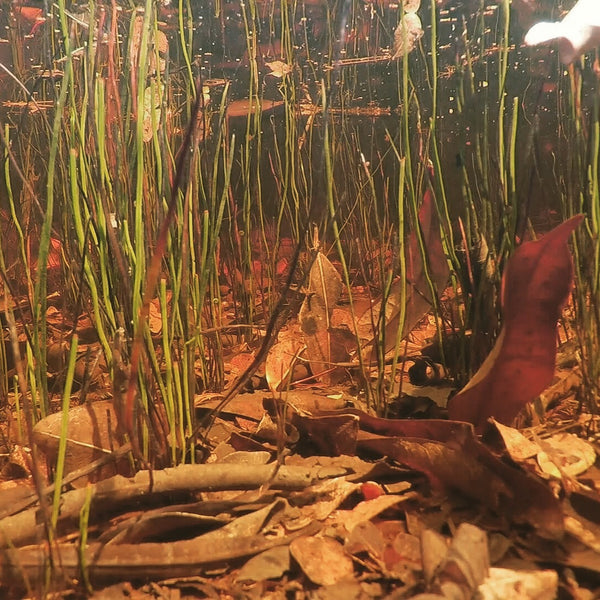
As you know from my long-winded description above, I’m no expert-or even a novice– on geology or geochemistry, or anything in that subject area, for that matter….However, based on my research into this stuff, as related above, it goes without saying that these are hardly conditions under which rocks as we know them could form.
In an Amazonian forest stream, organic matter is the foundation. Leaves, wood, roots, and the communities that inhabit them become the structural and functional backbone of the ecosystem. I think that’s one of the reasons these habitats are so compelling: they’re built not from stone, but from the continual transformation of life into habitat, and habitat into new life.
In an igapó forest, the annual flood pulse inundates vast expanses of low-lying forest. These areas are characterized by extremely low gradients and slow-moving water for much of the year. Because the current lacks the energy to transport or expose large mineral particles, the substrate gradually becomes dominated by fine sediments, decomposing leaf litter, woody debris, and accumulated organic matter. Over centuries and millennia, these materials bury whatever coarse mineral material may once have been present.
As a result, the “hardscape” of an igapó isn’t rock—it’s wood.
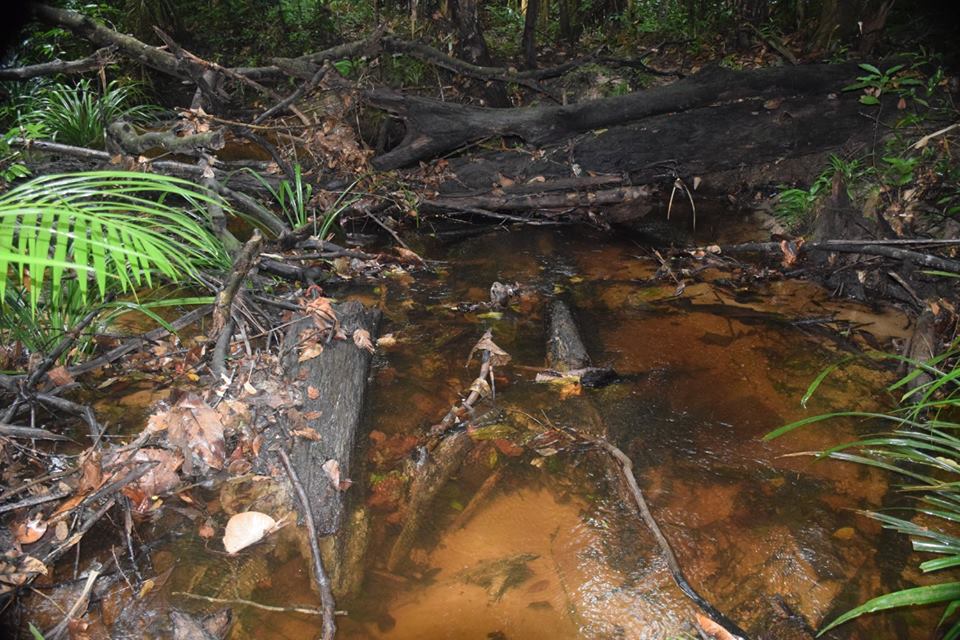
Fallen trunks, submerged branches, root masses, leaf litter, and seed pods provide virtually all of the structural complexity. From an ecological standpoint, wood performs many of the functions that boulders perform in mountain streams: it alters flow, traps organic matter, creates shelter, and provides extensive surfaces for microbial colonization. The difference is that one is organic and constantly changing, while the other is mineral and relatively permanent.
Oh, sure, you might find the random rock in the igapo that was washed down from the Andes or some other high-country locale in these forests, but it’s a pretty safe bet that it did not evolve there. This also helps to explain why the blackwater habitats are generally low in inorganic nutrients and minerals, right?
So…if you’re really, really hardcore into replicating an igapo, like, one of those biotope freaks- you’d probably want to exclude rocks- especially if you’re entering one of those biotope aquarium contests, astute judges would (rightfully) nail you on scoring for falling back on your natural inclinations as an aquascaper and tossing some in.
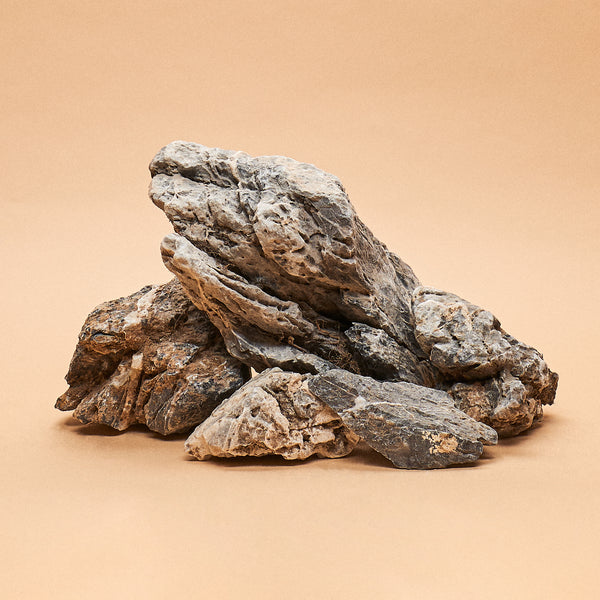
I personally, of course, would likely be a bit more forgiving, but you won’t find rocks in my igapo tank! I am not even interested in looking at them. Nope.
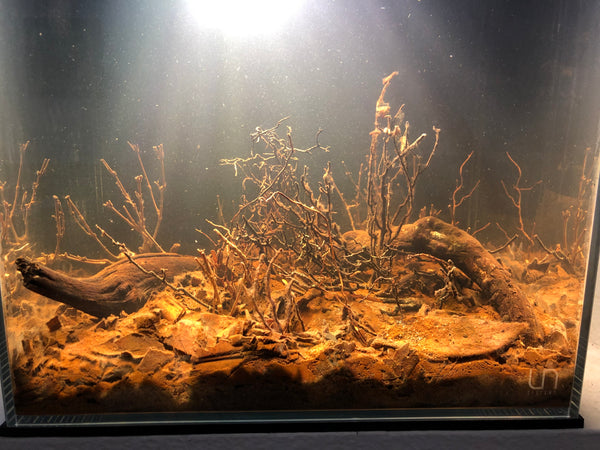
Besides, there is something far more compelling and romantic about leaves, seed pods, and wood than there is about a bunch of rock, right?
Maybe?
Okay, don’t answer that…
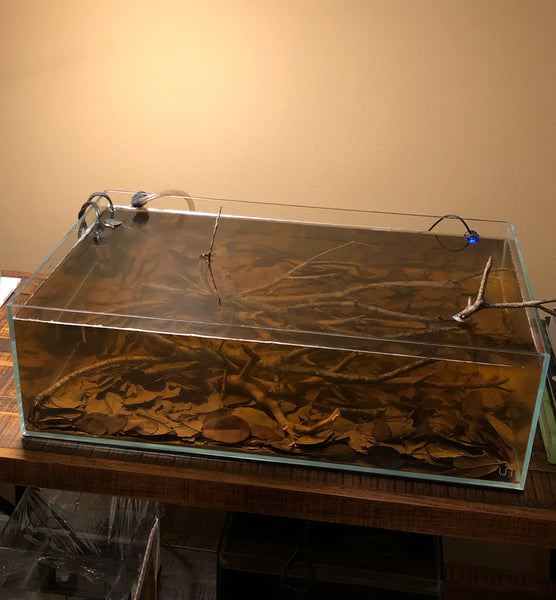
Well, you WON’T find any rocks in my “igapo” tanks…
Nope.
Rather, I choose to concentrate on the more “ephemeral” components of the habitat, and rightfully so!
Our ability to mimic this aspect of the flooded forest habitats is a real source of benefits for the fishes that we keep- and a key to unlocking the secrets to long-term maintenance and husbandry of botanically-influenced aquariums.
The transformation of dry forest floors into aquatic habitats provides a tremendous amount if inspiration AND biological diversity and activity for both the natural environment and our aquariums.

Flood pulses in these habitats easily enable large-scale “transfers” of nutrients and food items between the terrestrial and aquatic environment. This is of huge importance to the ecosystem.
As we’ve touched on before, aquatic food webs in the Amazon area (and in other tropical ecosystems) are very strongly influenced by the input of terrestrial materials, and this is really an important point for those of us interested in creating more natural aquatic displays and microcosms for the fishes we wish to keep.
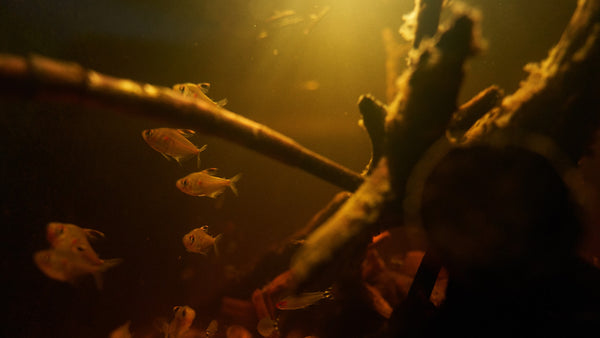
Organic matter becomes the “hardscape” of these habitats. This is one of the most profound differences between temperate streams and Amazonian forest waters.
The architecture of an igapo isn’t mineral.
It’s biological.
A fallen branch today may become a fungal colony next month, then a grazing surface for biofilms, shelter for fishes, a “trap” for fallen leaves, and eventually part of the substrate itself.
The hardscape is constantly changing.
Nothing is truly permanent.
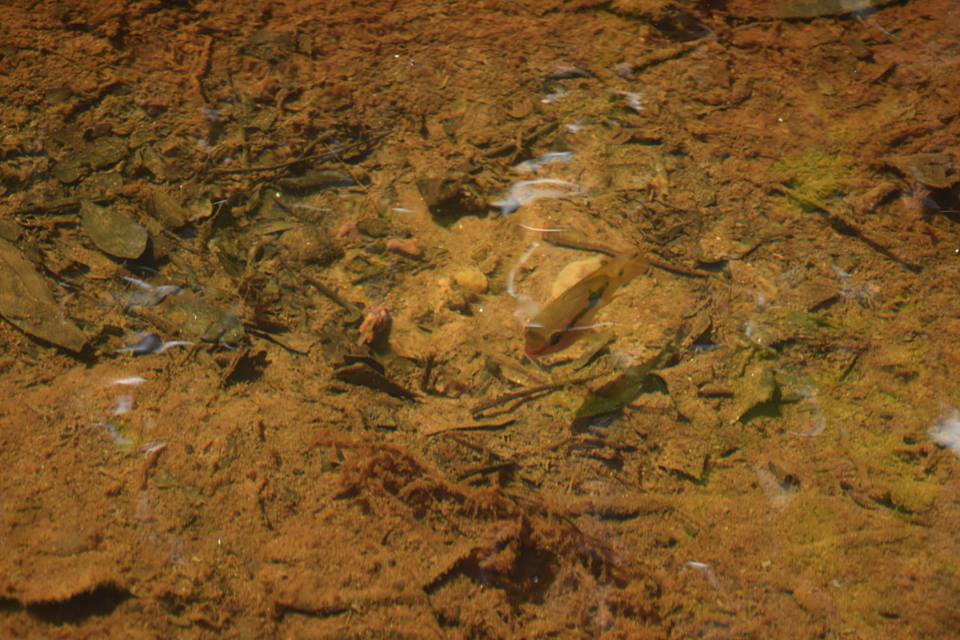
Of course, not every Amazonian stream is devoid of rock.
Near the edges of the basin, particularly in areas draining ancient shields such as the Brazilian or Guiana Shields, you can find rocky rapids, exposed granite, sandstone outcrops, and boulder-strewn streams.

These habitats support entirely different fish communities adapted to higher flow and mineral substrates. But when we think of the classic blackwater igapo and igarape winding through flooded forest, rocks are generally scarce.
This is where I think many “Amazon biotope” aquariums unintentionally depart from reality. They often include decorative river stones because that’s what our eyes expect from a stream!
Yet in a true igapo, those stones would actually be among the least representative elements. A more authentic “hardscape” (to steal an expression from the aquascaping world) would consist almost entirely of tangled branches, partially buried wood, root masses, accumulated leaf litter, patches of fine sand, and a gradually developing layer of organic detritus.
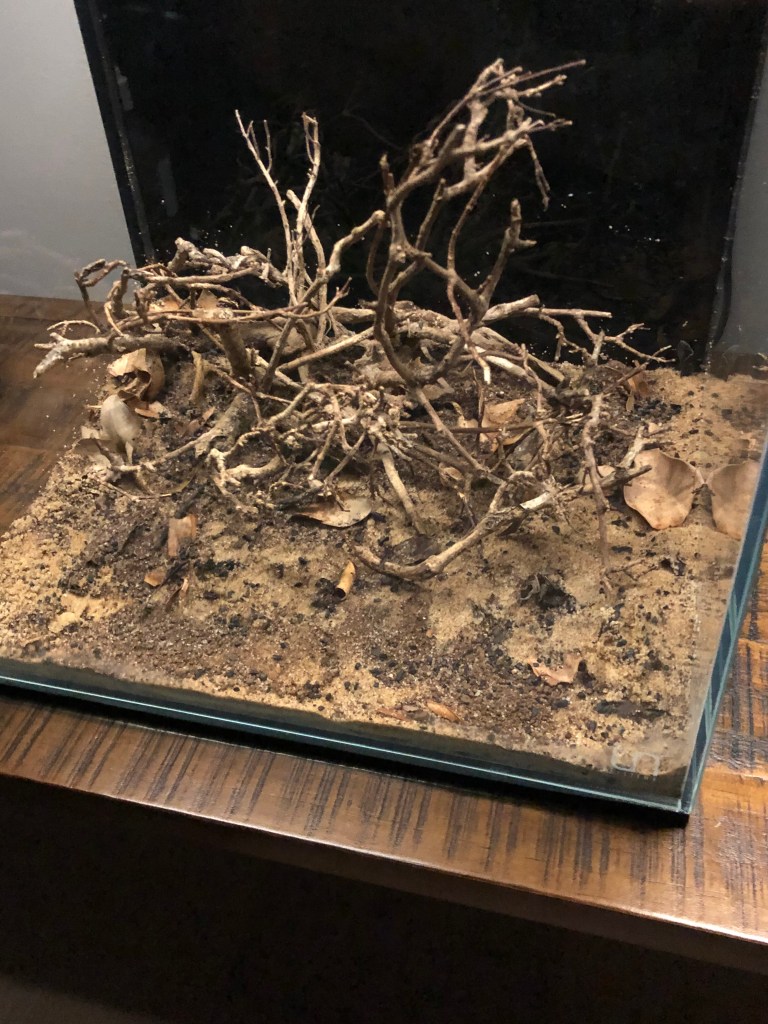
The eye is drawn not to rock formations, but to the quiet complexity of decomposing organic matter.
This actually connects beautifully with something we’ve been discussing over the last several blogs. We’ve talked about how, in a botanical method aquarium, the detrital layer and the organisms living within it gradually become one of the aquarium’s principal “filters.”
Now consider the absence of rocks in an igapo or igarapé.
Nature isn’t replacing one hardscape material with another—it is replacing a geological framework with an ecological one.
In a mountain stream, rocks are the enduring foundation upon which life grows.
In an Amazonian forest stream, organic matter is the foundation. Leaves, wood, roots, and the communities that inhabit them become the structural and functional backbone of the ecosystem. I think that’s one of the reasons these habitats are so compelling: they’re built not from stone, but from the continual transformation of life into habitat, and habitat into new life.
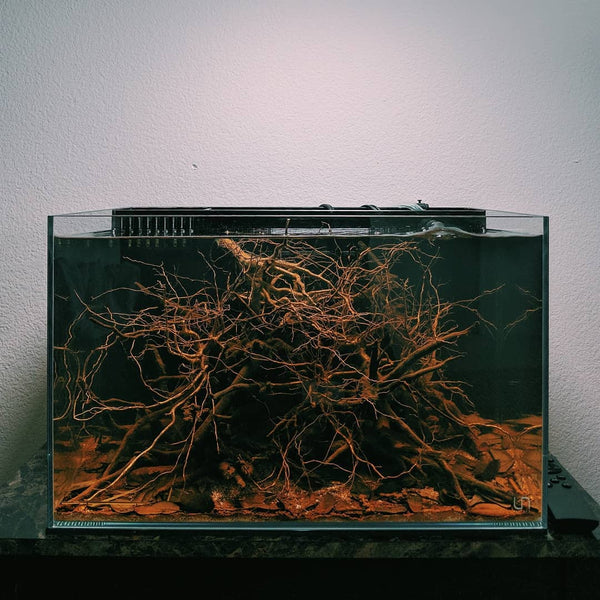
Creating an aquascape utilizing a matrix of leaves, roots, and other materials, is one of my favorite aesthetic interpretations of this habitat…and it happens to be supremely functional as an aquarium, as well! I think it’s a “prototype” for many of us to follow, merging looks and function together adeptly and beautifully.
Now, I think at least part of the reason why we’re seeing success with utilizing botanicals in our aquariums is that fishes are instinctively “programmed” to utilize many of these materials as both “feeding substrates”- serving to foster the growth of biofilms, fungal growths, and epiphytic algae- and as food items in and of themselves. (Yeah, “pellets and flakes” are NOT part of their natural diet… 😆)
The addition and replenishment of leaves and other botanical materials which we execute in our tanks definitely mimics, at least to some extent, the processes which occur in these habitats which transfer food and nutrients into the aquatic habitat.
And with the ability to provide live foods such as small insects (I’m thinking wingless fruit flies and ants)- and to potentially “cultivate” some worms (Bloodworms, for sure) “in situ”- there are lots of compelling possibilities for creating really comfortable, natural-appearing (and functioning) biotope/biotype aquariums for fishes.
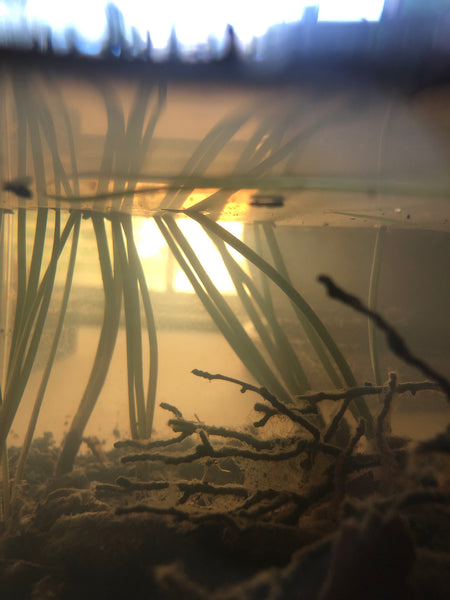
So much to consider in our “tinted world”, isn’t there? Especially when it comes to rocks, soils, sand, and the stuff they influence- or don’t influence, as the case may be…
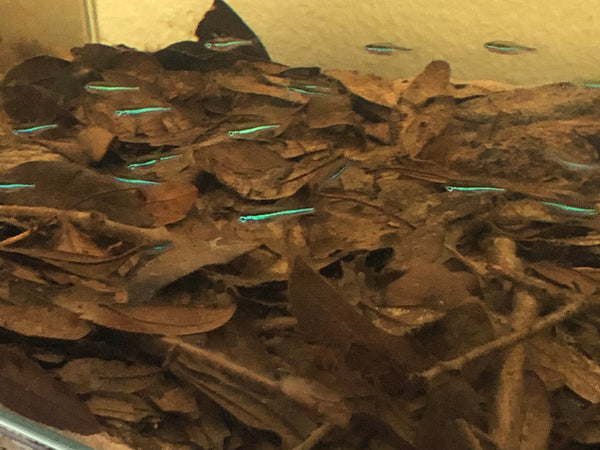
And I cannot state often enough that we should continue to explore the use of leaves-to create leaf litter “beds” in our aquariums. There is SO MUCH there to gain from this it’s not even funny…
Like any environment, leaf litter beds have their own “rhythm”, fostering substantial communities of fishes. The dynamic behind this biotope can best be summarized in this interesting excerpt from an academic paper on Blackwater leaf-litter communities by biologist Peter Alan Henderson, that is useful for those of us attempting to replicate these communities in our aquaria:
“..life within the litter is not a crowded, chaotic scramble for space and food. Each species occupies a sub-region defined by physical variables such as flow and oxygen content, water depth, litter depth and particle size…
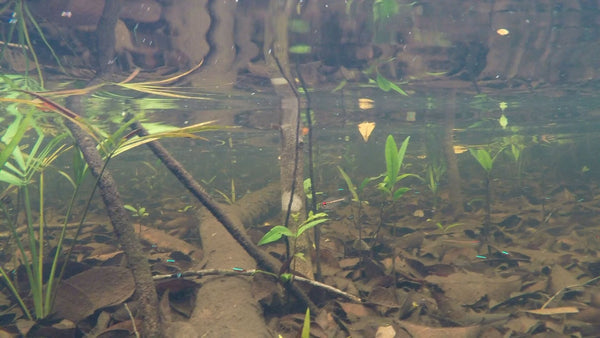
…this subtle subdivision of space is the key to understanding the maintenance of diversity. While subdivision of time is also evident with, for example, gymnotids hunting by night and cichlids hunting by day, this is only possible when each species has its space within which to hide.”
There is a hell of a lot going on in leaf litter beds in those flooded igapo forests.. A lot which makes them extremely compelling subjects for aquariums.
So, for all of the above reasons, and many others that we can’t touch on in this brief piece- consider trying to replicate a leaf litter bed habitat in your next aquarium!
And of course, I cannot encourage you enough to try and”deep-dive” just a bit to get more “background” on these topics from scholarly sources. Applying some of the ideas and information to aquarium practice is justifiably fascinating, compelling, and rewarding.
“Oh, but what about rocks in blackwater tanks? Get back to that, Scott!’
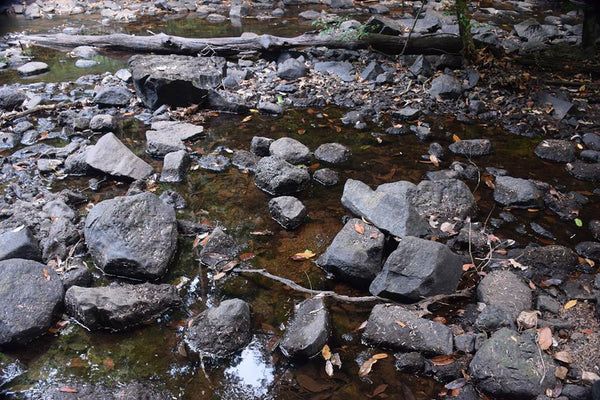
The blackwater streams that flow through hilly terrain often possess enough current to wash away fine sediments while leaving behind gravel, cobbles, or exposed bedrock. These are fundamentally different hydraulic environments than a flooded forest.
The annual flood cycle reinforces this distinction. During high water, igapó forests function almost like enormous settling basins. As floodwaters spread through the forest, water velocity decreases dramatically. Fine suspended sediments and organic particles settle out, while leaves and woody debris accumulate against roots and fallen logs.
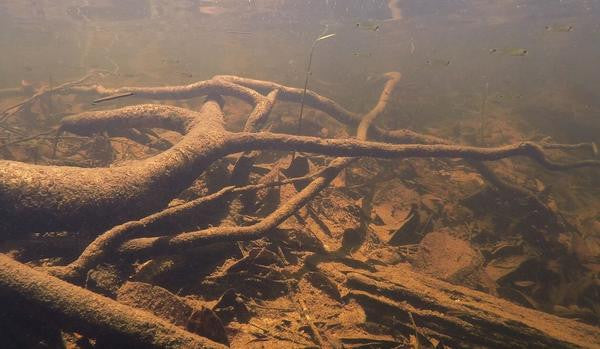
There is little hydraulic energy available to move large stones into the forest, and even less to expose them once organic sediments have accumulated.
In essence, the landscape “selects” for organic structure instead of mineral structure.
Of course you CAN play with rocks in a blackwater aquarium. Nature has a prototype for THAT… You need to study a bit.
In fact, you can have, rocks, leaves, wood and blackwater all together. It’s just about context. It’s about understanding how and why these materials come together, what factors conspire to cause this, and what can happen when it does.
Remember, “blackwater” describes the chemistry of the water, not the nature of the substrate.
Two habitats can share nearly identical water chemistry while looking completely different beneath the surface. One may be a leaf-strewn flooded forest with virtually no exposed rock, while another may be a rocky stream flowing over ancient granite.
The water is black because of dissolved organic compounds, but the landscape beneath it is determined by geology, topography, and hydrology.
A little research into these seemingly obscure, and perhaps seemingly unrelated topics can sometimes give us some awesome clues that can influence our aquarium practice in ways that we haven’t even imagined.
Clues which may lead to further evolutions and improvements to our practices. Clues that can help us continue to create compelling aquatic displays. Clues that will definitely make this amazing hobby all that more enjoyable!
Stay diligent. Stay intrigued. Stay curious. Stay studious. Stay informed. Stay inspired…
And Stay Wet.
Scott Fellman
 The Tint
Leave a comment