
There is something about the materials that we place on the bottom of our aquariums, collectively known as “substrates”- which has always appealed to me.
I find them compelling and fascinating in both form and function. I think that a good substrate can “make or break” an aquarium. Seriously. I don’t see substrates as just a package of sand or gravel. It’s about a combination of materials, used to create what I like to call “functionally aesthetic” effects.
Yeah, I’ve always looked substrate materials the way other people look at cocktails:
It’s about mixing stuff.
Yeah, seriously.
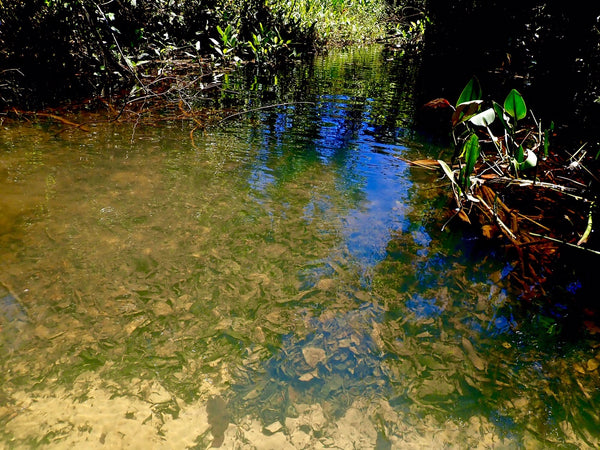
Substrates in Nature are not always just uniformly comprised of one material. Rather, they’re aggregations of various materials, ranging from geological materials (rocks, sand, etc.) to botanical materials, like leaves, roots, etc., and sediments (clays, etc.).
Now, in Nature, there are numerous factors which contribute to the composition of aquatic substrates , including geology, the flow velocities of the body of water, the surrounding topography, the seasonal variations in water level (ie; inundation/dessication cycles), and accumulation of materials from the surrounding terrestrial environment.
There’s a whole scientific field of study about this stuff.
So, why the hell do we as hobbyists, who want to create the most realistic approximations of wild habitats possible, always seem to just “mail it in” when it comes to substrate? I mean, for a lot of hobbyists, it’s just “open a bag of _____________ sand or whatever, and call it a day” and move on to the more “exciting” parts of our tank?
I think we just rely on the commercially available stuff- and that’s that. And we’re missing something really cool- and crucial to our aquarium’s long-term success as a closed ecosystem.
Now, in defense of the manufacturers of sands and gravels for aquarium use- I love what they do, and what they have available. These items are of generally excellent quality, provide a wide range of choices for a variety of applications, and are readily available. Most are fantastic.
Yet, they’re not the “end-all/do-all” solution, IMHO.
We can, and should go further. Particularly those of us who have geekier intentions.
Most commercially available aquarium substrates are a great “starting point” for creating more dynamic ecosystems for our aquariums. Kind of like tomato puree is to pasta sauce…a beginning! Sure, you can use just the puree and enjoy your “sauce”, but isn’t it always better to add a bit of this and that and build on the “base”to create something better?
It is.
And we can.
Totally.
And another thing:
I have concluded- after a lifetime in the aquarium hobby, and decades of researching and visiting natural aquatic habitats of all types-that the substrate in most wild ecosystems is…well- kind of “dirty.”
“DIrty” isn’t what you think, however.
It’s not “dirty” in the “polluted” sense…
“Dirty” in the sense of it not being sterile or pristine the way we like to keep our substrates in aquariums.
My fascination with the varied substrate materials of tropical ecosystems got me thinking about ways to more accurately replicate those found in flooded forests, streams, and diverse habitats like peat swamps, estuaries, creeks, even puddles- and other bodies of water, which tend to be influenced as much by the surrounding flora (mainly forests and jungles) as they are by geology.
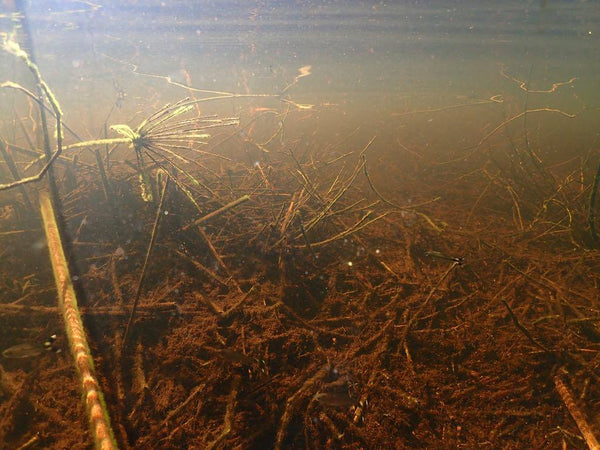
It’s turned into a minor obsession over the decades, and I’ve learned a lot along the way.
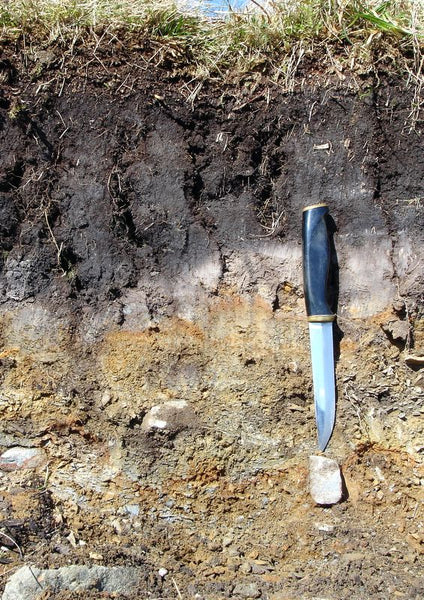
Many substrates in tropical regions which are subject to seasonal flooding are comprised of a unique class of soil, the”Podzols” -soils characterized by a whitish-grey subsurface, bleached by organic acids. They have an overlying dark accumulation of brown or black illuviated humus. These soils support the rainforests surrounding blackwater streams, yet are the most infertile soils in Amazonia.
Interesting.
And of course, my obsession with botanical materials to influence and enrich the aquarium habitat caused me to look at the use of certain materials for what I call “substrate enrichment” – adding materials reminiscent of those found in the wild to augment the more “traditional” sands and other substrates used in aquariums.
And in some instances, to replace them entirely.
When I began formulating and blending my own substrates, I called them “sedimented substrates”, because that’s what they are- consisting largely of clays, sand, soil, and other materials (mineral sediments!) which mimic some of the properties of the soils of South America and other locales that we find so compelling.
Forest floor soils in tropical areas are known by soil geologists as “oxisols”, and have varying amounts of clay, sediments, minerals like quartz and silica, and various types of organic matter. So it makes sense that when flooded, these “ingredients” will have significant impact on the aquatic environment. These “recipes” are not only compositionally different than typical “off-the-shelf” aquarium sands and substrates- they look and function differently, too.
Another interesting consideration is that these substrates have significant quantities of botanical materials in them, which, as we all know, help foster microbial growth as they decompose, which creates the aquarium equivalent of an “active substrate” employed by our herp friends.
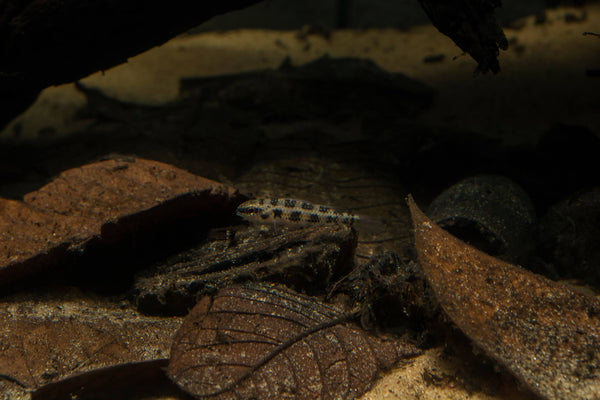
They’re intended to help foster the growth of beneficial bacteria, biofilms, fungal growth, and micro crustaceans, to help build up a functional, diverse benthic habitat in botanical method aquariums. They will help form the literal “base” of your botanical method aquarium system.
And another “bonus?”
A specialized igapó type substrate helps to create ecologically viable blackwater conditions within your aquarium by functioning as a living bio-chemical “engine” rather than a passive “base.” It shifts the aquarium from a “sterile” environment to a dynamic system through distinct ecological mechanisms.
So, yes, in summary, the most important role of these substrates is to form a habitat for various microorganisms, crustaceans, and other creatures to colonize and multiply, while creating chemical conditions which will impact the water chemistry in a positive manner. And that requires a substrate which not only includes the aforementioned sediments and such, but the botanical components as well.
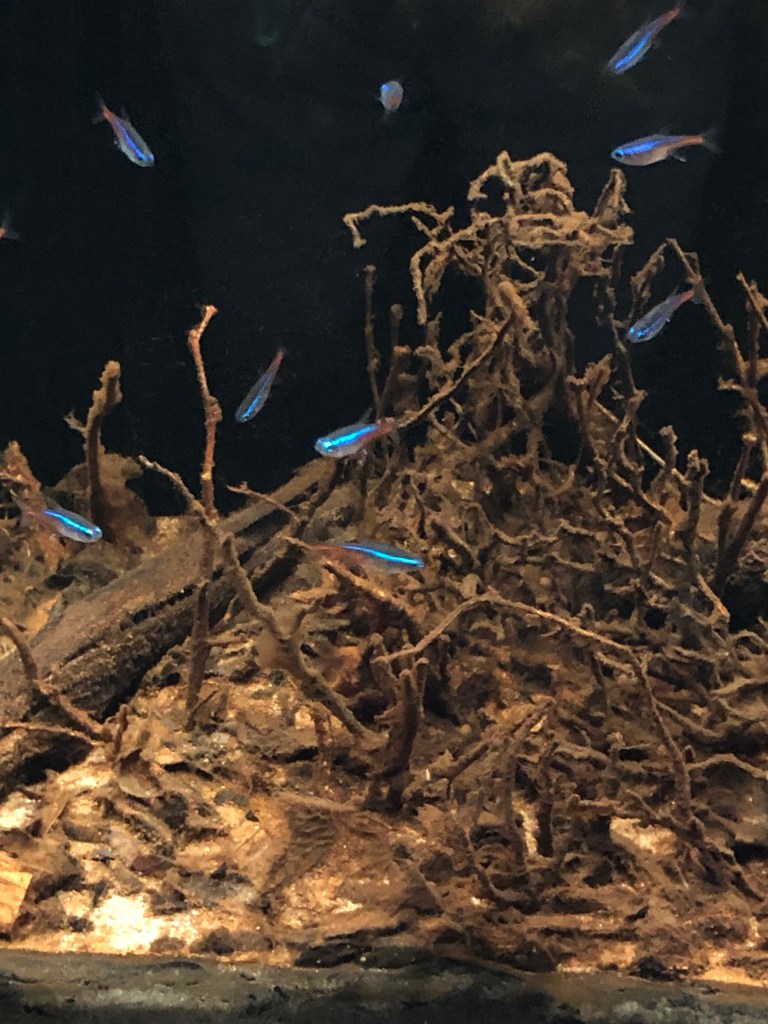
The mixing of materials not only looks interesting- it’s a reflection of the diversity and vibrancy of the underwater environment. And it’s exactly what you’ll see in the wild habitat, too.
An authentic igapó forest soil layer must mimic the natural nutrient-poor, acidic, and sandy podzol soils of the Amazon Basin. True igapó zones are flooded by blackwater rivers (like the Rio Negro), which carry very little mineral sediment. The soil is primarily quartz sand mixed with a highly acidic, slowly decomposing layer of organic matter (humus).
Unlike a typical heavy “dirted” tank (ie; Walstad method), an igapó soil layer must be lightweight, low in mineral nutrients, and highly acidic.
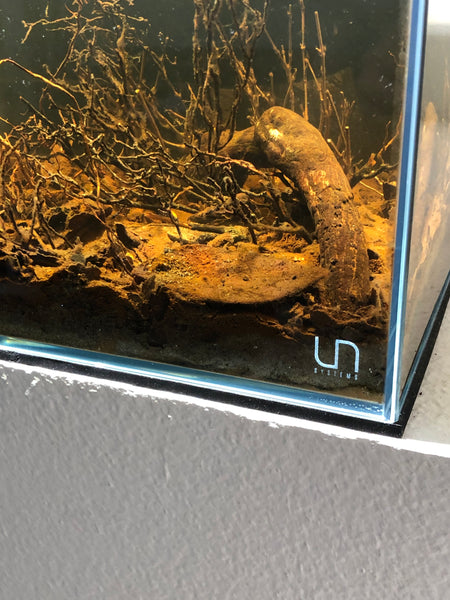
Over the years, I’ve created dozens of different mixes. Some worked great, while others needed some “tweaking!” However, they all sort of have similar “ingredients” or components.
I find myself refining and changing them regularly…a sort of geeky “sub-hobby” of mine. A bit messy, but fun!
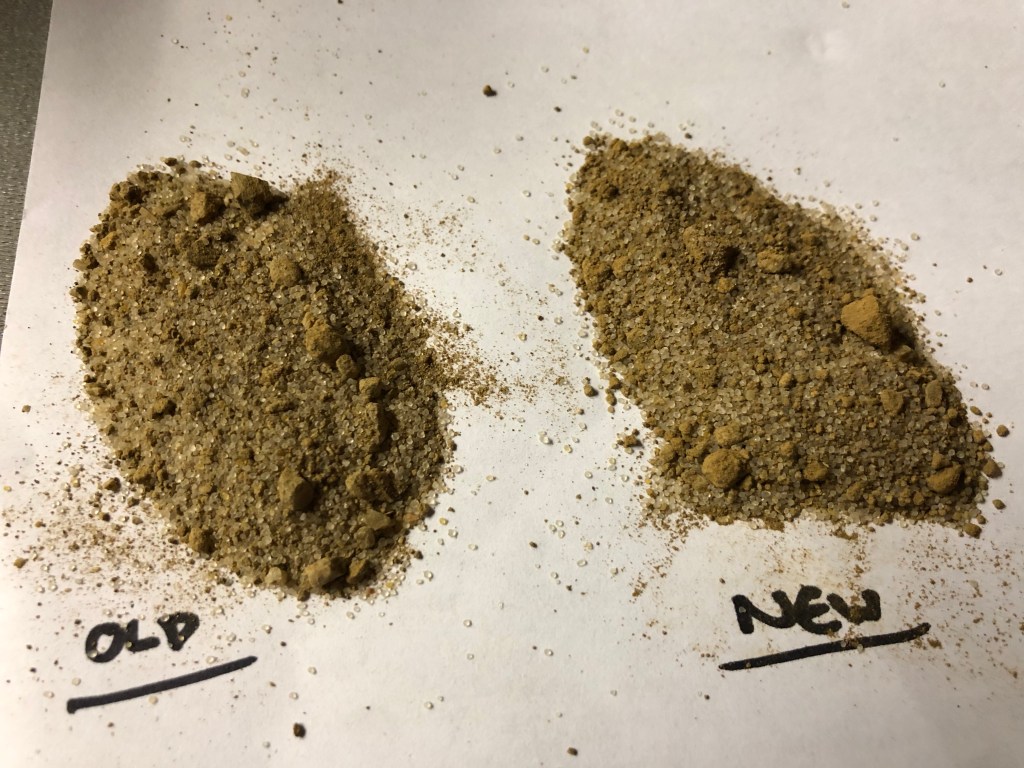
Because so many of you have asked, here’s a relatively easy Igapó-style “Organic Podzol” recipe, utilizing some “off-the-shelf” ingredients, for you to play with. You can use it as a basis for your own customized formulas, or just run with it as is. I’ve selected these materials because of the way they help foster both environmental/chemical conditions and the ecology that we’re seeking in our tanks,
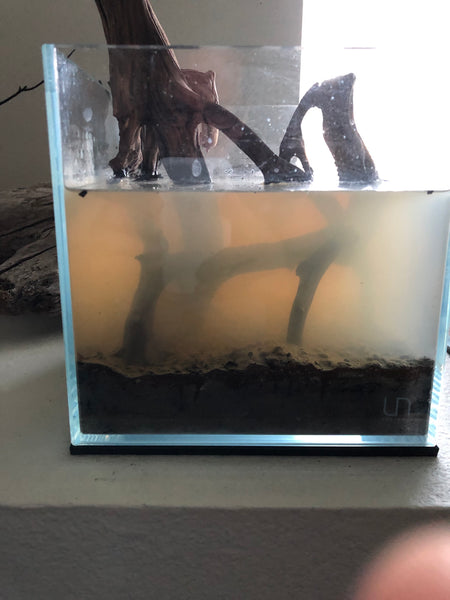
The “recipe” has a good ratio of materials to help do the job. Measure and thoroughly mix these components in a bucket to create enough soil mix for a 1-2 inch deep layer in your tank. I’ll leave the “mathing” to you to figure out how much of each “ingredient” you need to make enough for your tank, however. (Hell, I’m giving you the damn recipe- I’m sure you can sort out that part without my help! )
50% – Fine Inert Silica Sand: Use premium, fine-grain cosmetic silica sand (0.1–0.5 mm). This forms the “structural matrix”, preventing the organic materials from compacting into an anaerobic, gas-trapping sludge.
5% – Pre-Soaked Sphagnum Peat Moss: This is the critical engine for your water chemistry. It naturally lowers pH, buffers the water, and introduces the foundational humic and fulvic acids that give blackwater its signature tea color. Oh, and as far as ethics of peat? Your call. Go Canadian..They do a great job harvesting it sustainably, IMHO.
25%- Finely ground clay-based planted aquarium substrate: This will provide a key component which compliments the density of the silica sand nicely. I admit this is a bit of a “hack”, but sourcing some of the “sub ingredients” you’ll need for this component is time consuming and expensive, so these materials are a good “stand in”! Grinding it is a bitch, but it works well. Hit up Amazon for a cheap coffee grinder to make the job easier.
5% – Shredded Tree Fern Fiber or Coco Coir: This provides long-term, structural organic fiber. It prevents the soil from turning into “mud”and beautifully simulates the dense web of decaying terrestrial rootlets found on the forest floor. Get yourself to the nearest garden center- pronto!
15% – Pulverized Leaves or botanicals: Take dry, boiled Oak, Magnolia, Guava, Catappa leaves -or whatever variety is your fave-and run them through a blender or crunch them by hand until they form a fine, flaky powder. This introduces the initial organic biological layer.
The mixing of materials not only looks interesting- it’s a reflection of the diversity and vibrancy of the underwater environment. And it’s exactly what you’ll see in the wild habitat, too.
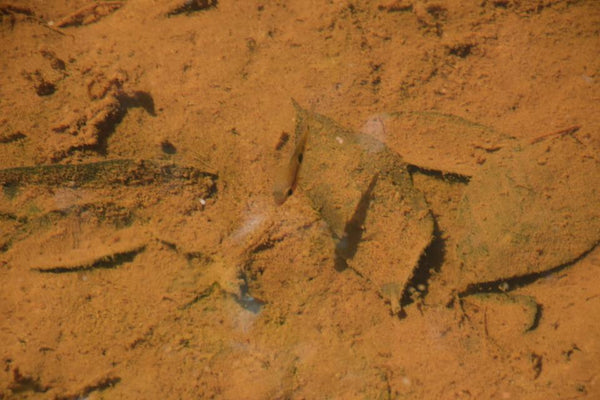
This mix is absolutely a sedimented substrate, though it represents a very specific “organic and alluvial” style rather than a heavy mineral clay. In the context of aquatic ecology, a sedimented substrate refers to any floor formed by the gradual accumulation and layering of fine particles, dust, and organic matter settling out of the water over time.
By blending ultra-fine silica sand with pulverized leaf humus/coir, peat dust, and delicate plant fibers, you are manually recreating exactly how a flooded forest floor captures drifting silt and botanical debris!It creates a soft, highly compressed, and active bed of fine sediment that allows roots to creep and organic mulm to naturally settle into the layers, just like a true river margin.
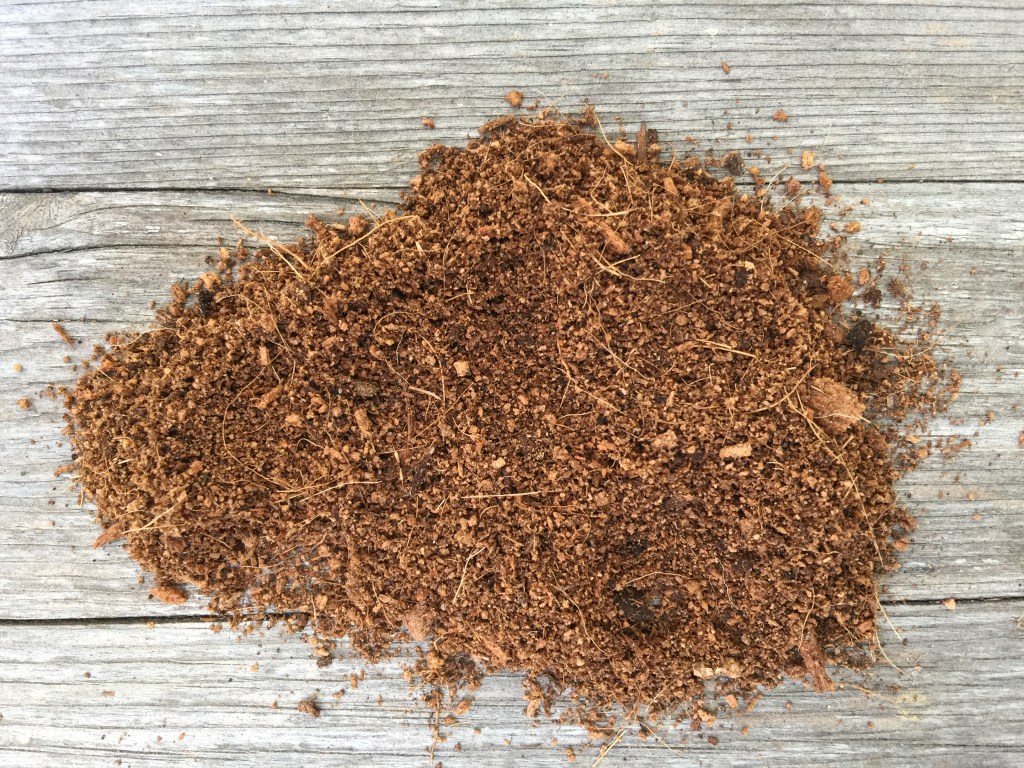
Putting it all together. requires a few extra steps.
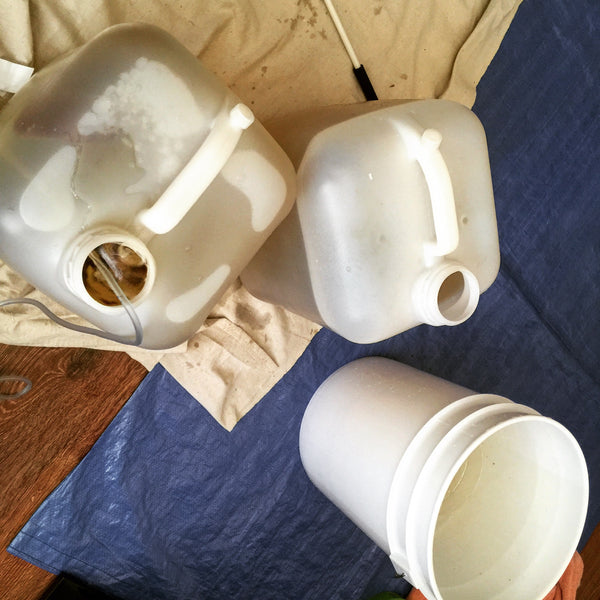
Peat.Coir/Fiber Preparation (Mandatory): Peat moss , fern fiber, and coir float aggressively. Before mixing with the rest of the ingredients, place your peat moss/fiber /coir in a bucket of boiling water, stir thoroughly, and let it sit overnight. Same goes for the coir. Squeeze out the excess water before mixing it with your sand. Just like back in your killifish days, right?
When it comes time to add this to your tank, spread your mixed substrate evenly across the bottom of the dry aquarium, aiming for a depth of roughly 1 inch (2.5 cm). to 2″ maximum.
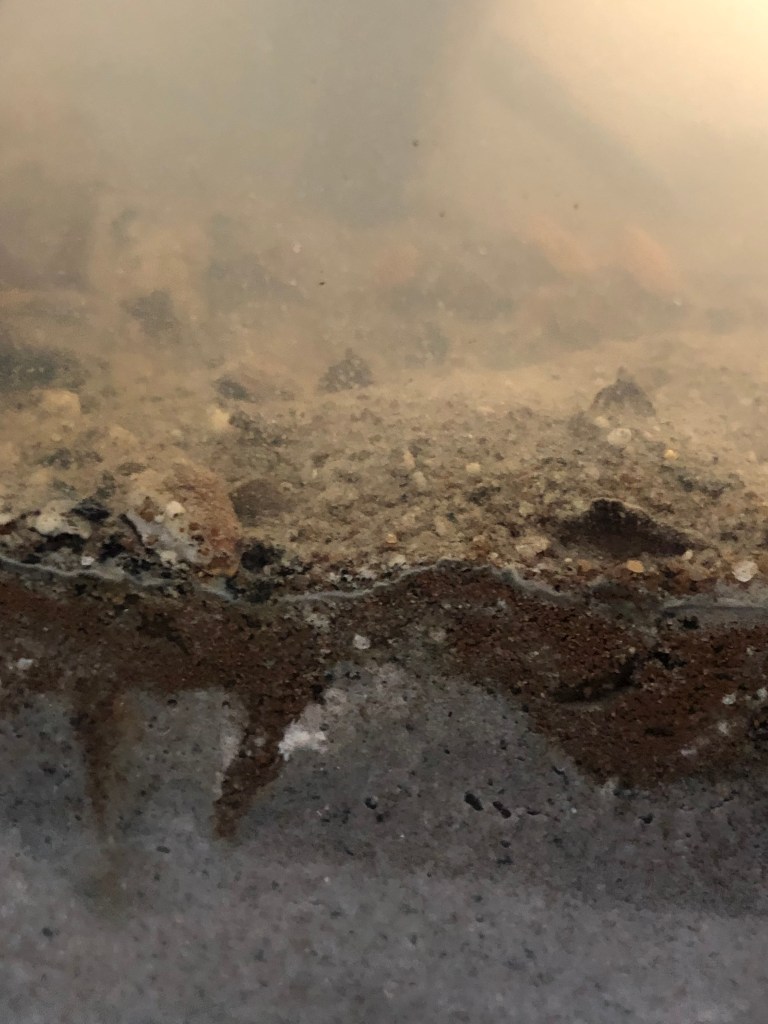
Pack and Compress: Gently press down on the mixture with your hands to eliminate large pockets of trapped air, but do not pack it so hard that it turns into bricks. Not that it would, but the idea is simply to not compact the stuff down too much!
Then you need a “Sand Cap”, right?: NOOOO! Why bother? Mix that shit up! Your tank will be a cloudy mess for a few days, or longer. So what? That’s what happens in Nature. Be patient. Deal. No fucking sand cap! Okay, seriously, if you want to sprinkle a bit more of your sand of choice on top, I won’t fault you. I just had to bust your chops for a bit there…
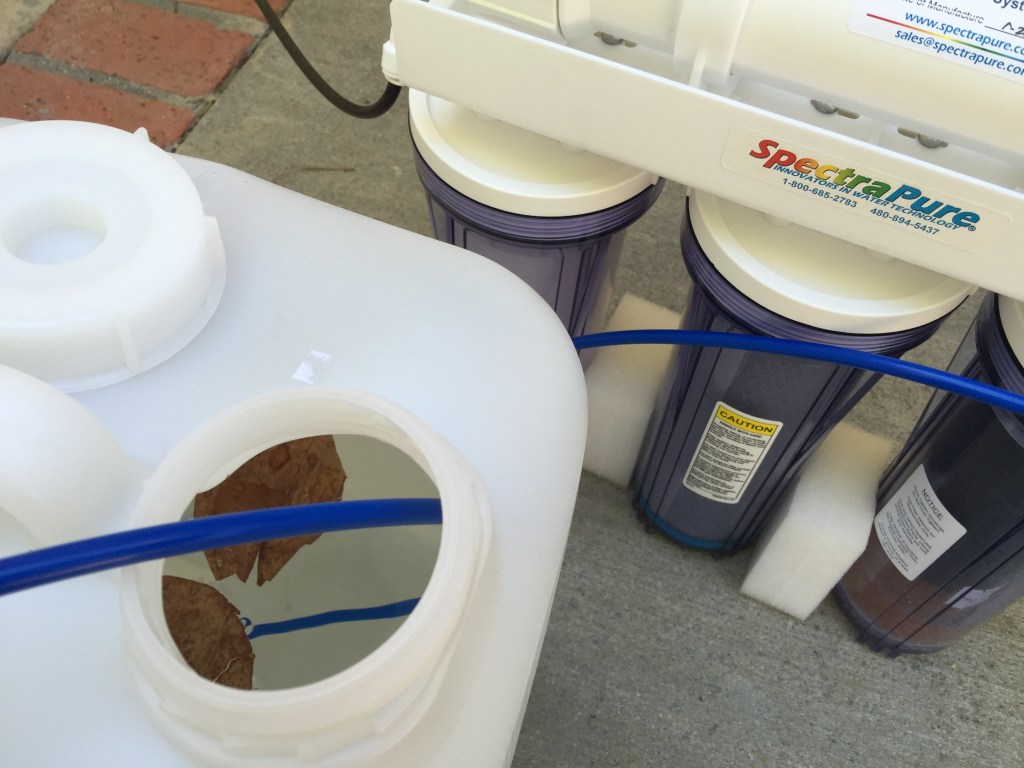
Fill the aquarium with RO/DI water. Not tap water, if you really want a lower pH.
You’re done. For now.
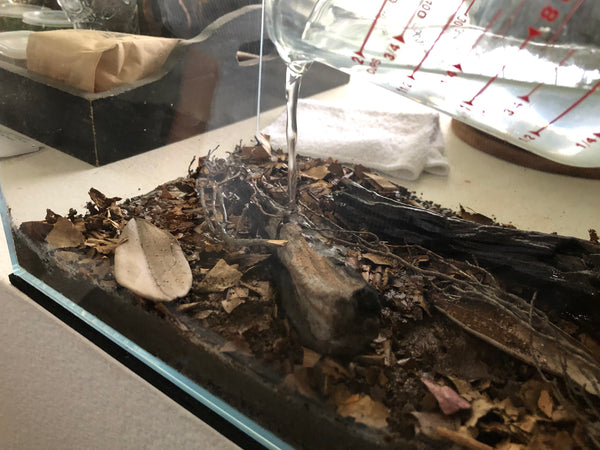
You’re probably curious how this mix of weird stuff will impact the aquatic environment, right?
The peat moss and decomposing leaves in your igapó soil recipe act as natural “ion exchangers”, releasing humic and fulvic acids while absorbing mineral ions. Because this mimics the chemical behavior of a blackwater ecosystem, it will significantly lower both your pH and carbonate hardness (KH) over the first few weeks.
Your KH will hover around 0 degrees (dKH). The organic acids produced by the soil actively neutralize carbonate ions in your water. In a true igapó ecosystem, KH should be completely undetectable (0–1 dKH). Without carbonates, there is no mineral “buffer” to resist pH changes, allowing the water to become naturally acidic.
As the peat hydrates and humic acids leach through the substrate, your pH will drop. If you do start with average tap water (pH 7.4–7.8), it will likely fall into the mid-6s within the first 7 days. With RO, it can and likely will go significantly lower to start.
Time to invest in a low-range Ph tester. Go digital. They’re not cheap, but you’re worth it.
Once the KH is depleted, the pH will settle into its stable, acidic target range—typically between 5.5 and 6.5, depending on the initial mineral content of your source water. Could be lower…but will likely be stable.
If you refill the tank with mineral-rich tap water, the incoming carbonates will clash with the soil’s acids, causing massive, stressful pH bounces- not to mention, possible ammonia issues- so don’t do that. Use Reverse Osmosis (RO) or distilled water.
Without a KH buffer, the pH can technically drop below 5.0 if left unmonitored. While wild igapó fish handle this easily, aquarium biological filtration (beneficial bacteria) slows down dramatically below a pH of 6.0.
Long-term management of an igapó blackwater system requires shifting away from traditional aquarium maintenance. Because this ecosystem relies on zero carbonate hardness (KH) and controlled decomposition, success depends on preserving chemical stability and managing the organic lifecycle of the substrate.
Standard water changes can destroy the delicate chemical balance of a blackwater tank, so be careful about the type of water you employ. Never use tap water.
Refill the tank using Reverse Osmosis/Deionized (RO/DI) water to achieve a General Hardness (GH) of 1–3, keeping KH at 0.
Large water exchanges cause catastrophic pH swings. Limit your exchanges to 10%–15% every two weeks. Do not use a “gravel vac” on your tank or siphon the substrate layer. The “mulm” (decomposing organic dust) that settles on the sand is highly beneficial. It houses micro-fauna and acts as a natural biological filter.
Leaves will dissolve every 4–8 weeks or so, while hard seed pods can last up to a year. Never pull out old, decaying leaves unless they are completely skeletal. Instead, simply drop freshly boiled, cooled leaves right on top of the old ones. This creates natural, realistic layers.
In traditional aquariums, beneficial nitrifying bacteria process ammonia efficiently at a neutral pH. However, once your igapó system settles below a pH of 6.0, traditional nitrifying bacteria go dormant and cease functioning.
Could it be that some of the challenges in “cycling” what we define as “lower ph aquariums” are a by-product of a sort of “no man’s land” where the pH is too low to support a large enough population of functioning Nitrosomanas and Nitrobacter, but not low enough for significant populations of Archaea to make their appearance?
Maybe?
I’m totally speculating here. I could be so off-base that it’s not even funny, and some first year biology major (who also happens to be a fish geek) could be reading this and just laughing…
Yet, I still can’t help but wonder- is this a possible explanation for some of the difficulties hobbyists have encountered in the lower pH arena over the years? Part of the reason why the mystique of low pH systems being difficult to manage has been so strong?
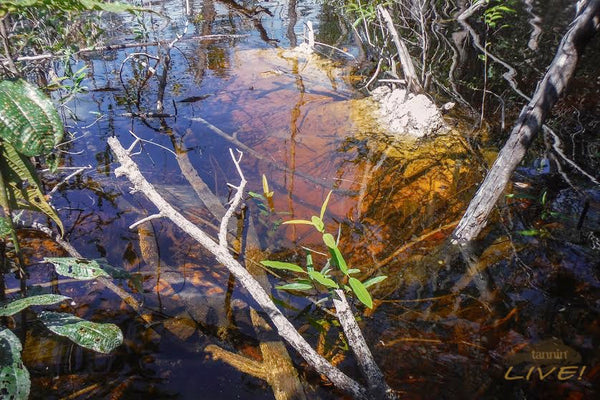
And then- you think about the pH levels in some natural, well-populated (by fishes!) blackwater habitats falling into the 2.8-3.5 range, you have to wonder what it is that makes life so adaptable to this environment. You have to wonder if this same process can- and indeed does -take place in our aquariums. And you have to wonder if we simply aren’t working with these tanks in a correct manner.
Particularly, when they fall into what we’d call “extreme” pH ranges. I wonder if the “crashes” and fears and all sorts of bad stuff we’ve talked about in the hobby for decades were simply the result of not quite understanding the “operating system?”
I’m kind of thinking so.
Things just work differently at those lower pH levels- in nature, and in our aquariums.
Suffice it to say, it’s not “disaster time” when you get into this range- it just requires greater understanding and a different approach to nitrogen cycle management. Taking the time to learn about the arena in which you’re playing. Learning the rules and dynamics, and adjusting your practices to accommodate the requirements dictated by these parameters.
I think that the real key ingredient (besides knowledge) to managing a low pH system (like any system) is our old friend, patience! It takes longer to hit an equilibrium and/or safe, reliable operating zone. Populations of the organisms we depend upon to cycle waste will take more time to multiply and reach levels sufficient to handle the bioload in a low-pH, closed system containing lots of fishes and botanicals and such.
Study and have a game plan.
Or, as one of my buddies so eloquently put it during one of those alchohol-fueled late-night fish conference discussions some years back, “The idea is not to kill fish with this shit…” Yup. You don’t “dabble” in very low (aquaristically-speaking) pH systems-or any specialized aquatic system, really- without a game plan. Oh, and a fairly good understanding of water chemistry- like, way better than what I have.
Allow the tank to cycle for 6–8 weeks before adding any livestock. This gives specialized, acid-tolerant archaea and microbes time to colonize the porous peat and fern fibers in your soil layer. To protect the delicate balance of your igapó floor, select small, peaceful species that interact gently with fine sediments.
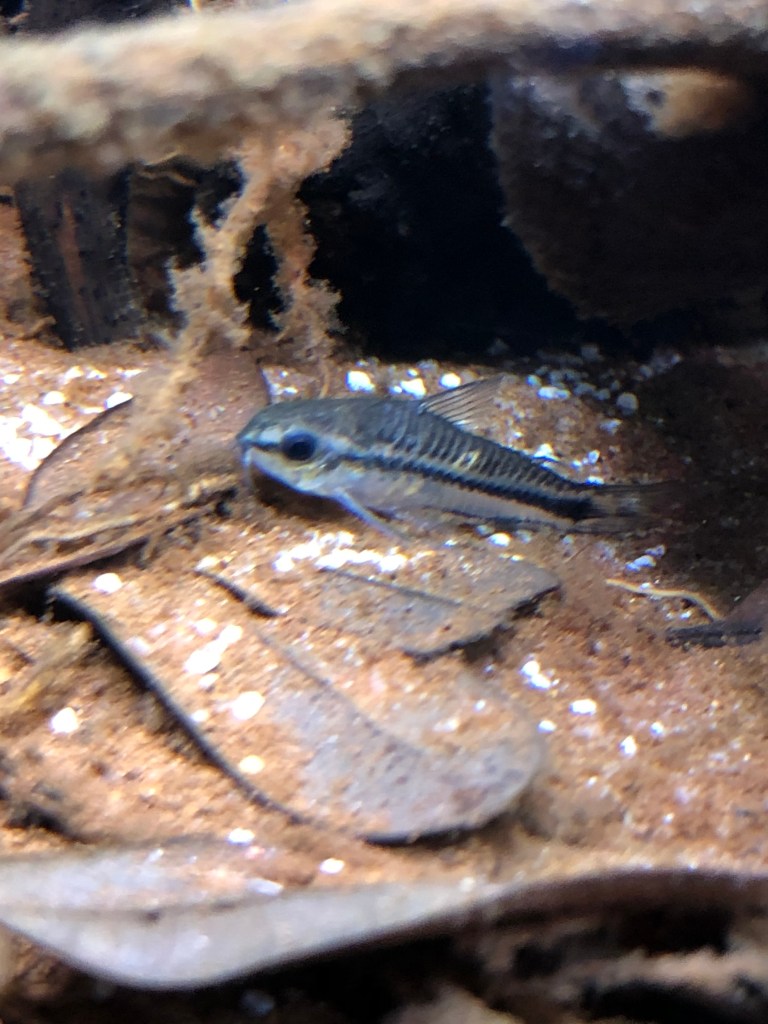
Because biological filtration is slower in acidic water, keep your initial fish stocking density low. In fact, do everything slowly. Monitor parameters using test kits that function at low pH, if testing is your thing (and it should be, really).
Scary chemistry lesson time:
Oh, a lot of people talk about ammonia and how it works at low pH in aquariums, so I’ll address it here briefly. I’ve been putting off this discussion for years, because I’m not the best at explaining stuff like this- but I might as well touch on it now.
I hope I’m explaining this in a way that makes sense to you:
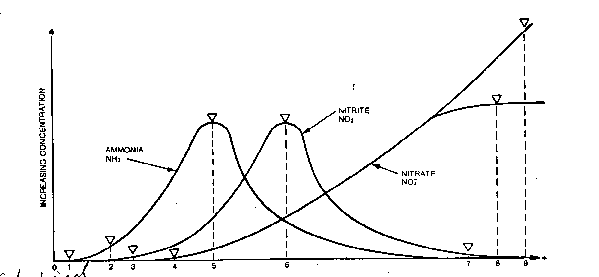
Because an acidic environment contains an abundance of free hydrogen ions (H⁺), toxic free ammonia (NH₃) instantly absorbs an ion and converts into ammonium (NH₄⁺). Ammonium is ionized and cannot easily pass through a fish’s gill membranes, making it harmless even at surprisingly elevated levels!
While “total ammonia” is safe while the water stays acidic, it represents a possible problem. Why? Well, if you introduce an alkaline buffer to the water, or perform a large water change with high-pH tap water, the pH will suddenly rise!
The moment the pH climbs, those extra hydrogen ions are stripped away, instantly converting the harmless ammonium back into highly toxic, lethal free ammonia gas (NH₃). You can literally kill fish in minutes! This is why introducing tank water into a bag of fishes that have been shipping for many hours can be deadly! (Every tropical fish wholesaler has stories about that, trust me…)
Although I’ve never had issues with ammonia in my tanks, it IS a possibility that you could have some issues if you’re not careful with water changes at some point..
And most test kits are very challenging to use in acidic environments, particularly ones with tannins tinting the water, preventing accurate color interpretation.
However, there is a cool tool you can use for “emergency” indication: The Seachem “Ammonia Alert” badge! I love them. In normal operating conditions, it will change color to let you know you’ve got an ammonia issue. Of course, these are not “normal operating conditions” for the product, so using it requires some nuance and understanding.
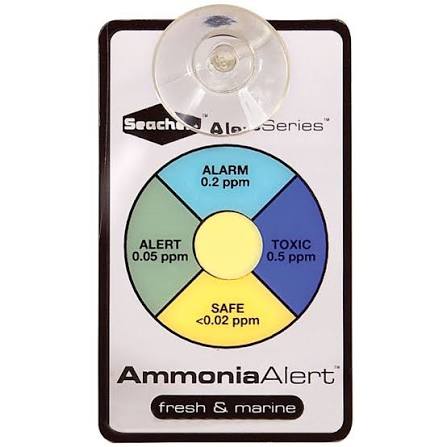
As established by Seachem, the product is explicitly “not recommended for use at acid pH” for tracking minor fluctuations! Well, we’re not using it for that purpose, really. In a low-pH igapó aquarium (pH 5.5 or lower, up to 6.0), practically all of total ammonia instantly binds into non-toxic ammonium (NH₄⁺).
The badge functions continuously by utilizing a specialized, hydrophobic gas-exchange membrane that completely isolates the internal chemical indicators from the liquid aquarium water. Only true, gaseous Free Ammonia (NH₃) is small enough to pass through the microscopic pores of the dry membrane. Because there is no free NH₃ gas to pass through the membrane, the badge will remain yellow. (safe)
Oh? Not helpful, right?
Actually, this makes it a highly reliable emergency alert!
If your low-pH “Ammonia Alert” badge ever turns green, it means your total ammonia has spiked so high that toxic free ammonia is breaking through—signaling a big time emergency!
So, see- you sort of can have an “Ammonia Early Warning System” if it makes you feel better!
Alright, enough scary chemistry stuff for now. And that’s today’s unpaid product endorsement, lol.
I’m frequently asked about filters and filter media for these types of systems. Most of the tanks I employ are “all-in-one” (AIO) tanks, with a chamber in the back. Often I run them without any media! However, when I do, it’s mechanical media. The best filtration media for an igapó blackwater setup focuses on physical particle removal and providing surface area for acid-loving microbes, without removing beneficial humic acids.
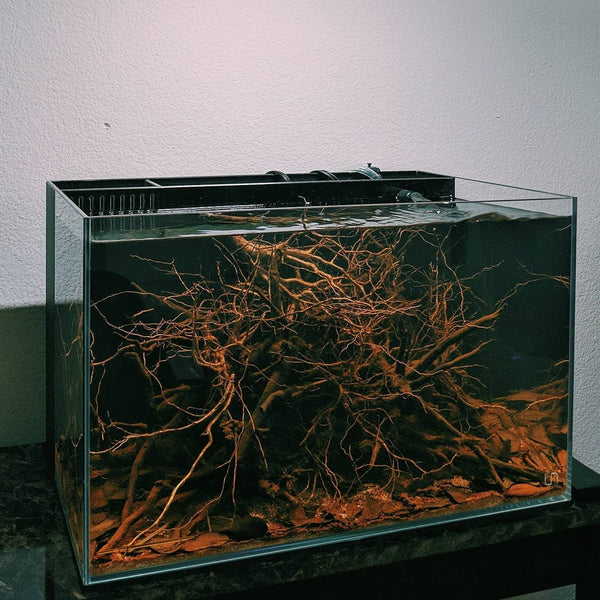
As I mentioned, water with a pH below 6.0, traditional nitrifying bacteria go dormant. Specialized, acid-tolerant microbes (archaea) take over. If you’re trying to recruit these guys, I’d simply employ a highly porous, stable media. in whatever filter you’re using.
Materials like Seachem Matrix, Eheim Efi-Mech or other ceramic media offer massive internal surface area- ideal for slow-growing, acid-tolerant biological colonies. The peat and tree fern fiber already inside your soil recipe act as an excellent secondary biological filter.
A common issue in many “blackwater” aquarium setups is the “tint-and-fade” cycle caused by adding loose leaves on top of a typical substrate. A specialized substrate helps to resolve this by storing highly compressed organic material within its structure. These layers continuously leach humic acids, fulvic acids, and tannins into the water column over months, ensuring a stable, deep amber tint rather than sudden chemical spikes.
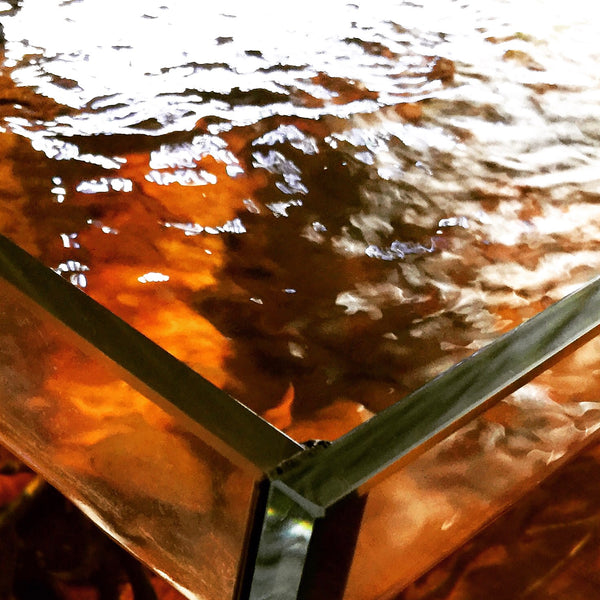
As the buried tree fern fibers and crumbled leaves slowly decompose within your substrate, they form an extensive network of beneficial fungal hyphae and bacterial biofilms. The humic substances continuously released by the substrate are not just aesthetic; they are biologically active compounds.
In Nature, blackwater streams have incredibly low overall bacterial counts because humic acids possess potent, natural astringent and antimicrobial properties. In the aquarium, this specialized substrate-in theory-creates a mild antiseptic environment that protects specialized fish from external parasites, fin rot, and fungal infections, directly compensating for their naturally delicate immune systems.
By dropping the pH below 6.0, the substrate naturally forces a shift in the tank’s biological filtration. Traditional Nitrosomonas and Nitrobacter bacteria die off or go dormant in highly acidic water. The highly porous peat and fibrous root networks within the soil provide the perfect micro-environment for acid-tolerant Ammonia-Oxidizing Archaea (AOA) to colonize. We’ve talked about these guys before. These primitive microbes slowly take over the nitrogen cycle, ensuring the tank can safely process ammonia without traditional bio-media.
Archaeans include inhabitants of some of the most extreme environments on the planet. Some live near vents in the deep ocean at temperatures well over 100 degrees Centigrade! true “extremophiles!” Others reside in hot springs, or in extremely alkaline or acid waters. They have even been found thriving inside the digestive tracts of cows, termites, and marine life where they produce methane (no comment here) They live in the anoxic muds of marshes (ohhh!!), and even thrive in petroleum deposits deep underground.
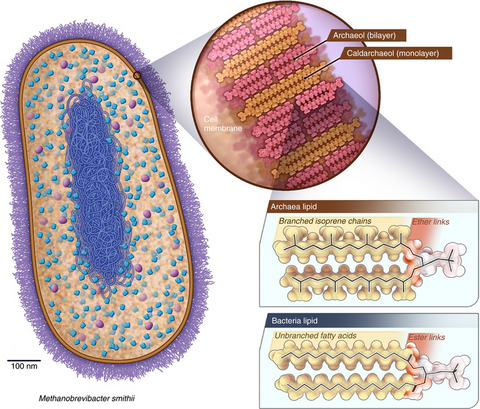
(Image used under CC 4.0)
Yeah, these are pretty crazy-adaptable organisms. The old sayings that “If these were six feet tall, they’d be ruling the world…” sort of comes to mind, huh?
Yeah, they’re beasts.…literally.
A specialized sedimented igapó substrate transforms the aquarium from a sterile box into a living cradle of the forest floor, gently pulling minerals from the water to dissolve the “hard edges” of our modern water supply and welcome a softer, more ancient state of Nature.
And the way that your fishes will interact with the substrate is a remarkable parallel to Nature!
In the wild, benthic dwellers like Corydoras or small cichlids spend their days gently sifting through this sedimented floor, using their sensitive barbels and mouths to sort organic particles without damaging their delicate faces on sharp minerals.
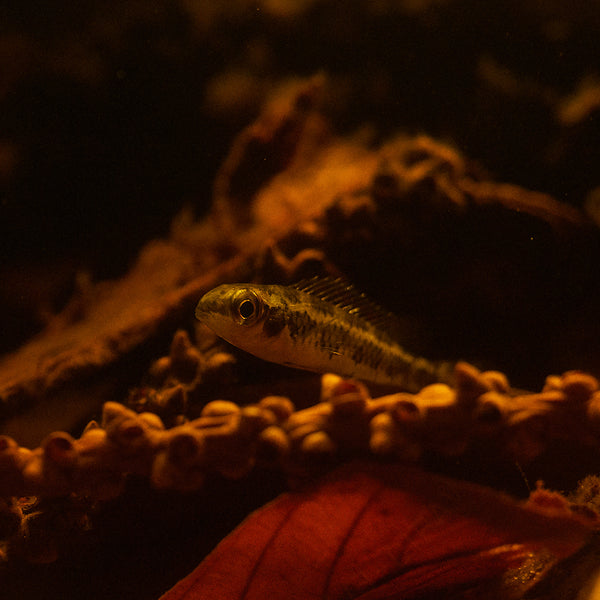
Within the deep, compressed depths of this fine layer, a specialized gas exchange takes place where oxygen penetrates only the topmost few millimeters, creating a calm, low-oxygen “underworld” beneath that allows organic matter to break down at a slow, peaceful pace without releasing dangerous gases into the water above.
You’re not just creating an environment for your fishes- you’re fostering appropriate ecological conditions for the organisms which will provide “filtration” for your entire aquarium system.
We’re already seeing aquarists move beyond simply keeping fish, towards cultivating entire ecosystems. The next frontier of the botanical method aquarium movement won’t be finding the newest leaf or the rarest seed pod. It will be learning how to establish, nurture, and understand the invisible communities that make those materials come alive.
In many ways, that’s exactly what ecologists have been teaching us all along: Habitat is only half of the story. Life is the other half.
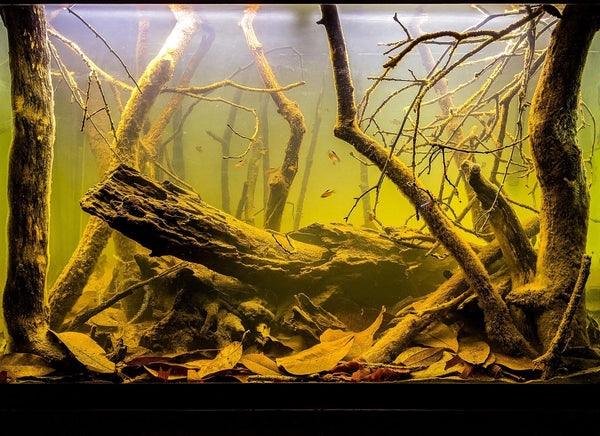
By mimicking the endless dance of fallen leaves and slow decay, it infuses the environment with protective humic acids that act as a nurturing shield for delicate life.
In this amber sanctuary, even the invisible microbial world quietly shifts away from conventional paths, aligning instead with a deeper, primordial rhythm that allows a fragile ecosystem to find true harmony in its own slow, dark peace.
I hope that you enjoy experimenting with your own specialized substrate, and exploring the many exotic places it can take you.
Have a pleasant journey!
Stay bold. Stay thoughtful. Stay observant. Stay curious…
And Stay Wet.
Scott Fellman


 The Tint
Leave a comment