
Okay, it sounds like the name of a dive bar or really crappy seafood restaurant, but let’s talk about the one cichlid that I actually love! The “Orange Chromaide”, Pseudetroplus maculatus .
Like many hobbyists who play with brackish water tanks, I’ve found over the years that it’s mighty tricky to source genuine brackish water fishes. Through lots of follow up and a bit of luck, I have managed to secure fishes from these types of habitats from time to time, which is, of course, paramount if you’re trying to recreate one of these habitats in your aquarium!
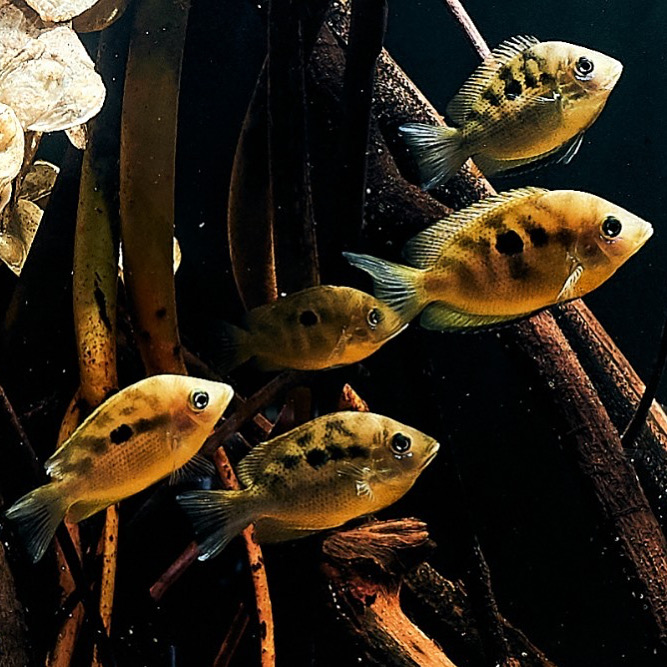
Enter the Orange Chromide cichlid…
As most of you know, I’m no huge cichlid fanatic, but there are some which have found their way into my heart over the decades. One of these is a genuine hobby legend, which just happens to be one of my fave all-time fishes: The venerable “Orange Chromide”, Pseudetroplus maculatus – a cichlid with a very weird popular name.
Despite being a cichlid (😆), the Orange Chromide is a relatively easy-going fish that tops out at about 4″ in size, which is a huge plus in my book. And, being one of the very few species of cichlids which comes from India, it’s even more interesting. In fact, there are just three species which are native to India: Etroplus suratensis, Pseudetroplus maculatus, and the cool and hard-to-find Etroplus canarensis.
Oh, the name. It drives me crazy:
The official Meriam-Webster origin of the name is, “chromide, ultimately from Greek chromis, a sea fish”
A sea fish? WTF?
Yeah, not really satisfying. And it begged me to do little more digging, of course!
Now, interestingly, the fish was originally described by the ichthyologist Bloch in 1795 as Chaetodon maculatus…and if this genus sounds familiar to us saltwater aquarium geeks, it should– that’s the same genus in which many marine Butterflyfishes are found! And, the fish seems to bear at least a very superficial physical resemblance to a marine Butterflyfish of that genus at first glance…
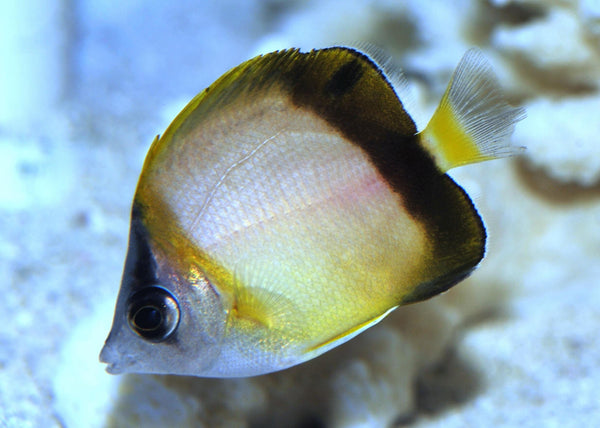
So, the “Chromide” part of the popular name refers to its appearance as a “sea fish”, or chromis. And, to add a final note of confusion to this taxonomic/popular name scramble, Chromis is a popular genus of colorful marine Damselfishes… So the popular name of this fish is based on it being confusingly (yet superficially) similar in appearance to a marine fish…
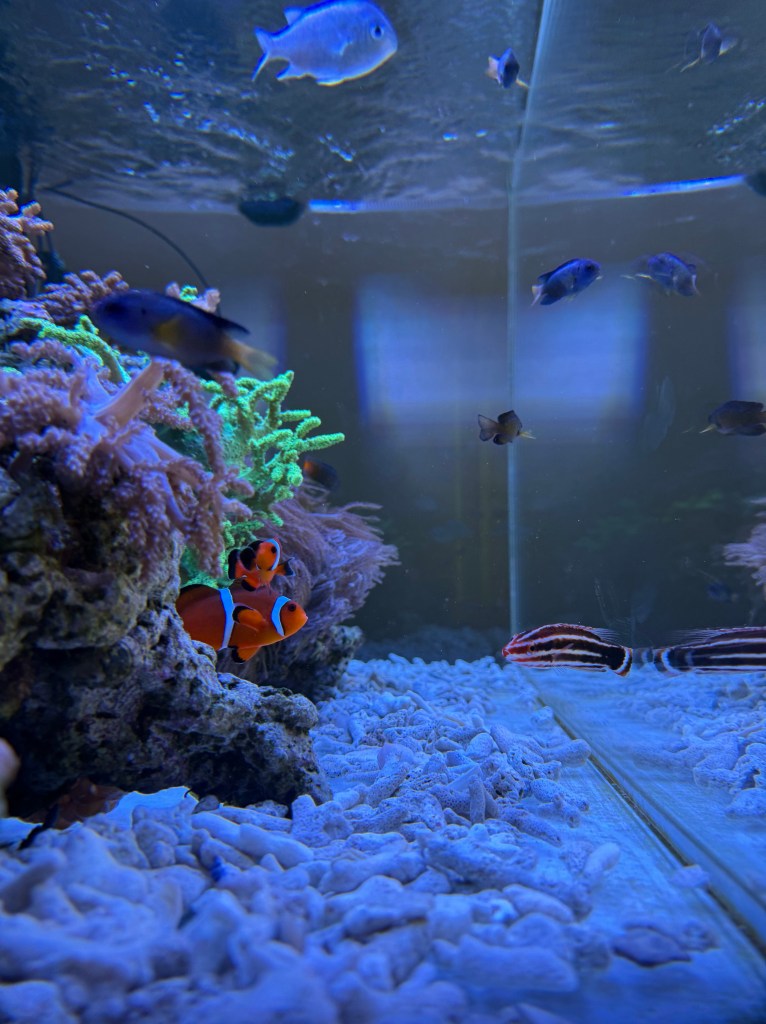
Oh, weird, right?
Yeah, even though this tangle is about confusion with the Latin name, it plays into the common name- and that’s why common names are often fraught with problems! For the ultimate in accuracy, we should at least have a working familiarity with the Latin species names of our fishes. Oh, and this little fish has been bounced around a few genera over the years, from Chaetodon to Etroplus, and finally to Pseudetroplus!
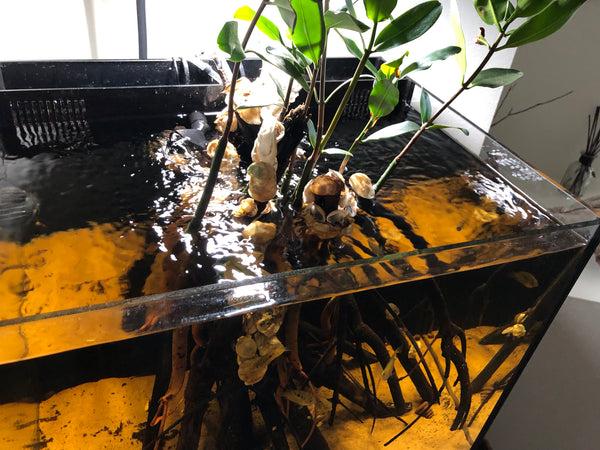
Okay, whatever you call it…This is a pretty interesting fish! Even if it IS a cichlid!😆
And, about that “brackish-water thing”…
The Orange Chromide endemic to freshwater and brackish streams, lagoons and estuaries in southern India and Sri Lanka. And of course, as soon as we in the hobby hear the word “brackish” when discussing some of the natural habitats in which the fish is found, it forever becomes exclusively a brackish water fish!
That’s just how it goes in the aquarium hobby, right?
The reality is that the Orange Chromide is classified as a euryhaline fish, and mostly inhabits brackish estuaries, coastal lagoons and the lower reaches of rivers.
Euryhaline.
Damn, we’ve heard that term before, haven’t we?
EU·RY·HA·LINE (YO͝OR′Ə-HĀ′LĪN′, -HĂL′ĪN′) ADJ. – CAPABLE OF TOLERATING A WIDE RANGE OF SALT WATER CONCENTRATIONS. USED OF AN AQUATIC ORGANISM.
That single definition seems to give us as hobbyists the freedom to label the fish as a “brackish water fish”, despite the fact that it has the ability to live in both pure freshwater and brackish water conditions.
It helps to know exactly where your specimens come from, right?
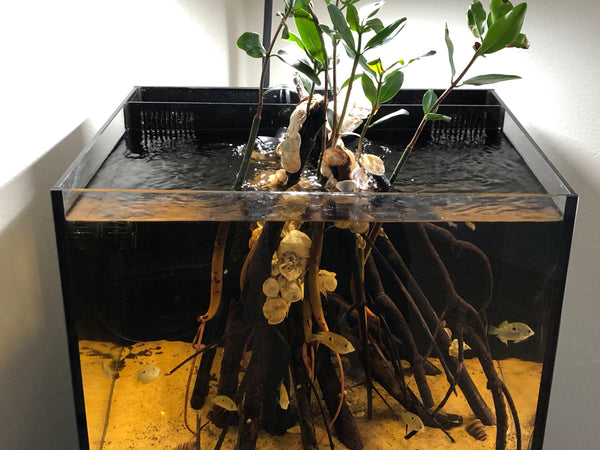
I was lucky when I sourced my specimens, as there was no ambiguity about what type of habitat they were originally from. Or should I say, where their parents came from. They were actually F1 from parents collected in a brackish water lagoon in the state of Karnataka in western India, and they were raised in brackish water, so I was pretty happy to be able to keep them in a brackish aquarium and have the confirmation that they were only a generation removed from a natural brackish water habitat!
Okay, all well and good for me, but what if you’re not so sure about where your Chromides come from? Well, as we discussed a minute ago, they are euryhaline fishes, and can adapt to brackish relatively easily. You just need to do it very gradually, like over a week or more.
Now, one thing I will tell you about these fishes is that, despite their peaceful reputation, and relatively small size, they can be little shits among themselves.
These guys are pretty social…but they also have a social order, which is maintained when feeding and even schooling. The “Alpha male” generally gets to eat first, followed by the less dominant specimens..and of course, he leads the “pack” when they school in the tank (and they do, which is pretty cool!).
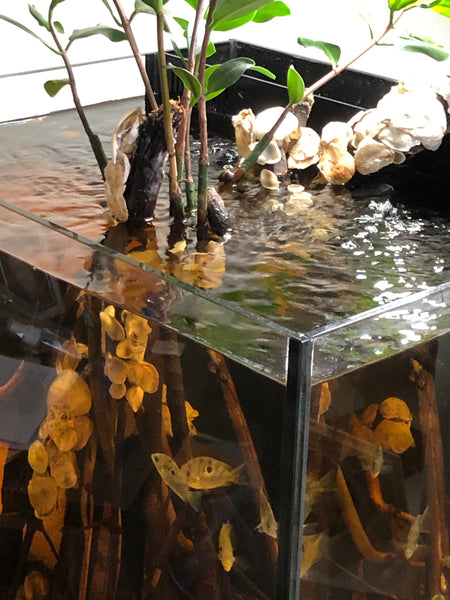
And, yeah, the social order in a group of these guys is a big deal.
The dominant fish WILL, indeed pick on the weakest ones. In fact, I lost a few over the years due to a super aggressive dominant male essentially bullying and beating the shit out of the subordinate ones in my group before I could remove them.
It sucks.
However, I will tell you to keep them in a group. Not only do they seem to be happier that way, but they display the most interesting behaviors- short of this harassment of the really weak ones. I’d love to tell you that, with a large enough tank, this won’t be as big an issue, but I kept mine in a decent-sized tank with lots of hiding spaces and it still was an issue, so…
Another thing about these fishes that you will read is that they are relatively intolerant of poor water quality. Without sounding like an arrogant S.O.B., I’d have to tell you that I won’t dispute this, but can’t confirm it, because- like most of you- I maintain high water quality in my tanks! It’s one of those things that I will just typically accept as a given.
Like many cichlids, spawning is typically a given, given the passage of time and under appropriate environmental conditions. (ie; being in water…)
In the wild, the Orange Chromide spawns in shallow water, typically in a depression in the substrate excavated by both parents. What that tells you, BTW, is that this fish is best kept in a tank with sand, sediment, or other soft substrate materials if you intend to breed them.
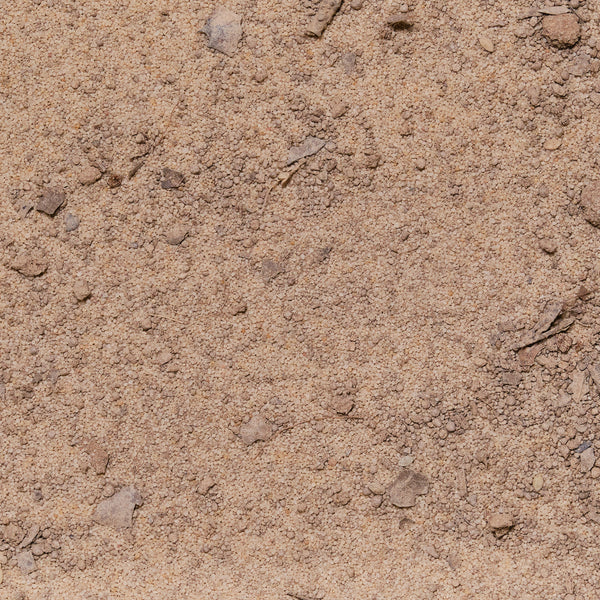
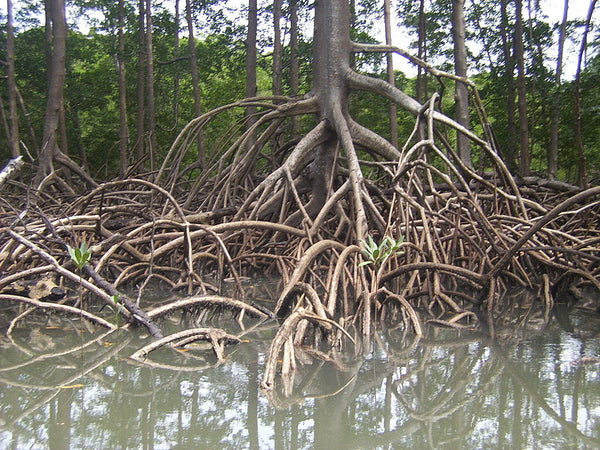
It’s time to play with dirt, sand, soil, mud, silt, decomposing leaves, branches, marginal plants, roots…materials which replicate both the appearance and function of natural habitats from which many of our fishes come. And, if utilized skillfully and thoughtfully, can yield “functionally aesthetic” aquariums far different and unique from anything previously attempted in the aquarium hobby. Another call to the evolved, botanical-style brackish-water aquarium!
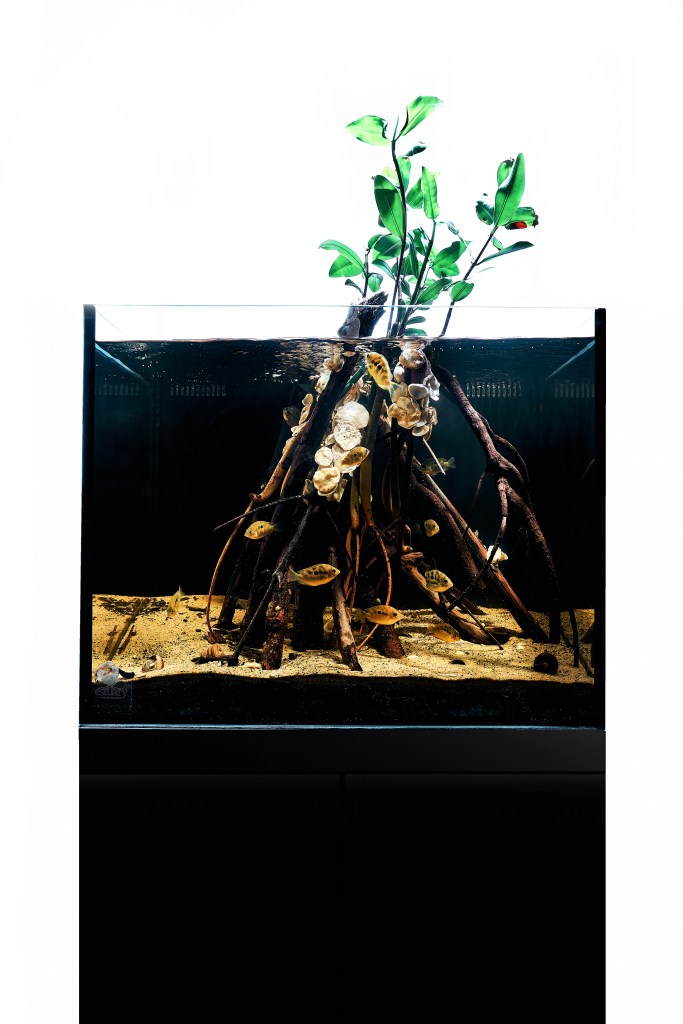
For a group of 5–6 Orange Chromides, I’d have to say that a 55-gallon (210-liter) tank is the absolute minimum. A 75-gallon tank or more is highly recommended to provide enough physical space for these guys to co-exist without too much stress over territories. In my Chromide system, I used a 50 gallon cube shaped tank, not the best choice- and I think I could have done much better with a larger tank. Don’t be like me...go big!
A couple of considerations specific to these fishes to maintain some domestic tranquility:
Employ line-of-sight breaks: Use large pieces of structure (like mangrove roots) to break up visual fields. If a bullied fish can swim behind a rock out of the dominant fish’s sight, the aggression stops instantly.
Create multiple territories: Create at least three distinct “zones” at opposite ends of the tank. This allows multiple pairs or sub-dominant individuals to claim their own safe zones without constant fighting.
Fighting, although not something we love to see, appears to be a fairly common behavior with these fish. In my experience, these little “squabbles” rarely lead to injury or damage. However, over time, the constant harassment by larger fishes can cause stress to the smaller guys…And stress equals health problems long term, right? Another reason to go larger with your tank selection.
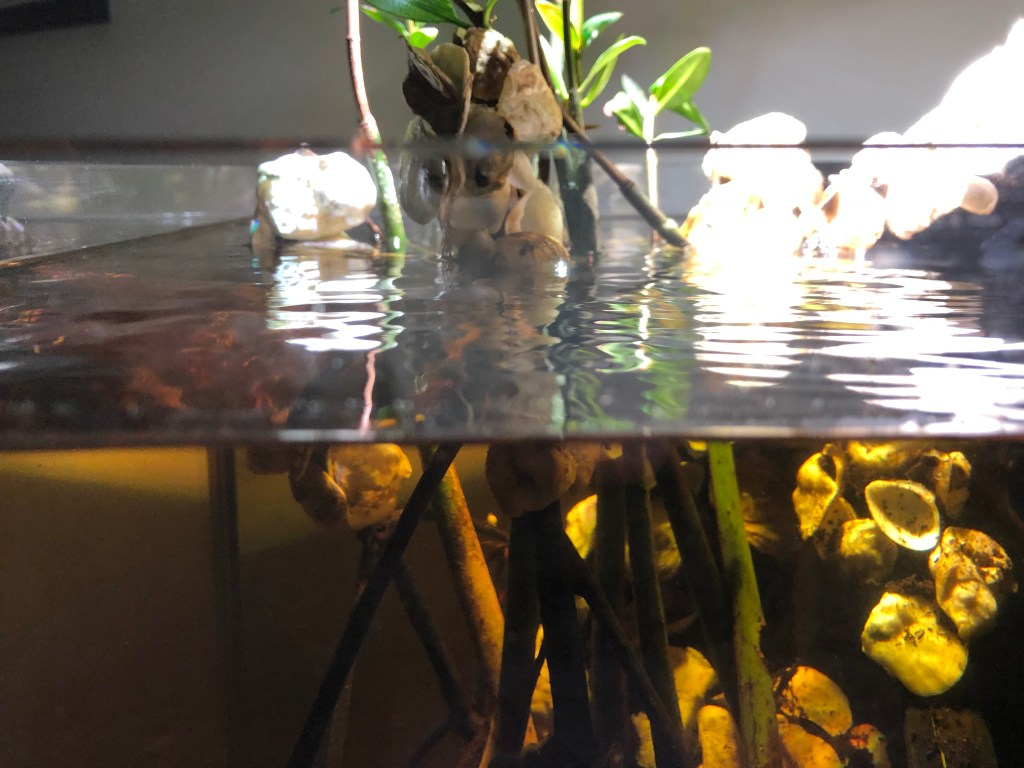
In Nature, Orange Chromides spawn twice a year, during the drier pre-monsoonal and monsoonal seasons, in which the salinity is slightly higher (an interesting takeaway for us!). During these times, the turbidity of the water is lower, and the parents can more easily construct their nests and maintain visual contact with their fry after they hatch.
Interestingly, in Nature, when Orange Chromide pairs spawn in isolation, they tend to construct nests in areas of dense aquatic vegetation or root systems, which provide a lot of camouflage. Ecologists also have noted that during the month of July, which is their peak breeding season, Chromides will construct their nests in areas that are rather sparsely filled with vegetation, roots, etc.- a sort of compromise between fry survival and foraging opportunities for the adults.
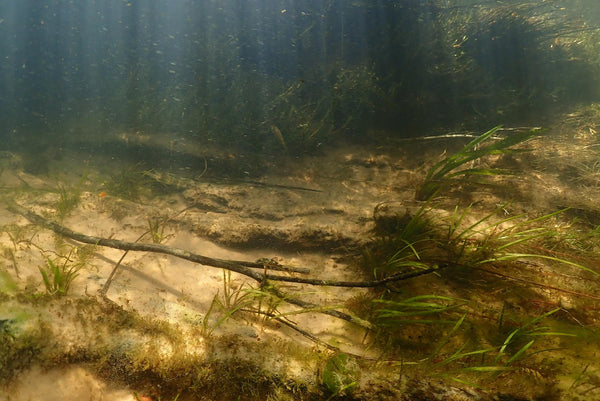
Other, non-spawning fishes will also make use of these areas, increasing the threat to the broods of fry which emerge after hatching. Under these conditions, most Orange Chromides nest in colonies, which is believed to help decrease predation.
Hmm, breeding colonies? Interesting!
About 200 eggs are laid in a typical event, according to just about every source you’ll find in the aquarium world. Of course, the largest batch I ever counted was around 100 or so eggs. The eggs hatch after about 5 days, during which time the parents tend to, and fan them.
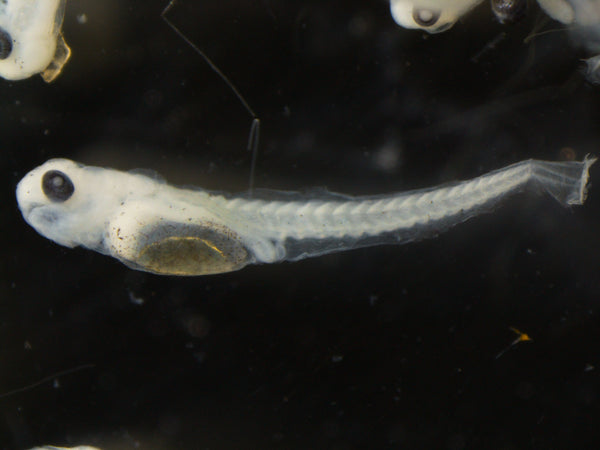
In typical cichlid fashion, one parent will always remain with the eggs while the other goes out and forages for food. The fry of Orange Chromides feed on the mucus secreted onto the skin of their parents, like Discus or Uaru do. This form of feeding is called “contacting” by biologists. And perhaps most interesting, the good-sized fry are guarded by parents until they almost reach sexual maturity and are almost the size of the parents! Like, a pretty long time! This is a very unique behavior in cichlids!
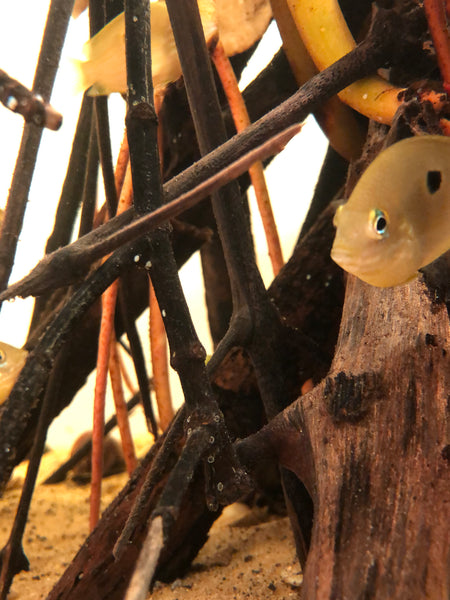
It is known that immunoglobulin concentrations are higher in the breeding fish than they are in non-breeding ones, and are highest in wild breeding individuals. Biologists are curious to ascertain whether this immunoglobulin is passed on to the contacting fry in the same concentrations as it is found in the mucus. If it is, the big question is how does the increased amount of immunoglobulin affect the growth and survival of these fry?
Neat stuff.
Want a final bit of unusual trivia on this fish?
They’re cleaners!
Yeah, it’s been documented by researchers Richard L. Wyman and Jack A. Ward that the young of Pseudetroplus maculatus actively clean the related species, Etroplus suratensis (the “Green Chromide”) when they occur together..E. suratensis are naturally inhibited from attacking small fish, in case you are wondering!
Much like what you see in the ocean, with Wrasses or Shrimp cleaning territories are established by the young Orange Chromides, and the “shop hours”seem to follow a daily circadian rhythm. This is a unique, almost symbiotic kind of behavior, in which removal of fungus from fins and tail of the E. suratensis appears to be an important adaptive function of this symbiosis.
Interestingly, it’s thought by researchers that the “contact feeding” behavior in Orange Chromide fry during parental care may have aided in the evolution of this cleaning relationship. This represents the first report of a cleaning symbiosis involving cichlid fish.
So, yeah, there is much more to this “old hobby favorite” than we might first imagine!
So, what would be some cool ways to keep this fish? Well, to begin with, you should definitely keep them in an aquarium with a fair amount of substrate, roots, and perhaps even a few aquatic plants. Now, if you’re aiming to go brackish, it brings up the usual “What plants can grow in brackish water?” discussions…And yeah, there are a few, and you’ll need to research that.
Hint- just go for mangroves!
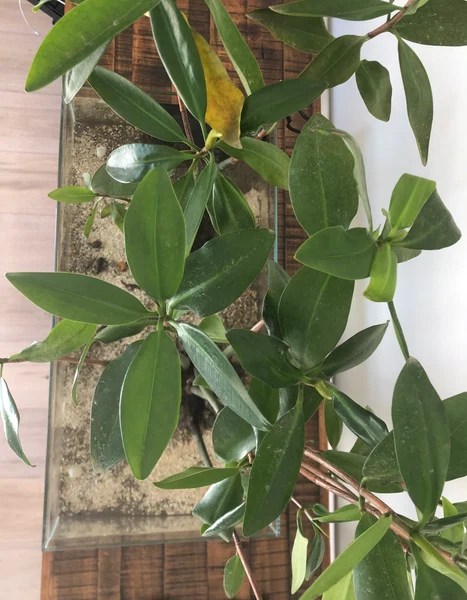
Or, you could keep it simple and go for something like a tangled hardscape, with wood and roots, mixed with sand and small quantities of rubble. This would be a very interesting representation of the monsoonal conditions.
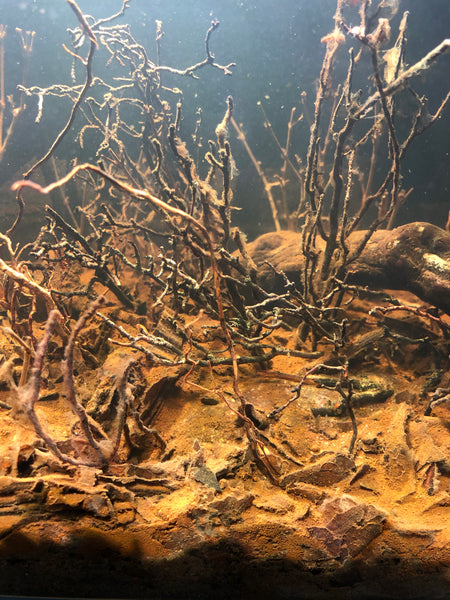
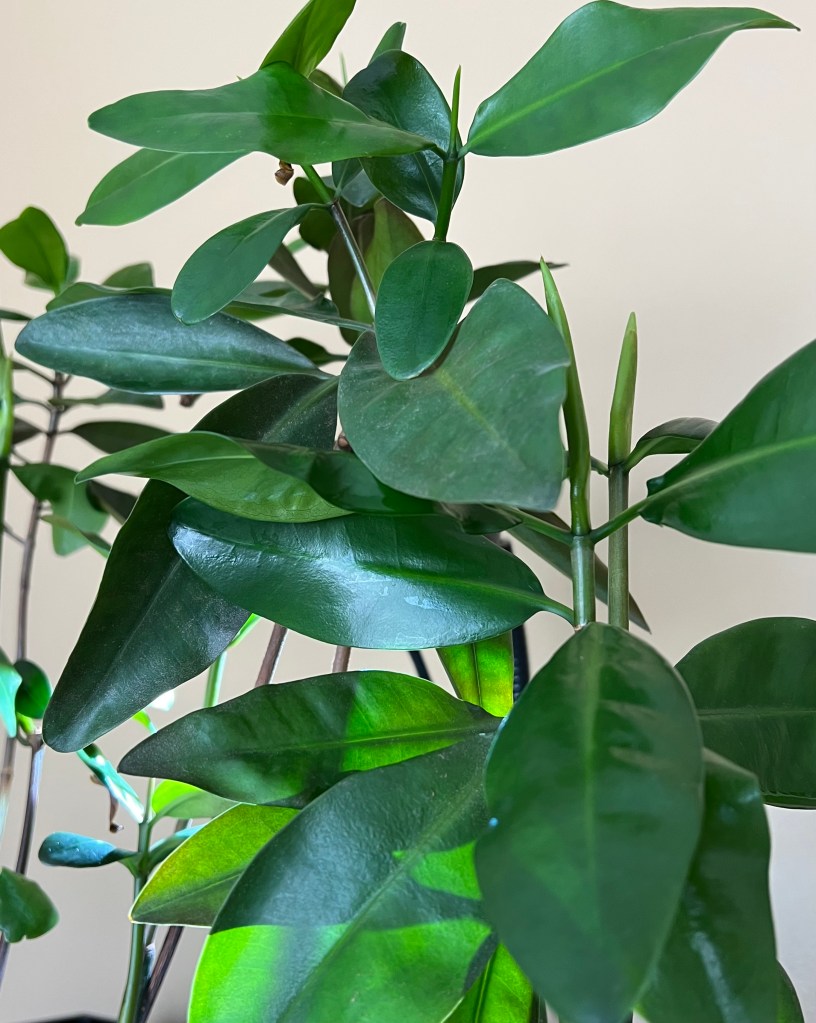
Or, again-you could simply do a “proper” brackish water aquarium with my fave all time plant, the Red Mangrove (Rhizophora mangle). This would be a very rewarding way to keep these fishes, as I can attest!
I get asked a lot about when we will see more of a variety of brackish water fishes in the hobby…Or at least, when the ones we have now are more readily available. The truth is, it boils down to economics-supply and demand.
Yes, new brackish-water fishes will become more readily available when the market demand is there. Collectors, wholesalers, and breeders will offer such fishes when more people ask for them and the market becomes more viable.
In the mean time, we can focus on some of the cool fishes from these habitats which are currently available to us from breeders and retailers on occasion, like our pal the Orange Chromide.
And the brackish water habitats are as interesting, dynamic, and bountiful as any on the planet, so once you get into this “game”, I’ll bet you’ll tell two friends, and so on…
There is still a surprisingly large amount of misinformation about there concerning fishes long thought to be “brackish”, when the reality is that they are often found predominantly in non-brackish habitats, with perhaps only isolated populations of fishes being brackish fishes.
Fortunately for us, our friend the Orange Chromide is one of those which you can do the research on and find a surprisingly large amount of interesting, scholarly information out there.
You just have to be willing to look.
And guess what? You can help add to the hobby body of knowledge on this fish, too!
Stay motivated. Stay curious. Stay excited. Stay diligent. Stay persistent…
And Stay Wet.
Scott Fellman


Leave a Reply