
Ahh, time to reflect just a bit.
I remember as a kid, growing up in the late seventies/early eighties, I read a lot of aquarium books. Not just read them…but studied the shit out of ’em! Virtually memorized whole sections of them and absorbed the information in them like a sponge!
My dad, who was also a lifelong fish geek (we had three aquariums in the living room- some of my earliest childhood memories were of pressing my nose against an aquarium!), had a pretty extensive library of fish books. And most of his books were from the late fifties through mid sixties, an era that many hobby historians would refer to as the hobby’s “Golden Age.”
Why was this?
Well, for one thing, there was incredible access to new fishes. With the advent of fast air transport (ie; the “Jet Age”), fishes from remote locales in South America, Asia, and Africa could be sent to North America and Europe in a day, meaning less stress, and more possibilities. And the fish farms in Florida delivered all sorts of captive-bred tropical fishes to our local fish stores in mere hours. This has a huge impact on the health of the fishes that hobbyists could purchase.
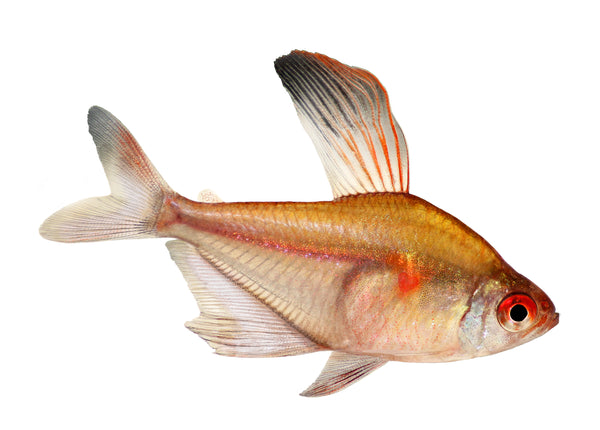
There was an exploding international tropical fish scene, with Europe, Asia, and North America hosting exhibitions, speciality shows, etc. I remember my dad telling me about a big Guppy show in Germany, with entrants from all over the world. It was like the “World Cup” of the guppy hobby. This was something that was unthinkable a generation before; it just wasn’t practical.
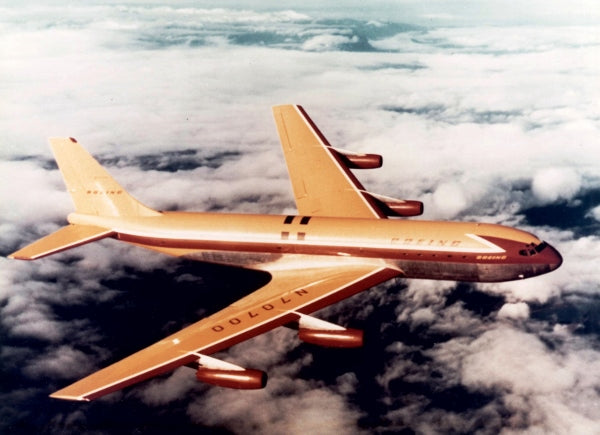
Technology in the hobby was accelerating, too! The development of under gravel filters, more reliable electronic heaters, frozen and freeze-dried foods heralded new breakthroughs for those interested in keeping and breeding unusual fishes. Though we may laugh at some of the developments now, back in those days, it was pretty hardcore!
And of course, communication itself was changing. Although it’s really hard to imagine a “pre-internet world”, the hobby magazines and books of the day were super-important, as they were the sole means to tie together the globally far-flung hobby, much as the internet does today- albeit a lot more slowly!
This was important, because you had areas of the world, and in the U.S.- areas of the country, such as NewYork/New Jersey, which were “hotbeds” of hobby activity and development. These publications helped spread all sorts of information about the hobby to aquarists spread among the farthest regions of the globe.
Oh, and fish farms were becoming a viable and important industry in Florida. Mass production of aquarium fishes made them more accessible and less expensive than ever, making it possible for people who had never kept tropical fishes before to easily find them at their local pet shop. It was a huge development.
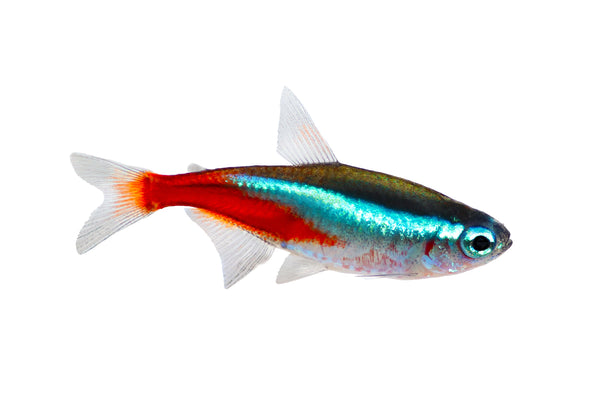
Yeah, a real “Golden Age!”
The history of aquarium keeping is an intimate mix of exotic fishes, equally exotic locales, interesting practices, and amazing people. It’s a rich, fascinating history, well worth revisiting!
If you go back into the history of our hobby, you’re likely to encounter a few names that transcend both time snd geography: Axelrod, Baensch, LaCorte, Fenner, and a guy from New York (via Germany) named Paul Hahnel.
Often called the “Father of the Fancy Guppy”, Hahnel is considered one of the giants of the aquarium hobby, having pioneered the technique and disciplines which helped make the fancy guppy one of the world’s most popular and beautiful fishes.
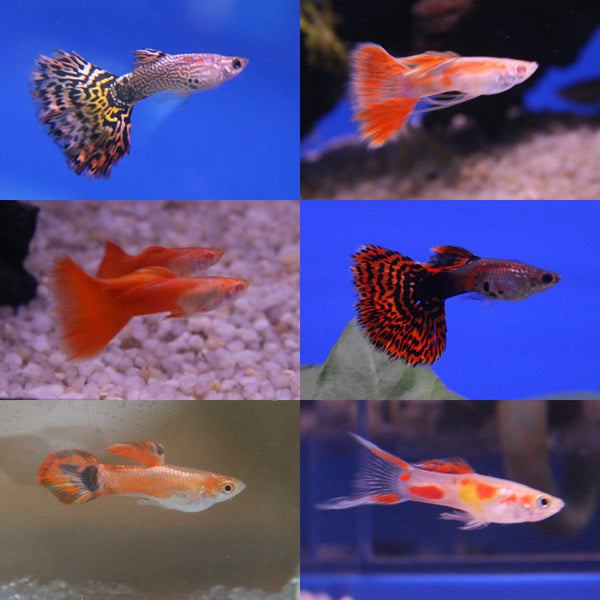
Hahnel and his contemporaries were pioneers, but they were not scientists in the traditional sense. Rather, hobbyists such as Hahnel applied careful observation, discipline, patience, and a healthy dose of common sense into their technique. This is a set of characteristics which has not only distinguished great hobbyists from “average” hobbyists for generations, it helps advance the hobby.
And they shared this knowledge freely.
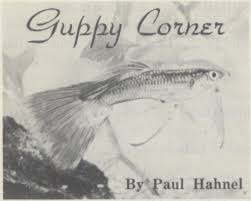
Some of my fave quotes from this guppy legend included stuff like, “Just feed good live and dried food when you pass by your tank from the left, and siphon out 10% of the water when you pass from the right..” Or, “If your Water Sprite grows well, so will your fish!”
Obviously, this can be interpreted as sort of metaphoric, but the core ideas ring clear through the decades: Feed your fishes well, and change the water on a regular basis. Study your aquariums. In other words, be consistent in both husbandry and maintenance. Observe.
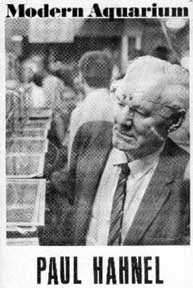
And it’s really that simple.
It’s about two key factors in aquarium keeping. This idea of keeping our aquarium water as low in accumulated metabolic compounds as possible, while simultaneously feeding our fishes with the most nutritious foods possible as often as possible.
Funny, guppies and guppy breeders sort of formed a “through line” in my fish-keeping pedigree…
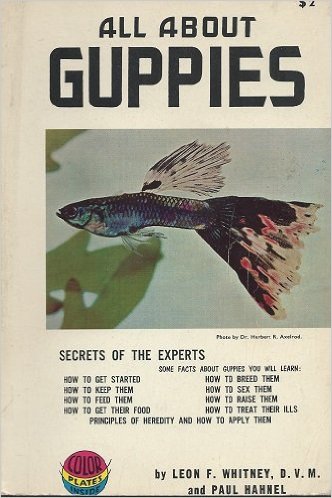
For me, growing up in a house full of guppy tanks (My dad was a big fancy guppy fan), the names that came up often were the legendary guppy breeders of the day- And Paul Hahnel. was THE MAN. His books were all over my dad’s fish library, so it was only natural that I’d end up reading them as a kid.
And of course, there was also the well-worn copy of the William T. Innes classic, “Exotic Aquarium Fishes”– the book that I literally read a thousand times…cover to cover. Memorized every species name, could quote some of his charming passages about their care, and about stuff as esoteric and “fish-geek-precious” as his discussions on waking up very early in the morning to net Daphnia for fishes off of local ponds. I can still quote the passage that was the “mantra” for the working fish geek, verbatim:
“Future generations may smile at our working hours, but this allows the tropical fish enthusiast to be at his salaried position by eight…”
I remember haunting the local pond near my parent’s house, collecting fairy shrimp and mosquito larvae (which endeared me to my mom to no end) before school, inspired largely by that passage!
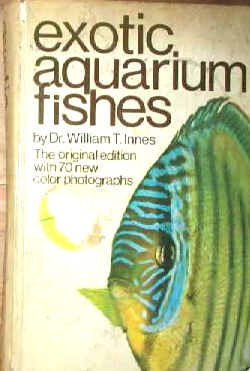
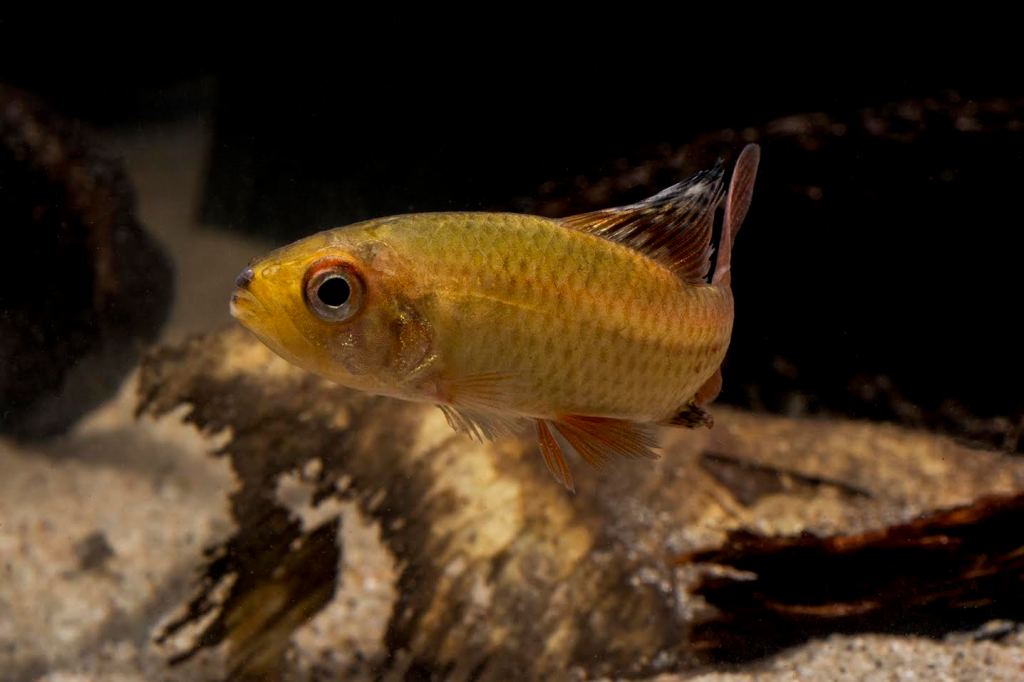
In fact, Innes’ book had a great picture of one of my all-time favorite fishes, Crenuchus spilurus, the “Sailfin Characin”, which I finally acquired after a lifetime in the hobby. It was a huge event for me…
My copies of these books were so beaten up that you could barely open them without pages falling out. I read ’em over and over and over…
These books, written decades before I was even born, and the lessons of people like Hahnel, Innes, and LaCorte, were still the backbone of my “fishy education.” And the interesting thing about these old books- and much of the advice offered in them- is that they stand the test of time. Most of this stuff is fundamental husbandry and common-sense concepts related to the selection, care, and breeding of fishes.
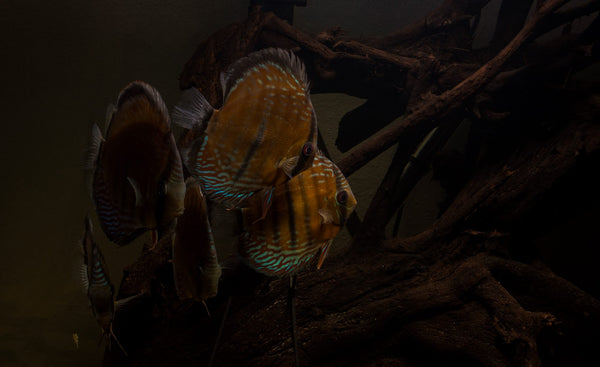
Sure, some of the names have changed, and some things have become downright common, like breeding Discus, which in Innes’ 1939 edition, was being hailed as one of the greatest tropical fish achievements in history..which, when you think of it in the context of the era…was true.
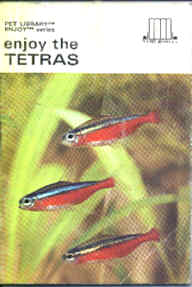
And then, there was the late, great Rosario La Corte- one of my favorite all time fish hobbyists. Literally my hobby hero. He was a tetra guy, and I Loved everything he had to share about these little fishes. His little paperback book, “Enjoy The Tetras”, long out of print, is pretty much the “vector” for my lifelong love of these fishes.
He bred hundreds of species of fishes, wrote about them tirelessly in books and magazines, and freely shared his trials and tribulations in grand fish-geek style. I recall in 2012, I was in the New York area and was invited to a meeting of the Long Island Killifish Association, where he was there!
At the time, I was pretty much at the top of my “Reef game”, fish-geek-star wise, a featured speaker at every major reef conference, clubs worldwide, and an author in online media, co-owner of Unique Corals, arguably the hottest coral vendor on the planet at the time…Yet, mindful of my pedigree, I was absolutely like a 13-year old girl about to meet her fave TikTok star!
I remember how excited and nervous I was to meet the legend in the flesh.
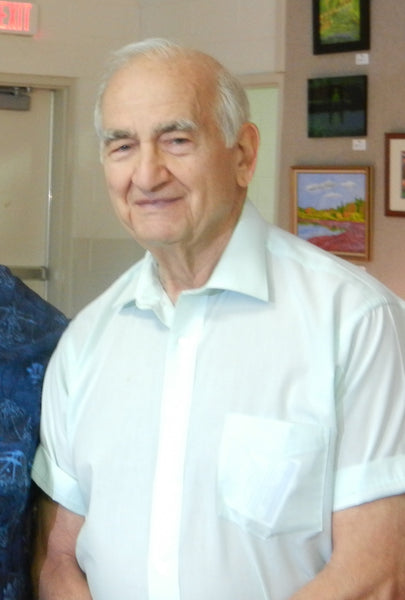
And you know what? He didn’t let me down. He was one of the nicest, most humble fish guys I ever met, and took the time to talk with me about who-knows-what (I think I must have simply repeated “I’ve read all of your books-like 20 times…” over and over again.), and lived up to his legendary status!
And of course, no other hobbyist, past or present, has ever had the amazing and complete influence on me that my father did. He literally started me with a bowl of fishes when I was 3, and I haven’t looked back since. He passed away a few years back, but he influences me every single day.
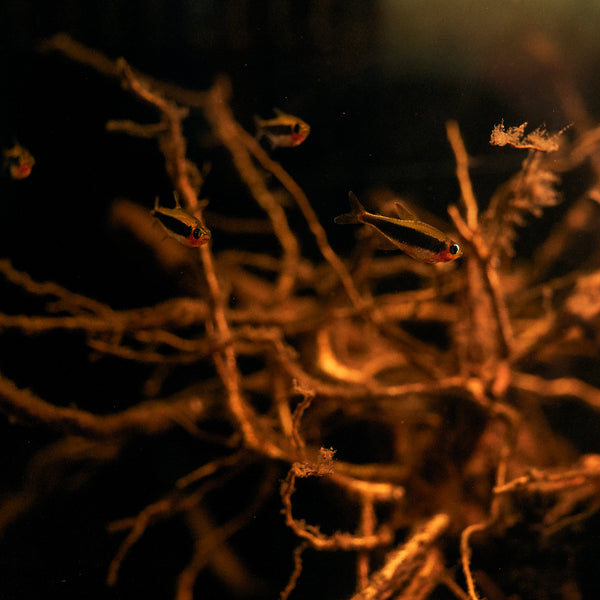
My dad knew something that was pretty remarkable: If you have a passion, share it with your children. Teach them what you know, nurture their dreams, answer their questions, and encourage them in every way.

Give your son or daughter their first fishbowl, nano-tank, baby guppies. Allow them to feel the excitement when they add that new Tetra, find that cool Angelfish they’ve been looking for, pick kill eggs from a spawning mop for the first time, or create that perfect aquascape.
Embrace their geeky enthusiasm.
And that’s what parents who are fish geeks do. It’s what fish geeks who just happen to NOT be parents do. It’s what fish geeks in general do!
In every field of endeavor, we have our influencers, thought leaders, and yes- legends. People who, through action and thought, have positively influenced the culture and technique of what we do. The tropical fish hobby is no different- except that at the end of the day, most of the key influencers and even the “legends” are gracious, humble, and just good-old fish geeks, like you and me. They have working fish rooms, spill water on the floor, and make all sorts of mistakes…and laugh about them!
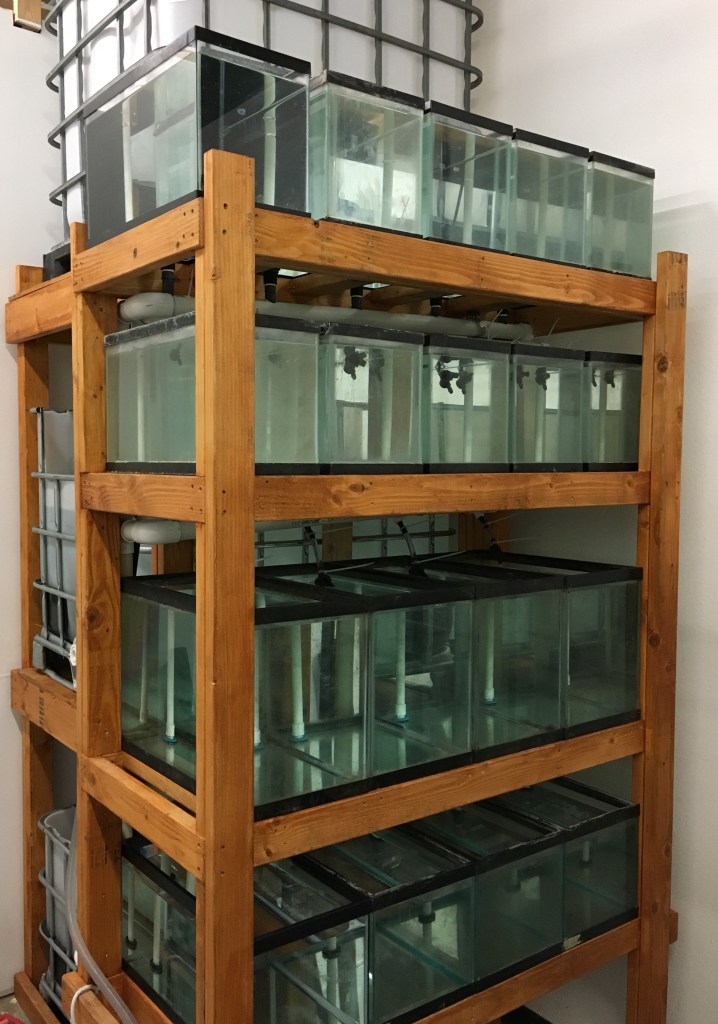
And they all carry with them the knowledge borne of effort, enthusiasmm, hard work, and patience. There are no real shortcuts in this hobby- no ways to “beat the system.” Just common sense, skill, and patience.
No Gen Z You Tuber should convince you otherwise.
Study what our elders knew.
Their words and lessons resonate across time; transcending eras and generations- and ring as true today as they did when they were first written…Much of it simple, concise, and easy to accept.
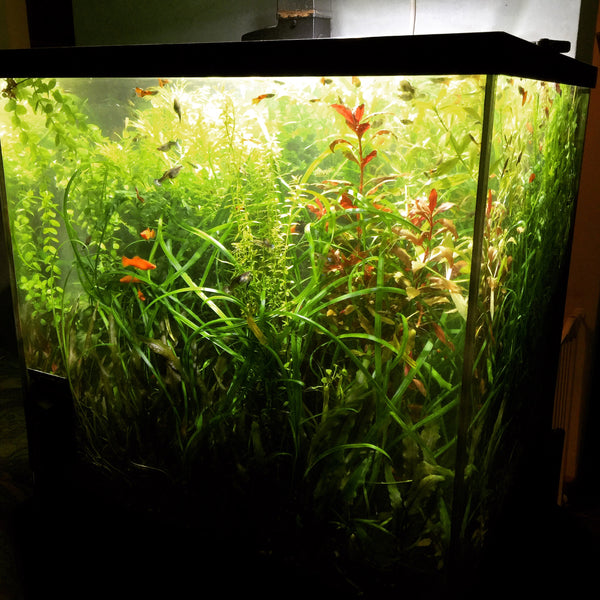
I often reflect on how funny it is that the most simple advice I’ve ever received has guided my aquatic passions far more than some of the complex directives I’ve been given by well-intentioned aquarists over the years.
Or is it?
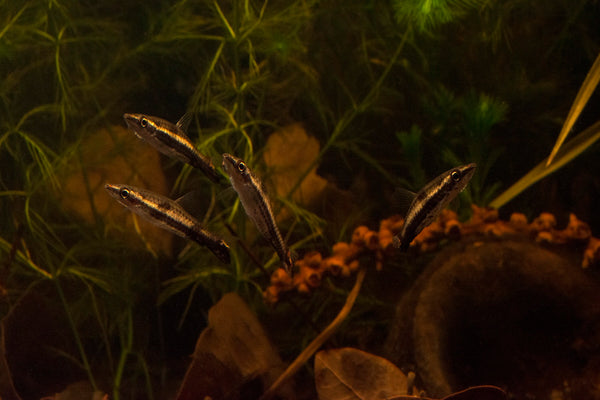
We all can learn from the body of knowledge accumulate in the decades before we ever had an aquarium. These are ideas- a culture- which guides everything we do. in the hobby Sharing our experiences, reaching out to fellow hobbyists, and just talking- has never been more important than it is now.
Keep no secrets.
So I guess my one “plea” to all of you crazy-cool fish expert/“obsessionistas” would be to carry on this tradition. Reach out across the aisle- to poke your head over the metaphorical fence- and share some of your amazing expertise and experience within your specialty to others working in different areas. Hobby information should not be “siloed.” We need to share our experiences with hobbyists working in other specialities- as they should with us.
This will ensure not only that your hard-won information and ideas are not confined only to our specific area of obsession- it will perhaps foster breakthroughs in other hobby specialty groups.
And some of those breakthroughs might just be the key to the long-term well-being of the hobby as a whole, and to sharing, educating about, propagating, and protecting the fishes- and habitats of the world -which so desperately need our attention.
It’s what Hahnel – and all of our hobby elders knew.
It’s what every hobbyists knows.
So much of what we’ve been working with; practices we’ve developed, and the fishes we love came from that era. The “Golden Age” of the hobby. The influence has been huge.
The progress was often slow at times, though…
I’m sure a lot of old-timers may argue this one with me, but I think that the freshwater hobby went into a sort of “flattened” period of development in the early seventies, with fewer dynamic breakthroughs and developments occurring. Oh, sure, there were technique changes (many brought about by the newer fishes and technological developments of the late sixties), but the fast pace seemed to have slowed down a bit…
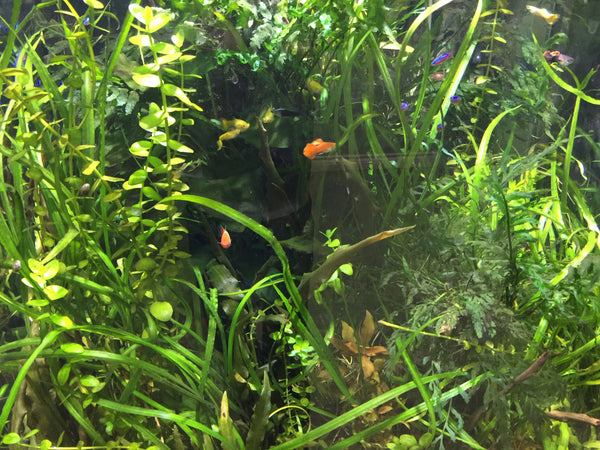
As a child, I remember seeing a lot of aquatic plants starting to show up…Not the crazy-unusual ones we have today; not rare cultivars…just lots of different plants with better quality. I think it was the very late seventies when I noticed that plants were becoming a real “thing”, at least in my world of suburban Los Angeles aquarium stores! And cichlids. Lots of cichlids. However, not much else stands out for me during that time…
The eighties brought a lot of changes to our world, and to the hobby. In addition to my bleached new wave haircut and cool clothing, my interests started to change. I began hearing more about this thing called the “mini-reef…”
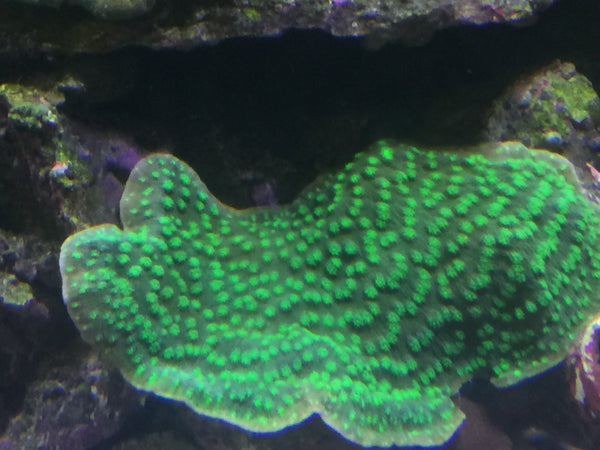
Yeah, people in Germany (where all cool aquarium hobby trends seem to start!) were now keeping aquariums with “living rock” and some…live corals…
What? Seriously?
BOOM!
Game on.
We were “off to the races” shortly after that!
The saltwater side of the hobby literally exploded, with a new generation of “filters”- the so-called “wet/dry” filters, better protein skimmers, surface overflow weirs, and foods. Oh, and soft corals and invertebrates.
Throughout the rest of the eighties and nineties, the reef world WAS the aquarium hobby, at least to many people. There wasn’t a month that went by when you didn’t see some new derivation of the wet/dry, or a new pump, filter, skimmer, lighting, etc. that promised (and in surprisingly many cases, delivered) amazing results at keeping animals previously not thought possible!
I remember, for the first time, people were coming into the aquarium hobby- the reef side- without ever having kept freshwater! That was crazy weird to me- a kid who grew up being able to keep Hygrophila as easily as Sinularia. How could someone get into live coral if they’ve never even kept a plant before? But they did…Amazing!
The era of hobby “specialization” seemed to be in full bloom. Cichlids, wild Bettas, and Livebearers were having their moments. Oh, and this thing called the “information superhighway” was real, it was growing, and it made spreading information and ideas insanely fast! Like, no one needed to wait for the newest edition of the aquarium magazine to find out the latest and greatest in the hobby!
And over on the saltwater side, the exponential curve was going straight up! There was no stopping things now. This “mini-reef” thing was serious.
I jumped headlong into the “ground floor” opportunities that awaited anyone who forked over the cash for a “reef aquarium”, Actinic 03 flourescent light bulbs, and some soft corals. Every day was a new lesson- a new development. And being able to share your triumphs, tragedies, frustrations, and everyday efforts online made everyone feel so much more connected.
Another “Golden Age?”
Yeah, I think so.
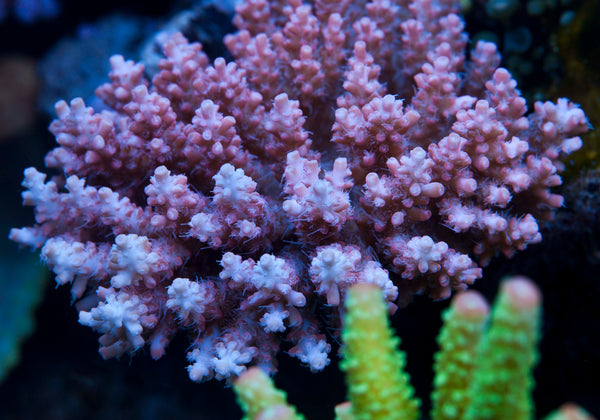
Although I maintained a freshwater tank during that time, I remember the feeling that it was just sort of “there.” Like, freshwater was always there. And you didn’t really feel the same…I dunno- excitement, maybe- when you thought about freshwater. I mean, African cichlids were cool. All sorts of captive-bred variants of Bettas and Livebearers and Tetras were neat…but…live corals!
Yeah. That was the shit, lol.
And the gap between advancements in the freshwater world and the reef world was widening at a very perceptible rate. It seems like not only were new “reef-centric” brands popping up, but the “legacy brands” were pouring R&D money into this exploding world, developing more accessible, “reef-capable” products.
Meanwhile, my perception- and to be honest, many of the crew I ran with in those days, was that the freshwater part of the hobby was…well- just sort of “there.” I mean, there were some new fishes showing up. Some amazing spawning occurrences. Plants were starting to become more popular again. Some of the reef technology was going into a sort of “reverse-trickle down” into the freshwater world, such as better pumps, lighting, and in some instances, overflow weirs and sumps.
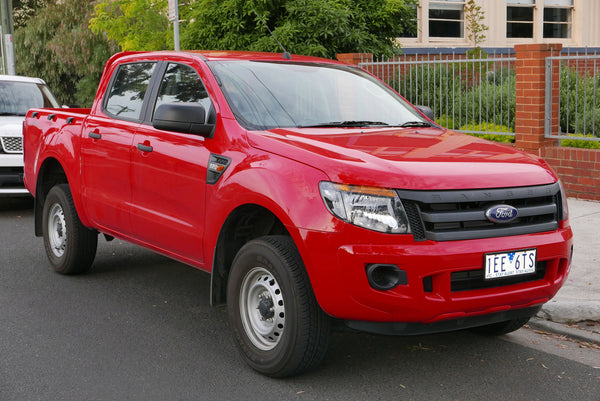
But, yeah. The vibe was different. Freshwater was the aquarium equivalent of the pickup truck. Reliable. Strong. And basically unchanged in format, save a few cosmetic touches and some technological changes, from how it was a few generations before.
It seemed to me that every time I met a hardcore freshwater person, not only were they…well “old” (LOL, I laugh now…), but they were just…set in their ways. Like, “This is how we’ve done it for years. We don’t need all that gadgetry and flash to keep and breed our fishes…We like it here.”
And that was cool, I suppose. And, in all fairness, the freshwater world prized technique over “toys”- which I have always- and still do- respect enormously. The talent pool in freshwater is ridiculously deep. But I couldn’t help but feel a bit sad when I thought about it. I mean, the hobby of my childhood was sort of locked in a “time warp.” And it appeared to be highly resistant to the new stuff. And some of this attitude lives on in some parts of the freshwater world to this day. It was, and occasionally is- inexplicable to me how people have become so resistant to change or new ideas in the freshwater world that could benefit them so much.
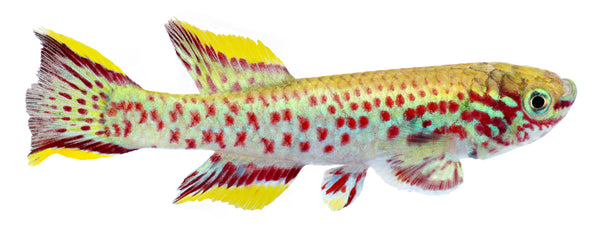
I remember being totally into killifishes. Still am. Talk about a hobby speciality that seemed impervious to change! It was definitely the old school “hangout!” You’d still read things like, “Incubate your Nothobranchius eggs in damp peat moss that has the consistency of fresh pipe tobacco..” Like, WTF does that mean?
Not too many young people smoke pipes these days, so this charming, yet descriptive reference point would be utterly lost on an entire generation of hobbyists. Plastic shoeboxes and fish room “air manifolds” and drain/topoff systems were de rigeuer– that’s just how stuff was done in fish rooms. Lots of “hacks” from a bygone era that- well, they worked- but you wouldn’t see a lot of embracing of new stuff.
It wasn’t limited to killies, mind you. Yeah, the resistance to new tech in favor of the tried and true was pretty pervasive in the general freshwater side of the hobby. It went on for a looong time, too!
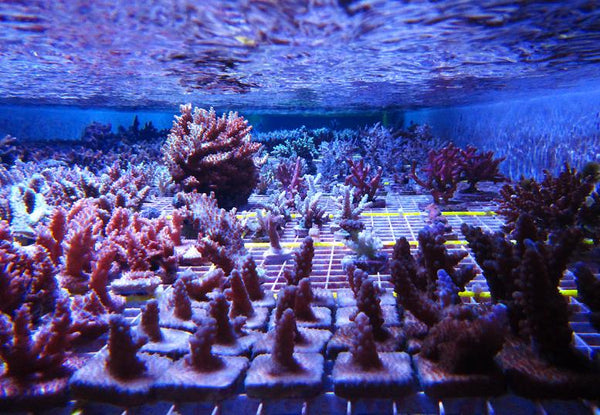
I mean, it wasn’t all that long ago that you’d see posts in forums asking if LED light really was any good for growing aquatic plants…It used to puzzle me that FW people were skeptical, when we were growing the living shit out of high-light-loving Acropora and other stony Corals on a commercial level with that technology! Customized intensities, special qualities- even weather patterns could be programmed, which you’d think would have hardcore FW people just drooling to jump on them!
Nope.
Crickets.
We were on like 5th-generation of LED lighting in the reef world before you even saw a single FW hobbyist try one over planted tank. It was insane. No one wanted to look over the damn “salinity line!” It was like, “Oh, those trendy reefers and their gear!” or “Reef keeping is too complex!” Or, “Nitrate, phosphate, trace elements, specific gravity…it’s a high school science nightmare all over again!”
But really, it wasn’t that unobtainable or challenging. Anyone could do it.
Ever kept a “high-tech” planted aquarium before? That’s challenging! Enough said.
People seemed to want to take some kind of “stand.” Stayed in their metaphoric “silos.” And I think…I believe- that the freshwater world sort of developed a bit of a chip on its collective shoulder for a while. I honestly don’t know why. My theory is that there was a definite “age gap” and you had a lot of older hobbyists not wanting to let go and open up their minds to new stuff..Shit worked and they saw no real need to change it.
Not everyone, of course- but many- especially those in the “hobby hegemony” of advanced fish geeks who spoke at all the conferences or wrote a lot of the articles in the fish mags. And the “tribe” of newer freshwater hobbyists just “fell in line”…little was done to challenge the prevailing mindset.
And that’s how it went for a while.
The reef hobby was this shiny new object, “Netfilx”, if you will-and the freshwater world was like… cable television. Reliable, plugging along, occasionally throwing out a surprise or two.
And then, a funny thing happened on the way to “status quo.”
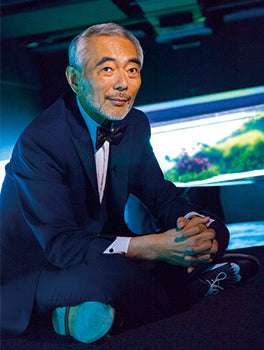
This dude in Japan named Takashi Amano started sharing pictures and ideas about what he called the “Nature Aquarium” concept. A new way of looking at growing and arranging plants in aquariums. He was an artist, and brought technique, philosophy, and concept to the game, merging it with design, technology, and a way of looking at the world.
Iwagumi, Wabi-Sabi, Wabi Kusa….
Seemingly overnight, a spark of life was injected into the freshwater world. New approaches. A new language…New ideas. And a burgeoning interest in shaking things up! And the internet was there in full maturity, helping to spread these new ideas like wildfire. Suddenly, everything that may have been old was new again…New approaches to older ideas started cropping up.
The era of biotope aquariums, advanced fish breeding, and high concept freshwater tanks was here!
Oh, and LED lighting finally broke through, too!
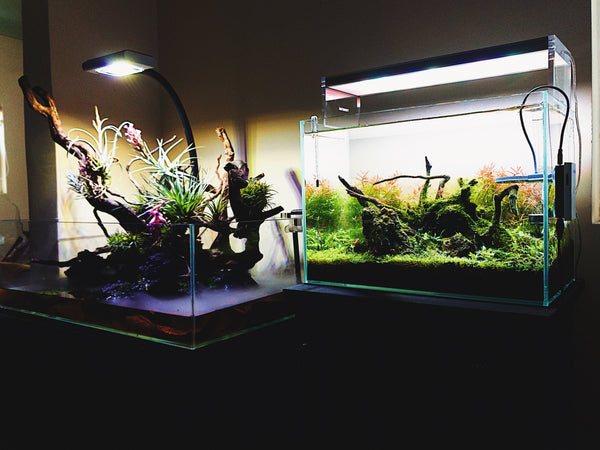
Now, you still see some artifacts of the “stubbornness” that I attribute uniquely to the freshwater world: Resistance to some ideas, and insane, almost nagging clinging to a certain style or “trend” that seems to pervade everuything…yeah, I’m calling out you diorama-loving, beach-scene creating, path-through-the-“fairy -forest”- moss-tree-covering competition aquascapers. Enough already. You have such insane skill. Please apply it to break some new ground!
Okay, off my soap box on that one. Can’t wait to see the hate mail.
And hey- the reef world can be pretty stubborn, too. Pretty annoying, and ridiculously trendy, too. I know, because I co-owned what was debatably one of the hottest coral propagator/vendors in the world for a few years…I fed a lot of addictions to the insanity! Likely I was ground zero for some of the nonsense…
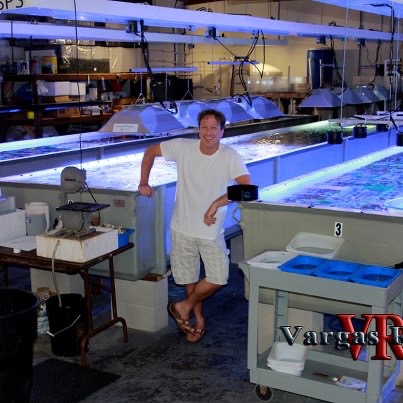
And frankly, I got kind of sick of it, myself. The world of trendy, “named” coral frags, selling for trendy, breathtaking prices, the excessive reliance on “over-the-top” tank builds, gadgets and lack of understanding ofd fundamental technique that was creeping in, and some of the lame “sameness” that I’m so critical of in the “pro” aquascaping scene.
Although it’s not completely true, a lot of “dumb money” has entered some aspects of the reef world, without a thought about developing technique and pushing the frontiers with new ideas. People just want to drop mad coin without bothering to think long-term and in a more “macro” way.
You have people entering into the reef hobby, dropping enough on their tanks to buy a new BMW, and then flaming out in mere months in a haze of dinoflagellates, hair algae, RTN, and controller-programming nightmares.
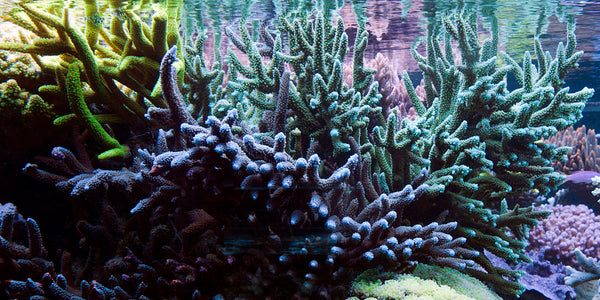
“Champagne problems?” Well, maybe.
When I finally had enough of the commercial side of the reef world and sort of retuned to my roots by launching Tannin Aquatics. I had been playing with seed pods, leaves, and all sorts of unusual natural materials in my tanks for many years, and I finally felt like I had the knowledge and experience to share all of my crazy ideas with the world.
My decades-long take on ‘natural” freshwater aquariums seemed too good to just quietly play with in my own tanks. This foray into a crazy-cool biotope-inspired aquatic niche was finally ready to roll out to the world.
I was like, “I think I could make a business around this idea!”
And I did.

And I admit, there was plenty of resistance from some corners. Some of my ideas were not entirely new, but were perhaps never presented in a more cohesive, easy-to-access way before. People had been playing with leaves and stuff for a long time.
However, I realized that no one really developed the concept and elevated/obsessed on it like I did. I couldn’t wait to share my obsession with the freshwater world.
Tannin was cool, I am not ashamed to say! We were very different than what else was out there at the time, and I liked it! It took a while to create the language and vibe of the brand and method, but we go there!
“Igapo”, “Igarape”, “Varzea”, and the idea of flooded forest floors, seasonal streams, and something I called “The Botanical Method Aquairum” (originally “Botanical “Style”) were percolated out into the hobby. I blogged, did social media posts, Instagram Lives, podcasted, and spoke at shows about this crazy stuff.
I pushed hard the idea that natural habitats look a certain way because of the ecological influences that helped form them. Our tanks looked different because they functioned different…and because the “look” was a by-product of the function- and the look is really different than what we’ve embraced in the past.
It’s kind of “gospel” in our sector, and it’s really sinking into the general hobby as well now.
“Podzolic soils”, “allochthonous input”, “benthic fauna”, and “functional aesthetics” became part of the language of our little segment of the hobby. Decomposition, fungal growths, biofilms, and detritus became our friends.
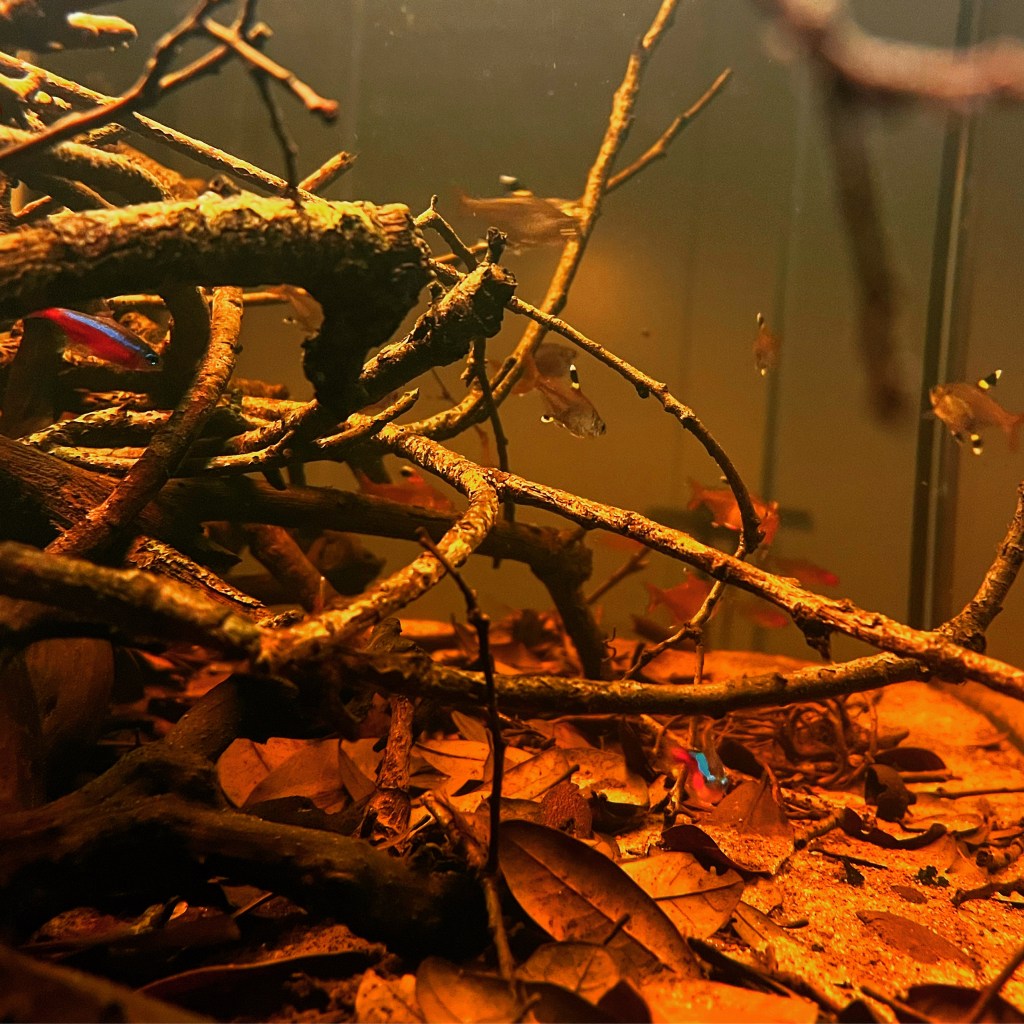
Now, it wasn’t always the easiest transition back into the FW world! There was a fair amount of head scratching going on. People didn’t seem to know what to make of this.
And I was a nobody in the FW world, with little “cred” in serious FW circles; and dropping reef hobby names, conferences that I spoke at, my “A” list of reef hobby superstar friends, or my insane coral warehouse and reef tanks meant nothing.
As it should have!
It was a bit humbling, but it all made sense.
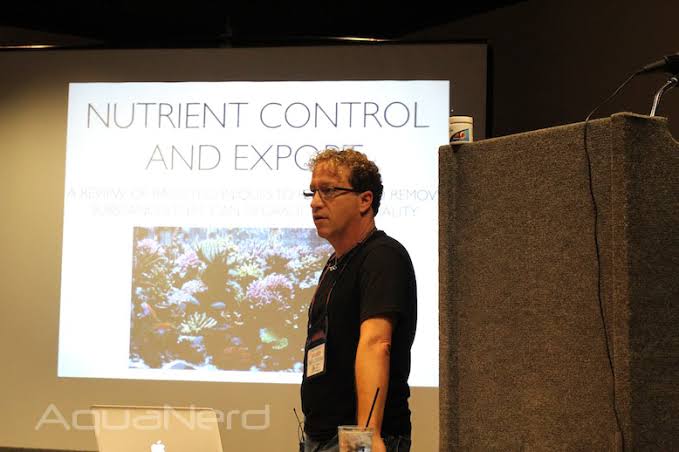
I had to scratch, claw, and earn my place in a tiny sector of the freshwater world. Indeed, I had to create it, Had to demonstrate that I wasn’t someone just trying to exploit the hobby with some crazy ideas and “snake oil” in the form of leaves and seed pods. It took a lot of repetitive work and sharing to make stuff stick.
And it stuck.
We’ve developed a community around this interesting speciality. Some awesome people helped make this happen, including many of you. “It takes a village’, right?
And the greater freshwater aquarium hobby world?
It’s different now. Better. More progressive. Exciting, even!
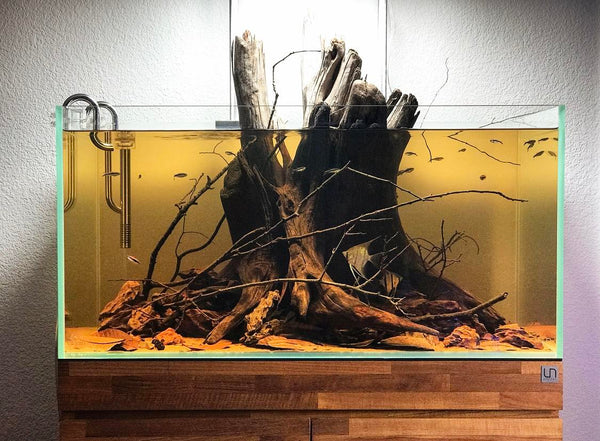
After almost a decade of growing the biz and sector, I eventually realized that selling stuff for this sector was far less exciting to me than studying and sharing my ideas about it, so, near the “top of my game”, so to speak, I paused Tannin Aquatics as a vendor in 2024. Mission accomplished- time to have fun as a hobbyist again. After a brief “sabbatical” to reset- Im back! And it’s fun for me to be more of an agent provocateur than a vendor!
We’ve evolved.
The freshwater hobby is way more open to new ideas nowadays. I love that!
And I’ve been called “The PodFather” or the “Pied Piper of Pods” by some. That makes me laugh, but I’m kind of proud of it! I’m an “OG” in the botanical method world as a new batch of youngsters takes things to another level! It’s cool. I see the work done by my friend Ben at Betta Botanicals and it’s super gratifying to see how he keeps pushing the “state of the art” farther than I ever could!
In the general freshwater hobby, Tannin’s growth and the rise of the botanical method as a serious approach was a by-product of this “evolution in attitude.”
There is far more interest now in new stuff in general.
A letting go of old habits. A questioning of long-held beliefs..and an urge to advance the hobby that I hadn’t seen before in the freshwater world. I can’t tell you how many of my reef keeping friends are jumping in to botanical method aquariums. And how many freshwater friends are building great reef tanks…Macroalgae, Mangroves, and Anemones are having their moments! It’s super exciting now!
The nonsense on social media is still there, but a lot of people recognize it as just that.
Good work is still good work, no matter how it’s presented.
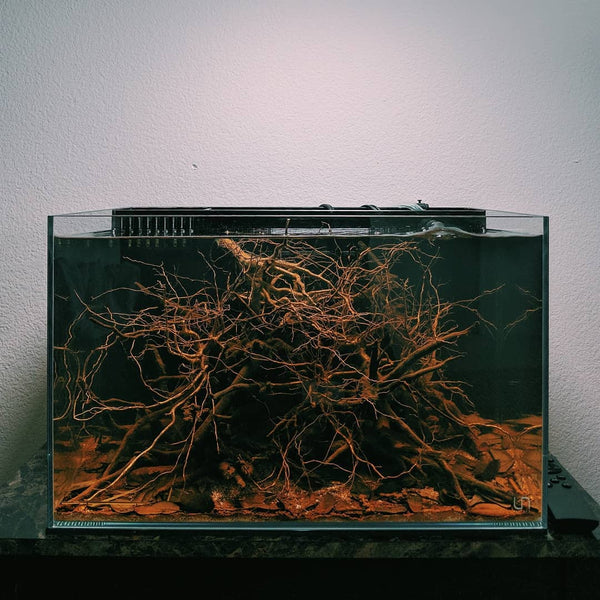
And, don’t get me wrong…There ARE plenty of amazing reef people doing cutting edge work who hate all of the aforementioned stupid stuff. And, along with their new-gen freshwater counterparts, they’re creating a new “Golden Age” of the aquarium hobby!
“Crossover technique” is starting to really trickle in..and not just in the gear side. We have reefers doing biotope tanks and applying “Iwagumi” rock scapes to their tanks. We have freshwater planted tank enthusiasts trying a out a reef tank with nutritive substrates and lighting manipulations… It’s starting to get pretty amazing!
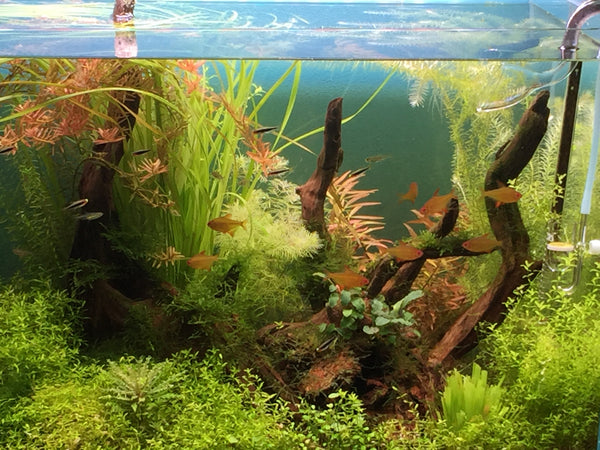
How fortunate am I to have lived in an age where I have been able to witness, participate in, and play a small part in evolving some of the developments in the aquarium hobby over the past few decades! And I’m excited to do more in the coming years!
What was the point of this somewhat self-indulgent, semi-biographic romp down a wet and soggy “Memory Lane?”
I think it was to demonstrate how the hobby has evolved, will continue to evolve, who I as a normal hobbyist guy evolved, and how it’s never been easier to literally change the world. The internet makes it possible to spread new ideas, kill old, outmoded thoughts, collaborate with others, validate ideas, and develop friendships as never before. It’s changed everything.
It’s still changing.
And each and every one of us bring our lifetime of experience into the game, helping to advance the hobby in directions perhaps previously forgotten- or even unimaginable.
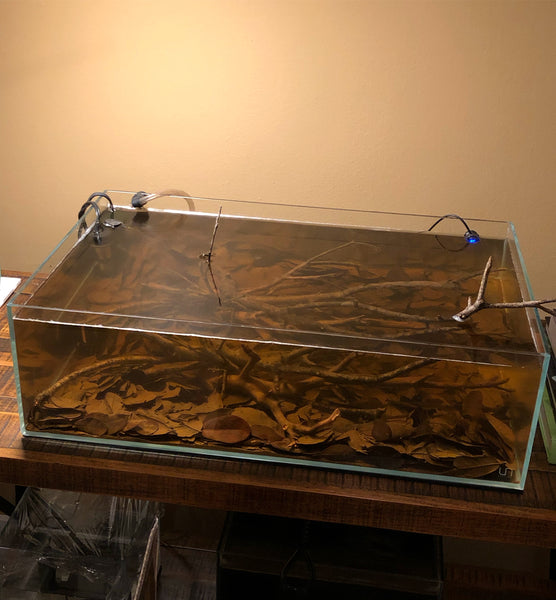
It truly is a “Golden Age.”
And I’m pretty excited to be a part of it. I’m sure that you are, too.
Let’s keep it going.
Stay open-minded. Stay creative. Stay excited. Stay collaborative…
And Stay Wet.
Scott Fellman
 The Tint
Leave a comment