
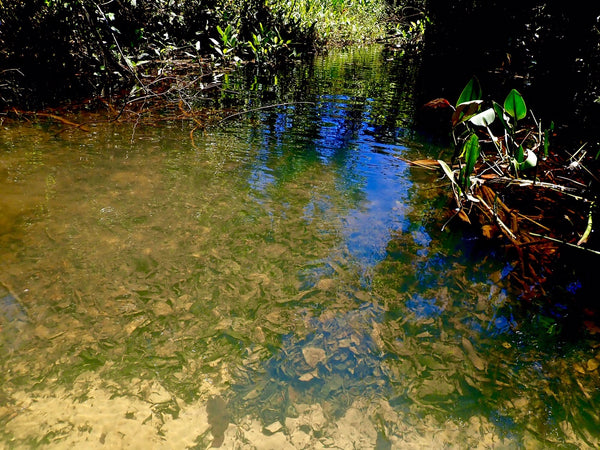
As we have discussed for years here, the flooded forests of South America are an amazing environment. They are perhaps the natural world’s finest example of the connection between the aquatic and terrestrial habitat- and a fantastic habitat to replicate in the botanical method aquarium.
In flooded forest ecosystems like the Amazonian igapó and várzea, resident fish feed heavily on terrestrial insects, fallen fruits, seeds, and leaf-litter micro-invertebrates rather than relying solely on open-water aquatic prey. When floodwaters inundate the forest floor, the surrounding jungle becomes the “supermarket” for the aquatic food web, supplying all sorts of organisms and materials to power it.
When rising waters cover the forest floor, terrestrial insects are displaced from soil, leaf litter, and low vegetation, creating a massive feeding frenzy. Arboreal and ground-dwelling ants, along with winged termites, fall from the canopy or get washed out of rotting logs. They are a staple protein source for surface-feeding tetras, hatchetfish, and pencilfish.
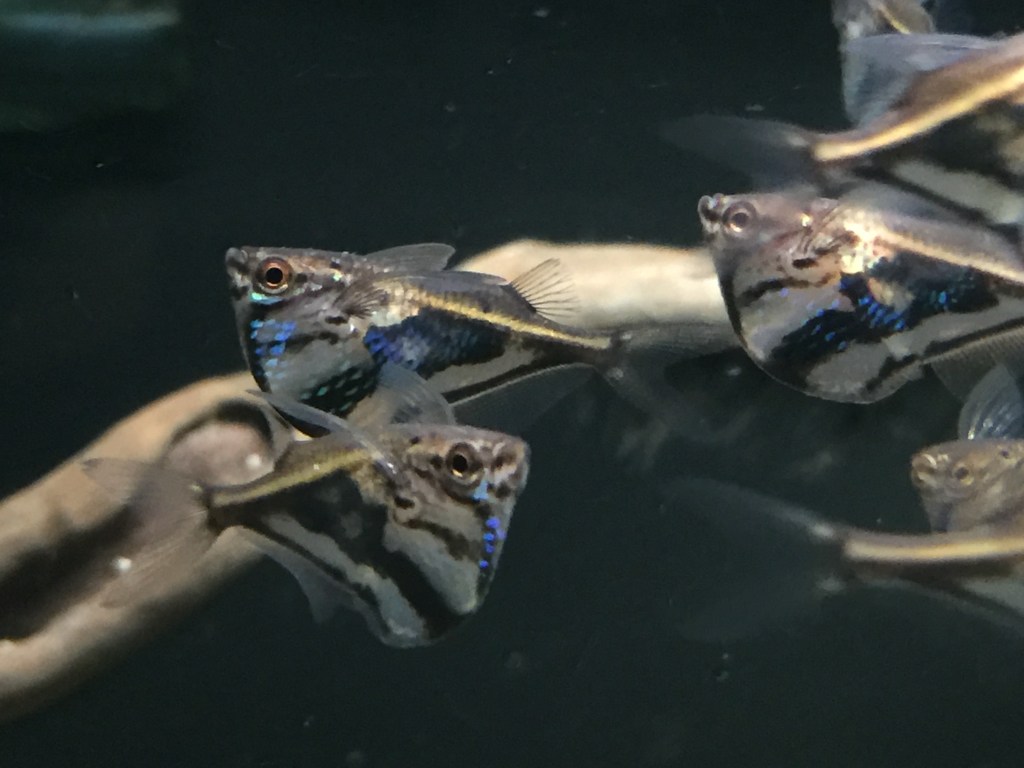
Beetles, spiders, and caterpillars, small insects, mites, and arachnids trapped on flooded tree trunks and foliage are picked off by leaping or surface-skimming fishes, like Copella and Hatchetfishes.
Flooded forests feature trees that synchronize their fruiting cycles specifically with the rainy season. Conveniently, fish can eat the pulp and disperse the seeds throughout the forest, assuring wider distribution when the water retreats!
Larger, frugivorous (fruit-eating) fish like Pacu, Tambaqui, and certain catfish crush hard nuts and fleshy fruits (such as Rubber Tree seeds and palm fruits) that drop into the water. Smaller omnivorous characins nibble on fallen flower petals, softening fruit pulp, and nutrient-rich pollen resting on the water surface.
As submerged terrestrial leaves begin to decompose, they fuel a dense microbial biofilm that attracts tiny aquatic grazers. Copepods, ostracods (seed shrimp), cladocerans (aka “water fleas”), and amphipods explode in numbers among the flooded leaves. They serve as vital live food for fry, dwarf cichlids (like Apistogramma), and other micro-predators.
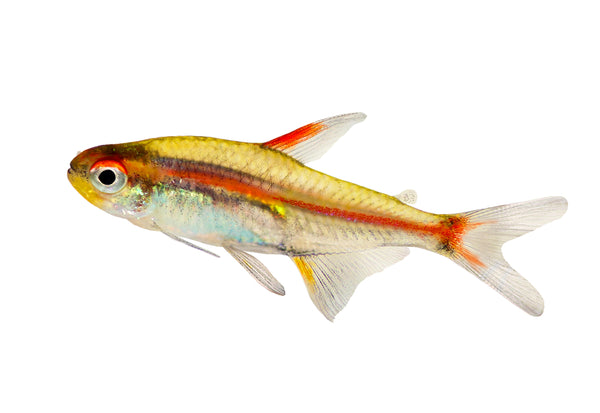
Yeah, terrestrial insects are a very important. In fact, a study of some Hemmigramus species indicated that a whopping 96% of their stomach contents were terrestrial insects, mainly…ants!
This is actually not all that surprising, when you think about it, because ants are ridiculously abundant in tropical forests, and in particular in the central Amazon basin, where scientific surveys have estimated that they may constitute as much as three-quarters of the biomass of the soil fauna!
Yuck!!!
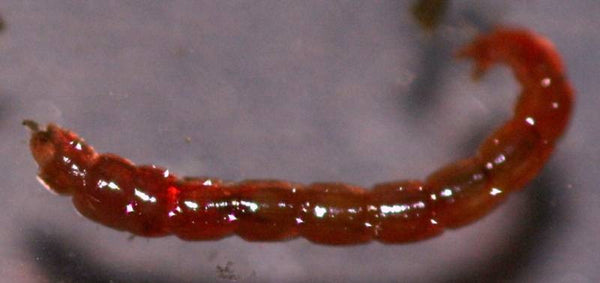
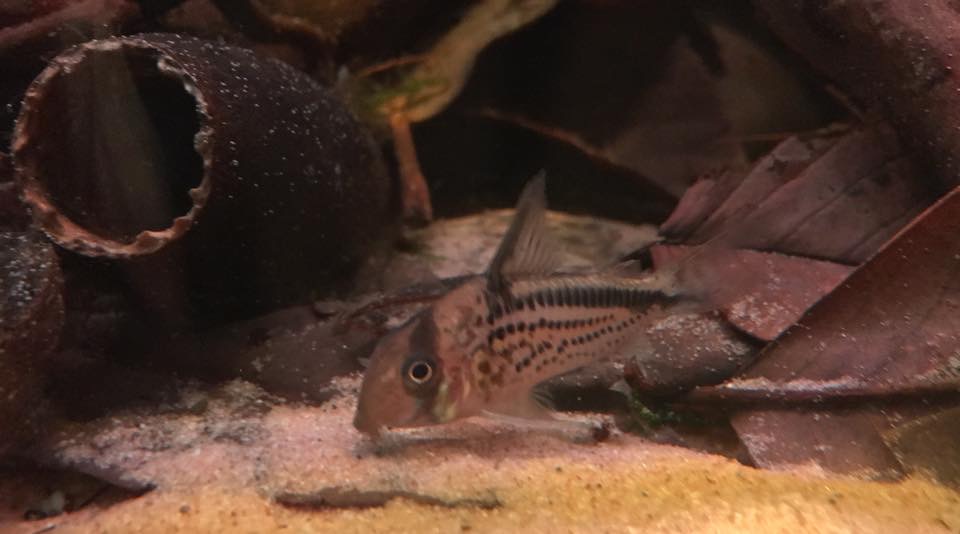
Chironomid midges (bloodworms), mosquito larvae, Mayfly nymphs, and Caddisfly larvae colonize the submerged leaf packs and decaying wood. Oligochaete worms (like Tubifex and blackworms) burrow into the soft, leaf-covered silt, where bottom-sifting fish like Corydoras and (Geophagus) constantly forage for them.
Last, but not the least, the literal “coating” on submerged branches and leaves is a living food source in itself. Fungi and heterotrophic bacteria break down cellulose in fallen wood and leaves, forming a nutritious slime layer grazed on by plecos, Otocinclus catfish, and fish fry of many species
In sunlit forest clearings, thin layers of algae, diatoms, and microscopic rotifers proliferate among submerged roots and grass blades.. This is called “periphyton”, and it is a widely-distributed food source.
“All well and good, Scott- but how can I replicate these food sources in my aquarium?”
Well, as we’ve discussed many times here, to replicate the leaf-litter food web of a flooded forest, you start by seeding your tank prior to adding fishes with commercially available micro-crustacean and worm cultures. Combining self-sustaining benthic organisms with periodic additional “drops” recreates both the constant foraging base and the seasonal “windfalls” found in wild igapó habitats.
You can also buy live blackworms from local fish stores or online aquaculture suppliers to seed your substrate directly. Once established in a thick layer of sand and botanical detritus, they reproduce by fragmentation and provide an a nutritious burrowing prey item for fishes like Corydoras and other benthic foragers.
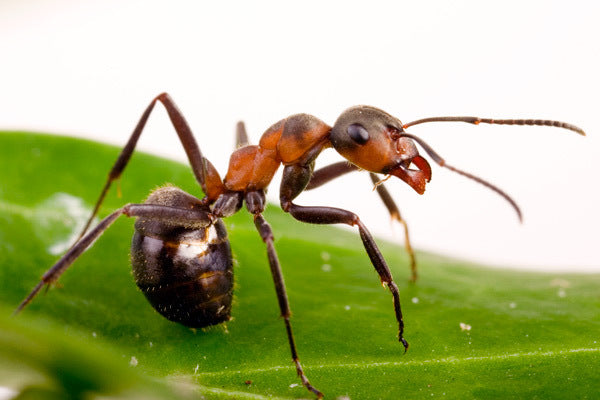
In Amazonian igapó , ants and small spiders falling from canopy branches trigger explosive surface strikes from hatchetfish, pencilfish, tetras, and killifish. This is an incredible sight to see! And, these insects provide lean protein and natural chitin (exoskeleton fiber), which aids fish digestion and mimics wild nutritional profiles.
Yes, you can feed ants and spiders to aquarium fish, as they are among the most natural surface foods available in flooded forests—provided they are completely pesticide-free, small enough to swallow, and non-venomous or non-stinging.
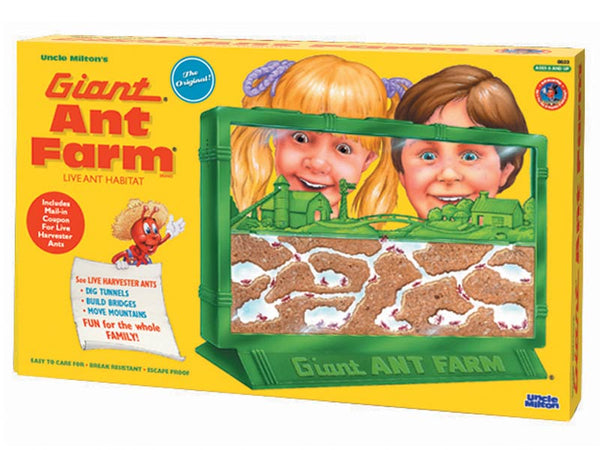
So, a possible takeaway here is that live ants, those pesky nuisances we all revile- might just prove to be one of the easiest-to-provide, most natural food sources for our small fishes! This is really interesting to me. And a bit ironic. Yet, practical, too! Like, I’m thinking of grabbing one of those “Ant Farm” kits you get when you’re a kid, and using it as a “live food culture station”, lol!
(Hey, this is the kind of shit that real fish geeks do, right?)
Of course, there are always caveats with wild-collected live foods, and insects are no different. Only collect small, soft-bodied ants (like tiny sugar ants) or small web-building spiders from an untreated, organic garden or deep wooded area far from roads and neighbors’ lawns. I’d avoid feeding ants or spiders found inside your home or near foundations.
Why?
Wild ants and house spiders frequently walk across treated lawns, baseboards, or perimeter sprays. Even trace residues of modern insecticides (like pyrethroids or fipronil) are lethal to fish and will instantly wipe out dwarf shrimp, snails, and your leaf-litter microfauna.
While wild-caught insects carry real chemical risks in suburban areas, captive-bred alternatives (like flightless fruit flies or “Pinhead” crickets) offer the exact same behavioral thrill without the danger.
To replicate the exact same terrestrial “insect drop” which occurs in the igapo, with zero pesticide risk, culture Wingless Fruit Flies (Drosophila melanogaster or D. hydei), Springtails, or “Pinhead” crickets. Wingless Fruit Flies float on the surface just like fallen ants and are readily available at reptile and aquarium shops and online vendors.
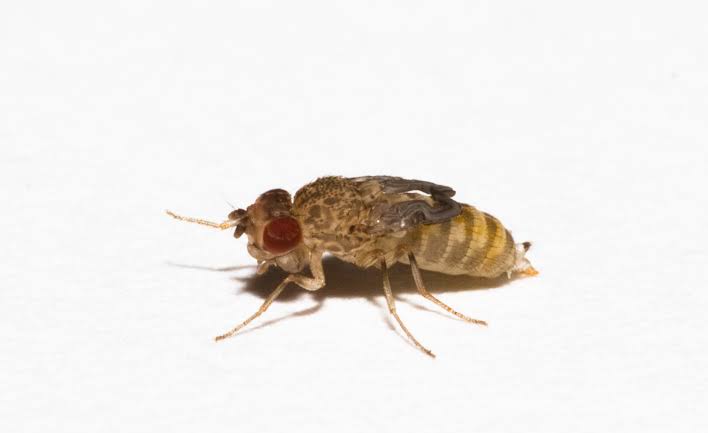
A personal “rule of thumb” about feeding live insects? I only offer insects not much larger than the width of my fish’s eyes, to prevent choking or potential digestive impaction. Think “adult brine shrimp” size here. Be practical.
Okay, on to less creepy, crawly stuff.
I mentioned the idea of fruits, flowers, and pollen. How do you incorporate these items into your feeding regimen? Pretty easily, actually!
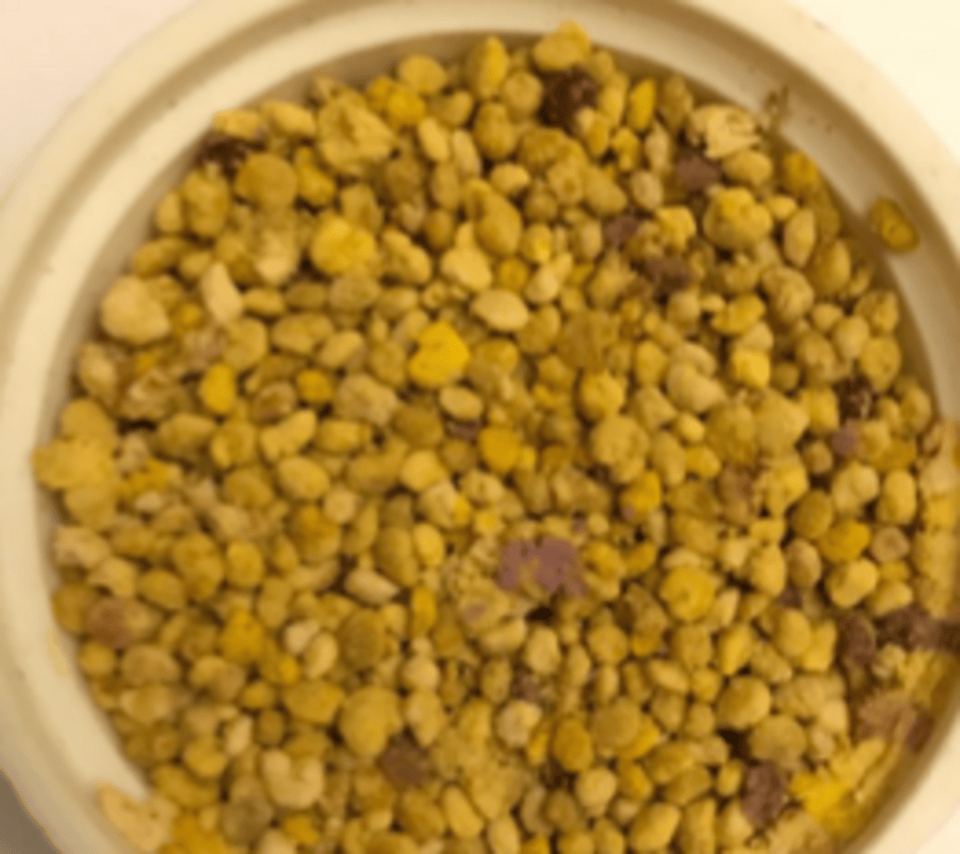
Dusting a tiny pinch of unprocessed bee pollen granules across the water surface once or twice a week directly mimics wind-blown canopy pollen. The granules float briefly as surface feeders pick at them, then soften and disperse fine micro-particles that feed shrimp, snails, and microfauna below.
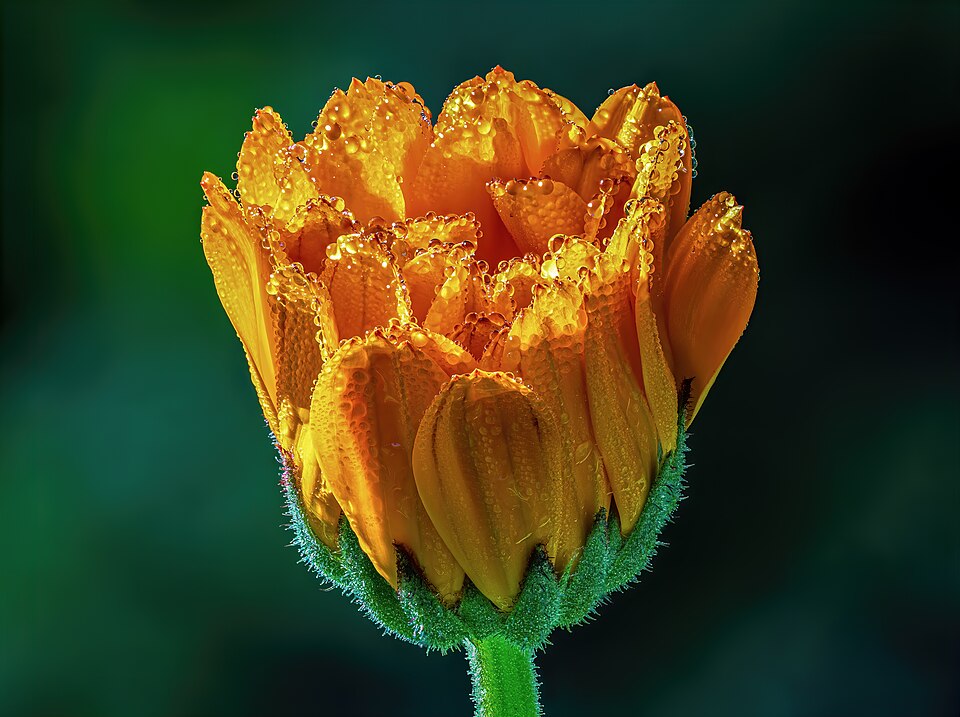
Dried, pesticide-free Hibiscus, Calendula (marigold), Chamomile, or Lotus petals can be floated on the surface. As they absorb water and soften, omnivorous Tetras, Pencilfishes, etc. nibble on the tender tissue before the remaining fragments sink into the leaf litter.
Now, because fruits, flowers, and pollen are rich in simple sugars and amino acids, they fuel heterotrophic bacteria rapidly. Restraint and small portions are essential so they do not foul the water. You know, that common sense thing?
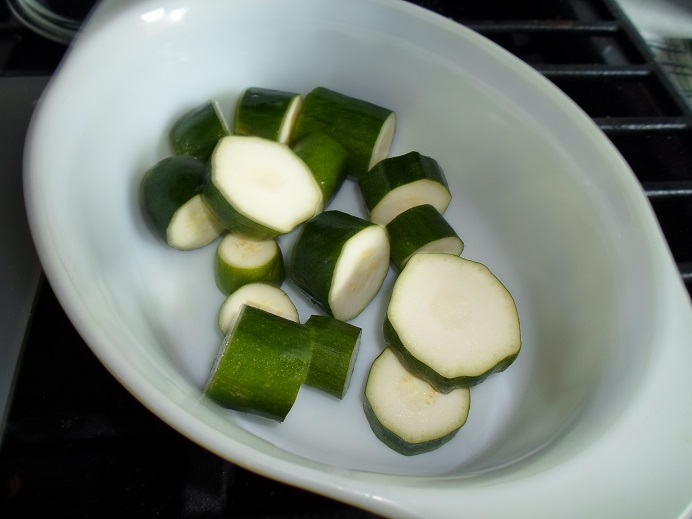
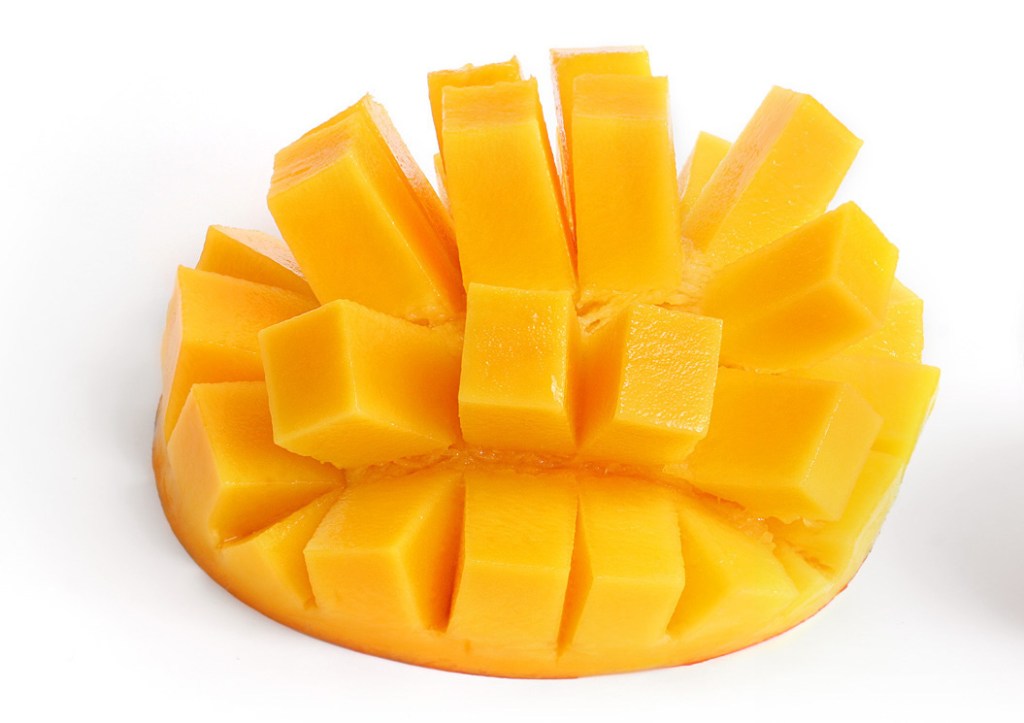
To replicate fallen rainforest fruit without triggering a massive bacterial bloom, offer small, pea-sized pieces of blanched zucchini, organic mango, papaya, or banana- perhaps skewered on a wooden stick or wedged into driftwood. Leave these items submerged in the aquarium for only a few hours so fish can graze on the softening flesh, then remove any uneaten remnants before they ferment! No “In- tank Kombucha” making!
Since I haven’t really discussed the “fruits and flowers” sources in much detail over the years, let’s dive a bit further.
Replicating fallen fruits and flowers in a botanical aquarium sort of bridges the gap between “static hardscape” (branches and roots) and seasonal, yet perishable forage. Because soft plant tissues contain higher concentrations of simple sugars, starches, and amino acids than woody seed pods, introducing them safely relies on strict portion control, organic sourcing, and matching the material’s breakdown rate to your tank’s biological capacity.
In flooded forests, blossoms drop from overhanging canopy trees and float on the surface before waterlogging. You can use food-grade, pesticide-free dried flowers (often sold as herbal tea ingredients) to mimic this allochthonous input. Here are some of my faves to use:
Dried Hibiscus (Hibiscus sabdariffa) calyces are rich in anthocyanins and vitamin C. When floated on the water surfaces, they often release a vibrant reddish-amber tint and soften quickly, allowing omnivorous tetras and other fishes to shred and eat the fleshy petals.
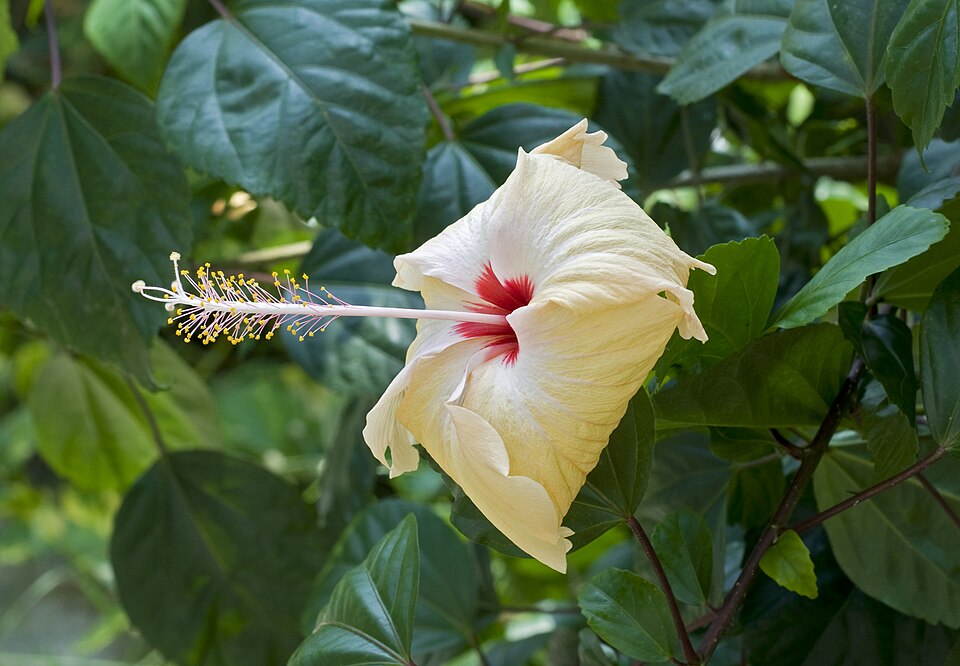
Dried lotus petals (from Nelumbo / Nymphaea sp.) are thinner and more fibrous than Hibiscus. They float longer on the surface, creating temporary cover for surface-dwelling fish like hatchetfish or pencilfish before sinking into the leaf litter to fuel biofilm growth.
Whole dried flower heads of Chamomile and Calendula (Marigold) offer a sort of “dual foraging” structure. Surface feeders pick at the loose, pollen-rich florets, while the denser flower centers eventually sink and act as miniature “grazing hubs” for bottom-dwelling fishes, snails and other benthic microfauna.
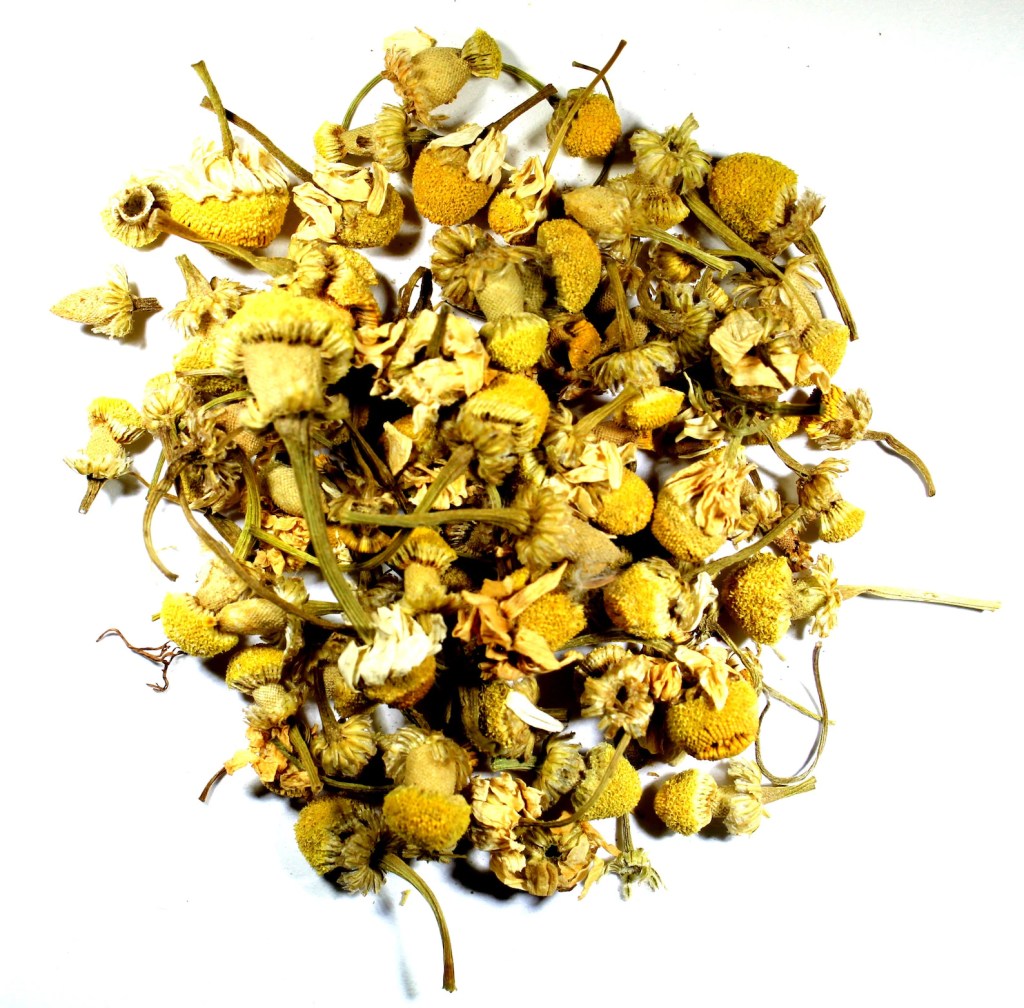
A few more thoughts on flowers...Always buy certified organic, culinary-grade dried flowers with zero added oils, flavorings, or preservatives. Unlike tough seed pods, delicate petals should not be boiled, as boiling destroys their structure and leaches out all nutrients immediately! Instead, give them a quick rinse in dechlorinated water and float a small pinch of them directly on the surface of the aquarium. Watch your fishes go to town picking at them!
Okay, time to deep dive a bit more on fruits and veggies!
In the wild, frugivorous and omnivorous fish—such as tetras, Pacu, Plecos, and catfish—rely on seasonal “fruit drop” from surrounding forest trees for vitamins and carbohydrates. In a closed aquairum environment, however, fruit sugars can trigger rapid heterotrophic bacterial blooms and oxygen drops if left unchecked. Careful feeding and monitoring of these items is essential!
Utilizing fruits like finely-chopped açaí berries, blueberries, rasberries, Passion Fruit, and bananas to represent the fruits of the forest, is something I’ve played with for a long time with my Tetras and other characins. Believe it or not, they’ll actually consume these foods directly. I’ve also used pre-soaked flax seed and chia seeds for this purpose as well.
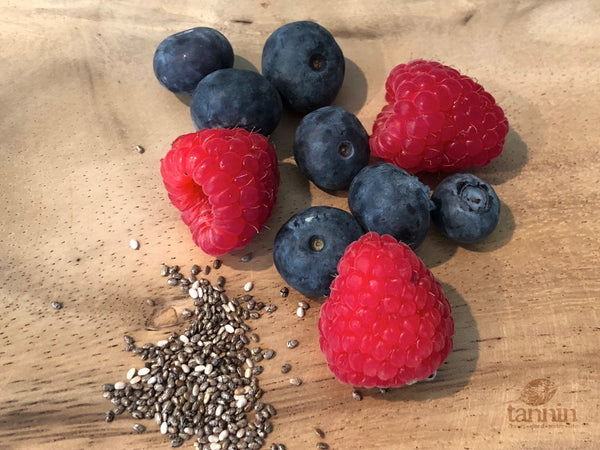
Many of these will represent the fruits and seeds of the Amazon rain forest, such as Camu Camu, Cupuaçu, Passion Fruit, and Aguaje (fruit of the Mauritia Plam), If you search health food stores and speciality fruit/produce vendors, you might actually find fresh or packaged versions of some of these unique fruits, or you could use the more commonly available substitutes mentioned above.
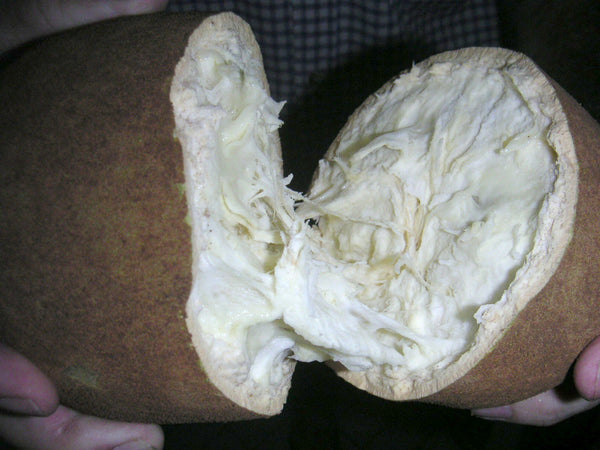
Cupuaçu Fruit (Image by BjoemS Used under CC BY-SA 2.0)
Soft, tropical, or high-moisture fruits work best, because small fish mouths can easily rasp away the tissue. Ripe papaya, mango, banana, melon, and peeled apple or pear slices are readily accepted by most omnivorous species. There is an added bonus: Papaya and mango are particularly rich in carotenoids, which naturally enhance red and orange pigmentation in fish!
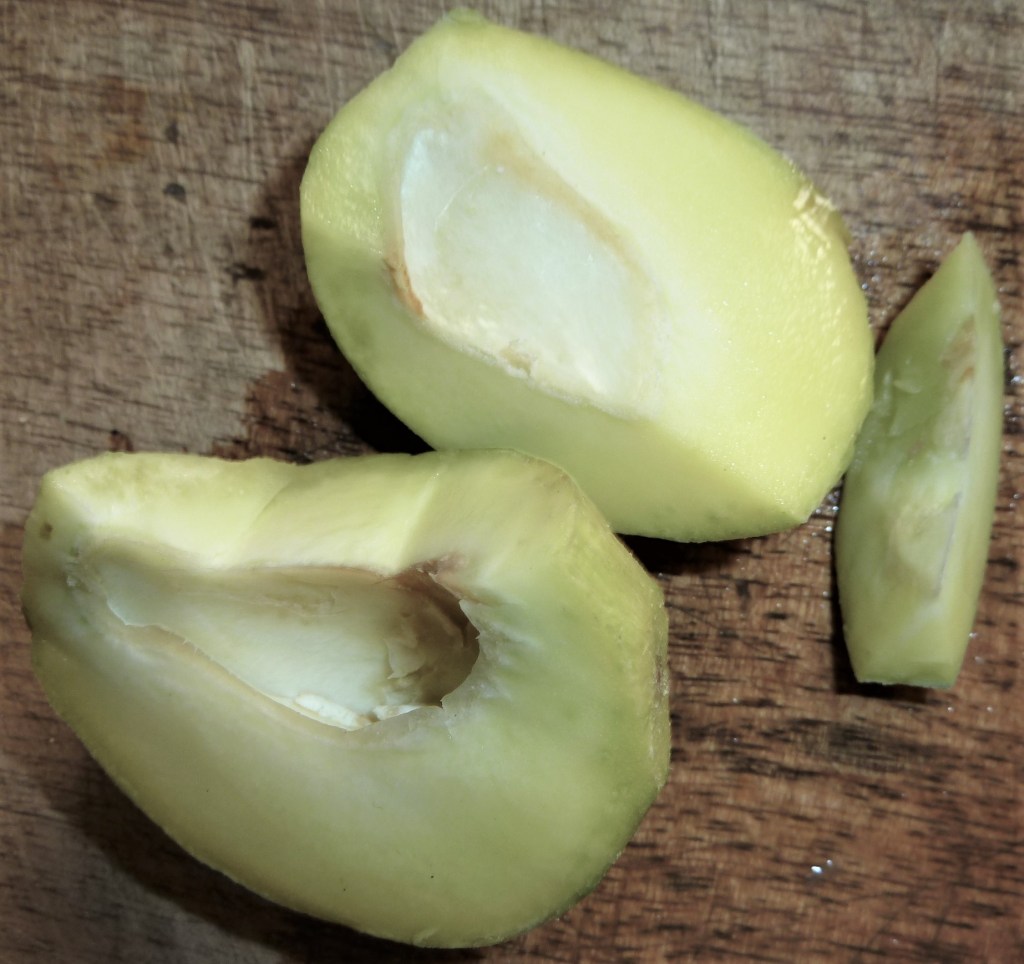
To mimic fruit floating at the surface or wedged into submerged branches, spear a pea-sized cube onto a wooden bamboo skewer or place it inside a floating feeding ring. Skewering the fruit prevents it from getting lost deep in the leaf litter, making cleanup effortless.
And cleanup IS important if you’re gonna feed fruits!
Because fruit breaks down quite rapidly in warm tropical water, treat it strictly as a temporary foraging material rather than a permanent botanical addition. Remove any uneaten pulp after 4 to 8 hours—before it begins to ferment, cloud the water, or spike ammonia.
Now, I mentioned (bee) pollen- a very unconventional aquarium food, yet surprisingly common in the wild. Canopy pollen forms a nutritious surface film in calm backwaters and flooded forest areas in many locales.
I’m a big fan of utilizing raw bee pollen granules for this purpose. They contain proteins, free amino acids, lipids, and B-vitamins. When sprinkled sparingly over calm surface water, the granules float briefly as surface fish snap them up, then dissolve into a fine microscopic cloud.
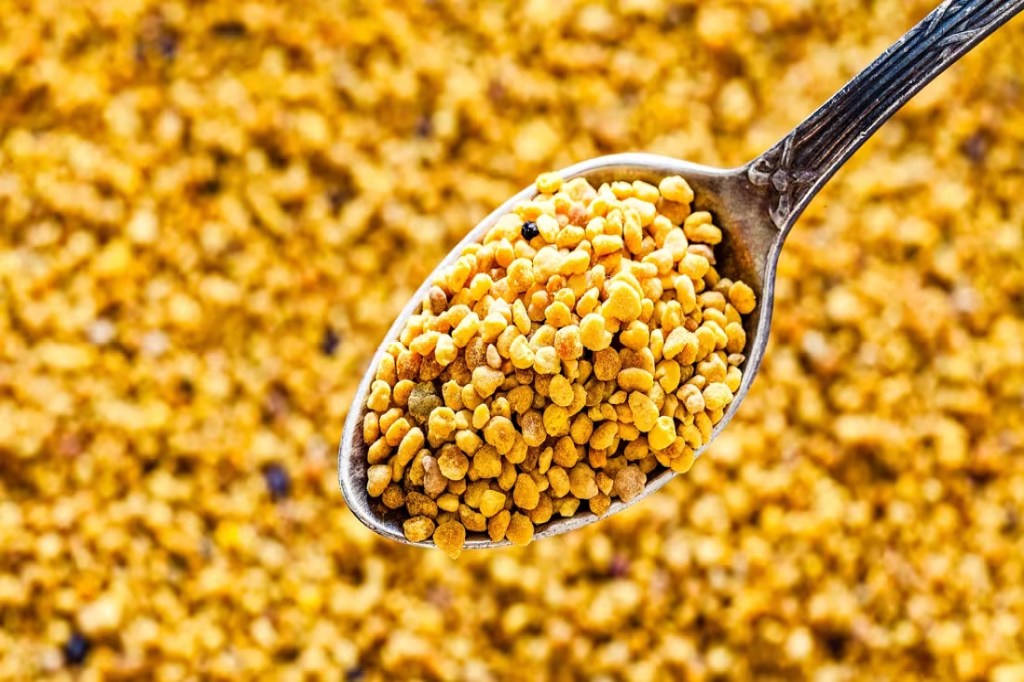
As the dissolved pollen grains disperse downward, they coat the leaf litter and wood surfaces. This invisible layer feeds filter-feeding microfauna (like daphnia and rotifers), baby shrimp, and newly hatched fry that are too small to eat standard prepared foods.
Remember, bee pollen is extremely nutrient-dense. Use only a tiny pinch (roughly 3 to 5 granules per 10 gallons) once or twice a week, ideally the day before a scheduled water change, to keep nitrate and phosphate levels from rising significantly in your aquarium.
So I’ve just given you a selection of very unconventional fish foods to try out- each item mimicking components of the natural diets of small fishes in the igapo habitats in some manner.
Feeding stuff like fallen flowers, softening fruit pulp, and raw pollen is extremely rare in mainstream aquarium keeping, though it is attracting interest among some hardcore biotope enthusiasts and shrimp breeders. In Nature, these terrestrial materials—known scientifically as allochthonous inputs—make up a massive portion of a flooded-forest fish’s diet, yet most commercial aquarium diets rely almost exclusively on ingredients such as processed fish meal, soy, and marine algae…Kind of strange, huh?
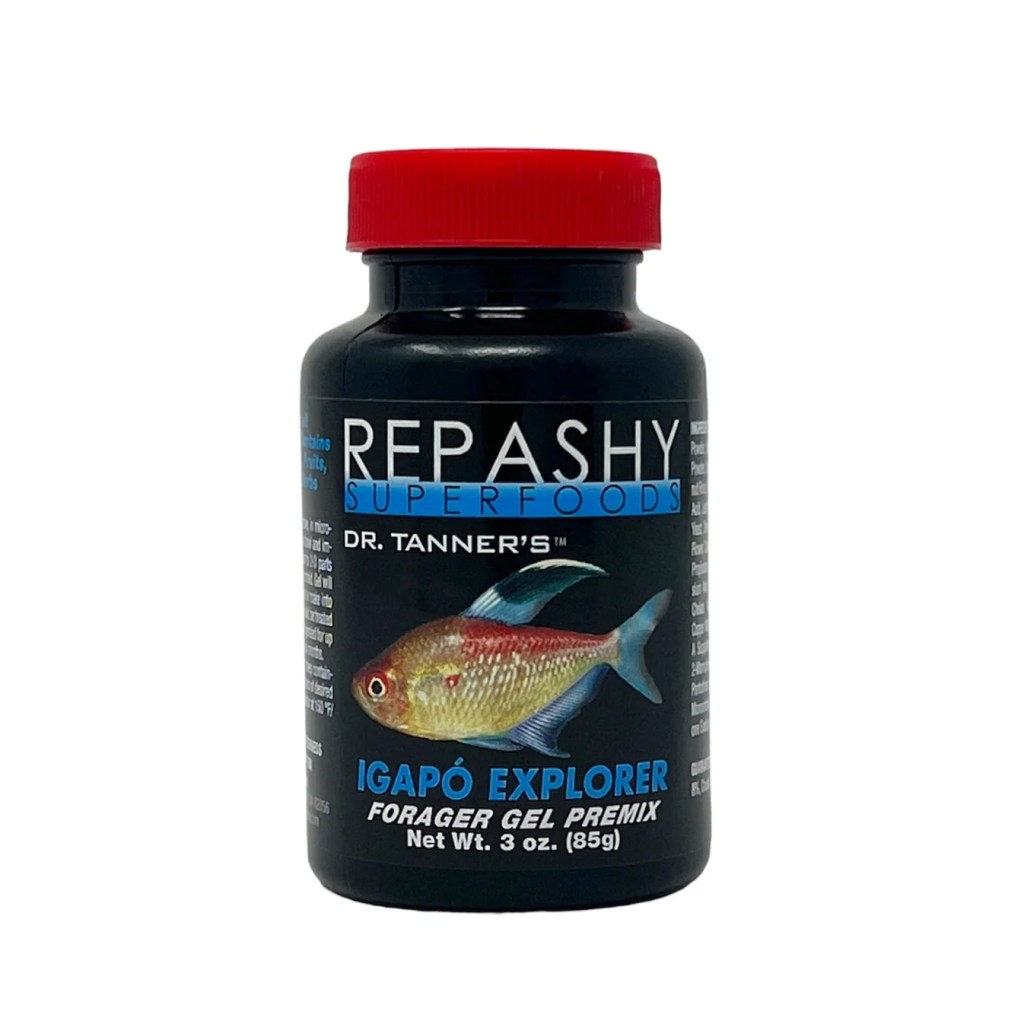
Well, there is one commercial food which really stands out to me: “Igapo Explorer” by Repashy -it is an amazing idea and a great way to bring the specialized diets of many of our favorite fishes to the aquarium. They’ve done all of the sourcing for you. Every serious characin lover should try this stuff! It’s truly one of the best ones out there, IMHO. (and no, I’m not a paid spokesperson for this stuff- I just love it and use it).
Bringing unique natural foods into your aquarium provides substantial nutritional, behavioral, and ecological benefits for your fishes. Standard feeding classifies food purely as “quick calories”, delivered once or twice a day to resident fishes. Botanical foraging treats food as slow-releasing “environmental enrichment” that interacts with the tank’s microbiome over hours or days…a big mental shift in feeding. And the real nutritional value of many of these “unconventional” foods is significant!
Fresh tropical fruits and dried blossoms deliver natural vitamin C, carotenoids, and anthocyanins that degrade quickly during the high-heat manufacturing of commercial flakes. These compounds support immune function and intensify natural red, orange, and yellow pigmentation. Their value is significant.
Supplementing adult fish diets with bee pollen transfers “vertical immunity” to their offspring, improving larval survival rates and immune cell responses against pathogens. This is something that we don’t think about all that much in aquarium keeping, and we should!
The soft cellulose and natural fibers in fruit pulp and flower petals act as gentle “roughage” for fishes. This keeps the digestive tracts of omnivorous tetras and Plecos moving smoothly, helping prevent bloat and constipation common when kept on diets comprised exclusively of prepared dry-pellet foods.
Dissolved pollen grains and the bacteria growing on softening petals provide essential amino acids and lipids for newly hatched fry and those smaller fish that struggle to swallow standard prepared foods.
And how you feed these unique foods is just as important as the fact that you’re feeding them at all!
Think about it for a second: When food is scattered across the surface or wedged into branches rather than dumped in one spot, dominant fish cannot easily monopolize the meal. Shy or subordinate fish get ample time to graze peacefully. A more natural feeding process ensues as well.
When you’re feeding flowers, try this approach:
Start with 1 whole Hibiscus flower or 2 to 3 smaller blossoms (like chamomile or calendula) per 10 gallons. Drop the rinsed flowers directly onto the water surface. They will look ridiculous for a bit, and bob around as your tetras nibble at the softening petals, before eventually waterlogging and sinking into the leaf litter.
If you have bottom-dwelling Plecos, Corydoras, or other fishes that rarely visit the surface, soak the flower in a cup of tank water for like 10 minutes until it sinks, then wedge it into driftwood branches, or even spear it onto a wooden skewer.
Leave sinking flower remnants in the tank for up to 24 to 48 hours so shrimp and snails can graze the softening fibers. If large, untouched pieces remain after two days, net them out so they do not potentially foul the substrate.
Now, far be it from me to only sell you on the upside of stuff, right? So let’s “expectation set” just a bit.
Most aquarium fish will not recognize dried flowers, fresh fruit, or bee pollen as food immediately, because captive-bred fish are sort of “conditioned” to look for uniform flakes and pellets. While a few bold species may nip at them right away out of curiosity, most need a few days to a couple of weeks to associate these novel shapes and textures with food.
Captive-bred fish learn a specific “search image” for food—usually small brown discs or floating flakes dropped in more-or-less the same corner of the aquarium every day. A floating hibiscus blossom or a cube of papaya looks like anything other than dinner at first. Dried petals and crisp fruits need time to absorb water and soften before small fish mouths can easily tear off pieces.
Ironically, because of its familiar “form factor”, bee pollen may be among the easiest of the “unique foods” to get fishes to eat. Because small granules resemble floating pellets and release a strong, sweet scent immediately upon hitting the water, surface-feeding tetras and pencilfish often strike at them on the very first or second feeding.
Fruit may take a bit longer. Once a piece of ripe mango or papaya begins releasing juices into the water column, omnivorous fish and plecos usually investigate within a few hours.
Flowers are definitely a bit more unfamiliar to the fishes at first. Many f ish often ignore floating blossoms until the petals waterlog, soften, and start growing a thin layer of biofilm—usually 12 to 24 hours after introduction. Then they’ll go to town on them!
There are a few ways to encourage reluctant fishes to take these new foods. For example, keeping bold, curious fish (like Serpae Tetras) alongside shyer species helps tremendously. Once one animal starts picking at a blossom or a piece of fruit, others tend to follow quickly.
You can also mix some of the new stuff with more familiar foods. Dust a tiny pinch of crushed bee pollen onto your regular flake or frozen food for the first few feedings so your fishes learn to recognize the scent and taste.
Another trick is to offer the new stuff after a day or two of “fasting.” This will ensure that your fishes are hungry and motivated to explore new textures. And it kind of mimics the seasonal changes in some respects, when old food sources become scarce, and new ones become available.
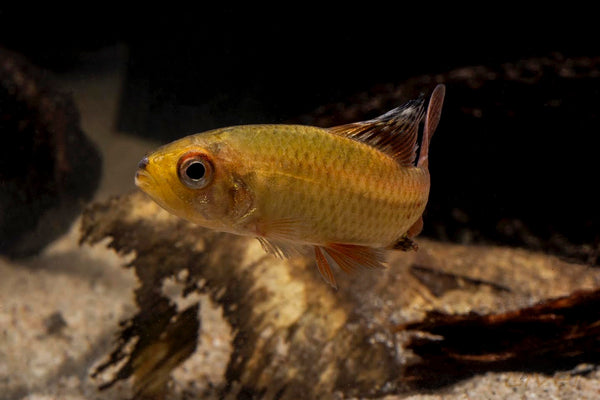
Feeding items like bee pollen, dried flowers, and fresh fruit pulp is an excellent idea for a botanical method aquarium, provided you apply the same “restraint” that defines the rest of your work with the system.
Because these foods mimic natural terrestrial inputs, they elevate your botanical method aquarium keeping to a whole different level, from a “static display” into one you’re “operating” the system, and driving development of a living, self-sustaining food web as well. Instead of just feeding your fish, you are feeding your entire aquarium. Leftover pollen grains and softening flower fibers nourish copepods, seed shrimp, and snails, which in turn become live prey for your fish.
These items offer nutritional advantages that prepared food cannot. They provide bioavailable vitamins, natural carotenoids, and gentle roughage-all of which degrade during high-heat commercial pellet manufacturing.
And there is one final advantage: Watching fish pick apart floating blossoms, chase dissolving pollen particles, or grazing on softening fruit brings out wild foraging instincts you rarely see with standard flake food. All part of a truly more “natural” system!
To get all the benefits of these foods without creating water quality issues, keep three simple “guidelines” in mind:
Start small…Use tiny portions—just a pinch of bee pollen, a single blossom, or a pea-sized cube of fruit—so your biological filter easily processes the extra sugars and proteins.
At the risk of sounding like a health food nut- I advise you to “source cleanly!” Always choose certified organic, culinary-grade flowers, fruits, and raw pollen to ensure zero exposure to pesticides or preservatives.
Start by timing the feedings of these foods to coincide with regular water exchanges. Remove uneaten fresh fruit after 4 to 8 hours and remaining flower petals/parts after 24 to 48 hours, unless you’re feeling particularly adventurous. It may eventually be a similar mindset to the one we apply to botanicals, in that you simply elect to leave them in until they completely break down- but it’s your call here.
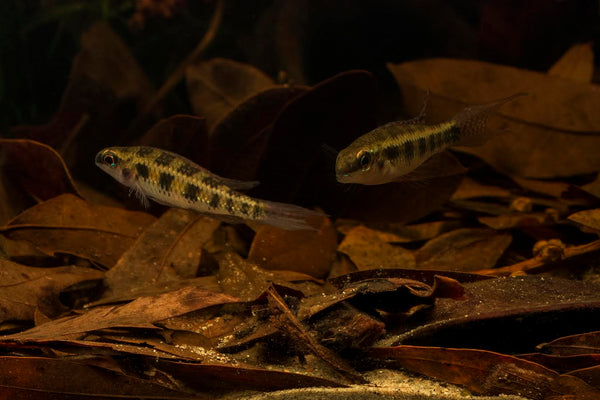
Feeding your fishes is an important, vital step in their care. Employing more natural foods, form factors, and feeding techniques can bring out behaviors, instincts, and unlock health benefits for many flooded forest fishes. It’s an idea that, although wide open for aquarium-level research, is already “proven” in Nature, with millions of fishes consuming these foods in the wild for eons.
It’s all a part of my challenge to you to go beyond what is “common” and “usual”, and to seek the many advantages that embracing an overall more natural approach to aquarium keeping can bring.
Stay curious. Stay adventurous. Stay studious. Stay patient…
And Stay Wet.
Scott Fellman


Leave a Reply