
One of my favorite parts of the aquarium hobby is learning about different aquatic habitats, and considering the ecology and the fishes which reside in them. This of course, gives me a lot of inspiration for new aquarium executions.
That’s what keeps this hobby so amazing!
I’m totally fascinated by the floodplain rivers and wetland complexes from which many of our aquarium fishes come. Most of these habitats are subject to extensive seasonal flooding. Large river channels possess well-developed fringing floodplain systems, such as the “internal delta”, located at the confluence of the Apure and Orinoco.
One of the unique habitats in this region is what ecologists call a “morichal.”
A “morichal” is a lowland stream found in Savannah areas of South America, Amazon River basin, the upper Negro River drainage in Brazil, the Orinoco River basin, and along the Orinoco River in Colombia and Venezuela, among other locales. The habitat is dominated by a certain type of palm tree, the “Moriche Palm” (Mauritia flexousa), and extensive riparium vegetation. This palm only grows were its roots can be underwater (love that!), and typically is found in groups- hence the term, “morichal”, which refers to…a group of them!
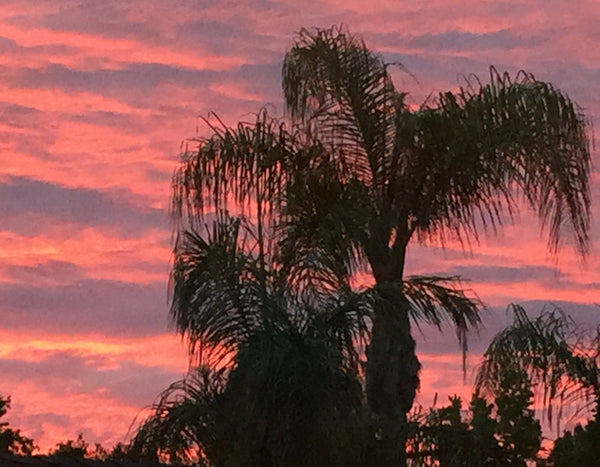
Morichals typically form along streams, in floodplains, around springs, or in poorly drained areas where the soil remains saturated. These wetlands provide food, nesting sites, and shelter for many birds, mammals, reptiles, amphibians, fish, and insects. The dense palm canopy helps moderate temperature and retain moisture compared with surrounding grasslands, and they help store water, reduce erosion, support groundwater recharge, and act as refuges for wildlife during dry periods.
These are surprisingly densely populated habitats, fish wise. A morichal often appears as a ribbon of tall palms rising above open savanna, with clear or dark slow-moving water flowing beneath the trees and abundant aquatic and semi-aquatic vegetation. Morichals are characterized as having what ecologists call “High structural complexity”. The two types of morichal habitats are flooded vegetated areas and “sandbanks.”
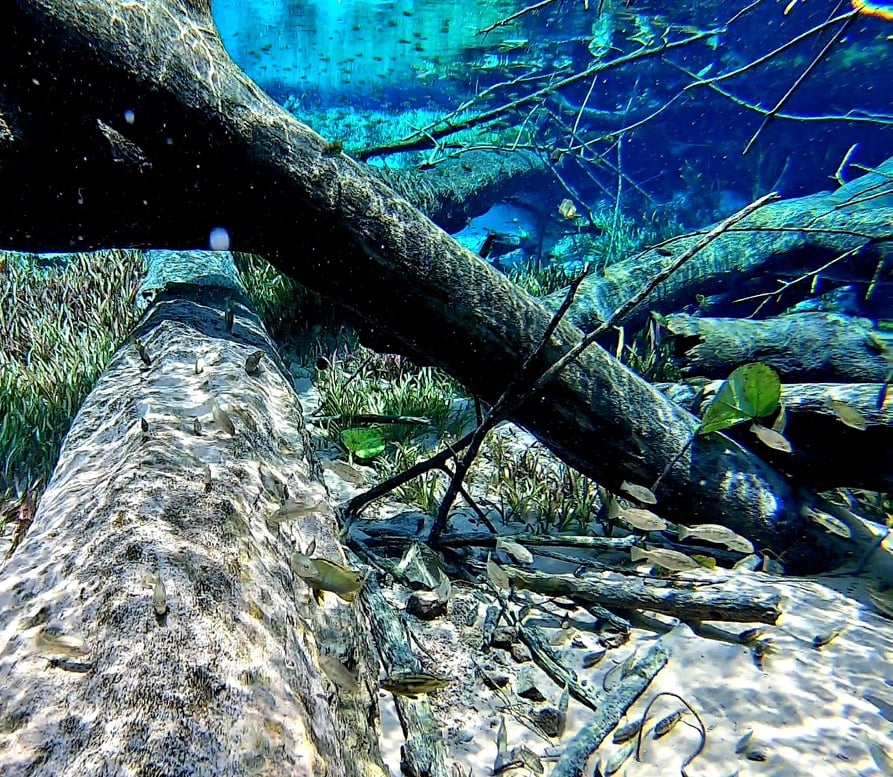
“Sandbanks” in the morichal are defined as sandy beaches off of the main channels (mostly comprised of coarse sand substrate) with depth of around 3ft/ 1 m, and moderate current (< 0.06 m/s).
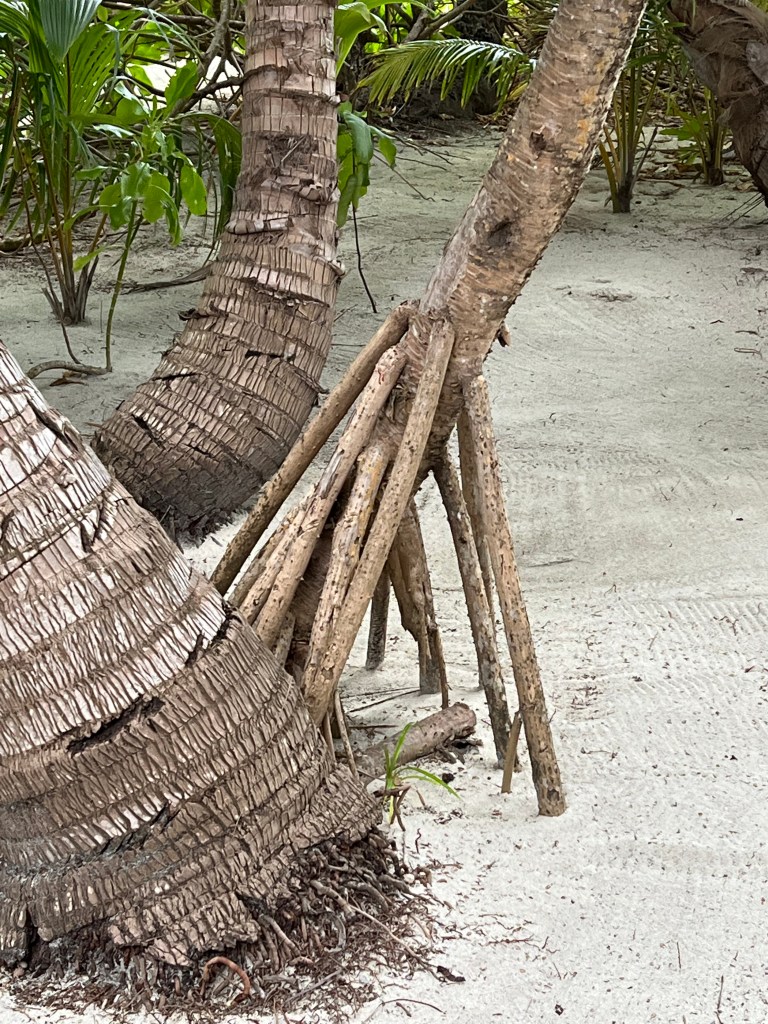
The flooded vegetated areas are dominated by stands of the aforementioned “Moriche palm”, having up to 90% substrate coverage, consisting of large woody debris derived from riparian vegetation (mainly the palms), as well as terrestrial grass and leaf litter. These habitats have a very moderate or slow current (< 0.05 m/s) and depth (3ft/ 1 m or less).
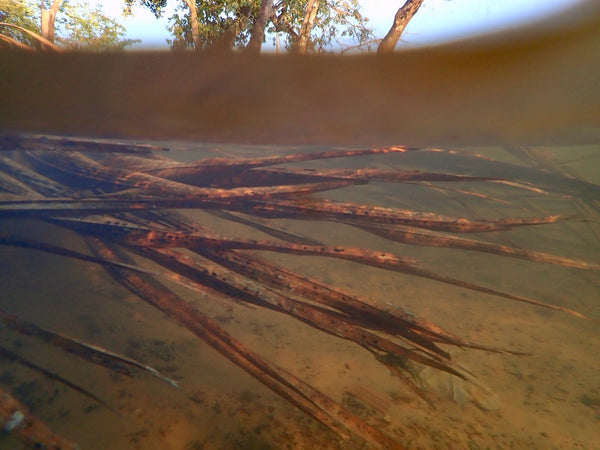
Morichals are considered important systems for the maintenance of freshwater Neotropical fauna in lowland savannas. The monodominant stands of the palm and associated growths provide important food to a great number of species,
Although typically supplied with underground water sources throughout the year, these streams swell with water during periods of seasonal flooding. Riparian vegetation and sandy substrates abound. And when you have trees, vegetation, and seasonal influx of water, utilizing botanicals in your aquarium replication of this habitat is just “par for the course”, right?
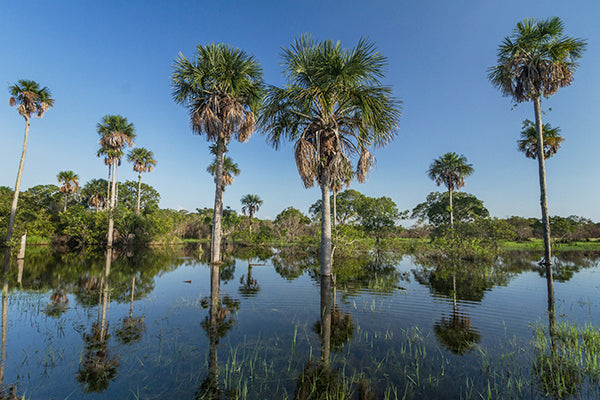
The habitat itself has an abundance of botanical debris, leaves, macro algae, fallen branches, palm fronds, and a matrix of roots and such. And, with terrestrial plants growing right up to the water’s edge, the possibilities to create a cool aquatic display are unlimited! With a little creativity, one could simulate the growth of the riparian vegetation of the morichal.
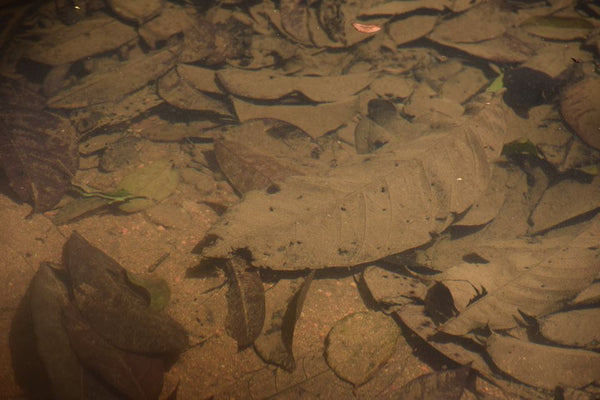
The flooded vegetation habitats along most morichals are important to fish fauna, composed largely of small-bodied cichlids, characins, lebiasinids, and silurids. The sand patches tend to have slightly less species richness and population density than the vegetated areas.
It makes sense that the vegetated habitats are more populous, right? I mean, these littoral habitats, which contain woody debris and leaf litter are known by ecologists to support higher “primary and secondary productivity” which provides fishes with more foraging opportunities on a larger variety of substrates.
Again, it’s a case of the fishes following the food– an idea we’ve discussed many times here, right? 🤓
In a study I found of a typical morichal habitat by authors Carmen G. Montaña, Craig A. Layman, and Donald C. Taphorn, the distribution of fishes among the two major morichal habitats was explained as follows:
“…in vegetated patches we found a relatively high abundance of small cichlids and doradid catfishes with different body shapes and feeding habits (e.g., Apistgramma hoignei, Physopyxis ananas). But small omnivorous characids with less-diversified body morphologies (Characidae), such as tetras of the genera Moenkhausia spp. and Hemigrammus spp., dominated open and shallow beaches.”
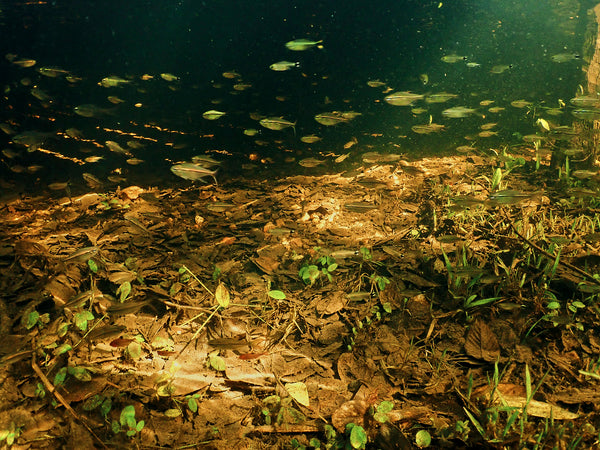
And this little tidbit from the study is quite interesting, too: “Although we did not evaluate communities of small invertebrates in this study, it was apparent that vegetated patches contained a high abundance of shrimps and other macroinvertebrates.”
Yeah, shrimp.
Oh, and aquatic plants, too! Not that I’m a big aquatic plant guy, but if it brings more people “to the yard”, so to speak, to try replicating this habitat, it’s cool with me!
It is not uncommon to find large stands of Eleocharis in shallow areas. In the deeper water, several species of Ludwigia are found in significant density, and in the shallows, you’ll often find simple filament algae. Another cool aquatic plant that you’ll find in these habitats stats is the much-loved (yet challenging to many) Tonina fluviatilis, which grows in dense stands within these shallow, acidic, slow-moving morichal habitats.
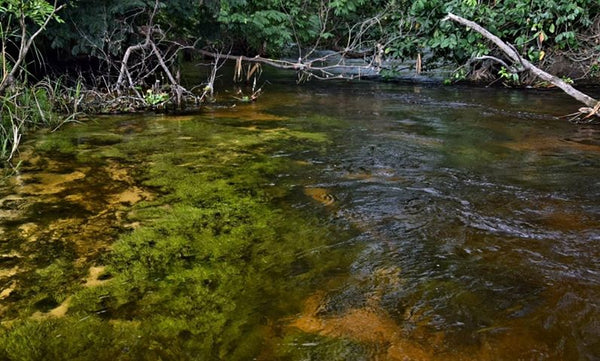
Although the waters in these habitats are largely clear (as in, not turbid), some are stained with tannins and are typically acidic in pH (usually 6.0 or less), and have a significant amount of roots and such from the terrestrial and riparium vegetation surrounding. You’ll find lots of palm leaves, fruits, and seed pods submerged on the substrate in morichals.
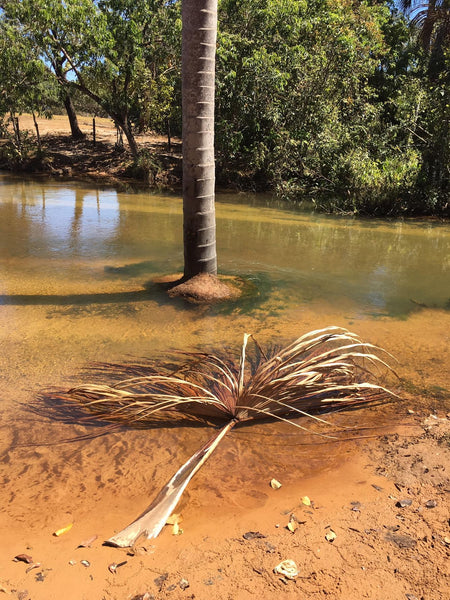
And of course, that’s where us botanical method aquarium geeks come in, right?
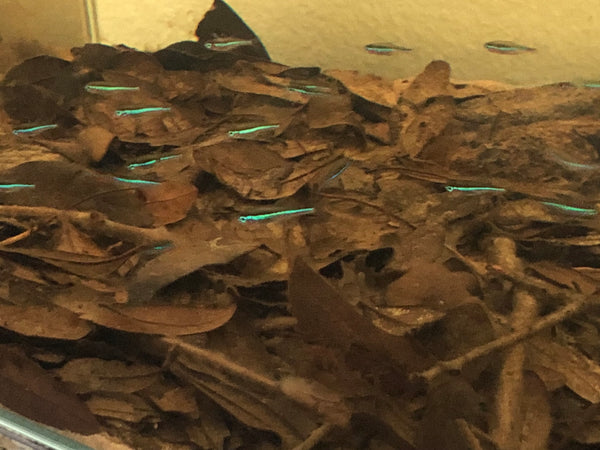
Scattering botanicals materials along the bottom of the aquarium would create a pretty good replication of the morichal environment! I would probably not go too crazy, in terms of variety; rather, I’d limit my selections to a few botanicals and just sort of “do it up” that way, so as to emphasize the abundance of several dominating terrestrial plant species in the locale.
True Moriche palms are impractical underwater, but you can create the appearance of this habitat with sparse aquatic vegetation, and some floating plants, such as Amazon frogbit (Limnobium laevigatum). It would be super cool to feature some emergent plants growing above the waterline
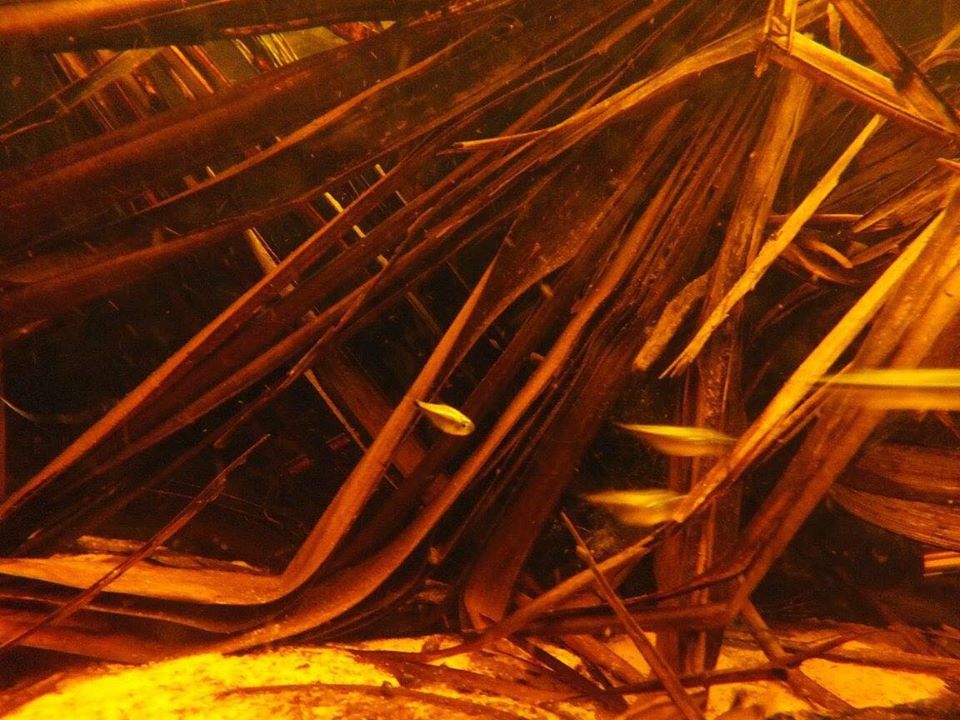
And of course, you’d let the material decompose, as this drives the ecology of the aquarium ecosystem that you’ve created.
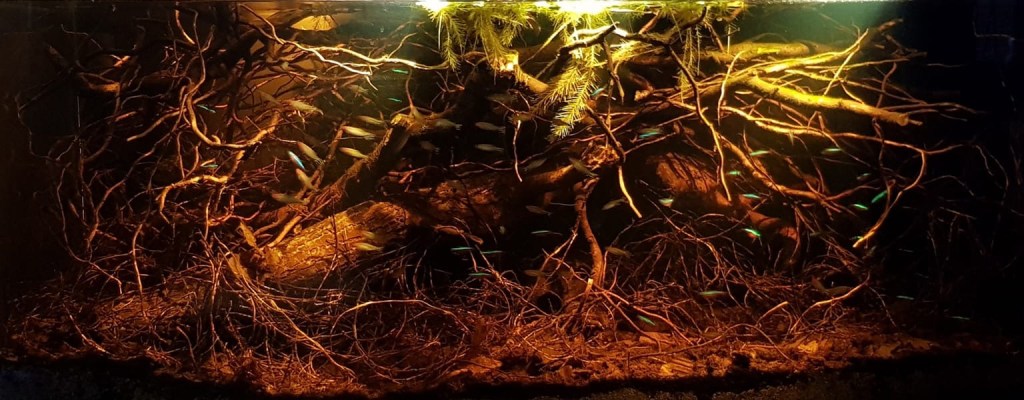
And to be quite honest, I’d be equally interested in exploring the possibilities of replicating the sand patches in our aquariums as well. There is something compelling about a sparsely-covered, sandy habitat, with the fishes providing the “action”.
“What about the fishes, Scott?”
Oh, yeah! Let’s get back to that!
A few generalizations concerning aquarium configurations for such a representation: In terms of tank size, 40–75 gallons is ideal. Personally, I’d keep large schools (20–50+) of one or two species of tetras, rather than many different species. Prioritize natural behavior and habitat appearance/function over species variety.
Many morichal waters are blackwater habitats. Fallen moriche palm fruits, leaves, and other vegetation release tannins into the water, making it tea-colored, soft, acidic, and often low in nutrients. Fish living there are adapted to these conditions and may display especially vivid colors, which is why some morichal species are popular in the aquarium trade!
These environments often contain dozens of different fish species in relatively small areas, including characins, catfishes, and dwarf cichlids. Unusual characin species, such as Hemiodus, are often found in these habitats. Occasionally available in the aquarium trade, they would make really cool “stars” for a specialized display like this! The lovely “Green Neon Tetra” (Paracheirodon simulans), is a known (and super sexy!) denizen of this habitat, as well!
Oh, and Dwarf Pike Cichlids are often found in morichal habitats…hello! A truly under-appreciated group of fishes, which would be amazing to feature in such a setup!
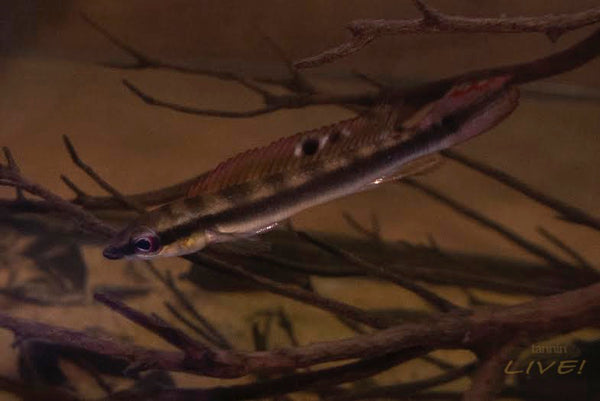
Of course, some of the more popular characins, such as Pencilfishes (N. unifasciatus is notable), are found there. And Apistogramma, along with the beloved Mesonauta insignis, are found in morichals, which will lend a familiar, if not somewhat exotic look to your display!
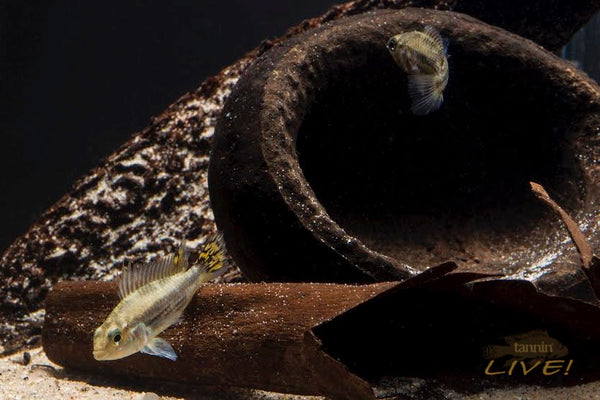
You’re even likely to find Rivulus species of killies, and some livebearers on occasion, in these habitats. As a subject for a riparium study, the morichal environment presents a near-perfect opportunity to stretch your aquatic creativity, while highlighting some well-known fishes in an unusual and not-often-replicated niche.
Think of the creative possibilities here!
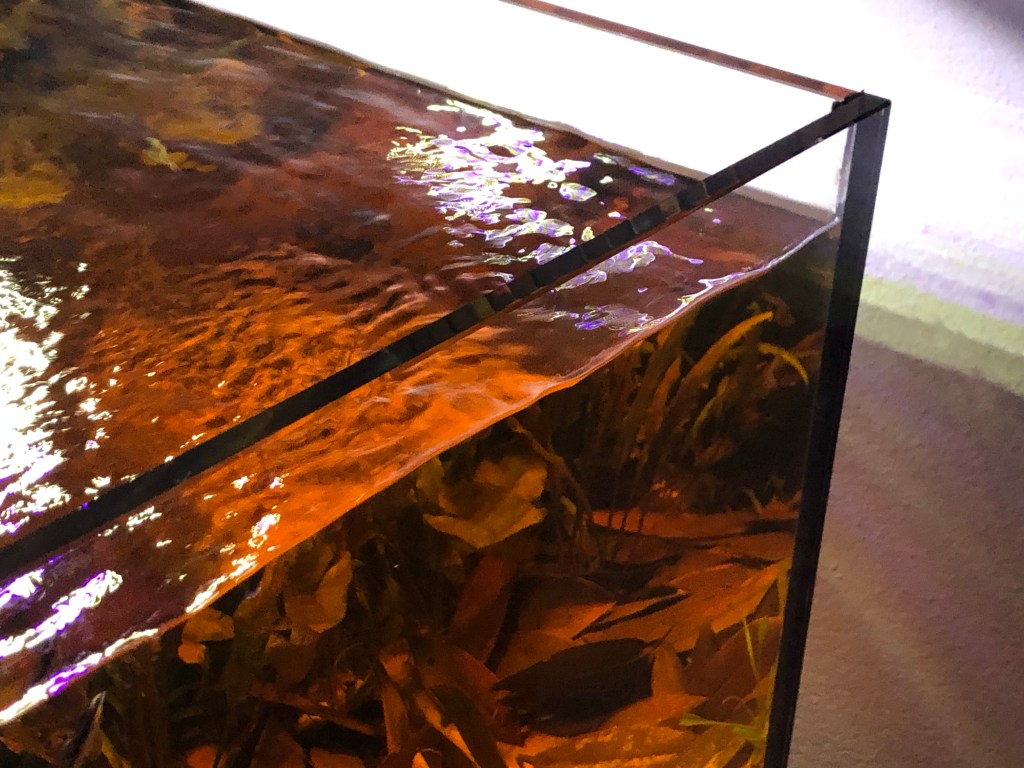
The morichal is symbolic of where we are in the aquarium hobby: At a real “high point”, where it’s entirely possible to create realistic, “functionally aesthetic” aquatic display utilizing natural materials to mimic the look and function of the amazing aquatic habitats of the world, while simultaneously learning about the challenges facing these priceless natural treasures.
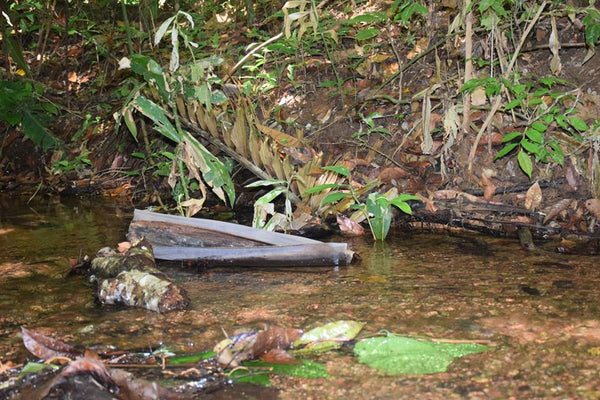
With so much to explore in the natural world, and so many habitats- or aspects of them- to replicate in the aquarium, we have unique opportunities to get out of our “comfort zones”, study the form and function of them, and create great work. It will be really fun to see what kinds of representations our community will continue to push out to the world.
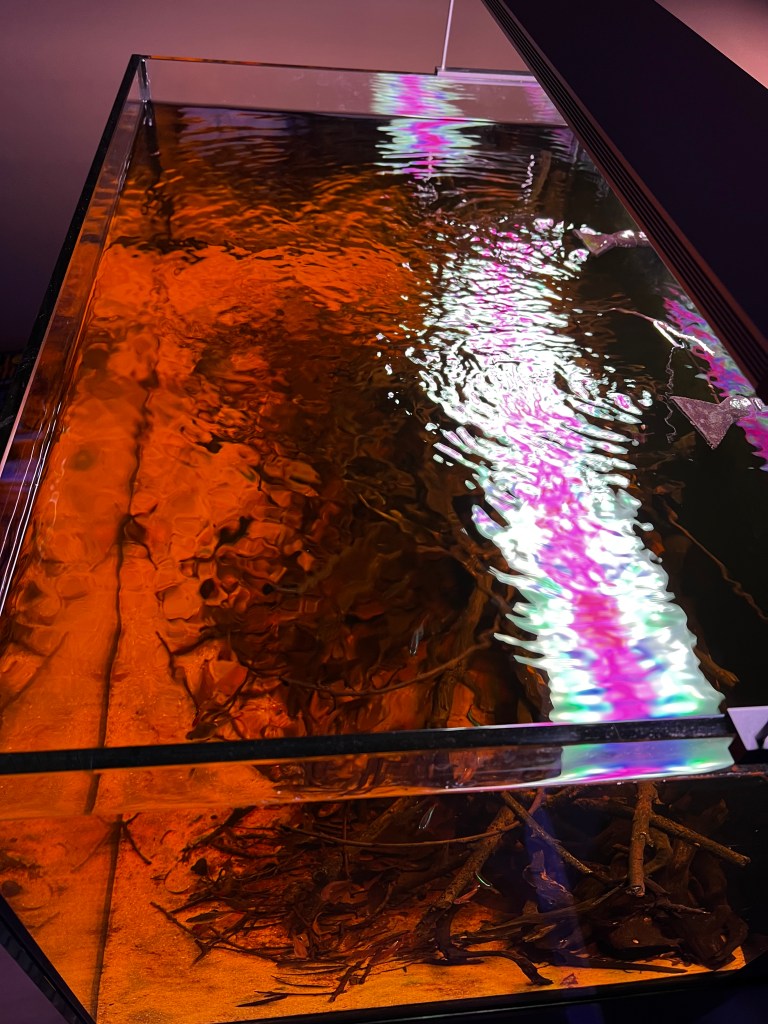
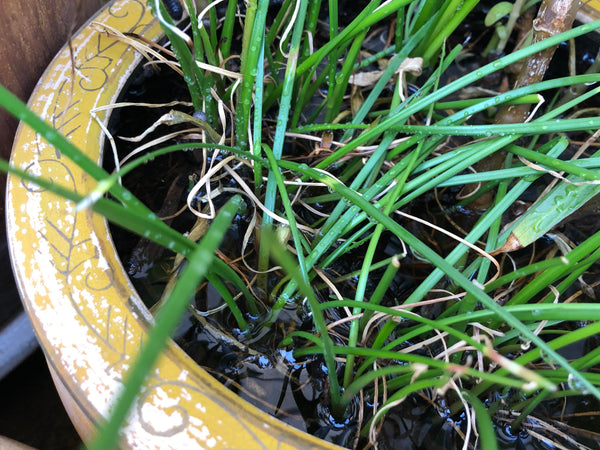
I’ve cultivated some riparian plants, such as Acorus, for the past couple of years, which “I’m gonna” use someday in a riparium-type replication of this habitat! A paludarium would open up some unique aesthetic opportunities to really push the boundaries of creativity!
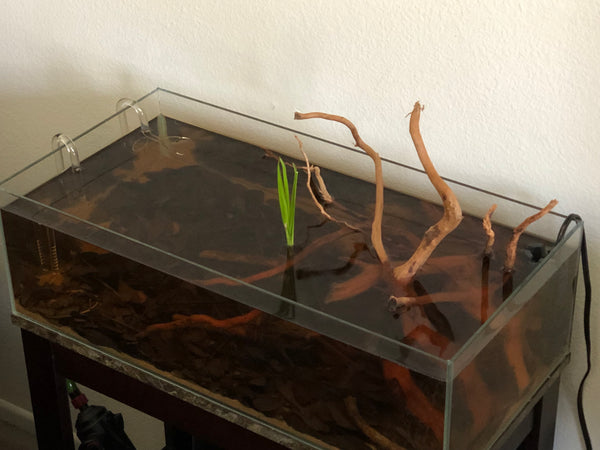
In the past, I’ve even experimented with small “Cat Palms” (Chamaedorea cataractarum) and rooted them in leaf-strewn, shallow sand substrates- a sort of “micro morichal” setup! And they did grow, so I know this concept can work! Further experimentation in this area can no doubt yield some cool results!
And of course, whenever you have these complex physical habitats, you end up with a diversity of life and food sources- and hence, fishes which are suited to exploit them. This interesting summary from a study I encountered on Morichal habitats expands upon this:
“In structurally complex habitats, specialist species also can exploit specific food resources to which they are morphologically or physiologically adapted to utilize (Willis et al., 2005). For example, in vegetated patches we found a relatively high abundance of small cichlids and doradid catfishes with different body shapes and feeding habits (e. g., Apistgramma hoignei, Physopyxis ananas). But small omnivorous characids with less-diversified body morphologies (Characidae), such as tetras of the genera Moenkhausia spp. and Hemigrammus spp., dominated open and shallow beaches.
Littoral habitats containing woody debris and leaf litter also might support higher primary and secondary productivity which provides fishes with more foraging opportunities on a larger variety of substrates (Benke et al., 1985; Crook & Robertson, 1999). Relationships between fish structure and macroinvertebrate assemblages have been associated with habitat heterogeneity (Angermeier & Karr, 1984).”
And of course, that’s where we come in as botanical-method aquarium geeks, right?
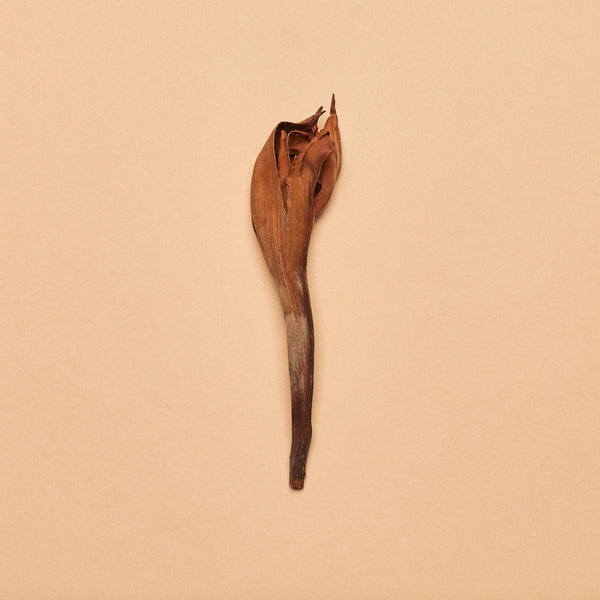
Scattering these materials along the bottom of the aquarium would create a pretty good replication of the morichal environment! I would probably not go too crazy, in terms of variety; rather, I’d limit my selections to a few and just sort of “do it up” that way, so as to emphasize the abundance of several dominating plant species in the locale. Palm fronds would certainly figure prominently here.
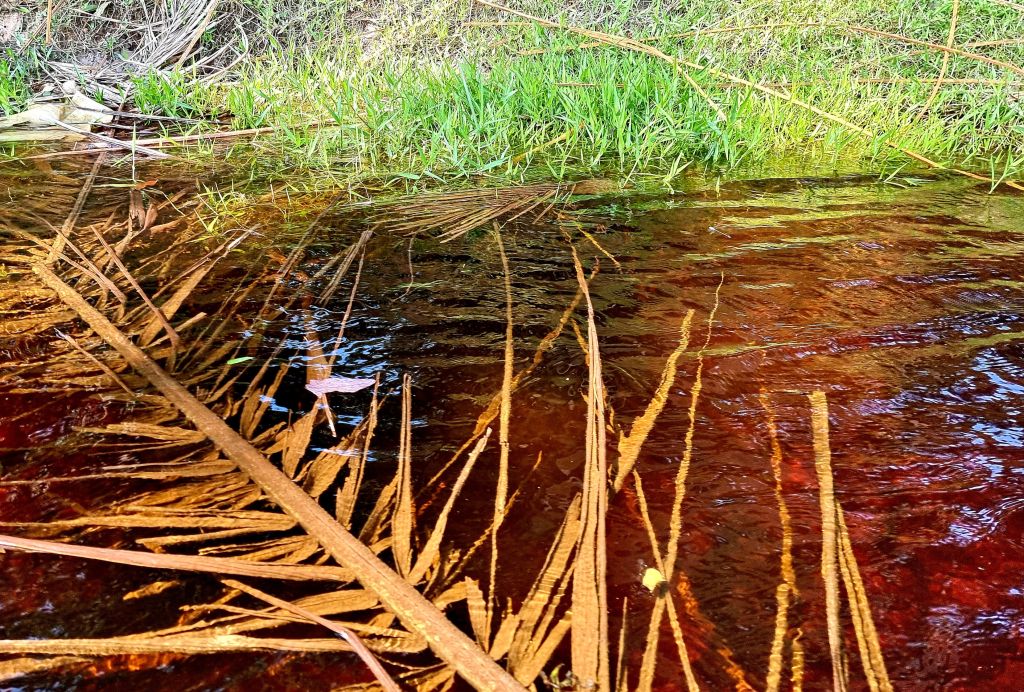
As a subject for a riparium study, the morichal environment presents a near-perfect opportunity to stretch your aquatic creativity, while highlighting some well-known fishes in an unusual and not-often-replicated niche.
Think of the creative possibilities here!
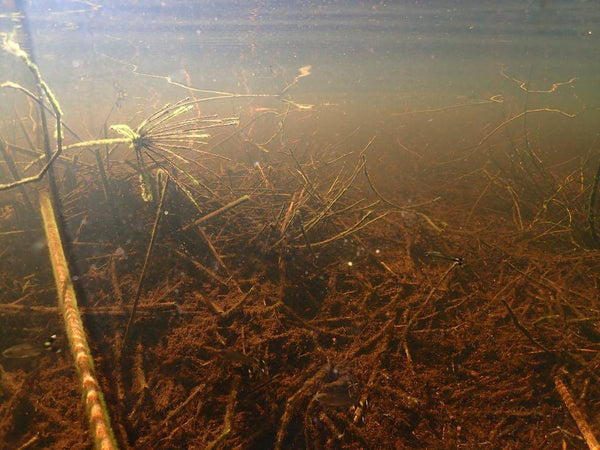
The abundance of botanicals and wood available to us today makes it easier than ever to realistically replicate this habitat! There are numerous amazing materials which you can employ to replicate the functional and aesthetic aspects.
The morichal is symbolic of where we are in the aquarium hobby: At a real “high point”, where it’s entirely possible to create realistic, “functionally aesthetic” aquatic display utilizing natural materials to mimic the look and feel of the amazing aquatic habitats of the world, while simultaneously learning about these priceless natural treasures.
Where to next?
Let’s keep pushing!
Stay creative. Stay studious. Stay bold. Stay excited…
And Stay Wet.
Scott Fellman
 The Tint
Leave a comment