
One of the more remarkable things about the botanical-method aquarium approach is that it offers us a unique insight into the function of many wild aquatic habitats. These habitats are tremendously influenced by their surrounding terrestrial environment:
The very soils which make up the substrate, and the fallen tree trunks, leaves, and seed pods present in the water cement the relationship between land and water.
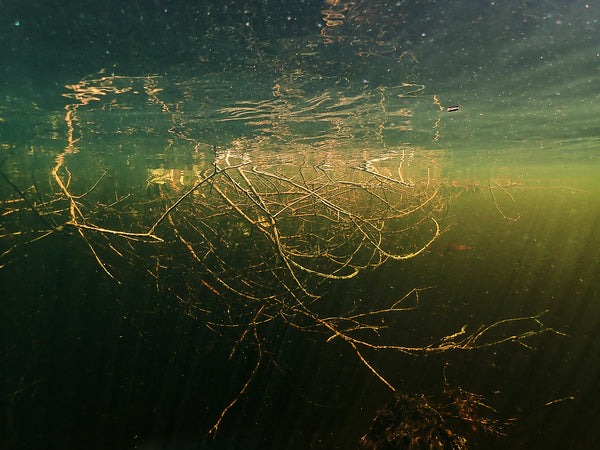
The “operating system” of a botanical method aquarium, as we’ve discussed many times before, is literally driven by the presence of these materials. The same materials- and processes- which power natural aquatic ecosystems worldwide.
A few days ago, I was doing a small water exchange in one of my personal botanical method aquariums, and I reached in to move a seed pod away from the siphon hose (so that it wouldn’t block it), and it promptly disintegrated in my fingers! I thought to myself that here was another botanical which did its job, gradually releasing tannins, humic substances, and other compounds into the water over the months, until finally decomposing back into its (likely) near-inert constituent parts.
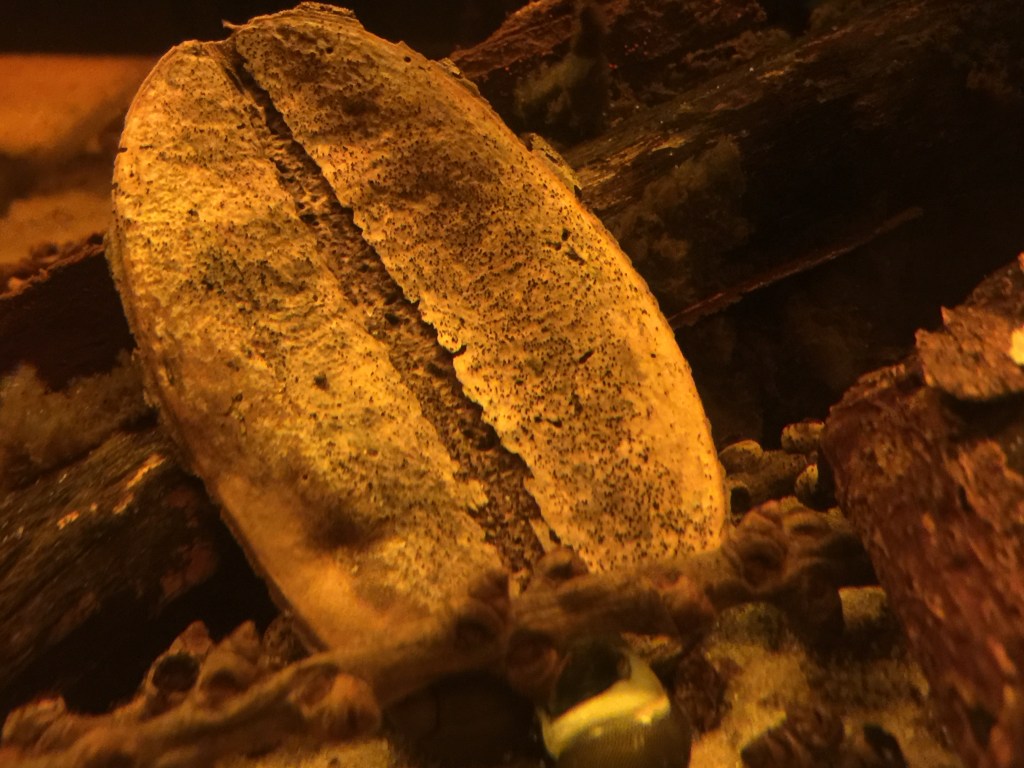
This is the very essence of what we call have called “habitat enrichment” over the years-the imparting of beneficial substances and materials into the overall aquatic environment via botanical materials. Of course, as we’ve reiterated before here, we can’t say exactly what they are imparting, and how much.
We can conclude via observation, however, that they are contributing…something…to the aquatic environment.
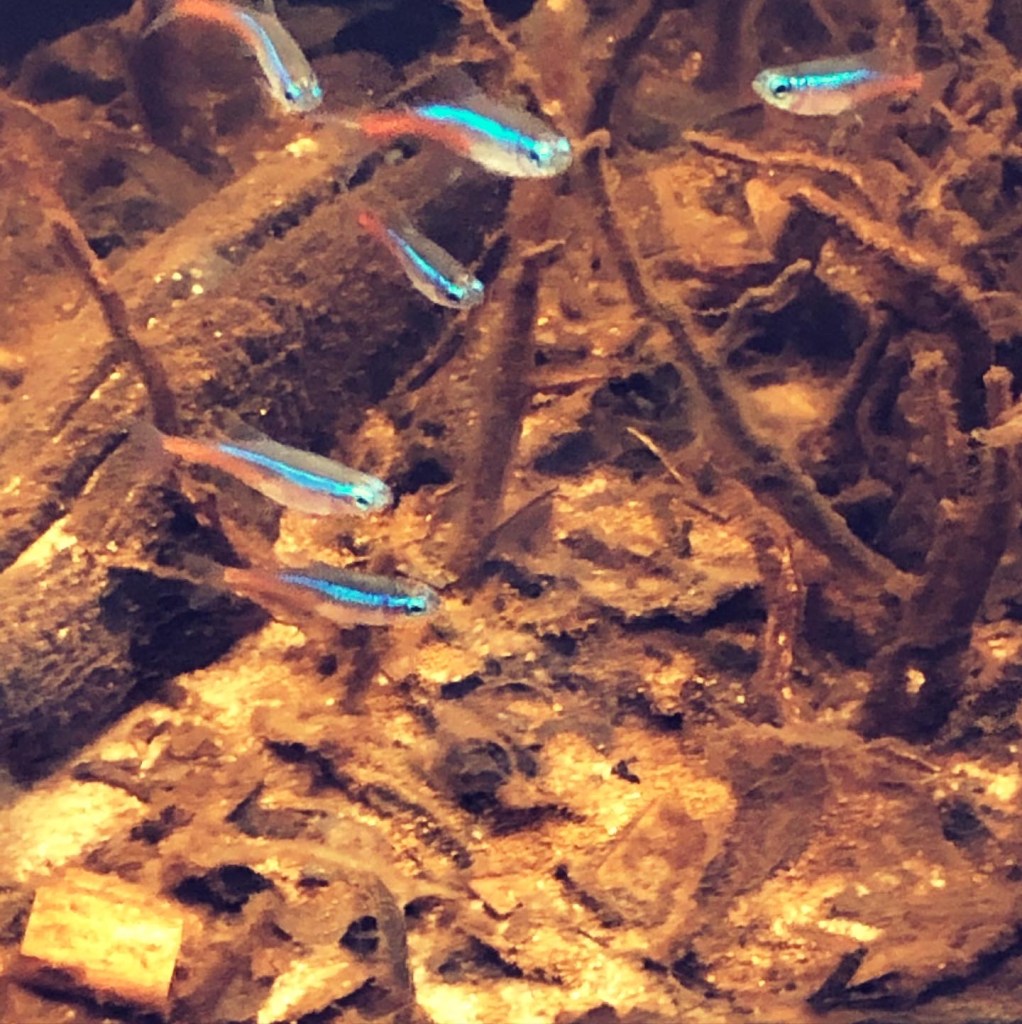
Something which benefits the health of our fishes, and the stability of the aquatic habitats that we’ve created in our tanks.
This submerged botanical, like many others in the tank, contributed greatly to the microbiome of the system. Fishes foraged upon its surfaces, shrimp consumed its lignin-rich tissues, and fungal growths, biofilms, and microorganisms flourished on its matrix of interstitial surfaces.
The “end” of this botanical’s “service life” was symbolic, in a way, of what takes place in our aquariums: Fungi, bacteria, algae…indeed, the water itself all conspire to erode, degrade, and ultimately, decompose these materials…a real “cycle of life.” I added some new ones.
Adding new botanicals and leaves serves the multifold purpose of resupplying the organisms at the base of the microbiome with a new food source, keeping the water visually “tinted”, the physical environment consistent, and the look and vibe of the tank “fresh”- so similar to what goes on in Nature, when old leaves break down, and new ones fall into bodies of water to take their place.
New leaves and botanical materials are a sort of a biological/chemical “shot in the arm” for our aquariums.
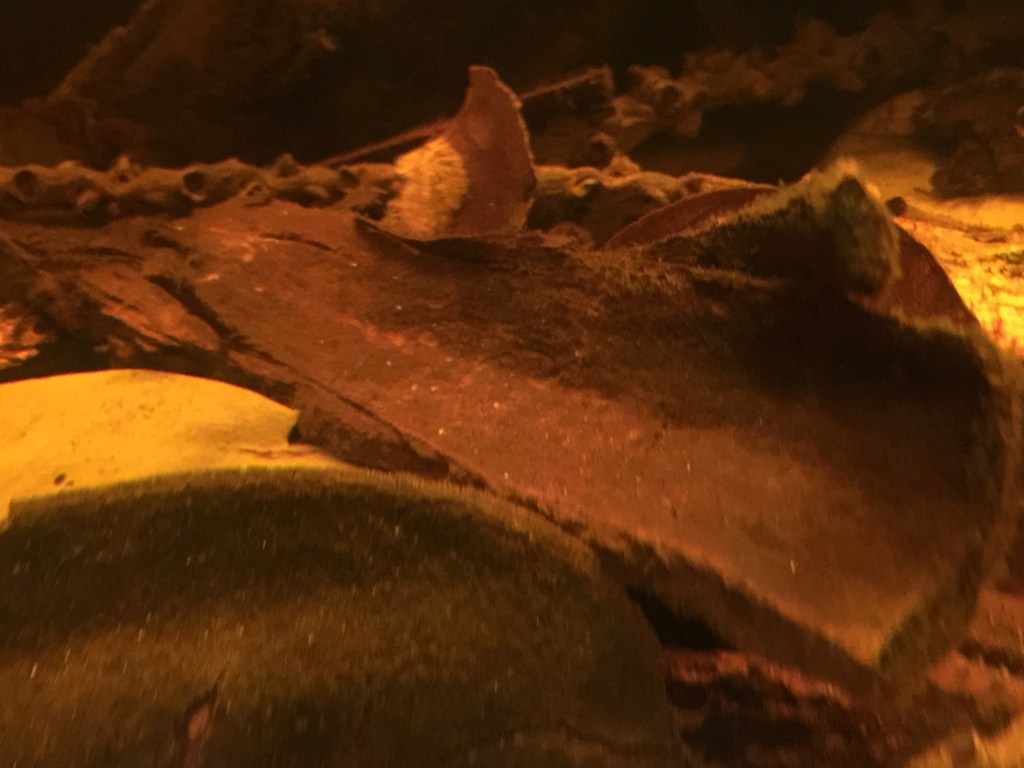
Some of the most amazing comments we receive after sharing underwater pics of the wild habitats of Amazonia and elsewhere are from hobbyists who, at first, thought that some of these pics were from someones’ aquarium! In a few instances, some of the close ups of botanical method aquaria are virtually indistinguishable from wild scenes!
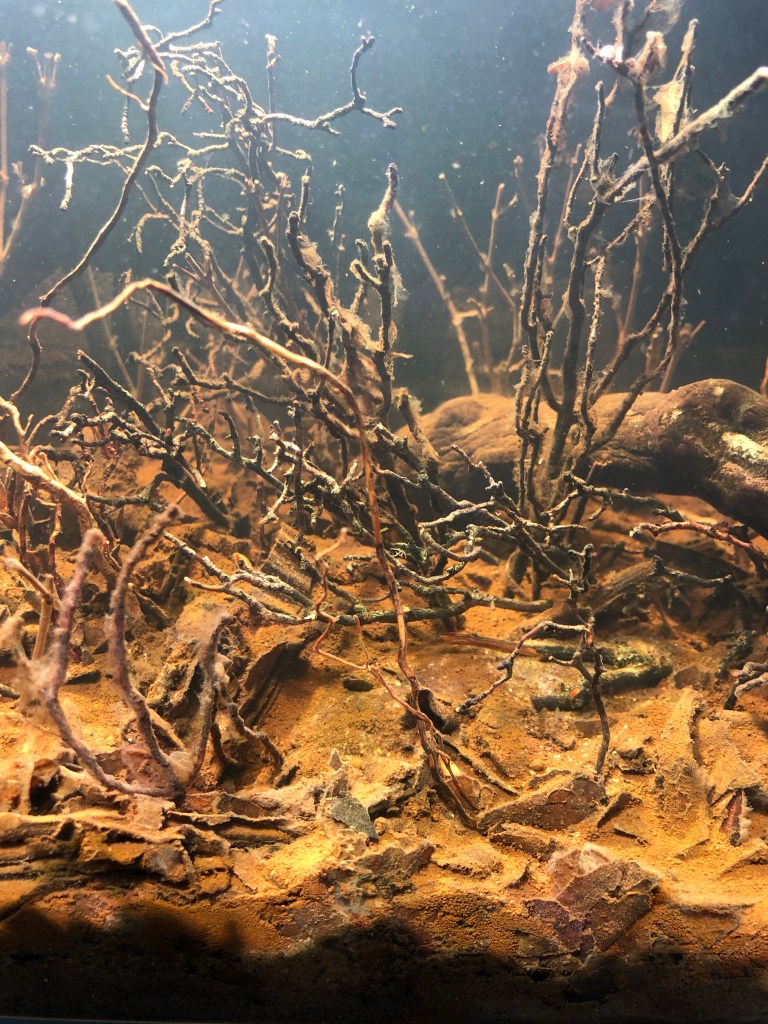
This is a real turning point in the history of natural aquarium keeping, IMHO. One in which the function of the aquariums we are creating trumps the aesthetics…or, perhaps better put- the function and natural processes drive the aesthetics..and it’s an incredible replication of what you’d encounter in Nature!
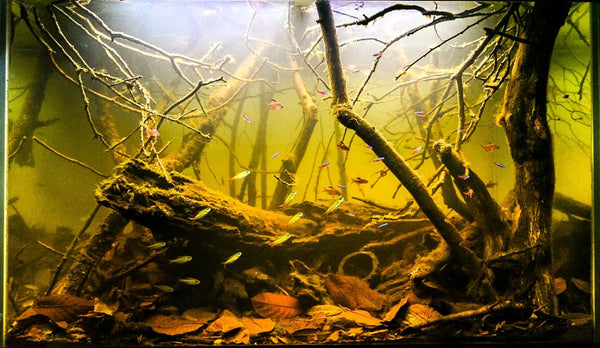
By facilitating these natural processes within the aquairum- not resisting them, we’ve fostered in an entirely new approach to creating truly “natural” aquairums in the hobby!
Blurring the lines between Nature and the aquarium, at the very least, from an aesthetic sense- and in many aspects, from a “functional” sense, proves just how far today’s hobbyists have come…how damn good you are at what you do. And how much more you can do when you turn to Nature as an inspiration, and embrace it for what it is.
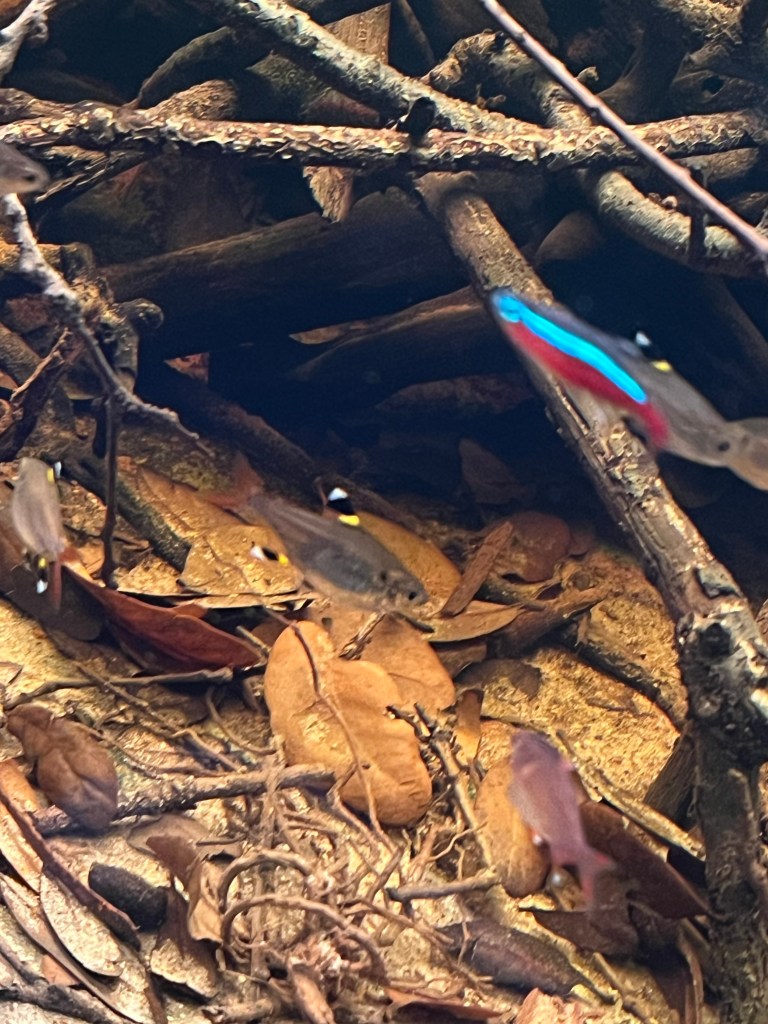
Many of our most incredible natural aquariums are replications of what I like to call “opportunistic habitats”- or habitats which arise in Nature because of some specific events or occurrences, like seasonal inundation, sediment accumulation, and fallen trees.
Yeah, trees.
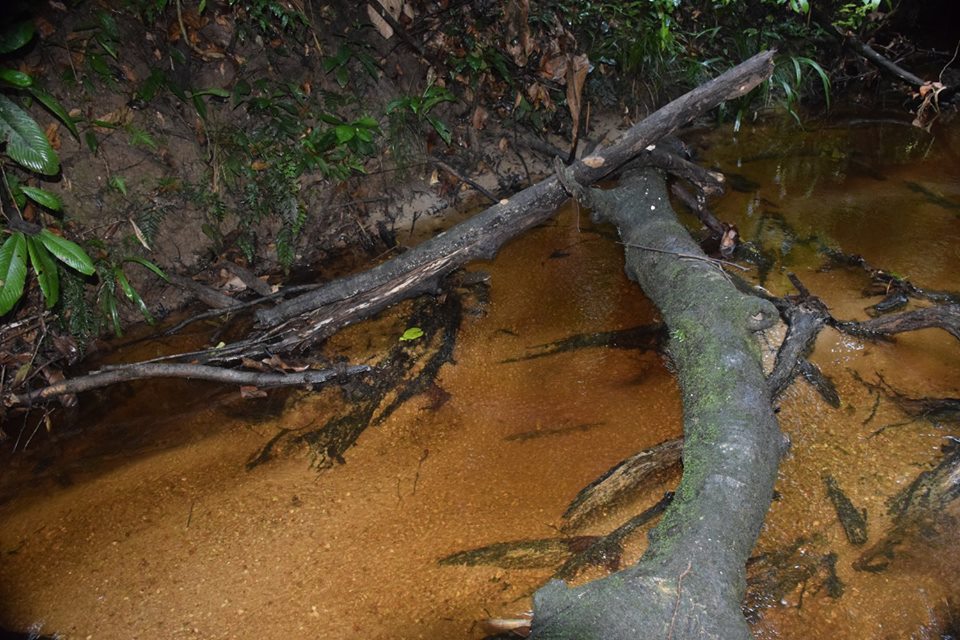
It’s not uncommon for a tree to fall in the rain forest, with punishing rain and saturated ground conspiring to easily knock over anything that’s not firmly rooted. When these trees fall over, they often fall into small streams, or in the case of the varzea or igapo environments in The Amazon that I’m totally obsessed with, they fall and are submerged in the inundated forest floor when the waters return.
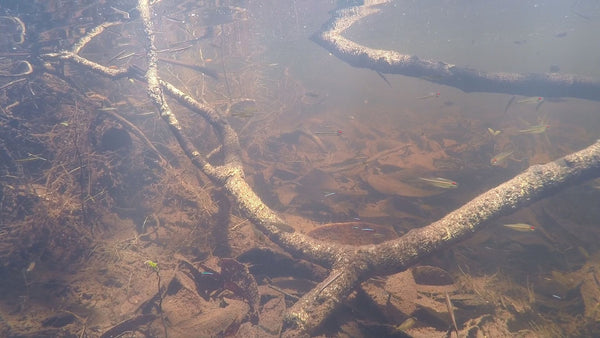
And of course, they immediately impact their (now) aquatic environment, fulfilling several functions: Providing a physical barrier or separation from currents, offering territories for fishes to spawn in, providing a substrate for fungi and biofilms to multiply on, a space for leaves to accumulate, and places for fishes forage among, and hide in.
An entire community of aquatic life forms uses the fallen tree for many purposes. And the tree trunks and parts will last for many years, fulfilling this important role in the aquatic ecosystems they now reside in each time the waters return.
What an incredible dynamic!
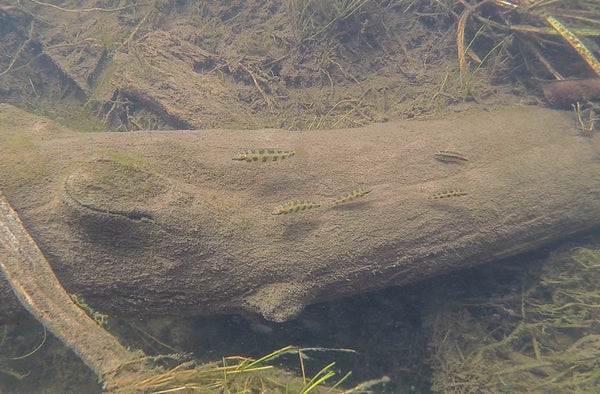
Let’s focus on this “ecological component” for just a bit. Let’s review what happens when a tree falls…literally!
Shortly after falling into the water, fungi and other microorganisms act to colonize the surfaces, and biofilms populate the bark and exposed surfaces of the tree. Over time, the tree will impart many chemical substances, (lignin, humic acids, tannins, sugars, etc.) into the water as the bark breaks down and the tree itself softens. Because underwater environments can have low oxygen levels, decomposition is often slower than on dry land.
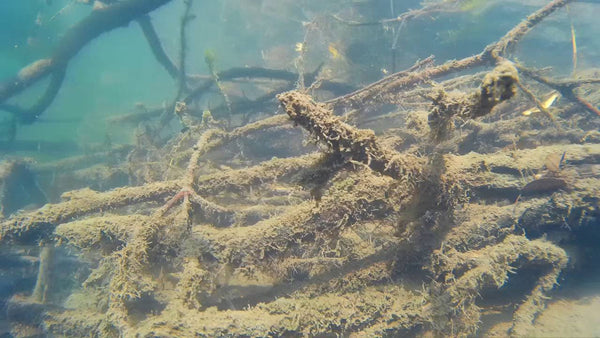
Nutrients stored in the tree are released back into the ecosystem. The decaying wood contributes carbon, nitrogen, and other nutrients to the water and sediments. These nutrients support aquatic food webs and eventually help fertilize surrounding forest vegetation.
Large logs can slow water flow and trap leaves, organic matter, and sediment. Over time, this can influence the shape of channels and even floodplain habitats.
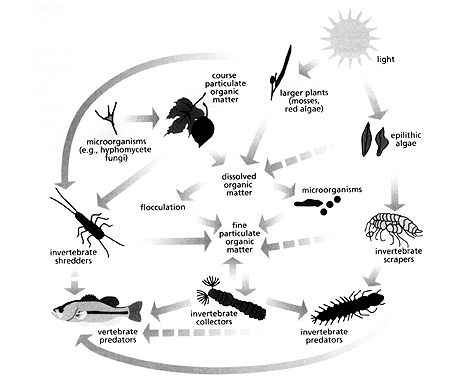
In aquatic ecosystems, much of the initial breakdown of botanical materials is conducted by detritivores– specifically, fishes, aquatic insects and invertebrates, which serve to begin the process by feeding upon the tissues of the seed pod or leaf, while other species utilize the “waste products” which are produced during this process for their nutrition.
In these habitats, such as streams and flooded forests, a variety of species work in tandem with each other, with various organisms carrying out different stages of the decomposition process.
The fallen tree literally brings new life to the waters.
A fallen tree becomes a temporary reef-like structure, a food source, and a nutrient reservoir—continuing to play an important ecological role for the forests long after it dies.
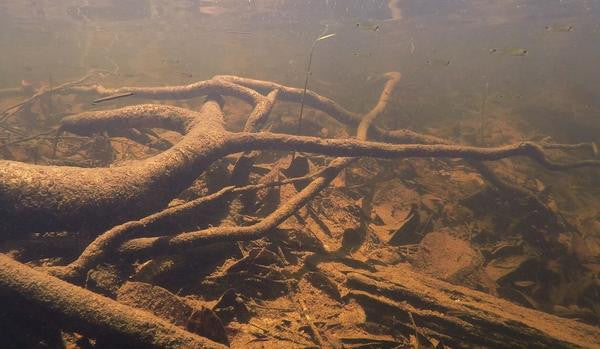
I can’t stress enough how interesting and important this transformation of the terrestrial environment to the aquatic one is. It helps explain so much of why the aquatic habitats look and function the way they do, and how they impact the life forms which make use of them.
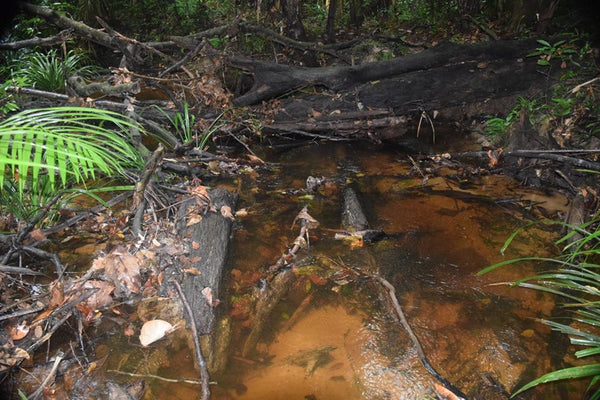
The tree, and indeed, the materials that comprise the tree are known in ecology as “allochthonous material”– something imported into an ecosystem from outside of it. (extra points if you can pronounce the word on the first try!)
We’ve talked about that stuff and its importance to the ecosystem for a while now, right?
Yeah.
And of course, in the case of fallen trees, this “stuff” includes includes leaves, fruits and seed pods that fall, or are washed into the water along with the branches and trunks that topple into the stream.
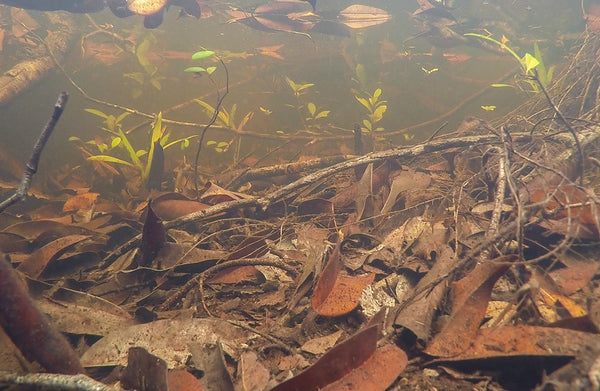
All of this can be replicated, to a certain extent, in the confines of an aquarium. The look, the dynamic- and most important- the ecological benefits!
Physically representing a fallen tree is pretty easy, and it requires a bit of a challenge the aspiring biotope replicator in you: You just need to use some larger pieces of wood or branches.
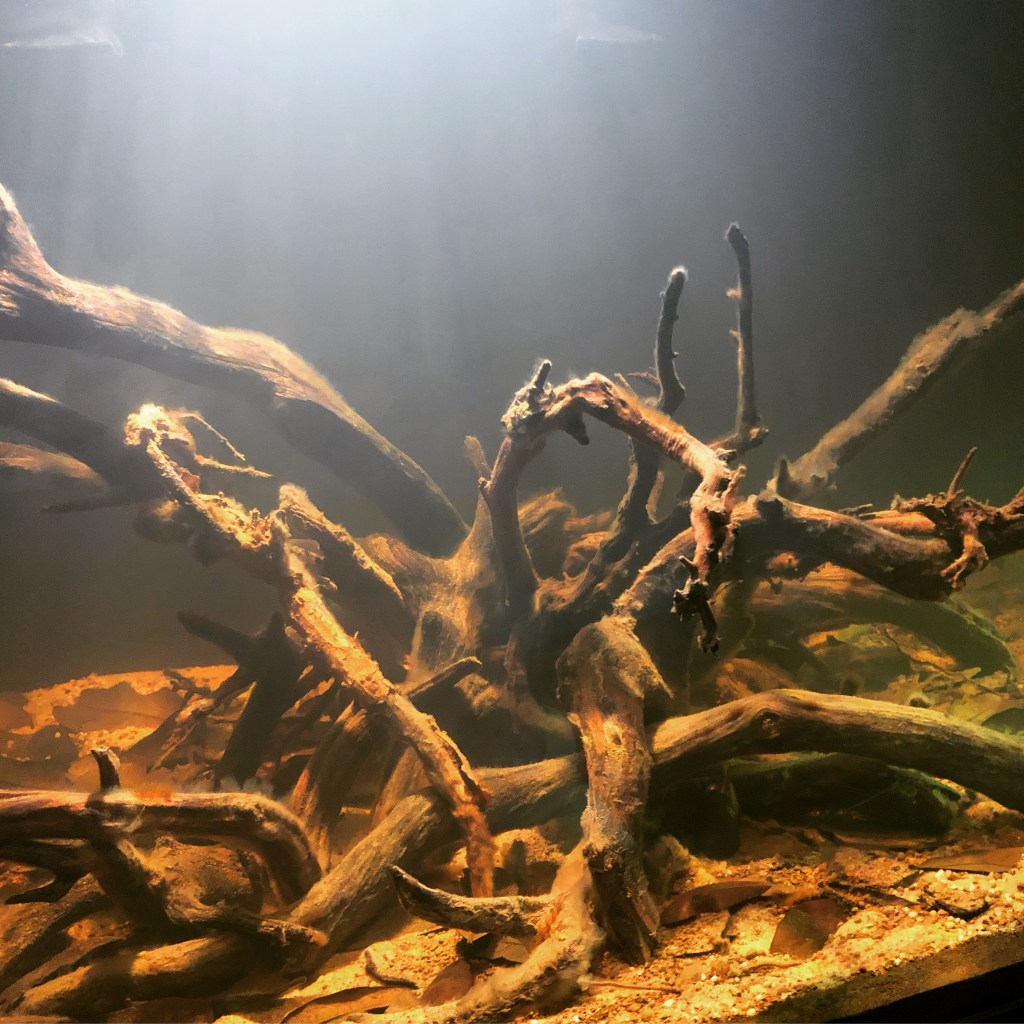
Now, there are many aquarists who would make the case that you can’t make big, gnarly pieces of wood “work” in an aquarium because of their impact on “ratio” and “proportion”, etc… You know, the “artistic” part.
And to these types, I gently admonish you to check out the works of some talented ‘scapers, like our friend, Mitch Mazur, who have made that now-famous “mental shift” to work with Nature in an artistic interpretation...
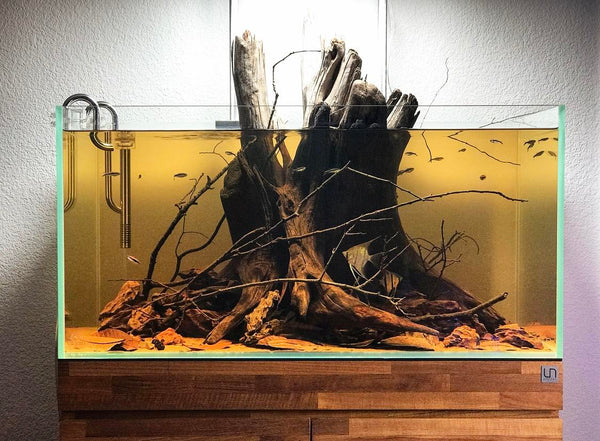
These pleas and my “look what HE did!” sort of arguments are almost a prerequisite of late when I talk about any idea that has an aesthetic component to it, because the self-appointed “guardians of aquascaping style” seem to come out of the woodwork (lol) after these discussions, reciting dozens of well-rehearsed reasons why the concept won’t work, rather than even trying to do something similar.
It’s weird.
To that, of course, I call, “Bullshit!”
Yeah, a big piece of wood or dense aggregation of smaller pieces in an aquarium does create some challenges, but most of them are in our head. You can easily make them work!
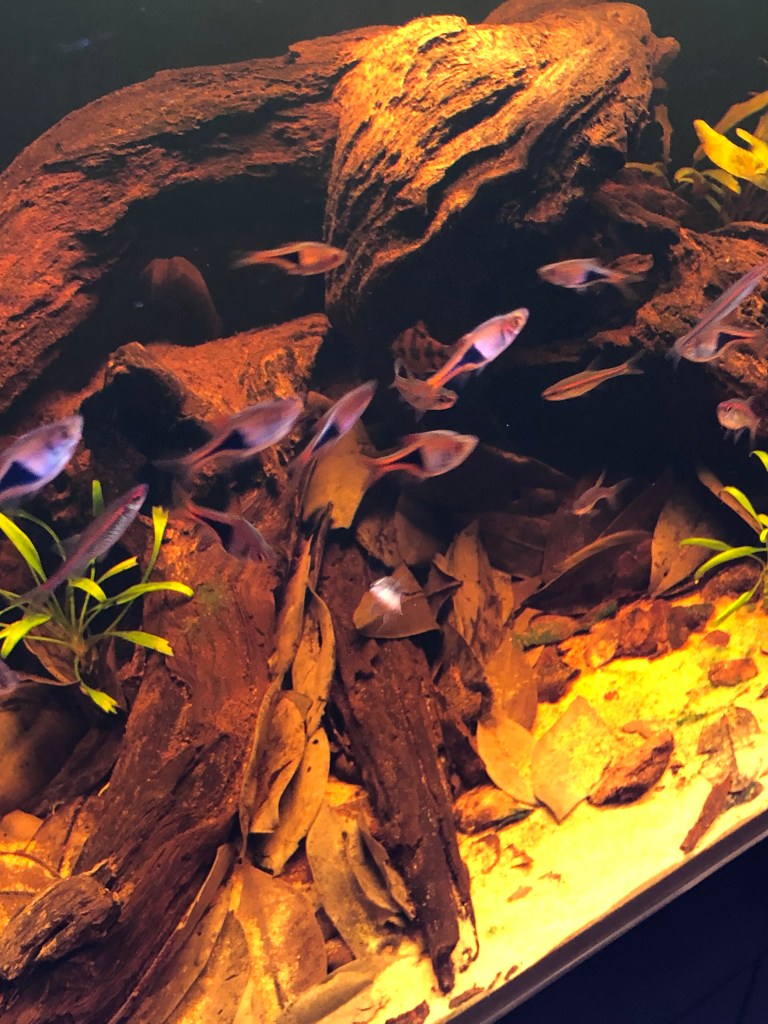
And of course, when we utilize a large piece of wood (relative to the aquarium’s water volume), it has a chemical and physical impact on the aquatic environment that is…hey- sort of similar to that which occurs in Nature, right?
Yeah.
Function and aesthetics are linked. In Nature, and in the aquarium!
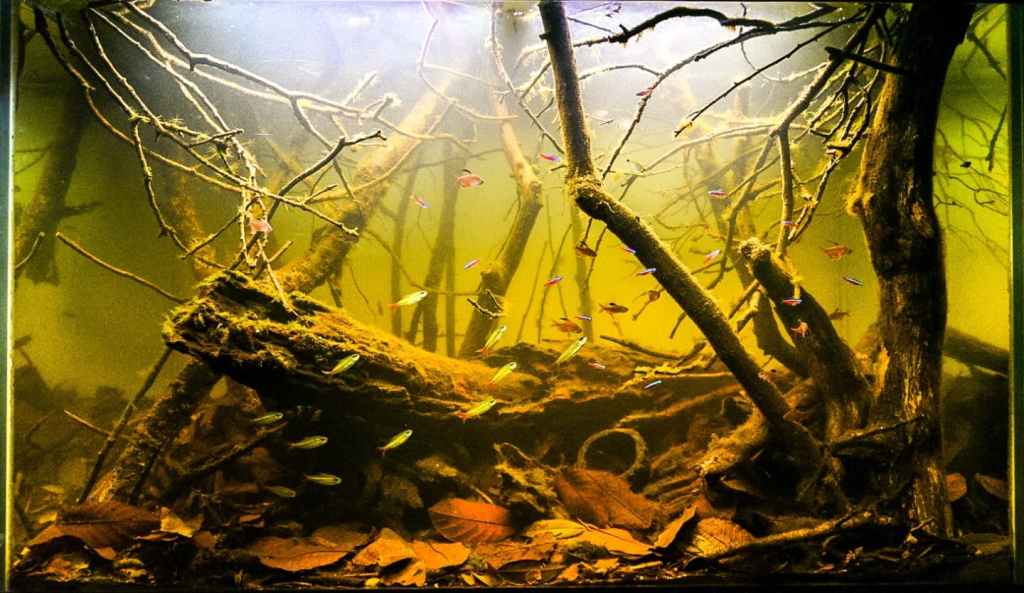
Nature provides a “guide” for almost everything that we think of doing in the hobby. We just need to be attuned to Her message and be open-minded about replicating her processes in our aquariums.
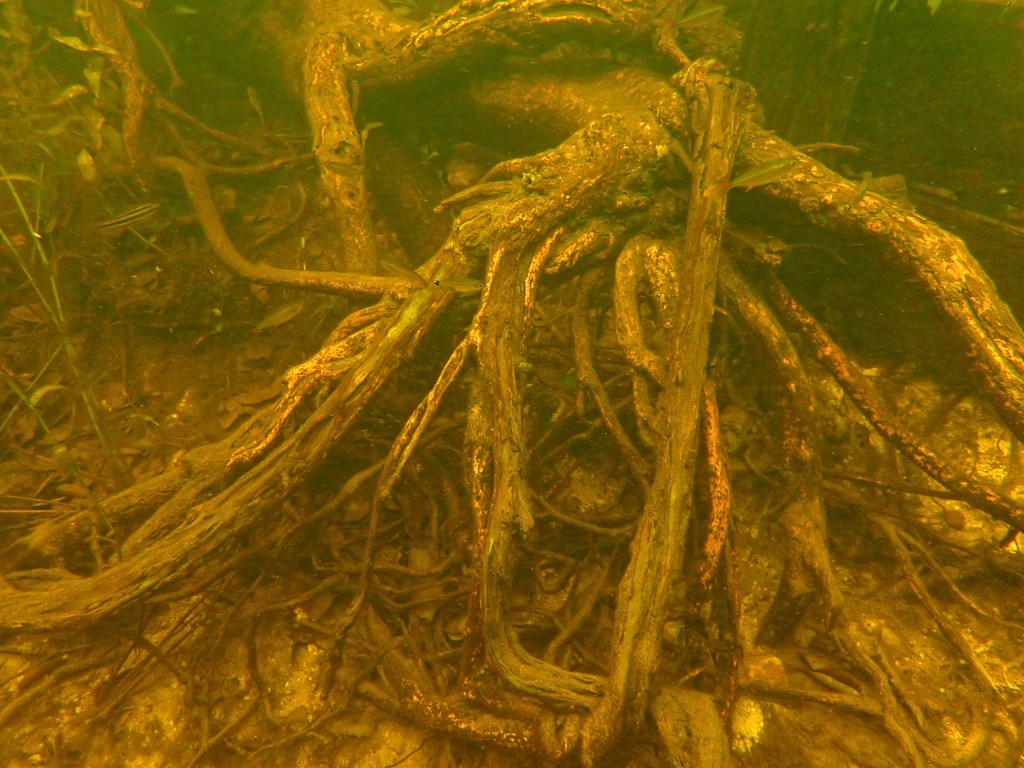
That often involves simply looking at natural aquatic habitats, asking ourselves how they formed, why they look the way that they do, and what benefits they bring to the organisms which reside in them.
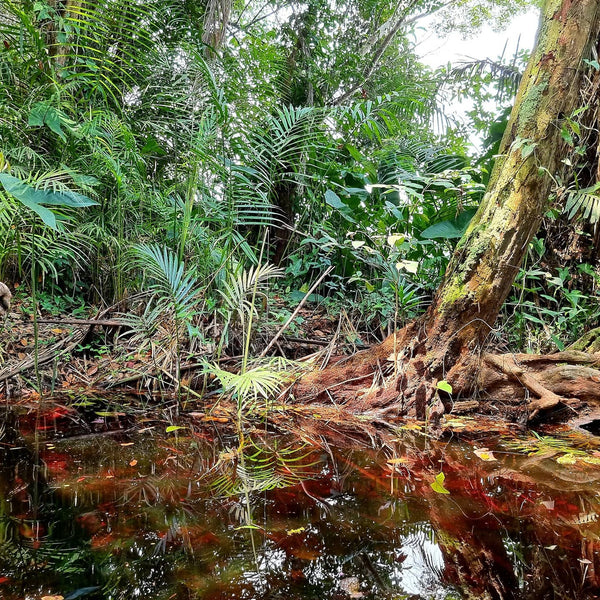
And, look- I’m not telling you to turn your back on the modern popular aquascaping scene; to disregard or dismiss the brilliant work being done by aquascapers around the world, to completely eschew aesthetics, or to develop a sense of superiority and snobbery, and conclude that everyone who loves that kind of stuff is a sheep…
Noooooo.
Not at all.
I’m simply the guy who’s passing along the gentle reminder from Nature that we have this great source of inspiration that literally “works!” Rejoice in the fact that Nature offers an endless variety of beauty, abundance, and challenge- and that it’s all there, free for us to interpret it as we like. It’s not all perfect “rule of thirds” or flawless layouts and such.
Lots of places in Nature, beautiful though they may be, are a bit “rougher around the edges” than some aquarists seem to want to accept.
Not all aquarists, but some.
And the rest of us?
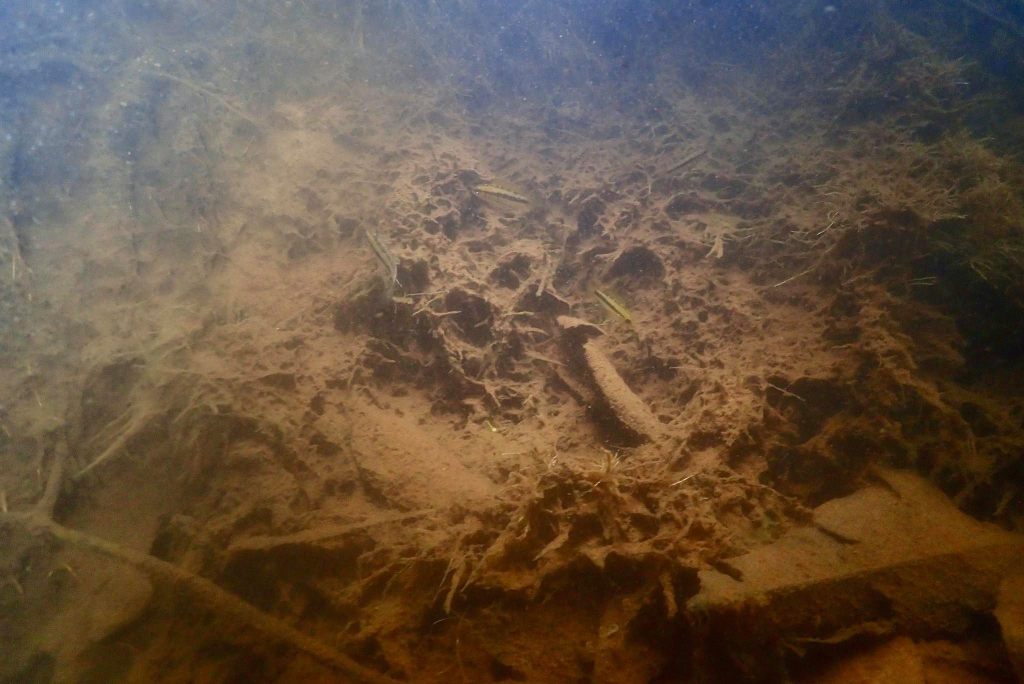
We see the beauty in the apparent chaos and randomness. We see an opportunity to create closed aquatic systems which bring numerous ecological benefits to their inhabitants.
We just happen to like things bit more, well- “natural” than others…
Stay creative. Stay thoughtful. Stay intrigued. Stay studious. Stay open-minded.
Blur the lines.
And Stay Wet.
Scott Fellman


Leave a Reply