
I don’t know about you, but I find myself coming up with new aquariums ideas all the time.
Now, I’m not talking about new “aquascapes”, mind you.
Rather, I”m talking about different ideas for recreating various features I see in the wild habitats; figuring out how to model their function as well as their form, in the most realistic way possible.
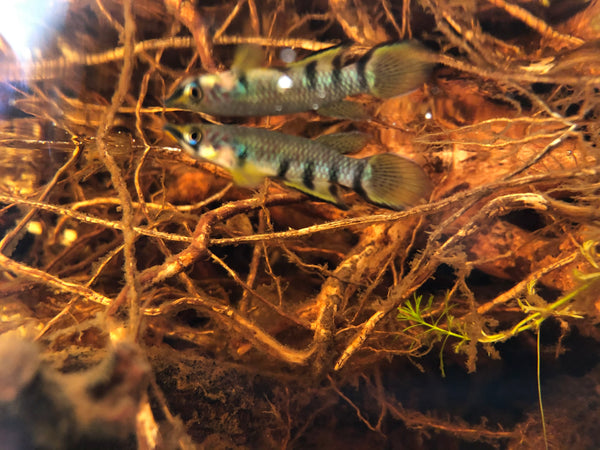
I’m a big fan of some of the more obscure features that you see in Nature. And when you consider that virtually all freshwater fishes come into contact with some botanical materials throughout their existence, it opens your mind to the possibilities. In virtually every body of water, you’ll find some sunken branches, tree trunks, leaves, roots, seed pods, etc.- stuff which can create really interesting features to support all sorts of fishes.
And this doesn’t require us to do tremendous amount of “aquascaping” in the traditional hobby sense. Rather, it’s more about seeing how Nature does it…
Huh?
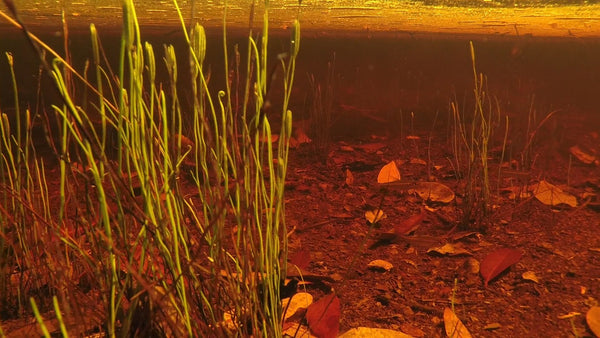
As aquarists, we put an amazing amount of time into trying to achieve a perfect placement for wood, when the reality is that, in Nature, it’s decidedly random. Is there not beauty in “randomness”, despite our pursuit of the “Golden Ratio”, etc?
There is. Think about it.
Just because last year’s big ‘scaping contest winner had the “perfect” orientation, ratios, and alignment of wood and stones within the tank, doesn’t mean it’s a real representation of the natural functionality of “randomness.”
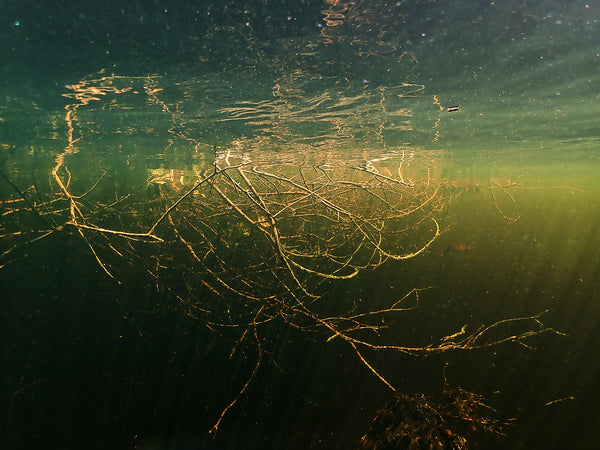
What dictates how and why stuff is distributed in Nature?
When you think about how materials “get around” in the wild aquatic habitats, there are a few factors which influence both the accumulation and distribution of them. In many topical streams, the water depth and intensity of the flow changes during periods of rain and runoff, creating significant re-distribution of the materials which accumulate on the bottom, such as leaves, seed pods, and the like.
Larger, more “hefty” materials, such as submerged logs, etc., will tend to move less frequently, and in many instances, they’ll remain stationary, providing a physical diversion for water as substrate materials accumulate around them.
Most of the small materials, like branches, seed pods, and leaves may tend to move around quite a bit before ultimately settling and accumulating in a specific area. One might say that the “material changes” created by this movement of materials can have significant implications for fishes. In the wild, they follow the food, often existing in, and subsisting off of what they can find in these areas.
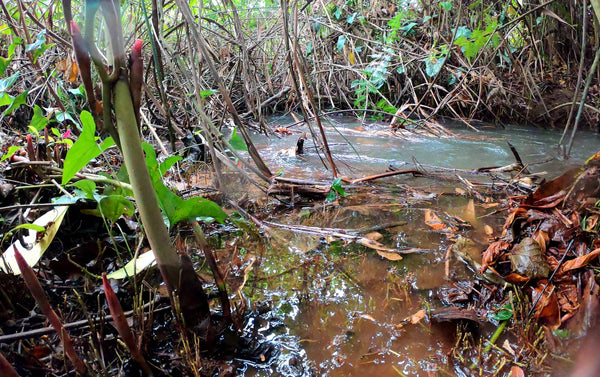
Now, in the case of our aquariums, this “redistribution” of material can create interesting opportunities to not only switch up the aesthetics of our tanks, but to provide new and unique little physical areas for many of the fishes we keep. So-called “microhabitats” that facilitate interesting behaviors and habits in our fishes, while supporting their grazing and spawning activities.
Fishes taking advantage of a niches you can create in your system is super important. Not exactly novel, but often overlooked. The kinds of “niches” you offer can have profound positive impact on the lives of your fishes. And the reality is that, even if we don’t intentionally create them, we will see these little microhabitats in our botanical method aquariums.
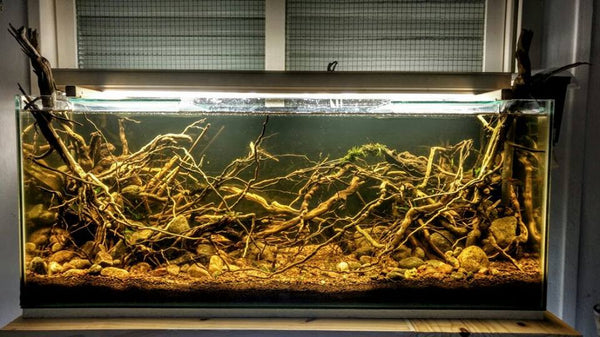
That’s part of the reason why I like more delicately-branching pieces of wood snd roots for my tanks…They open up many possibilities… And they serve an identical set of functions in the aquarium as they do in Nature.
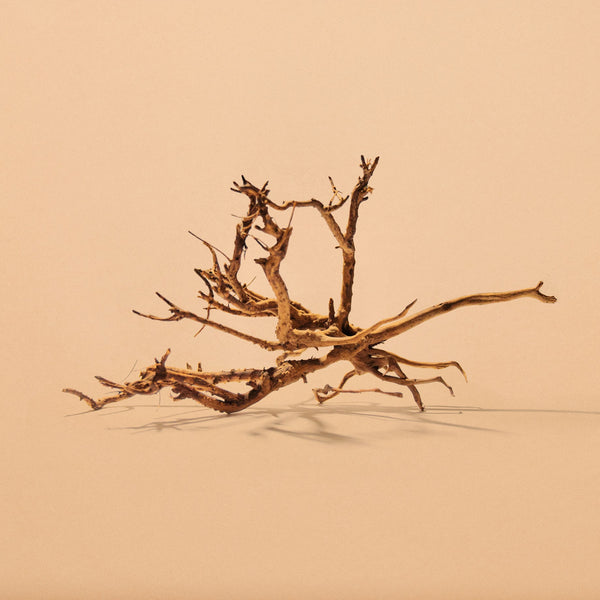
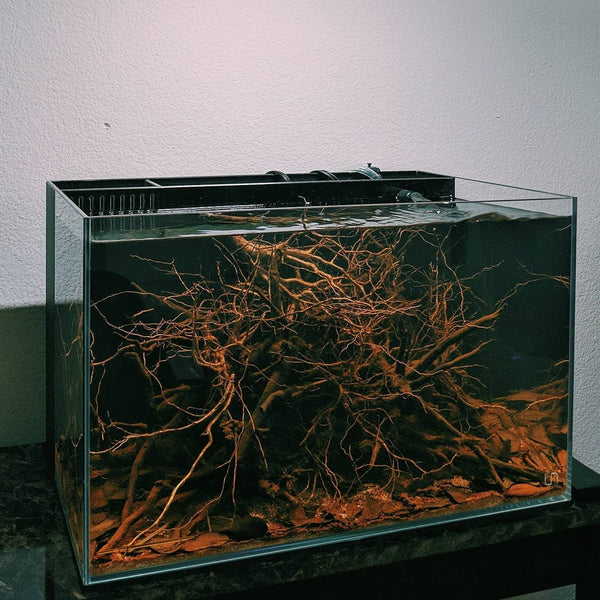
Some of the best tanks I think I’ve personally ever created have embraced the random placement of these kinds of roots to create sort of intricate, effortless, slightly chaotic, yet utterly natural look. However, it’s beyond just the “look”- such habitats provide shelter, foraging, and spawning areas for a variety of fishes.
And there is that whole dynamic between the aquatic environment and the terrestrial one.
The interaction between the terrestrial elements and the aquatic ones is really interesting, because it presents unique opportunity to observe how these combinations of materials foster our fishes’ natural behaviors in the aquarium.
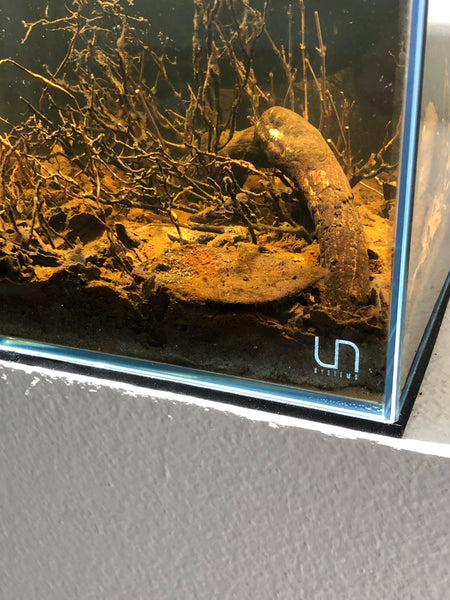
Allowing terrestrial leaves to accumulate naturally among the “tree root structure” we have created, for example, fosters this more natural-functioning environment. As these leaves begin to soften and ultimately break down, they will foster microbial growth, biofilms, and fungal growths- all of which will provide supplemental foods for the resident fishes…just like what happens in Nature.
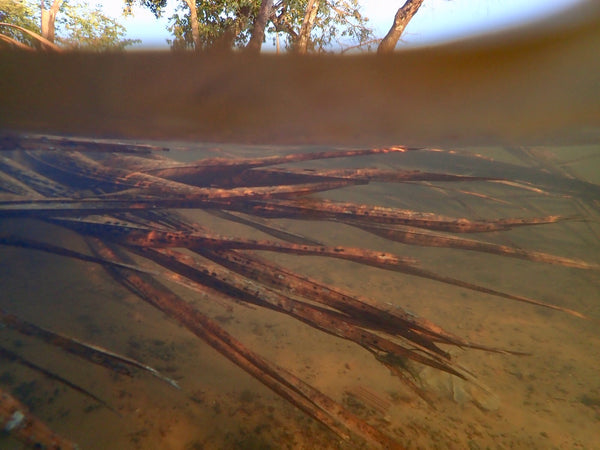
Taking a more “functional” approach to creating our aquariums and their aquascapes is something that I think we need to spend more “mental capital” on. The typical aquarium hardscape- artistic and beautiful as it might be- generally replicates the most superficial aesthetic aspects of such habitats, and tends to overlook their function– and the reasons why such habitats form.
And sometimes, this “functionally aesthetic” approach requires that we embrace bit of randomness. Not just in our designs, but in the function of our aquariums.
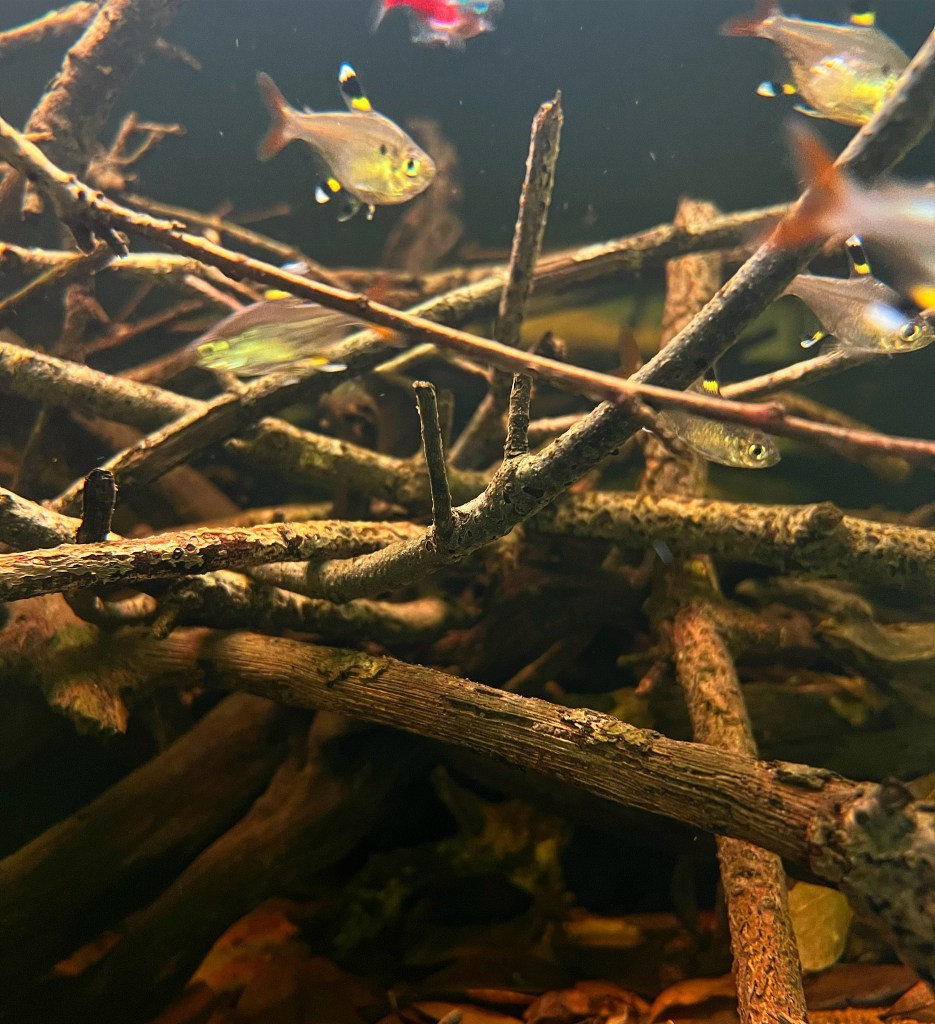
At almost any stage in an aquarium’s life, there are seemingly random little niches and evolving environmental changes within the system that you can use to your advantage by “planting” aquascaping props (seed pods, leaves, wood, etc.) appropriate for the given niche.
It even goes beyond planned aesthetics (ie; “That piece of wood would look awesome there!”) and, much like happens in the natural environment- plants grow and fishes gather where conditions are appropriate. Fishes take opportunities to live among the debris on newly-inundated forest floors…
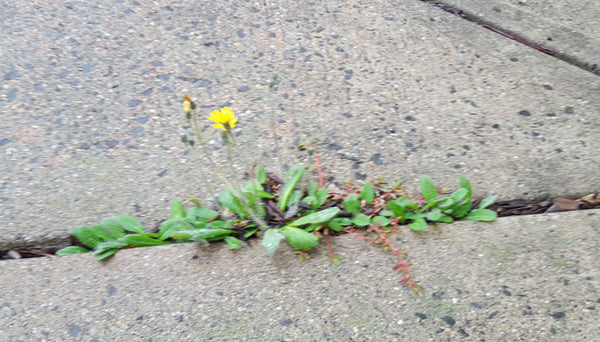
Reminds me of the little weeds that just seem to pop up out of the cracks in the sidewalk pavement…you can’t help but admire the resourcefulness and tenacity of life. If you do, you’ll find many times that, not only has the weed utilized this little niche- so has a small “ecosystem” of other plants and insects.
It’s quite amazing, actually.
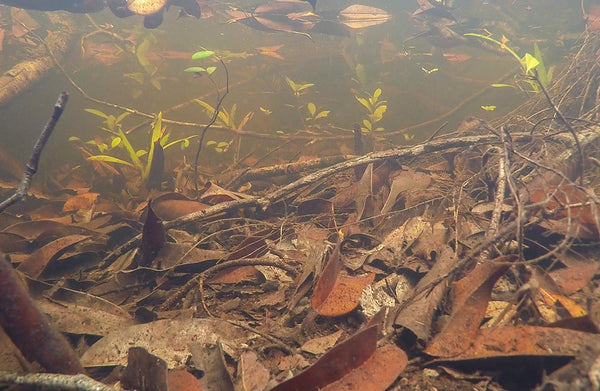
It’s a process which continuously occurs in natural aquatic habitats…and in our aquariums. Small areas, exploited by the life forms which choose to reside there. Those small details which create amazing functional components within our aquariums.
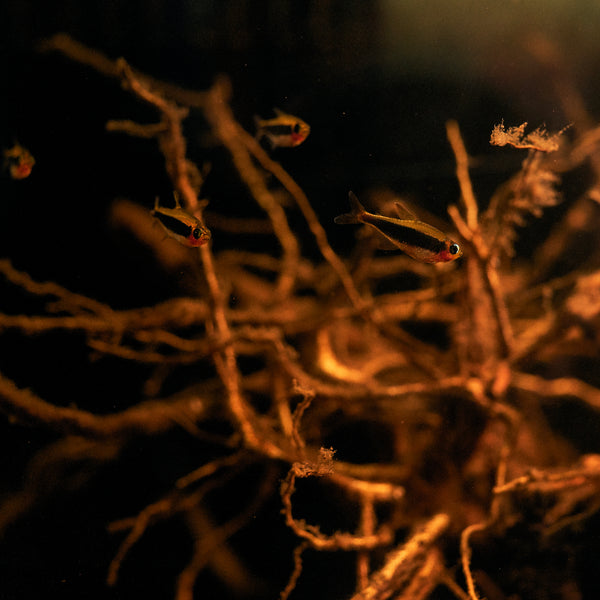
One of the most fascinating things about a mature aquarium of any type is that it eventually begins to create its own tiny worlds.
A shaded corner beneath an overhang becomes a refuge for sponges and tunicates. A patch of subdued flow develops a coating of delicate bryozoans or filamentous algae. A tangle of coral branches becomes home to copepods, tiny brittle stars, and worms that rarely venture into the open. Even a decomposing leaf in a botanical aquarium can become an entire ecosystem, hosting fungi, biofilms, microorganisms, and countless unseen interactions.
These are ecological niches—not because we deliberately designed them, but because the aquarium itself did.
I think this distinction is important.
As aquarists, it’s tempting to engineer every square inch of our systems, trying to assign a purpose to every rock, every branch, every empty space. Yet Nature rarely works this way. Ecological niches emerge from countless interactions between light, flow, competition, growth, and chance. They are discoveries, not decorations.
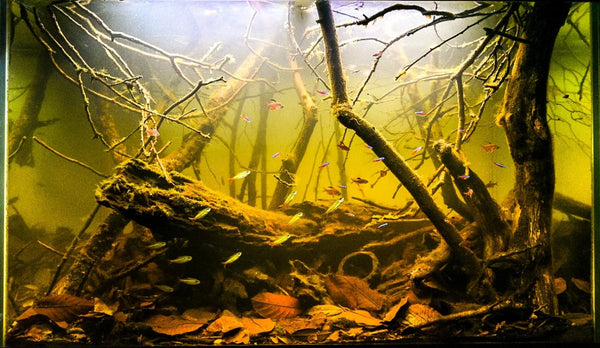
When we notice these naturally occurring microhabitats, our first instinct shouldn’t necessarily be to change them. Instead, we should observe them. Ask why they formed. Appreciate what lives there. Often, they reveal that the aquarium has become more than a collection of animals—it has become an ecosystem capable of organizing itself.
This is one of the quiet rewards of patience. The longer we allow our aquariums to mature, the more opportunities they have to surprise us with these little pockets of life that no amount of planning could have produced.
Perhaps our role isn’t to create every ecological niche ourselves, but to recognize them when they appear, protect them when appropriate, and simply enjoy the remarkable fact that our aquariums have become capable of making them on their own.
That’s when an aquarium begins to feel less like something we’ve built—and more like a living world we’ve been privileged to witness.
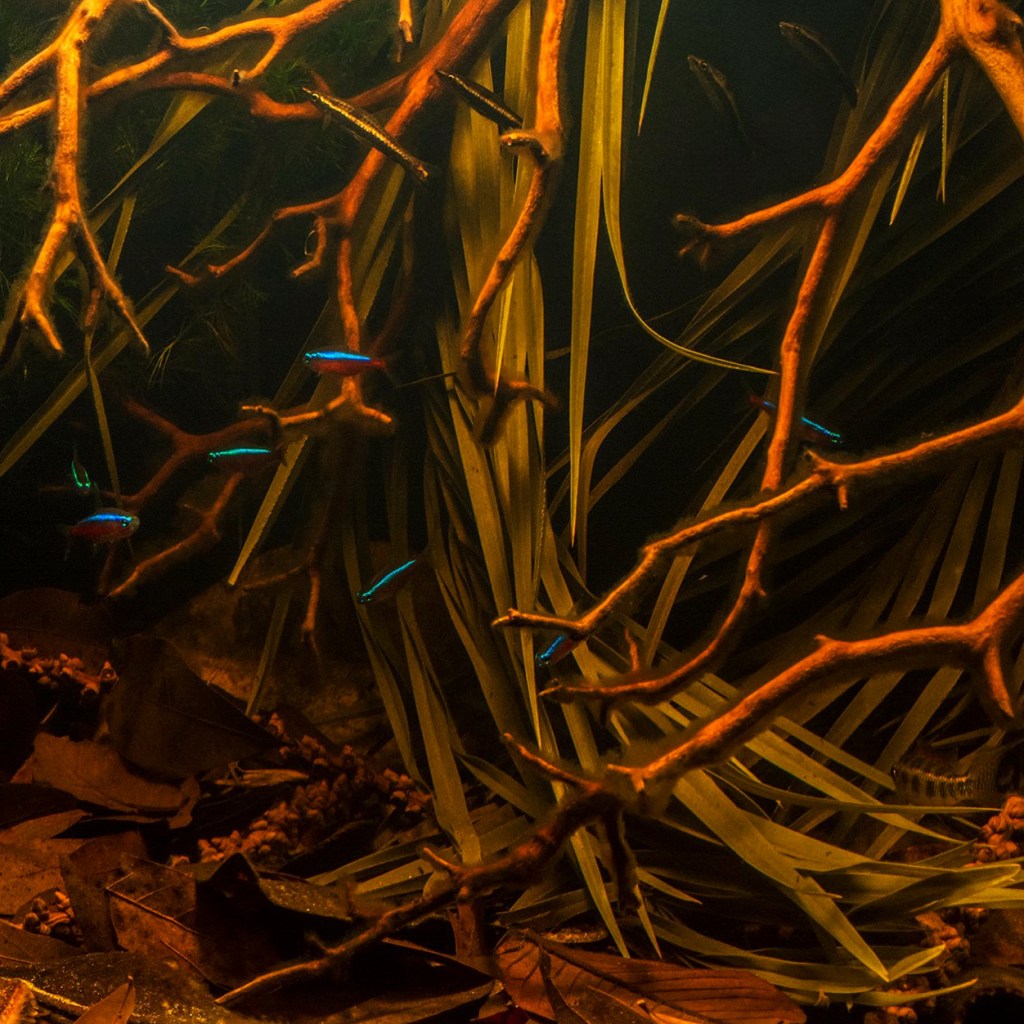
When you’re checking out your tank, don’t just look for what you might think is the “prime” viewing spot. Look for the “cracks in the pavement”, in your tanks, too. Those little niches- unique places where fishes can hide, forage among, and spawn.
A chance for the tenacity of life to show itself.
Embrace the more relaxed, yet complex, and fully random aspects of your aquascape.
Your fishes certainly will.
Stay observant. Stay creative. Stay excited. Stay curious…
And Stay Wet.
Scott Fellman


Leave a Reply