
As a hardcore “practitioner” of the botanical method aquarium, you’re more than well-attuned to the nuances involved in managing a system filled with decomposing leaves, seed pods, wood, etc. And you’re keenly aware of many of the physiological/ecological benefits that have been attributed to the use of these materials in the aquarium.
However, I am willing to bet that most of us have not really considered the “nutritional” aspects of both botanicals and the life forms they foster as an important part of the “functional/aesthetic” dynamic we’ve touched on before.
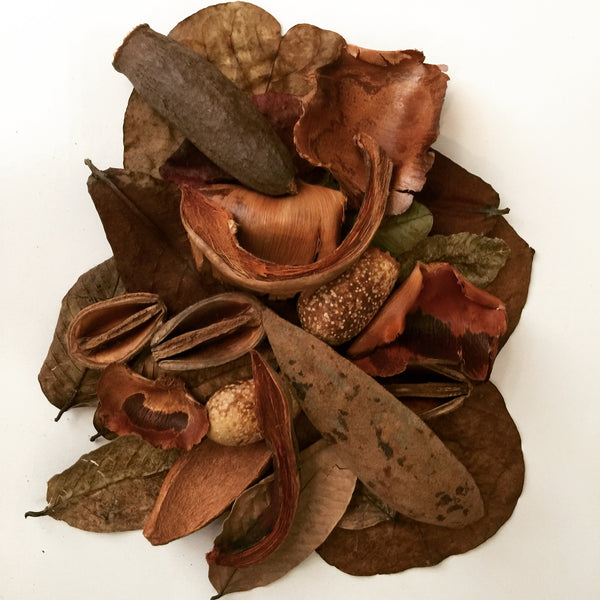
Let’s consider some of the types of food sources that our fishes might utilize in the wild habitats that we try so hard to replicate in our aquariums, and perhaps develop a greater appreciation for them when they appear in our tanks.
Perhaps we will even attempt to foster and utilize them to our fishes’ benefits in unique ways?
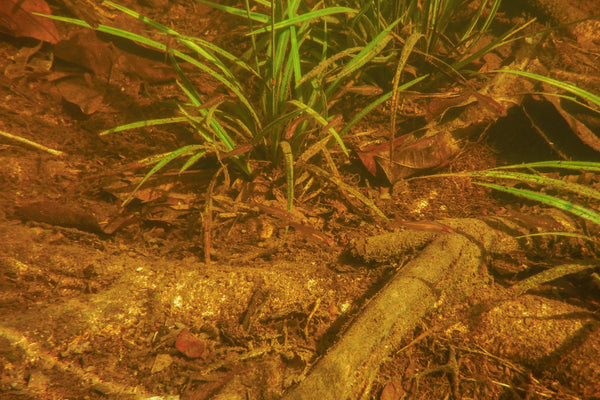
One of the important food resources in natural aquatic systems are what are known as macrophytes- aquatic plants -which grow in and around the water, emerged, submerged, floating, etc. Not only do macrophytes contribute to the physical structure and spatial organization of the water bodies they inhabit, they are primary contributors to the overall biological stability of the habitat, conditioning the physical parameters of the water.
Of course, anyone who keeps a planted aquarium could attest to that, right?
One of the interesting things about macrophytes is that, although there are a lot of fishes which feed directly upon them, the plants themselves are perhaps most valuable as a microhabitat for algae, zooplankton, and other organisms which fishes feed on. Small aquatic crustaceans seek out the shelter of plants for both the food resources they provide (i.e.; zooplankton, diatoms) and for protection from predators (yeah, the fishes!).
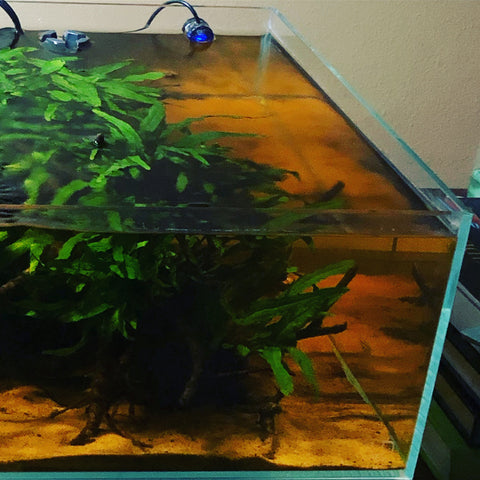
So, plants in the aquarium have been valued by aquarists “since the beginning” for all sorts of benefits- that’s not really groundbreaking. I personally think that one of the more interesting functions of plants in the aquarium is to serve as this sort of “feeding ground” for fishes in all stages of their existence.
Oh, yeah, they look cool, too!
Perhaps most interesting to us botanical method aquarium people are epiphytes. These are organisms which grow on the surface of plants or other substrates and derive their nutrients from the surrounding environment. They are important in the nutrient cycling and uptake in both Nature and the aquarium, adding to the biodiversity, and serving as an important food source for many species of fishes.
In the case of our fave aquatic habitats, like streams, ponds, and inundated forests, epiphytes are abundant, and many fishes will spend large amounts of time foraging the “biocover” on tree trunks, branches, leaves, and other botanical materials. Although most animals use leaves and tree branches for shelter and not directly as a food item, grazing on this epiphytic growth is very important.
Some organisms, such as nematodes and chironomids (aka “Bloodworms!”) will dig into the leaf structures and feed on the tissues themselves, as well as the fungi and bacteria found in and among them. These organisms, in turn, become part of the diet for many fishes.
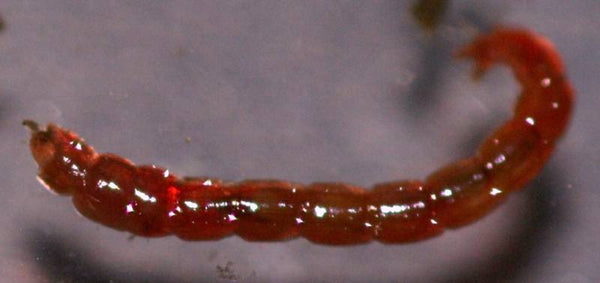
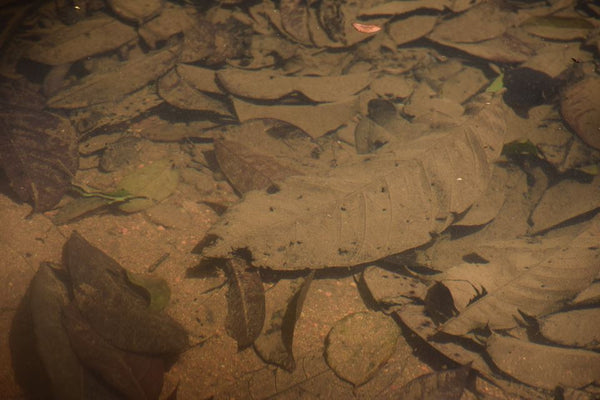
And the resulting detritus produced by the “processed” and decomposing plant matter is considered by many aquatic ecologists to be an extremely significant food source for many fishes, especially in areas such as Amazonia and Southeast Asia, where the detritus is considered an essential factor in the food webs of these habitats.
And of course, if you observe the behavior of many of your fishes in the aquarium, such as characins, Corydoras, Loricarids, and others, you’ll see that in between feedings, they’ll spend an awful lot of time picking at “stuff” on the bottom of the tank. In a botanical method aquarium, this is a pretty common occurrence, and I believe an important benefit of this type of system.
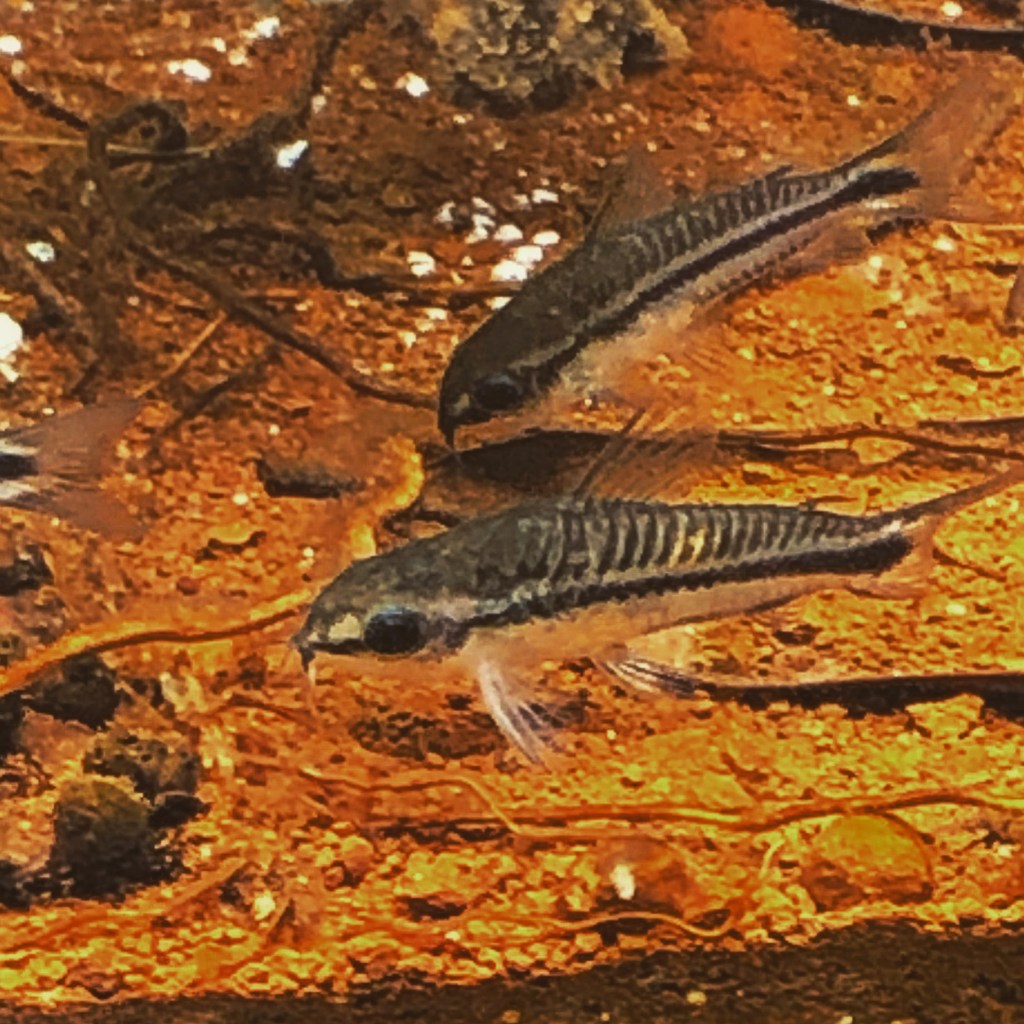
I have felt for many years that a botanical method aquarium, complete with its decomposing leaves and seed pods, can serve as a sort of “buffet” for many fishes- even those who’s primary food sources are known to be things like insects and worms and such. Detritus and the organisms within it can provide an excellent supplemental food source for our fishes!
It’s well known that in many habitats, like inundated forests, etc., fishes will adjust their feeding strategies to utilize the available food sources at different times of the year, such as the “dry season”, etc. And it’s also known that many fish fry feed actively on bacteria and fungi in these habitats…so I suggest one again that a botanical method aquarium could be an excellent sort of “nursery” for many fish species!
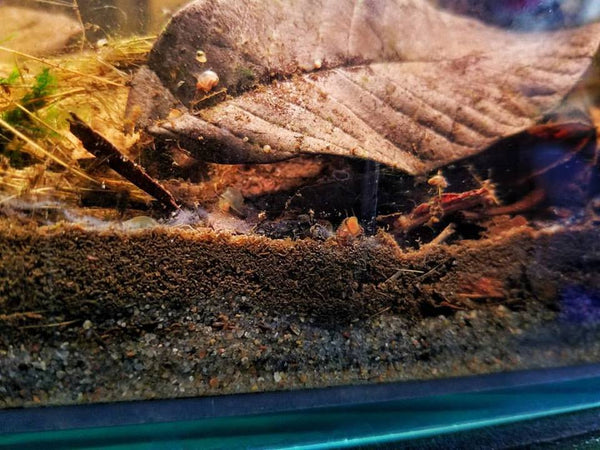
You’ll often hear the term “periphyton” mentioned in a similar context, and I think that, for our purposes, we can essentially consider it in the same manner as we do “epiphytic matter.” Periphyton is essentially a “catch all” term for a mixture of cyanobacteria, algae, various microbes, and of course- detritus, which is found attached or in extremely close proximity to various submerged surfaces.
Again, fishes will graze on this stuff constantly.
And then, of course, there’s the idea of “allochthonous input” that we’ve talked about so much around here. And the availability of these types of food items influences fish behavior quite profoundly.
It’s long been known that fishes which inhabit the flooded forest floors (igapo) of Amazonia, for example, tend to literally “follow the food” and move into new areas where greater feeding opportunities exist, and will even adjust their dietary preferences seasonally to accommodate the available foods.
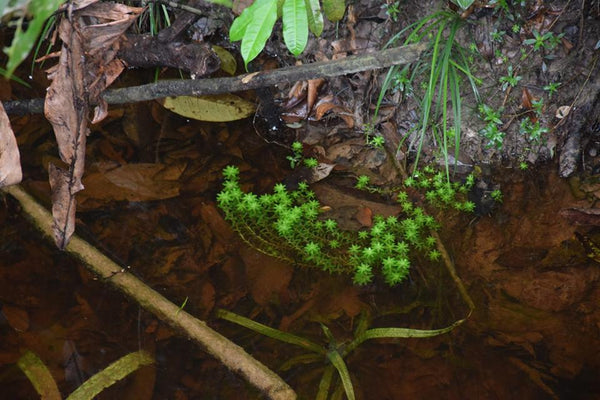
In this instance, it typically means areas of the forest where overhanging vegetation offers falling pieces of fruit, seeds, nuts, plant parts, and the occasional clumsy insect, like an ant, which falls from the branches of said vegetation into the water. So, here is where the idea gets interesting to me: Wouldn’t it make a lot of sense to create a botanical method aquarium which not only represents the appearance of the habitat, but also replicates, to a certain extent, the function of it?
Of course it would! (Surely, you wouldn’t have expected any other answer from me, right?)
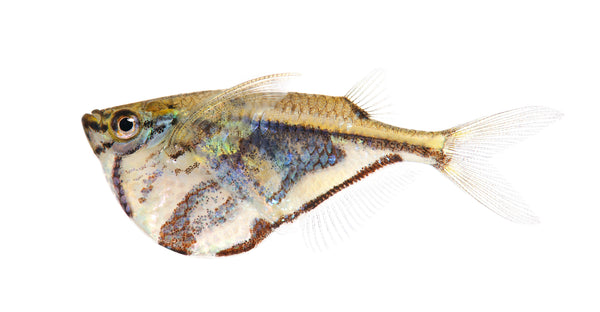
Many other fishes which reside in these flooded forest areas feed mainly on insects; specifically, small ones, such as beetles, spiders, and ants from the forest canopy. These insects are likely dislodged from the overhanging vegetation by wind and rain, and the opportunistic fishes are always ready for a quick meal!
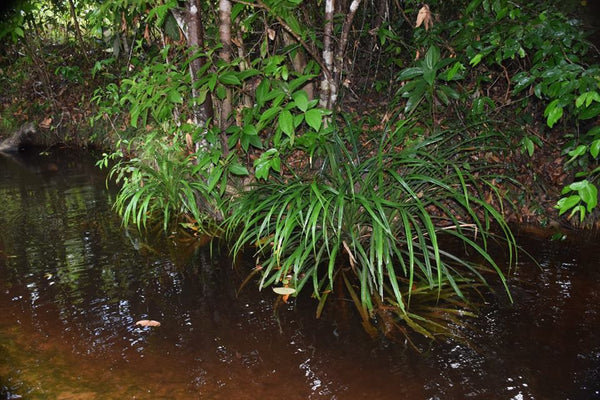
Interestingly, it’s been postulated that the reason the Amazon has so many small fishes is that they evolved as a response to the opportunities to feed on insects served up by the flooded forests in which they reside! The little guys do a better job at eating small insects which fall into the water than the larger, clumsier guys who snap up nuts and fruits with their huge mouths!
And, yes, many species of fishes specialize in consuming detritus.
More on that later!
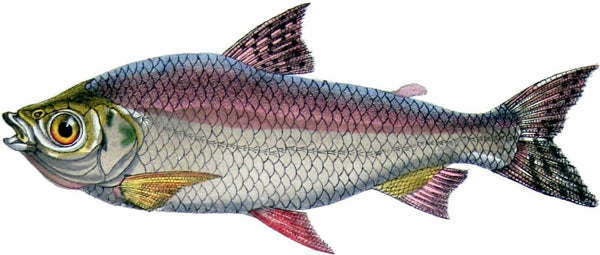
As we know by now, decomposing leaves are the basis of the food chain, and the detritus they produce forms an extremely important part of the food chain for many, many species of fishes. Some have even adapted morphologically to feed on detritus produced in these habitats, by developing bristle-like teeth to remove it from branches,tree trunks, plant stems, and leaf litter beds.
Of course, it’s not just the fishes which derive benefits from the terrestrial materials which find their way into the water. Bacteria, fungi, and algae also act upon the nutrients released into the water by the decomposing organic material from these plants. Aquatic plants (macrophytes) grow in or near water and are either emergent, submergent, or floating, and play a role in “filtering” these flooded habitats in nature.
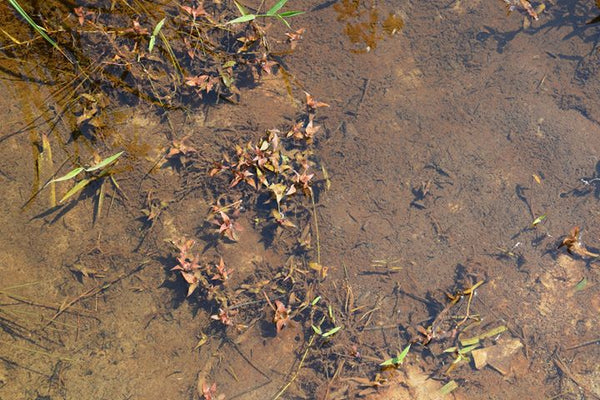
Terrestrial trees also play a role in removing, utilizing, and returning nutrients to the aquatic habitat. They remove some nutrient from the submerged soils, and return some in the form of leaf drop.
Interestingly, studies show that about 70% of the leaf drop from the surrounding trees in the igapo habitats occurs when the area is submerged, but the bulk of it is shedded by the trees at the end of the inundation period. The falling leaves gradually decompose and become part of the detritus in the food web, which is essential for many species of fishes. This “late-inundation leaf drop” also sets things up for the “next round” of flooding – providing a “starter” of nutrients !
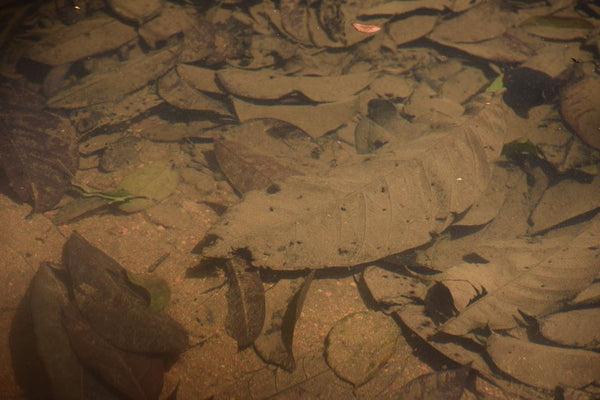
Our ability to mimic this aspect of the flooded forest habitats is a real source of benefits for the fishes that we keep- and a key to unlocking the secrets to long-term maintenance and husbandry of botanically-influenced aquariums.
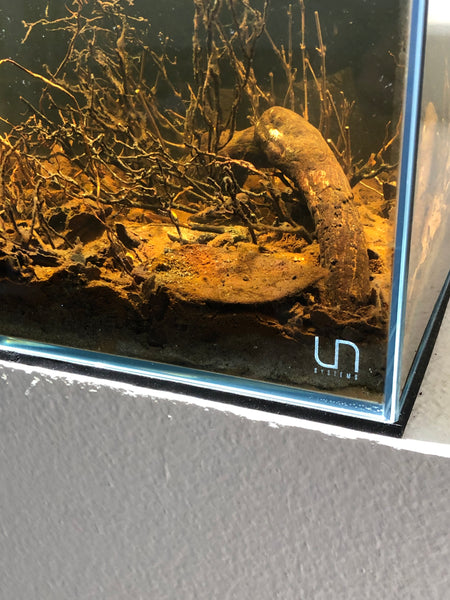
The transformation of dry forest floors into aquatic habitats provides a tremendous amount of inspiration and biological diversity and activity for both the natural environment and our aquariums. There are many takeaways for hobbyists that can be had by studying these habitats.
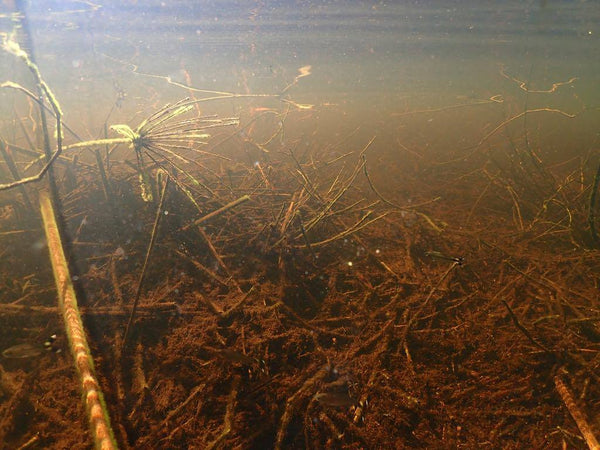
Flood pulses in these habitats easily enable large-scale “transfers” of nutrients and food items between the terrestrial and aquatic environment. This is of huge importance to the ecosystem. As we’ve touched on before, aquatic food webs in the Amazon area (and in other tropical ecosystems) are very strongly influenced by the input of terrestrial materials, and this is really an important point for those of us interested in creating more natural aquatic displays and microcosms for the fishes we wish to keep.
Creating an aquascape utilizing a matrix of leaves, roots, and other botanical materials, is one of my favorite “aesthetic interpretations” of this habitat…and it happens to be supremely functional as an aquarium, as well! I think it’s a “prototype” for many of us to follow, merging looks and function together adeptly and beautifully.
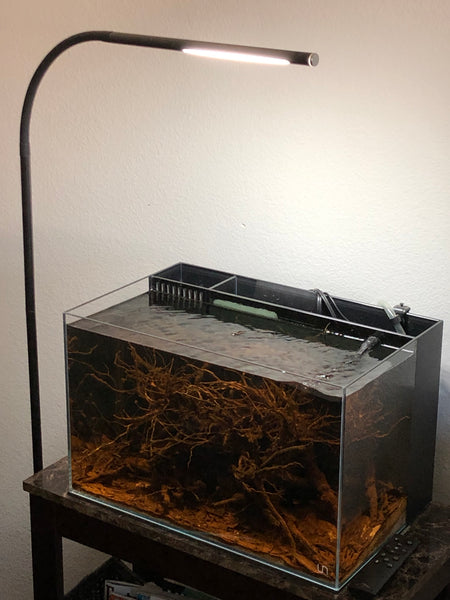
And with the ability to provide live foods such as small insects (I’m thinking wingless fruit flies, worms, and ants)- and to potentially “cultivate” some worms (Bloodworms, for sure) “in situ”- there are lots of compelling possibilities for creating really comfortable, natural-functioning biotope aquariums for fishes.
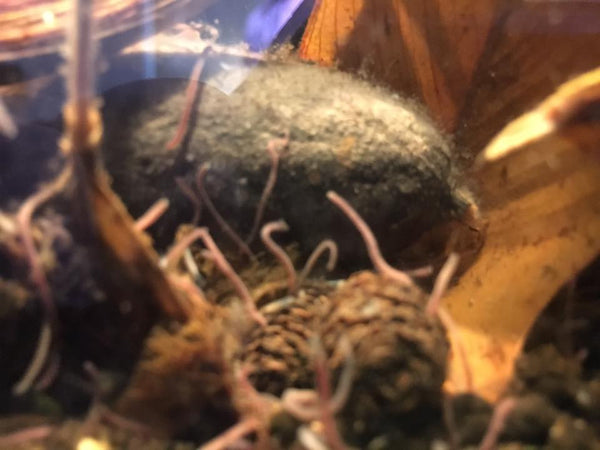
And of course, when you’re talking about creating a rich bed of botanicals, consisting of decomposing organic materials (leaves, coco-fiber, and other botanicals containing lignin, etc.), that creates a matrix that may eventually consist of- and perhaps accumulate- what we’d collectively call “detritus.”
Oh, my God. NOT DETRITUS! Here we go again…
You knew I was building to another discussion on detritus, right?
So think about it for a second before you go all berserk:
Is “detritus”, or other finely processed organic material the “doomsday machine” that many “experts” have long predicted will destroy your aquarium?
I don’t think so.
I know-we all know- that uneaten food and fish poop, accumulating in a closed system can be problematic if overall husbandry issues are not attended to. I know that it can decompose, overwhelm the biological filtration capacity of the tank if left unchecked. And that can lead to a smelly, dirty-looking system with diminished water quality. I know that. You know that. In fact, pretty much everyone in the hobby knows that.
Yet, we’ve sort of heaped detritus into this “catch-all” descriptor which has an overall “bad” connotation to it. Like, anything which is allowed to break down in the tank and accumulate is “bad.”
However, we’re not talking about a substrate composed entirely of uneaten food and fish poop here. That’s a totally different issue and a different problem. Now, I agree, it requires a lot of understanding and a real mental shift to embrace the idea of loving detritus in your tank.
The definition as accepted in the aquarium hobby is admittedly kind of sketchy in this regard; not flattering, at the very least:
“detritus is dead particulate organic matter. It typically includes the bodies or fragments of dead organisms, as well as fecal material. Detritus is typically colonized by communities of microorganisms which act to decompose or remineralize the material.” (Source: The Aquarium Wiki)
That being said, everyone thinks that it is so bad.
I’m just not buying it.
Why is this necessarily a “bad” thing?
It’s not.
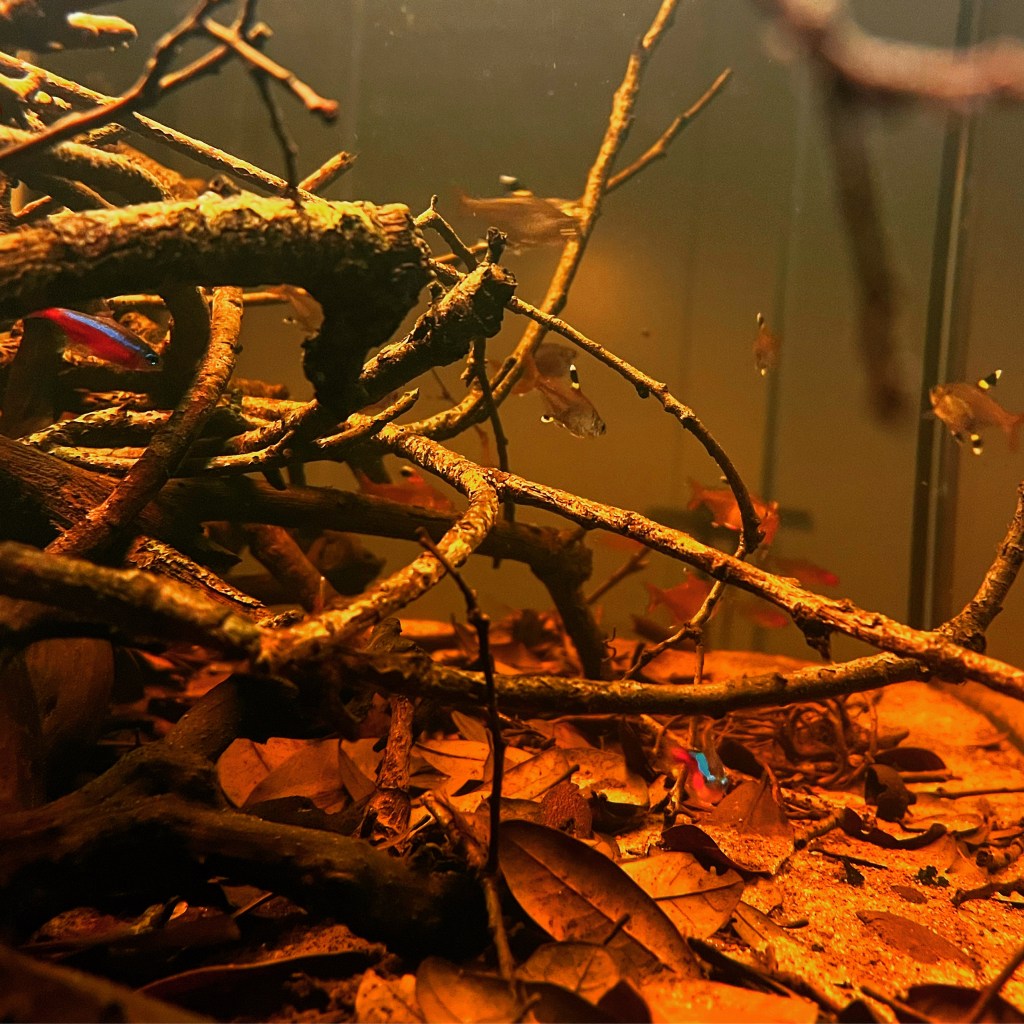
In Nature, the leaf litter “community” of fishes, insects, fungi, and microorganisms is really important to the overall tropical environment, as it assimilates terrestrial material into the aquatic system, produces and consumes detritus, and acts to reduce the loss of nutrients to the forest which would inevitably occur if all the material which fell into the streams was washed downstream!
The key point: These materials and their resulting detritus foster the development of life forms which process these materials. Stuff is being used by life forms.
Okay, enough on detritus for now. Back to the allochthonous input stuff…
Foods from the surrounding environment, such as flowers, fruits, terrestrial insects, etc. are extremely important foods for many fish species that live in these habitats. We mimic this process when we feed our fishes prepared foods, as stuff literally “rains from the sky!” Now, I think that what we feed to our fishes directly in this fashion is equally as important as how it’s fed.
I’d like to see much more experimentation with foods like ants, fruit flies, and other winged insects. Of course, I can hear the protests already: “Not in MY house, Fellman!” I get it. I mean, who wants a plague of winged insects getting loose in their suburban home because of some aquarium feeding experiment gone awry, right?
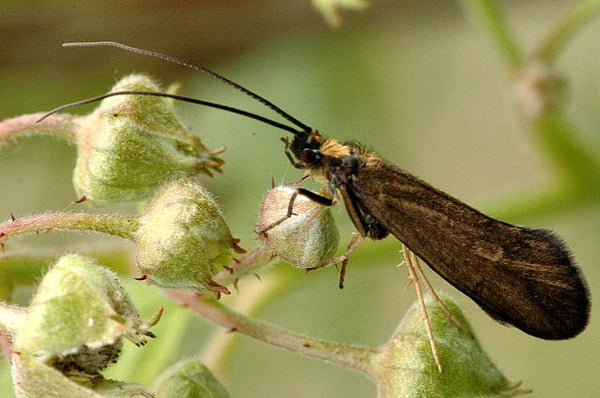
That being said, I would encourage some experimentation with ants and the already fairly common wingless fruit flies. Can you imagine one day recommending an “Ant Farm” as a piece of essential aquarium food culturing equipment? That would just crack me up.
Why not, right?
Perhaps an easier form of food to “produce” in situ would be those biofilms and fungal growths.
As many of you may recall, I’ve often been amused by the concerns many hobbyists express when a new piece of driftwood is submerged in the aquarium, often resulting in an accumulation of fungi and biofilm. I realize this stuff looks unappealing to most of us, particularly when we are trying to set up a super-cool aquascaped tank.
But we’re generally not doing this in our sector of the hobby, are we?
I think we need to let ourselves embrace this process. I think that those of us who maintain botanical method aquariums have made the “mental shift” to understand, accept, and even appreciate the appearance of this stuff.
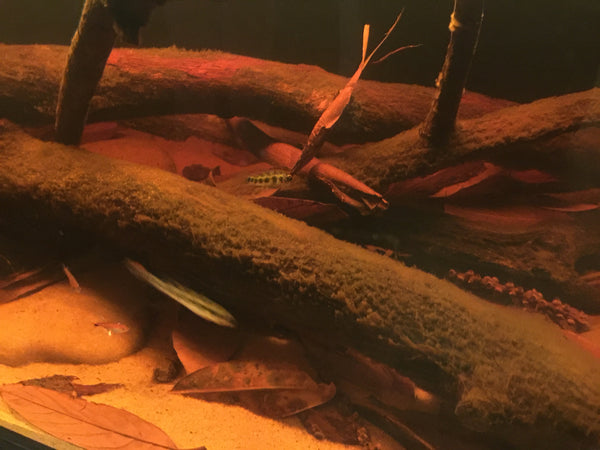
When you start seeing your fishes “graze” casually on the materials that pop up on your driftwood and botanicals, you start realizing that, although it might not look like the aesthetics we had in mind, when we first began in the hobby, it is a beautiful thing to our fishes.
And of course, we’ve talked before about the “botanical nursery” concept- creating an aquarium for fish fry that has a large quantity of decomposing botanicals and leaves to foster the production of these materials, which serve as supplemental food for your fish fry. I have done this before myself and can attest to its viability. You fishes will have a constant supply of “natural” foods to supplement what you are feeding them in the early phases of their life. Learn to make peace with your detritus!
This little discussion has probably not created any earth-shattering “new” developments, but I believe that it has at least looked at a few of the terms you see bandied about now and again here, and in other hobby literature, perhaps clarifying their significance to us. And I think it’s really about us understanding what happens in Nature and how we can work with it instead of against it, taking advantage of the food sources that She provides to our fishes when we don’t rush off for the algae scraper and siphon hose before considering the upside!
This is precisely what happens in the wild, with fishes working with what is available in their habitat for sustenance.
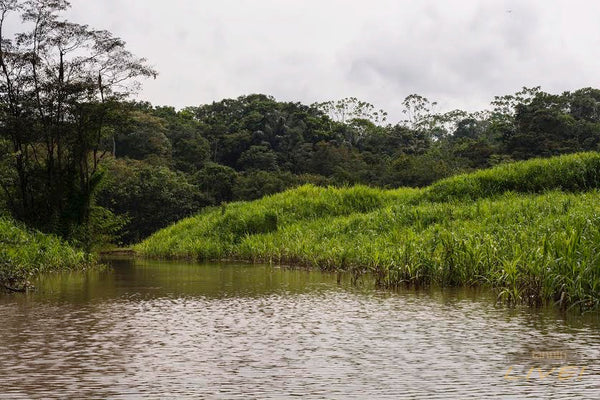
In Amazonian floodplains, for example, the flood cycle of the rivers into the igarapes are the dominant seasonal factor, and fish communities are found to fluctuate greatly over the year. During inundation, fish migrate into floodplain forests to feed on insects, fruits and seeds, among other things.
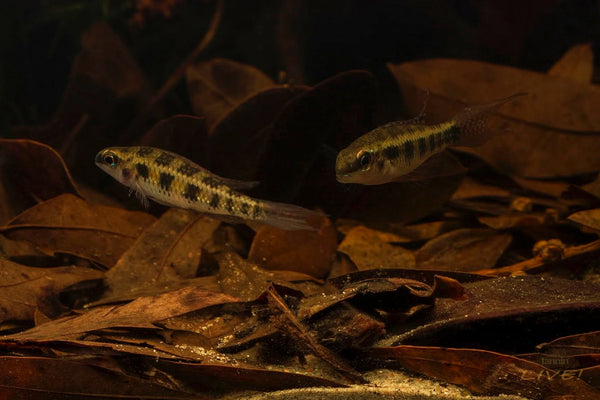
Studies of blackwater communities showed that, during these cycles, a greater diversity of fishes exists there. Many species were found to be specialized feeders. Fish, detritus and insects were the most important food resources supporting the fish community in both high and low water seasons, but the proportions of fruits, invertebrates and fish were reduced during the low water season.
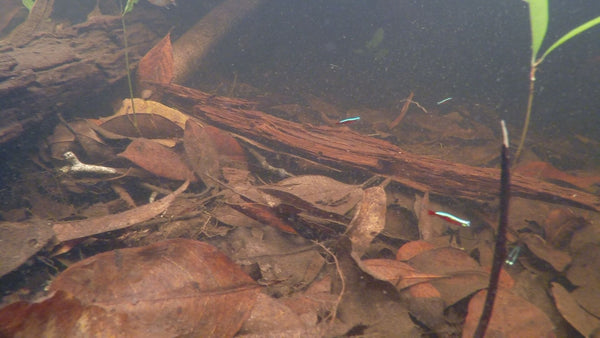
Hmm, what this means to us is that fish sort of “follow the food”, right? And that the “seasonal availability” of some food sources actually dictates overall fish behavior.
Idea:
Would it make sense to alter our feeding habits to mimic these natural occurrences and cycles? In other words, feed a correspondingly more frequent, more intensive diet of say, worms, fruit flies, or Daphnia in a period of time that corresponds with the wet season? And then, perhaps reducing frequency, quantity, and variety of foods at other times- perhaps even doing a several week-long “hiatus” or two, to encourage them to forage on the biocover and natural foods you have encouraged to accumulate within the aquarium?
Remember: Every botanical, every leaf, every piece of wood, every substrate material that we utilize in our aquariums is a potential component of food production!
The initial setup of your botanical method aquarium will rather easily accomplish the task of facilitating the growth of said biofilms and fungal growths. There isn’t all that much we have to do as aquarists to facilitate this but to simply add these materials to our tanks, and allow the appearance of these organisms to happen.
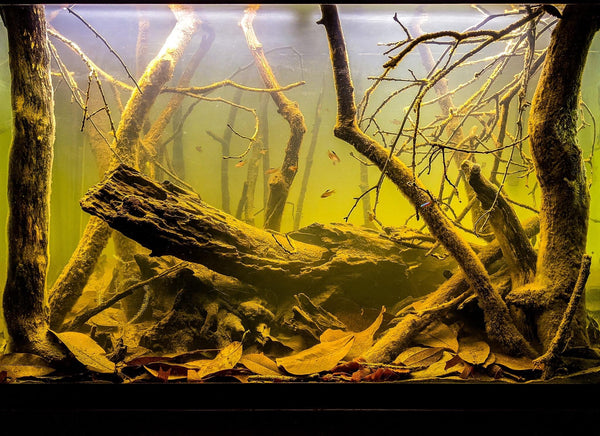
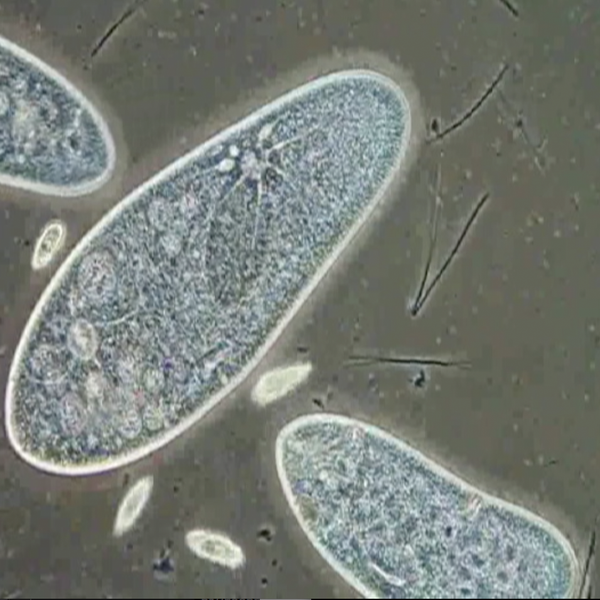
As I mention almost weekly here, you could add pure cultures of organisms such as Paramecium, Daphnia, species of copepods (like Cyclops), etc. to help “jump start” the process, and to add that “next trophic level” to your burgeoning food web. There are a lot of vendors out there now who offer these cultures.
In a perfect world, you’d allow the tank to “run in” for a few weeks, or even months if you could handle it, before adding your fishes- to really let these organisms establish themselves.
And regardless of how you allow the “biome” of your tank to establish itself, don’t go crazy “editing” the process by fanatically removing every trace of detritus or fragmented botanicals.
When you do that, you’re removing vital “links” in the food chain, which also provide the basis for the microbiome of our aquariums, along with important nutrient processing.
So, to facilitate these aquarium food webs, we need to avoid going crazy with the siphon hose! Simple as that, really!
Yeah, the idea of embracing the production of natural food sources in our aquariums is elegant, remarkable, and really not all that surprising. They will virtually spontaneously arise in botanical method aquariums almost as a matter of course, with us not having to do too much to facilitate it.
Is there a benefit to increasing or decreasing the amount and type of botanicals and leaves corresponding with natural inundation/dessication cycles like we find in Nature? Would these practices be a “hardship” for fishes….or, would this attempt at replicating their natural feeding “cycles” in our aquariums lead to other behaviors…like spawning?
And, is there an advantage to setting up aquariums to facilitate food production?
Yes!
There is something tantalizing to me about the idea of our fishes being able to supplement what we feed. In particular, fry of fishes being able to sustain themselves or supplement their diets with what is produced inside the habitat we’ve created in our tanks!
A true gift from Nature.
I think that we as botanical-method aquarium enthusiasts really have to get it into our heads that we are creating more than just an aesthetic display. We need to focus on the fact that we are creating functional microcosms for our fishes, complete with physical, environmental, and nutritional aspects.
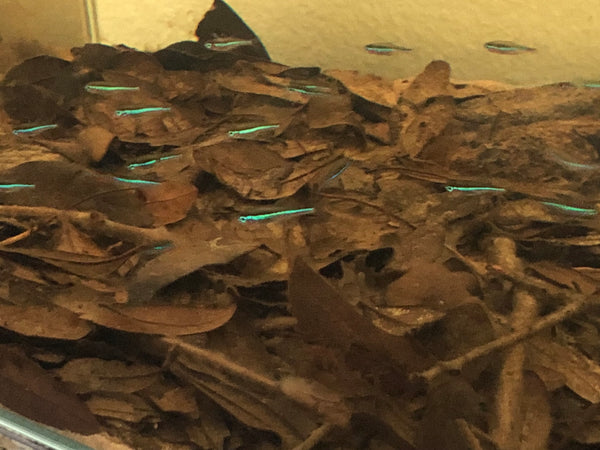
Food production- supplementary or otherwise- is something that not only is possible in our tanks; it’s inevitable.
I firmly believe that the idea of embracing the construction (or nurturing) of a “food web” within our aquariums goes hand-in-hand with the concept of the botanical method aquarium. With the abundance of leaves and other botanical materials to “fuel” the fungal and microbial growth readily available, and the attentive husbandry and intellectual curiosity of the typical botanical method aquarium geek, the practical execution of such a concept is not too difficult to create.
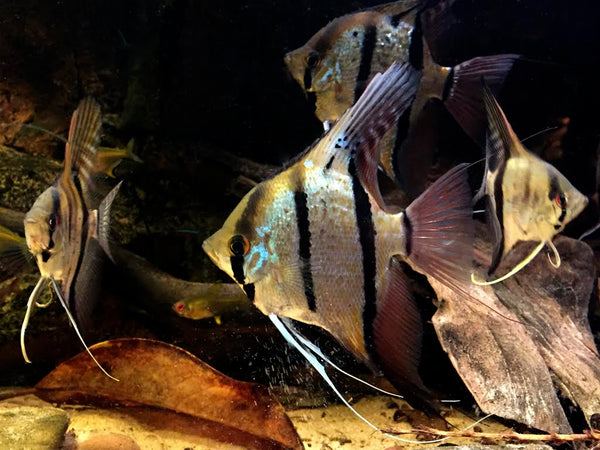
Further, would environmental manipulation, like altering the pH, flow, temperature, in conjunction with the “food cycle” be an ultimate trigger for reproduction of fishes? Hobbyists have been manipulating temperature and water chemistry for decades to get fishes “in the mood” for spawning- nothing really new here. However, doing that in conjunction with more specialized feeding (rather than just pounding them with a continuous flow of food) could yield some interesting results!
Again, some of you might simply be thinking, “Why go to all of this effort? We feed our fishes a lot all the time, condition them for spawning…and it works!” To which I respond:“You’re 100% right.”
However, what if we can do better?
Encouraging more frequent reproduction, or induce spawning in fishes that historically have been difficult or even thought to be impossible to spawn? What if it yields longer reproductive life spans. What if these practices play to the evolutionary adaptations of our fishes to their advantage? Could these practices result in more healthy fishes- or actually be counterproductive? I think the former, but it could be interesting to know.
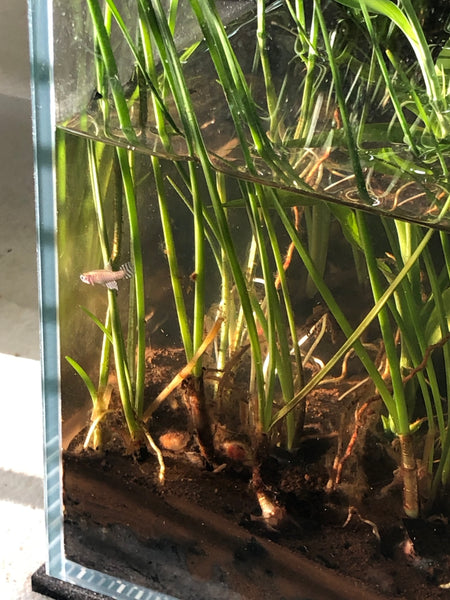
Once again, I’m not questioning our age-old practices to be a pain in the ass…rather, to see if what we’re doing IS truly the best practice, and to see if there might be a better way. A more natural way. One which ties in with the way we manage our aquariums as a whole- botanical method or otherwise. All of these things are potentially interrelated, and all of them are worth taking a look at with a fresh perspective.
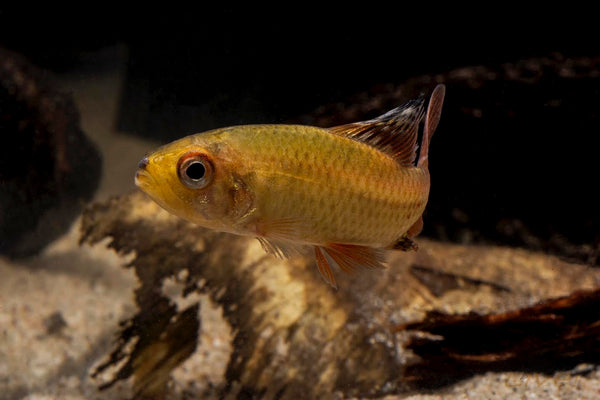
The big winners here: The fishes, the hobby, the hobbyist..and of course, the natural habitats-because if we understand how fishes and their habitats are intertwined and related, we will have a better understanding of the need to protect and preserve these priceless ecosystems for future generations to enjoy.
A lot to think about when you reach for that can of pellets this afternoon, but interesting nonetheless, I think. And potentially evolutionary.
Stay bold. Stay open-minded. Stay interested. Stay creative. Stay engaged.
And Stay Wet.
Scott Fellman


Leave a Reply