
swamp: /swämp/ noun- An area of low-lying, uncultivated ground where water collects; a bog or marsh.
It’s been a while since we’ve taken a more detailed look at a specific wild habitat, to get some insights in how it formed, what it’s influences are, and how we can use this information to create aquariums which seek to replicate its form and function. So today, let’s return to the swamps! Well, not just any old swamps- let’s check out the peat swamps of Borneo!
The island of Borneo is widely known as one of the most biodiverse ecosystems on earth, and the peat swamp forests there cover around 12% of the land in Southeast Asia! Peat swamp forests are a form of tropical forest in which very saturated soils (called “histosols” by geologists) inhibit the decomposition of organic materials, such as leaves and other parts of trees and forest vegetation, which leads to the formation over time of peat.
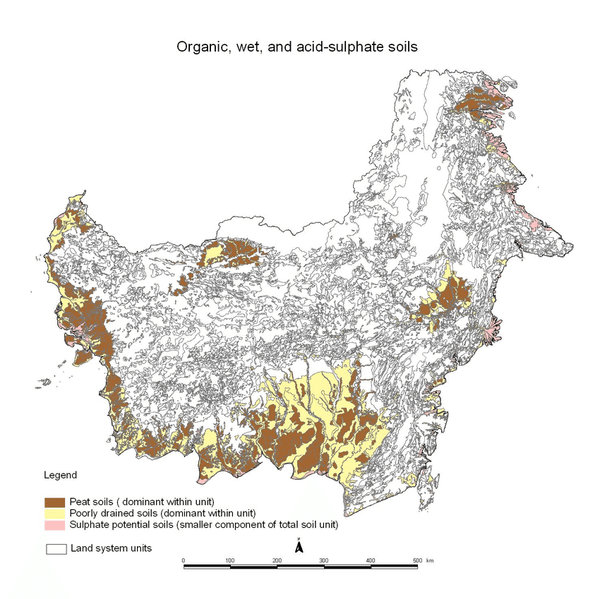
In areas with poor drainage, peat can accumulate over long periods of time until it rises above normal groundwater levels, which creates raised bogs, known to ecologists as “ombrogenous” bogs, which are fed only by rain, and thus have their own water table. The peat retains water via capillary action. These bogs can be as much as 60 feet (20 meters) deep(!), and are largely deficient in nutrients because of the lack of input of mineral input. The leaching of organic compounds from the peat causes the water contained in these bogs to be extremely acidic (like pH4 or lower!).
These “omborgoenous” peat swamps can develop in in areas between rivers in locales with year-round rainfall, as well. They’re fascinating structures, home to an enormous diversity of life. Here’s where it gets interesting to us fish geeks:
Studies have shown that approximately 220 species of fishes have been found in peat swamps, with approximately 80 of these species restricted to this habitat alone! And 31 are what are known as “point endemic” species, found only in single locations!
That’s a LOT of species in a very unique habitat, huh?
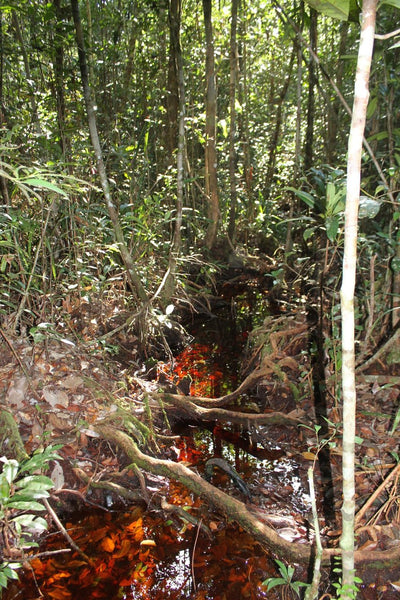
(image by Marcel Silvius)
Some scientists suggest that the conditions in peat swamps have favored the evolution of smaller, specialized fish species, and that each area of peat swamp could support its own group of endemic species. This is interesting and important…Some species (17 have been identified at the moment) from these habitats are classified as vulnerable, endangered, or critically endangered.
In fact, the environments themselves are endangered…and humankind’s encroachment, exploitation, and destruction of these habitats is a very dangerous problem for our planet’s existence.
During the wet season, the peat swamps are inundated with water, which slows down the aerobic decomposition which occurs in the substrate- conditions which facilitate the formation of peat. During the dry season, the water levels in the swamps decrease, exposing a significant amount of peat to the air (which leads to decomposition and the release of CO2 into the atmosphere. This is exacerbated by human intervention, such as slash and burn agriculture, etc.
We all know what that means.
Sadly, these vast swamplands are not well understood, and often are under appreciated in the nations in which they are found, treated like “wastelands”, which need to be converted to other human-important uses. This has resulted in their rapid disappearance and an increasing in fires, logging, and conversion to agricultural and industrial uses.
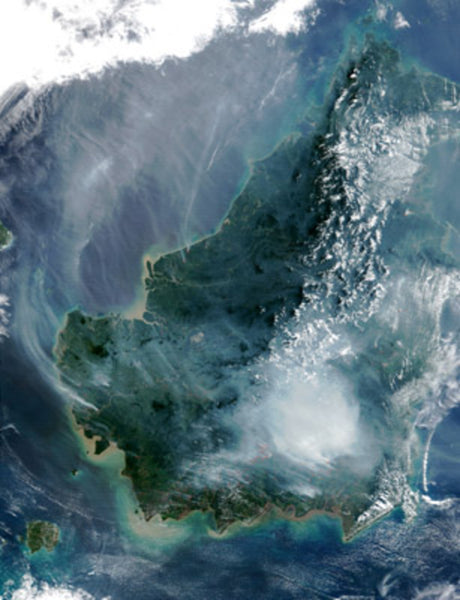
Scientists on the front line of studying ecological dangers are concerned about this, because of the huge quantity of carbon that these swamplands store and potential release into the atmosphere. It’s thought that as much as 3% of the total global emissions of CO2 can come from these habitats if they are destroyed- sparking a huge amount of concern and urgency to understand their impact as carbon stores.
And there are several types of well-studied peat types found in these swamps, varying by composition, based upon the materials found in the locales, and the amount of water present in the peat.
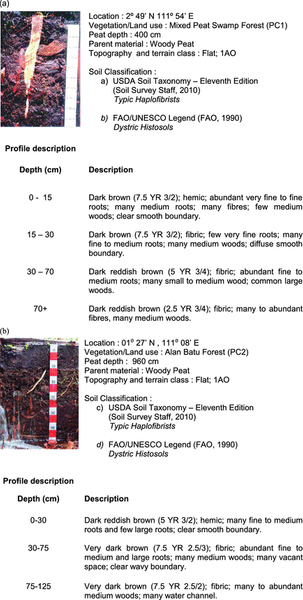
There’s so much more than just peat and water in these habitats, and much more to study.
These are precious environments.
They require us to understand, explore, and preserve them. As aquarists, we can do our part by attempting to replicate these habitats in our aquariums, and to breed the species which come to the hobby from these habitats. Yeah, not only will our work help us to get a better understanding of the ecosystem, it will (if we’re lucky and diligent) relieve some of the pressures on these vulnerable wild populations.
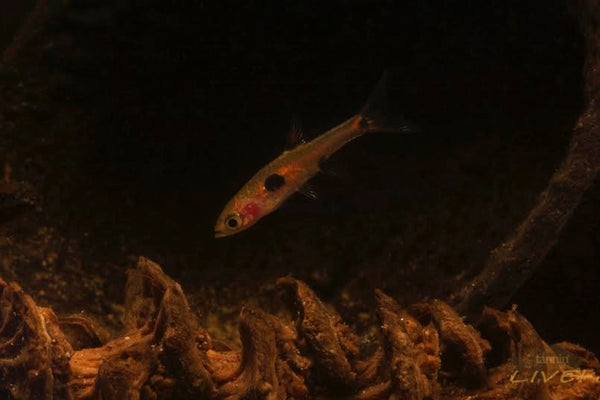
Species from the genera Sphaerichthys, Desmopuntius, Rasbora, Betta, and Channa are well-represented in these habitats. I would select a particular fish community rather than assemble a collection of attractive blackwater species from across Southeast Asia. I would be especially interested in building a community around a species of Parosphromenus or a small Betta, rather than making the fish population the dominant feature of the aquarium.
One important consideration: some of these fishes are exceptionally specialized. Compatibility, feeding requirements, reproductive behavior, and exact collection locality matter. I would research the particular species before designing the aquarium around it.
Average water depth in these swamp habitats ranges from about 1/2″ to as much as 3 feet (approx. 0.1 meters to 0.9 meters). Researchers have found that these peat swamp fish communities are typically more species rich in habitats which offered higher levels of dissolved oxygen, which is interesting because we tend to think of swamp fish as being found typically in low oxygen environments, right?
That being said, there are plenty of fishes which have evolved to thrive in these habitats. For example, Betta hendra, one of the betta species, is only known to be found in the Sebangau forest! These are also specially adapted for life in the peat-swamp environment, with its lower dissolved oxygen levels. According to Fish Base, it’s found in, “…peat swamps with depth of about 5 to 50 cm and with no water current. The water was shaded by trees and bushes. Collected among the aquatic and marsh plants…”
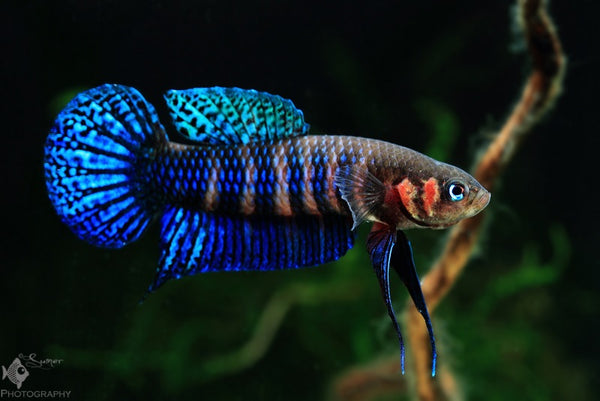
(A great pic of B. hendra by our friend, Sumer TIwari)
Some fish possibilities to investigate include perhaps the quintessential peat-swamp specialist, the genus Parosphromenus. Their specialized reproductive behavior and preference for soft, acidic water make them particularly compelling subjects. Betta coccina is a beautiful, habitat-appropriate species associated with acidic forest waters,
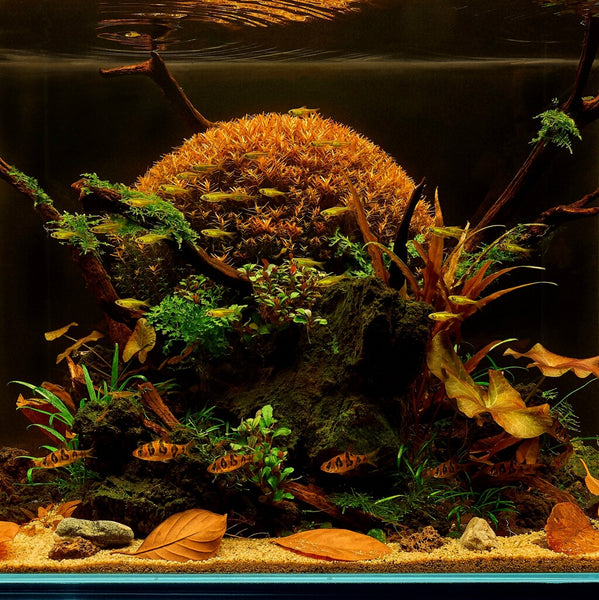
Boraras species can be appropriate for blackwater environments, depending on their specific locality and requirements, and the little Sundadanio inhabit exceptionally soft, acidic blackwater environments.
Keep in mind that the wild peat swamp habitats have a very specific impact on the types of fishes which reside in them, Dissolved oxygen levels, in particular, have an outsized impact, as related I the following little gem I found in a research paper on the subject:
“Forest pools and canals in these regions have consistently lower dissolved oxygen levels the rivers and streams in the region do. This is probably due to the inherent nature ofthe aquatic habitat in peat swamp forests, where DO levels are kept low due to the high amount of tannins in the water (from the high organic matter content of the peat), with the accumulation of decaying organic matter depleting DO levels.
Additionally, there is low or no water flow (especially in the pools) which further ensure low levels of DO regardless of the lower surface temperatures of forest water bodies(Yule & Gomez 2009). Low concentrations of DO can make water uninhabitable for certain fish species, therefore the forest is likely to be a more challenging environment for fish survival.”
Did you see the part about the tannins keeping dissolved oxygen levels lower?
That’s the first time I’ve heard that correlation made. Although, the next sentence clarified it for me, when it touched on the high level of organic matter depleting dissolved oxygen levels. So, my thinking is that the tannin is the result of the organic matter, but the organic matter itself is responsible for the lower oxygen levels.
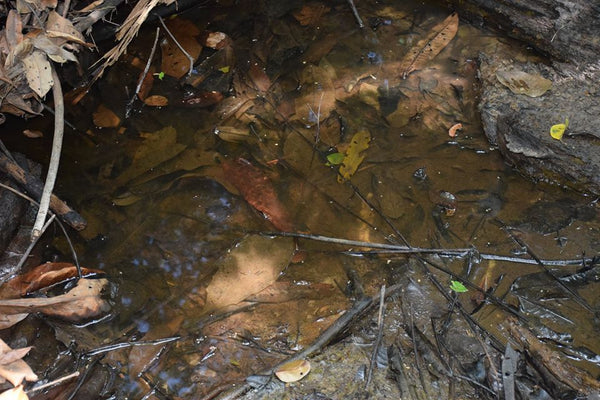
This makes perfect sense, right?
We all know by now that too much botanical material added to the water in your established, stable aquarium in a short time period can result in depleted oxygen levels, leaving fishes gasping at the surface! If there is one “common botanical-method aquarium disaster trigger”, that would be it. See- that happens in Nature happens in our aquariums. You can push it, but you can’t hide from the consequences of trying to beat Nature’s rules!
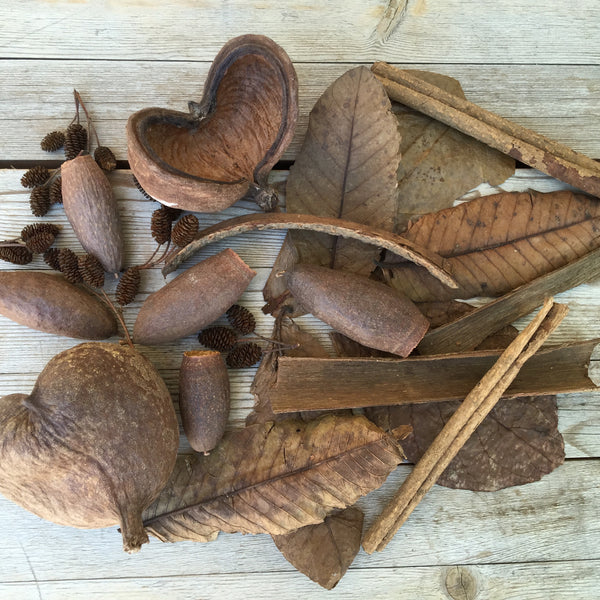
Interestingly, our captive aquariums function in a very similar manner to the wild ecosystems!
The water of the peat swamps is very high in dissolved organic carbon, and it’s thought by ecologists that the dissolved organic carbon is used as a substrate for microbial growth- thusly lowering the concentration of dissolved organic carbon in the water, and transferring energy from decomposing leaves and other materials to other trophic levels (defined as “hierarchical levels in an ecosystem, comprising organisms that share the same function in the food chain and the same nutritional relationship to the primary sources of energy.”).
This would explain how tropical peat swamps support diverse, abundant flora and fauna despite incredibly low nutrient levels and lack of rapid leaf litter cycling, such as that which occurs in other types of tropical rainforests.
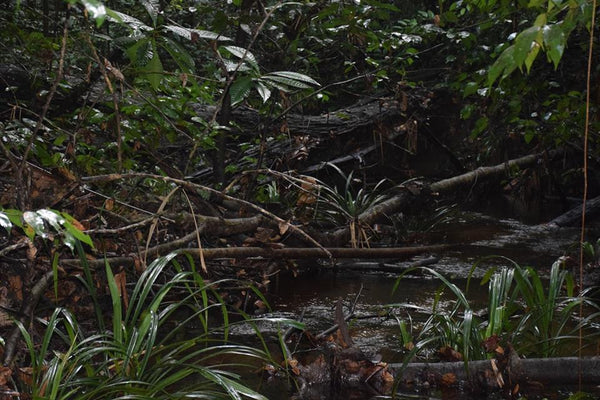
So, with some of this information in our grasp, how can we interpret it for use in our aquarium work? Now, sure, I could easily devote an entire piece to how you can recreate this habitat in your aquarium from a “functionally aesthetic” perspective- and we will.
However, I’m not going to sell it short by just sort of touching on it here with a laundry list of, “Use this botanical!”, or similar. Let’s just touch on one aspect- what I feel is the most important, and then we can cover the rest of this stuff in future piece.
I would manage an Asian peat swamp aquarium as a functioning, organic-rich wetland ecosystem, rather than simply an aquarium with blackwater, roots, and a layer of peat!
That distinction is really important. The objective isn’t merely to reproduce the appearance of a peat swamp. It’s to establish the physical and biological conditions that make a peat swamp what it is: acidic, mineral-poor water; accumulated organic matter; slow decomposition; specialized microbial communities; submerged and emergent vegetation; and fishes adapted to those conditions.
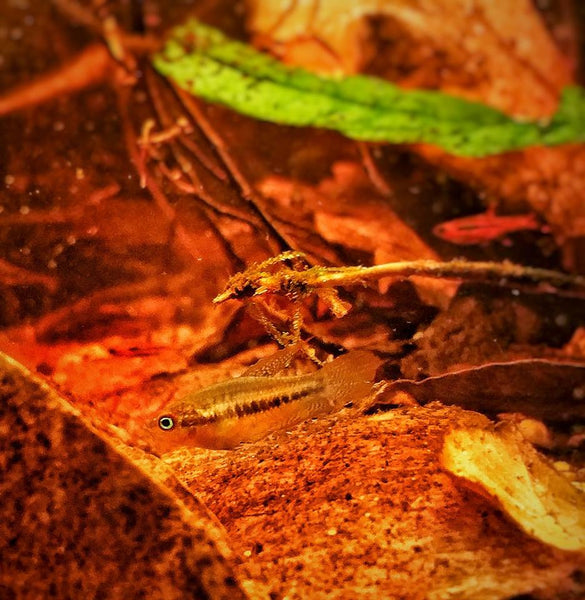
I’d approach it with a fairly light hand once the habitat was established. Build the conditions, introduce the organisms, and then manage the ecological processes rather than continually trying to maintain a particular appearance.
I would concentrate on recreating several defining features of these habits. Specifically, water chemistry. Low general hardness and carbonate hardness, with pH appropriate to the selected habitat and fish community.
I’d incorporate organic substrates, such as leaves, woody material, roots, and accumulated plant debris. You would want to utilize relatively gentle water movement, with quiet areas and subtle circulation rather than a uniformly turbulent environment. Also, you’d want a complex physical structure, including submerged roots, fallen branches, leaf accumulations, and shaded areas. And of course, we embrace biological succession- fungal growth, bacterial biofilms, and the gradual transformation of botanical materials.
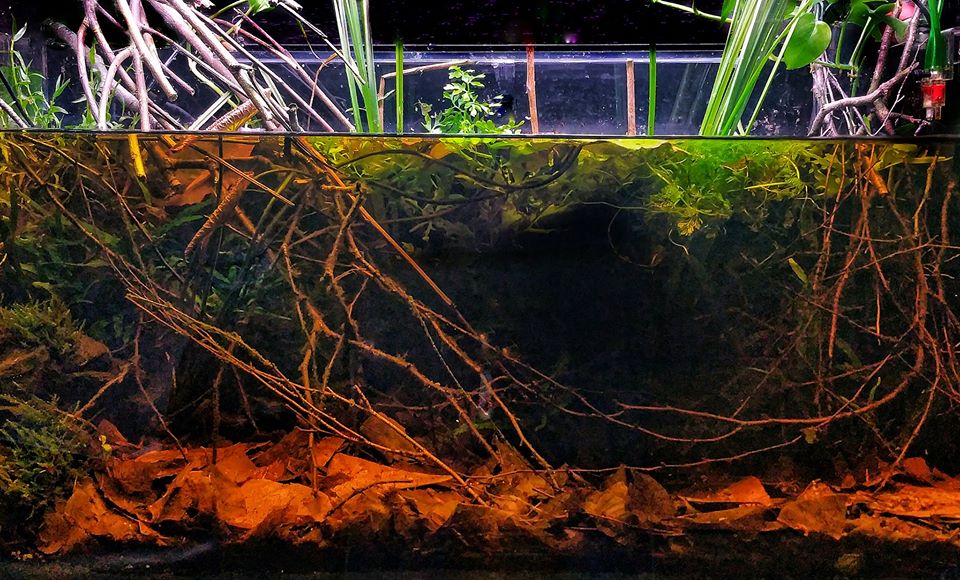
Personally, I believe that we’d be both wise- and challenged- to attempt to replicate the peaty soils of the swamps. I think that it’s the whole game here. I would avoid treating the bottom as a conventional aquarium substrate. Instead, I’d create a heterogeneous organic landscape.
Now, many of us have mixed feelings about utilizing peat in our aquariums; however, there ARE some sources of sustainably-harvested peat available, but you’ll have to do your homework to find them.
Are there alternatives?
Well, sure. I think so.
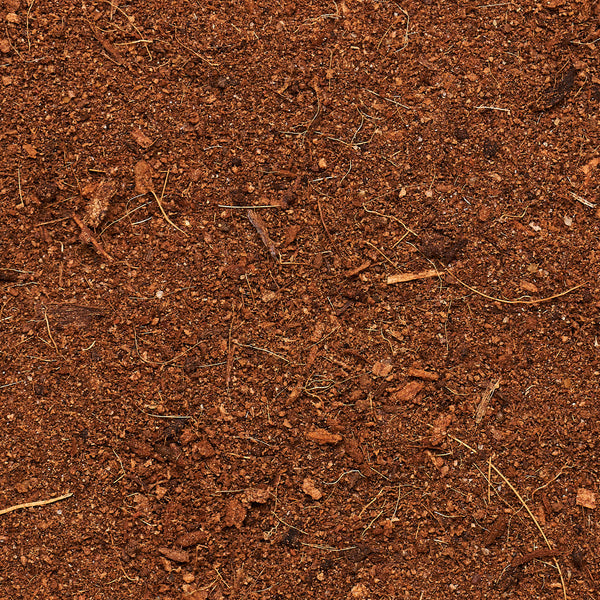
In peat swamps, the peat layers may be well in excess of 3 feet (1m) deep. The floodplain forests are found along rivers, streams, coasts, and lakes. The seasonal flooding inundating the forests for short periods leads to an influx of sediment and mineral enrichment during high water periods.
These soils are best replicated by using “non-traditional” substrates, like…coconut-based materials, finely-crushed botanicals, mud, sediments, etc…
There are some characteristics of these soils which will make them challenging in aquariums. For one thing, the physical characteristics of these materials will make them “behave differently” in water than traditional sands and other aquarium substrates. Peat, in its natural state, contains excessive amounts of water and is not exactly “sturdy” like sand or gravel because of its high permeability and has very low shear strength. And of course, it has a really low pH.
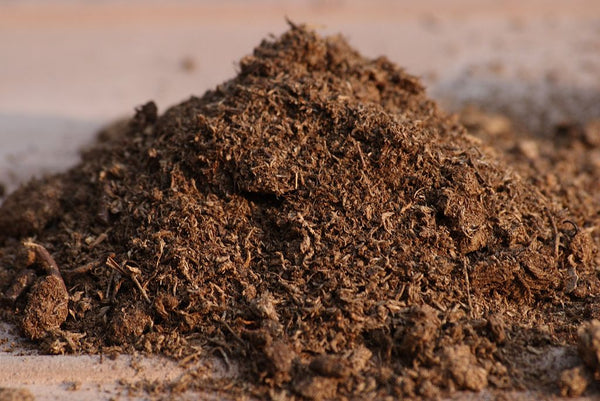
If we’re trying to replicate the habitat as faithfully as possible, we’d want to use reverse osmosis/deionized water, or water with minimal carbonate hardness, and a soil with properties similar to peat. This could be challenging to manage for many hobbyists, because of the resulting pH. Peat and botanicals can contribute humic substances and other dissolved organic compounds, but they are not substitutes for controlling the mineral content of the source water. Nor should we assume that adding more peat will reliably produce a particular pH.
I’d establish the water chemistry first, then introduce botanicals gradually and observe the system’s response.
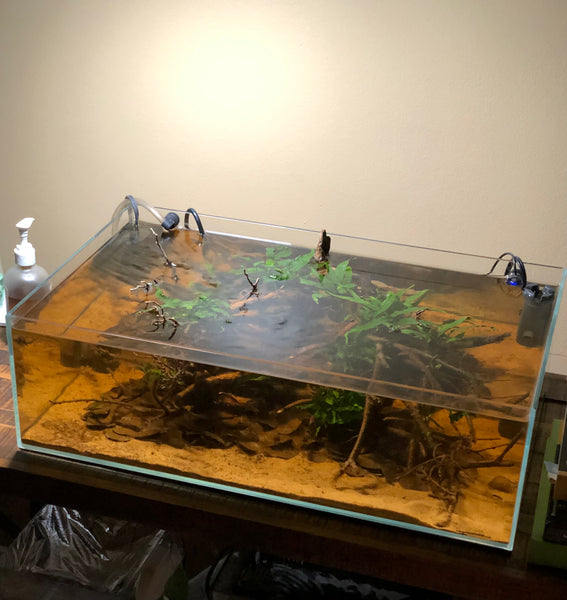
My starting materials would include stuff like thoroughly rinsed, inert sand in selected areas, a substantial but uneven layer of dried leaves, pieces of decomposing hardwood, fine roots, twigs, and bark-like botanical material, and pockets of finer organic material, rather than a uniformly deep layer. I’d also allow the substrate to develop naturally. Some areas would accumulate more material than others. Fish movement, water circulation, and decomposition would gradually rearrange the bottom. The resulting habitat should look like an organic accumulation, not a “decorative” layer of leaves.
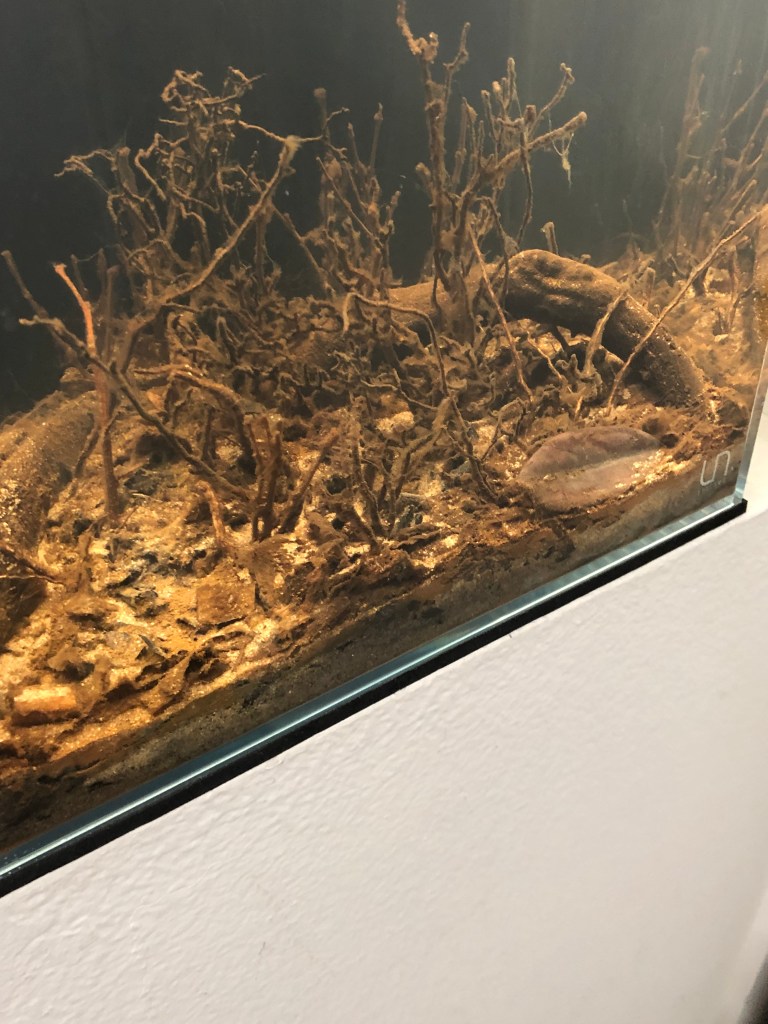
Now, one thing to consider, of course, is that the fishes which reside in this habitat are intimately linked to it, and I think you’d do well to study the overall habitat. I could go on an on about each fish species, etc., but I think there are way better sources for that than I. What we need to discuss is really how to recreate the habitat more faithfully.
I also think that the aquarium configuration is important. I’d go with a smaller aquarium, depending upon the species you’re wanting to keep, to create a very tightly controlled, cohesive environment. I’d look for a shallow, wide “footprint” for such an aquarium.
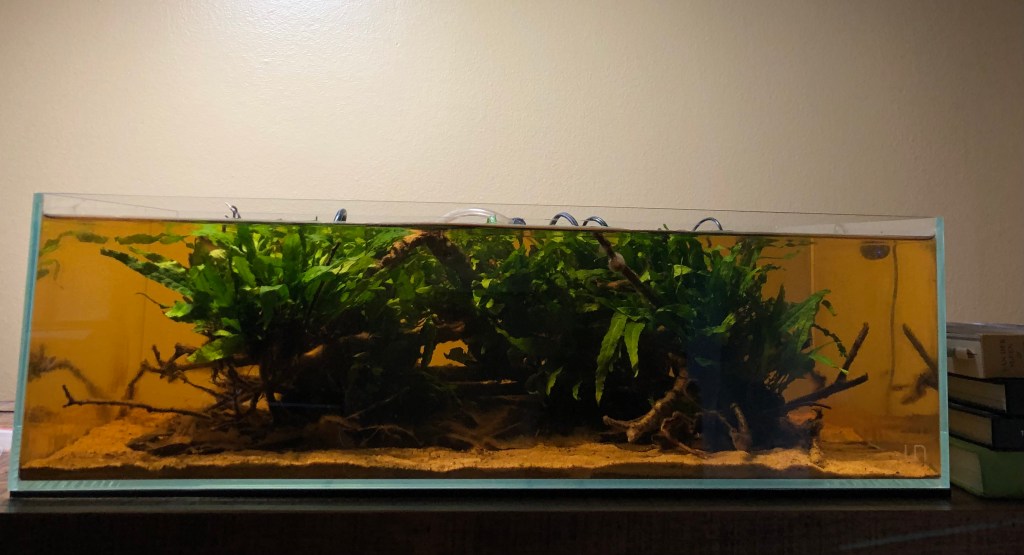
I don’t presume to be an expert on planted aquariums, but I do know that some species, such as Cryptocoryne, are found extensively in these environments, and would be the natural and easy choice for plants in such an aquarium.
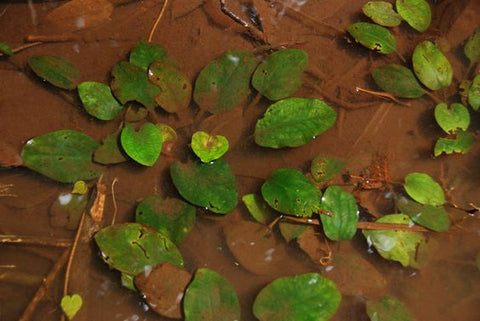
Filtration would be best accomplished with a canister or external power filter with gentle return flow, as water movement is minimal in these swamps. Plus, with a mix of rather buoyant substrate materials, you’d probably want to limit the heavy flow to keep them from blowing all over your tank! I would favor gentle, effective biological filtration with modest mechanical filtration.
The goal is not to eliminate every suspended particle or remove every trace of dissolved organic material. Some organic matter is part of the habitat’s food web.
I would still want adequate oxygenation and circulation, particularly around the filter and in areas where organic material accumulates. A peat swamp may be oxygen-poor in its sediments, but that doesn’t mean the aquarium’s entire water column should become oxygen-depleted.
I’d also avoid allowing fine organic material to accumulate in stagnant pockets where it could create uncontrolled anaerobic conditions. In other words, I’d recreate the character of slow-moving swamp water without deliberately compromising the aquarium’s basic biological stability.
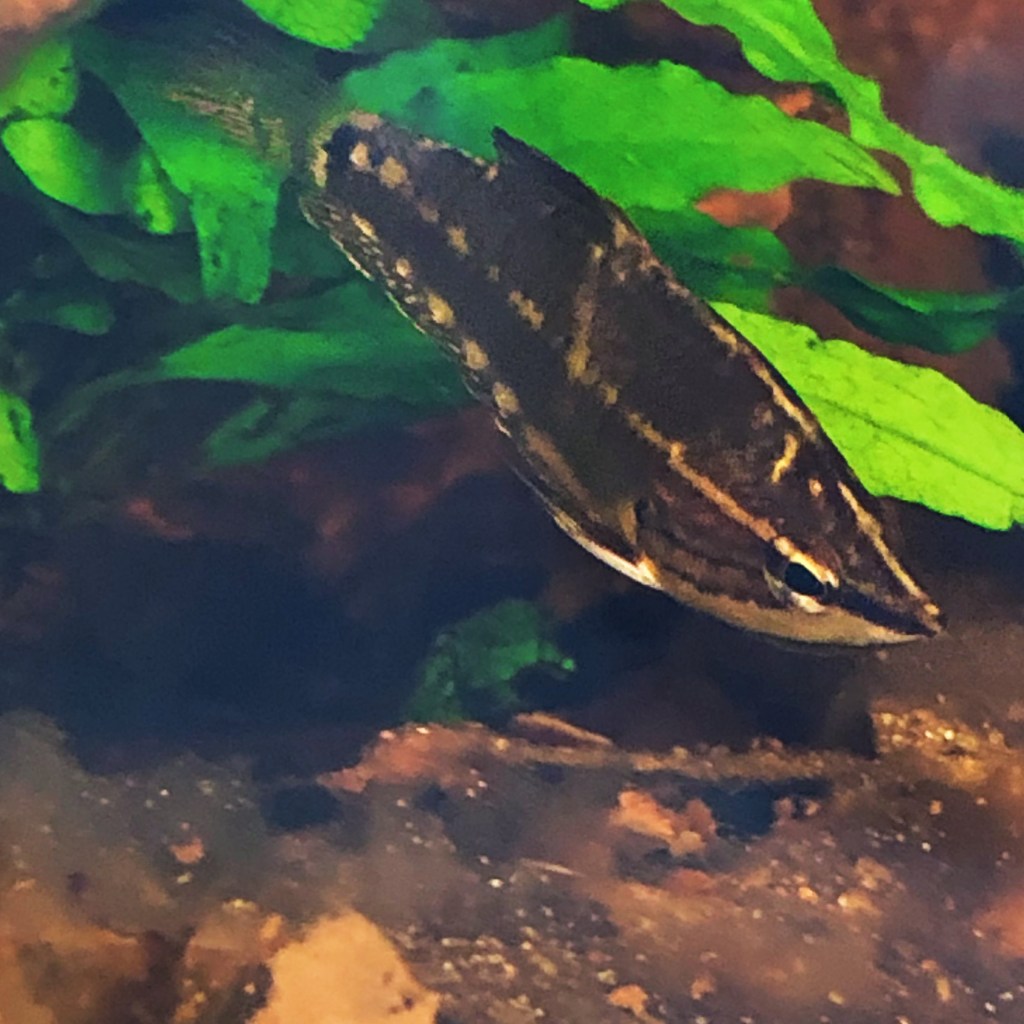
I’d plant fairly densely, and intersperse lots of botanicals, to replicate some of the materials found in these swamps. I wouldn’t necessarily make this a heavily planted aquarium. Depending on the particular habitat being modeled, I’d consider Cryptocoryne species appropriate to the selected locality, Bucephalandra in suitable shaded, flowing-water sections, Java fern attached to submerged wood, Floating vegetation to create shade and diffuse light, and emergent roots and marginal plants, where the aquarium’s design permits.
I would avoid forcing a lush aquatic-plant aesthetic onto an environment where submerged vegetation may be relatively sparse. The submerged roots, woody structure, and organic accumulations should remain the dominant visual elements.
Perhaps you’d even want to include some palm fronds?
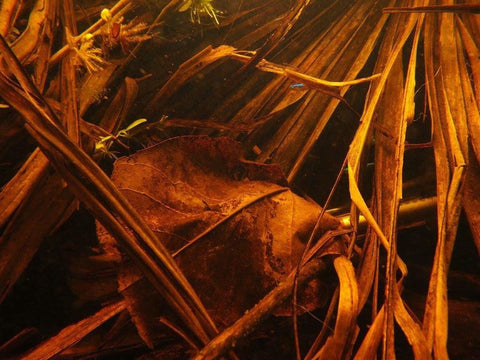
A peat swamp is not simply a collection of fishes living among leaves. It’s a food web supported by terrestrial organic inputs, microbial activity, and aquatic invertebrates. I’d want to establish a modest but persistent population of Copepods, Ostracods, small aquatic worms, and other appropriate micro invertebrates. I’d also encourage biofilm development on leaves and submerged wood.
The idea is to provide fishes with opportunities to forage between feedings, not simply to deliver a daily ration of prepared food.
The maintenance of this aquarium would be no different than any of the Amazonian biotopes that we discuss so frequently here. Common sense water quality management, and regular water changes would go a long way towards maintaining a healthy environment for your little swamp!
I would not routinely remove every decomposing leaf, scrape every biofilm-covered surface, or vacuum the substrate until it looked immaculate.
But I would distinguish between productive organic accumulation and uncontrolled accumulation. I’d maintain regular, modest water exchanges using appropriately prepared soft water, consistent removal of uneaten food, gentle mechanical filtration to prevent excessive suspended debris, adequate oxygenation and biological filtration, regular monitoring of pH, conductivity, temperature, and nitrogenous waste, and gradual replenishment of botanical materials as they decompose.
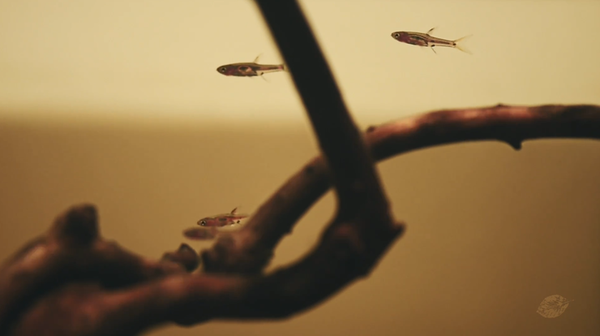
One thing I’d be particularly interested in is the substrate’s evolution. Rather than maintaining a fixed layer of leaves, I’d allow organic material to accumulate unevenly, with some areas becoming more consolidated and others remaining relatively open. I’d watch how the invertebrates colonize it, how the fishes use it, and how the material changes over time.
The aquarium would become less of a “static” representation of a peat swamp and more of a small, functioning approximation of one.
And there’s a wonderful paradox here: peat swamps are extraordinarily organic-rich environments, yet they are generally nutrient-poor in terms of available mineral nutrients. Their organic abundance is the result of an ecological system in which plant production, waterlogging, and constrained decomposition interact over long periods.
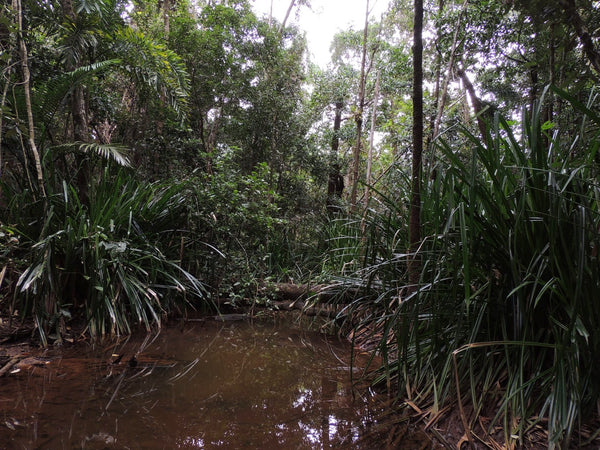
That’s the principle I’d want the aquarium to express.
I wouldn’t try to make it clean. I wouldn’t try to make it lush. And I wouldn’t try to make it look perpetually new.
I’d try to make it ecologically convincing.
And I suspect that, given time, the aesthetic would take care of itself.
Let’s sort of leave it there, as we can go into much more aquarium-specific ideas on the recreation of this unique habitat in another blog post.
I hope that we’ve not only given you a few new insights on the peat swamps, but more important, inspired you to do further research on them. There is so much more than “tinted, low pH water” to the recreation of one of these habitats. It’s going to require a lot of research and work to understand the unique dynamics of these fascinating ecosystems, and how to recreate them functionally in our home aquariums.
Let’s roll up our sleeves and get to work!
Stay inspired. Stay creative. Stay observant. Stay brave…
And Stay Wet.
Scott Fellman


Leave a Reply